
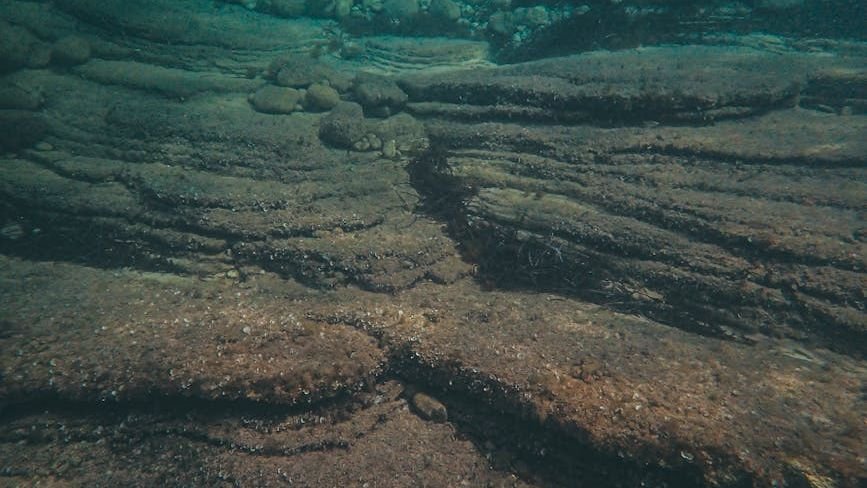

Imagine standing on the edge of a cliff so deep that Mount Everest could disappear inside it with room to spare. That’s the kind of scale we’re talking about when we step, at least in our minds, into the world of . They are dark, crushing, and hostile – and yet somehow full of life and mystery. The more scientists learn about them, the more these places feel like an alien world hiding right here on Earth.
I still remember seeing a grainy video clip from a deep-sea expedition: a tiny white fish drifting through inky black water at a depth I could barely comprehend. It felt almost wrong, like life had no business being there at all. But it is there, thriving in conditions that would kill us in seconds. Let’s dive into ten of the most surprising and frankly mind-blowing facts about the deepest trenches on our planet.
The Mariana Trench Is Deeper Than Mount Everest Is Tall
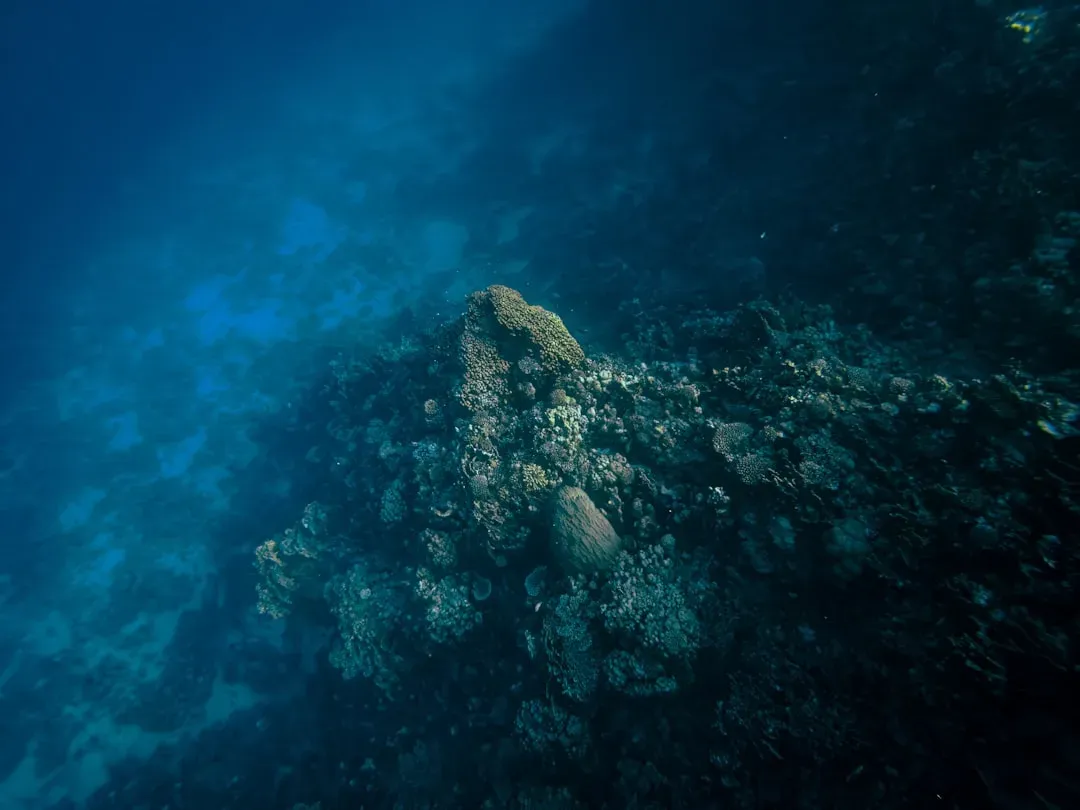
The Mariana Trench in the western Pacific Ocean is the rock star of deep-sea trenches, and its deepest point, the Challenger Deep, plunges to around eleven kilometers below sea level. To put that into something more familiar, if you took Mount Everest and flipped it upside down into this trench, its summit would still be well below the ocean surface. That kind of depth is hard to picture, but it helps to think of stacking about twelve of the world’s tallest skyscrapers end to end, vanishing into total darkness.
At that depth, the pressure is like having a large truck pressing down on every square centimeter of your body. Humans could never survive there without serious engineering wrapped around them. Even for specialized deep-sea submersibles, this environment is harsh and dangerous, which is why only a handful of crewed missions have ever reached the very bottom. The Mariana Trench is not just deep; it is one of the ultimate extremes of our planet.
Life Thrives Under Crushing Pressure and Eternal Darkness
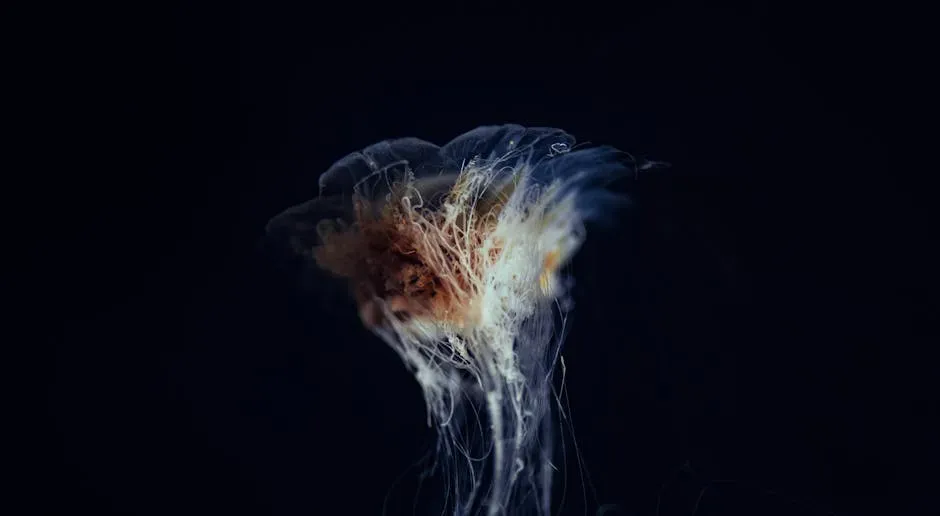
It’s easy to assume that the deepest trenches must be dead zones, but they are surprisingly full of life adapted to conditions that sound like science fiction. These organisms tolerate pressures over a thousand times what we feel at sea level, temperatures just above freezing, and complete absence of sunlight. Many of them have soft, jelly-like bodies, flexible bones, or no bones at all, which helps them withstand enormous pressure without snapping like glass.
Food is scarce, so deep-sea creatures have evolved slow metabolisms and strange feeding strategies, from scavenging falling remains from upper layers of the ocean to using chemicals from the seafloor as an energy source. Bioluminescence is common, turning the darkness into a silent, eerie light show. Instead of relying on plants or sunlight, entire communities are built on chemical reactions and decay, a reminder that life can find a way even where every instinct says it shouldn’t.
Only a Few People Have Ever Reached the Deepest Points
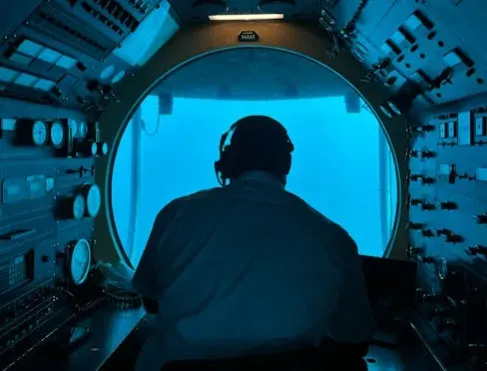
Going to the bottom of the deepest trenches is far harder than going into space, which is why only a very small number of people have done it. Early in the second half of the twentieth century, two explorers descended in a heavy, spherical submersible to the Challenger Deep, and for decades no one followed. That long gap says a lot about how technically demanding and expensive such missions are, and how risky it feels to send humans into a place with zero room for error.
In the past fifteen years or so, a few more crewed dives by researchers and private explorers have finally returned to Challenger Deep and other deep trenches. These missions rely on thick metal hulls, specialized materials, and careful engineering to avoid catastrophic failure. Even today, every descent is a major event, planned for years and backed by teams of scientists, engineers, and support crews on the surface. Despite all our technology, visits to the very deepest points are still rare, almost like trips to another world.
Deep Trenches Are Born at Colliding Tectonic Plates
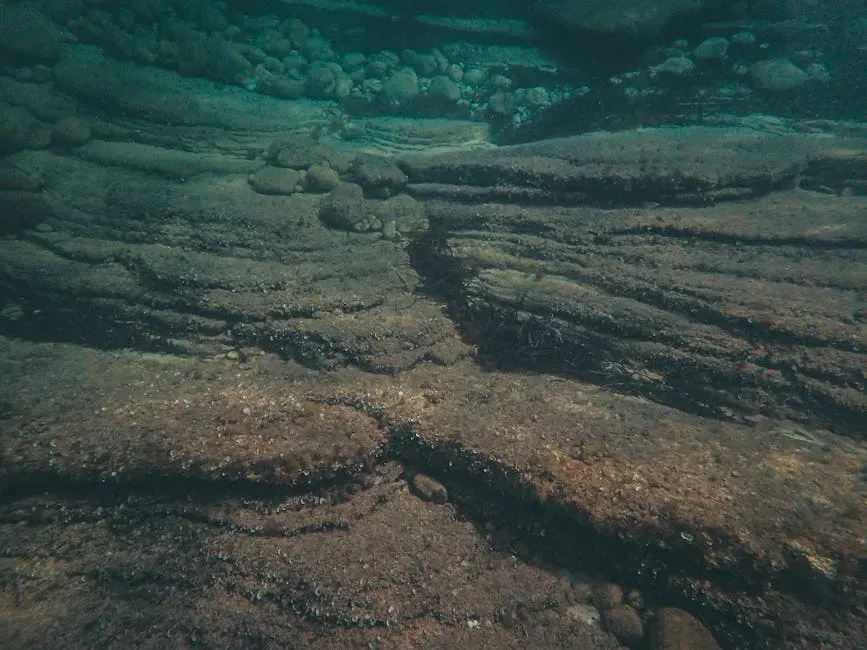
The deepest trenches do not exist by accident; they form where giant slabs of Earth’s crust collide. At these subduction zones, one tectonic plate dives under another and is gradually pushed down into the mantle, carving out a long, narrow scar in the seafloor. The Mariana Trench, for example, lies where the Pacific Plate is being forced beneath the smaller Mariana Plate, creating that extreme drop into the abyss.
This process is not just about depth but also about the constant recycling of Earth’s surface. The sinking plate carries water and sediments down with it, and as it sinks and heats up, it fuels volcanic activity and earthquakes in surrounding regions. Many of the world’s most powerful earthquakes and tsunamis are tied to these subduction zones. So, when you look at a trench on a map, you’re really looking at the front line of a slow, powerful geologic battle that shapes continents and oceans alike.
They Act as Giant Sinks for Carbon and Climate-Relevant Material
Deep ocean trenches play a quiet but important role in Earth’s carbon cycle and long-term climate regulation. Organic material from the surface ocean, from tiny plankton to larger animals, sinks slowly through the water column and can eventually be funneled into trenches. Once it settles there, much of this carbon can get locked away in sediments, buried for very long timescales as the plate slowly shifts downward.
Scientists are still working to understand just how much carbon ends up stored in these deepest zones, but research suggests they may be significant long-term reservoirs. Some of that carbon-loaded seafloor mud is eventually dragged deep into the Earth with the subducting plates. Over millions of years, this helps regulate how much carbon dioxide is in the atmosphere and oceans. It’s a reminder that even the darkest corners of the ocean are part of the planet’s broader climate machinery.
Microbes in the Trenches Can Eat Rock and Use Chemicals as Fuel
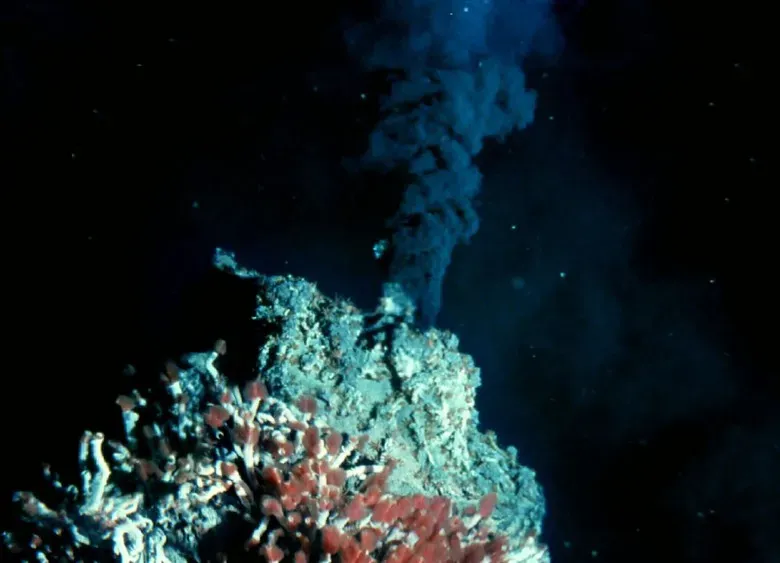
One of the most surprising discoveries in the deepest trenches is that some microbes do not need sunlight or even typical organic food to survive. Instead, they feed on chemicals found in rocks or released from inside Earth, using reactions with substances like hydrogen, methane, or sulfur compounds as their energy source. This process, called chemosynthesis, allows entire ecosystems to exist in places where light never reaches.
In trench sediments and in fluids circulating through the sea floor, these microbes form the base of a unique food web. Larger organisms either eat them directly or rely on them to break down materials that would otherwise be inaccessible. Studying these microbes has even shaped ideas about where life could exist beyond Earth, such as on icy moons with hidden oceans. If microbes can eat rock and thrive at the bottom of our trenches, it suddenly feels less far-fetched that something similar might be happening on distant worlds.
Plastic Pollution Has Reached the Very Bottom

As awe-inspiring as the trenches are, they also carry a sobering message: nowhere in the ocean is untouched by human activity. Deep-sea expeditions have found plastic bags, packaging, and other debris sitting right on the sediment at the very bottom of trenches, including the Challenger Deep. Microplastics have been found in sediment samples and even inside trench-dwelling animals, showing that our waste has traveled to the most remote corners of the planet.
Chemical pollutants such as industrial compounds and persistent organic pollutants have also been detected in deep-sea organisms from some trenches. These substances can build up in animal tissues over time, potentially affecting entire food webs. The fact that our trash and chemicals have sunk all the way into these hidden chasms is both shocking and strangely personal. It’s like throwing something away and discovering that it never truly left, it just sank out of sight into the darkest places we have.
Trench Creatures Look Bizarre – and Break Biological Records
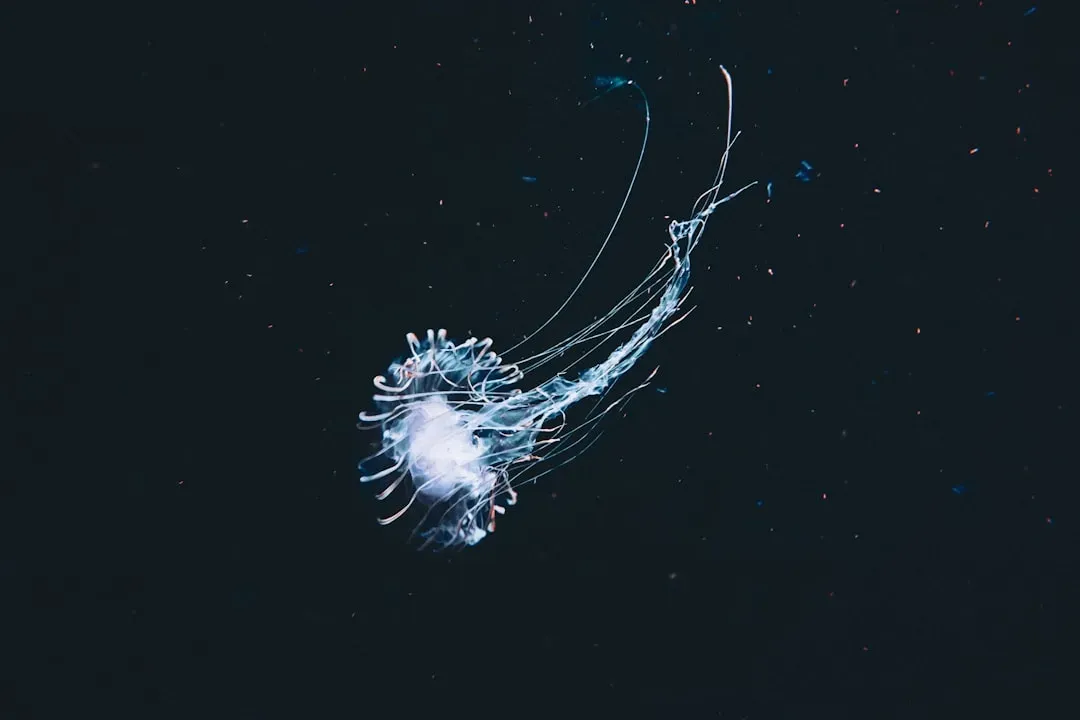
Animals living in the deepest trenches often look like they came from a low-budget science fiction movie, but their strange shapes are perfect for survival in that environment. There are ghostly snailfish with transparent bodies and delicate bones, amphipods as large as a human hand, and sea cucumbers that glide across the mud like slow, living vacuum cleaners. Their bodies tend to be soft and flexible, which helps them resist the intense pressure without cracking or crumbling.
Some trench species set records for depth tolerance, living several kilometers deeper than most other known fish or invertebrates. Researchers have also found unusual substances in their tissues, such as special molecules that help stabilize proteins under pressure. These unique traits make them interesting not just for biology but also for potential technological or medical applications. The creatures of the trenches are extreme specialists, like athletes trained for one very narrow and hostile playing field.
Deep Trenches Are Still One of Earth’s Least Explored Frontiers
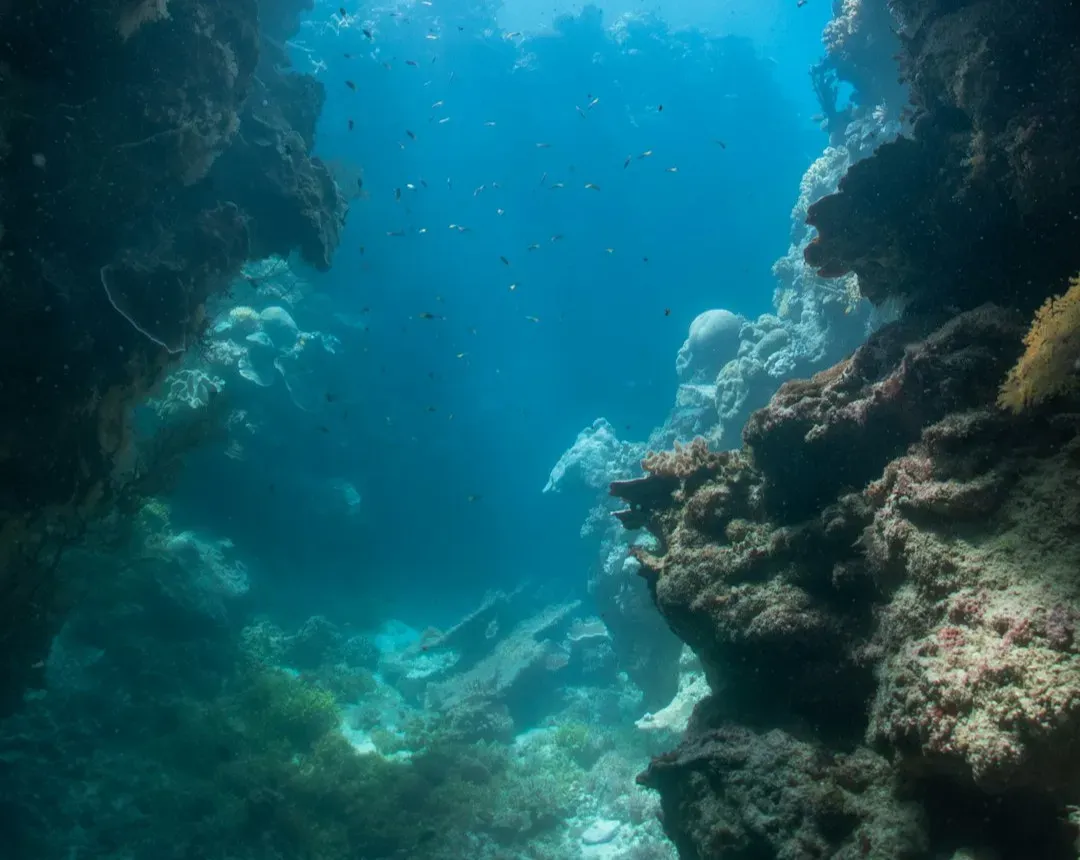
Even today, the deepest trenches remain more poorly mapped than the surfaces of some planets and moons in our solar system. Only a small fraction of the seafloor has been mapped at high resolution, and trenches are especially challenging because of their narrow, steep shapes and extreme depth. Much of what we know comes from scattered expeditions and a limited number of dives, leaving large gaps in our understanding.
New technologies are slowly changing that picture, with autonomous underwater vehicles and improved sonar systems giving scientists a clearer view of these hidden landscapes. Each mission tends to find something unexpected, from previously unknown species to odd geological formations. It’s humbling to realize that, in the twenty-first century, there are still huge parts of our own planet that remain almost untouched and largely unseen. The deepest trenches might be our last great wilderness, hidden not in distant space but just beneath the waves.
Exploring Trenches Helps Us Understand Other Worlds
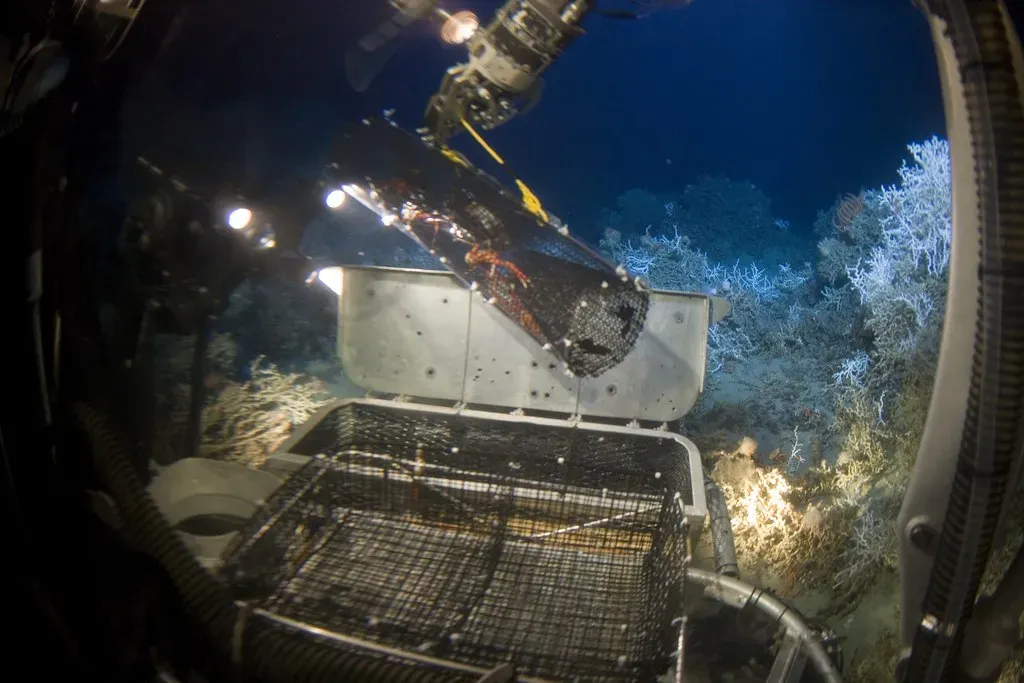
Studying the deepest trenches does more than satisfy curiosity about Earth; it also acts as a training ground for exploring extreme environments elsewhere in the universe. The combination of darkness, pressure, cold, and isolation makes trenches a useful stand-in for places like the subsurface oceans thought to exist on icy moons. Instruments, materials, and robotic systems tested in these depths help engineers learn what might work in other harsh, remote environments.
The strange life forms that make a living in the trenches also shape how scientists think about the potential for life beyond Earth. If complex ecosystems can exist without sunlight and with tiny amounts of energy, the list of places that could harbor life gets a lot longer. Research on deep trenches feeds into planetary science, astrobiology, and even the design of future missions to other worlds. In a way, every dive into the deep ocean is a small rehearsal for journeys far beyond our planet.
Conclusion: The Deepest Trenches Are Our Planet’s Hidden Heart
wrap around our planet like dark scars, yet they are full of motion, life, and meaning. They host strange creatures, recycle the crust beneath our feet, help store carbon, and even guide how we imagine life on distant worlds. At the same time, they quietly reveal our impact, holding pieces of plastic and traces of pollution that drifted down from the surface.
Standing on a beach, it’s almost impossible to feel the presence of those vast abysses far offshore, but they are there, shaping Earth in slow, powerful ways. The more we learn, the clearer it becomes that these hidden depths are not separate from us; they are part of the same living system we depend on every day. When you picture the planet now, do you still see just blue on a map, or do you also sense the immense, silent chasms beneath?


