
The deep sea is the largest living space on Earth, yet most of us will never see it with our own eyes. It’s a world of crushing pressure, eternal night, and creatures so bizarre they seem made up, but they’re very real and quietly shaping the planet we live on.
When I first started reading about the deep ocean, I assumed it was basically just a cold, dark desert. The more I learned, the more that picture shattered: glowing sharks, underwater lakes, “raining” marine snow, and mountains taller than Everest hidden under the waves. The deeper you go, the stranger it gets.
The Deep Sea Is Our Planet’s Biggest – And Least Explored – Habitat
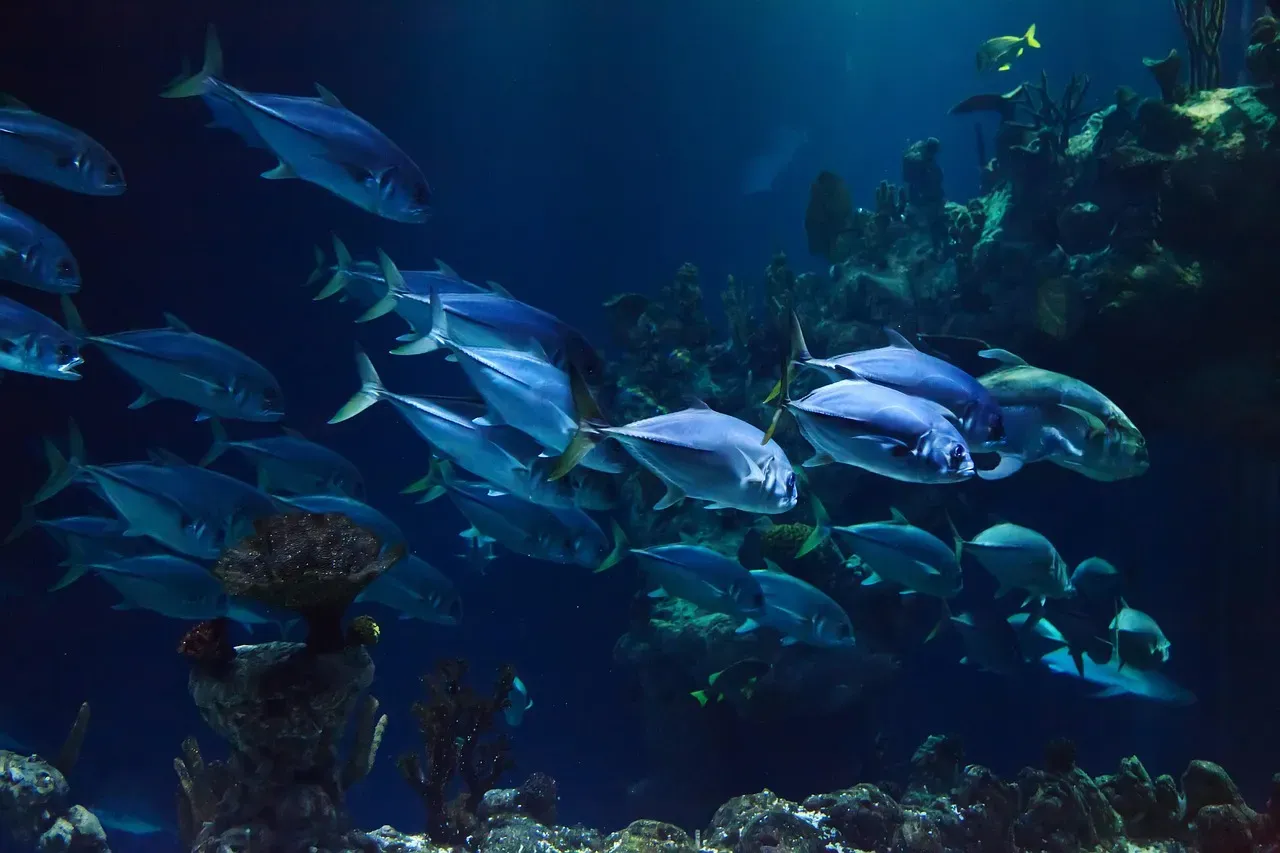
It’s shocking how much of Earth is essentially invisible to us: the deep ocean makes up most of the planet’s living space, yet only a tiny slice has been directly explored. Scientists estimate that only a small fraction of the deep seafloor has been mapped with high detail, and even less has been visited by submersibles. For a species obsessed with maps and satellite images, we’re still largely guessing about what lies beneath the waves once you leave the shallow coastal areas.
Imagine if nearly the entire interior of your own house was still a mystery and you only knew your kitchen and hallway – that’s basically our relationship with the deep sea. Every new expedition tends to find unfamiliar species or unexpected landscapes, from undersea canyons to strange mud volcanoes. It’s not an exaggeration to say that, in 2026, the deep ocean is more unexplored than the surface of Mars in some ways, simply because it’s so hard for humans and our machines to survive down there.
Pressure in the Abyss Would Crush a Car Like a Soda Can
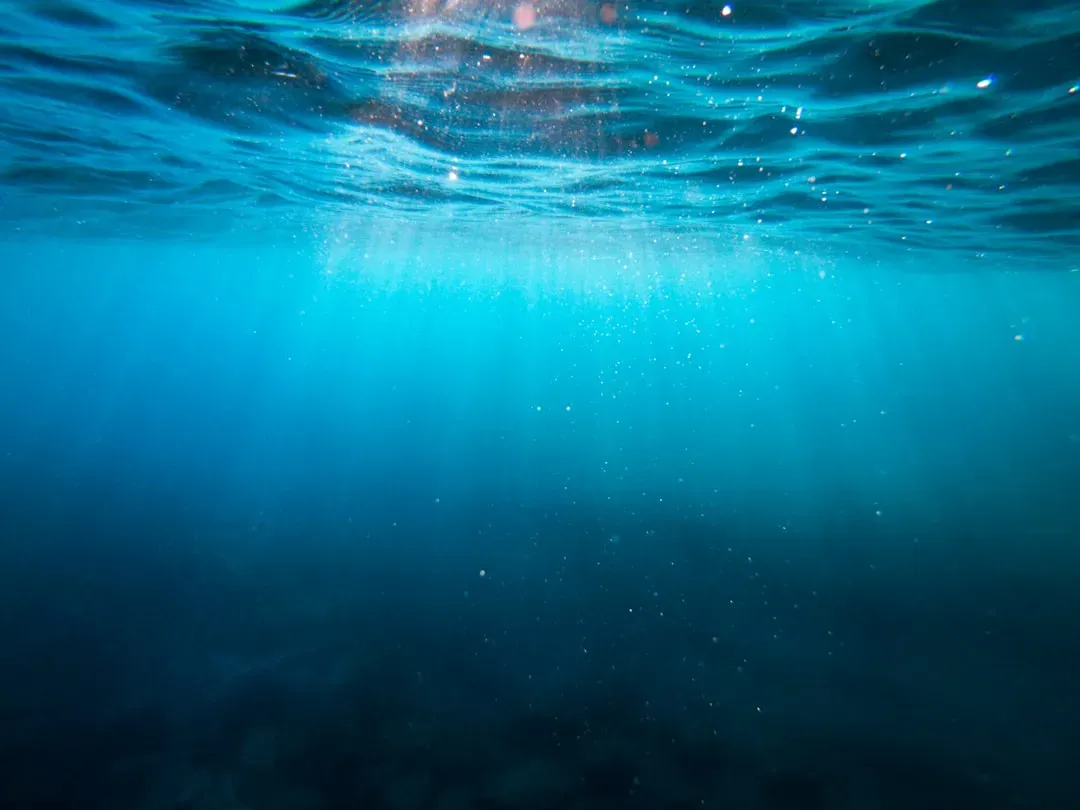
At the surface, we live under a comfortable blanket of atmospheric pressure without really noticing it, but the deep sea plays by brutal rules. By the time you get down to the depth of the Titanic wreck, the pressure is already hundreds of times greater than what we experience at sea level. In the deepest trenches, it becomes thousands of times higher, enough to crush an unprotected metal object as casually as you might step on a chip bag.
What blows my mind is that life has evolved to not just tolerate this, but actually require it. Deep-sea creatures have flexible, water-filled bodies and special biochemical tricks that keep their proteins stable instead of being warped by pressure. Human technology has to rely on thick titanium spheres and carefully engineered submersibles to get even a few people safely into these depths, and even then, every dive is a careful, high-stakes operation.
Most of the Deep Ocean Is in Permanent, Starless Night
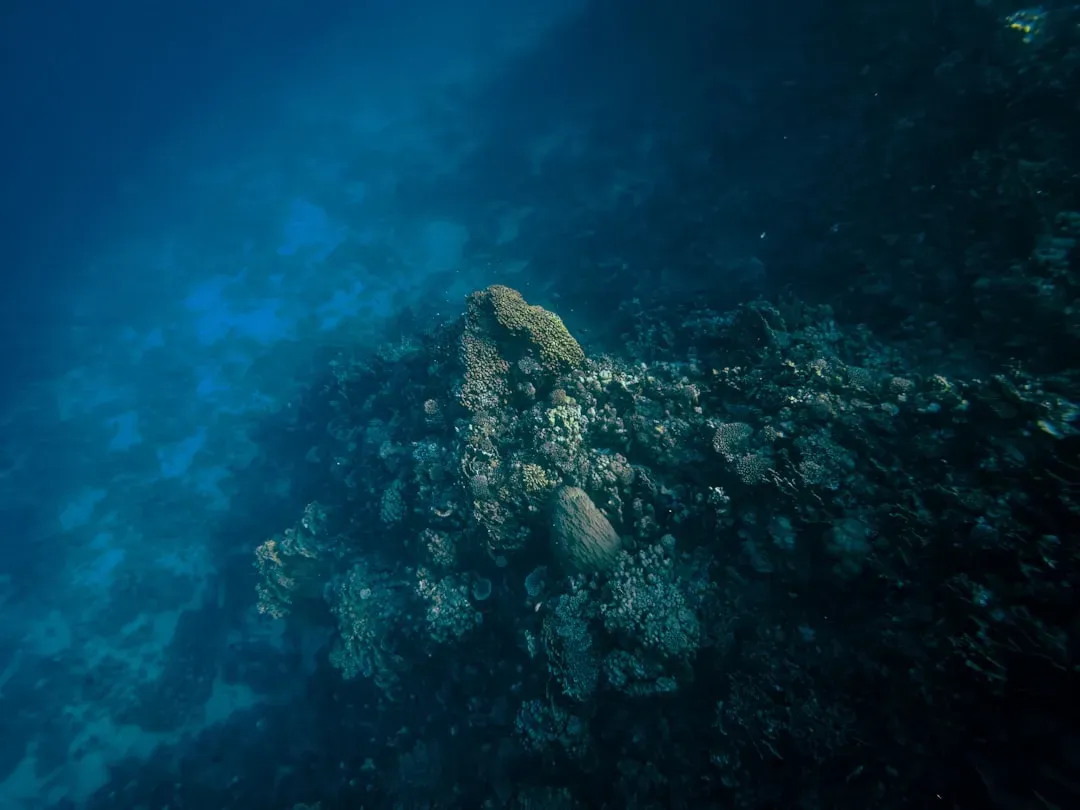
Once you go beyond the reach of sunlight – roughly farther down than the height of most skyscrapers – the ocean turns pitch black. There’s no gentle twilight, just a rapid fade until sunlight disappears completely, leaving only darkness. Plants can’t photosynthesize here, so the classic land-based idea of a sun-powered ecosystem breaks down and something very different takes its place.
This permanent night changes everything about how animals sense the world. Eyes often become huge to catch the faintest hint of light, or vanish entirely if sight is no longer useful. Many deep-sea creatures rely more on vibration, smell, and – most dramatically – their own built-in lights, which leads to one of the weirdest facts of all about the deep: it’s dark, but strangely full of glows and flashes.
Bioluminescence Turns the Darkness Into a Living Light Show
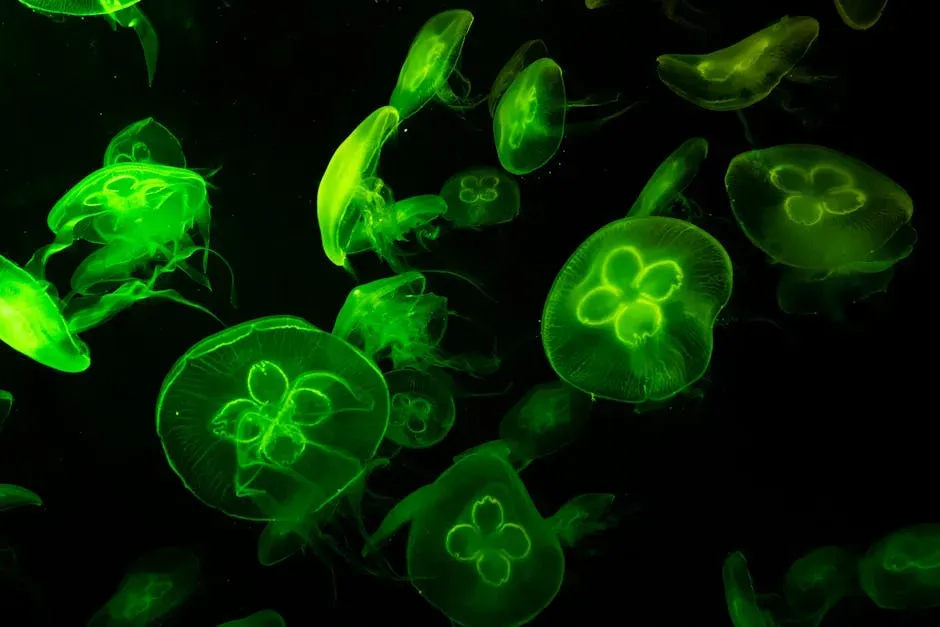
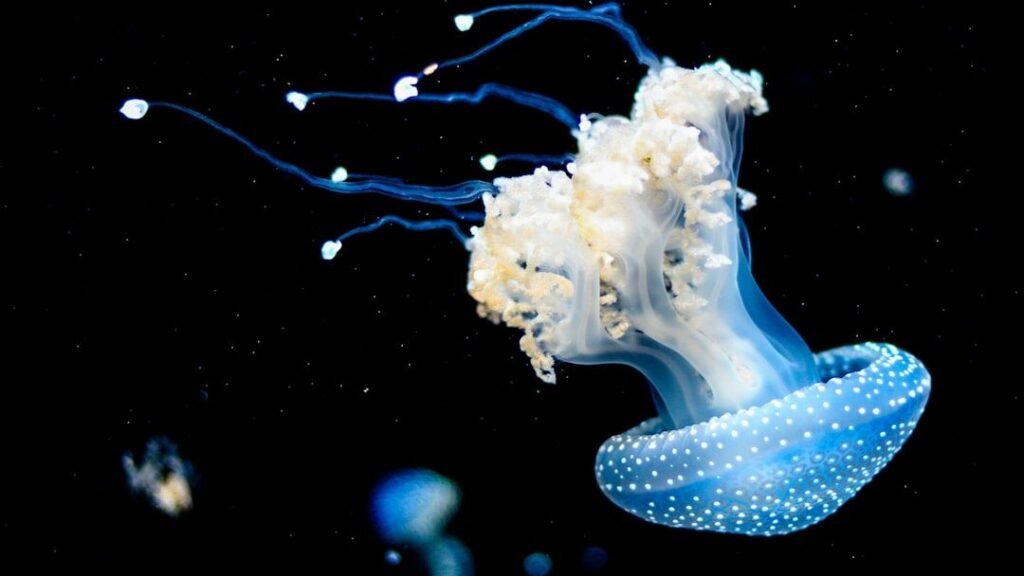
In the deep ocean, making your own light is almost as common as having skin or eyes. A huge portion of deep-sea animals can produce bioluminescence: cold, chemical light that shines in blues, greens, and sometimes reds. This isn’t a cute party trick; it’s survival. Creatures use it to lure prey, hide from predators by blending with faint starlight above, or signal to mates in the abyssal dark.
Think of a forest at night where almost every plant and animal glows, flashes, or pulses in different patterns – that’s closer to what the deep sea is like. Some fish dangle light-tipped lures in front of their mouths, essentially being their own fishing rods. Others, like tiny plankton, create sparkling “underwater stars” when disturbed, turning a swimming predator into a glowing target for something bigger. It’s beautiful, but it’s also ruthless biology wrapped in neon.
There Are Mountains, Canyons, and Volcanoes Hidden Under the Waves
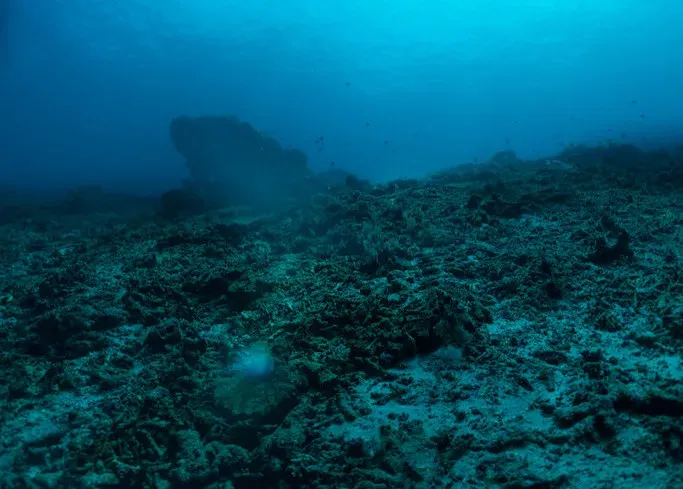
If the oceans suddenly drained away like a bathtub, the exposed landscape would look more dramatic than most science fiction art. There are underwater mountain ranges that span across oceans, vast trenches deeper than the height of Mount Everest, and volcanoes quietly erupting on the seafloor. The mid-ocean ridges are some of the longest mountain chains on Earth, but almost no one ever sees them directly.
These hidden features are not just scenery; they shape currents, influence climate, and create hotspots of life. Deep canyons can funnel nutrient-rich water, supporting surprising bursts of biodiversity far from sunlight. Seamounts – underwater mountains that never quite break the surface – act like skyscrapers in a flat city, attracting larger animals like sharks and deep-diving whales. The idea that our planet hides entire ranges of “ghost mountains” underwater still feels surreal, even though we can now map many of them with sonar.
Hydrothermal Vents Support Ecosystems Without Sunlight
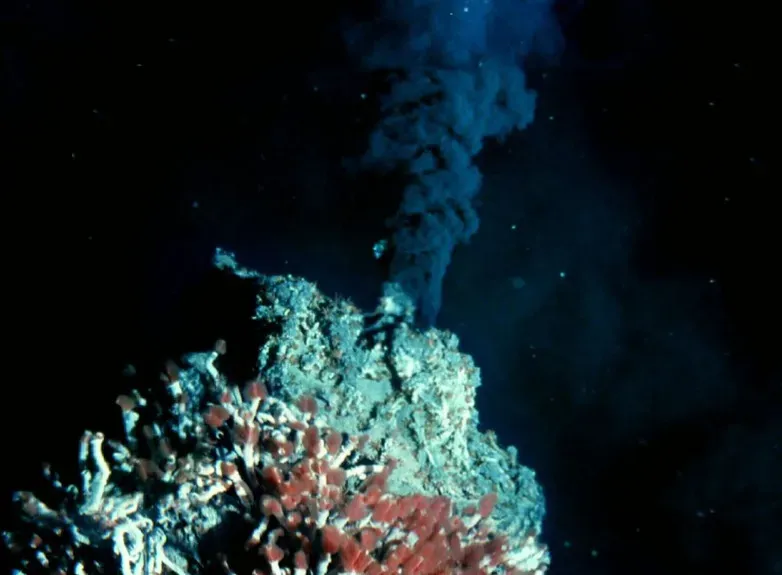
One of the wildest discoveries in ocean science was that life can thrive without the sun at all, using chemistry from inside the Earth instead of light from the sky. Hydrothermal vents form where seawater seeps into cracks near undersea volcanoes, heats up, and gushes back out loaded with minerals. Around these vents, strange communities bloom: giant tube worms, ghostly crabs, and dense mats of bacteria that use chemical energy the way plants use sunlight.
This process, called chemosynthesis, flips our usual idea of what an ecosystem needs. Rather than starting with green plants at the surface, the food web here starts with microbes feeding on hydrogen sulfide and other chemicals pouring from the vents. To me, these places feel like science’s reminder that life is tougher and more creative than we give it credit for. They even fuel serious discussions about whether similar vent-like habitats could support life on icy moons like Europa or Enceladus.
Deep-Sea Creatures Look Bizarre – But Their Weirdness Makes Sense
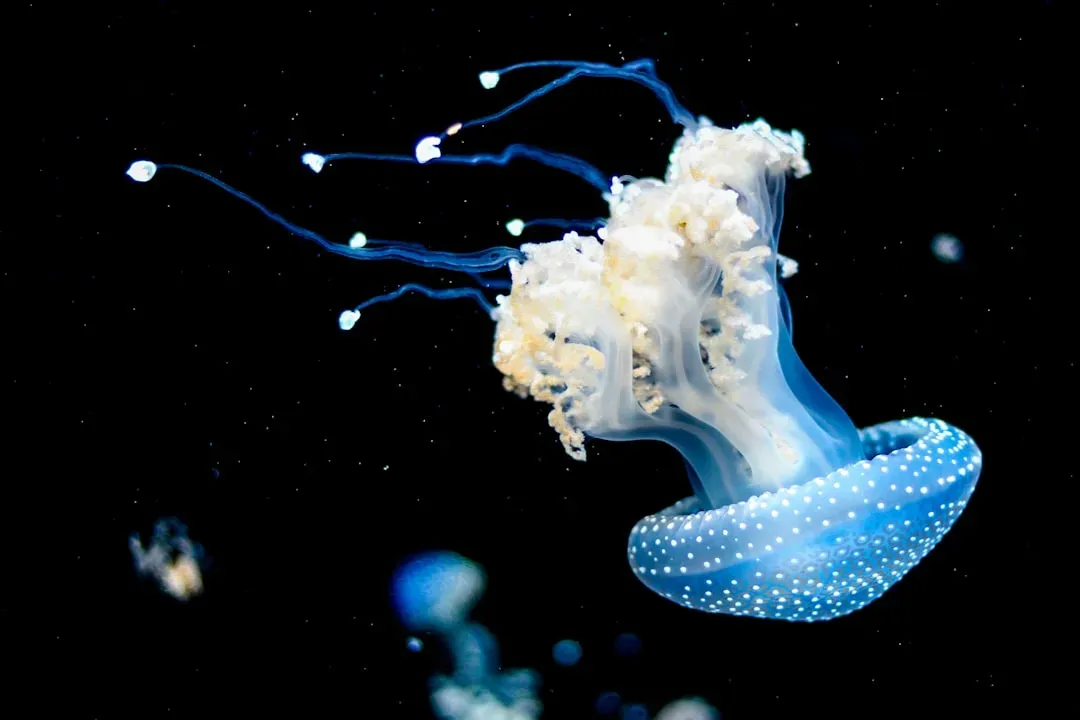
Those nightmare-fuel photos of deep-sea fish with huge teeth, transparent heads, or inflatable bodies might seem like nature gone wrong, but there’s logic behind the weirdness. In a place where meals are rare, it pays to eat almost anything you can get, so oversized jaws and stretchy stomachs are a massive advantage. Odd shapes, compressed bodies, or gelatinous forms help animals float without wasting energy, which is crucial when food is scarce.
Many deep dwellers are built for stealth or patience instead of speed and power. Some fish barely move, saving energy while waiting for unlucky prey to drift close. Others have odd eyes that can look upward and sideways at the same time, scanning for silhouettes against what little light filters down. Once you understand the rules of the deep – cold, dark, immense pressure, not much food – these “monsters” start to look less like horrors and more like brilliant, ultra-specialized survivors.
The Deep Sea Plays a Hidden Role in Regulating Our Climate
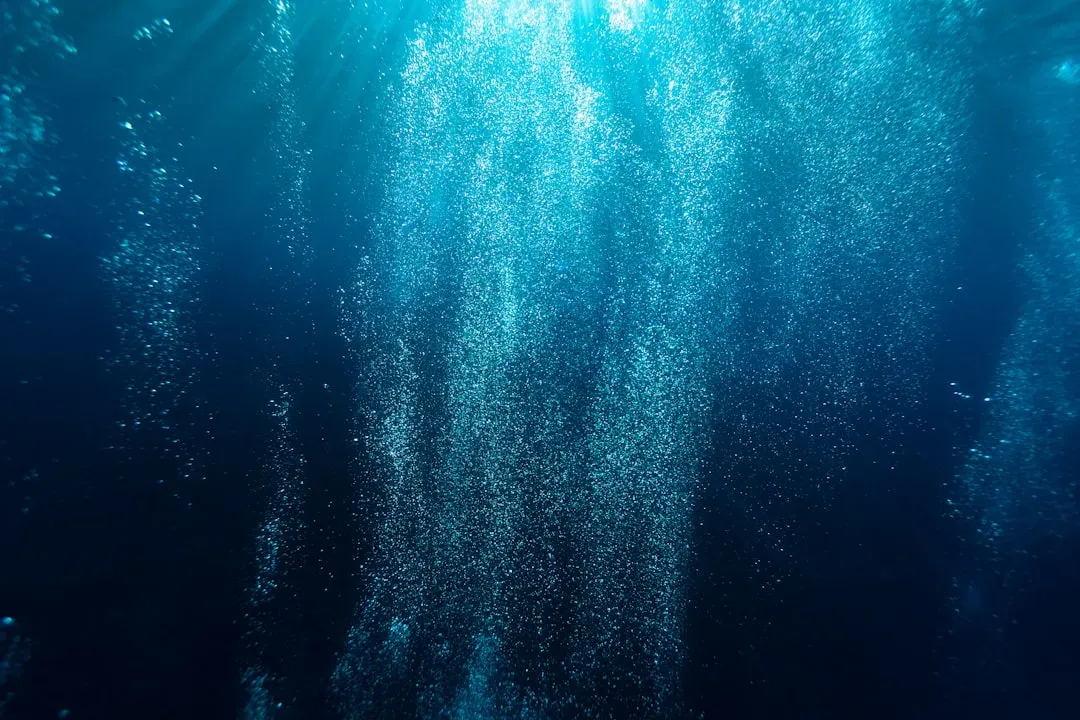
It’s easy to think of climate as something that happens in the air above us, but the deep ocean quietly acts like a giant memory bank for heat and carbon. Surface waters absorb carbon dioxide from the atmosphere, and some of that carbon eventually sinks into deeper layers, where it can stay locked away for centuries or even longer. Cold, dense water also sinks near the poles and moves along the seafloor in slow, global-scale conveyor belts, redistributing heat around the planet.
Because these deep currents move so slowly, they delay and buffer some of the impacts of climate change, but they can also store the consequences for generations. Changes at the surface today can take decades to ripple fully into the deep, and shifts in that circulation can in turn affect weather, sea level, and marine life higher up. When people say the ocean is buying us time on climate, they’re really talking in large part about this deep, invisible engine quietly doing most of the heavy lifting.
There Are “Underwater Lakes” and “Waterfalls” at the Bottom of the Sea
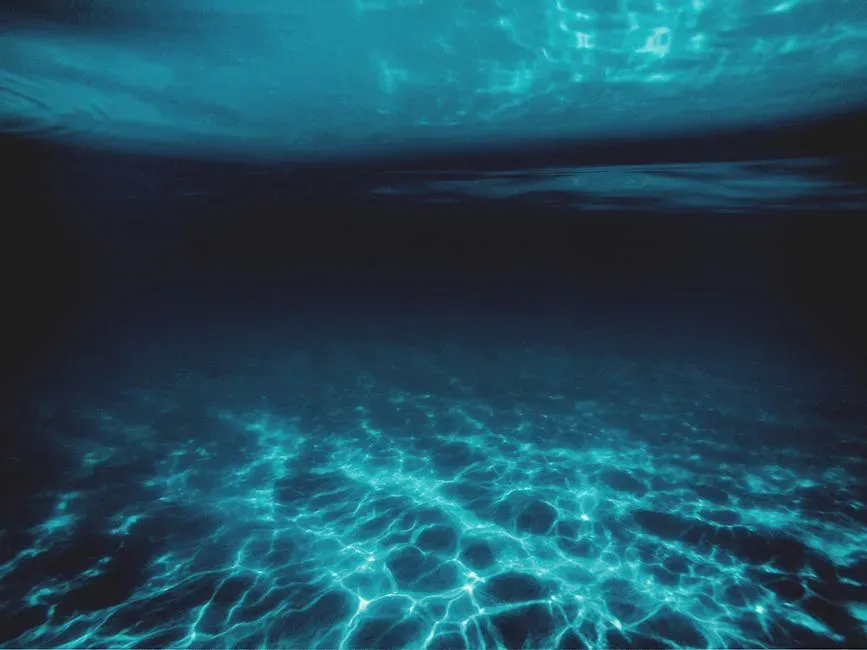
As if the ocean itself wasn’t enough water, the seafloor hides what look like lakes, rivers, and even waterfalls beneath the main body of the sea. In some places, salty, dense brines pool in dips on the seafloor, forming distinct “lakes” with shorelines, waves, and swirling surfaces – all while still technically underwater. When submersibles approach these brine pools, you can actually see them trying to float on the surface of this denser layer like a boat.
There are also underwater “waterfalls” where colder, saltier water spills over submarine ridges into deeper basins, flowing like a giant, slow-motion cascade. One of the largest of these underwater falls moves far more water than any river on land. These features feel like something out of a fantasy novel, but they’re real, and they remind me how much the ocean refuses to fit into simple mental categories. Even in the deep, where everything seems uniform, physics still carves out rivers and lakes in unexpected ways.
We’re Already Impacting the Deep Sea – Even Though We Barely Know It
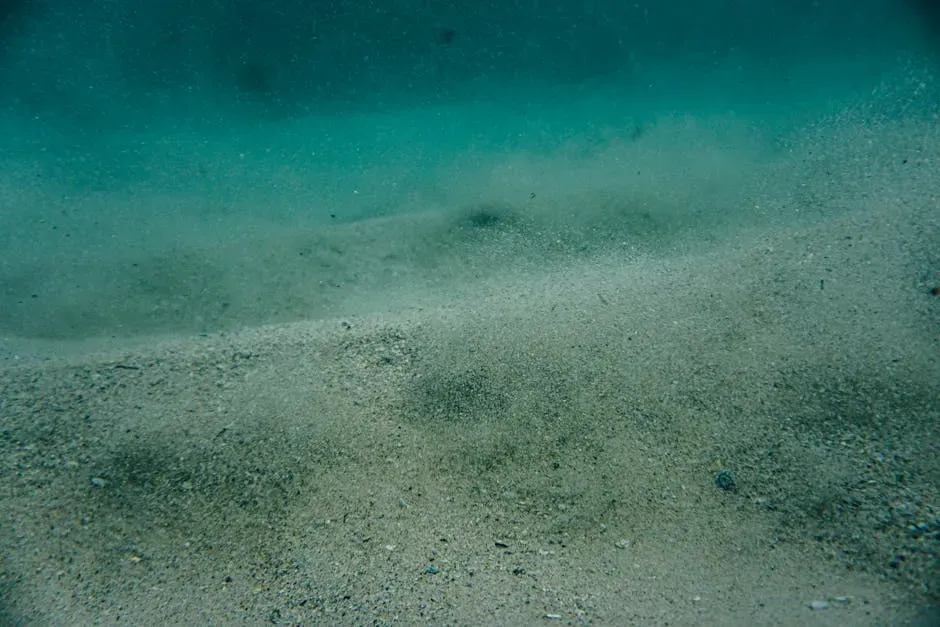
It would be comforting to imagine that the deep ocean is too far away and too remote to be touched by human activity, but that illusion has been broken. Microplastics, industrial chemicals, and other pollutants have been found in deep-sea sediments and even inside deep-dwelling animals. Noise from shipping and sonar can penetrate downwards, and ghost nets and other trash slowly sink, creating grim reminders of us in places no one will ever casually visit.
On top of this, deep-sea mining is being seriously considered in several parts of the world, targeting metal-rich nodules and crusts on the seafloor. The problem is that we’re talking about disturbing ecosystems we barely understand, and that may take centuries to recover, if they recover at all. It feels a bit like deciding to bulldoze a library you haven’t read yet. Standing at this point in 2026, it’s hard not to feel that what we do in the next few years could define the deep ocean’s future for a very long time.
Conclusion: The Last Great Frontier Is Right Below Our Feet
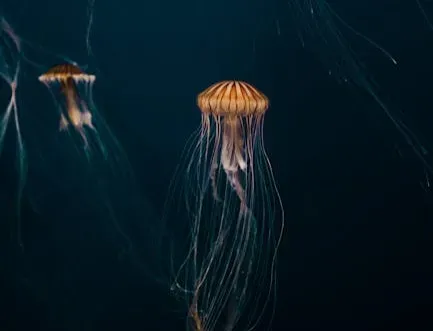
The deep sea is not some distant, irrelevant realm; it’s the beating, hidden heart of our blue planet, holding mysteries, lifeforms, and processes that quietly shape the air we breathe and the climate we live in. From pressure that could obliterate a submarine to fragile ecosystems powered by volcanic chemistry, it rewrites what we think life can endure and how a planet can work.
What stays with me most is how much we still don’t know, and how quickly our actions are starting to reach even this remote world. The deep ocean proves that Earth is still wild, still surprising, and still full of places that can humble us in an instant. When you look out at a calm sea next time, will you picture the silent, glowing, alien world stacked for miles beneath the waves?