
Sleep is the one thing we all do every single day, yet it still feels strangely mysterious. We spend roughly about one third of our lives asleep, but most of us understand more about our phone’s battery settings than our own internal “sleep mode.” It’s wild when you think about it: we lie down, lose consciousness for hours, and somehow our brain uses that time to repair, reorganize, and reboot us for another round of being human.
For a long time, I treated sleep like an annoying pause button on life, something to shrink as much as possible with caffeine and stubbornness. Only later did I realize how badly that came back to bite me – foggy thinking, short temper, and that odd feeling of being awake but not really present. Once I started digging into what actually happens when we sleep, it felt like discovering a hidden room in a house I’d been living in for years. Sleep is not dead time; it’s one of the most active, powerful, and underrated parts of our daily lives.
Sleep Is an Active Brain Workout, Not Just “Shutting Down”
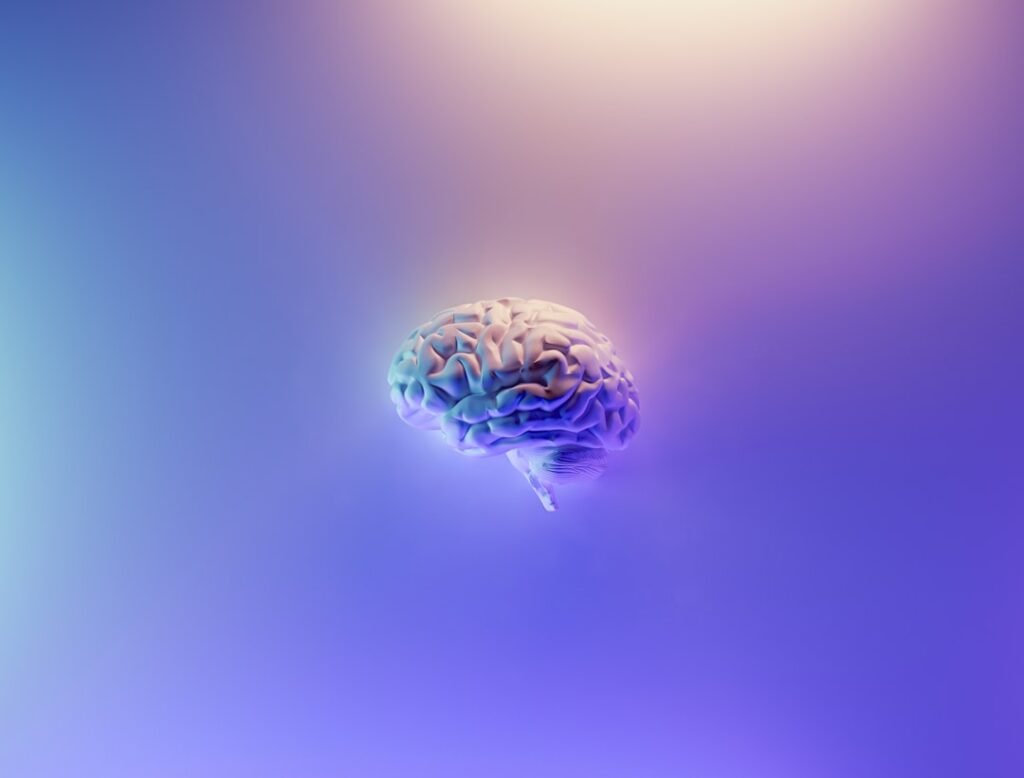
It’s tempting to imagine sleep as your brain flipping an off switch, but that’s completely wrong. Brain scans show that during sleep, especially in deep and dream stages, certain brain areas can be just as active as when you’re fully awake. While your body is stretched out like a statue, your brain is busy sorting memories, processing emotions, and even rehearsing skills you learned during the day. It’s more like a night-shift crew than a shutdown.
Think of your brain as a messy desk by the end of the day – papers everywhere, open tabs, half-finished thoughts. Sleep is when an invisible assistant comes in, files what matters, shreds what doesn’t, and leaves sticky notes for you to find tomorrow. When people go without proper sleep, that mental cleanup doesn’t happen properly, which is one big reason everything feels harder: focusing, remembering names, staying calm, even making simple decisions.
Your Brain Literally Washes Itself While You Sleep

One of the most surprising discoveries about sleep in the last decade is that your brain has something like a nighttime cleaning system. During deep sleep, the space between brain cells subtly widens, and a clear fluid flows through, washing away waste products that build up while you’re awake. Some of these waste products are linked to brain aging and diseases like certain forms of dementia, which has made researchers pay even closer attention to deep sleep.
Picture a city with garbage trucks that only come out at night, when the streets are quiet and traffic is light – that’s your brain during deep sleep. When you cut your sleep short over and over, it’s like forcing the garbage trucks to work half-shifts and then wondering why the city starts to smell off. This doesn’t mean one bad night will ruin you, but over months and years, consistently skimping on deep sleep may slowly add up in ways you don’t feel right away.
Dreams Are Emotional Therapy You Don’t Remember Booking

Dreams can feel bizarre, random, or even ridiculous, but they’re not pointless. During a particular stage of sleep called rapid eye movement sleep, your brain replays emotional experiences from the day in a calmer, chemically safer environment. Stress chemicals drop, emotional centers light up, and the brain seems to repackage intense experiences so they sting a little less the next day. It’s like your mind is taking sharp memories and gently sanding down the rough edges.
That might be why a brutal argument, embarrassing moment, or scary situation can feel slightly more manageable after a good night’s sleep. You might still remember what happened, but the emotional punch softens a bit. On the flip side, when people are sleep deprived, emotions can feel raw, reactions become more extreme, and it’s harder to let things go. You don’t have to remember your dreams for this emotional overnight work to happen – it’s built into how your sleeping brain operates.
Lack of Sleep Quietly Wrecks Your Body More Than You Think
Most of us feel it when we’re tired: heavy eyes, slow thinking, cravings for sugar or caffeine. But under the surface, sleep loss is messing with far more than mood. When you regularly sleep less than your body needs, key hormones that control hunger, blood sugar, and stress shift in the wrong direction. That helps explain why chronic short sleep is linked with higher risks of weight gain, diabetes, and certain heart problems over time.
It’s not just about disease decades down the line, either – your immune system takes a big hit right away. Studies have shown that after several nights of short sleep, your body is less effective at fighting off viruses, and vaccines can even work less efficiently. It’s a bit like trying to run an army on half rations: they may still show up, but they can’t fight nearly as well. You may feel like you’re simply “pushing through,” but your body is quietly paying the bill in the background.
Sleep Shapes Your Appetite, Cravings, and Weight

Ever notice how after a bad night’s sleep, you suddenly want all the snacks, salty foods, and sugary treats? That’s not a lack of willpower; it’s chemistry. Short sleep nudges up the hormone that makes you feel hungry and lowers the one that tells you you’re full, a perfect recipe for overeating without even thinking about it. On top of that, the tired brain gets more excited about high-calorie foods and less interested in slower, more thoughtful choices.
Over weeks and months, this pattern turns into a quiet tug-of-war between your sleep and your weight. People who regularly sleep poorly often find it harder to lose weight, even when they’re trying to eat well and move more. Imagine trying to swim against a current you can’t see – that current is your hormones, pushed off balance by lack of sleep. Improving sleep does not magically fix everything, but it can shift that unseen current more in your favor.
Technology Is Hacking Your Sleep Without You Noticing
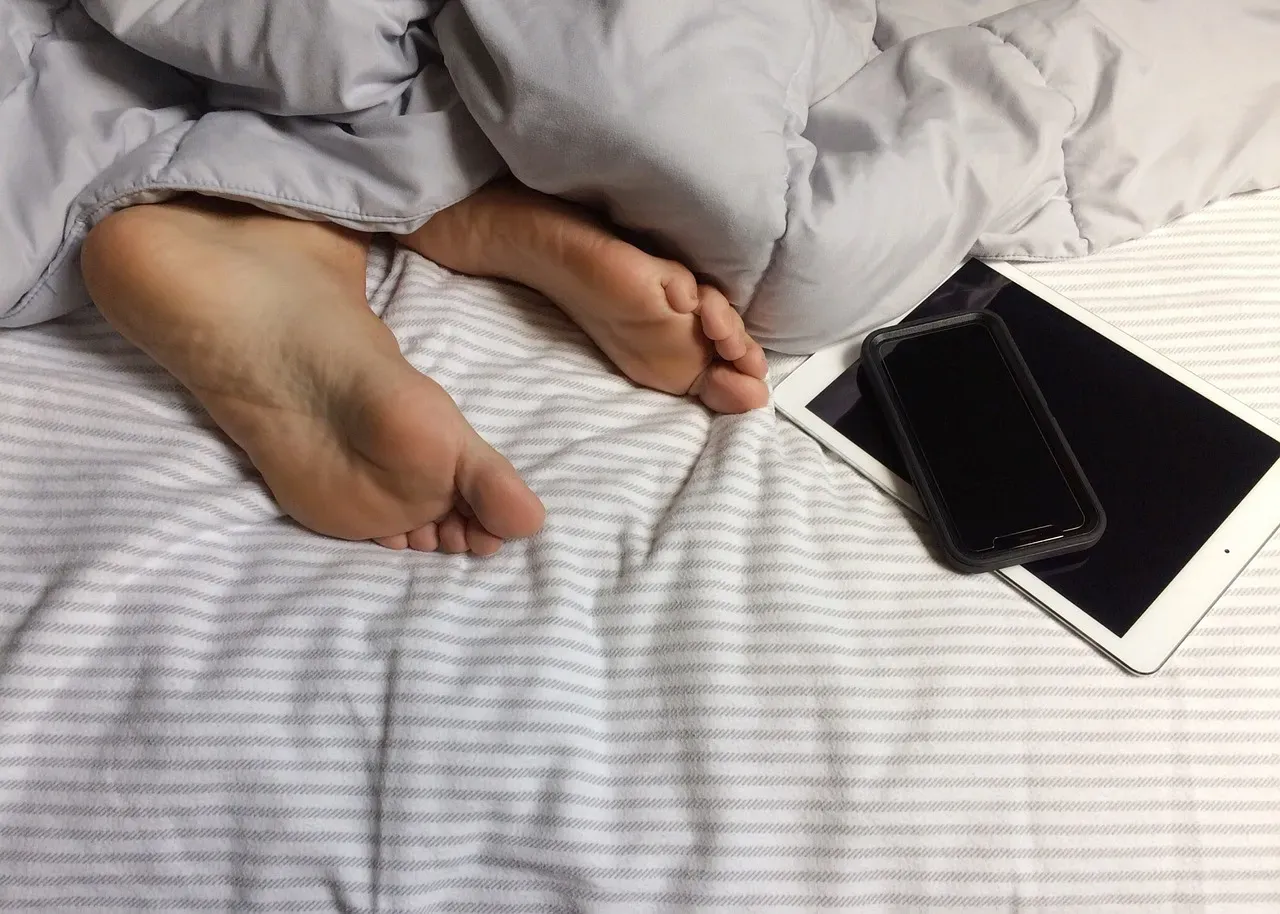
Our sleep hasn’t had much time to adapt to the modern world we’ve created around it. For most of human history, evenings meant darkness, cool temperatures, and gradually winding down. Now, we stare into bright screens inches from our faces, scroll through emotional content, and fill our nights with notifications. The blue-tinted light from phones and laptops tricks the brain into thinking it’s still daytime, delaying the release of melatonin, the hormone that signals it’s time to sleep.
On top of the light itself, what we do on those screens matters too. Emotional news, endless videos, and social media drama keep the brain wired instead of relaxed. It’s like trying to park a car while pressing the gas pedal – the body wants to slow down, but the mind is still racing. Simple habits, like dimming screens in the evening, using night modes, or creating a “tech cutoff” time, can make a bigger difference than most people expect, especially for those who feel tired but wired at night.
Sleep Needs Change With Age, but It’s Never “Optional”
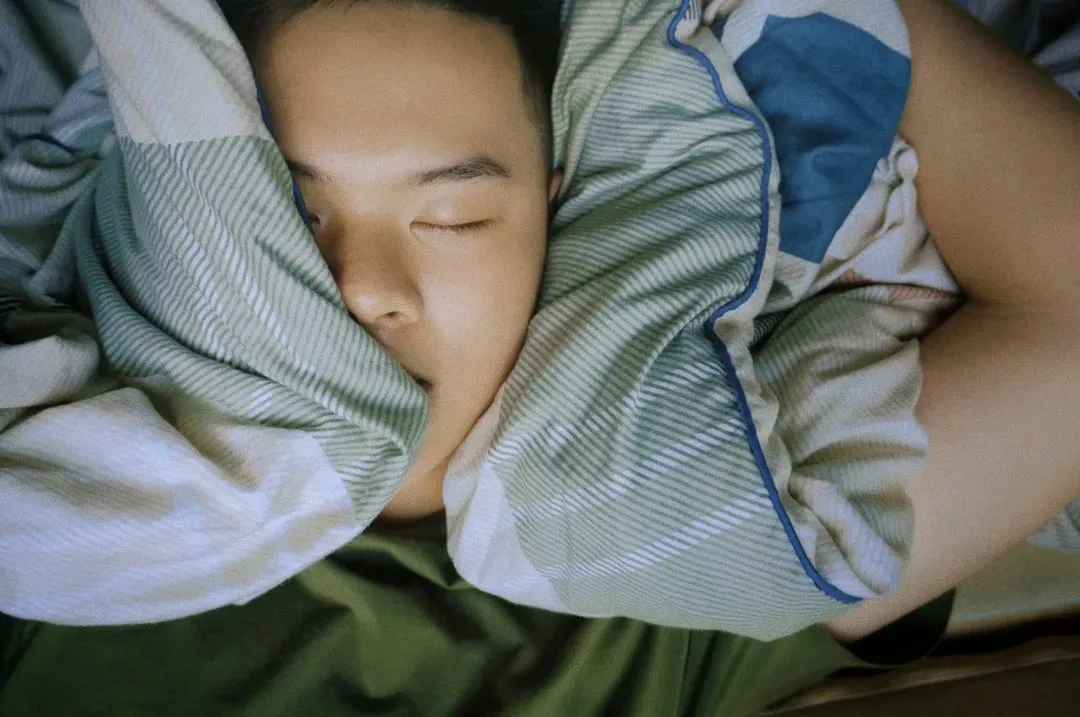
There’s a common belief that you magically need less sleep as you get older, but what usually changes is how easily you get it, not how much your body would ideally like. Children and teenagers need more sleep because their brains and bodies are in fast-growth mode, building connections, learning skills, and forming memories like crazy. Adults generally settle into a slightly lower range, but they still need consistent, good-quality sleep to stay mentally sharp and physically healthy.
As people move into later adulthood, sleep often becomes lighter and more fragmented, with more waking during the night. That can create the illusion that older adults simply do fine on less sleep, when in reality many of them are quietly struggling with fatigue, memory issues, or lower mood. Instead of treating this as just “getting old,” it can help to see it as a signal to protect and prioritize sleep even more. No matter the age, sleep is less of a luxury and more like water or food: the form may change, but the need never goes away.
Sleep Is the Most Underestimated Power We Have

Sleep is not laziness, weakness, or wasted time; it’s the engine room of almost everything we care about: clear thinking, steady moods, physical health, and even how kind or irritable we are with the people we love. When you look closely, it becomes obvious that sleep quietly touches every corner of daily life, from what you eat to how you handle stress, from how you learn to how you age. Treating it as an afterthought is a bit like ignoring the foundation of a house and then being surprised when cracks start to show.
Paying attention to sleep doesn’t mean chasing perfection or obsessing over every minute; it means giving yourself permission to take it seriously. That might look like protecting a regular bedtime, dimming screens earlier, or finally accepting that pushing through the night is rarely worth the cost. The more we understand sleep, the less it feels like a passive blackout and the more it looks like an active investment in who we are when we’re awake. Now that you know how much is happening while you’re asleep, what will you do differently tonight?