
Most of what humans do happens in a thin sliver of space: the air we breathe and the surface of the land and sea. But far below the waves lies an alien world of crushing pressure, eternal night, and strange life forms that look like they belong in science fiction. The deepest oceans are so remote that, even now in 2026, we know more about the surface of Mars than the bottom of our own planet’s seas.
Yet every time explorers push a little bit deeper, the ocean surprises us. New species appear out of the blackness, mysterious sounds echo across thousands of kilometers, and even plastic trash shows up in trenches where sunlight has never reached. The deep ocean is not just a curiosity; it quietly shapes our climate, our weather, and even the air in our lungs. Here are ten of the most fascinating, and sometimes unsettling, facts about Earth’s deepest oceans that most people have never heard about.
1. The Deepest Point Is Taller Than Mount Everest Is High
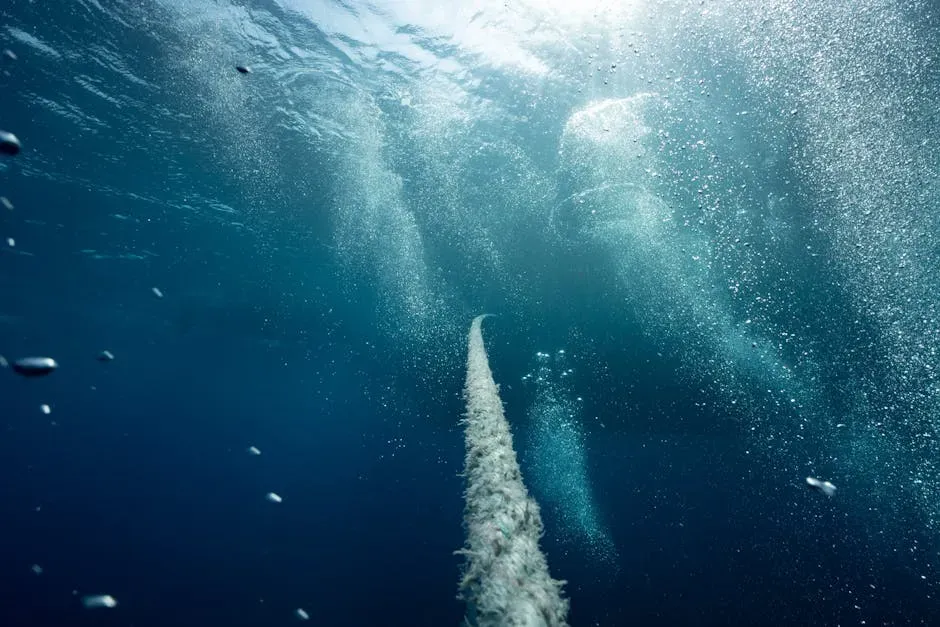
It’s hard to really grasp what “deep” means until you compare it to something familiar. The deepest known point in the global ocean, in the Challenger Deep of the Mariana Trench, plunges to roughly about eleven kilometers below the surface. If you could pick up Mount Everest, flip it upside down, and drop it into the ocean there, its peak would still fall short of the surface by well over a kilometer. That’s how extreme this underwater abyss really is.
At those depths, the pressure is more than one thousand times what you feel at sea level. Imagine the weight of a large family car pressing down on every square centimeter of your body – that’s the kind of force anything living there has to withstand. Only a handful of crewed submersibles have ever visited these depths, and each mission feels a bit like landing on another planet. It’s not just deep; it’s almost unimaginably far away from the world we know.
2. Sunlight Stops Shockingly Soon, But Life Doesn’t
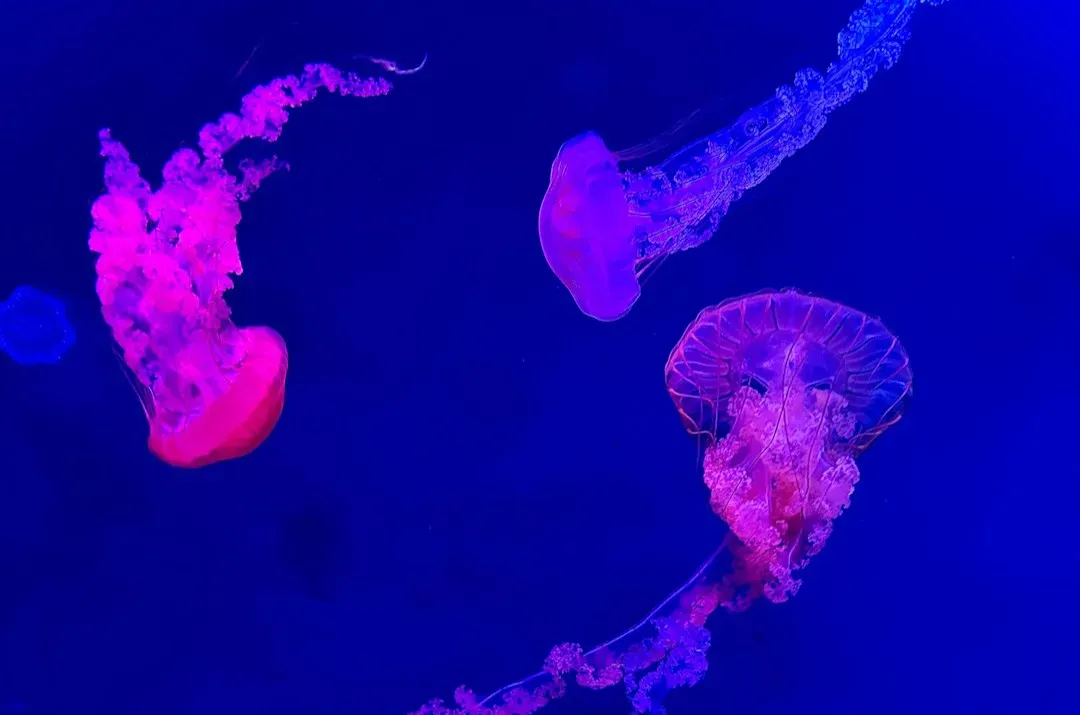
Most people picture the ocean as a bright blue realm full of colorful fish, like a tropical reef postcard. In reality, that sunny zone where photosynthesis happens only reaches down for roughly about two hundred meters on average. Below that, light fades fast, and by around one thousand meters, you are in permanent night. Yet life continues, layer after layer, far beyond where any ray of sun can reach.
In the so‑called midnight zone and beyond, animals have evolved in wild ways to survive. Many make their own light through bioluminescence, glowing with eerie blues and greens like living neon signs. Others have huge eyes to grab the faintest trace of light, or no eyes at all because there’s nothing to see. Instead of feeding on sunlight-grown plants, they often rely on a slow rain of dead material sinking from surface waters, or on chemicals seeping from the seafloor. It’s a reminder that life doesn’t care what rules we think it should follow.
3. The Deep Ocean Is Earth’s Biggest Carbon Storage System
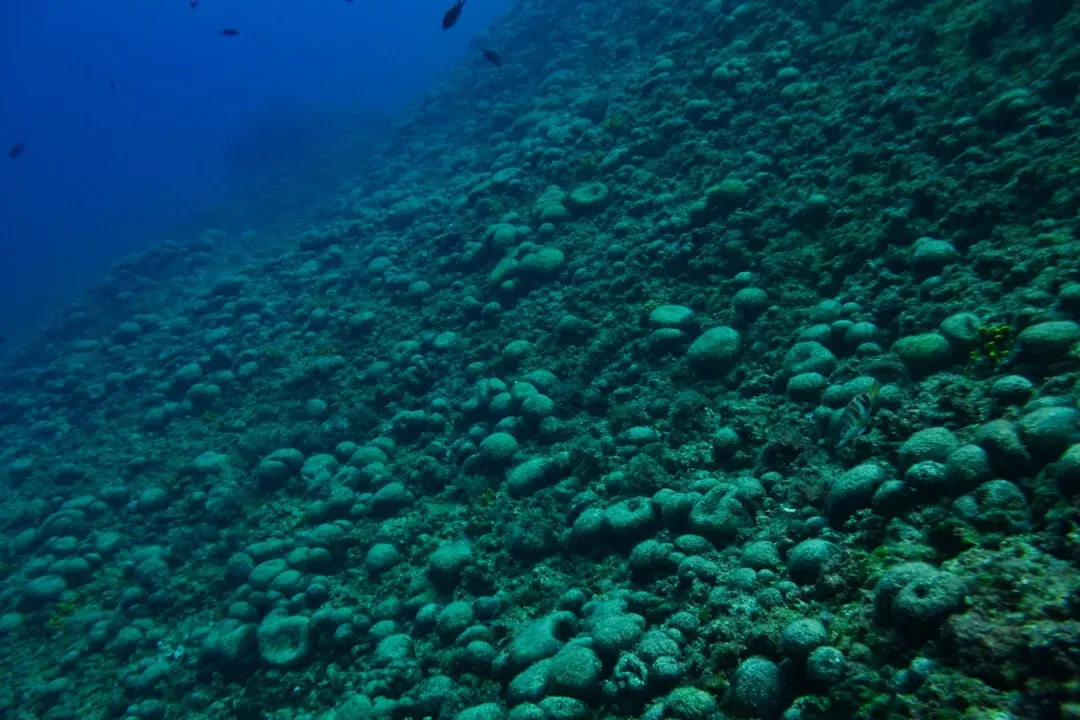
The deep ocean quietly acts as one of the planet’s largest buffers against climate change, and almost nobody ever sees it. Surface waters constantly trade gases with the air above: carbon dioxide from the atmosphere dissolves into the ocean, where it can be used by tiny plankton and eventually sink as dead particles. Over time, this material is carried downward by currents and gravity into the deep, where it can stay locked away for hundreds to even thousands of years.
Oceanographers often describe the deep ocean as a kind of slow, global conveyor belt. Cold, dense water sinks in a few specific regions and then crawls through the abyss, spreading carbon and heat around the planet. When we disrupt this system by warming or changing ocean circulation, we interfere with a powerful natural brake on climate change. The unsettling part is that we depend heavily on a process happening in total darkness, far beyond easy monitoring or control.
4. Creatures in the Abyss Live Under Crushing Pressure – and Some Explode When Brought Up
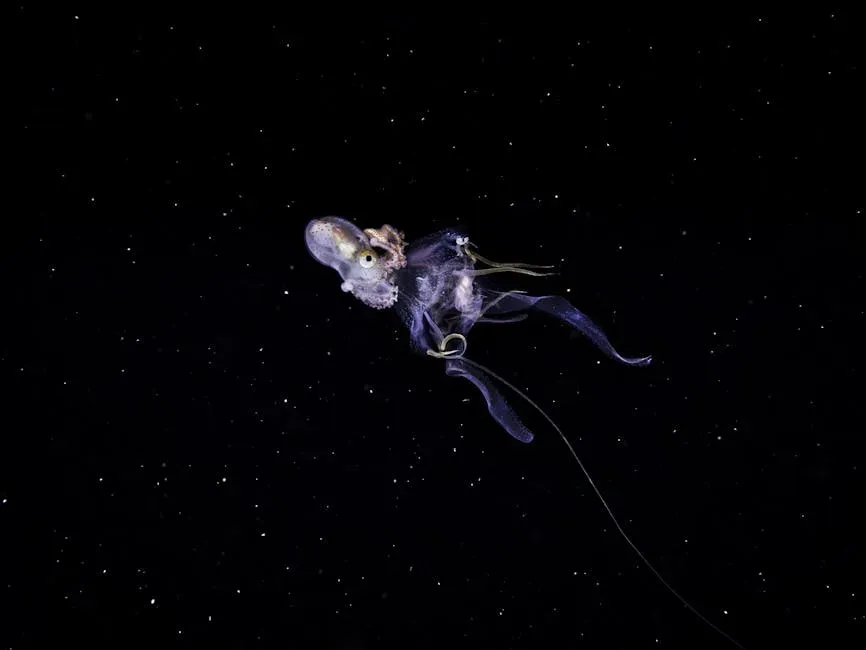
At great depths, every ten meters you descend adds roughly the pressure of the entire atmosphere above you. By the time you reach a few thousand meters, the pressure would instantly crush air-filled spaces, which is why deep-sea animals often have no gas-filled swim bladders like shallow fish do. Their tissues, cell membranes, and proteins are specially adapted to work under conditions that would destroy most life on the surface.
When some deep-sea organisms are brought up too quickly, the change is violent. Gases that were dissolved in their bodies can expand, and structures that work at high pressure fail dramatically; in a sense, they can rupture or “explode” as they near the surface. That’s one reason scientists often study them in pressurized labs or with cameras and robotic submersibles instead of hauling them up. The strange truth is that many of these creatures are perfectly comfortable at depths where humans would be reduced to pulp in a blink.
5. There Are Entire Mountain Ranges and Volcanoes Hidden in the Dark
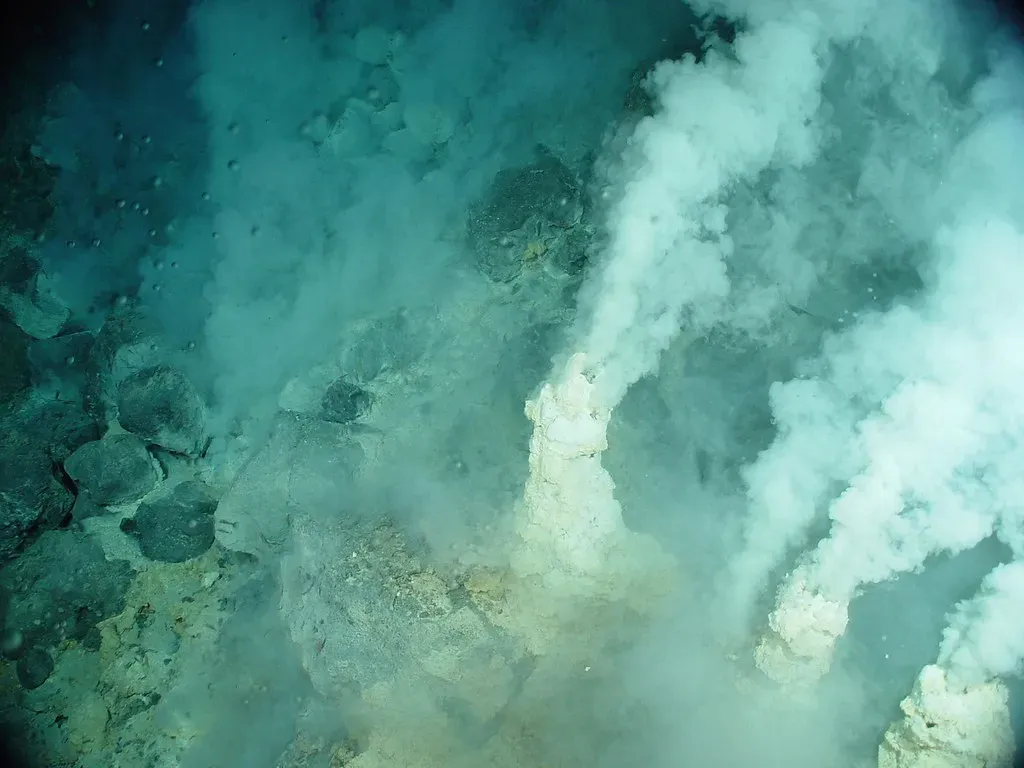
If you drained the oceans like a bathtub, what would appear would shock most people. Beneath the waves lies the world’s longest mountain range: the global mid-ocean ridge system, stretching tens of thousands of kilometers across multiple oceans. It snakes around the planet like a stitched scar, producing new seafloor as tectonic plates slowly pull apart and magma wells up from below. We walk around thinking mountain ranges are rare; the biggest one is simply hidden from view.
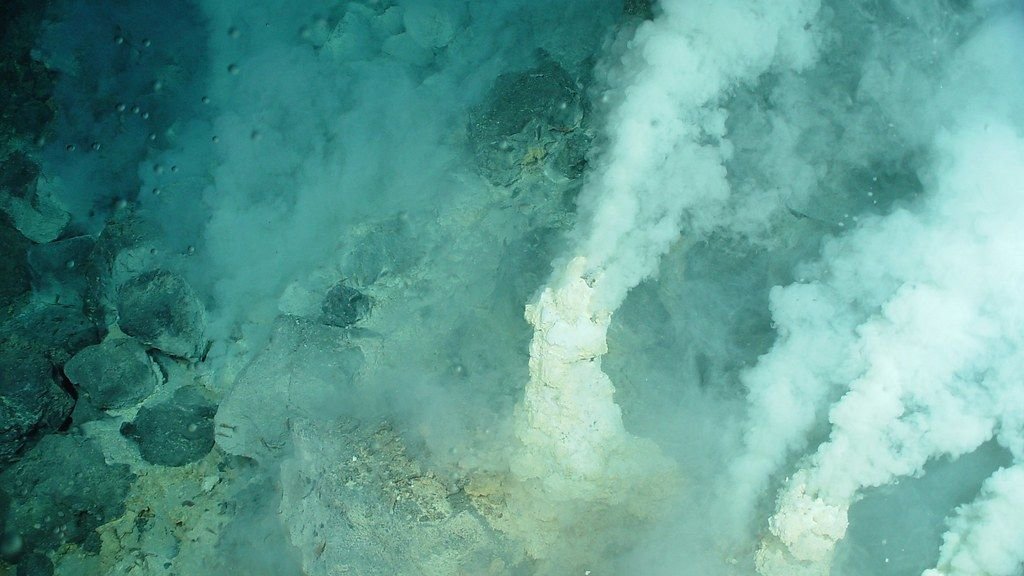
Along these ridges and at other deep-sea hotspots, volcanoes, hydrothermal vents, and towering chimneys constantly reshape the landscape. Some underwater eruptions are so powerful they generate huge plumes of ash and gas, yet they often go unnoticed at the surface. Only in the last few decades have satellites and seafloor instruments allowed us to detect many of these events. The map of the deep seafloor is still incomplete, and every new survey tends to find seamounts and volcanic features nobody knew were there.
6. Hydrothermal Vents Support Ecosystems That Don’t Need Sunlight
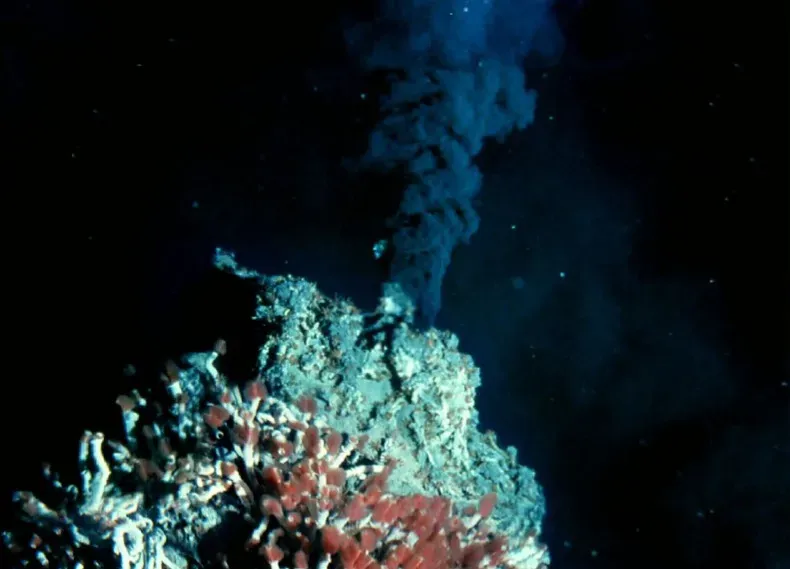
One of the most astonishing discoveries of the twentieth century ocean science happened near the Galápagos in the late 1970s. Researchers found hydrothermal vents – cracks in the seafloor where superheated, mineral-rich water gushes out. Around them were thriving communities of giant tubeworms, clams, crabs, and bizarre microbes. These ecosystems were completely independent of sunlight, fueled instead by energy from within the Earth.
At these vents, bacteria and archaea use chemicals like hydrogen sulfide to build organic matter, a process similar in spirit to photosynthesis but powered by chemistry instead of light. Larger animals host these microbes in their tissues or graze on them, creating entire food webs based on rock and heat. To me, this is one of those discoveries that quietly rewires how you think about life. If complex ecosystems can exist in pitch-black water on a volcanic seam, it suddenly seems much more plausible that life could also thrive in the dark oceans of icy moons like Europa or Enceladus.
7. The Deep Ocean Is Loud, and We Keep Adding More Noise
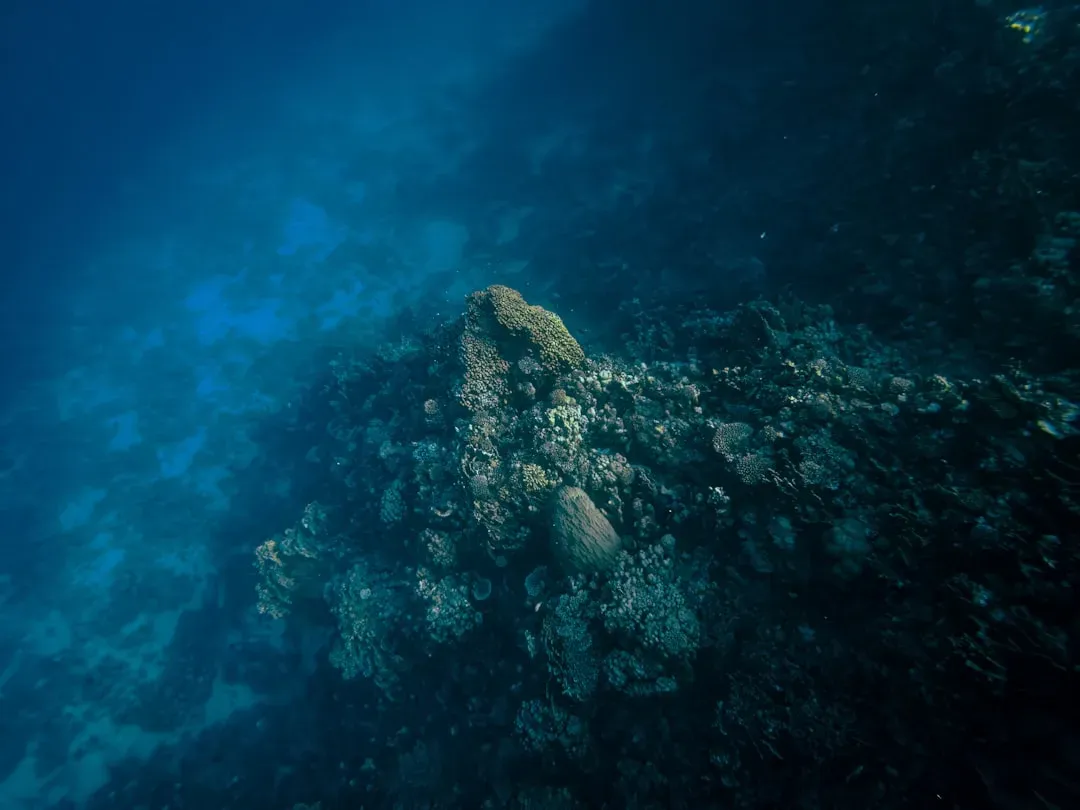
It’s easy to imagine the deep ocean as completely silent, but it’s anything but quiet. Sound travels extremely well in seawater, especially at depth, and natural noises echo across huge distances. Whales calling, ice cracking, underwater landslides, and even distant storms all contribute to a constant acoustic backdrop. In some layers, sound can become trapped and travel for thousands of kilometers with remarkably little loss.
On top of this natural soundscape, humans have layered a growing barrage of noise. Large ships, military sonar, seismic surveys for oil and gas, and industrial activity create powerful acoustic disturbances. Many deep-diving species, especially whales, rely on sound to navigate, communicate, and find food, so excessive noise can disrupt their lives in ways we’re only beginning to fully understand. The deep is not the still, untouched sanctuary we like to imagine; it now carries the hum of human activity even in places no one has ever physically visited.
8. Plastic and Human Trash Have Reached the Deepest Trenches
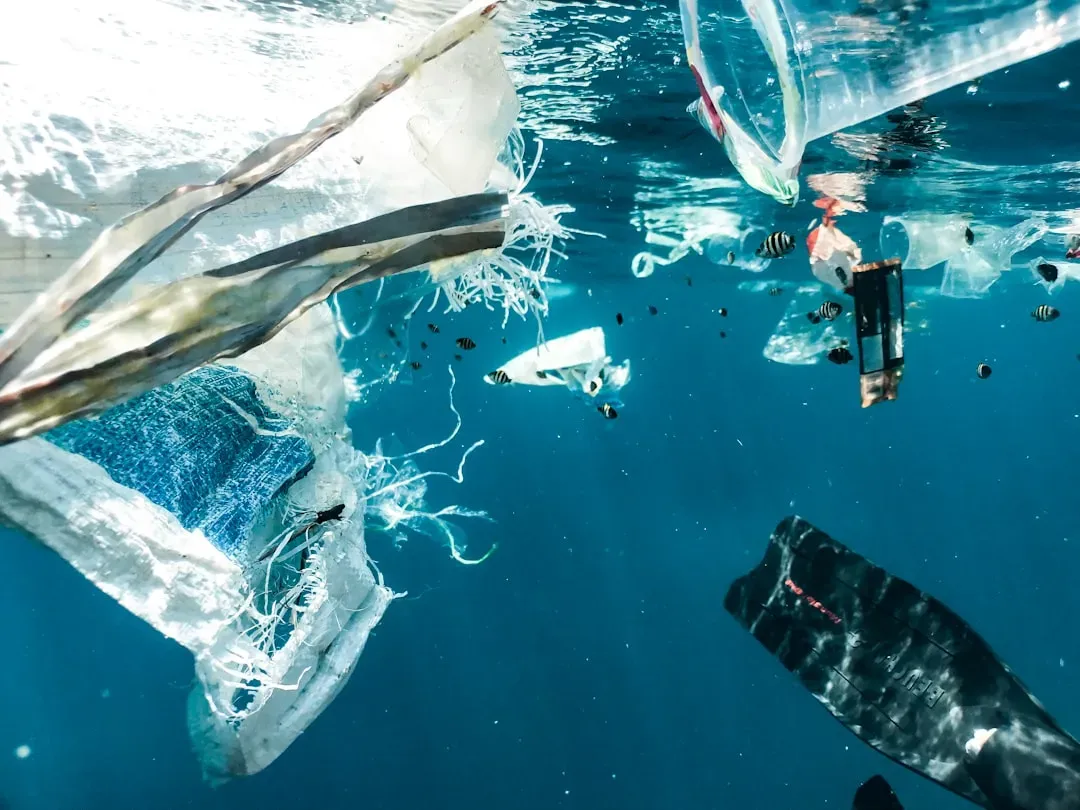
One of the most sobering facts about the deep ocean is that our footprint has already reached it. Explorers have documented plastic bags, food wrappers, and other debris at depths of more than ten kilometers, including in the Mariana Trench. Microplastics have been found in sediments and in the bodies of small crustaceans from some of the world’s most remote trenches. It’s as if every corner of the planet, even the darkest abyss, now has our fingerprints on it.
Because the deep ocean is so slow and stable, once pollution arrives there, it tends to stay for a very long time. There’s no easy way to “clean” these places without risking more disturbance. It’s a bit like leaving trash in a locked, unvisited room of your own house – you may not see it daily, but it is still part of your world, quietly accumulating. Knowing that the deepest places on Earth hold our discarded packaging and fibers is both humbling and, honestly, a little heartbreaking.
9. We Have Explored Only a Tiny Fraction of the Deep Sea
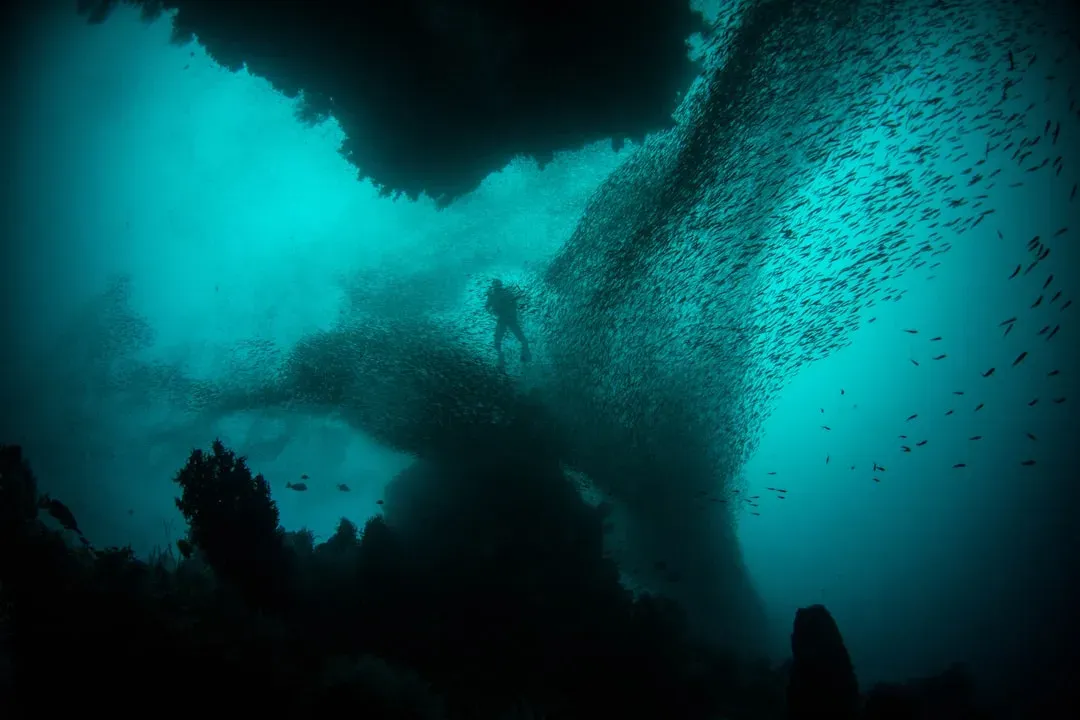
In an age of satellites and global maps, it’s tempting to think Earth is fully charted. The reality is that only a small fraction of the deep seafloor has been explored with high-resolution tools, and even less has been seen directly by human eyes or cameras. Huge stretches of abyssal plains, trenches, and seamounts remain barely surveyed. When researchers send down remotely operated vehicles to places that have never been studied before, they almost always find new species.
Some scientists estimate that the majority of animal species on Earth may actually live in the deep ocean, still unnamed and undescribed. Many of them are tiny, but others are large, strange, and visually stunning, from translucent jelly-like creatures to ghostly fish with transparent heads. I find it oddly comforting that, in a world where so much feels mapped and owned, there’s still an enormous wild unknown right beneath us. It suggests that our story of this planet is far from complete.
10. The Deep Ocean Helps Control Weather and Extreme Events
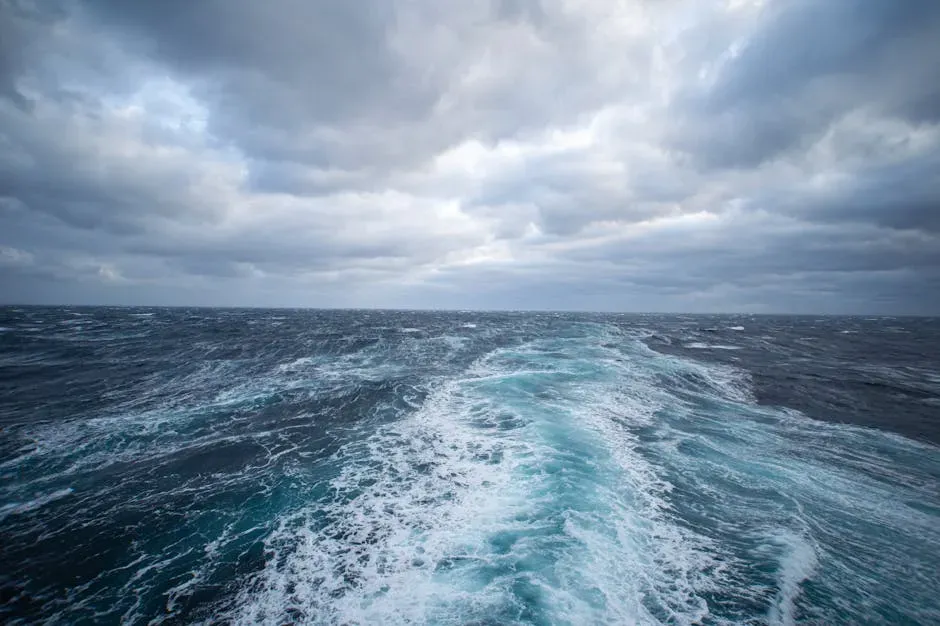
It might seem like what happens several kilometers below the surface has nothing to do with your daily weather, but the connection is very real. The deep ocean stores a vast amount of heat, far more than the atmosphere. When patterns like El Niño and La Niña emerge, they are driven by complex interactions between surface waters and deeper layers, especially in the Pacific. These shifts can influence rainfall, droughts, storms, and heat waves all around the world.
As climate change progresses, the deep ocean is absorbing much of the extra heat trapped by greenhouse gases. That slows surface warming somewhat, but it also means the deep is gradually changing in ways we don’t completely track. Altered temperature and circulation patterns at depth can ripple up to affect hurricane strength, monsoon behavior, and long-term climate cycles. The next time a weather forecast mentions an unusually strong storm season, it might be worth remembering that part of the story started in waters so deep no sunlight has ever touched them.
Conclusion: A Hidden World That Shapes Our Lives
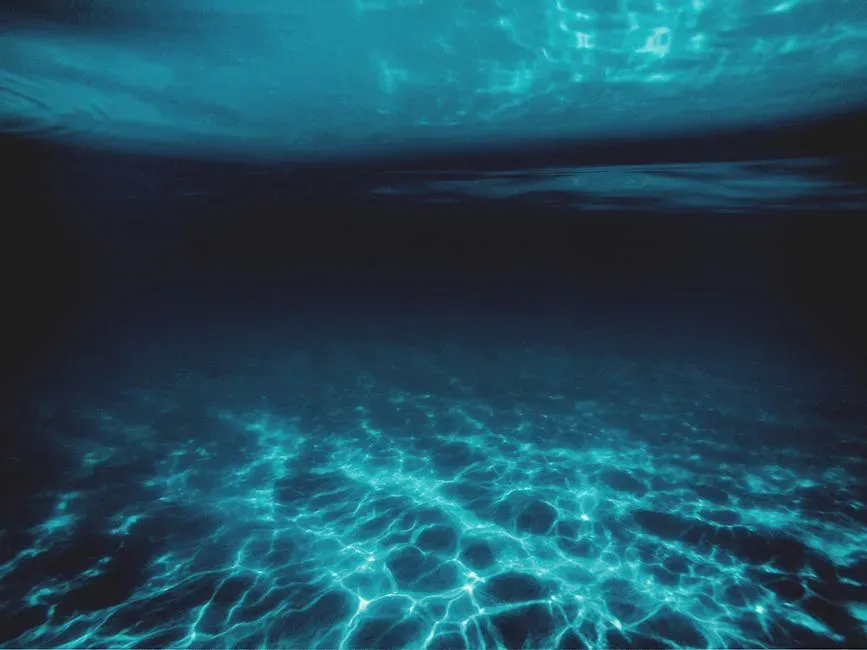
The deepest oceans are not just remote curiosity zones; they form a hidden engine room for the entire planet. Down there, mountains grow, chemicals churn, and strange ecosystems flicker with cold fire, all while storing carbon and heat that influence our climate and weather. Even our noise and trash have seeped into this darkness, proving that distance and depth are no longer real barriers to human impact.
What strikes me most is how much remains unseen and unresolved. We depend on processes we hardly understand, running in places we’ve barely visited, and yet decisions on land are already reshaping those black waters. The abyss might feel like another world, but it’s deeply tied to every breath we take and every storm that crosses our skies. Knowing that, how can the deep ocean ever again feel distant or irrelevant?