More than two thousand years after her death, still refuses to stay put in the past. She slips out of marble statues and Hollywood myths and into genetic studies, geochemical analyses, and satellite surveys of a landscape that once framed her kingdom. Historians, archaeologists, and scientists now work almost like forensic detectives, trying to peel away centuries of legend to see the woman who ruled an empire in crisis. What they are finding is stranger and more revealing than the old stories. turns out to be less of a one-dimensional seductress and more of a shrewd political strategist, polyglot, and master of image-making whose world is slowly reappearing from mud, seawater, and papyrus dust.
The Hidden Clues: Cleopatra Was Likely More Macedonian Greek Than “Egyptian”
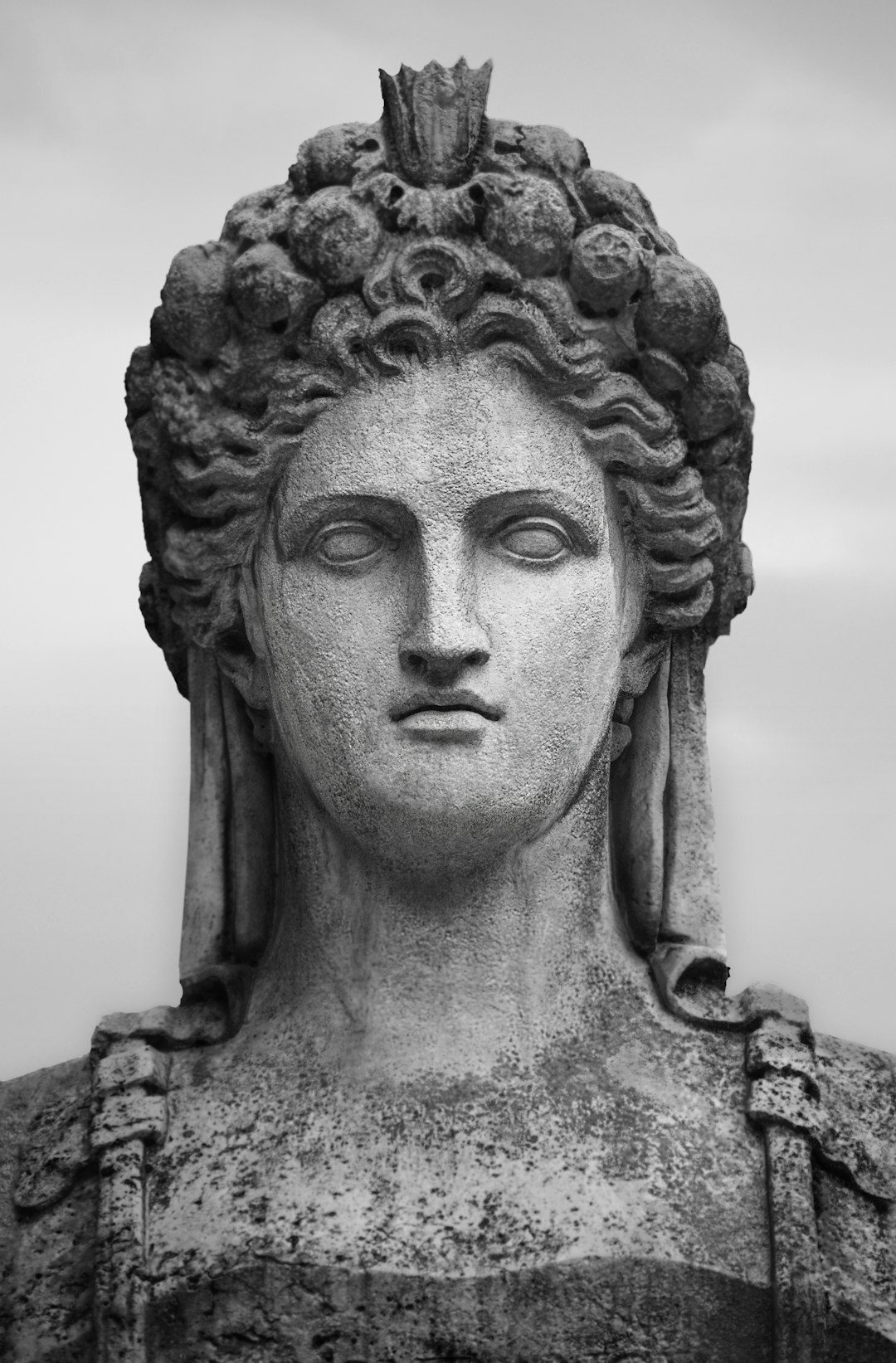
One of the first surprises modern research delivers is that Cleopatra, the last active ruler of the Ptolemaic dynasty, was not ethnically Egyptian in the way many pop culture portrayals suggest. Her family traced its origins to Macedonian Greeks who seized Egypt after the conquests of Alexander the Great, then largely married within their own dynasty for nearly three centuries. That means Cleopatra was probably primarily of Greek descent, with any local ancestry still debated due to gaps in the historical record. What makes this so striking is that she consciously chose to present herself as a truly Egyptian ruler, even adopting religious roles associated with deities like Isis.
In a way, Cleopatra lived a double identity: her bloodline connected her to Greek kings, but her public image tethered her to pharaonic tradition. In temple reliefs and inscriptions, she appears in a style remarkably continuous with much older Egyptian iconography, complete with traditional regalia and ritual scenes. This careful cultural balancing act helped legitimize her rule among native Egyptians while maintaining ties to the Hellenistic elite. It is a reminder that questions of identity and representation were as politically charged in antiquity as they are today.
The Linguist Queen: A Rare Ruler Who Spoke Many Languages
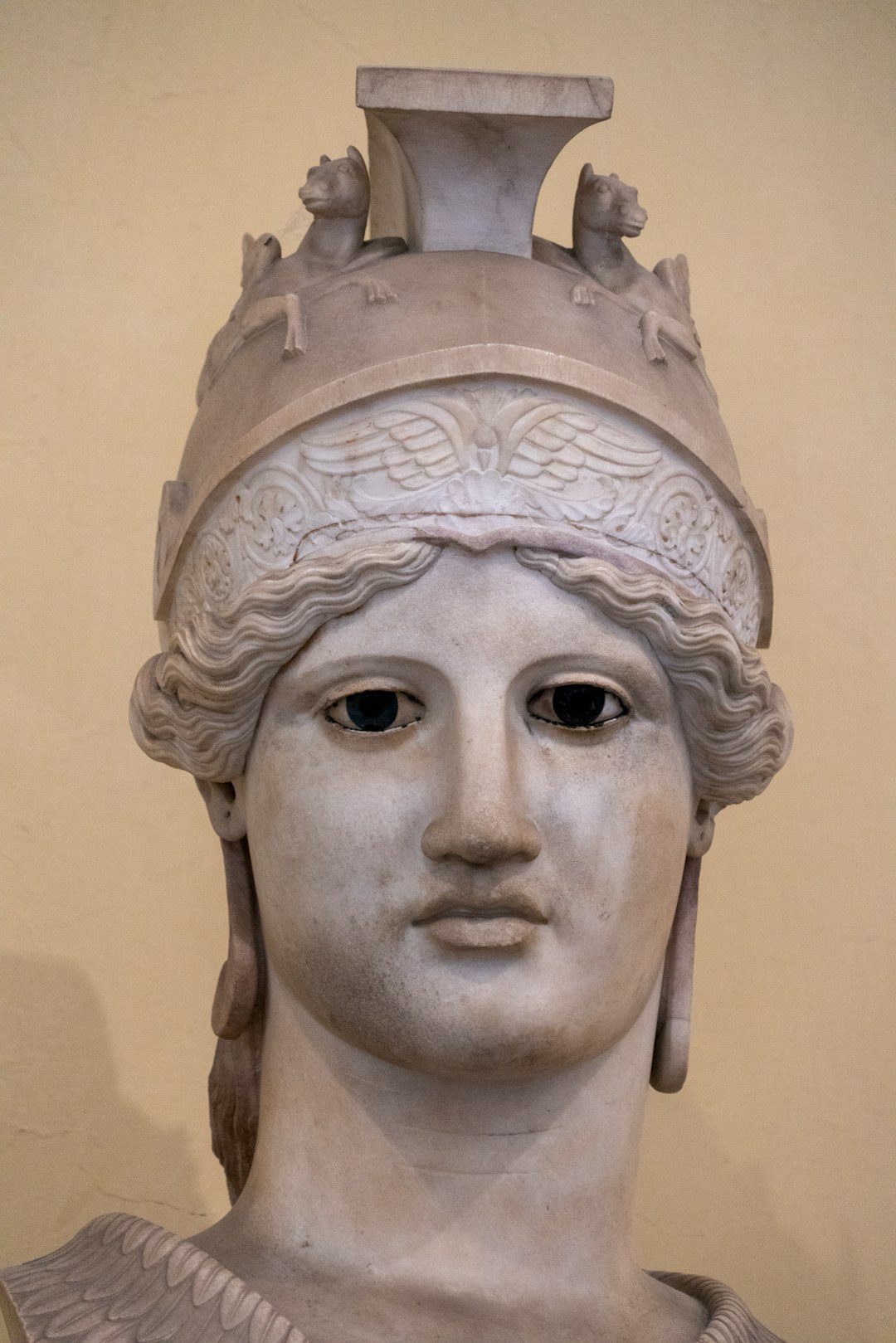
Ancient rulers often relied on interpreters, but Cleopatra appears to have been an exception. Historical records indicate she spoke several languages, and was unusual among the Ptolemaic monarchs for apparently learning Egyptian rather than ruling from a Greek-speaking bubble. Her multilingual abilities would have given her a powerful edge in diplomacy, allowing her to speak directly with foreign envoys, local priests, and diverse communities under her control. In a world knit together by trade routes and shifting alliances, that kind of direct communication was more than a party trick; it was a strategic tool.
When you picture Cleopatra talking with Julius Caesar or Mark Antony, modern scholarship suggests imagining a woman who could switch registers and cultures as easily as changing outfits. She governed a multilingual kingdom where Greek, Egyptian, Aramaic, and other tongues crisscrossed markets and courtrooms. Being able to move between those worlds without a linguistic buffer would have helped her read the room – literally and politically. For today’s scientists and historians, this detail pushes against the shallow stereotype of Cleopatra as merely charming and instead paints her as intellectually formidable.
Beyond the Seductress Myth: Political Genius in a Collapsing World
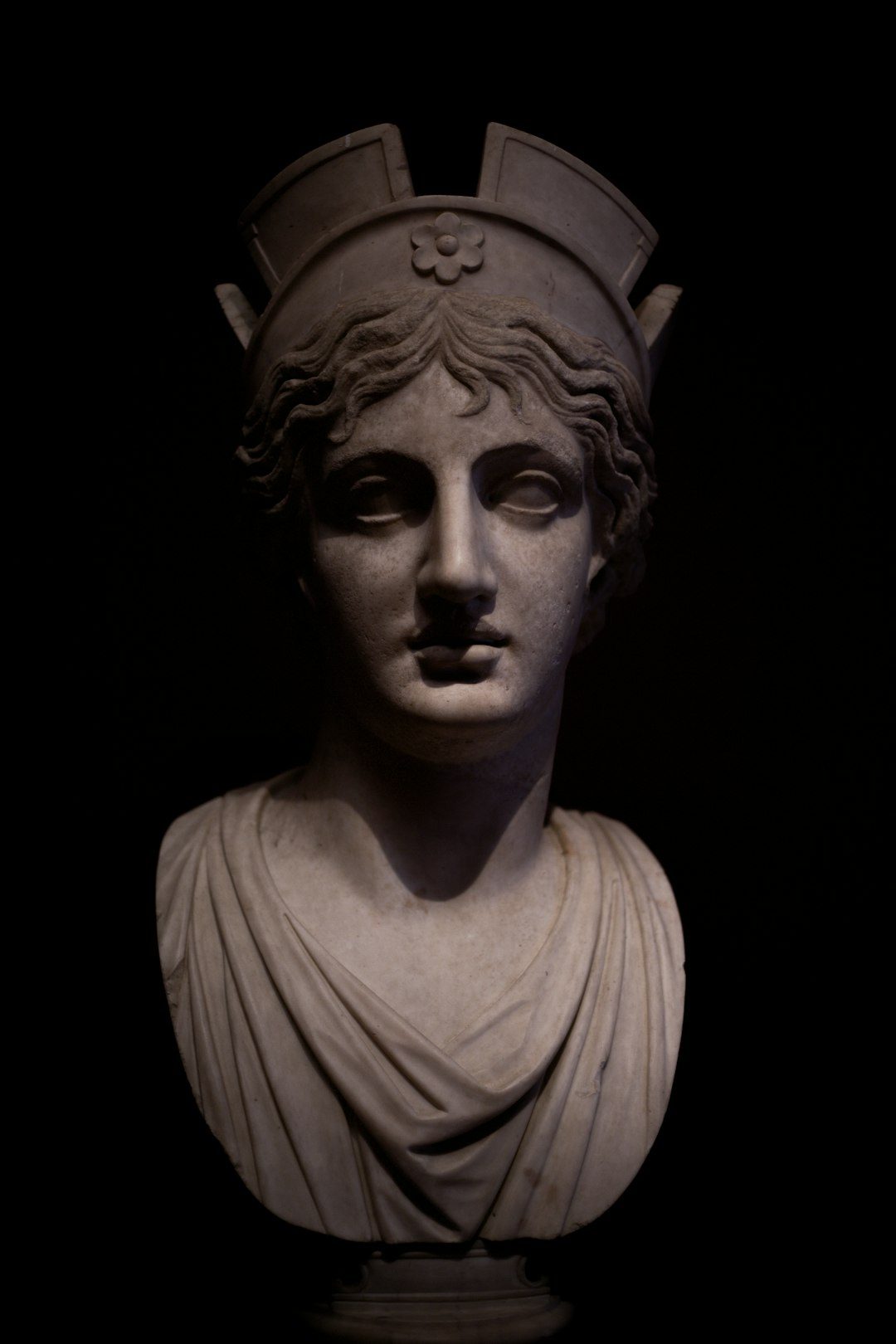
For a long time, Cleopatra was reduced to a single, loaded idea: the dangerous seductress who ensnared Rome’s great men. Modern scholarship, however, increasingly sees that image as a Roman propaganda piece sharpened by later biases rather than a fair portrait. Cleopatra inherited a kingdom on the edge of collapse, boxed in by Roman power, economic stress, and internal turmoil. Her relationships with Caesar and Antony look far more like calculated political alliances when you place them back into that context. She was navigating a geopolitical landscape where personal bonds and dynastic marriages were the main instruments of statecraft.
From that angle, Cleopatra begins to resemble a crisis manager in a shrinking empire, not a femme fatale drifting through candlelit halls. She tried to secure Egypt’s autonomy at a time when independent states were being drawn into Rome’s orbit and then swallowed. Her decisions were risky because the stakes were enormous; a misstep meant not just personal ruin but the end of a dynasty and a way of life. The fact that her enemies in Rome chose to frame her as a dangerously alluring foreign queen says as much about Roman anxieties as it does herself.
From Ancient Tools to Modern Science: How Her World Is Being Rediscovered
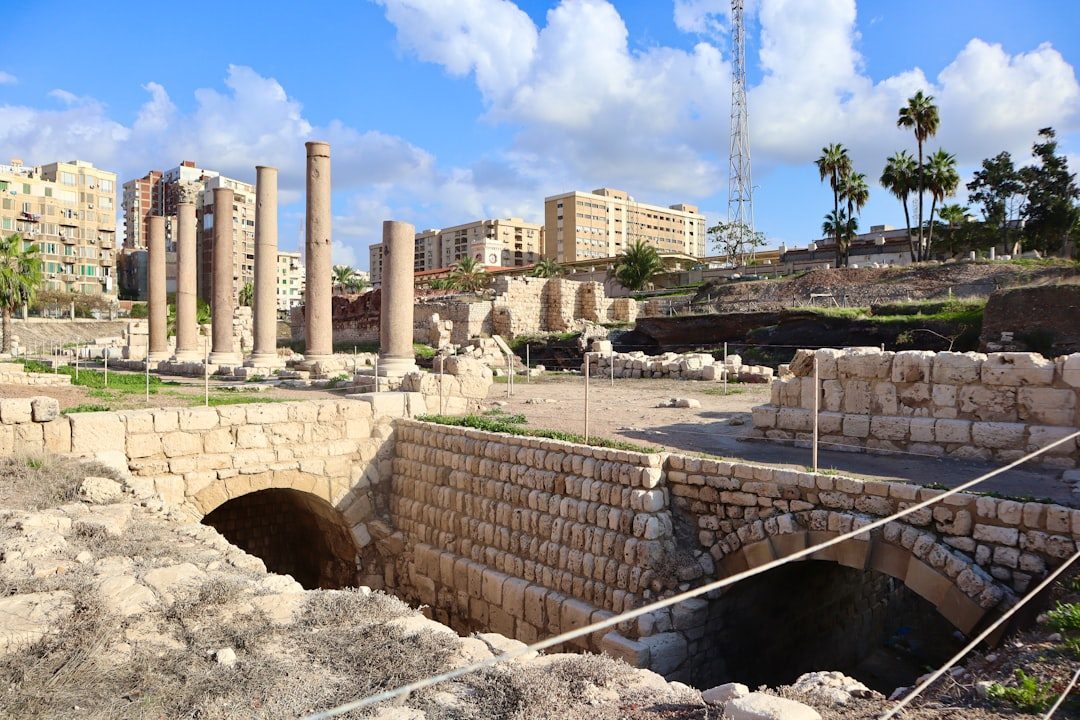
Cleopatra’s Alexandria has largely vanished under modern construction and the Mediterranean, but scientists are steadily coaxing fragments of her world back into view. Underwater archaeologists using sonar, submersible cameras, and careful excavation techniques have mapped parts of the sunken districts of ancient Alexandria and nearby coastal temples. They are finding harbor works, columns, statues, ritual objects, and building foundations that paint a picture of a bustling, cosmopolitan capital. Every artifact helps refine estimates of where royal palaces, ceremonial spaces, and key political sites once stood. The process is slow, silt-choked, and painstaking, yet it keeps nudging Cleopatra’s story out of legend and into data.
On land, ground-penetrating radar, satellite imaging, and precision mapping are reshaping searches for structures linked to her reign. Excavations in the region of Taposiris Magna, for example, have unearthed coins bearing her image, statues, and temple complexes that illuminate how she sponsored religion and architecture outside Alexandria. While no definitive “Cleopatra’s tomb” has been found, layers of material culture from her era keep expanding the map of her influence. It feels less like chasing a single grave and more like reconstructing an entire political ecosystem from broken stones and disturbed earth.
The Missing Tomb: A Royal Burial Wrapped in Mystery
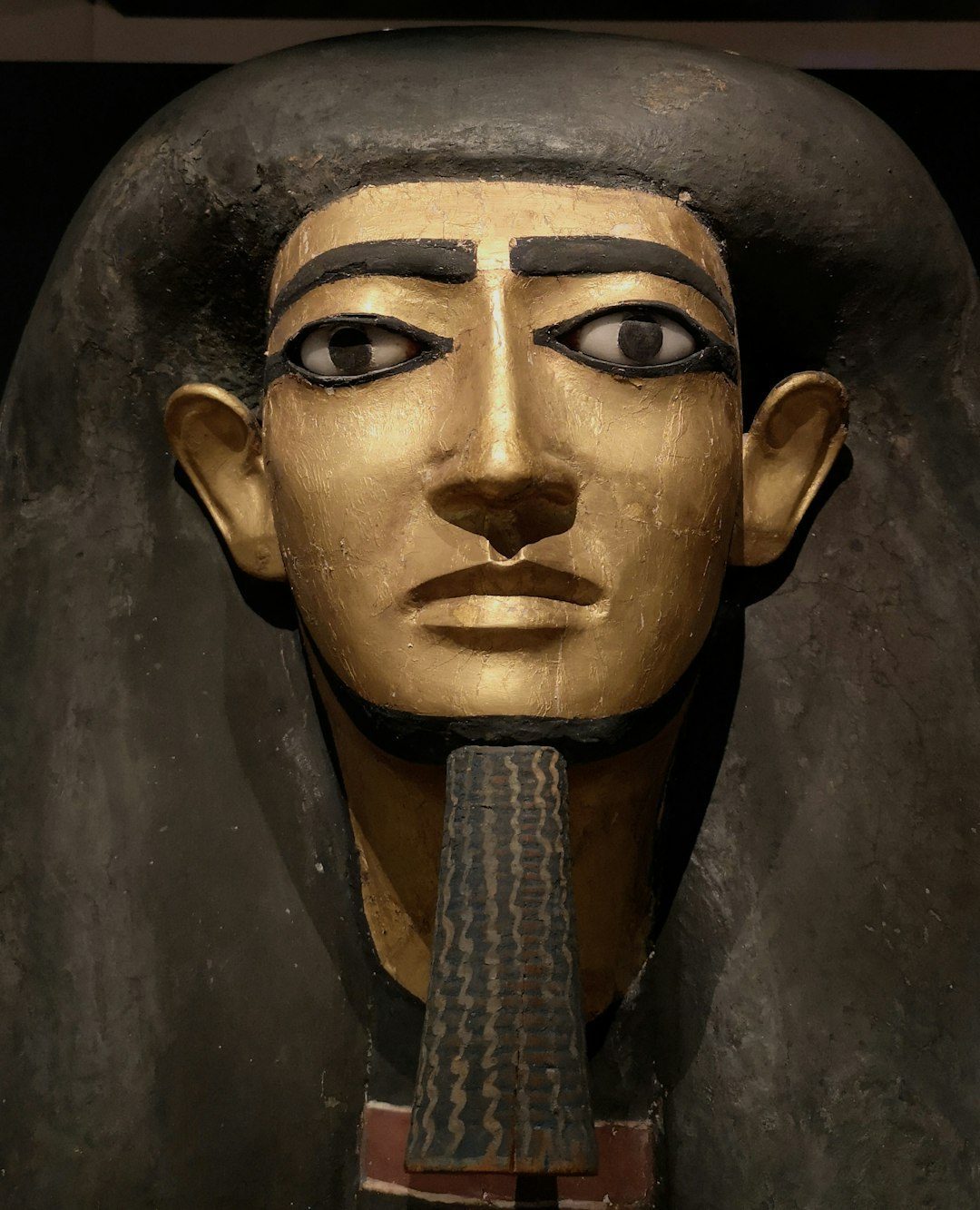
One fact is brutally simple: no one knows for certain where she is buried. Ancient written sources suggest she and Mark Antony were interred together in a lavish tomb, but that description drops into silence with no clear surviving coordinates. Modern archaeologists have chased leads ranging from central Alexandria to outlying temple complexes, each promising but so far inconclusive. In the meantime, satellite-based surveys, geophysical scans, and underwater mapping help rule out some possibilities and highlight others. The search has become a kind of scientific ghost story, guided by probabilities rather than romantic hunches.
What makes the missing tomb so compelling is what it symbolizes. A confirmed burial site could potentially offer inscriptions, grave goods, and even biological material that would sharpen our understanding of Cleopatra’s life and death. It might clarify funeral practices at the end of the Ptolemaic era and how the Romans handled the remains of their most famous rival queen. Until then, the empty space on the map forces historians and the public to grapple with uncertainty. In an age that prizes instant answers, Cleopatra’s tomb is a reminder that some of history’s biggest figures remain stubbornly offstage.
Why It Matters: Power, Image, and the Science of Reclaiming a Life
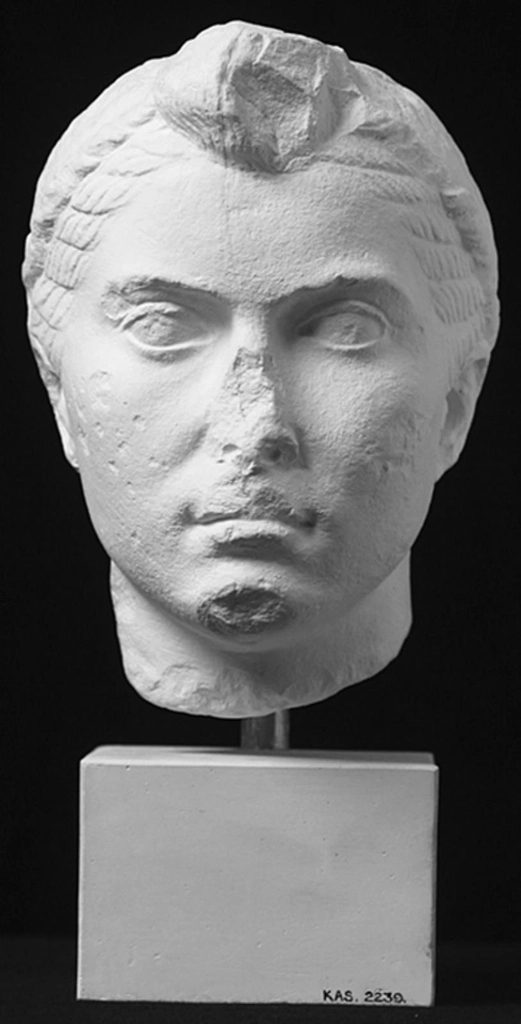
Studying Cleopatra is not just about satisfying fan-level curiosity about an ancient celebrity; it is a case study in how power, gender, and propaganda get tangled over time. Roman authors, later historians, and modern media have all helped shape an image of her that often says more about their own eras than ’s. Scientists and scholars now use tools from archaeology, textual analysis, climatology, and even digital modeling to push back against those distortions. By combining physical evidence with re-read sources, they can strip away some of the more lurid exaggerations and hone in on what is actually supported. The result is a more complex, and frankly more interesting, Cleopatra than the one-dimensional caricatures.
This work matters beyond one queen because it shows how easily a powerful woman’s story can be rewritten to fit hostile narratives. When modern researchers re-examine Cleopatra, they are also testing methods that can be applied to other contested figures and periods. They are asking how to balance absence of evidence with the temptation to spin elaborate tales, and how to communicate uncertainty without killing public interest. In that sense, Cleopatra becomes a training ground for more responsible historical storytelling. She forces science, history, and popular culture into the same room, and the conversation is still evolving.
Science in the Shadows: Climate, Economy, and a Kingdom Under Stress
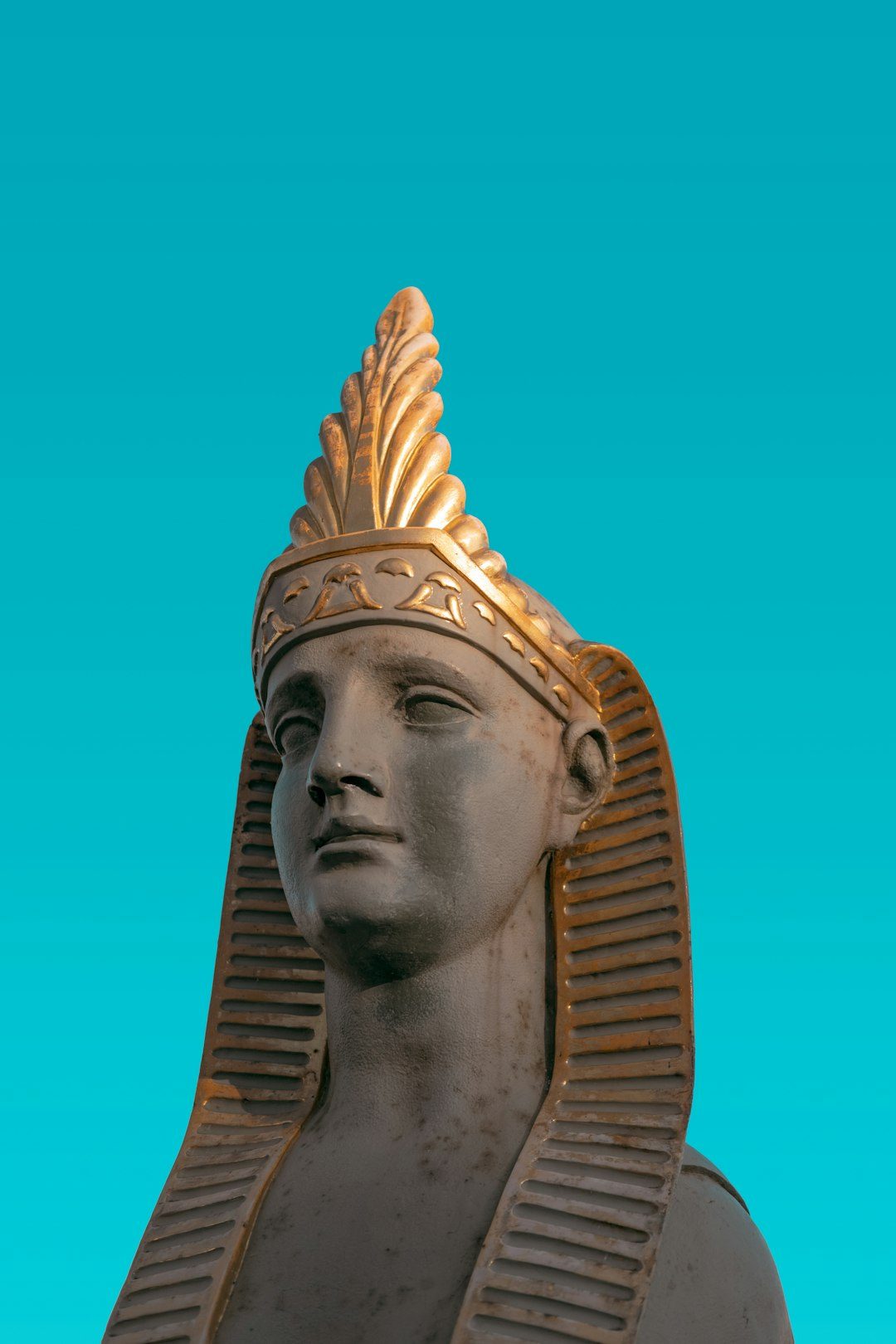
Recent scientific studies have pulled Cleopatra’s story into a much wider environmental frame. Researchers examining ancient ice cores and volcanic signatures have proposed that major eruptions during the first century BCE may have disrupted the Nile’s flood cycles. When the Nile failed to rise as expected, harvests would have suffered, triggering famine, unrest, and economic strain long before Cleopatra appears in dramatic scenes with Roman generals. This means her reign may have unfolded against a backdrop of climatic instability that magnified every political decision she made. Ruling in such conditions would have been more like steering a ship through hidden reefs than gliding on calm waters.
These findings underscore that Cleopatra’s Egypt was not just a stage for glamorous romance but a society wrestling with hard constraints of food, water, and social order. When historians talk about her wealth, fleets, and palaces, they are also talking about a system that depended on a river behaving predictably. If that river faltered, the queen’s room for maneuver shrank dramatically, no matter how skilled she was. Linking ice cores and papyrus records may sound abstract, but it connects the fate of one of history’s most famous rulers to the same climate forces we worry about today. The parallels are uncomfortably close for a modern world facing its own environmental tipping points.
The Future Landscape: New Technologies, New Clues, and Lingering Limits
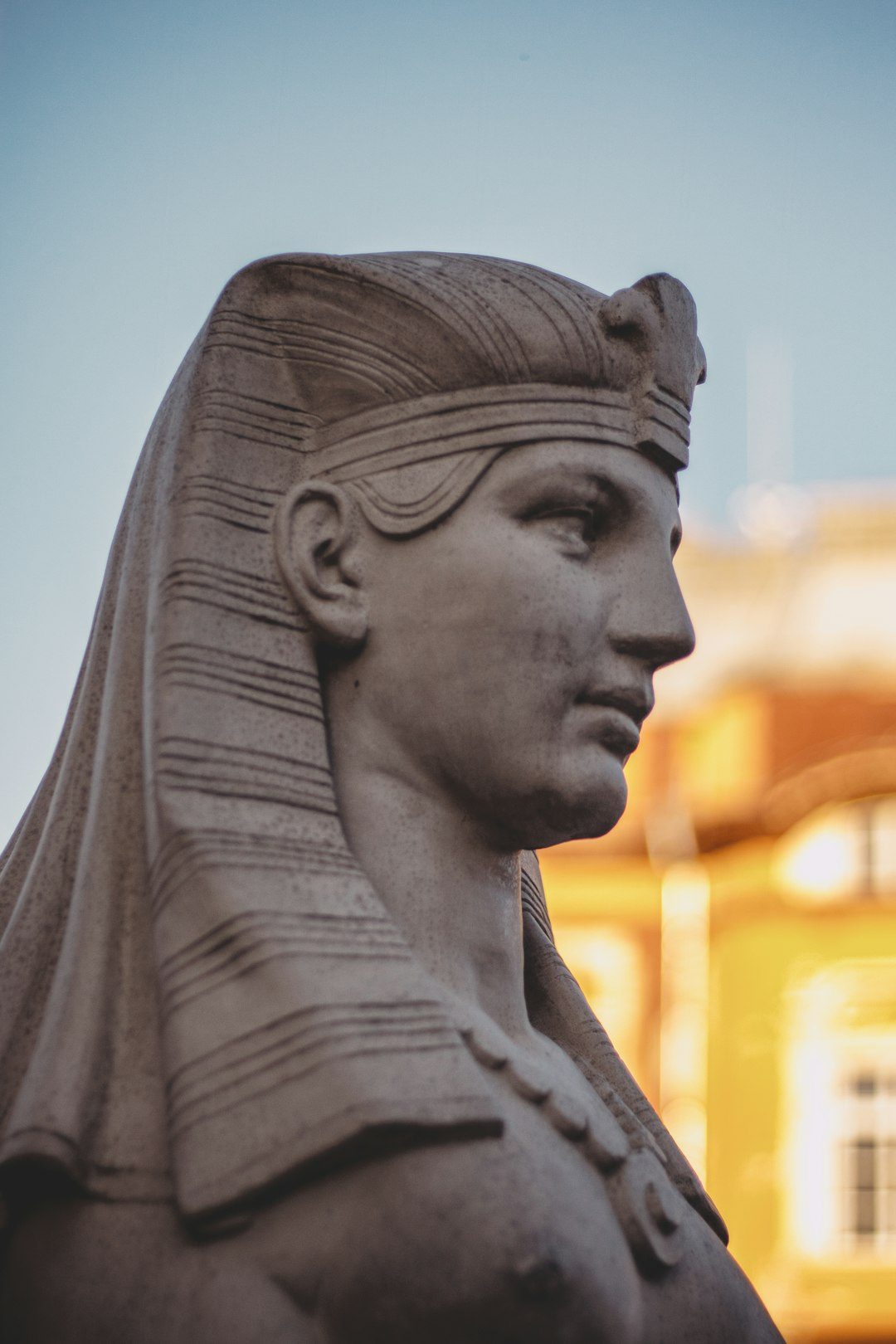
The next breakthroughs in Cleopatra research are likely to come from technologies that would have looked like sorcery in her own courts. High-resolution satellite imagery can detect subtle soil marks and buried structures that might indicate lost buildings from her era. More advanced underwater mapping tools continue to refine the picture of submerged Alexandria, turning murky outlines into detailed 3D reconstructions. Digital humanities projects are also reassembling scattered papyri and inscriptions, using pattern recognition to match fragments that have been separated for centuries. Each of these tools promises incremental gains rather than a single cinematic revelation.
There is also cautious talk among some researchers about what might happen if definitively associated human remains were ever found, raising the possibility of DNA or isotopic studies. That idea is scientifically tantalizing but ethically complicated, especially given modern concerns about disturbing burials and the limits of what ancient DNA can actually reveal. Even without such dramatic finds, the combination of geology, chemistry, and remote sensing is quietly transforming how Cleopatra’s world is mapped and understood. The likely future is less about a treasure-hunt ending and more about patiently tightening the focus on an already vivid figure. She may never step fully into the light, but the shadows around her are getting sharper.
How You Can Engage: Rethinking Cleopatra and Supporting the Science
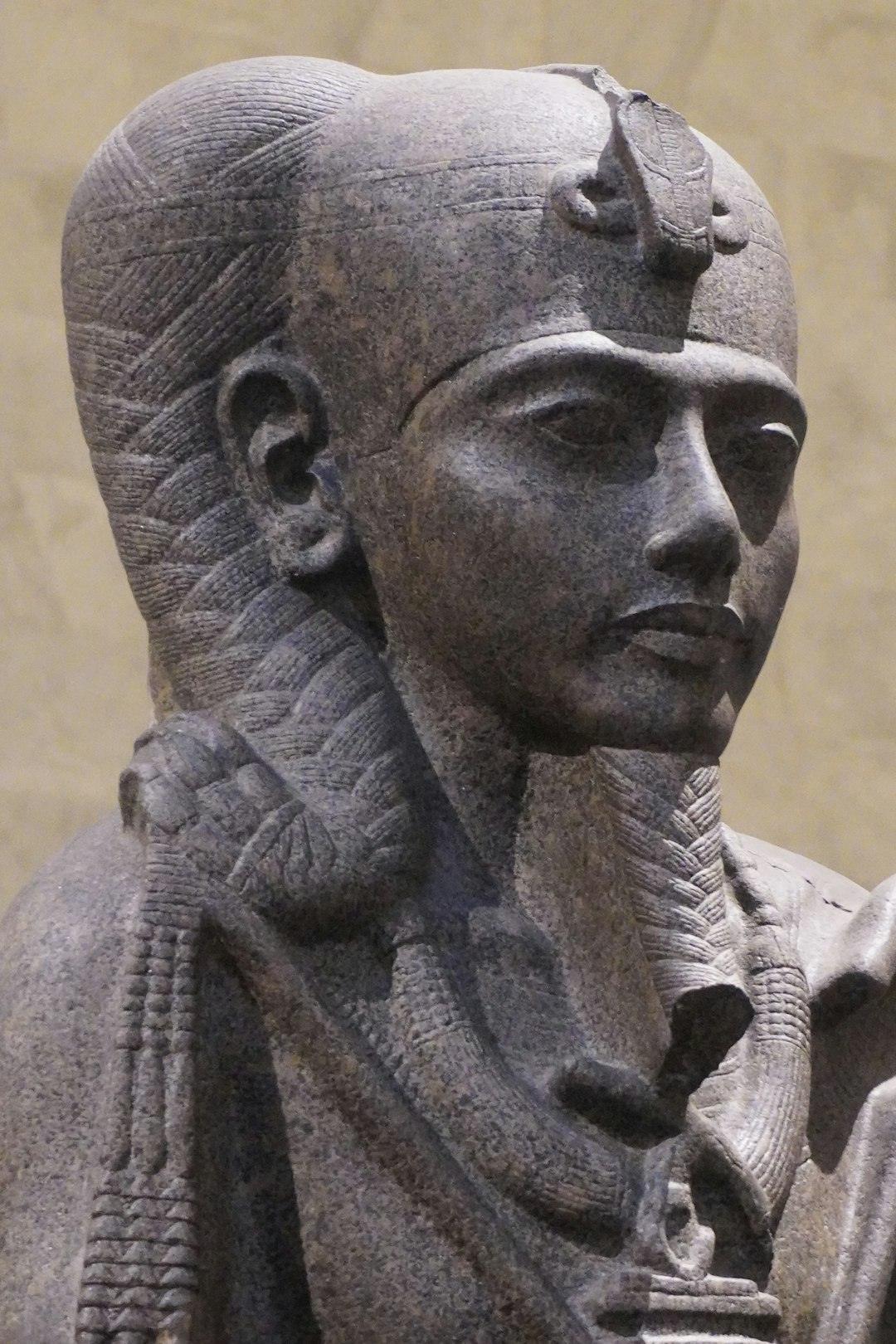
Engaging with Cleopatra’s story today starts with something deceptively simple: questioning the versions you have already absorbed. When you watch a film or see an artwork of her, it is worth asking whose perspective shaped that image and what agenda it served. Reading modern research-based books, museum catalogues, or curated online resources can shift the picture from costume drama to evidence-driven reconstruction. You do not need specialized training to appreciate how new archaeological finds or climate studies add depth to an old narrative. Paying attention to that evolution is a quiet but meaningful way of supporting more responsible history.
There are also more concrete ways to help the science move forward. Many archaeological and conservation projects connected to the Mediterranean and ancient Egypt rely on grants, institutional support, and, in some cases, public donations through reputable organizations. Visiting museums that invest in updated interpretations, or following field projects that share their methods and results openly, encourages better practices. Even discussing Cleopatra in a way that acknowledges uncertainty and complexity pushes back against easy myths. In the end, how we talk about her says as much about us as it does about a queen who has been gone for more than twenty lifetimes.
Suhail Ahmed is a passionate digital professional and nature enthusiast with over 8 years of experience in content strategy, SEO, web development, and digital operations. Alongside his freelance journey, Suhail actively contributes to nature and wildlife platforms like Discover Wildlife, where he channels his curiosity for the planet into engaging, educational storytelling.
With a strong background in managing digital ecosystems — from ecommerce stores and WordPress websites to social media and automation — Suhail merges technical precision with creative insight. His content reflects a rare balance: SEO-friendly yet deeply human, data-informed yet emotionally resonant.
Driven by a love for discovery and storytelling, Suhail believes in using digital platforms to amplify causes that matter — especially those protecting Earth’s biodiversity and inspiring sustainable living. Whether he’s managing online projects or crafting wildlife content, his goal remains the same: to inform, inspire, and leave a positive digital footprint.