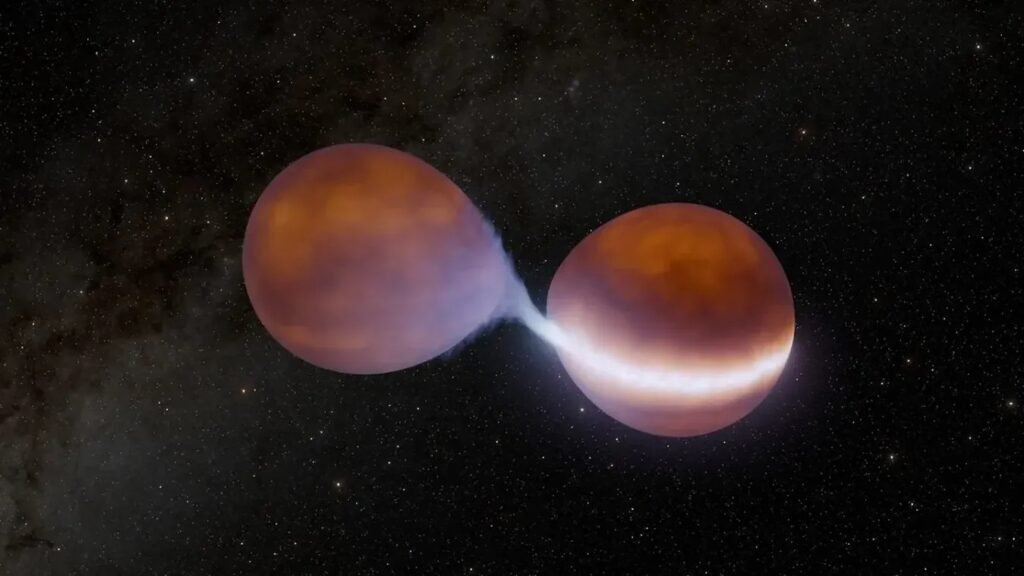
Think you know what’s lurking in the deepest, darkest corners of space? You might want to reconsider. Black holes are cosmic phenomena so bizarre that they challenge everything we think we understand about physics, time, and reality itself. These celestial monsters don’t just bend light. They twist the very fabric of existence.
From turning you into cosmic spaghetti to bending time in ways that would make your head spin, black holes operate on a level of strangeness that seems almost impossible. Yet here we are in 2026, with telescopes powerful enough to actually photograph them and instruments sensitive enough to detect their gravitational whispers across billions of light-years. Ready to dive into the cosmic abyss?
Time Literally Slows Down Near a Black Hole
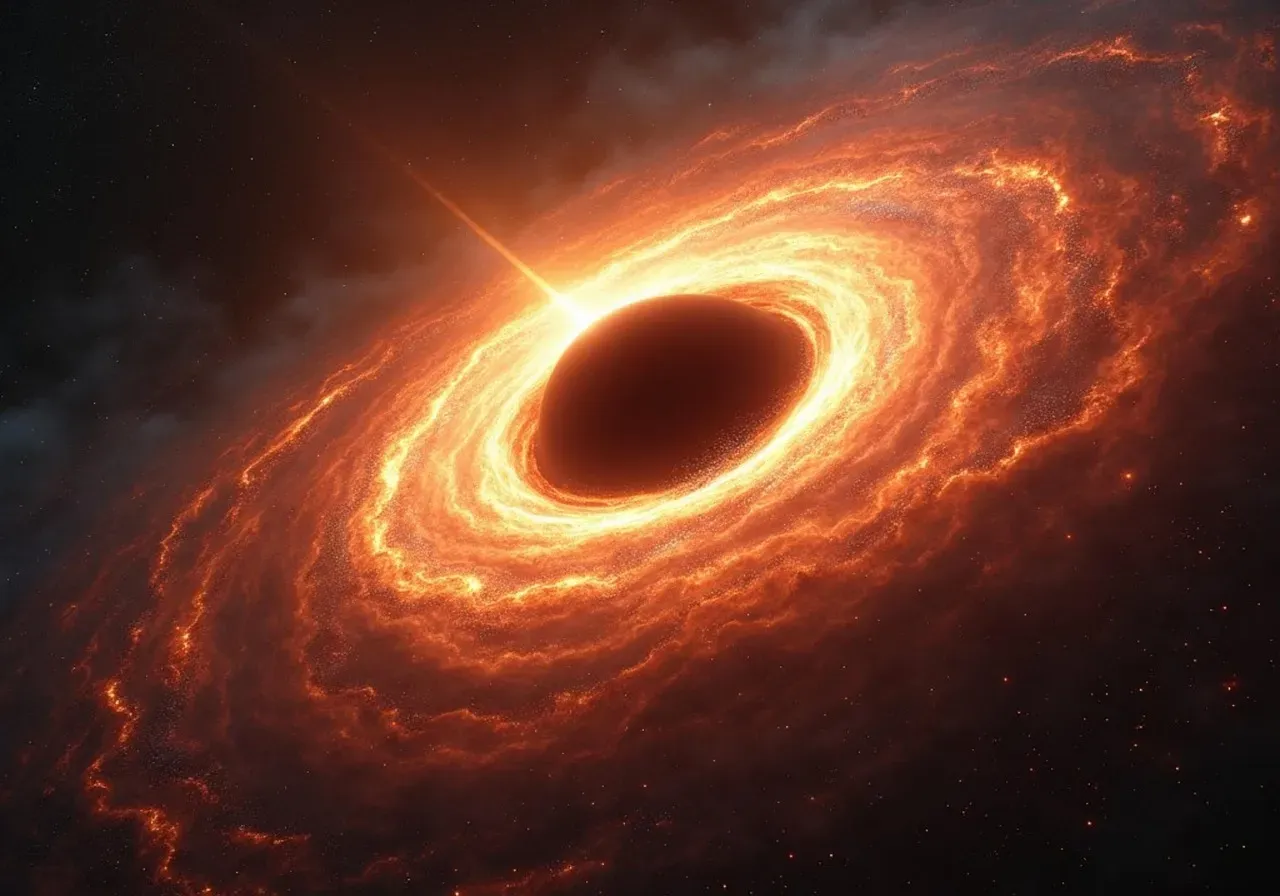
If you were traveling close to a black hole, you’d experience something called time dilation, where time passes slower closer to the black hole than farther away. Let’s be real, this sounds like science fiction, but it’s absolutely real. A clock near a black hole would appear to tick more slowly than one farther from it, and an object falling into a black hole would appear to slow as it approached the event horizon, never quite reaching the horizon from the perspective of an outside observer.
Here’s the really mind-bending part. A person near a black hole won’t themselves notice anything different in their own aging process, but another observer far away will see their time passing more slowly. So theoretically, you could orbit near a black hole for what feels like a few hours to you, then return to find that decades or even centuries have passed for everyone else. The difference in how time flows depends entirely on how close you get to that gravitational beast.
You’d Be Stretched Into Spaghetti Before You Even Reach the Event Horizon
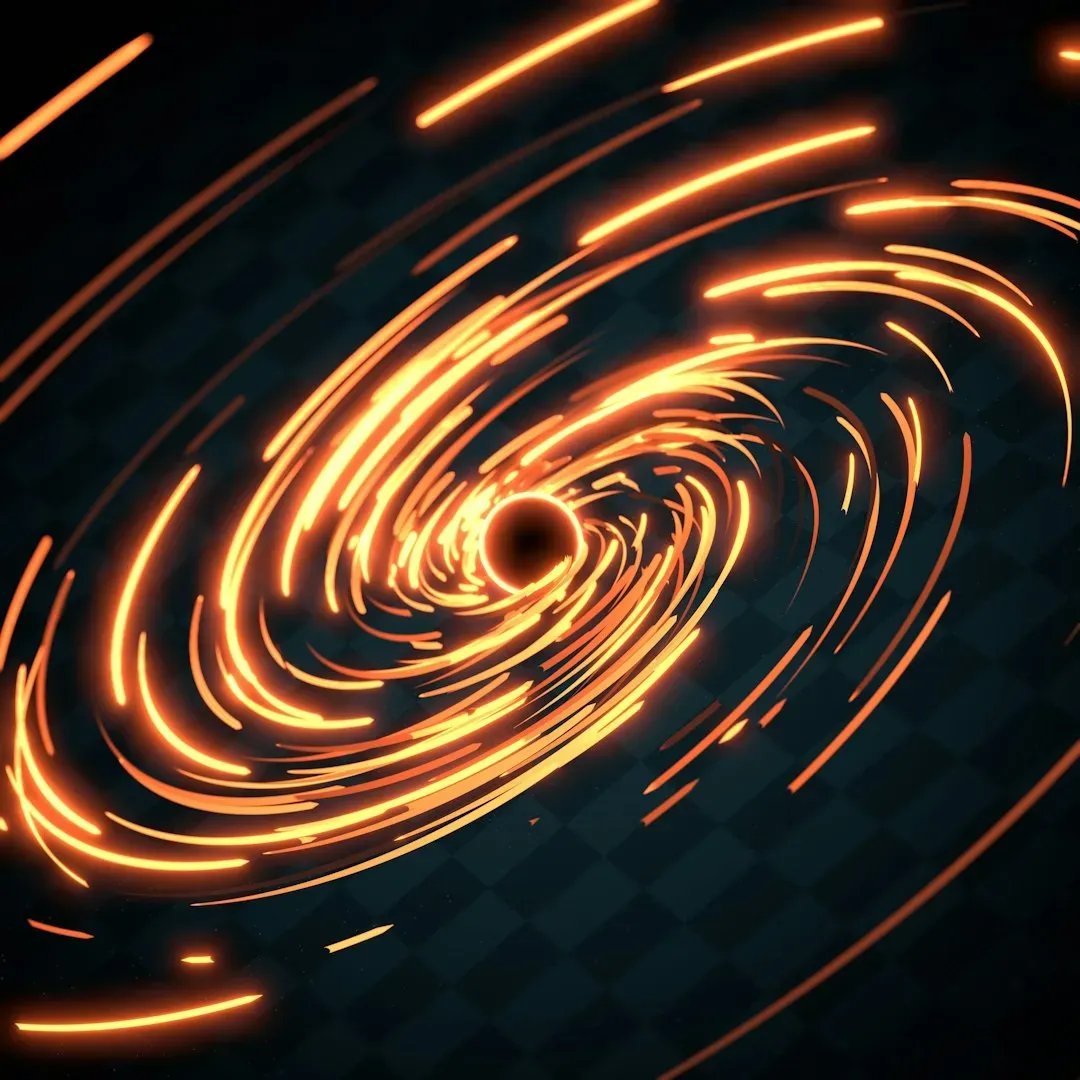
Spaghettification was first described by theoretical physicist Stephen Hawking in his book “A Brief History of Time.” The term might sound amusing, yet the reality is absolutely brutal. For any object falling into a black hole, the part closer to the black hole will feel a stronger gravitational pull than the part farther away, and this difference increases as the object gets closer to the event horizon, essentially stretching out the object more and more, creating a long, thin shape.
Now here’s where things get interesting. Smaller black holes cause more severe spaghettification than supermassive black holes, due to their stronger tidal forces near the event horizon. For a person at the event horizon of the supermassive black hole at the center of our Milky Way, the gravity difference between head and feet would be about 0.02 percent – barely noticeable, demonstrating that larger black holes are less dangerous than small ones when it comes to spaghettification. Ironic, isn’t it? The bigger the monster, the gentler the squeeze.
Nearly Every Large Galaxy Has a Supermassive Black Hole at Its Center
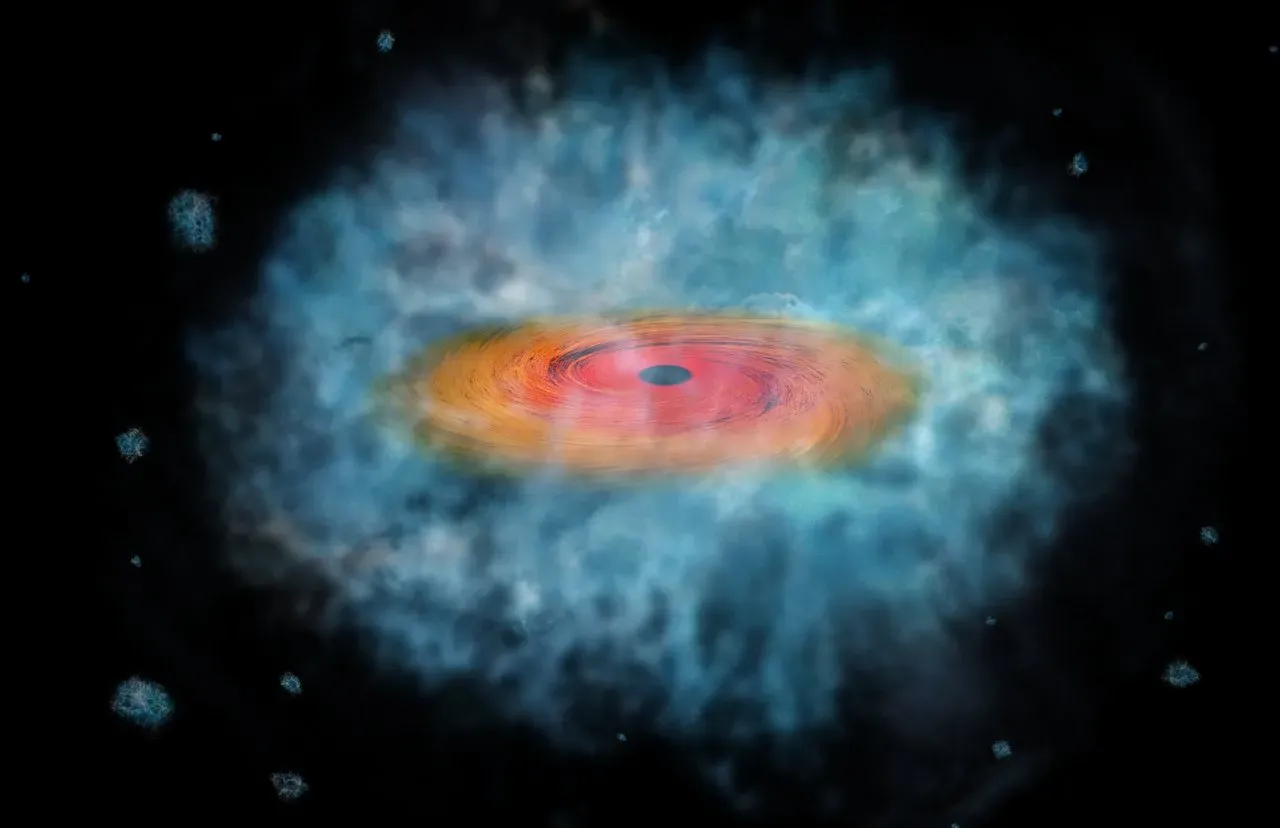
Observational evidence indicates that almost every large galaxy has a supermassive black hole at its center. Think about that for a second. Our Milky Way, the Andromeda galaxy, and countless others all harbor these cosmic giants at their hearts. The current best estimate of the mass of Sagittarius A*, the black hole at the center of our Milky Way, is about 4.3 million solar masses.
In 2022, astronomers unveiled the first image of the supermassive black hole at the centre of our own Milky Way galaxy, providing overwhelming evidence that the object is indeed a black hole and yielding valuable clues about the workings of such giants. The image itself was produced by a worldwide network of radio telescopes working in unison. Honestly, it’s hard to overstate how remarkable it is that we can now photograph something that, by definition, doesn’t emit light.
Black Holes Actually Make Sound
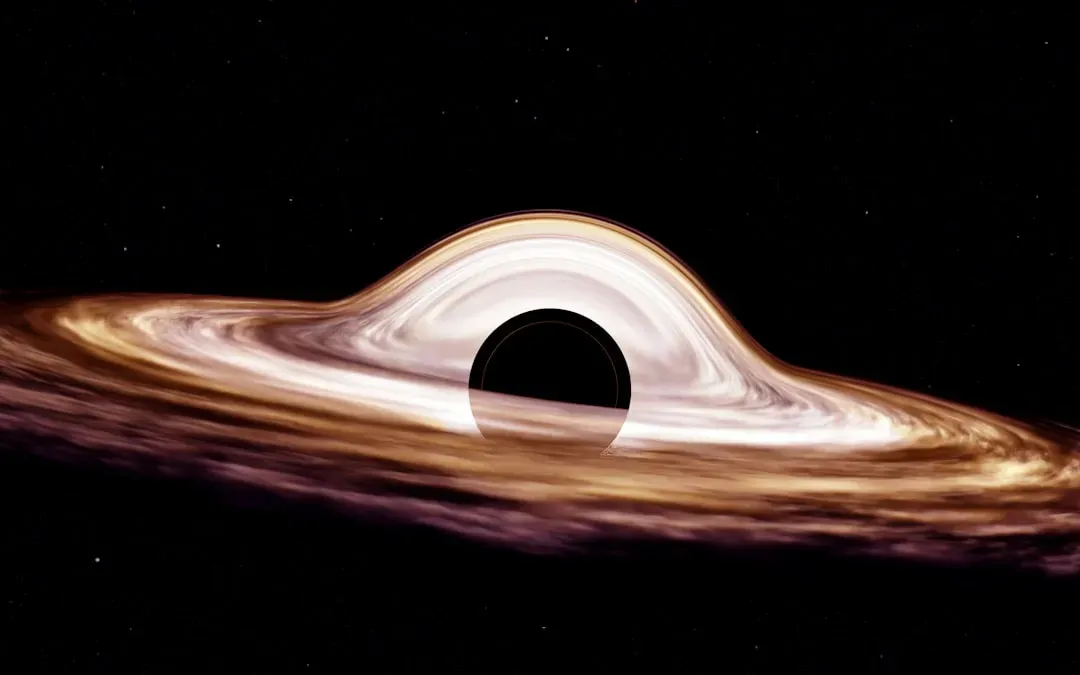
You’ve probably heard the saying “in space, no one can hear you scream.” Well, that’s not entirely accurate when it comes to black holes. Since 2003, the black hole at the center of the Perseus galaxy cluster has been associated with sound because astronomers discovered that pressure waves sent out by the black hole caused ripples in the cluster’s hot gas that could be translated into a note – one that humans cannot hear some 57 octaves below middle C.
The lowest note identified in 2003 is a B-flat, just over 57 octaves below middle C; at that pitch, its frequency is 10 million years. NASA actually created an audio clip of these sounds by transposing them up by roughly 57 and 58 octaves so we can hear them. The result is genuinely haunting, like a cosmic howl echoing through the void. It turns out the universe has a soundtrack after all.
Recent Discoveries Reveal Black Holes That Shouldn’t Exist
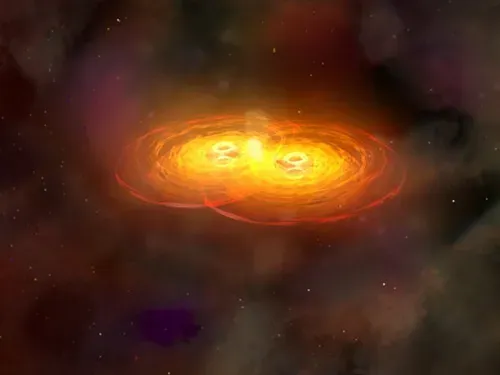
In 2023, astronomers witnessed two extraordinarily massive black holes colliding roughly 7 billion light-years away, and their immense size and rapid spin defied explanation because, according to existing theories, black holes like these simply shouldn’t exist. The collision created a black hole roughly 225 times the mass of our Sun. So what’s going on?
New simulations suggest magnetic fields hold the key to forming black holes that defy known mass limits, and extensive computer simulations revealed that magnetic fields are the missing factor behind the creation of black holes whose masses fall within a range once thought impossible. Science keeps throwing curveballs at us. Just when we think we’ve figured out the rules, nature reminds us how much we still don’t know.
A Black Hole Once Erupted With the Energy of 10 Trillion Suns
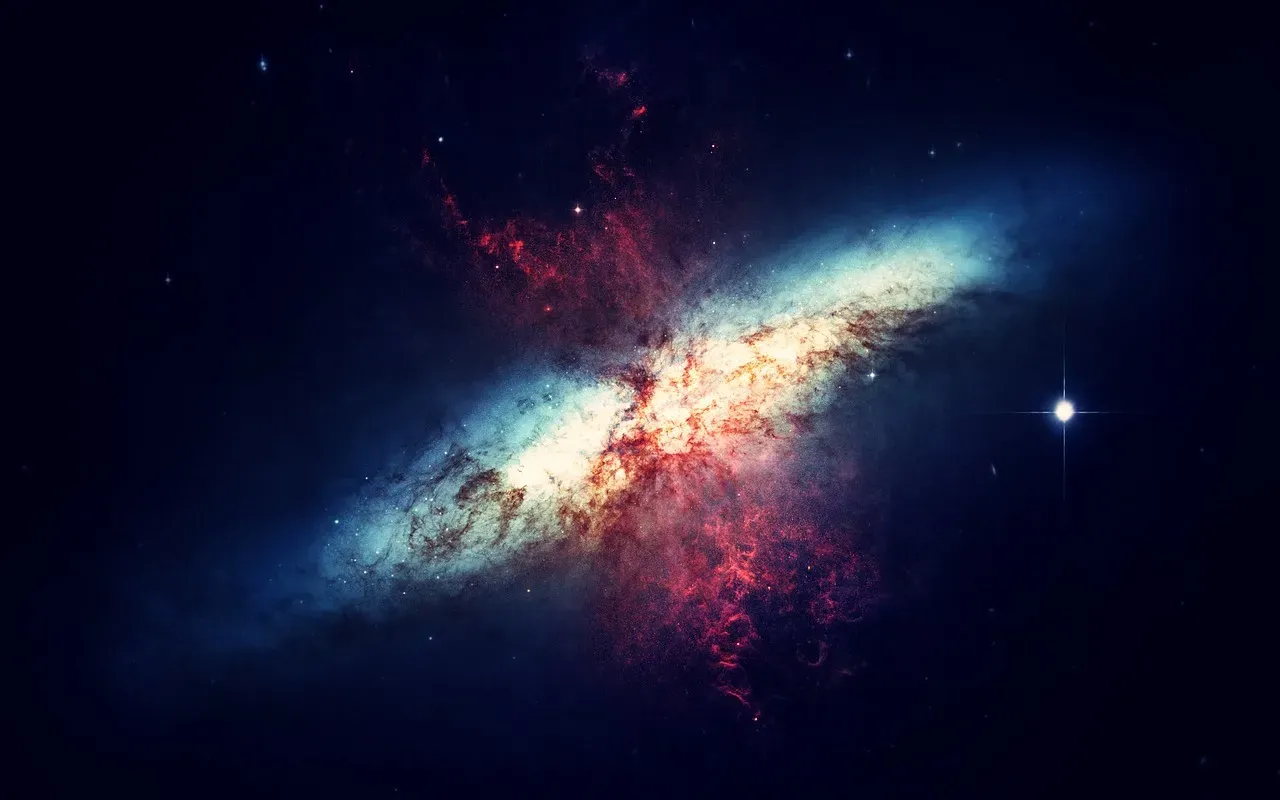
A flare designated J2245+3743 was spotted erupting from a supermassive black hole located in the center of a galaxy 10 billion light-years away, pumping out energy equivalent to the output of 10 trillion suns. Let that number sink in for a moment. Ten. Trillion. Suns.
This event was 30 times more energetic than the previous most energetic flare, the wonderfully named “Scary Barbie” spotted in 2018, and is believed to be the result of a star wandering too close to the supermassive black hole, which has the mass of 500 million suns. The star got too close, got ripped apart, and the resulting feast created one of the brightest explosions ever witnessed. Talk about a final blaze of glory.
Some Black Holes Are Rogue Wanderers, Not Anchored to Galaxy Centers
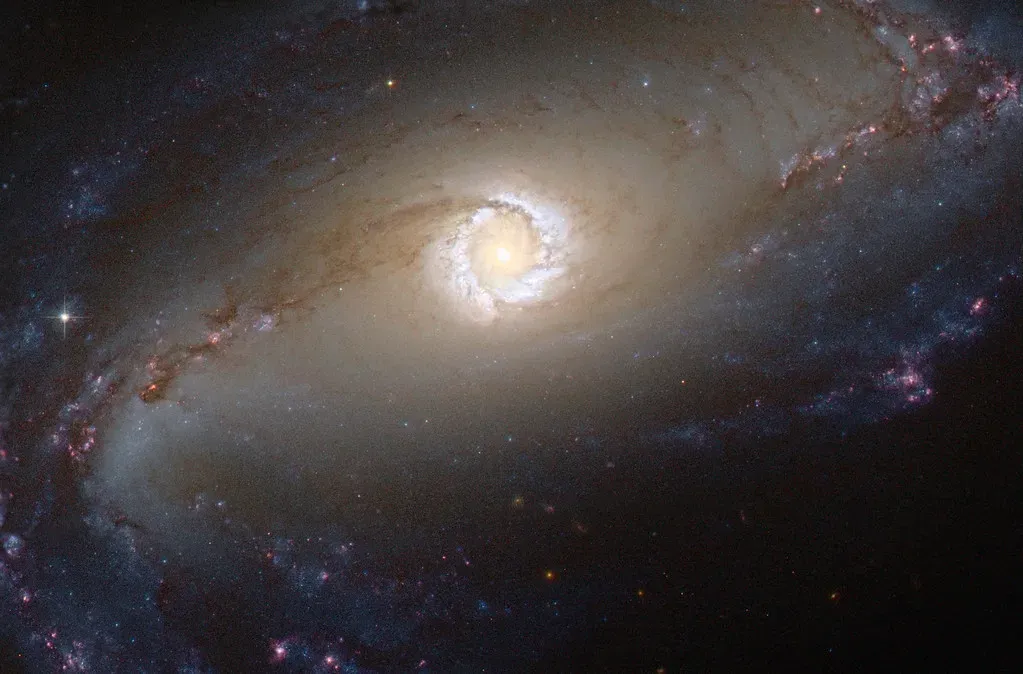
Here’s something that’ll keep you up at night. Not all supermassive black holes stay put at the centers of galaxies. A black hole was found roughly 2,600 light-years from the center of its host galaxy, providing strong evidence that supermassive black holes can exist in surprising and previously overlooked locations.
This one million-solar-mass black hole doesn’t reside exactly in the center of the host galaxy where supermassive black holes are typically found, and out of approximately 100 tidal disruption events recorded by optical sky surveys so far, this is the first time an offset black hole has been identified. The discovery opens up an entirely new population of wandering black holes that could be hiding throughout the universe. Space just got a bit more unpredictable.
The Oldest Black Hole Formed Just 500 Million Years After the Big Bang
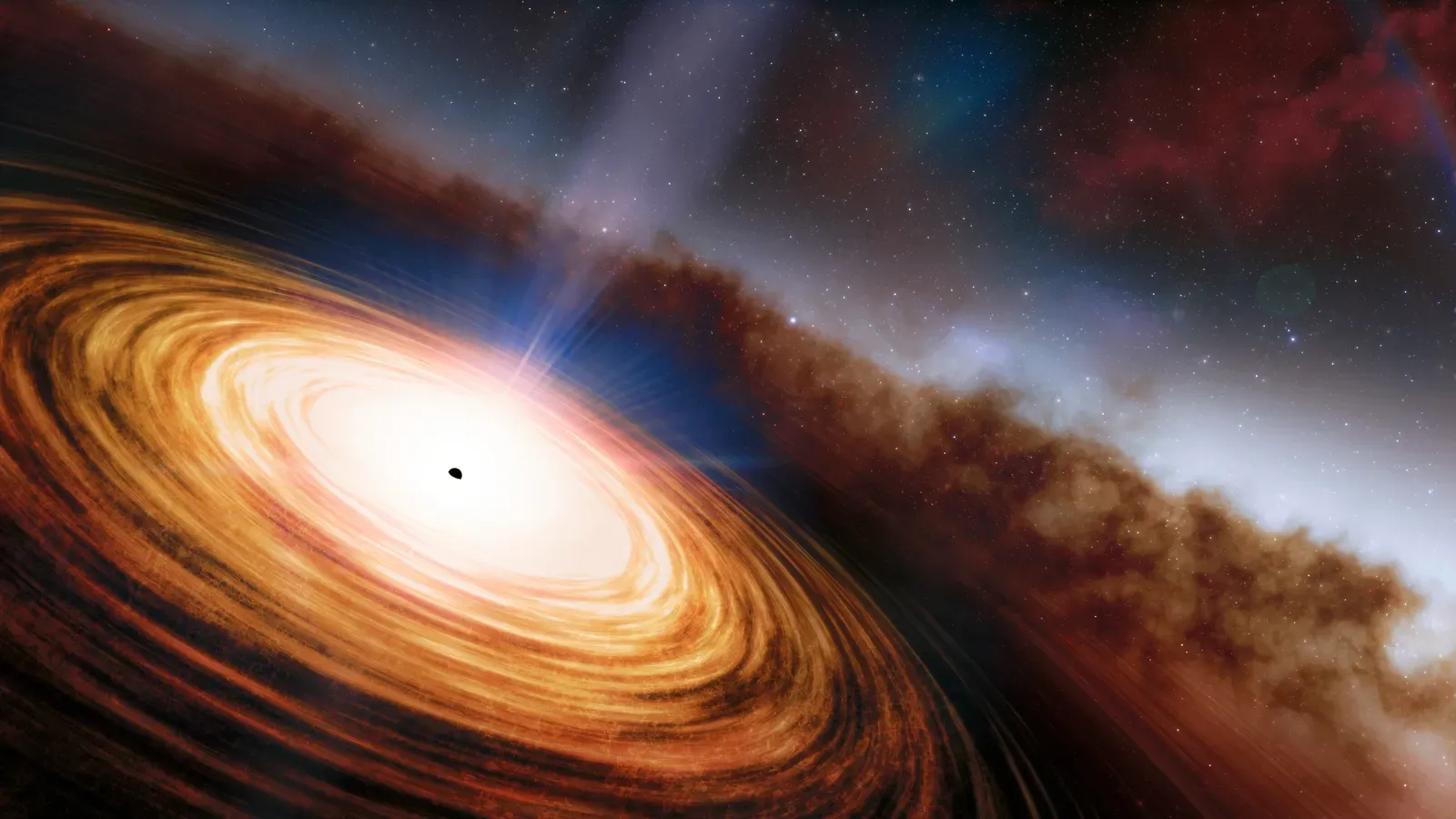
A cosmic sinkhole with a mass of 38 million suns snagged the title of oldest black hole, dubbed CAPERS-LRD-z9, which formed more than 13 billion years ago, within 500 million years of the Big Bang. This creates a serious puzzle for astrophysicists. How did black holes grow so massive so quickly?
Astronomers have discovered that the supermassive black holes in the centers of early galaxies are much more massive than expected, offering new insights into the origins of all supermassive black holes as well as the earliest stages of their host galaxy’s lives. It’s like finding a fully grown oak tree when you expected to see a sapling. The early universe was apparently far more efficient at creating monsters than we ever imagined.
Black Holes Can Whip Up Winds at One-Fifth the Speed of Light
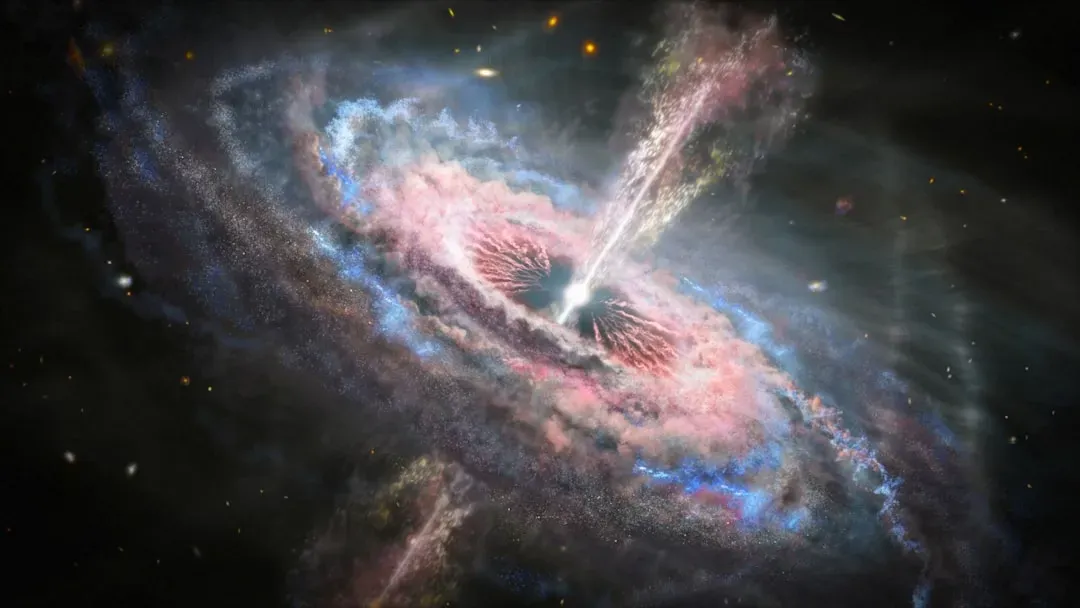
A supermassive black hole in galaxy NGC 3783 produced ultra-fast winds reaching 60,000 km/s, or about 0.2c, and in a matter of hours, the gravitational monster whipped up powerful winds, flinging material out into space at eye-watering speeds. That’s roughly 134 million miles per hour. Imagine weather forecasts for that neighborhood.
These winds formed within a day, likely triggered by magnetic field changes, resembling solar coronal mass ejections but on a scale almost too big to imagine. It turns out black holes can act a bit like our Sun, just on an incomprehensibly larger and more violent scale. The winds influence galaxy evolution and star formation across vast regions of space.
Our Galaxy’s Central Black Hole Recently Woke Up From a Long Slumber
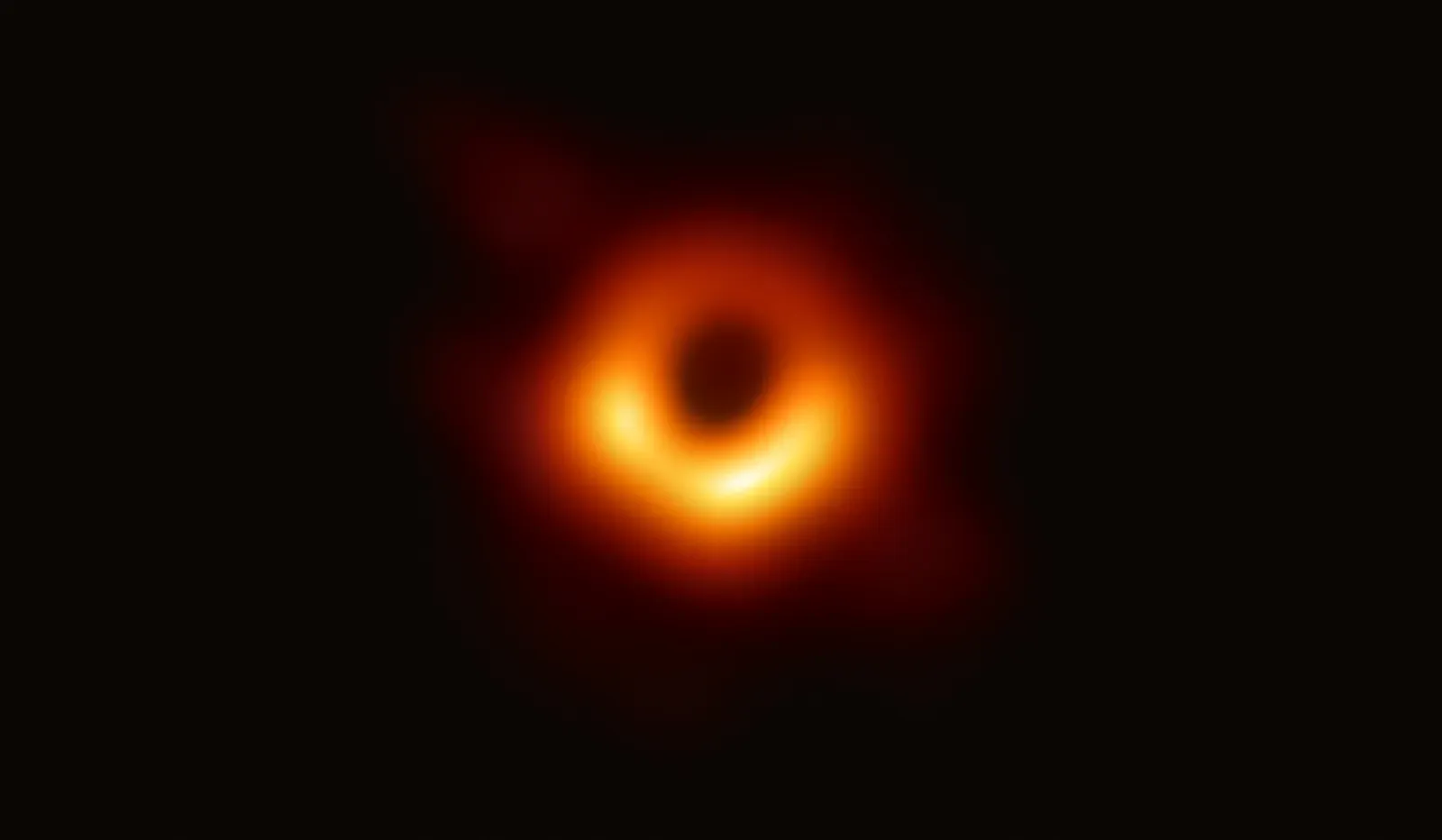
Sagittarius A*, the supermassive black hole at the center of the Milky Way galaxy, woke some 200 years ago to devour cosmic debris, according to new findings from NASA’s Imaging X-ray Polarimetry Explorer, suggesting the ancient sleeping giant woke recently to devour gas and other cosmic detritus within its reach. Two hundred years ago sounds like ancient history to us, but it’s the blink of an eye on cosmic timescales.
One scenario to explain why giant molecular clouds are shining is that they are echoing a long-gone flash of X-ray light, indicating that our supermassive black hole was not that quiescent some centuries ago. So the black hole at the heart of our galaxy had a feeding frenzy right around the time humans were inventing the photograph and steam engine. We’re literally seeing echoes of a cosmic meal that happened during the industrial revolution. Wild.
Conclusion
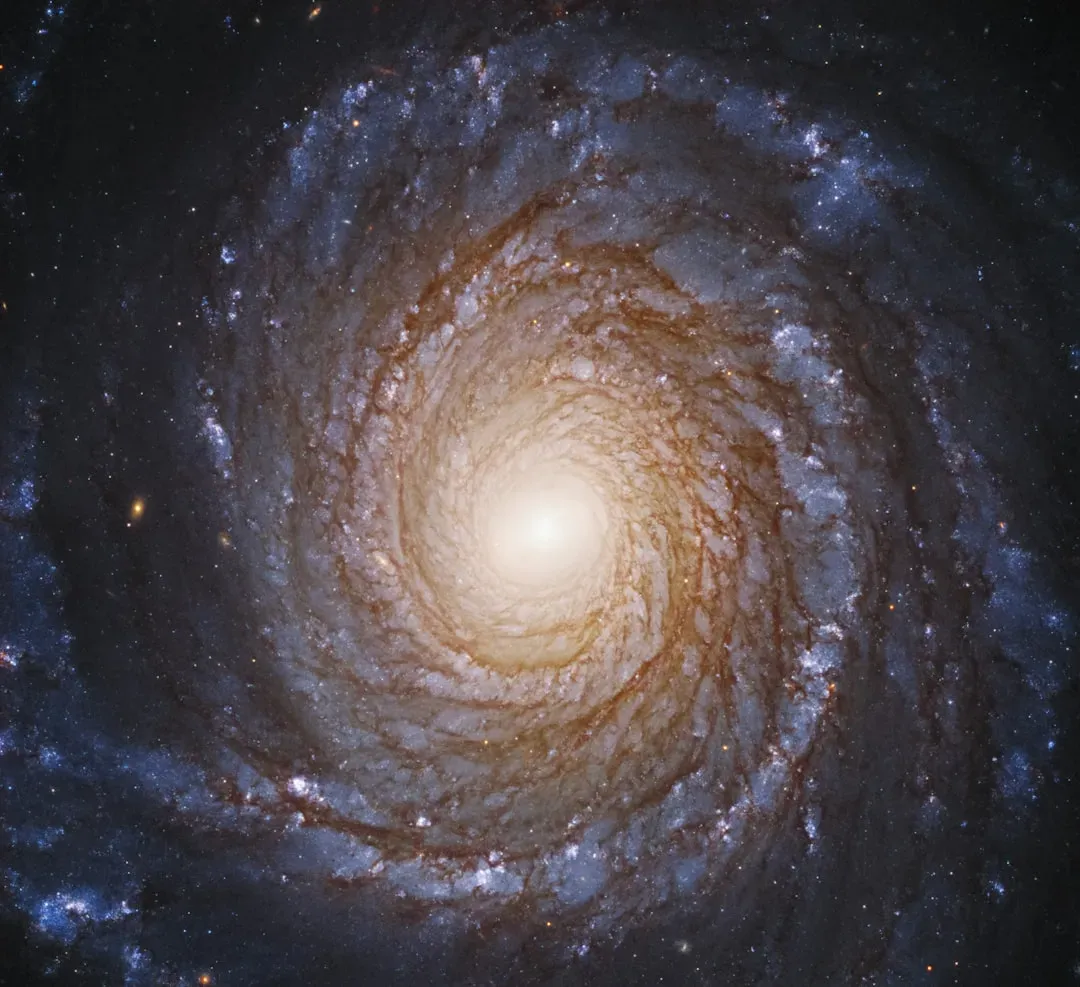
Black holes represent some of the most extreme and fascinating objects in our universe. They’re not just cosmic vacuum cleaners or simple gravitational wells. They’re laboratories where the rules of physics get bent, folded, and sometimes outright shattered.
From warping time itself to creating sounds that echo for millions of years, from wandering through galaxies to erupting with unimaginable violence, black holes continue to surprise and perplex scientists. Every new discovery seems to raise more questions than it answers. We thought we understood how they formed, but then we found ones that shouldn’t exist. We assumed they stayed in one place, but some apparently go rogue.
The beautiful thing is, we’re just getting started. With telescopes becoming more powerful and our detection methods more sophisticated, who knows what other reality-warping secrets these cosmic monsters will reveal? What do you think is the most mind-blowing aspect of black holes? Does the idea of time slowing down near one fascinate you, or does the thought of being spaghettified keep you up at night?