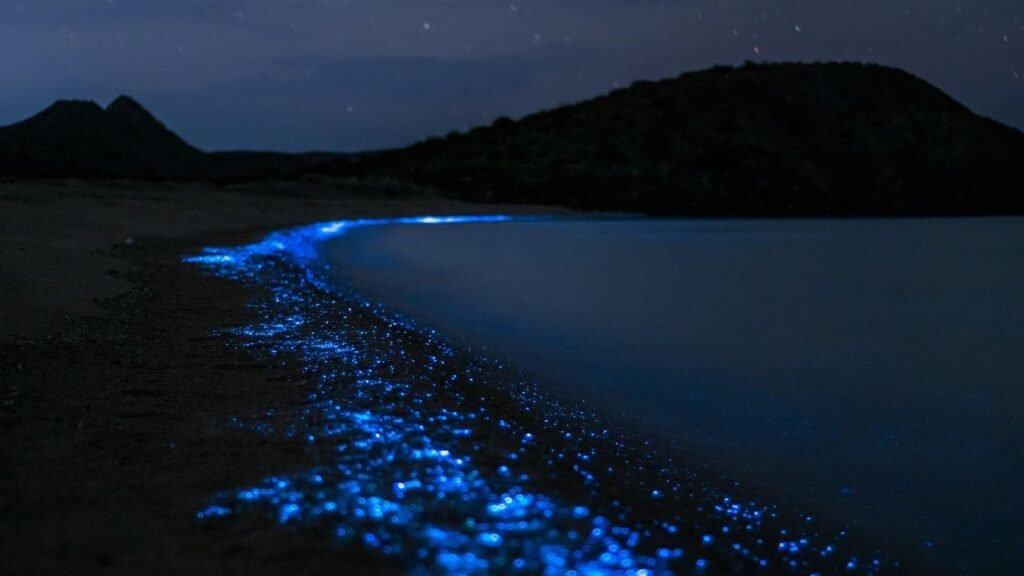

Have you ever watched fireflies dance through a summer evening or glimpsed the ocean glowing with an ethereal blue shimmer? These magical moments are your window into one of nature’s most captivating phenomena. Bioluminescence isn’t just beautiful. It’s surprisingly common, serving critical roles from the darkest ocean depths to forest floors.
Yet despite how widespread it is, most people have no idea how it actually works or why so many creatures evolved this remarkable ability. The story behind living light is filled with surprising twists, from ancient origins to modern mysteries that scientists are only beginning to unravel. Let’s dive in.
Bioluminescence Is an Ancient Evolutionary Innovation
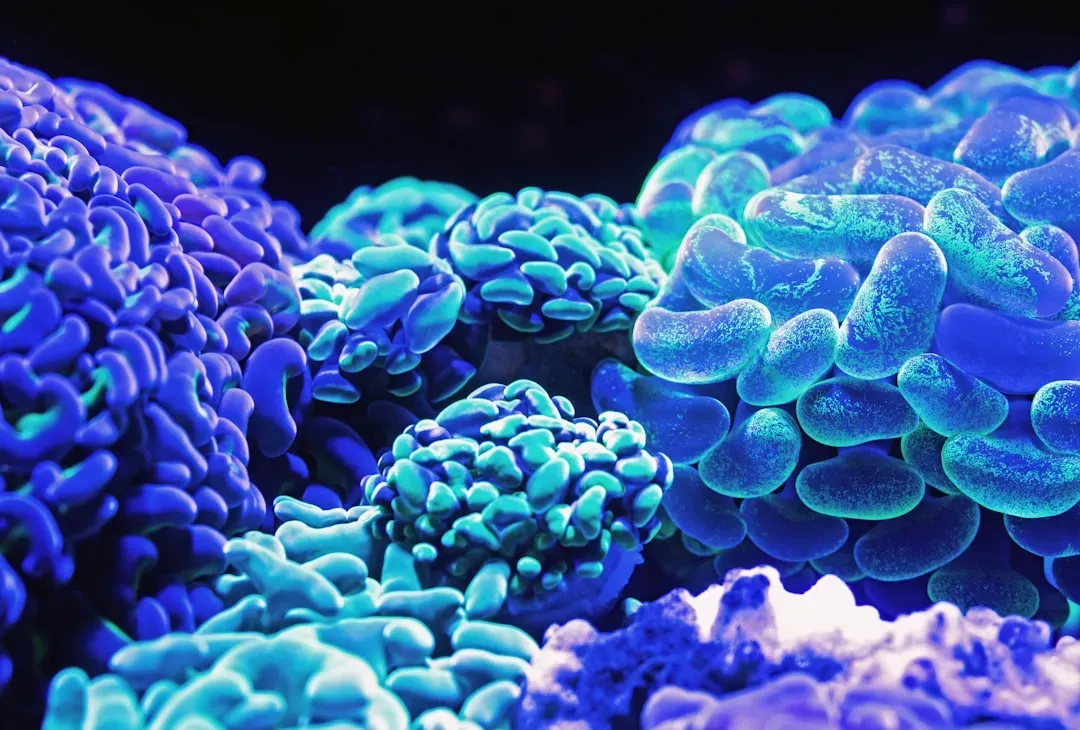
Bioluminescence has evolved independently at least 94 times, first emerging in octocorals some 540 million years ago. That’s right. This dazzling trait didn’t develop once and spread through the tree of life. Instead, countless different species stumbled upon this ability separately over hundreds of millions of years.
Bioluminescence has evolved many times over – at least 40 separate times! The exact number keeps growing as researchers make new discoveries. It has evolved independently 27 times within the ray-finned fishes. Think about that for a moment. The sheer number of times nature reinvented this wheel suggests bioluminescence offers huge survival advantages.
It’s a Chemical Reaction That Produces Cold Light
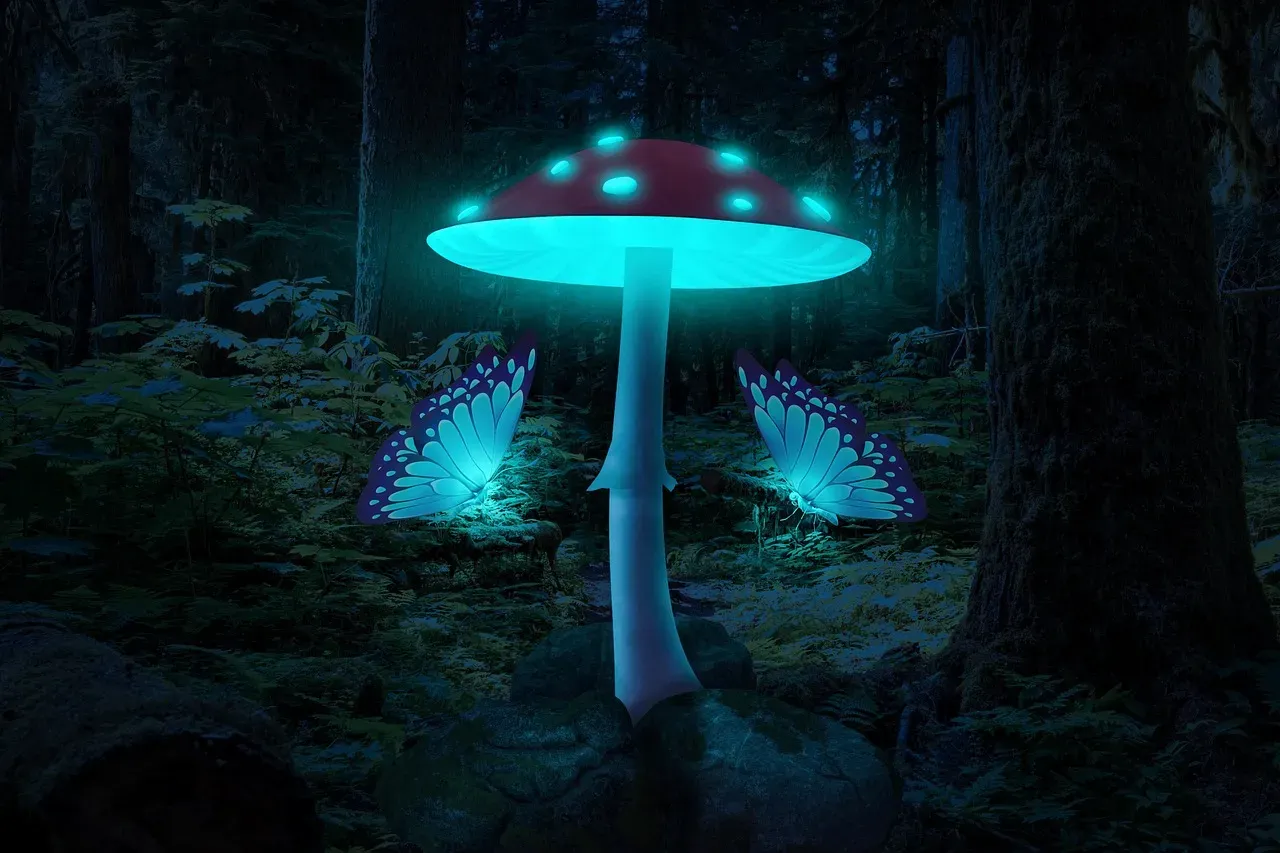
Here’s the thing about bioluminescent organisms. Bioluminescence is the production of light by an organism as the result of a chemiluminescence reaction. In most cases, the principal chemical reaction in bioluminescence involves the reaction of a substrate called luciferin and an enzyme, called luciferase.
Bioluminescence is a “cold light.” Cold light means less than 20% of the light generates thermal radiation, or heat. Unlike a traditional light bulb that wastes energy as heat, these organisms have mastered efficiency. These reactions are very efficient, with about 98% of the energy involved being released as light. Imagine if we could replicate that kind of efficiency in our technology.
Most Bioluminescent Creatures Live in the Ocean
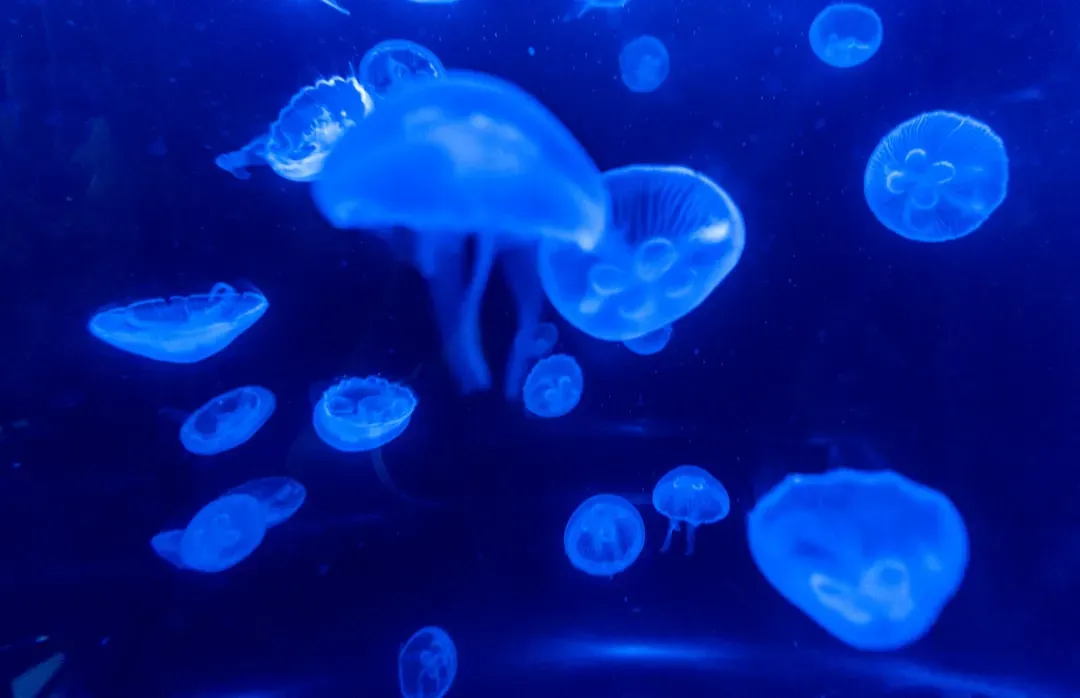
Most bioluminescent organisms are found in the ocean. These bioluminescent marine species include fish, bacteria, and jellies. In fact, the ocean is where bioluminescence truly dominates. 76% of the observed individuals have bioluminescence capability. That’s a staggering proportion when you think about it.
In the deep sea, bioluminescence is extremely common, and because the deep sea is so vast, bioluminescence may be the most common form of communication on the planet! Down in the darkness where sunlight never reaches, organisms have turned to creating their own light. Scientists estimate that more than 75 percent of the animals that live in the water column in the open ocean produce their own light!
Freshwater Bioluminescence Is Surprisingly Rare
While oceans glow with life, freshwater environments tell a completely different story. There are almost no bioluminescent organisms native to freshwater habitats. Scientists still aren’t entirely sure why this is the case. Some theories suggest it relates to the different ecological pressures in freshwater versus marine environments.
The rarity makes freshwater bioluminescence all the more special when it does occur. It’s one of those mysteries that reminds us how much we still don’t understand about the natural world.
Most Marine Bioluminescence Glows Blue-Green
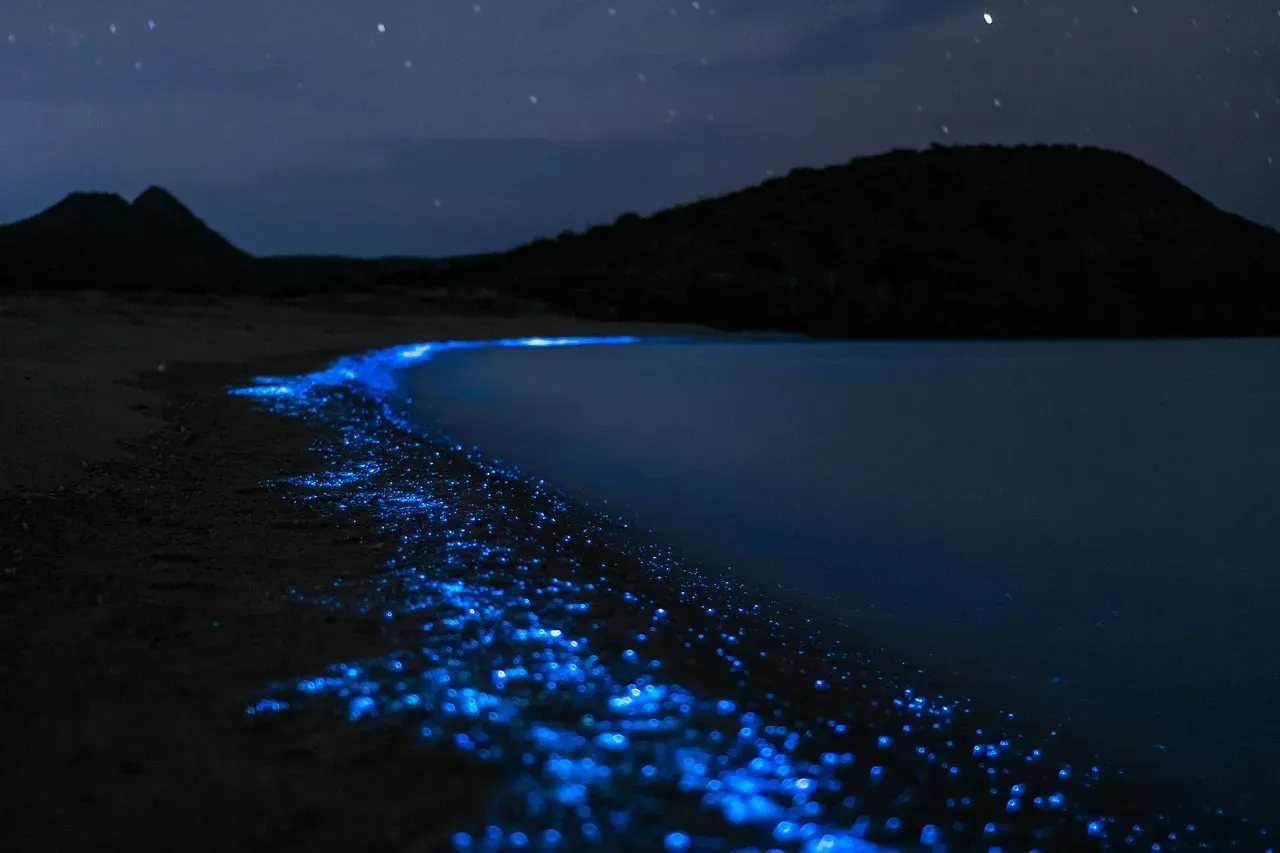
Ever wonder why ocean bioluminescence typically appears as blue or green light? Most marine bioluminescence, for instance, is expressed in the blue-green part of the visible light spectrum. These colors are more easily visible in the deep ocean. Also, most marine organisms are sensitive only to blue-green colors.
Light travels differently underwater because longer wavelengths can’t travel as far. This is because these colors are shorter wavelengths of light, which can travel through (and thus be seen) in both shallow and deep water. Red light gets absorbed quickly, which is why many deep sea animals are red: it’s effectively the same as being invisible. Nature is clever like that.
Some Deep-Sea Fish Produce Red Bioluminescence
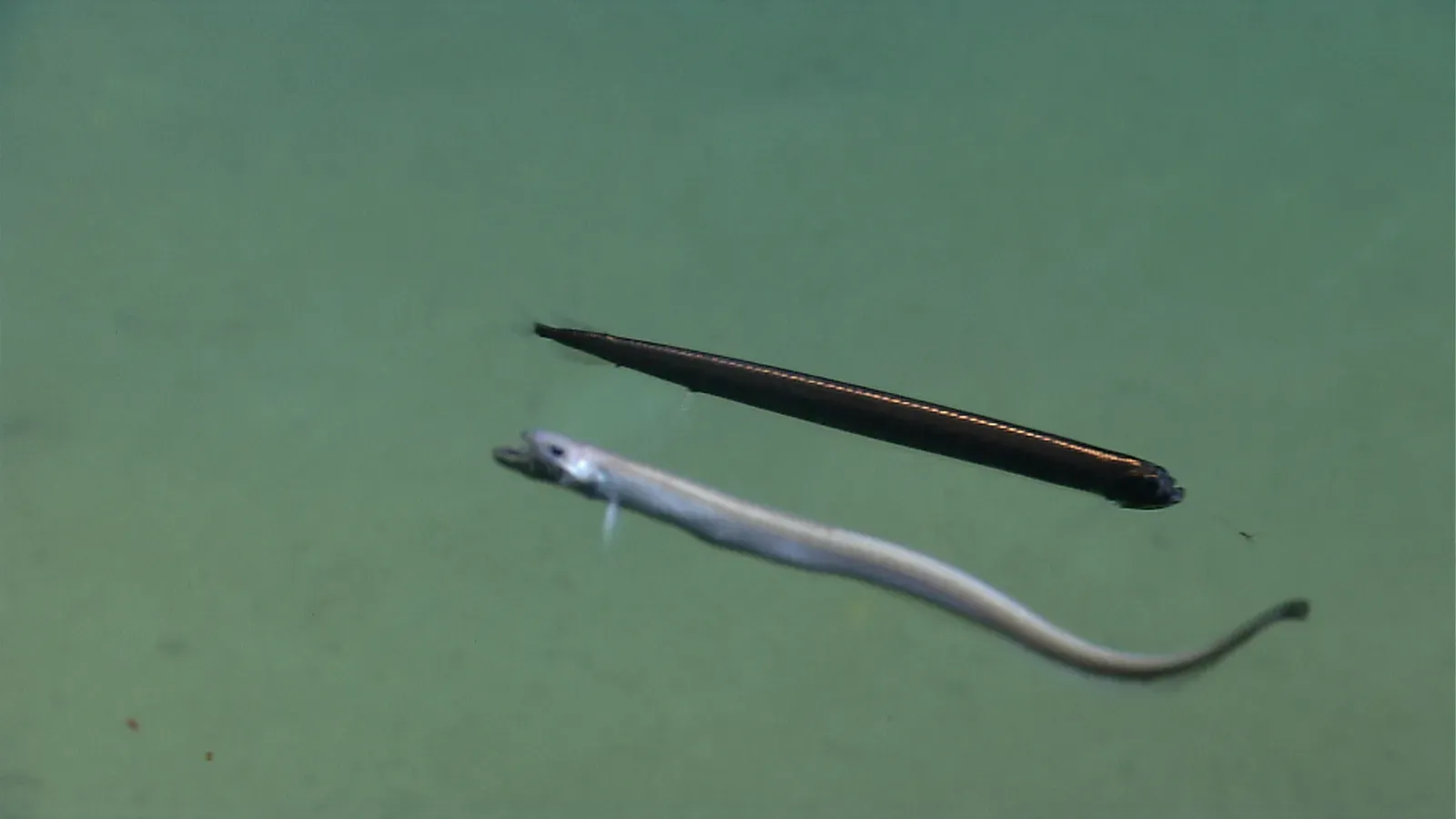
Let’s be real, though. Not everything follows the blue-green rule. Some deep sea barbeled dragonfishes in the genera Aristostomias, Pachystomias and Malacosteus emit a red glow. This adaptation allows the fish to see red-pigmented prey, which are normally invisible to other organisms in the deep ocean environment where red light has been filtered out by the water column. These fish are able to utilize the longer wavelength to act as a spotlight for its prey that only they can see.
It’s like having night vision goggles that only you possess. These dragonfish essentially hunt with an invisible flashlight. Their prey can’t even see the beam that’s illuminating them. Talk about an unfair advantage.
Bioluminescence Serves Multiple Survival Functions
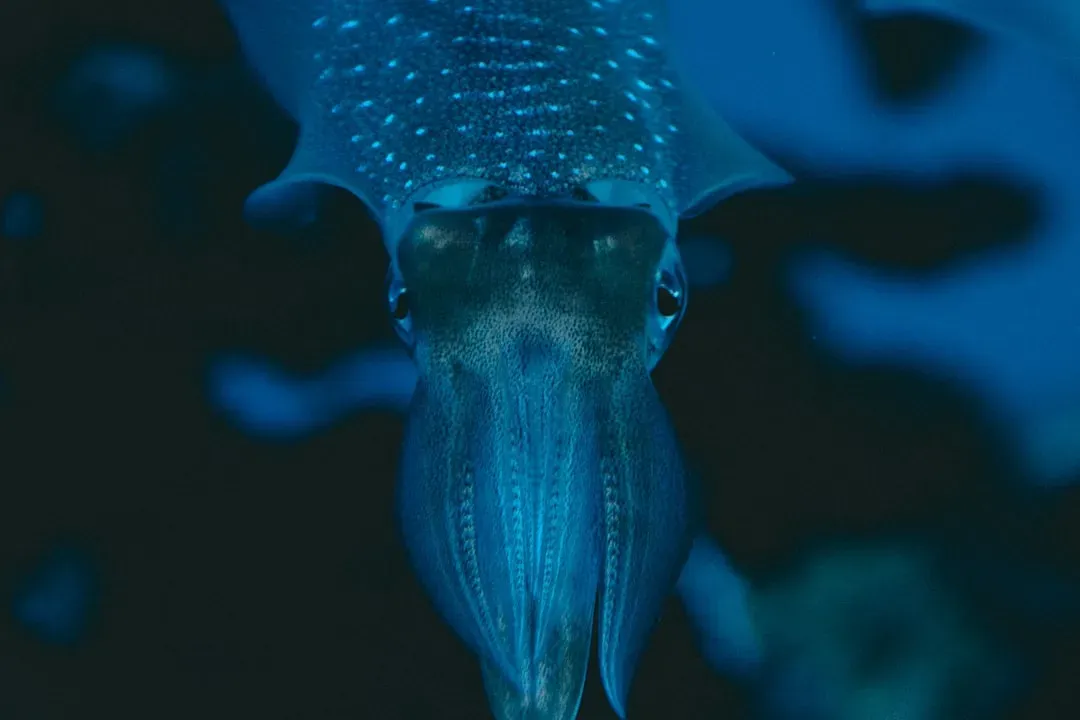
Typically bioluminescence is used to warn or evade predators, to lure or detect prey, and for communication between members of the same species. The versatility is what makes this trait so valuable. Defensive functions of startle, counterillumination (camouflage), misdirection (smoke screen), distractive body parts, burglar alarm (making predators easier for higher predators to see), and warning to deter settlers; offensive functions of lure, stun or confuse prey, illuminate prey, and mate attraction/recognition.
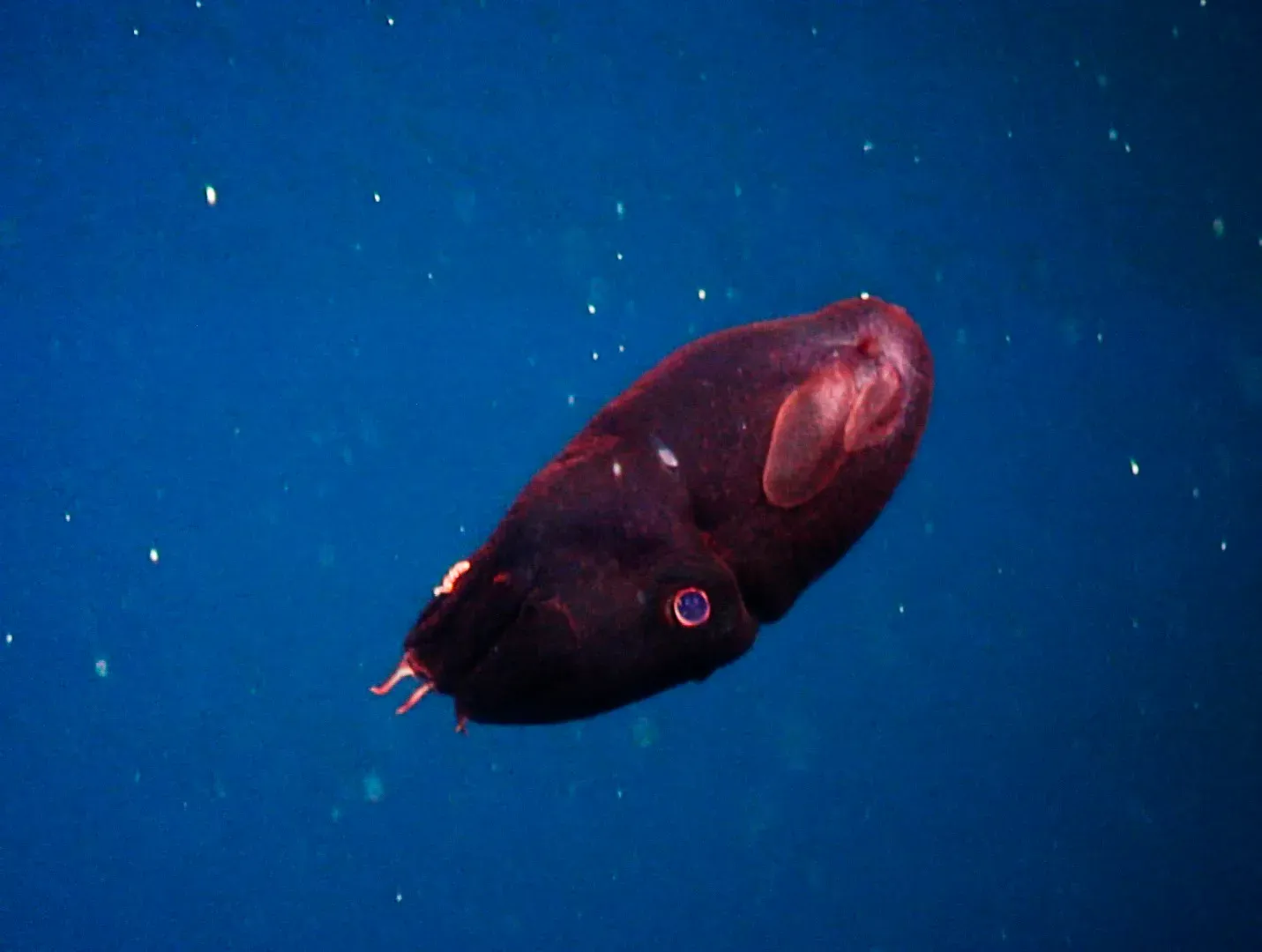
Some organisms use what’s called counter-illumination, matching the light filtering from above so they don’t cast a shadow. Others, like vampire squid, eject sticky bioluminescent mucus, which can startle, confuse, and delay predators, allowing the squid to escape. Still others flash sudden bright lights to startle attackers. The creativity on display here is honestly remarkable.
Fireflies Use Light Primarily for Mating
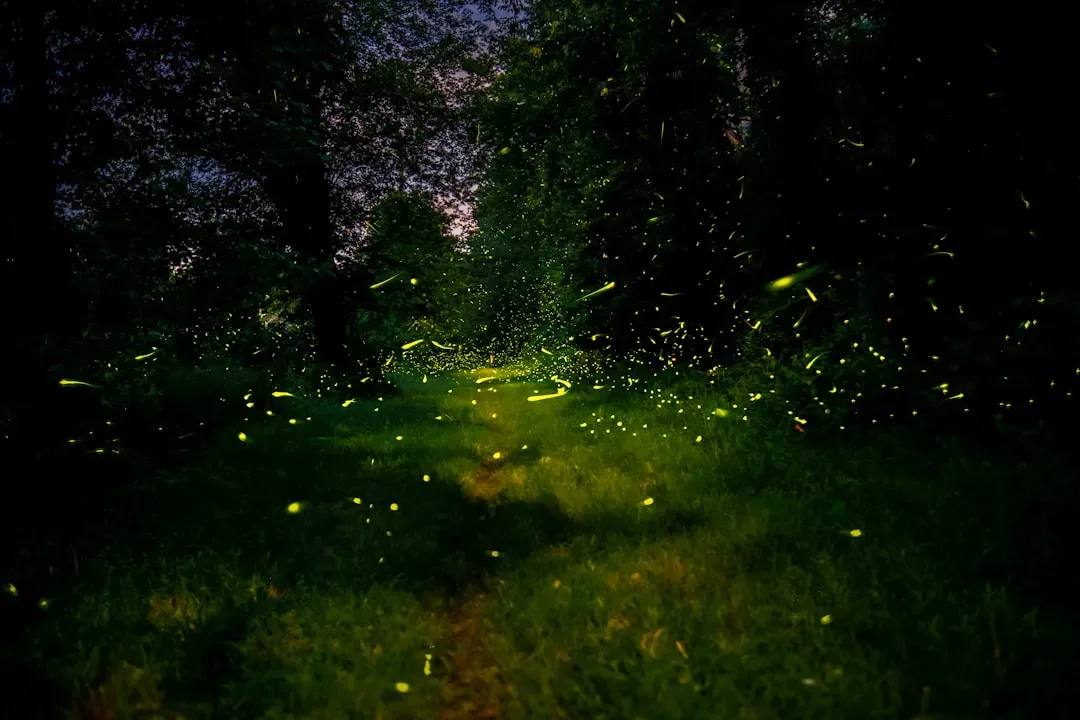
One of the most recognized functions is mate attraction, as exemplified by fireflies. The synchronized flashing patterns used by these insects are species–specific and facilitate identification and attraction of mates. Each species has its own unique flash pattern, like a secret code.
The rhythmic flashing patterns are species-specific signals that help males and females find each other in the dark. The timing and pattern of these flashes are crucial for successful mating, as they allow fireflies to recognize and respond to potential mates. However, the glowing light of fireflies, used by the insects to signal mates, also warns predators that the bugs will leave a bad taste in the mouth. So they’re multitasking.
Some Organisms Get Their Glow from Symbiotic Bacteria
Not all bioluminescent creatures make their own light. In some animals, the light is bacteriogenic, produced by symbiotic bacteria such as those from the genus Vibrio; in others, it is autogenic, produced by the animals themselves. The Hawaiian bobtail squid has a special light organ that is colonized by bioluminescent bacteria within hours of its birth.
A few animals, such as anglerfish, grow bioluminescent bacteria in special light organs. In this symbiotic relationship, the fish supplies the bacteria with nutrients and the bacteria provide the fish with light needed to attract prey. It’s a mutually beneficial arrangement. The bacteria get a safe home and food, while the host gets a built-in flashlight.
Much About Bioluminescence Remains a Mystery
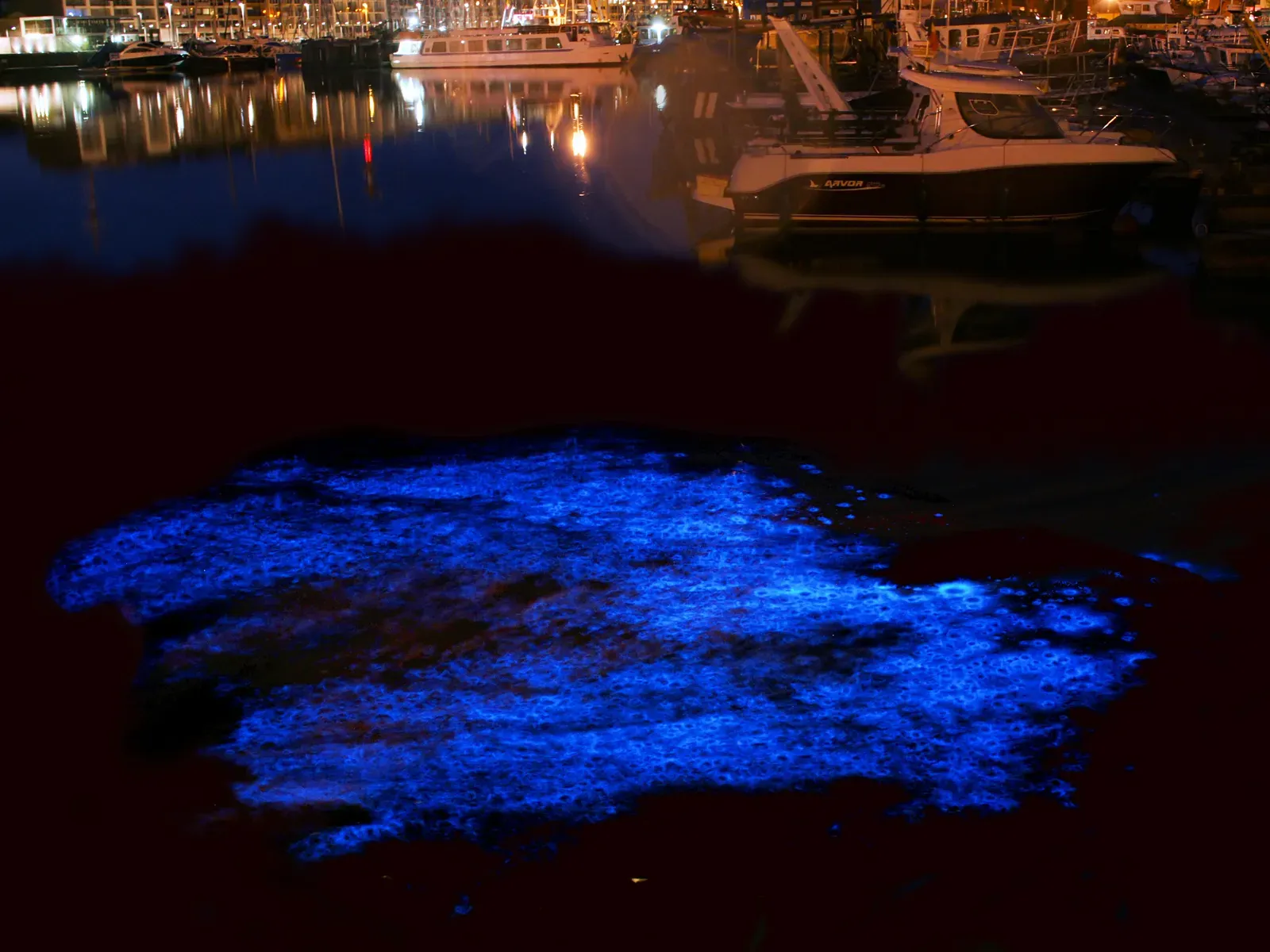
Despite decades of research, we’re still scratching the surface. Although many marine species are able to produce this “living light,” much about bioluminescence remains a mystery. Scientists do not yet understand the full purpose or function of this specialized adaptation or how it evolved.
Much about bioluminescence remains a mystery. Part of the challenge is that bioluminescent organisms in the ocean are difficult to observe and many types of bioluminescence cannot be seen under ordinary visible light. Thus, bioluminescence is a subject ripe for new discoveries! Every expedition into the deep sea reveals new glowing species and behaviors we never knew existed. Who knows what else is down there, lighting up the darkness?
Conclusion: The Glow That Keeps On Giving
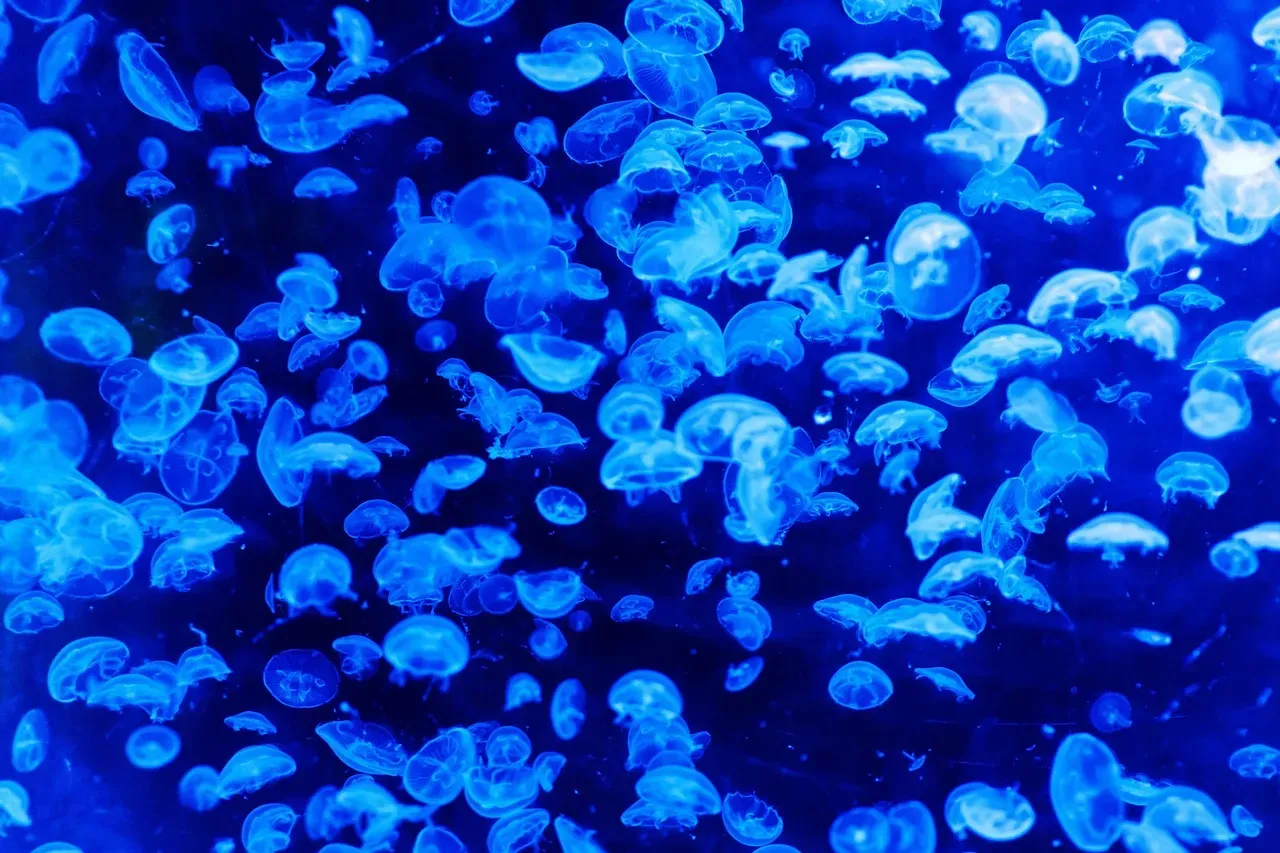
Bioluminescence stands as one of nature’s most elegant solutions to survival challenges. From ancient oceans to modern forests, organisms have repeatedly discovered how to turn chemistry into light. The fact that this ability evolved independently so many times tells us something profound about the power of natural selection.
We’ve only begun to understand the full scope of bioluminescence in marine ecosystems, and freshwater mysteries remain largely unsolved. As researchers develop new technologies to observe these elusive light shows without disturbing them, we’ll likely discover even more surprising functions and species. The next time you see a firefly or hear about glowing ocean waves, remember you’re witnessing one of evolution’s most successful and widespread innovations.
What other secrets do you think are hiding in the darkness, waiting to light up? Share your thoughts below.