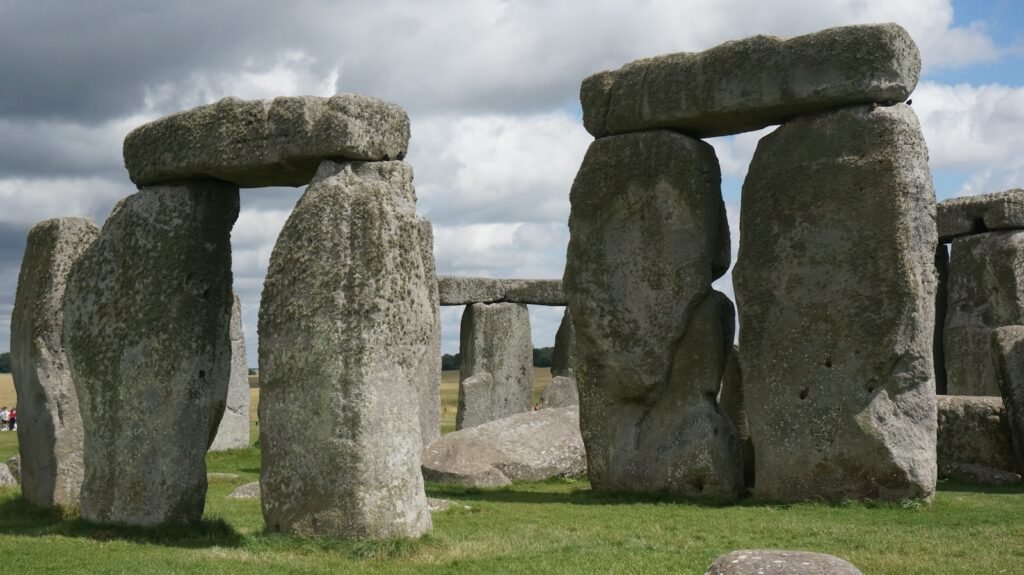

Stand in front of a weathered wall of stone older than written history, and something unsettling happens: the usual stories we tell ourselves about progress and technology suddenly feel a bit shaky. Around the world, massive blocks weighing more than a fully loaded truck sit stacked, locked, and aligned with uncanny precision, built by people who, on paper, should not have had the tools to pull it off. This article digs into ten of the most baffling facts about ancient megalithic structures, where the stones are real, the measurements check out, and yet the “how” is still deeply contested. Far from fueling wild fantasies, these mysteries reveal something much more interesting: just how far human ingenuity, organization, and belief can stretch when the stakes are cosmic rather than merely practical.
Stones That Weigh More Than Jumbo Jets
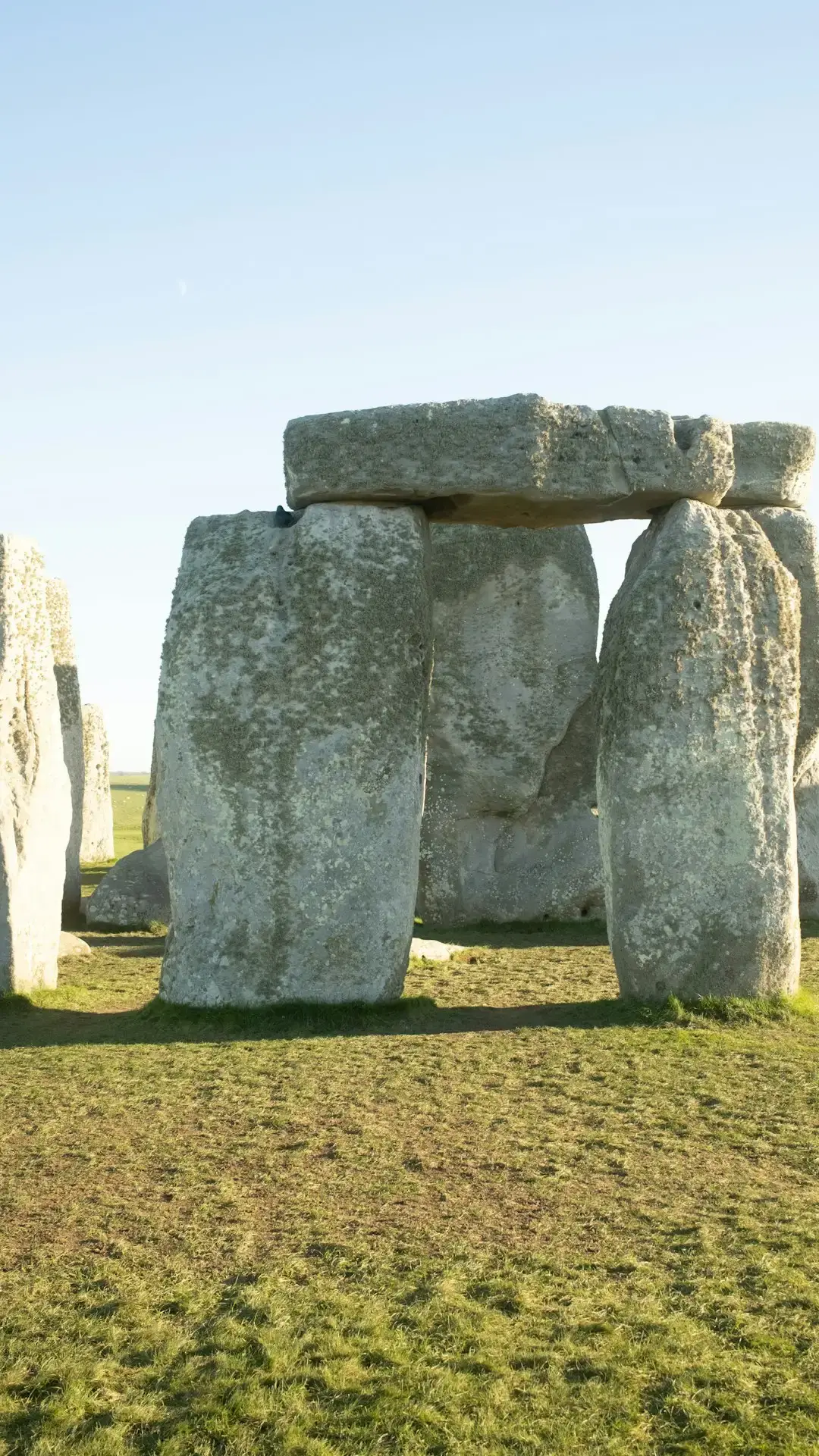
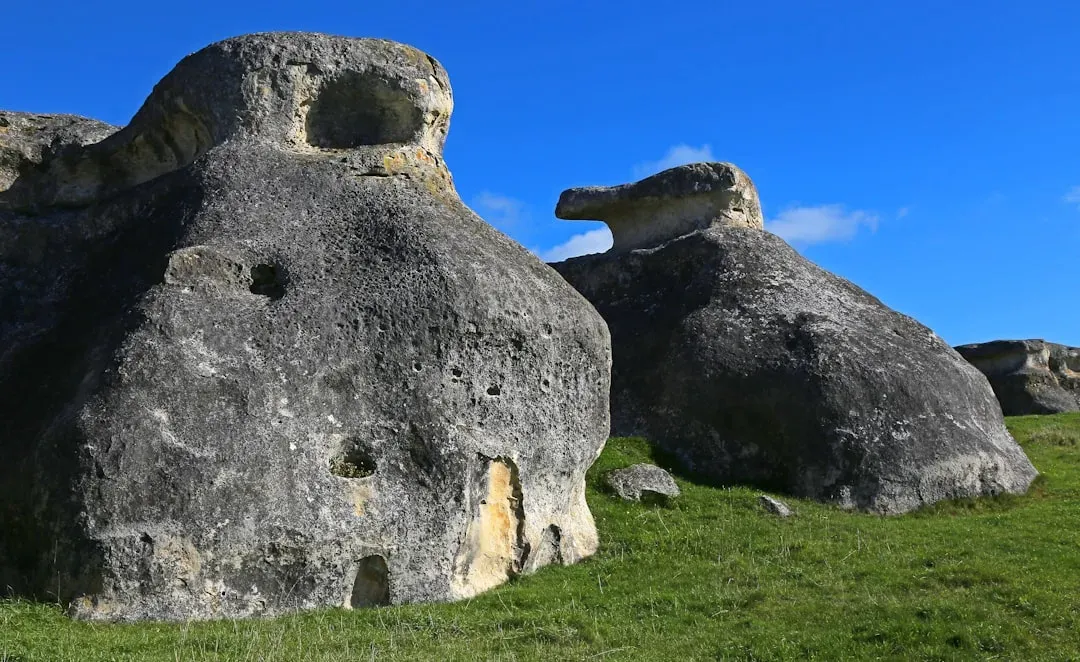
One of the most jarring realities about ancient megalithic sites is the sheer mass of individual stones, some of which rival or exceed the weight of a modern wide-body aircraft. At Baalbek in Lebanon, the so-called “Stone of the Pregnant Woman” and nearby blocks in the ancient quarry each weigh on the order of a thousand tons, far beyond what even many modern cranes can comfortably move in a single piece. In Egypt’s Giza plateau, some limestone and granite blocks in the pyramids and associated temples weigh tens of tons apiece, yet they are laid with joints so tight that a knife blade struggles to find a gap.
What defies easy explanation is not only that these stones were moved, but that they were moved with such reliability and accuracy over uneven terrain using wood, rope, and human or animal power. Experimental archaeology has shown that people can drag and lever surprisingly large stones, but the logistics of coordinating hundreds or thousands of workers over years, without written engineering manuals or modern safety systems, still stuns even seasoned engineers. The more you understand about heavy lifting today, the stranger it feels to see that level of ambition locked into prehistoric bedrock.
Laser-Perfect Alignments With Distant Horizons
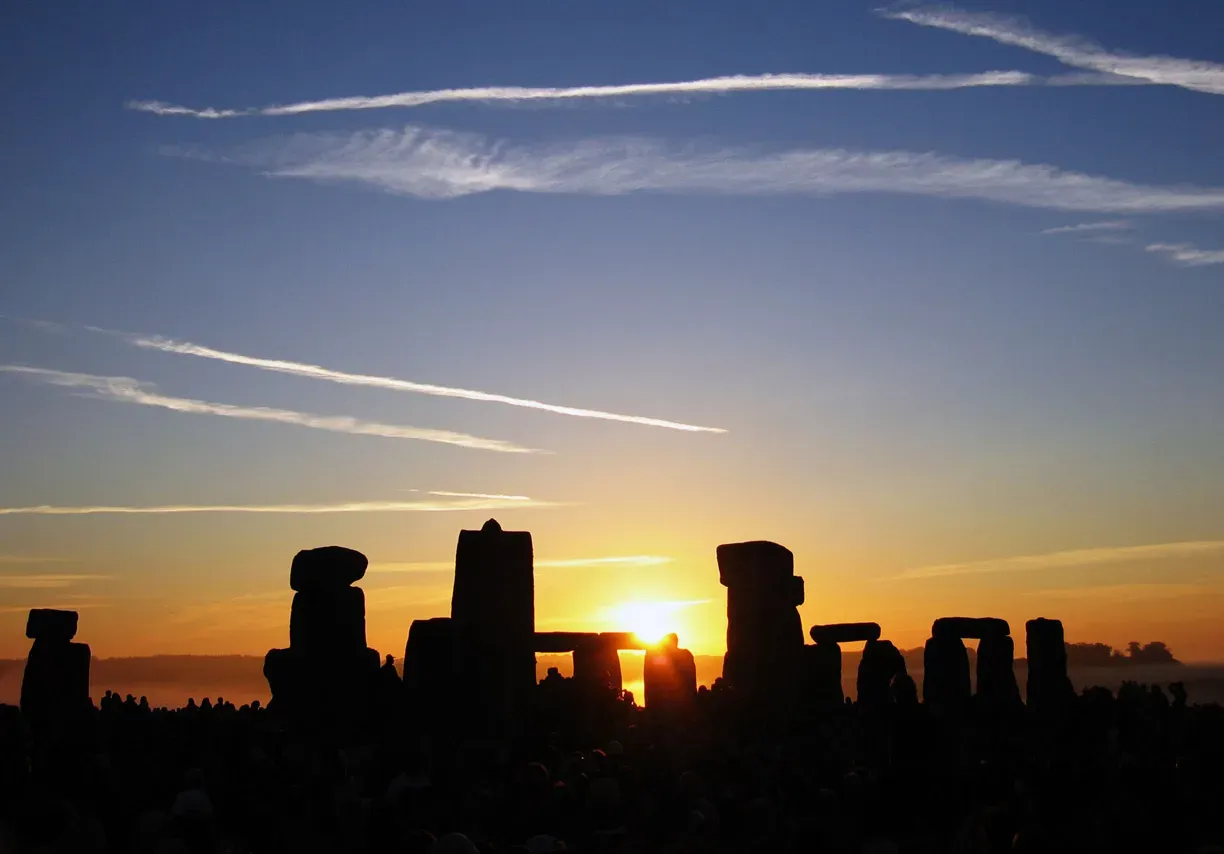
Many famous megalithic sites do not just sit where they are for convenience; they are pinned to the sky with eerie precision. At Stonehenge in England, the monument’s axis lines up with the summer solstice sunrise and winter solstice sunset in a way that remains visually striking even under today’s cloudy skies. In Peru, some stone lines and sighting points in the Sacred Valley and at Machu Picchu appear to frame key solar events, echoing a pattern also seen at ancient sites in Mexico and the American Southwest. The builders were clearly watching the sky closely enough to commit entire landscapes to a celestial timetable.
Aligning large stoneworks to horizon points is not impossible with simple tools, but it requires long-term observation, careful land surveying, and a willingness to rebuild if the sightlines are off. When you realize that these alignments often combine astronomical accuracy with massive stone placement, the overall achievement starts to feel like a prehistoric version of a coordinated space mission. The shocking part is not that they knew where the sun rose and set, but that they locked that knowledge into architecture that still works thousands of years later, despite shifts in culture, language, and political power.
Joint Work So Precise a Credit Card Would Struggle
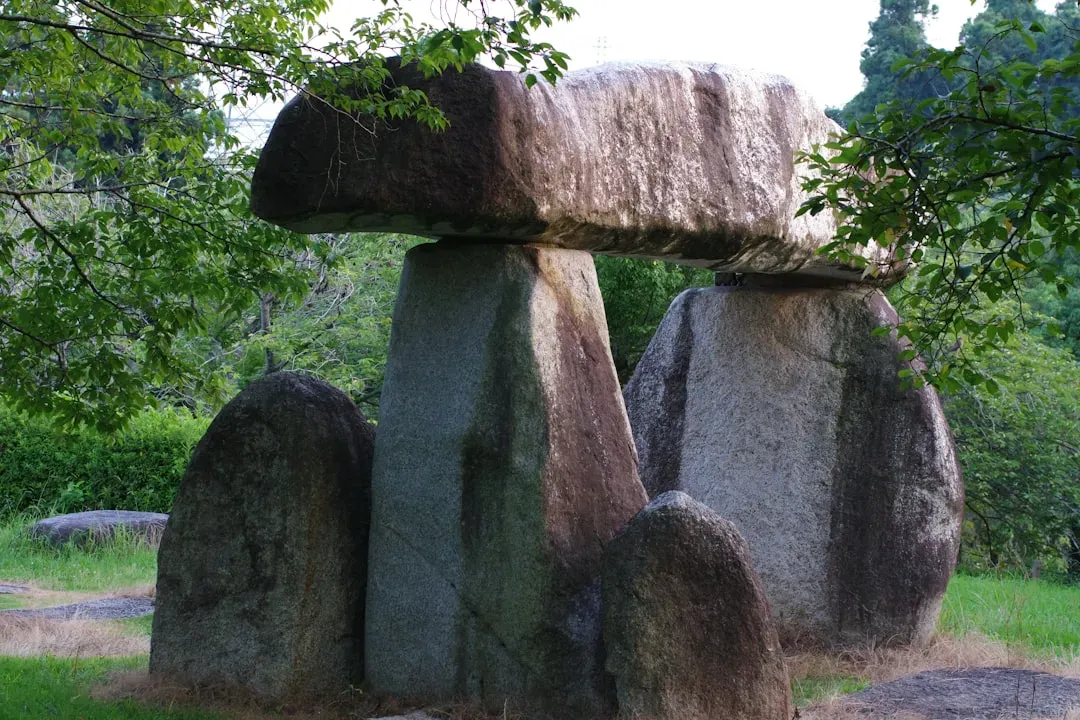
In several megalithic complexes, the fitting between stones looks less like rough fieldwork and more like obsessive, high-end joinery on a geologic scale. At sites associated with the Inca and earlier Andean cultures, such as Sacsayhuamán and Ollantaytambo, multi-angled blocks of andesite and other hard stones interlock with joints that are almost unbelievably tight, including concave and convex surfaces that mesh like 3D puzzle pieces. In Egypt’s inner chambers, certain granite blocks and basalt pavements display joints and surfaces that appear astonishingly smooth and regular even under close inspection. Attempting to slide a thin piece of metal into some of these seams often fails.
Modern stonemasons can replicate similar fits using steel tools, power cutters, and diamond abrasives, but doing so on large blocks at scale, at altitude, and with only copper tools, stone hammers, and sand-based polishing remains a practical nightmare on paper. Researchers have proposed laborious sequences of pecking, grinding, and repeated trial fitting, yet no universally accepted, step-by-step reconstruction exists for some of the most complex joints. The result is an uneasy feeling familiar to engineers: you can see what was done, you can roughly sketch how it might be done, and yet the full production process still feels just out of reach.
Transport Routes That Laugh at Common Sense
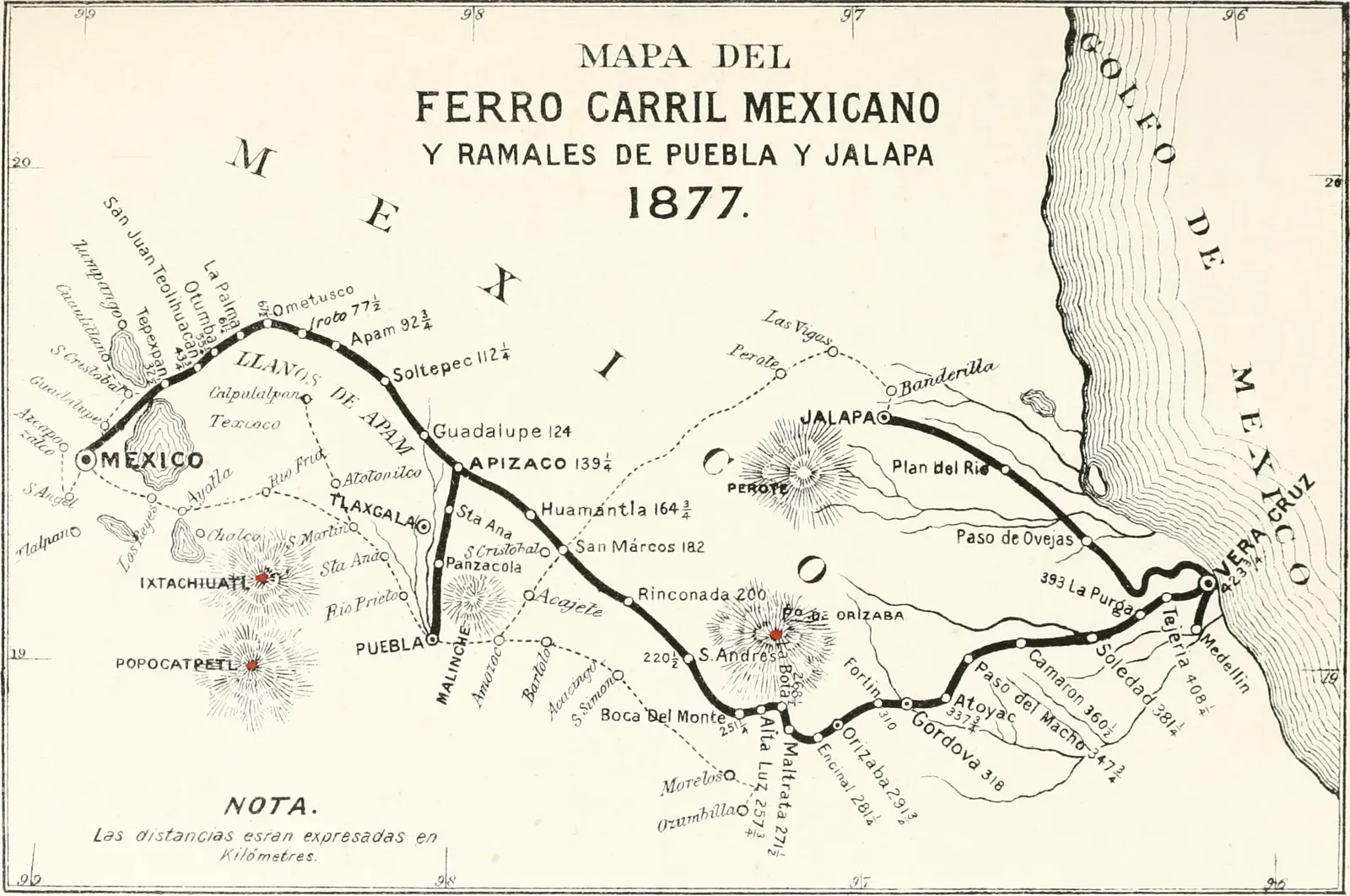
Another enduring puzzle lies in how far some megaliths were dragged from their original quarries, often across landscapes that would challenge modern road crews. The bluestones of Stonehenge, for example, trace back to outcrops in the Preseli Hills of Wales, roughly the distance of a substantial road trip away from the final site on Salisbury Plain. In Easter Island, the giant moai statues were carved in a quarry at Rano Raraku and then moved several kilometers to their coastal platforms, apparently without wheeled vehicles or draft animals. Similar long-haul journeys are proposed for massive stones at Egyptian and Levantine sites, sometimes including river transport and complex handling at landings.
Experimental teams have managed to move multi-ton stones using sledges, rollers, ropes, and lots of human muscle, but they typically do so over short spans of time and under controlled conditions. Doing this repeatedly across generations, in varied terrain, and often while keeping the stones intact and cosmetically acceptable stretches logistics into an almost surreal realm. The bigger the stones and the tougher the route, the more it feels like an entire society hitched its identity to a project that made little economic sense but overwhelming cultural sense, a kind of deliberate defiance of common-sense cost-benefit calculations.
Hidden Acoustic Tricks in Stone and Void
Some megalithic structures do more than dominate the landscape; they shape sound in ways that feel weirdly tuned to human ritual. Inside the central structures of Newgrange in Ireland, for example, the narrow, stone-lined passages and chambers respond strongly to certain low vocal tones, turning a simple chant into something that vibrates through the body. At Chavín de Huántar in Peru, a maze of stone galleries and ducts appears to have been designed to manipulate water and sound, possibly to create roaring, disorienting effects in dark ritual spaces. In Malta’s Hypogeum, certain resonant frequencies within its carved chambers produce powerful standing waves that can be felt as much as heard.
Modern acoustical analyses suggest that some of these effects could have been discovered accidentally and then refined through trial and error, rather than via formal mathematics. Still, the degree of enhancement and the close tie between architecture and experience implies a level of experimentation that feels strikingly modern in spirit. Standing in those spaces today, with a flashlight and a smartphone, it is unnerving to realize that prehistoric designers may have understood, intuitively, how to hack human perception through the manipulation of stone and empty space.
Subterranean Labyrinths and Megaliths Below the Surface
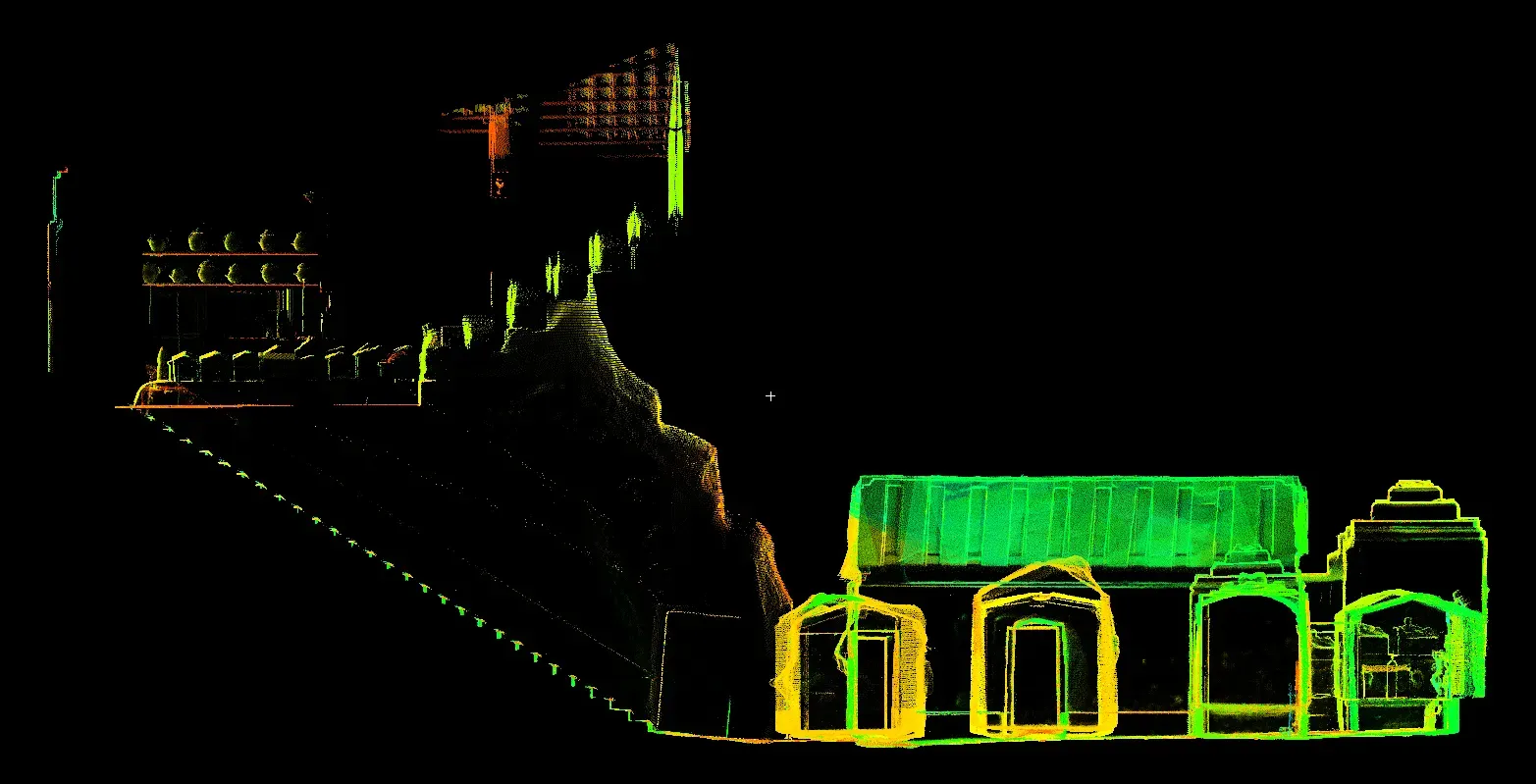
When people think of megalithic sites, they tend to imagine towering standing stones and open-air circles, yet some of the most baffling constructions are hidden underground. Beneath parts of modern cities and farmland, archaeologists have uncovered sprawling networks of chambers, corridors, and carved chambers associated with ancient stone cultures. The Hypogeum in Malta, cut into bedrock and spanning multiple levels, is one of the most famous examples, combining carved pillars and chambers with an underground complexity that would be ambitious even for later stoneworking societies. In other regions, burial mounds and cairns hide passage graves with precise alignments and unexpectedly sophisticated interior stonework.
Building underground at this scale is not just a matter of extra labor; it transforms engineering challenges into three dimensions, adding ventilation, structural stability, water seepage, and lighting to the list of things that can go wrong. Yet archaeological evidence suggests that many of these underground complexes remained stable and usable for centuries, even millennia, with only modest maintenance. The quiet strangeness lies in how much effort was willingly sunk below the surface, away from public display, as if the most important conversations with gods or ancestors demanded a deliberate descent into stone-walled darkness.
Stone as a Locked-In Cosmic Calendar
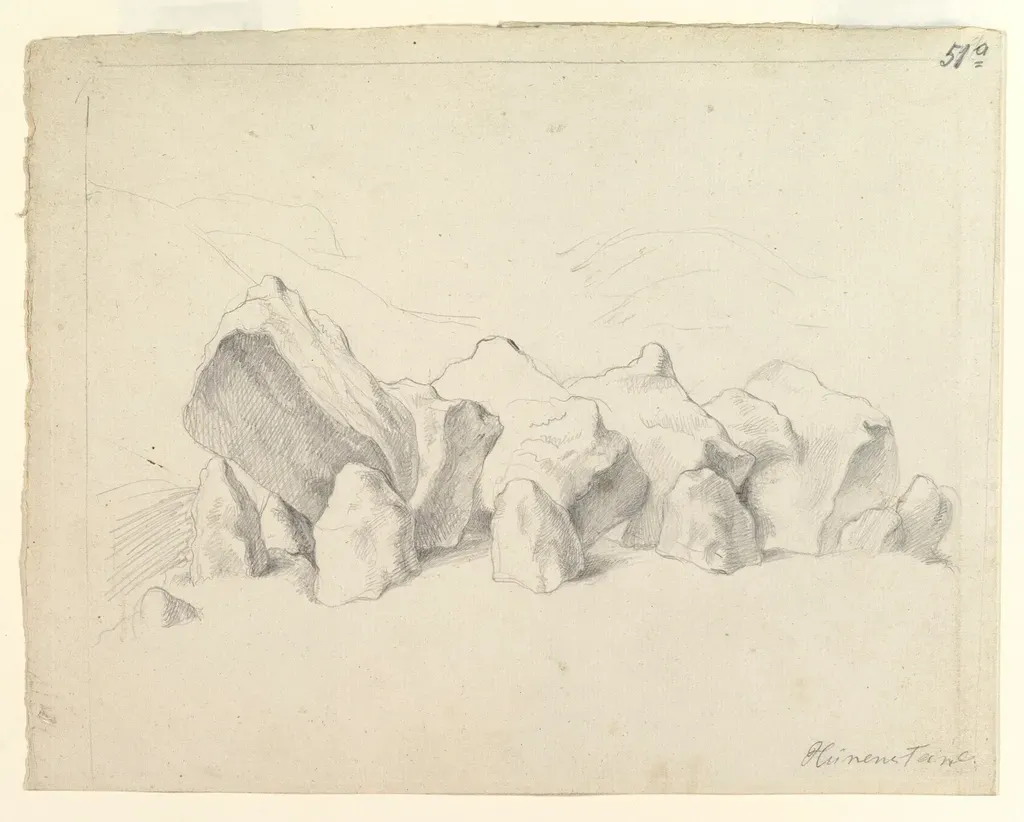
At several megalithic sites, stones are not only aligned with the sky; they also encode time in more subtle, cumulative ways. Newgrange in Ireland famously admits a shaft of winter solstice sunlight down its entrance passage to illuminate the inner chamber for only a few days around the turning of the year, a spectacle that required precise alignment and a clear understanding of seasonal cycles. In Mesoamerica and elsewhere, alignments between pyramids, sighting stones, and mountain peaks seem to mark out key agricultural and ritual dates, creating a built-in reminder system long before printed calendars. Some researchers argue that sequences of pillars, notches, or sightlines may have helped track lunar cycles or longer-term patterns such as eclipses.
None of this means that prehistoric builders had advanced theoretical astronomy in the modern sense, but it does suggest an intertwined relationship between observation, memory, and monument. Instead of writing data in books or software, they wrote it into stone, forcing future generations to keep looking up and connecting the motions of the sky to the rhythms of social life. For a modern visitor used to digital calendars and atomic clocks, the idea that a solstice sunrise lighting a buried stone chamber was once a society’s most reliable annual reset button feels at once poetic and quietly disorienting.
Rewriting the Story: What These Stones Say About Ancient Knowledge
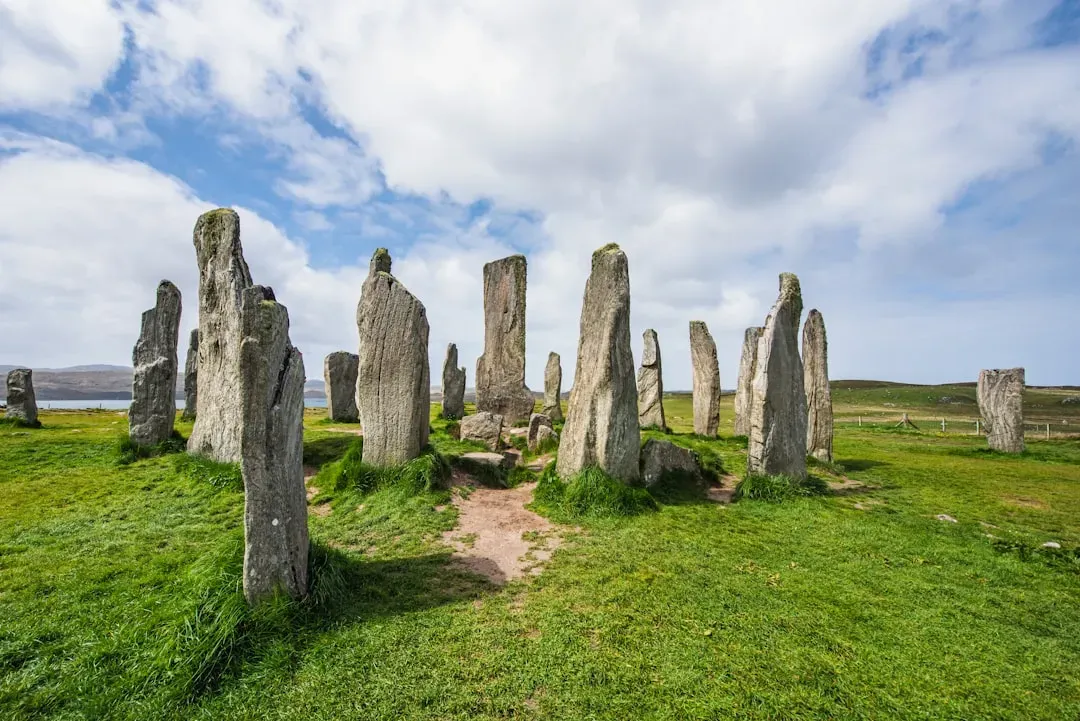
Stepping back from the individual sites, the bigger shock is how megalithic structures force historians, engineers, and archaeologists to revise their expectations again and again. Earlier generations often assumed that societies without writing must also have had crude technology, simple social organization, and limited scientific understanding. But the precision alignments, heavy-lift logistics, and complex joinery at these sites tell a messier story, one in which knowledge can be highly specialized, orally transmitted, and closely guarded within ritual or guild structures. The stones become a counterargument to the idea that technological sophistication always announces itself in obvious ways.
Compared with older, more dismissive interpretations, modern research paints a picture of ancient communities that were capable of large-scale project management, empirical observation over centuries, and iterative testing of materials and designs. At the same time, these achievements are tightly woven into religious and cosmological beliefs rather than separated out as “pure engineering.” That blend is perhaps the most disconcerting thing for modern observers: the same hands that carved precise astronomical sightlines and acoustic tricks also poured offerings, buried the dead, and told origin stories in the shadow of their walls. The deeper significance of the megaliths lies in this refusal to neatly divide technology from meaning.
Open Questions Without Resorting to Fantasy
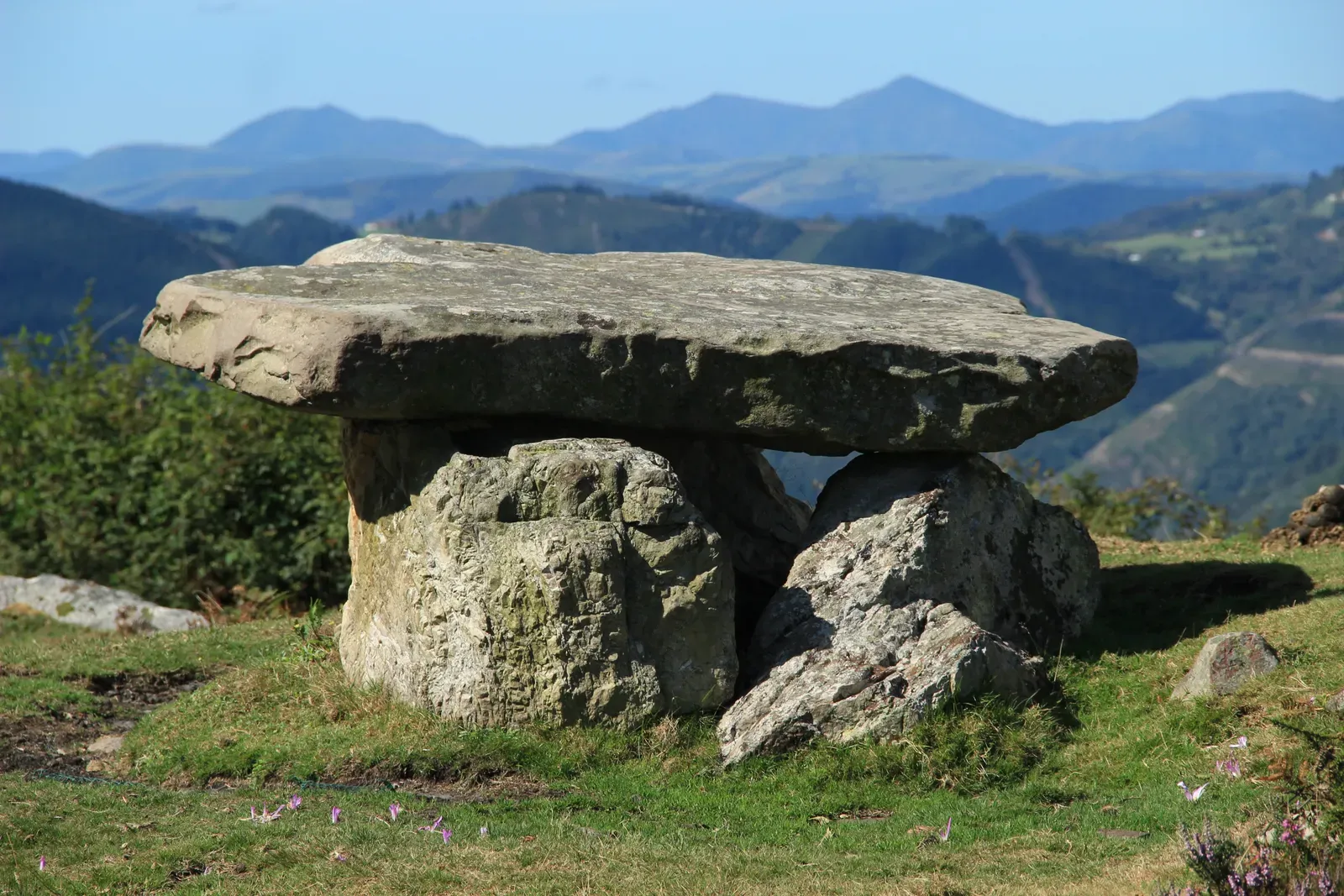
Despite decades of excavation, measurement, and simulation, several aspects of megalithic construction remain unresolved, and the gaps in our understanding are easily exploited by speculative or sensational claims. We still lack complete, experimentally validated models for exactly how some of the heaviest blocks were moved and positioned, particularly over rough ground and steep inclines. The precise sequence of quarrying, surface finishing, and joint fitting in some Andean and Egyptian sites is also still debated, as are the full social mechanisms that sustained multi-generational labor on such projects. In many cases, organic materials that might have recorded procedures or rituals simply have not survived.
Responsible researchers respond to these unknowns not by invoking lost civilizations or impossible technologies, but by refining experiments, expanding surveys, and comparing multiple sites across regions and time periods. New imaging methods, such as ground-penetrating radar and high-resolution 3D scanning, are revealing previously hidden features and construction details, sometimes overturning long-held assumptions. The honest answer, unsettling but fruitful, is that parts of the story are missing and may remain so, yet the evidence we do have points consistently to human hands, human minds, and human motivations operating at the outer edge of what most of us would dare to attempt.
How You Can Keep the Mystery Alive Without Distorting It
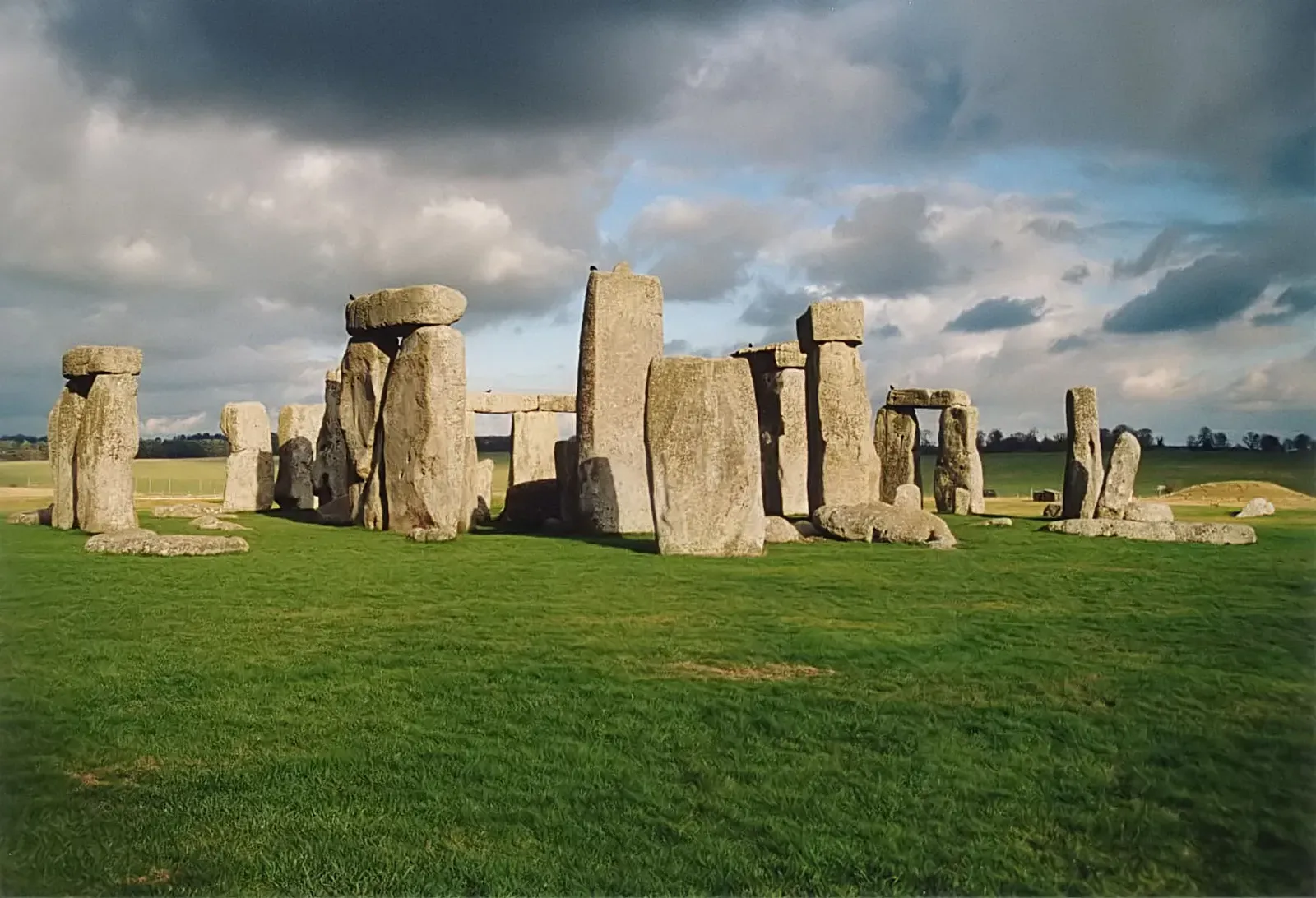
For anyone drawn to these giant stones and their lingering questions, there are surprisingly direct ways to engage without sliding into fantasy or conspiracy thinking. Visiting sites that are open to the public, whether well-known ones like Stonehenge or lesser-known regional megaliths, can shift them from abstract curiosities into physical experiences that challenge your sense of scale and effort. Many museums and archaeological parks now offer detailed reconstructions and experimental exhibits that let you try, in miniature, some of the hauling and building techniques yourself. Even watching a team of volunteers move a small block on a wooden sledge can permanently alter how you imagine the past.
Beyond travel, following reputable archaeological projects, reading excavation reports aimed at general audiences, and supporting heritage preservation groups helps ensure that these sites are studied and protected rather than eroded or commercialized beyond recognition. The real thrill comes from watching explanations evolve in real time as new data arrives – seeing a puzzle piece click into place while others stubbornly refuse to fit. In a world obsessed with instant answers, there is something quietly radical about accepting a landscape of stone as both knowable and not yet fully known, and choosing to stay curious anyway.
Suhail Ahmed is a passionate digital professional and nature enthusiast with over 8 years of experience in content strategy, SEO, web development, and digital operations. Alongside his freelance journey, Suhail actively contributes to nature and wildlife platforms like Discover Wildlife, where he channels his curiosity for the planet into engaging, educational storytelling.
With a strong background in managing digital ecosystems — from ecommerce stores and WordPress websites to social media and automation — Suhail merges technical precision with creative insight. His content reflects a rare balance: SEO-friendly yet deeply human, data-informed yet emotionally resonant.
Driven by a love for discovery and storytelling, Suhail believes in using digital platforms to amplify causes that matter — especially those protecting Earth’s biodiversity and inspiring sustainable living. Whether he’s managing online projects or crafting wildlife content, his goal remains the same: to inform, inspire, and leave a positive digital footprint.