
Your body is an extraordinary machine, constantly surprising scientists with hidden features and unexpected capabilities. While you might think we’ve mapped every inch of human anatomy by now, researchers keep finding new structures, systems, and secrets hiding in plain sight. These aren’t just abstract scientific victories either. Each discovery opens doors to understanding why your body behaves the way it does, how diseases develop, and what treatments might work better for you specifically.
Thanks to rapid advancements in medical research and technology, new discoveries continue to reveal intricate details about our anatomy, challenging long-held beliefs and reshaping medical education. Let’s be real, some of these findings are downright shocking, overturning assumptions that doctors and scientists held for centuries. So let’s dive in.
Your Brain Has a Secret Protective Layer
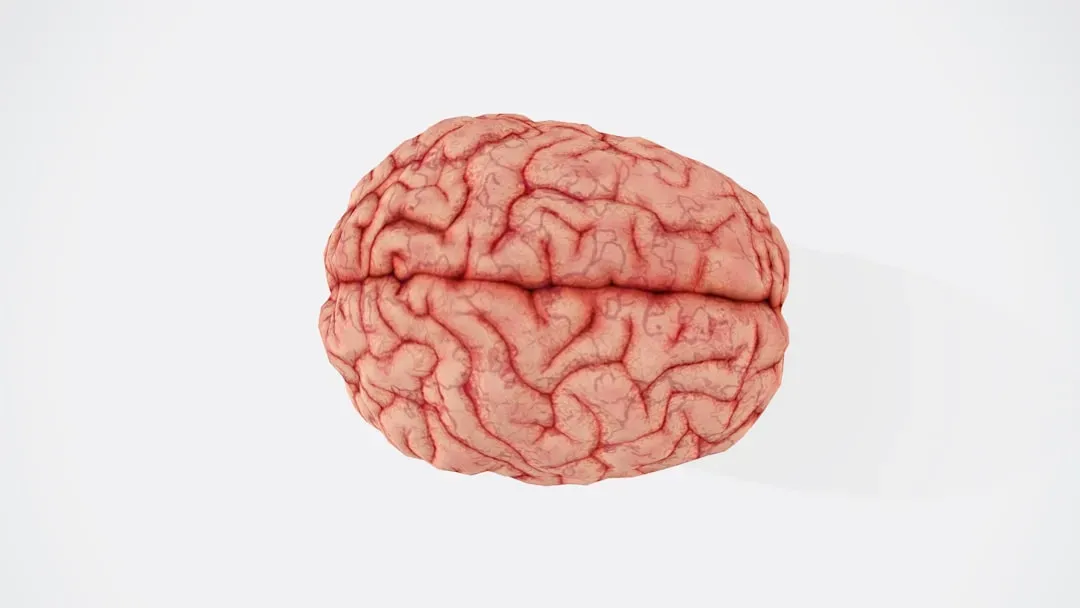
Scientists discovered a previously unknown component of brain anatomy that acts as both a protective barrier and platform from which immune cells monitor the brain for infection and inflammation. This structure, called SLYM, sits in the space between your skull and brain, serving multiple critical functions at once.
SLYM is a tight barrier, allowing only very small molecules to transit and it also seems to separate “clean” and “dirty” cerebrospinal fluid, playing a likely role in the glymphatic system, which requires a controlled flow and exchange of fluid, allowing the influx of fresh CSF while flushing the toxic proteins associated with Alzheimer’s and other neurological diseases from the central nervous system. This discovery could completely change how we understand and treat neurodegenerative diseases.
You Actually Have Lymphatic Vessels in Your Brain
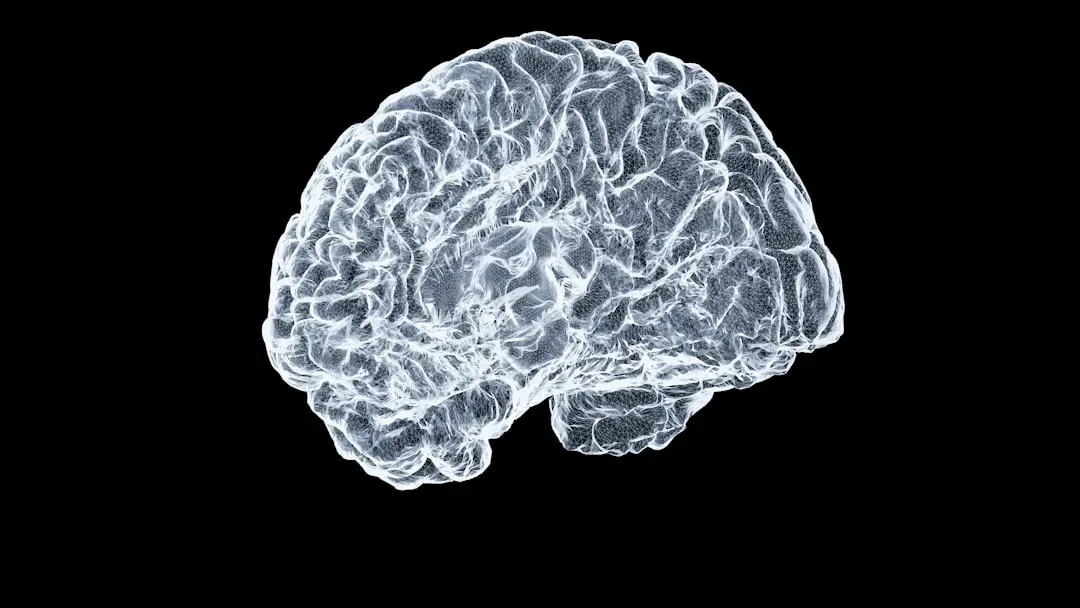
Here’s the thing: for decades, scientists insisted your central nervous system lacked any lymphatic system. Groundbreaking studies revealed the presence of lymphatic vessels in the meninges, challenging the long-standing belief that the central nervous system lacks a lymphatic system, with these lymphatic vessels carrying both fluid and immune cells from the cerebrospinal fluid to the draining cervical lymph nodes, providing a pathway for immune cell entry into the CNS.
This revelation fundamentally changes our understanding of how your brain’s immune defense works. It explains mechanisms behind neurological diseases, brain inflammation, and possibly even conditions like multiple sclerosis. The implications for developing new treatments are massive.
Your Gut Is Uniquely Yours
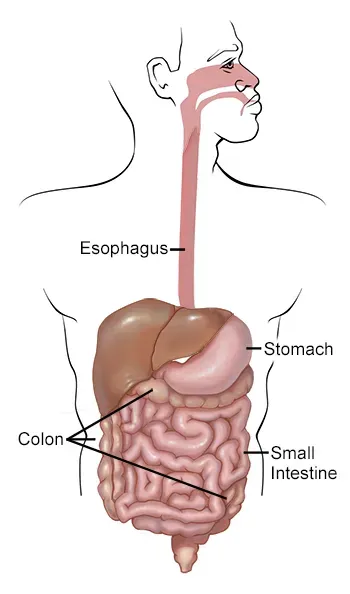
Recent research that examined the digestive organs of bodies donated to medical research revealed that the size of one’s digestive system is not a one-size-fits-all matter, with most people likely having variations in their gut organs. Women tend to have longer small intestines than men, which could explain differences in nutrient absorption.
This difference in gut anatomy could explain why people respond differently to specific diets or medications. It’s hard to say for sure, but this finding suggests that personalized nutrition and medicine based on your individual gut structure could become standard practice. Your unique digestive blueprint might be why certain diets work wonders for some people but leave others feeling awful.
There’s a Hidden Layer in Your Jaw Muscle
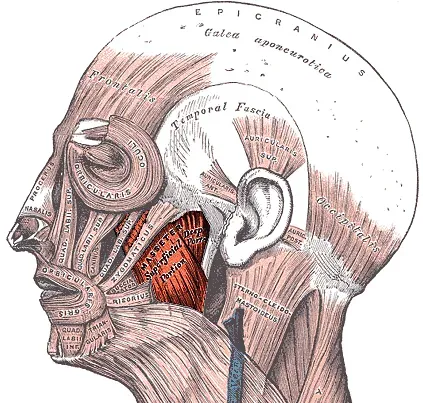
The discovery of the Musculus masseter pars coronidea – the third, deeper layer of the masseter muscle – holds significant potential for improving the treatment of jaw disorders, particularly temporomandibular joint disorder. You’d think we’d have found all the major muscles by now, right?
A deeper understanding of jaw anatomy can enhance clinicians’ ability to diagnose and treat conditions like TMJ, leading to more targeted therapies that may alleviate symptoms such as jaw pain, restricted movement and discomfort during daily activities like eating or talking. If you’ve ever experienced jaw pain, this discovery could lead to better relief in the coming years.
Your Mesentery Is One Continuous Organ
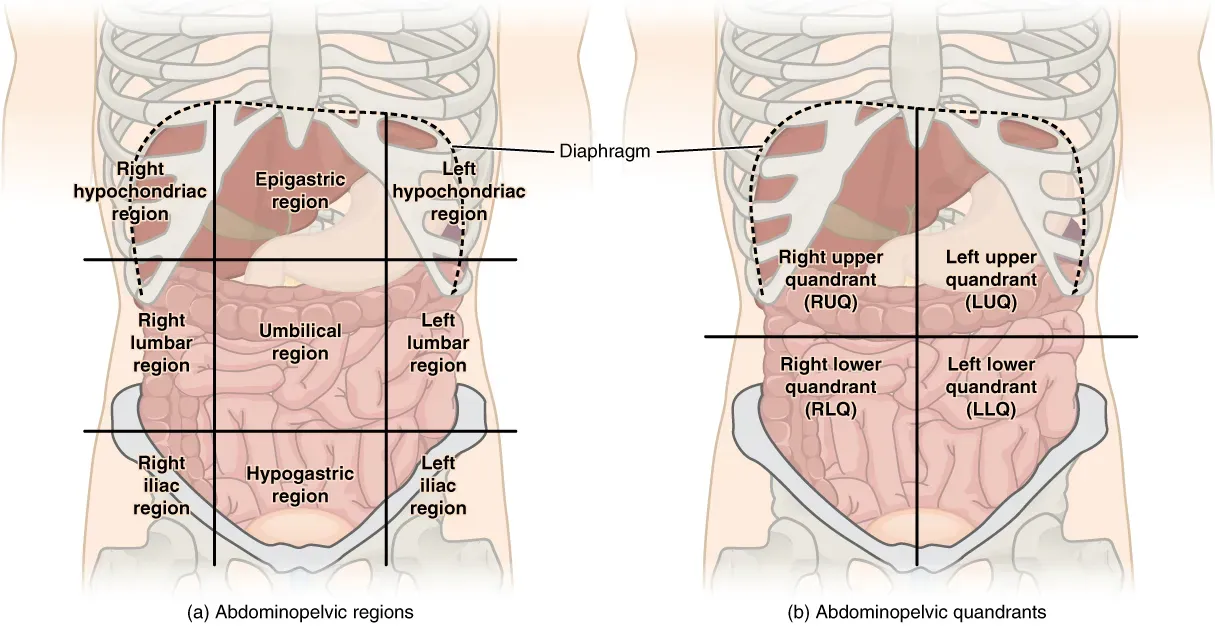
Scientists long believed the mesentery was a fragmented collection of separate structures supporting your intestines. The discovery unraveled the previously unknown parts of the human mesentery in adult and established that it is a continuous entity all along the intra-abdominal gut tube against the previous notion that it is fragmented in the adult humans.
This may sound like an obscure detail, but classifying the mesentery as a continuous organ opens entirely new avenues for understanding abdominal diseases, digestive disorders, and inflammatory conditions. It’s now being studied as a distinct organ system with its own functions and disease processes.
The Interstitium: A Fluid Highway You Never Knew Existed
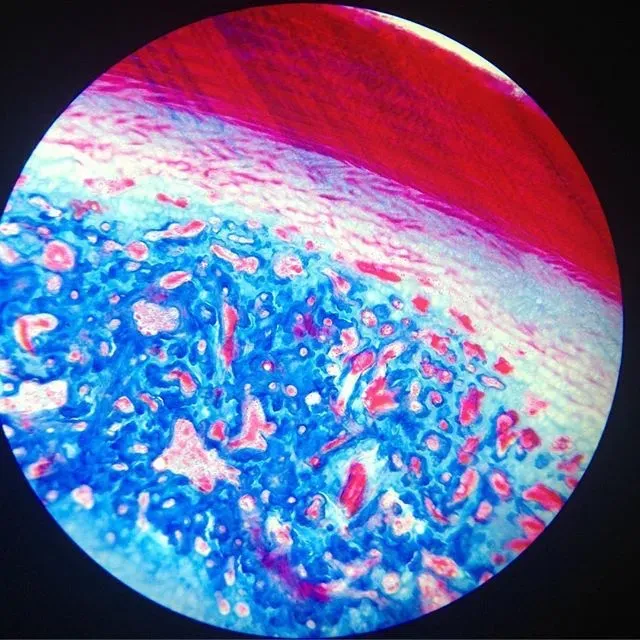
A discovery demonstrated a previously unknown tissue component – ‘interstitium’ – a networked collagen bound fluid-filled space existent in a number of human organs. Think of it as a shock absorber system running throughout your body, cushioning tissues and potentially serving as a highway for fluids and cells.
The interstitium could be involved in cancer spread, tissue swelling, and many other processes doctors are only beginning to understand. Some researchers speculate it might even be the largest organ in your body by volume. This fluid-filled network connects nearly every part of you, and we’re just scratching the surface of what it does.
You Experience Two Major Aging Surges

Researchers uncovered two significant “aging surges” that occur during human life, with both men and women undergoing substantial biological shifts at the ages of 44 and 60. Aging isn’t the gradual, steady decline we once imagined.
During these years, the body struggles with processes like metabolizing alcohol, fats, and even caffeine, as well as handling cardiovascular diseases. If you’ve noticed sudden changes in how your body handles certain foods or drinks around these ages, you’re not imagining things. Your biology literally shifts gears during these periods, which might explain why that third coffee suddenly keeps you up all night when it never used to.
Your Brain Controls Your Immune System More Than Anyone Realized
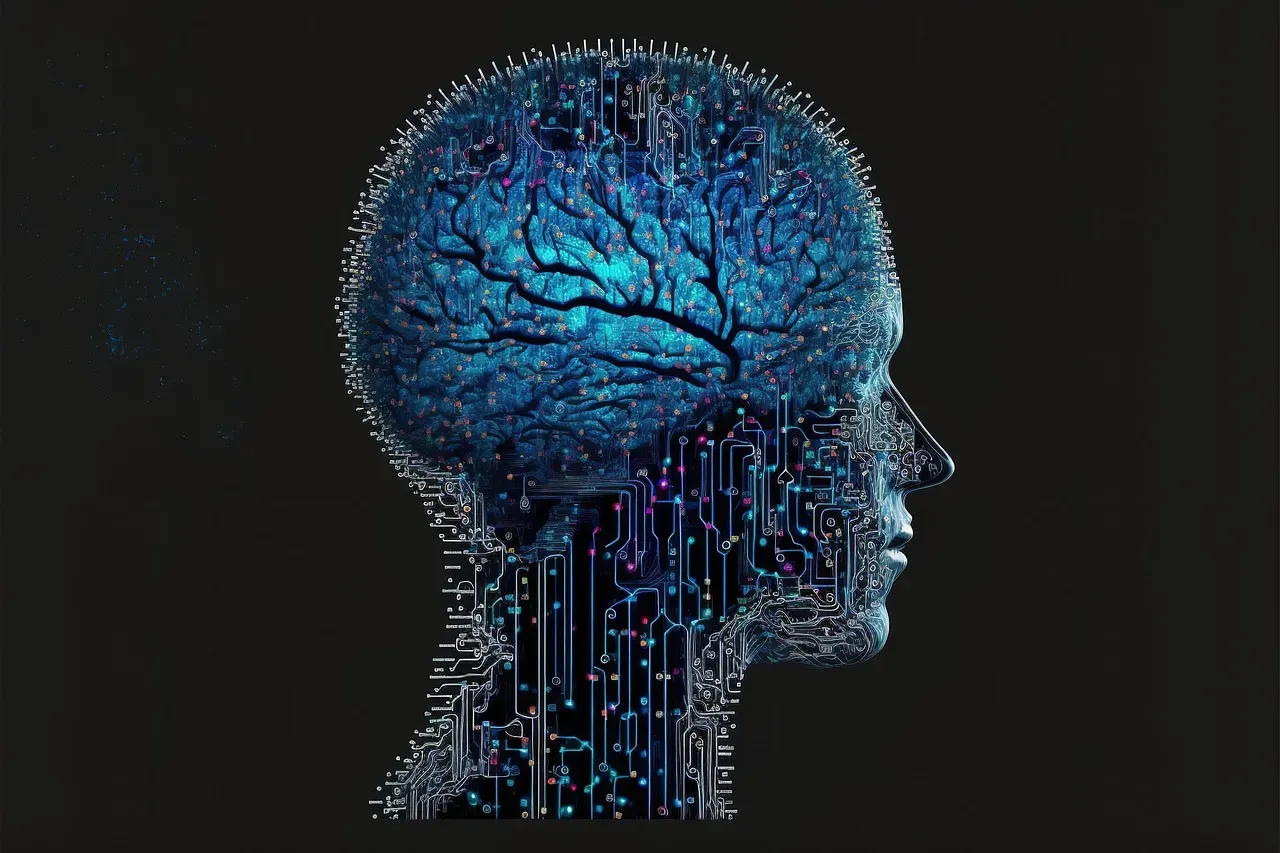
Biologists assumed for decades that the immune system regulates itself without the intervention of our brains, but they discovered that a neural circuit in the brainstem dials the levels of inflammatory molecules up and down. Your brain isn’t just thinking – it’s actively managing inflammation throughout your entire body.
This connection between your nervous system and immune response helps explain the powerful mind-body connection that scientists have struggled to quantify. Stress, emotions, and mental states directly influence your immune function through these neural pathways, validating what many have long suspected about the relationship between mental and physical health.
Salamander Regeneration Holds Keys for Human Healing

Scientists studying how amputated salamanders regrow their limbs pinpointed an enzyme that fine-tunes levels of retinoic acid, a molecule essential to regeneration, and also identified a gene that controls the appendage’s size and development, with the findings offering a rough blueprint that could one day guide limb regrowth in people recovering from traumatic injuries because humans have the same molecular ingredients.
We’re not talking science fiction here. The molecular machinery for regeneration exists in your cells right now – it’s just switched off. Understanding how salamanders keep it switched on could revolutionize treatment for traumatic injuries, potentially allowing you to regrow damaged tissues or even lost limbs.
Your Pregnancy Brain Isn’t Just Forgetfulness

Previous studies had only scanned women’s brains before and after pregnancy, so they missed the white matter changes and underestimated the neuroplasticity of the adult brain, with pregnancy being something that 85 percent of women experience. The neuroscience behind pregnancy reveals dramatic brain restructuring throughout the entire process.
These findings will “deepen our overall understanding of the human brain, including its aging process”. The changes aren’t just hormonal fog – your brain literally rewires itself during pregnancy, with white matter pathways reorganizing in ways that could persist for years. This neuroplasticity might explain the heightened emotional sensitivity, memory changes, and altered priorities many people experience during and after pregnancy.
These discoveries remind us that the human body still guards many secrets. Each finding builds on the last, creating a more complete picture of how your body works, why it sometimes fails, and how we might fix it when it does. What would you have guessed? Did you expect that we’re still discovering entirely new organs and systems in bodies that have been studied for thousands of years? The next breakthrough might come tomorrow, unlocking another mystery you never knew existed. What do you think about it? Tell us in the comments.
Jan loves Wildlife and Animals and is one of the founders of Animals Around The Globe. He holds an MSc in Finance & Economics and is a passionate PADI Open Water Diver. His favorite animals are Mountain Gorillas, Tigers, and Great White Sharks. He lived in South Africa, Germany, the USA, Ireland, Italy, China, and Australia. Before AATG, Jan worked for Google, Axel Springer, BMW and others.