
The deep sea is the closest thing we have on Earth to an alien planet. Down there, sunlight never reaches, pressures are crushing, and yet life doesn’t just survive – it gets weird, beautiful, and downright shocking. If you’ve ever looked at a photo of a deep-sea animal and thought, “There’s no way that’s real,” you’re not alone.
I still remember the first time I saw a deep-sea anglerfish in a documentary as a kid; I honestly thought the filmmakers had slipped in a monster from a sci‑fi movie. But the more you learn about these creatures, the more it feels like they’re not monsters at all – they’re masterpieces of evolution, perfectly designed for a world we can barely imagine. Let’s head down into that world and meet ten of its strangest residents.
1. Anglerfish – The Living Lantern of the Abyss
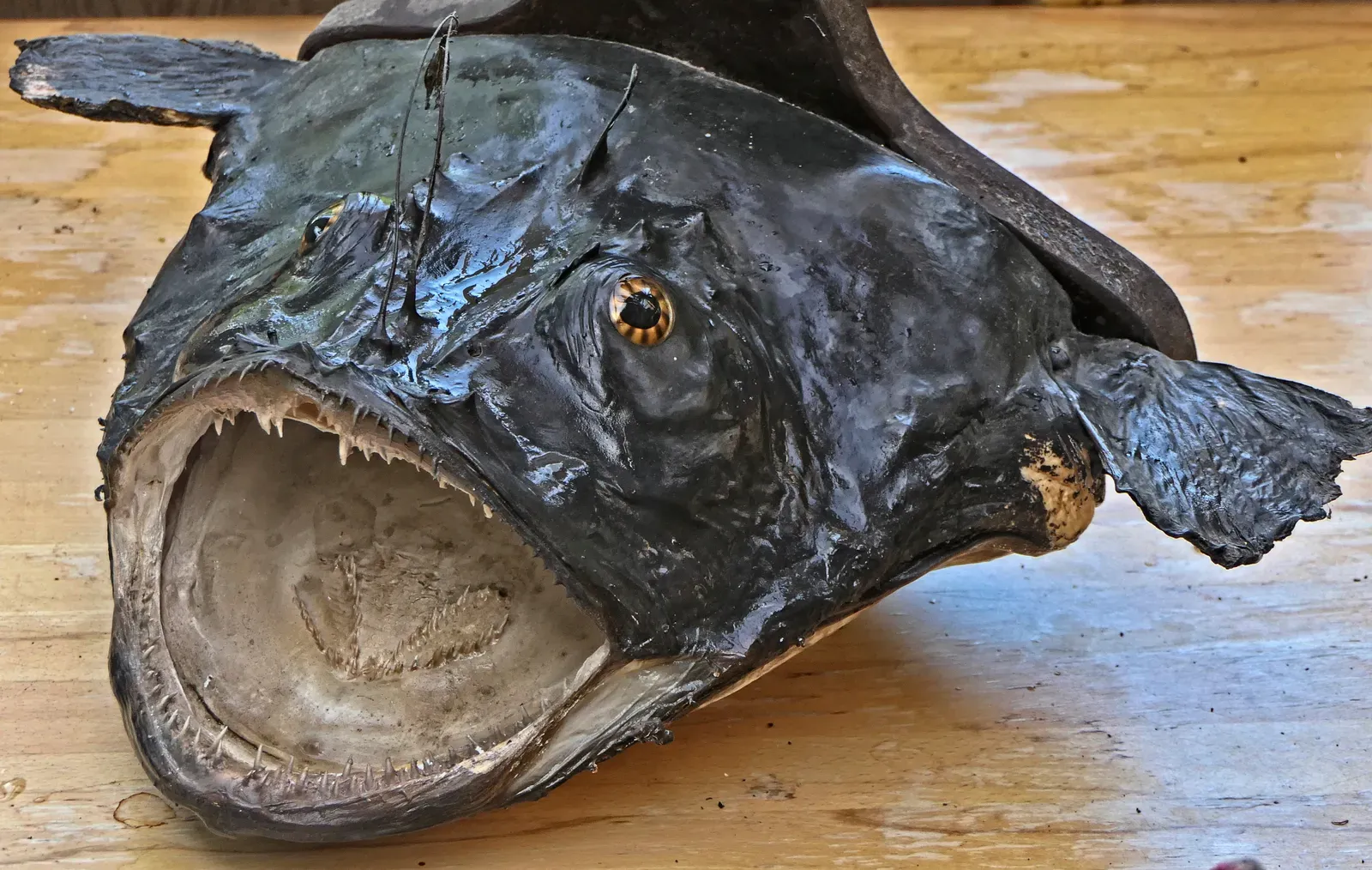
If you had to design the villain for an underwater horror film, you’d probably come up with something like the anglerfish. It lives thousands of meters below the surface, in darkness so complete that eyes are almost pointless – and yet its entire hunting strategy is built around light. The female anglerfish carries a glowing lure that dangles in front of its mouth, powered by bioluminescent bacteria that live inside the fleshy tip of a spine on its head.
Prey in the pitch black see a mysterious light and swim in close to investigate, only to meet a mouth full of long, needle-like teeth. What makes the anglerfish even more bizarre is its mating strategy: the males are tiny compared to the females, and some species’ males literally fuse into the female’s body, turning into a permanent sperm donor. It sounds like something from a twisted alien romance, but it’s an efficient way to ensure that in a vast, empty ocean, two members of the same species actually manage to reproduce.
2. Giant Isopod – The Deep-Sea “Pill Bug” Tank
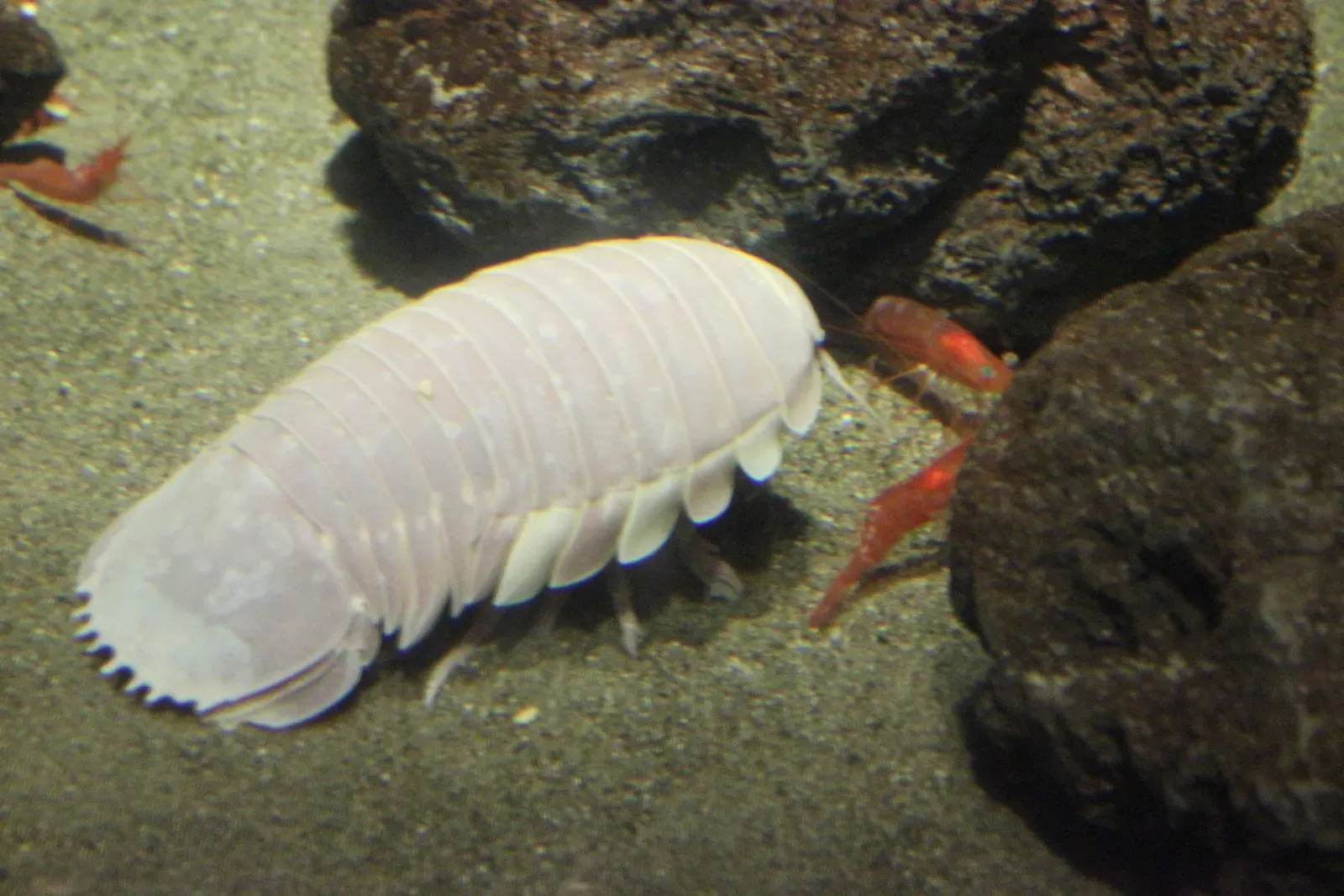
The giant isopod looks like a pill bug that hit the gym for twenty million years and never stopped. Found mainly in the deep Atlantic and Pacific, these creatures can grow longer than a housecat, with a segmented, armored shell and big, glassy eyes that stare like something from an old science-fiction comic. They crawl across the seafloor on many jointed legs, scavenging whatever the deep ocean offers – dead whales, fish, squid, or any edible scrap that drifts down from above.
What’s so striking is how ancient they look, like survivors from a prehistoric era that never ended. Scientists think giant isopods can go for incredibly long periods without food, possibly for weeks or months, slowing down their metabolism to match the rare and random nature of deep-sea meals. Watching video of them slowly moving over the seafloor feels a bit like watching tanks roll silently across a battlefield – slow, heavy, and somehow inevitable.
3. Vampire Squid – The Creature Wrapped in a Velvet Cloak
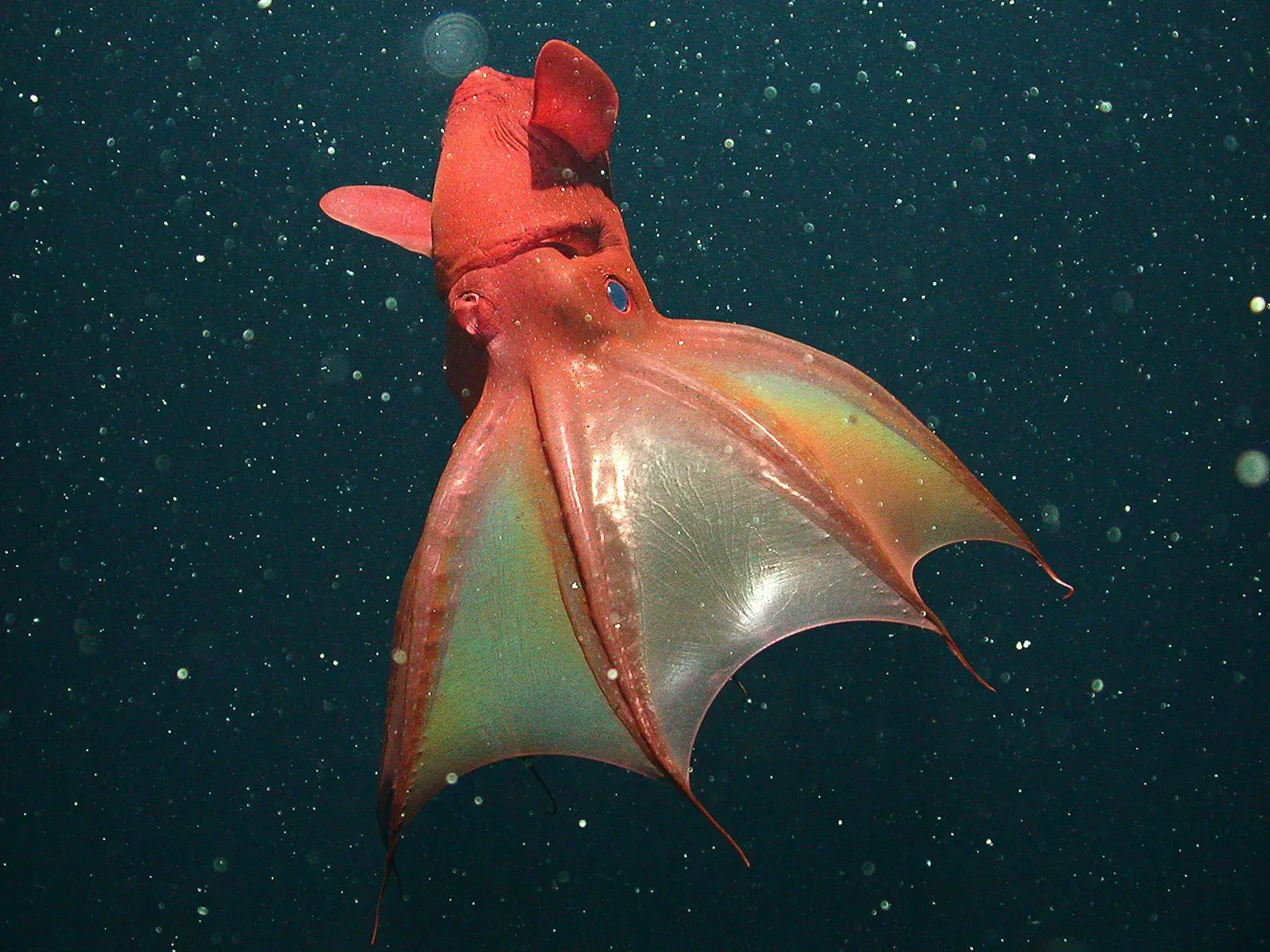
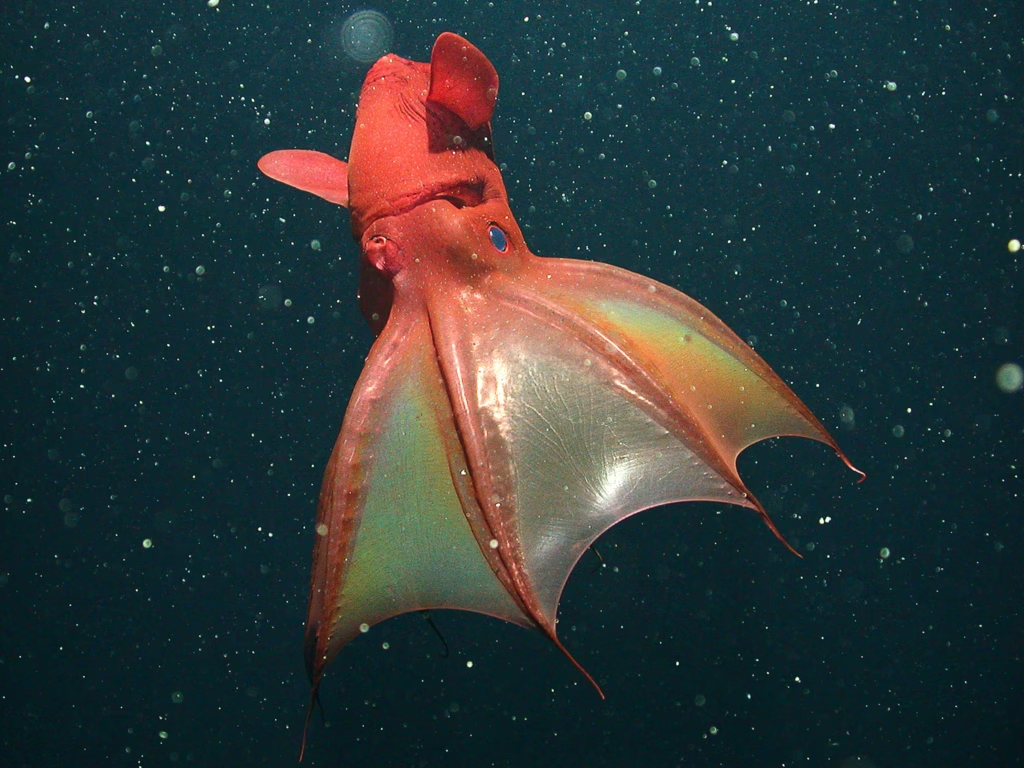
Despite the spooky name, the vampire squid is not a bloodsucker, and it’s actually much gentler than it sounds. Its scientific name translates to “vampire squid from hell,” which feels dramatic until you see it: a small, dark, soft-bodied cephalopod with webbing between its arms that looks like a flowing, velvet cape. It lives in the oxygen-poor depths of the ocean, where many other animals can’t survive, cruising slowly through the water in a kind of eerie calm.
Instead of chasing live prey, the vampire squid collects “marine snow” – the constant drizzle of organic particles and debris that rain down from the upper ocean. When threatened, it doesn’t ink like most squid; instead, it can turn itself inside out, wrapping its arms and webbing over its body to form a spiky, inside-out cloak. It also releases clouds of bioluminescent mucus, like a glitter bomb in the dark water, confusing predators long enough to slip away.
4. Goblin Shark – The Deep-Sea “Alien” With a Slingshot Jaw
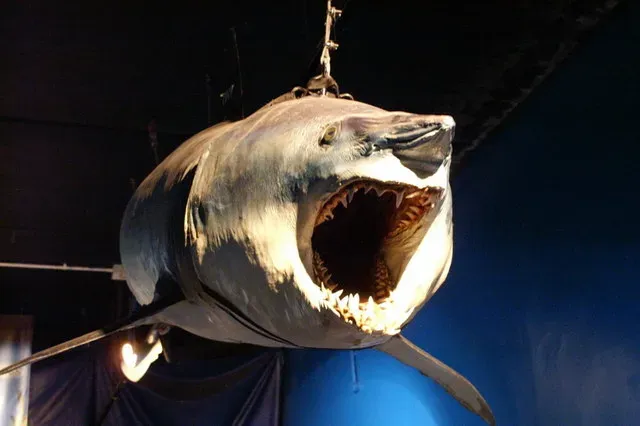
The goblin shark is one of those animals that makes people ask if the photo has been edited. It has a long, flattened snout that looks like a blade, a flabby pinkish body, and the strangest feature of all: a jaw that can fire forward from its face like a spring-loaded trap. Living mainly in deep waters off continental slopes, goblin sharks spend much of their time in the gloom, far below where most people ever see them.
When prey comes close, the goblin shark’s jaws shoot outward in a sudden lunge, snatching fish or squid in a fraction of a second. Its skin has a pale, almost translucent quality, sometimes compared to raw meat, which only adds to its unsettling appearance. This shark is rarely seen alive, and most of what we know comes from individuals accidentally brought up in deep-sea fishing nets, giving it an air of mystery that fits its alien look.
5. Barreleye Fish – The Transparent-Headed Observer
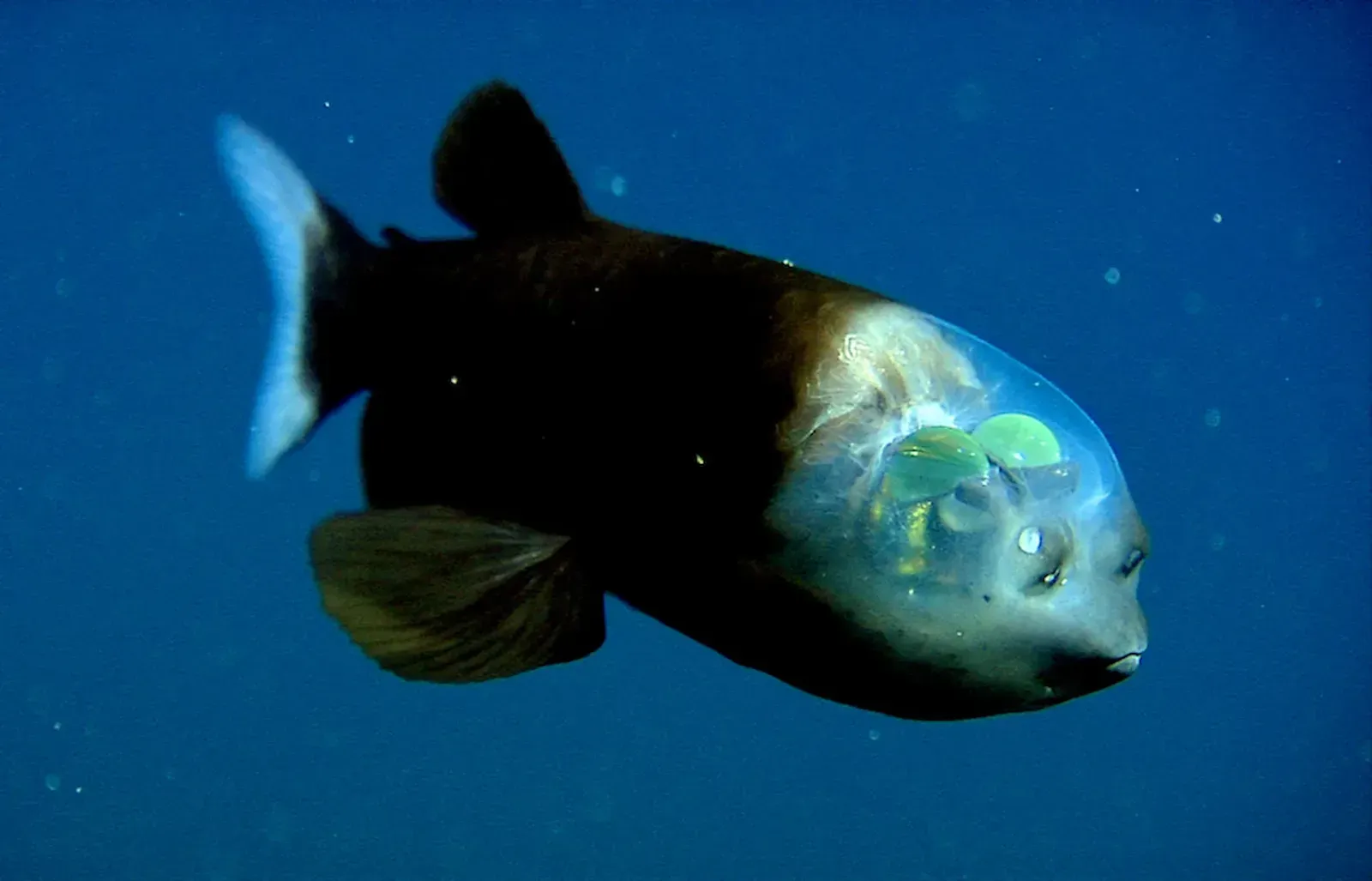
The barreleye fish looks like someone forgot to finish it in the design stage and left the head see-through. Its most famous feature is a transparent, dome-like head, inside which its large, tubular eyes can rotate. At first glance, it seems as if the fish has two normal little eyes on the front of its face, but those are just nostrils; the real eyes are green spheres floating behind its forehead, staring upward through its glassy skull.
This strange setup lets the barreleye stare directly above itself while keeping its body horizontal, perfect for spying on silhouettes of prey against the faint light from above. It lives in midwater depths where sunlight is extremely dim, so every bit of visual advantage matters. The jelly-like head protects the eyes from jellyfish stings and other hazards, turning the barreleye into a living periscope drifting through the twilight zone of the sea.
6. Fangtooth – The Tiny Body With Nightmare Teeth
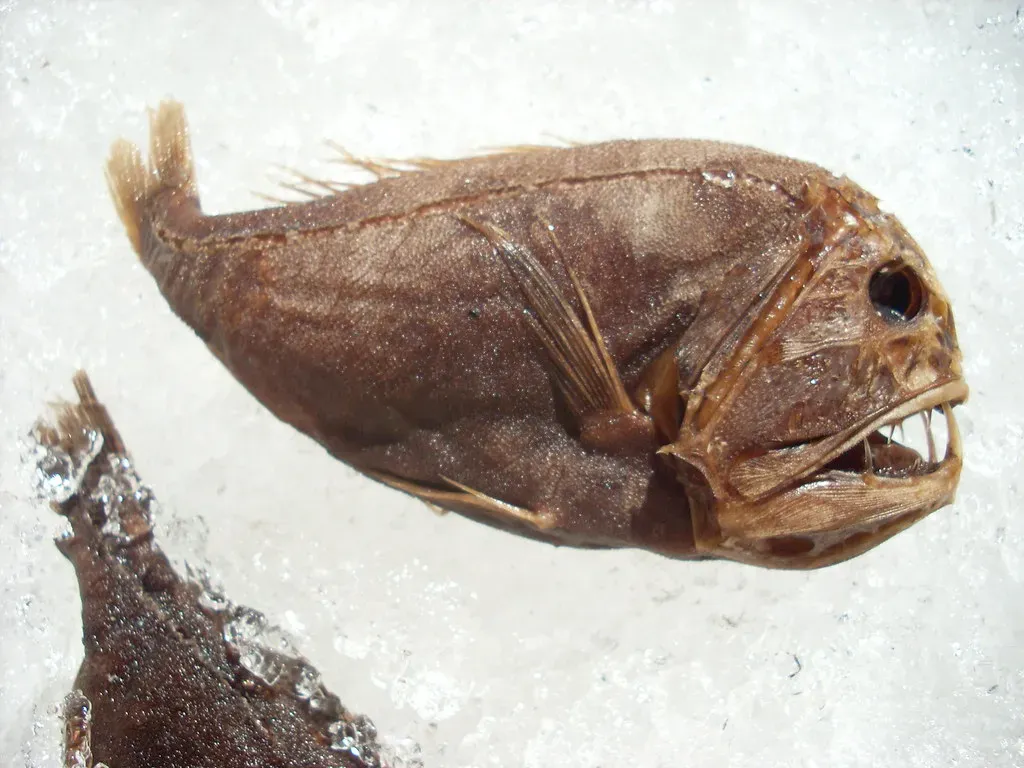
If teeth could have a bad dream, they’d probably dream of the fangtooth. This deep-sea predator has some of the largest teeth relative to its body size of any fish on the planet, so big that it has special pockets on the roof of its mouth to avoid stabbing itself when it closes its jaws. Its body, by contrast, is relatively small and compact, with tough, dark skin and big, cloudy eyes that barely seem functional.
Fangtooths live in deep, dark waters where food is scarce, so grabbing and hanging onto anything that comes close is crucial. They hunt mostly by sensing movement and pressure changes rather than relying only on sight, which makes sense in an environment where light is almost nonexistent. Despite their terrifying appearance, they’re not especially large – if you ever saw one up close, it would be terrifying in detail but surprisingly modest in size, like holding a pocket-sized monster.
7. Gulper Eel – The Living Balloon With a Gigantic Mouth
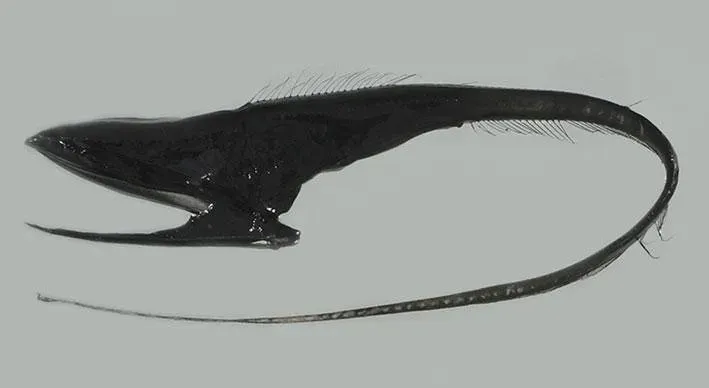
The gulper eel, sometimes called the pelican eel, looks like a creature designed by a child who really loves drawing mouths. Its most dramatic feature is a vast, hinged jaw that can open wider than the rest of its body, forming a huge, balloon-like pouch. The body behind that jaw tapers off into a long, whiplike tail, often tipped with a tiny, glowing organ that may help attract prey.
Instead of chasing down individual fish with precision, the gulper eel can simply open its mouth and lunge through the water, scooping up whatever it encounters – small fish, crustaceans, or swarms of tiny animals. Its stomach can expand to handle large meals, which matters in a place where you never know when the next food source will appear. Watching one move is unsettling; the head seems almost too big for the body, like an inverted balloon floating slowly through the void.
8. Frilled Shark – The “Sea Serpent” From Prehistoric Times
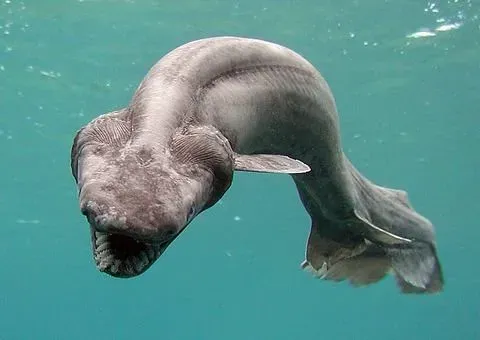
The frilled shark looks like a fossil that decided not to stay dead. With a long, eel-like body and a mouth filled with rows of backward-curving, needle-sharp teeth, it strongly resembles the drawings people once made of sea serpents. It gets its name from the frilly, fringed gill slits that wrap around its throat, giving it a ruffled collar straight out of some underwater period drama.
Frilled sharks live in deep waters and are rarely seen alive, so most encounters come from individuals dragged up by deep-sea fishing gear. Their body structure and anatomy are considered primitive compared to many modern sharks, making them living reminders of an ancient ocean. They hunt by lunging forward and swallowing prey whole, and their flexible jaws can handle animals almost half their own length, which sounds like a myth until you see the teeth.
9. Dragonfish – The Tiny Predator With a Terrifying Smile
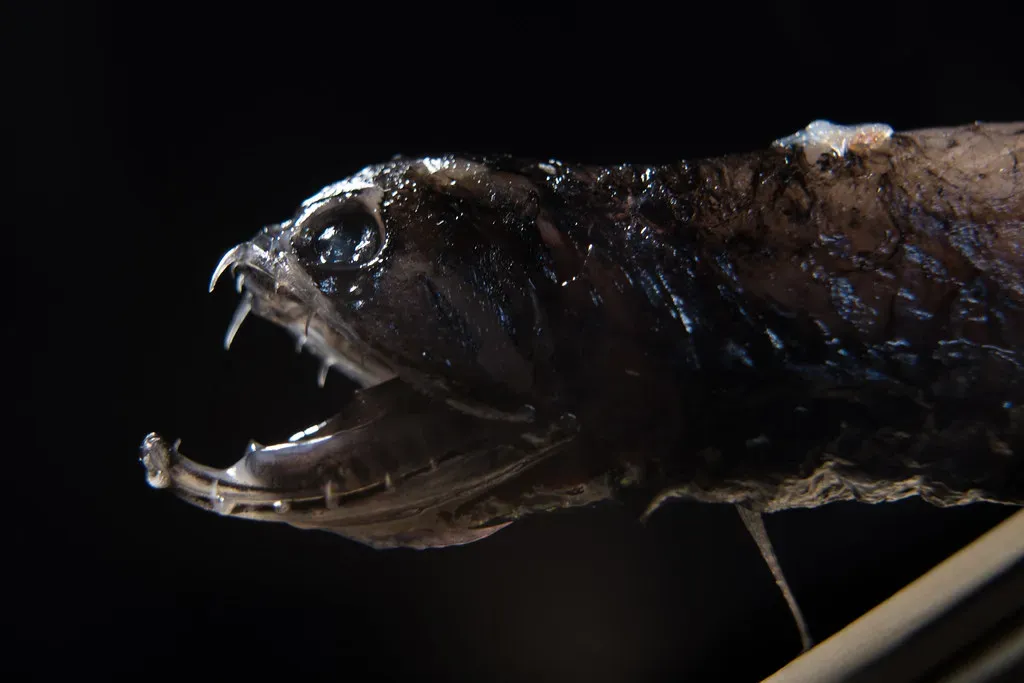
Dragonfish may be small, but they come loaded with some of the most dramatic gear in the deep sea. These sleek, dark predators are armed with long, fang-like teeth that look far too big for their heads, giving them a permanent, sinister grin. Most species also have light-producing organs along their bodies and a bioluminescent barbel – a little fishing rod-like extension dangling from the chin – to lure prey.
What makes some dragonfish especially wild is their ability to produce and see red bioluminescent light, which most deep-sea animals cannot detect. That gives them a kind of private, invisible flashlight to spot prey without being noticed. It’s like they’re hunting with night-vision goggles in a world where everyone else is stumbling in the dark, an evolutionary trick that feels almost unfair.
10. Dumbo Octopus – The Surprisingly Cute Deep-Sea Oddball
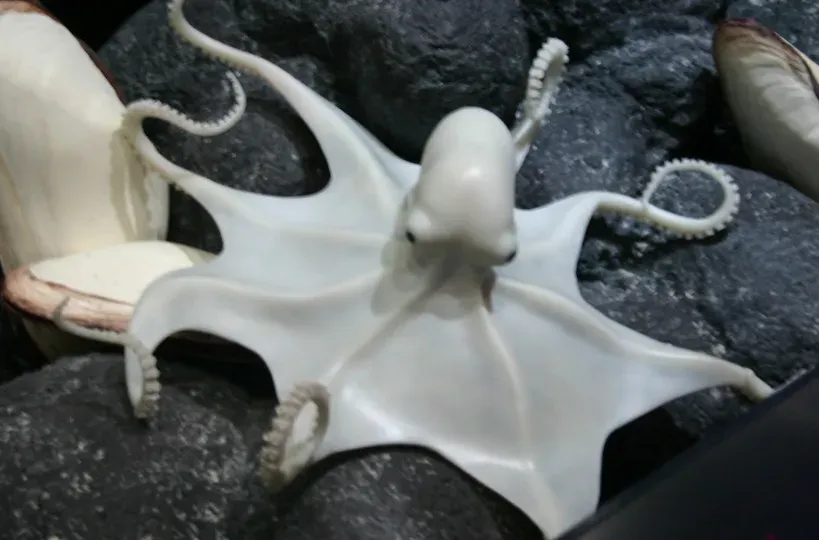
Not everything in the deep sea looks like a nightmare; the dumbo octopus is proof. Named after the big, ear-like fins on its head that resemble the famous cartoon elephant, this little octopus looks oddly cheerful as it flaps through the water. It lives deeper than most known octopus species, often beyond the depths where sunlight has any chance of reaching, gliding just above the seafloor like a tiny, ghostly parachute.
Dumbo octopuses don’t shoot ink or make dramatic escapes; instead, they tend to swim slowly and feed on small animals like worms and crustaceans, swallowing them whole. Their gentle, almost clumsy movements make them feel out of place among the sharp-toothed predators around them, which is probably why so many people are instantly charmed when they see a video. In a realm full of creatures that look engineered for horror, the dumbo octopus feels like a soft, quiet reminder that even the strangest worlds still have room for something unexpectedly endearing.
A Hidden World Stranger Than Fiction
The deeper scientists explore our oceans, the clearer it becomes that “alien life” isn’t just a question for other planets; in many ways, it’s already here. Anglerfish with living lures, sharks with slingshot jaws, fish with transparent heads, and balloon-mouthed eels all prove that evolution can go in directions that seem almost impossible from a surface-world perspective. Each of these creatures carries a story written by darkness, pressure, scarcity, and time.
As deep-sea exploration technology improves, we’re discovering that what we once thought was barren emptiness is actually a vast neighborhood of bizarre, specialized life. It raises a simple but haunting question: if our own planet still hides animals this strange, what else might be waiting in the unexplored depths – both here and beyond?