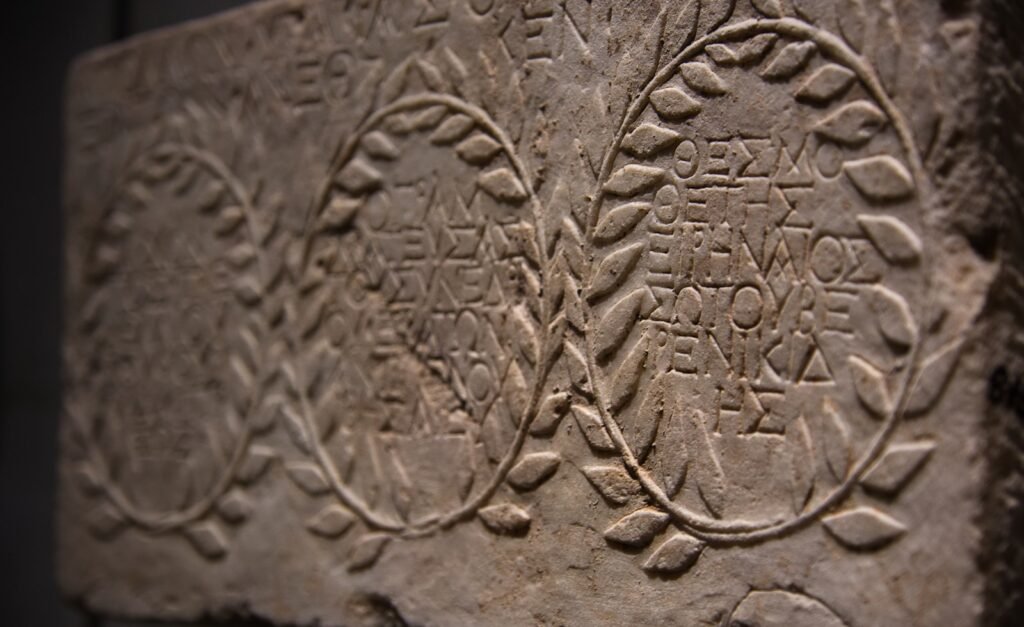

They look like scratches on stone, but Viking runes are far more than angular letters carved by long-dead hands. Hidden in those lines is a record of magnetic storms, social upheaval, coded insults, and even early attempts at “going viral.” As physicists increasingly read nature the way archaeologists read artifacts, these runes have turned into unlikely data points in a wider story about invisible forces shaping Earth and human minds. What used to be treated as quaint symbols for tourist tattoos is now being re-examined as a complex information system operating across wood, stone, and even magnetic fields. If you think runes are just about mysticism and metal bands, you’re missing the real scientific drama quietly unfolding in the gaps between the lines.
The Hidden Clues: Runes as Silent Records of Solar Storms
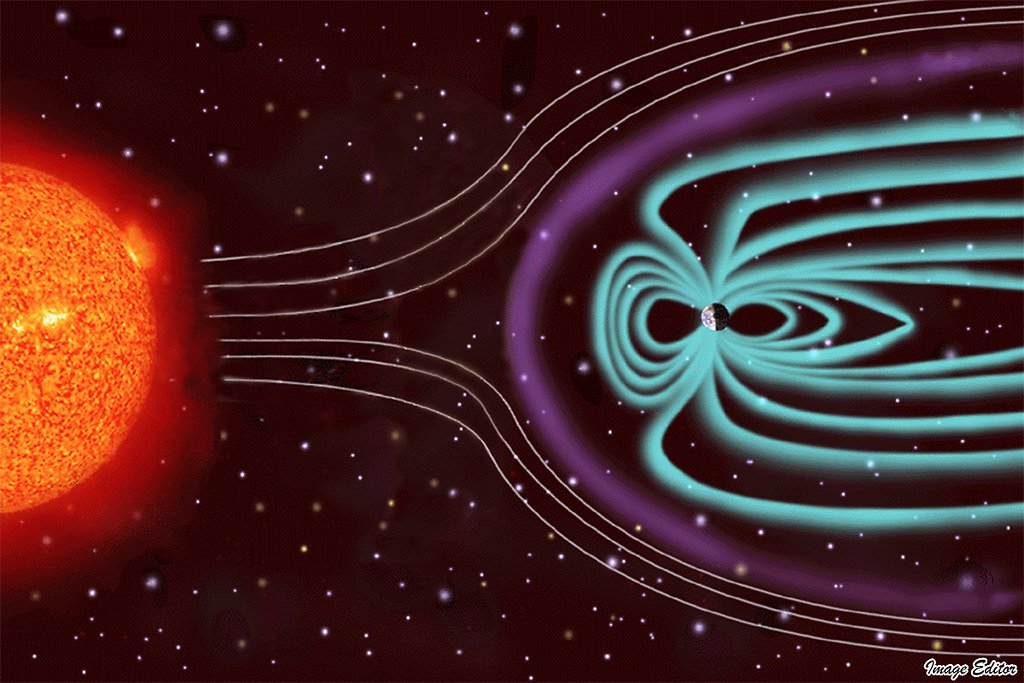
One of the most surprising twists in recent years is that Viking runes have helped physicists pinpoint ancient solar storms. When scientists analyzed timber from Viking-age sites, they found spikes of radioactive carbon in tree rings that matched rare solar proton events, including a particularly strong one around the year 993. That by itself is a story about invisible particles and cosmic weather, but then researchers noticed that a number of rune stones and related inscriptions cluster in the years just after such events. The dates often line up with periods of anxiety, famine, or climate anomalies, hinting that people were reacting to something they could not see but could certainly feel in their world.
Imagine standing under a sky lit by auroras far south of their usual range, with no concept of geomagnetism or solar cycles, and then carving a monument to warn future generations that fate can suddenly turn. The runes do not mention solar storms by name, of course, yet they freeze in stone a moment when Earth’s magnetic shield was hammered by invisible streams of charged particles. Today, astrophysicists connect those same events to power-grid risks and satellite failures, building models of how extreme space weather might hit our highly wired civilization. Viking carvers, without knowing it, left us timestamps that now sync tree-ring physics, cosmic ray data, and human fear into a single story cut into granite.
From Carved Sounds to Encoded Systems: Runes Were More Than an Alphabet
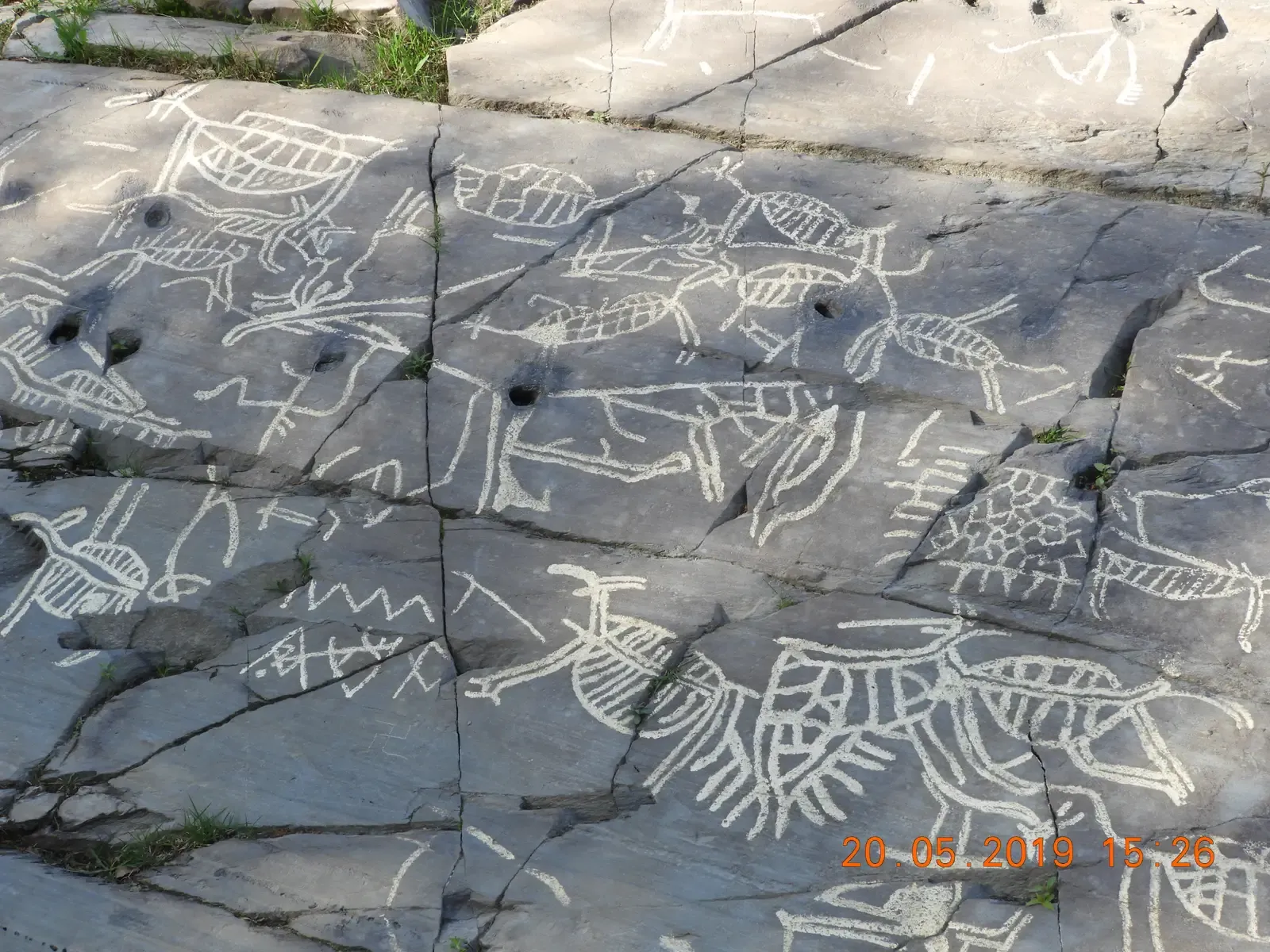
Most schoolbook explanations treat runes as a simple writing system, the Viking version of the Latin alphabet, but that is like calling quantum theory “just some equations.” Runes certainly represented sounds, and inscriptions range from everyday ownership marks to elaborate memorials, yet many characters carried names tied to natural forces, objects, or abstract ideas. The rune for “thorn” or “giant” did not just stand for a consonant; it pulled in a small cloud of stories, fears, and associations about hostile beings or dangerous edges. This made runes double-coded, operating as both phonetic signs and conceptual triggers in a culture where spoken poetry and carved text overlapped.
What fascinates linguists and cognitive scientists is how this duality mirrors how our brains compress meaning. Each carved line could simultaneously store sound, image, and cultural weight, much like how a line of code can both execute a function and signal membership in a particular programming subculture. Some inscriptions even play with these layers, using rune names as a kind of acrostic or rebus puzzle, hiding secondary messages beneath the surface reading. That makes runes oddly modern: early experiments in stackable information, where visible marks tap into invisible networks of meanings, memories, and social cues.
Runes on the Move: How Viking Writing Traveled Like a Signal Across Europe
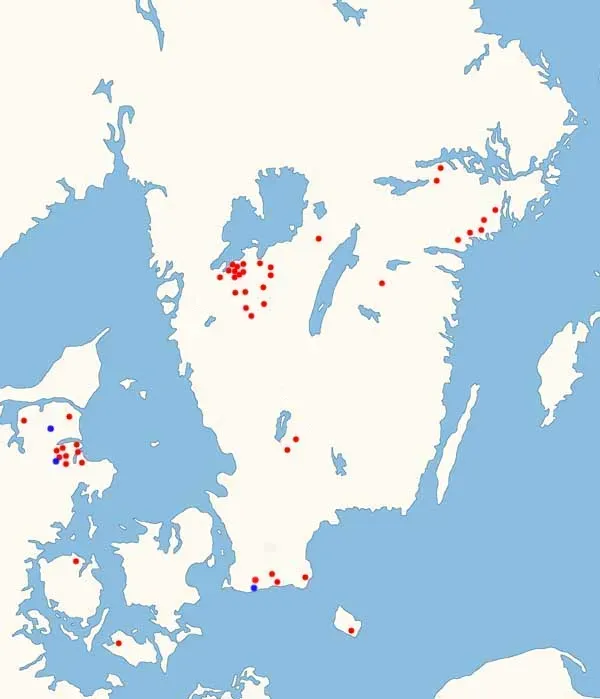
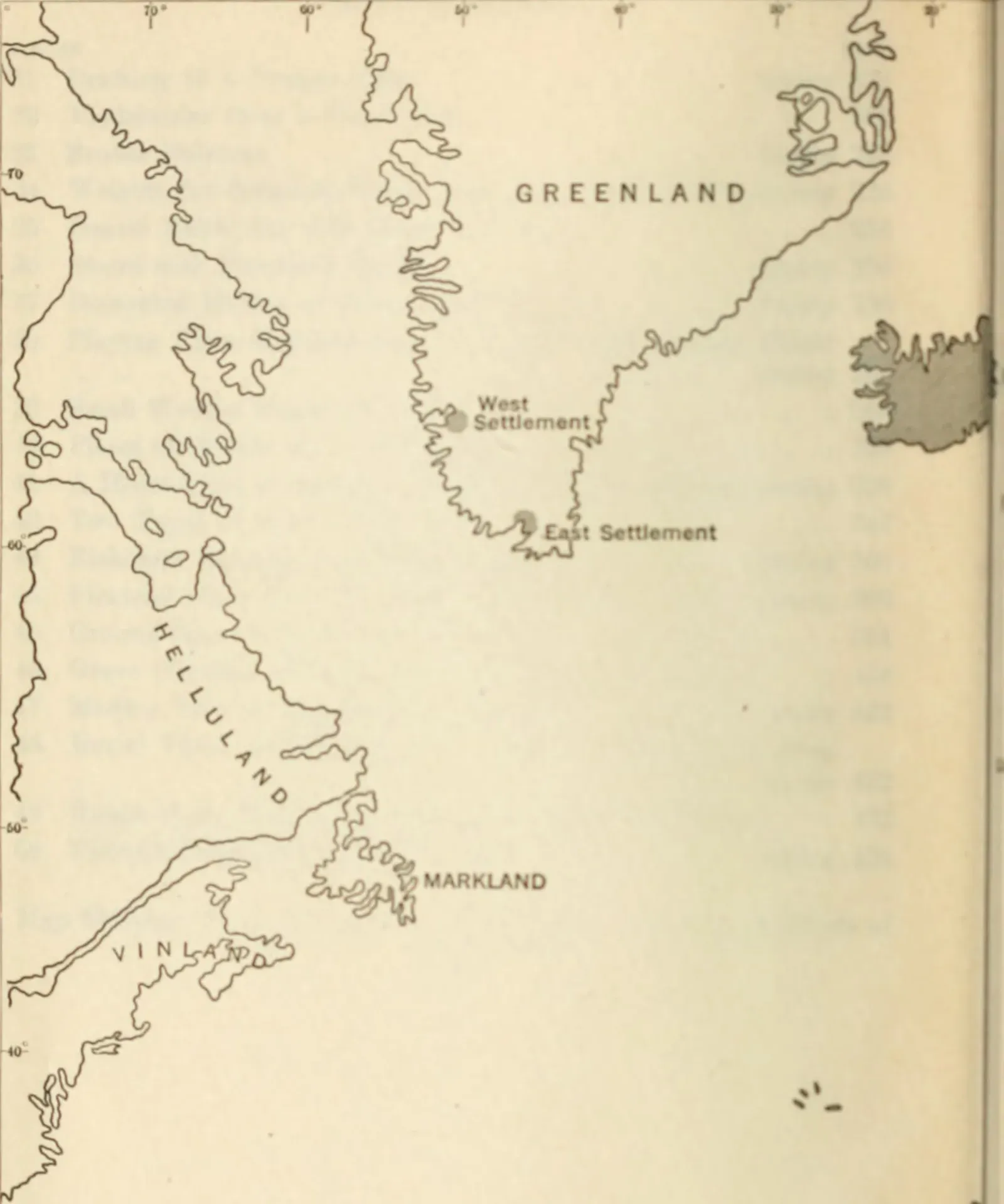
Physically, a rune stone seems like the opposite of motion: massive, heavy, firmly rooted in one landscape. But line up the chronology and locations of known Viking inscriptions, and a different picture appears, almost like watching a radio signal strengthen and weaken as ships move across coastlines and rivers. The earliest runic systems, such as the elder futhark, spread among Germanic-speaking groups long before the Viking Age, then evolved into younger forms used in Scandinavia as trade, raiding, and settlement expanded. Carved graffiti have turned up in places as far-flung as Constantinople and Greenland, tracking Viking presence the way drifting buoys track ocean currents today.
Zoom in further and you see subtle shifts in spelling, carving style, and even preferred formulas that map onto local power centers and trade routes. It is a reminder that writing systems are not fixed objects; they are dynamic fields shaped by contact, conflict, and migration, much as magnetic field lines are tugged and twisted by flows they do not control. In some towns, rune carving persisted alongside Latin letters for centuries, forming a kind of bilingual interference pattern on wood and stone. To archaeologists, each inscription becomes both text and telemetry, a data point in the invisible network of who talked to whom, who moved where, and how ideas rippled across medieval Europe.
The Hidden Clues in Everyday Objects: Runes Weren’t Just for Monuments
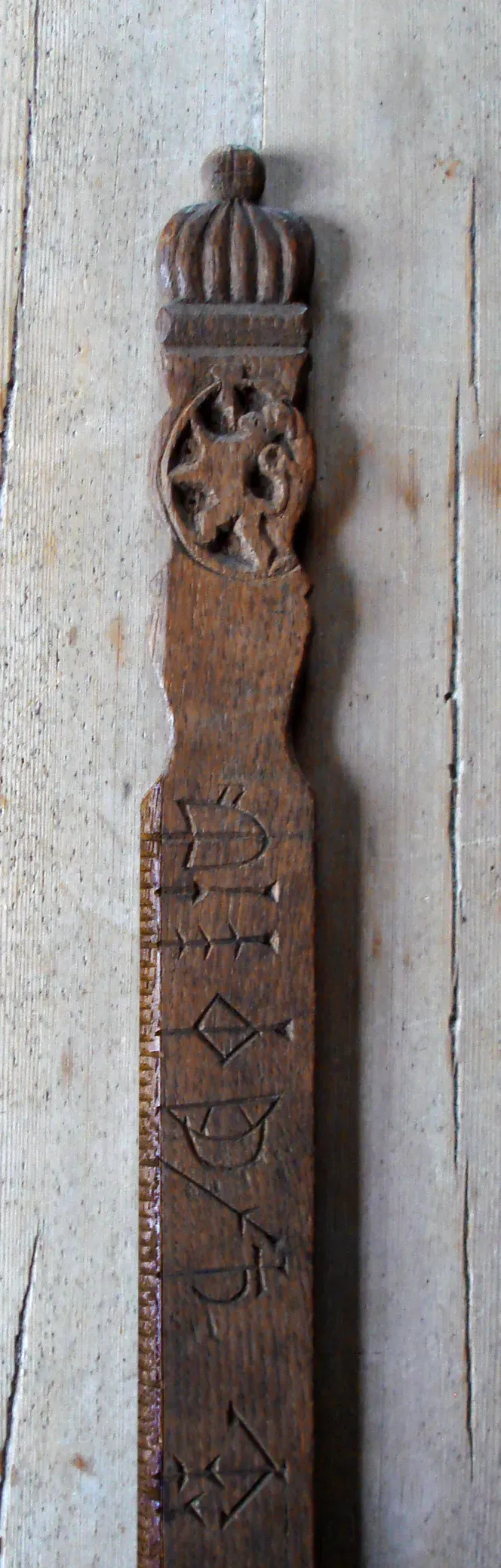
Tourist images focus on towering rune stones, but many of the most revealing inscriptions were scratched onto the medieval equivalent of scrap paper. In places like Bergen in Norway, archaeologists have found hundreds of runic messages carved on wooden sticks, ranging from love notes and business accounts to jokes that would fit comfortably on a bathroom wall. This everyday writing shows that runes were not locked in some priestly or mystical elite; they were practical tools people used to track goods, gossip, and debts. It is a bit like realizing that the history of the internet is not just archived in official documents, but also in old text messages and forum posts.
These throwaway objects are especially valuable to scientists looking at literacy and information flow in past societies. They let researchers estimate how many people could likely read and write runes, how quickly new phrases or abbreviations spread, and how memory was externalized into small portable objects instead of relying only on oral tradition. Here the invisible force is not cosmic radiation or magnetism, but the shifting architecture of human attention and communication. The runic sticks reveal a world where data traveled by pocket-sized bits of wood, yet the basic human habits – flirting, complaining, boasting – feel startlingly familiar, like intercepted signals from a very old social network.
Why It Matters: Runes, Invisible Forces, and the Physics of Information
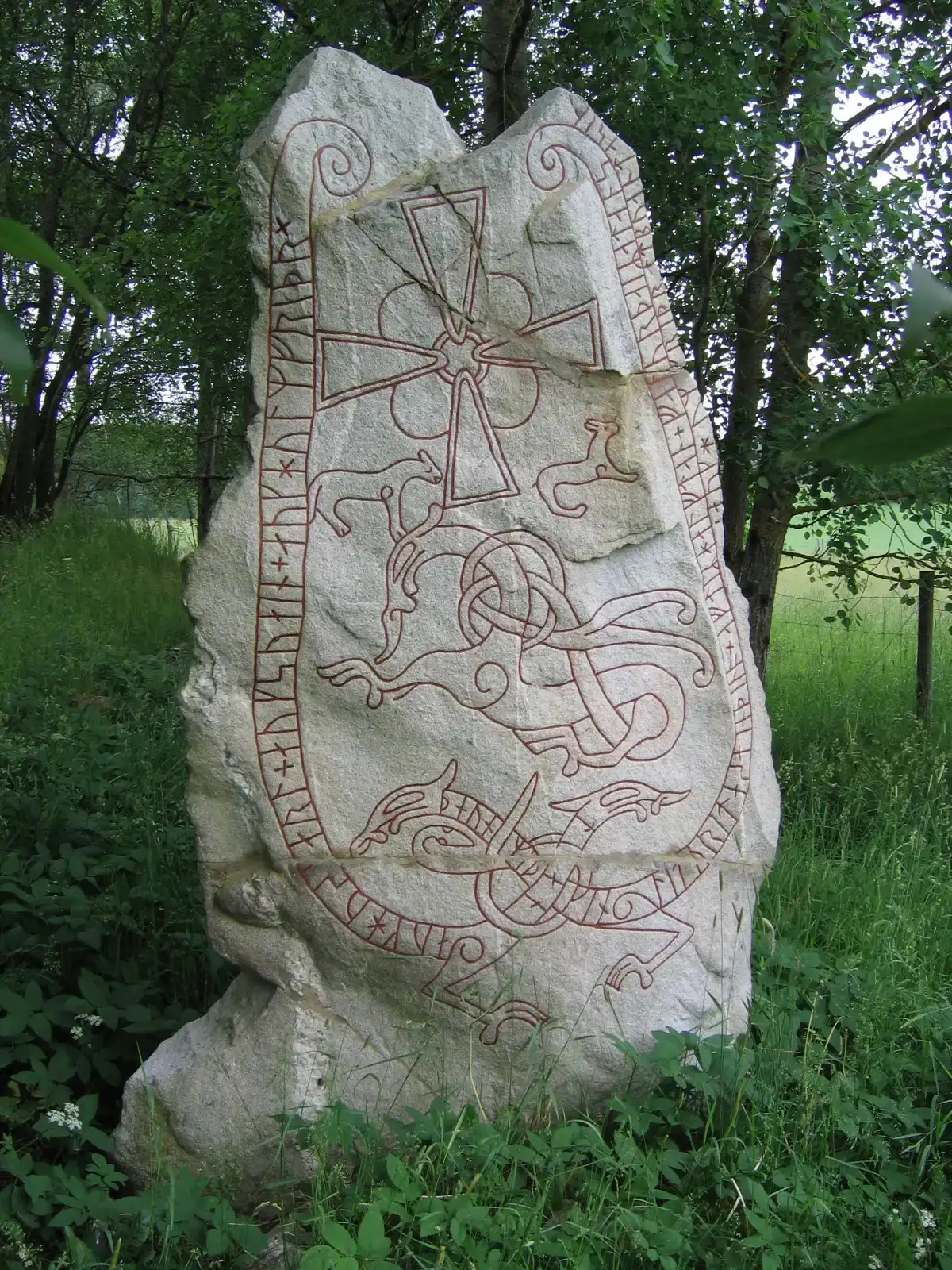
It might seem like a niche hobby to obsess over how Vikings wrote, but there is a deeper reason physicists and information theorists care about runes. At its core, a runic inscription is a low-tech solution to a high-level problem: how to stabilize information against noise, time, and environmental chaos. Carving into stone or wood transforms fleeting sound waves into persistent patterns of matter, in the same way that magnetic domains on a hard drive or electric charges in memory chips hold bits today. When researchers study how well different materials preserve rune shapes under centuries of weathering, they are effectively testing ancient data-storage strategies.
Comparisons with modern systems are striking. Digital storage relies on precise control of electrons and fields, guarded against thermal noise and cosmic rays; runic storage relied on deep cuts, contrasting pigments, and careful placement to avoid erosion and vandalism. Both are responses to the same invisible threats: entropy, randomness, and the gradual decay of ordered structures. When you look at a weathered rune stone and can still make out a name after a thousand years, you are watching a successful experiment in analog error correction. That is why these carvings matter beyond cultural nostalgia – they are living test beds for how information can be encoded into the physical world and endure under constant assault from forces no carver could ever see.
The Physics Beneath the Stone: Magnetism, Orientation, and Earth’s Subtle Signals
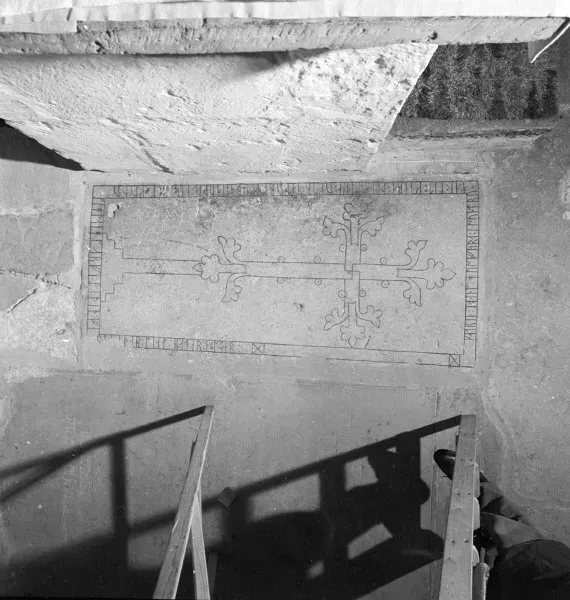
There is another rarely discussed layer to rune stones: their orientation in physical space. Many stones are carefully aligned with local topography, older burial mounds, or travel routes, but some studies have also looked at how they sit in relation to the Sun’s path and the cardinal directions. That might sound like pure ritual, yet it nudges into the territory of geophysics because the planet’s magnetic field, sunlight, and weathering patterns all subtly affect how long a carved surface survives. A face that catches more driving rain or frost cycles will erode faster, while one angled for maximum visibility at certain times of day might trade longevity for social impact.
Earth’s magnetic field itself, while not measured directly by Vikings, shapes the auroras and navigational cues that framed their mental map of the world. Some rune stones and memorial sites are linked in sagas to strange lights in the sky or ominous signs, events we can now reinterpret as magnetic storms or atmospheric optics. Today, scientists use sensitive instruments to detect minute shifts in rock magnetization and sediment layers, reconstructing events that would have been entirely invisible to past observers. The stones sit right at that interface: human attempts to mark meaning on rock, constantly negotiated by planetary forces that turn and twist beneath our feet and above our heads.
From Ancient Tools to Modern Science: Runes in the Lab
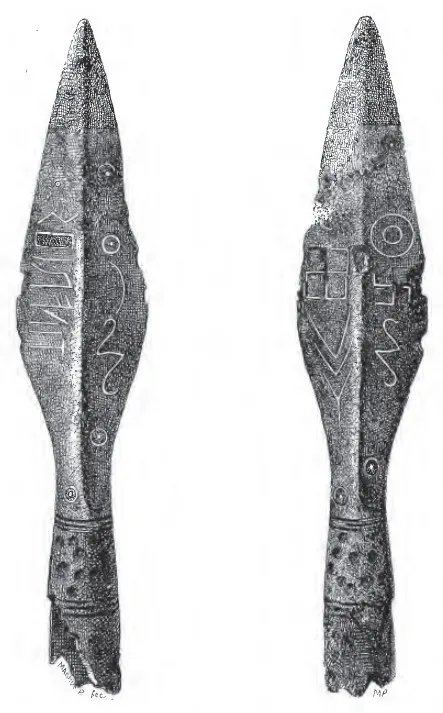
The strange thing about Viking inscriptions is that many of them now spend more time under microscopes and scanners than under open skies. Researchers have used 3D laser scanning, reflectance transformation imaging, and microanalysis of pigments to recover faint or weathered runes that are no longer visible to the naked eye. This is where the story fully crosses into modern physics, because the same optical principles used in telescopes and semiconductor inspection are being repurposed to read stones carved a thousand years ago. Changes in surface roughness at the scale of micrometers can hint at strokes of a knife or chisel that once cut clean lines into fresh granite.
In some cases, scientists have reconstructed inscriptions once thought lost, altering the interpretation of a stone’s meaning, date, or origin. Image processing algorithms, similar to those used in satellite analysis, can separate pigment residues from mineral veins, pulling out hidden patterns. What used to be a static artifact has become an active dataset, interrogated with light, angles, and spectroscopy. Runes, in this sense, have become small laboratories for testing how far we can push non-destructive analysis, a crucial issue when trying to balance cultural preservation with scientific curiosity.
Looking Ahead: The Future Landscape of Rune Research and Earth’s Invisible Archives
It is tempting to see Viking runes as a closed chapter, but the toolkit for reading them is expanding in ways that promise more surprises. Advances in machine learning are already being trained on thousands of rune photographs to suggest likely readings for damaged sections, flag unusual carving habits, or even propose where undiscovered stones might still lie based on landscape patterns. At the same time, improved techniques in radiocarbon calibration and tree-ring analysis are tightening the dating of wooden runic objects, which ties them more precisely to known volcanic eruptions, solar storms, or climatic dips. This convergence turns each inscription into a time pin in a vast, invisible web of planetary events.
There is also a growing interest in treating runes as part of a broader “deep-time data network” that includes ice cores, corals, lake sediments, and more. The idea is that Earth has been quietly recording its own history in chemical signals, isotopes, and magnetic flips, while humans have been recording theirs in marks, myths, and numbers. When those two archives cross, as they do with Viking-age solar storms or unusual weather descriptions, we get a more complete view of how invisible forces ripple through both climate and culture. In an age when our own digital traces may or may not survive centuries of technological change, the stubborn persistence of these angular carvings offers both comfort and a warning about what it takes to speak across time.
Call to Action: Reading the Invisible Stories in the World Around You
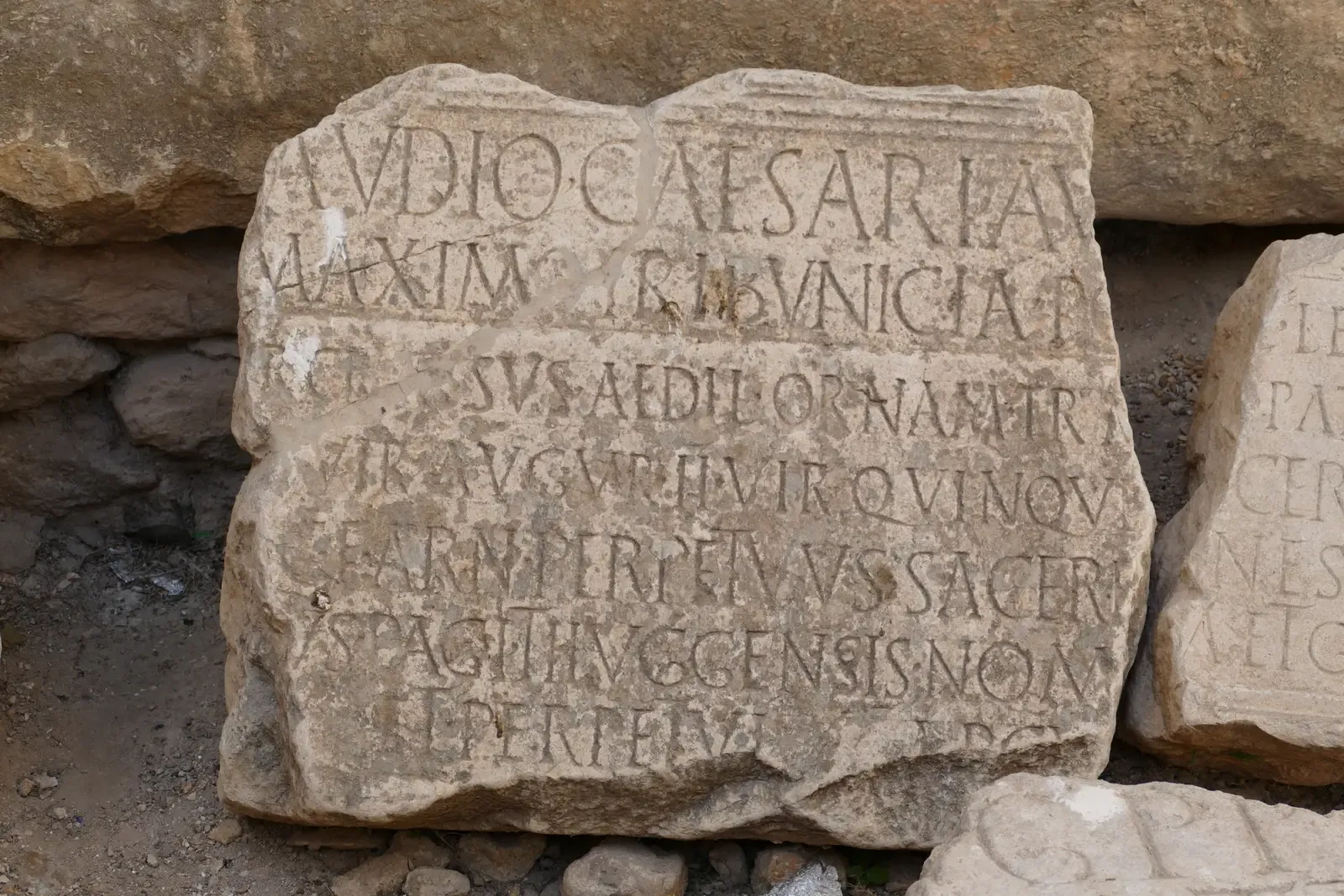
You do not need a lab or a PhD to start paying attention to the invisible information woven into physical things. Visiting a museum collection of rune stones, medieval wooden finds, or even local inscriptions from entirely different cultures can be a first step in training your eye to see writing as frozen physics: energy spent to impose order on matter. Supporting institutions that conserve and digitize these artifacts – through memberships, donations, or simply by showing up and engaging – helps ensure they remain readable to future researchers working with tools we cannot yet imagine. You can also follow projects that publish high-resolution scans or 3D models of inscriptions, turning your phone or laptop into a window on these deep-time conversations.
On a broader level, staying curious about how scientists extract stories from tree rings, ice cores, or rock layers connects the dots between runes and the planet’s own hidden scripts. When you hear about a new solar storm, a geomagnetic hiccup, or a climate anomaly, it is worth asking how people in the past might have experienced and recorded similar events without modern instruments. That mental exercise shifts runes from exotic symbols to early nodes in a long, ongoing experiment in storing and decoding information under the pressure of invisible forces. The next time you see those sharp, straight lines on stone, you might pause and wonder: what, in our world, will still be legible a thousand years from now – and who will be trying to read it?
Suhail Ahmed is a passionate digital professional and nature enthusiast with over 8 years of experience in content strategy, SEO, web development, and digital operations. Alongside his freelance journey, Suhail actively contributes to nature and wildlife platforms like Discover Wildlife, where he channels his curiosity for the planet into engaging, educational storytelling.
With a strong background in managing digital ecosystems — from ecommerce stores and WordPress websites to social media and automation — Suhail merges technical precision with creative insight. His content reflects a rare balance: SEO-friendly yet deeply human, data-informed yet emotionally resonant.
Driven by a love for discovery and storytelling, Suhail believes in using digital platforms to amplify causes that matter — especially those protecting Earth’s biodiversity and inspiring sustainable living. Whether he’s managing online projects or crafting wildlife content, his goal remains the same: to inform, inspire, and leave a positive digital footprint.