
Sleep looks simple from the outside – closed eyes, quiet room, lights out – but under the surface it’s a high-stakes biological ballet. I once spent a night in a sleep lab for a story and was stunned by the choreography on the screen: waves, spikes, and slow surges painting a story of a brain hard at work. For all our modern fixes – late-night caffeine, glowing screens, just-one-more-episode – biology still calls the shots. Scientists now frame sleep not as optional downtime but as an active system that tunes memory, immunity, and metabolism. The mystery has never been more compelling, and the solutions never more urgent.
The Hidden Clues: Your body keeps time even in total darkness
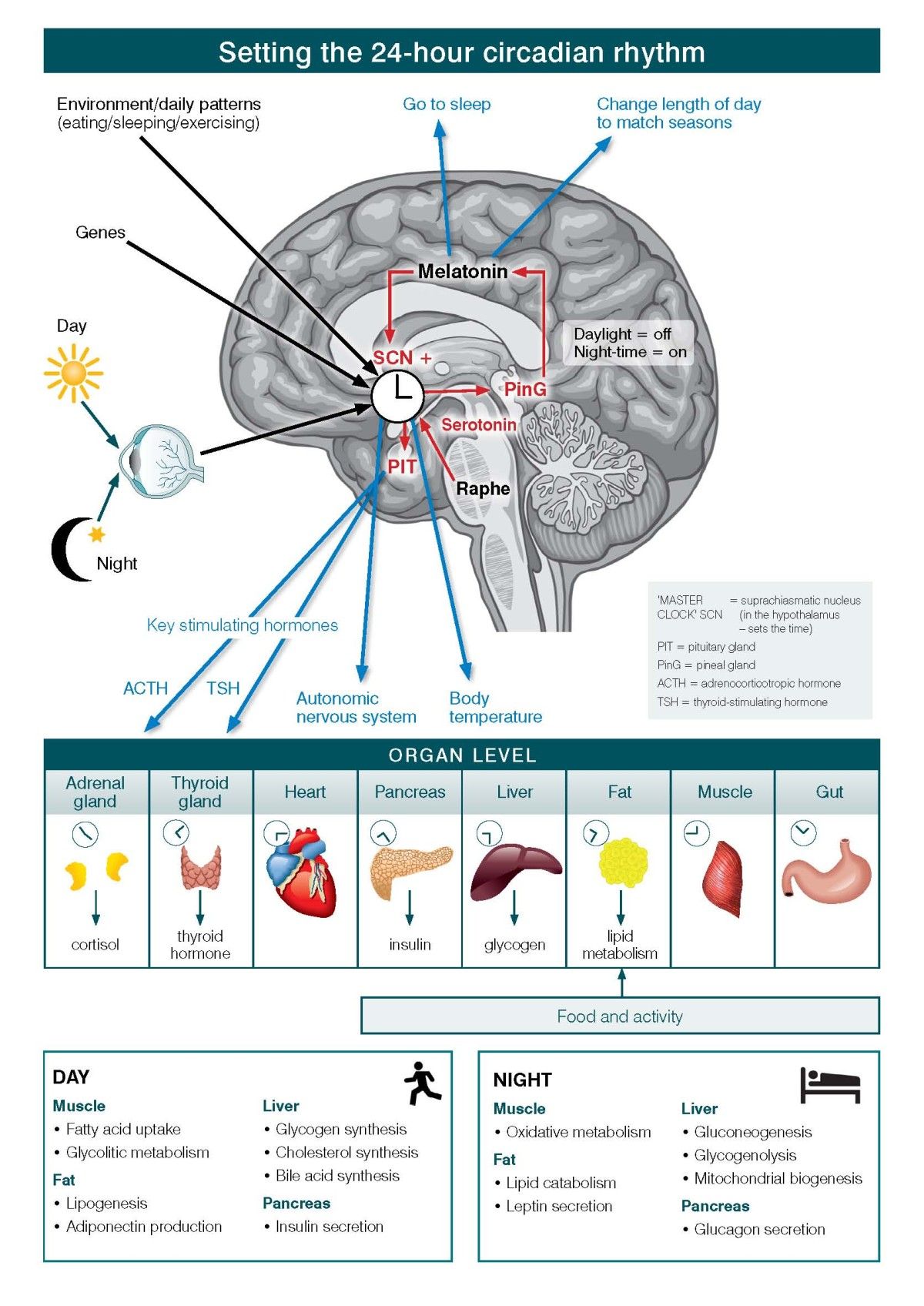
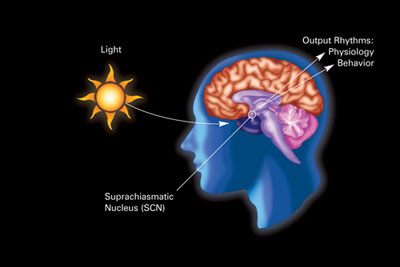
Deep in the brain, a tiny cluster of neurons called the suprachiasmatic nucleus acts like mission control for time. It listens to light picked up by special cells in the eye and quietly sets rhythms for temperature, hormones, digestion, and alertness. Even without sunrise or clocks, that internal metronome drifts on slightly longer than a day, revealing that the rhythm is built in rather than borrowed.
Cells outside the brain keep their own miniature clocks, from liver to gut to skin, and they expect a predictable schedule. When social schedules tug you away – late weekends, early Mondays – the mismatch creates what many researchers dub social jet lag. Over time, that tug-of-war can nudge mood, appetite, and performance in the wrong direction.
Two Engines : Circadian rhythm meets sleep pressure
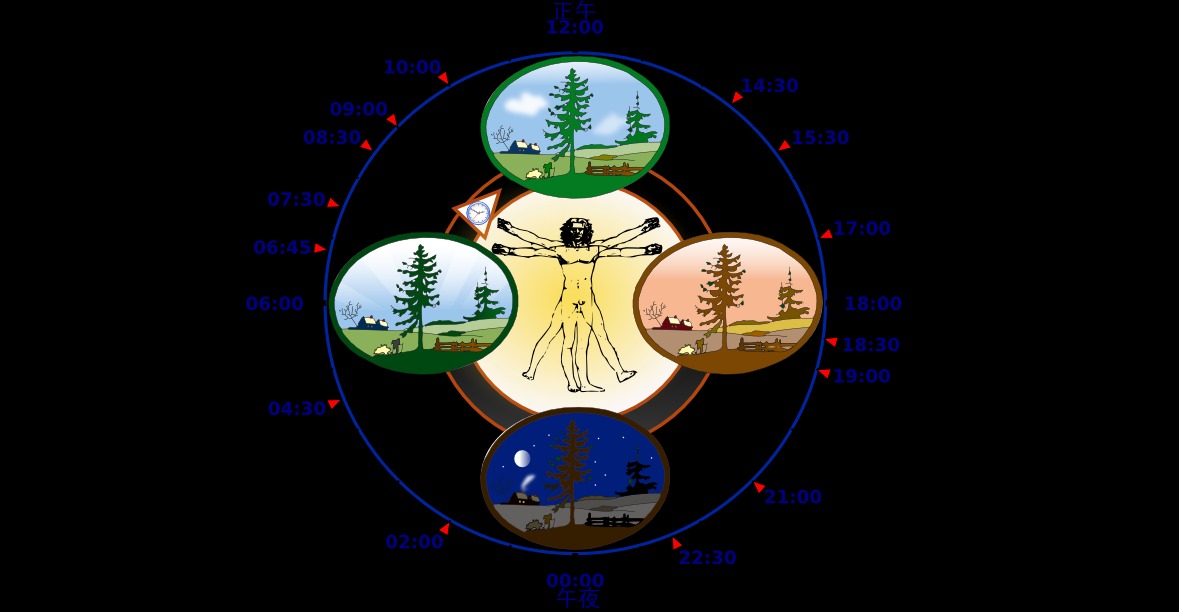
Falling asleep is not just about feeling tired; two systems must line up. The circadian clock tells you when to feel sleepy, while a separate pressure builds the longer you’re awake, driven by brain chemicals like adenosine. Caffeine works because it parks on adenosine’s receptors, masking the signal that says it’s time to rest.
Naps can lower that pressure and rescue an afternoon, but an ill-timed one can steal deep sleep from the night. Shift the timing of light and meals, and you tug the clock; adjust activity and naps, and you modulate pressure. Syncing both engines is the art ing well.
The Architecture of a Night: From light doze to fast-eye dreams
Sleep is not a straight line but a repeating cycle that spirals through stages. Light sleep opens the door, deeper stages lock in slow, high-amplitude waves, and dream-rich rapid eye movement arrives with a curious mix of paralyzed muscles and a revved-up brain. The first half of the night leans toward deep, slow-wave sleep; the second half tilts toward longer stretches of dreaming.
On a good night, the brain loops through these phases several times like movements in a symphony. Wake during deep sleep and you may feel foggy; wake at the end of a dream and you might feel strangely clear. That architecture is why consistent bedtimes matter more than heroic sleep-ins.
Memory’s Night Shift: How sleep edits, compresses, and stabilizes learning
Studying late can feel productive, but memory is finalized after the lights go out. During non-REM sleep, the hippocampus replays fresh experiences in quick bursts, and the cortex takes notes, strengthening useful connections while trimming noise. Sleep spindles – brief twitches of synchronized activity – often predict who will remember in the morning.
REM sleep then adds its own flourish, blending emotion and context so lessons stick without overwhelming the system. Think of it as an editor’s pass followed by a creative rewrite. Skimp on either pass and the story gets choppy.
The Brain’s Cleaning Crew: Deep sleep and the glymphatic wash
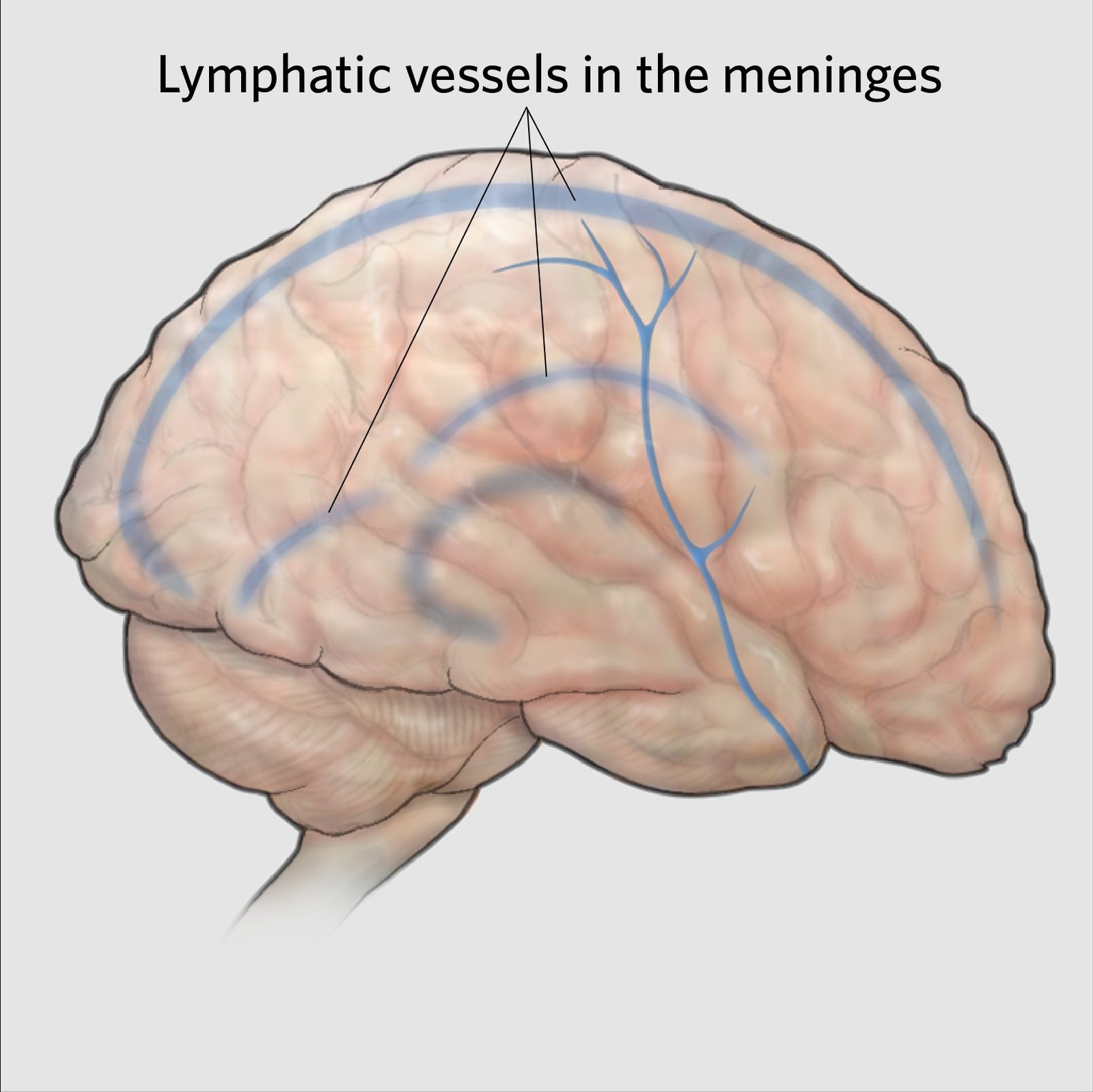
When slow waves roll during deep sleep, fluid pulses through brain tissue and ferries away metabolic byproducts. Researchers have spotlighted a network – often called the glymphatic system – that seems to ramp up during these stages, clearing substances the waking brain leaves behind. The idea is simple but striking: sleep is housekeeping for neurons.
While details are still being refined, the pattern is consistent with a basic warning: chronically short or fragmented sleep may let waste accumulate. It’s the cognitive equivalent of never taking the trash out. Over time, that mess can change how clearly you think and how steadily you feel.
From Ancient Tools to Modern Science: What sleep labs and wearables really measure
The modern sleep lab is a forest of gentle wires measuring brain waves, eye movements, muscle tone, oxygen, and breathing – an approach called polysomnography. It grew from early electrical recordings that first revealed the brain’s signals were not flat at night but alive with rhythms. That toolkit remains the gold standard for diagnosing apnea, insomnia subtypes, and REM-behavior disorders.
Consumer wearables ride a different road, using movement, heart rate, and temperature to estimate sleep stages. They’re great at trends – more or less sleep, earlier or later bedtimes – but they can mislabel stages and feed worry if taken too literally. Use them like a compass, not a courtroom.
Global Perspectives: Latitude, culture, and the tug of the twenty-four-seven economy
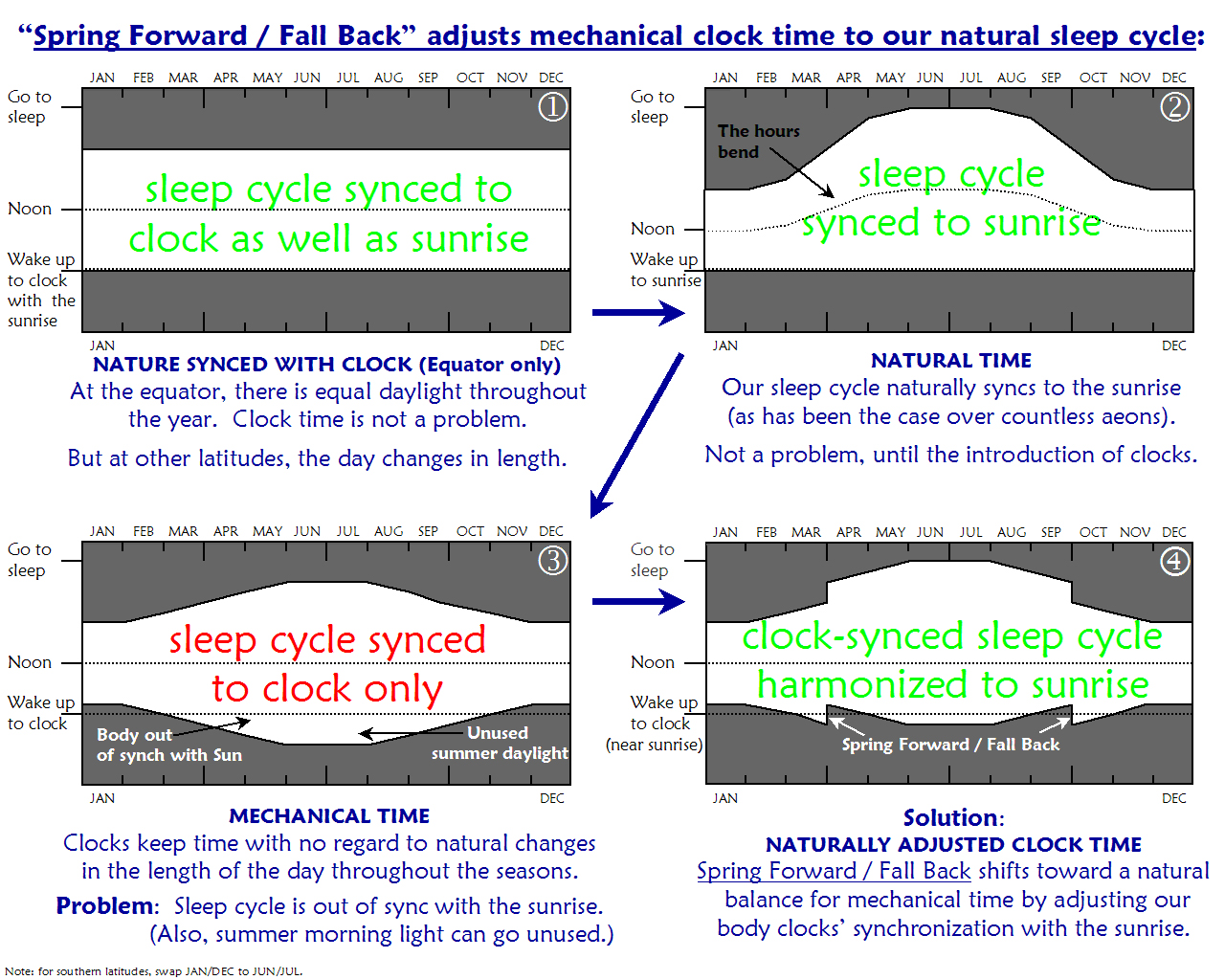
Sleep is a biological constant, but culture and geography reshape its expression. In equatorial regions, consistent light-dark cycles make routine easier; near the poles, extreme seasonal daylight can scramble the clock without careful light management. Some societies embrace midday rest, while others prize late-night connectivity and early productivity, squeezing sleep from both ends.
Urban noise, long commutes, and round-the-clock services pull many workers into nights and rotating shifts. Teenagers naturally run later, yet early school bells still dominate in many districts. Across borders, these forces add up to a quiet public-health gap that mirrors economic lines.
Immune Defenses on the Night Watch: From vaccines to inflammation
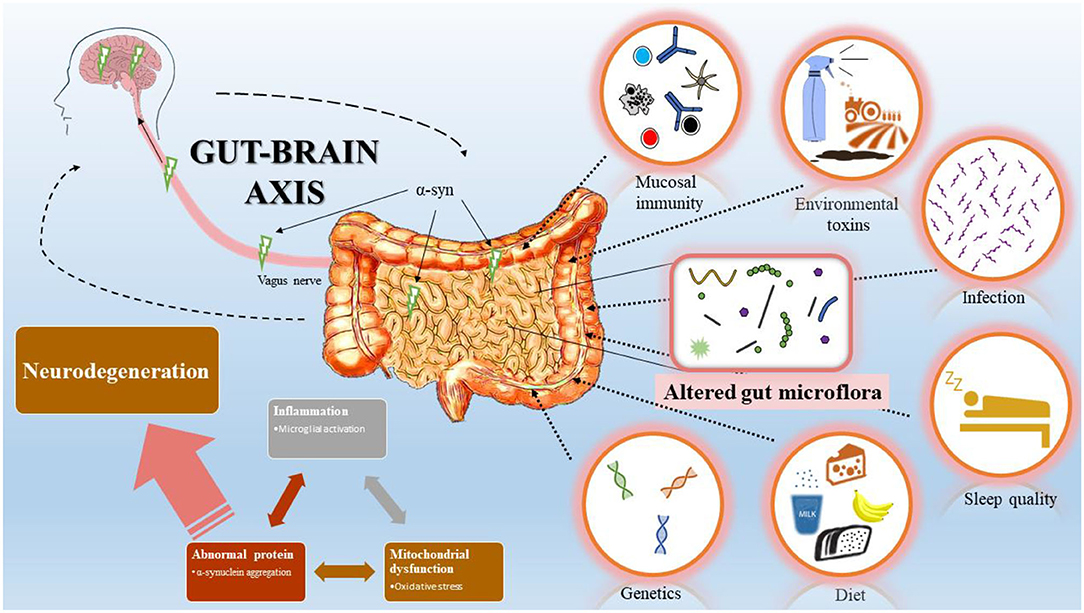
Sleep shapes the immune system’s choreography, tuning how cells talk and how bodies respond. Short sleep before or after vaccination has been linked to weaker antibody responses, a reminder that rest is not just recovery but preparation. Chronic sleep loss also nudges inflammation upward, the slow burn tied to heart and metabolic risks.
On the flip side, being sick often boosts the drive to sleep, and that extra rest helps marshal defenses. It is a feedback loop we feel in our bones: sleep protects immunity, and immunity asks for more sleep when needed. Ignore it for long and the system frays.
Why It Matters: Safety, equity, and the true cost of lost sleep
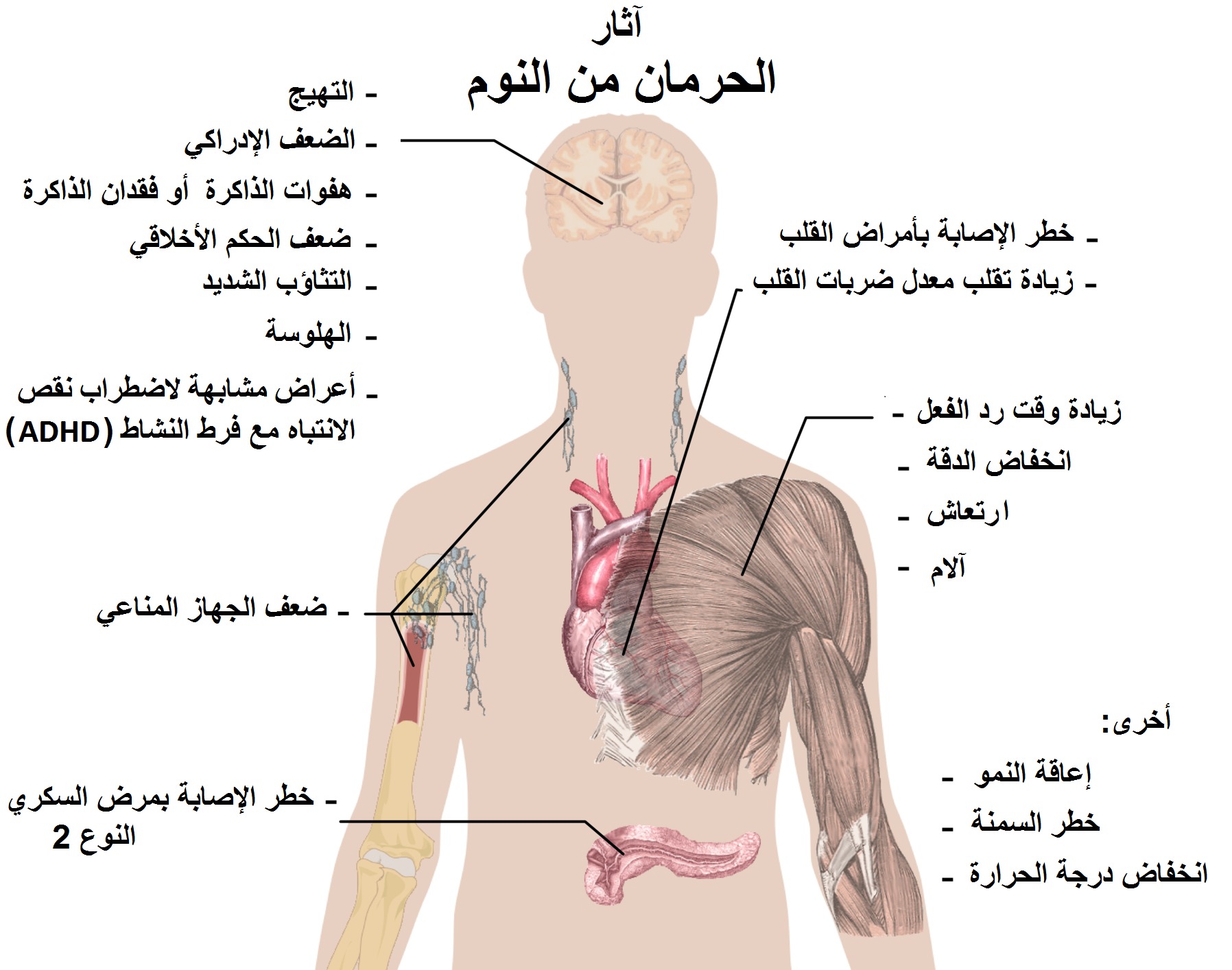
Sleep deprivation does not just erode moods; it shows up in crash reports, hospital errors, and factories where alertness is nonnegotiable. Pilots, truck drivers, and residents on call live close to the edge, where a moment of inattention can cascade into harm. The economic costs ripple outward in missed days, dulled creativity, and lower productivity that no double espresso can replace.
There’s also an equity story here. Lower-wage workers are more likely to work nights or juggle multiple jobs, and crowded housing can make quiet rest scarce. If we care about health, we must care about whether people can afford the time and conditions to sleep.
The Future Landscape: Smarter tech, better policy, and precision sleep medicine
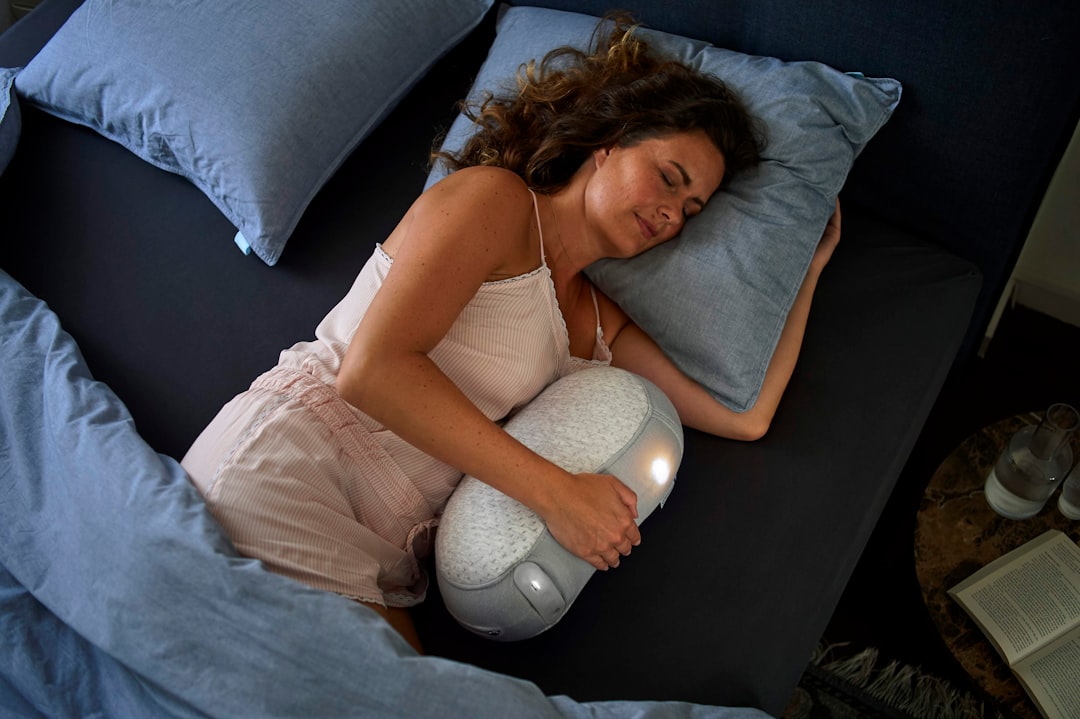
Researchers are testing closed-loop systems that listen to your brain waves in real time and nudge slow waves with gentle sounds to deepen restorative sleep. Light is becoming a prescription, with targeted spectra and timing to shift clocks without carpet-bombing the evening with glare. Digital programs for insomnia, grounded in cognitive-behavioral tools, are expanding access beyond clinic walls.
Algorithms are learning to parse sleep studies faster and more consistently, freeing clinicians to focus on care rather than paperwork. On the policy front, later school start times and smarter shift rotations could align biology with schedules. The global payoff could be fewer accidents, sharper minds, and health systems under less strain.
Conclusion: Small steps tonight, big dividends tomorrow
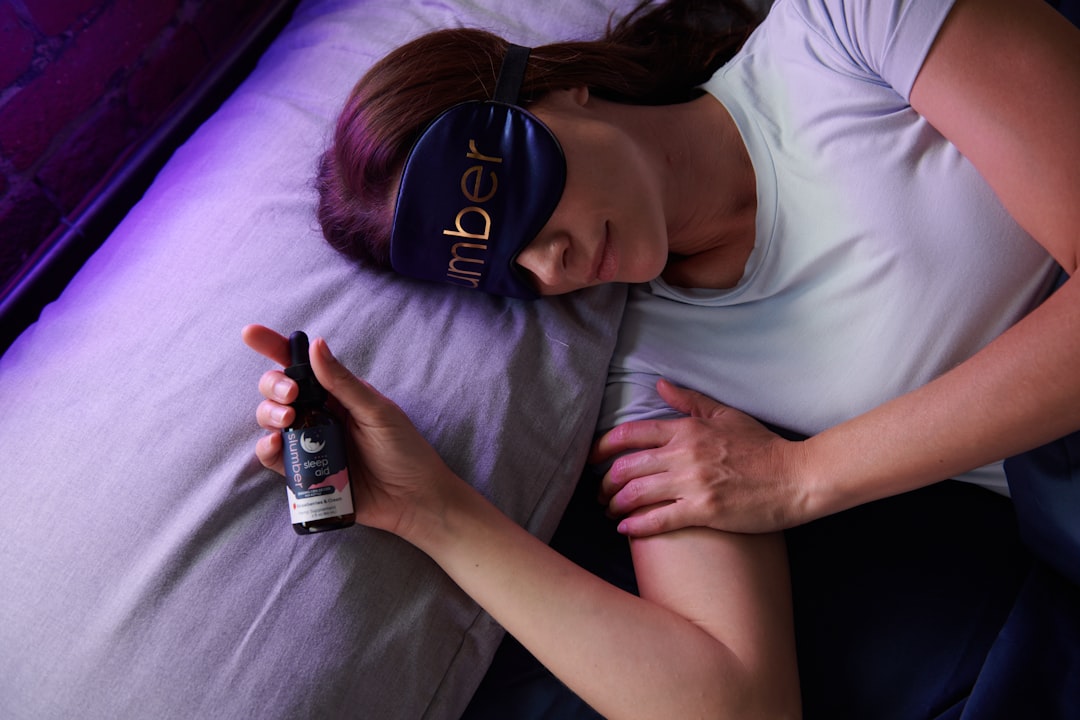
Anchor your sleep with a regular schedule, grab morning light, dim evenings, and keep your bedroom cool, dark, and quiet. Watch caffeine after midday and alcohol close to bedtime, since both can fragment deep sleep even if they help you doze. If snoring, gasping, or relentless insomnia are in the picture, talk with a clinician – treatable disorders are common and too often ignored.
Advocate for later school start times, humane shift rotations, and neighborhoods where sleep is possible, not just aspirational. For trustworthy guidance, consult national public-health and research agencies and support sleep science where you can. What one change will you make tonight to give tomorrow’s brain a better chance?
Suhail Ahmed is a passionate digital professional and nature enthusiast with over 8 years of experience in content strategy, SEO, web development, and digital operations. Alongside his freelance journey, Suhail actively contributes to nature and wildlife platforms like Discover Wildlife, where he channels his curiosity for the planet into engaging, educational storytelling.
With a strong background in managing digital ecosystems — from ecommerce stores and WordPress websites to social media and automation — Suhail merges technical precision with creative insight. His content reflects a rare balance: SEO-friendly yet deeply human, data-informed yet emotionally resonant.
Driven by a love for discovery and storytelling, Suhail believes in using digital platforms to amplify causes that matter — especially those protecting Earth’s biodiversity and inspiring sustainable living. Whether he’s managing online projects or crafting wildlife content, his goal remains the same: to inform, inspire, and leave a positive digital footprint.