
For more than two thousand years, Atlantis has lived in the space between myth and possibility: a drowned utopia, a warning tale, a tantalizing “what if” on the ocean floor. Today, the story is getting a second life in scientific journals as much as in conspiracy forums, with geologists, archaeologists, oceanographers, and satellite analysts all taking their shot at the riddle. Powerful new tools – from seafloor mapping to sediment DNA – are testing claims that once lived only in philosophy and legend. Yet the closer researchers get to the truth behind Atlantis, the more complicated the story becomes, forcing us to ask what we really mean by a “lost city” in the first place. Here are ten of the most surprising, contested, and quietly revolutionary facts emerging around one of history’s most enduring mysteries.
1. Atlantis Was Born as a Political Thought Experiment, Not a Travel Report
Atlantis did not start as a piece of geography but as a piece of philosophy. The only ancient source that truly describes Atlantis in any detail is the Greek philosopher Plato, writing in the dialogues Timaeus and Critias in the fourth century BCE. He used Atlantis as the stage for a moral drama about hubris, power, and the downfall of a supposedly perfect society that turns corrupt. For Plato’s original audience, the point was not “where is Atlantis?” but “what happens when a powerful state stops being just?”
Modern science takes this origin story seriously, because it means the earliest and most influential “data” about Atlantis was never meant as a field report. Many historians argue that Plato likely blended real memories of ancient disasters, such as volcanic eruptions or tsunamis, with invented details to make his warnings more vivid. When people chase Atlantis as if it were a precise map note, they risk treating an ancient cautionary tale like a GPS pin. That tension between story and science still shapes every new Atlantis headline today.
2. The Myth May Echo Real Catastrophes in the Bronze Age Mediterranean
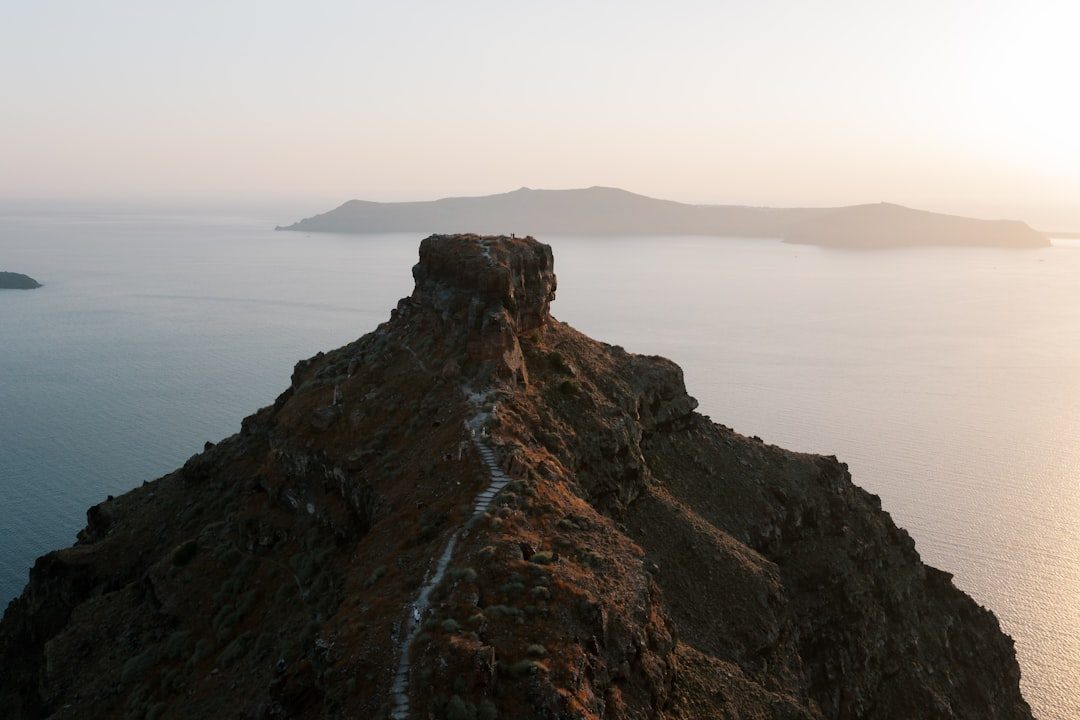
Even if Plato invented the island’s name and many of its details, researchers suspect he was echoing real disasters that scarred the ancient world. One of the most dramatic candidates is the eruption of the Thera volcano on the island of Santorini in the second millennium BCE, an event so massive it reshaped coastlines and likely triggered tsunamis across the Aegean. Archaeologists have uncovered a thriving Bronze Age city at Akrotiri on Santorini, preserved under ash in haunting detail, with multi-story houses, frescoes, and advanced drainage systems. It looks like the kind of place later storytellers might remember as a lost “high civilization.”
Other scholars point to coastal settlements destroyed by earthquakes and sea-level changes, from the eastern Mediterranean to North Africa and even beyond. These real-world catastrophes could have formed a kind of cultural memory bank that philosophers like Plato drew on. When people in the ancient world spoke of cities swallowed by the sea, they were not just imagining things; they were remembering parents’ and grandparents’ stories of shaking ground and receding, then roaring water. Atlantis, in this reading, becomes a concentrated symbol of many lost coastal worlds rather than one specific island.
3. Underwater Archaeology Is Finding “Atlantises” Everywhere – Just Not the One
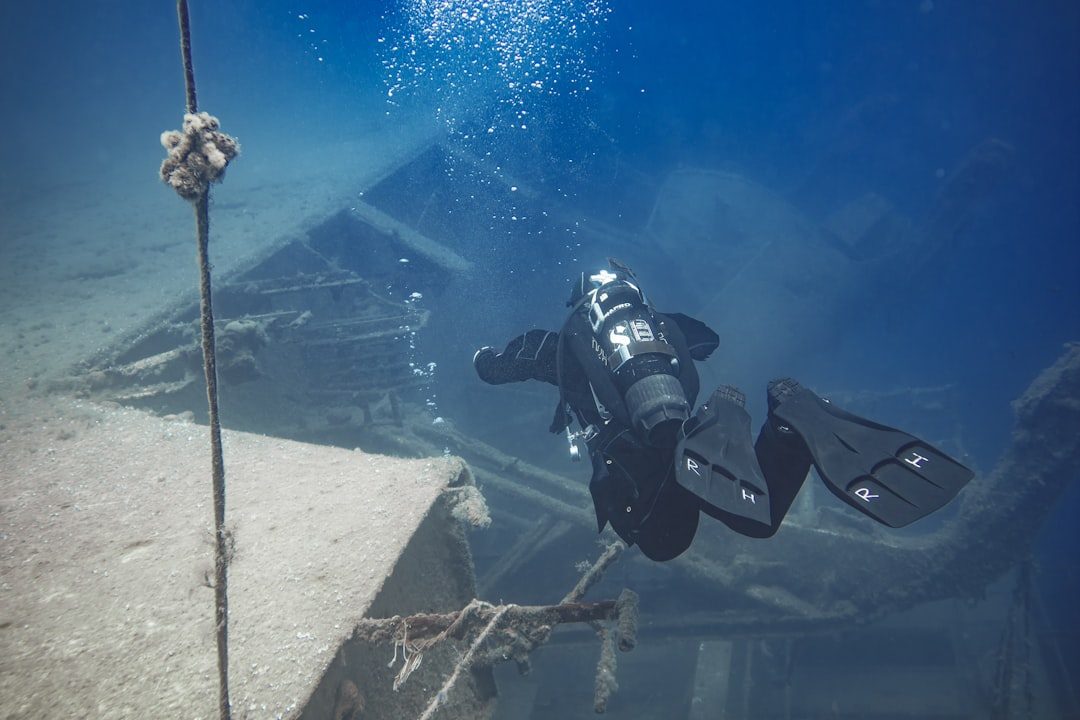
In the past few decades, underwater archaeologists have uncovered drowned cities and harbors on a scale that would have sounded like fantasy a century ago. Off the coast of Egypt, the now-famous sites of Thonis-Heracleion and Canopus were rediscovered, complete with temple ruins, colossal statues, and shipwrecks buried in silt. In the Black Sea, researchers have documented ancient shorelines and structures far below today’s water level, hinting at dramatic flooding events. Along Mediterranean and Atlantic coasts, sonar and submersibles keep revealing stone blocks, harbor works, and entire street grids where dry land once existed.
These finds prove a simple but often overlooked point: lost coastal cities are not rare miracles, they are what happens when sea levels shift over centuries and millennia. Roughly about one third of the global population today lives in coastal zones, meaning that future archaeologists will likely see our age as another Atlantis factory. Yet none of these documented sites matches Plato’s description perfectly in location, age, or scale. Instead of one big reveal, science has given us a constellation of partial Atlantics – each real, each fascinating, and none quite fitting the mythic template.
4. High-Tech Seafloor Mapping Is Redrawing the Search Map
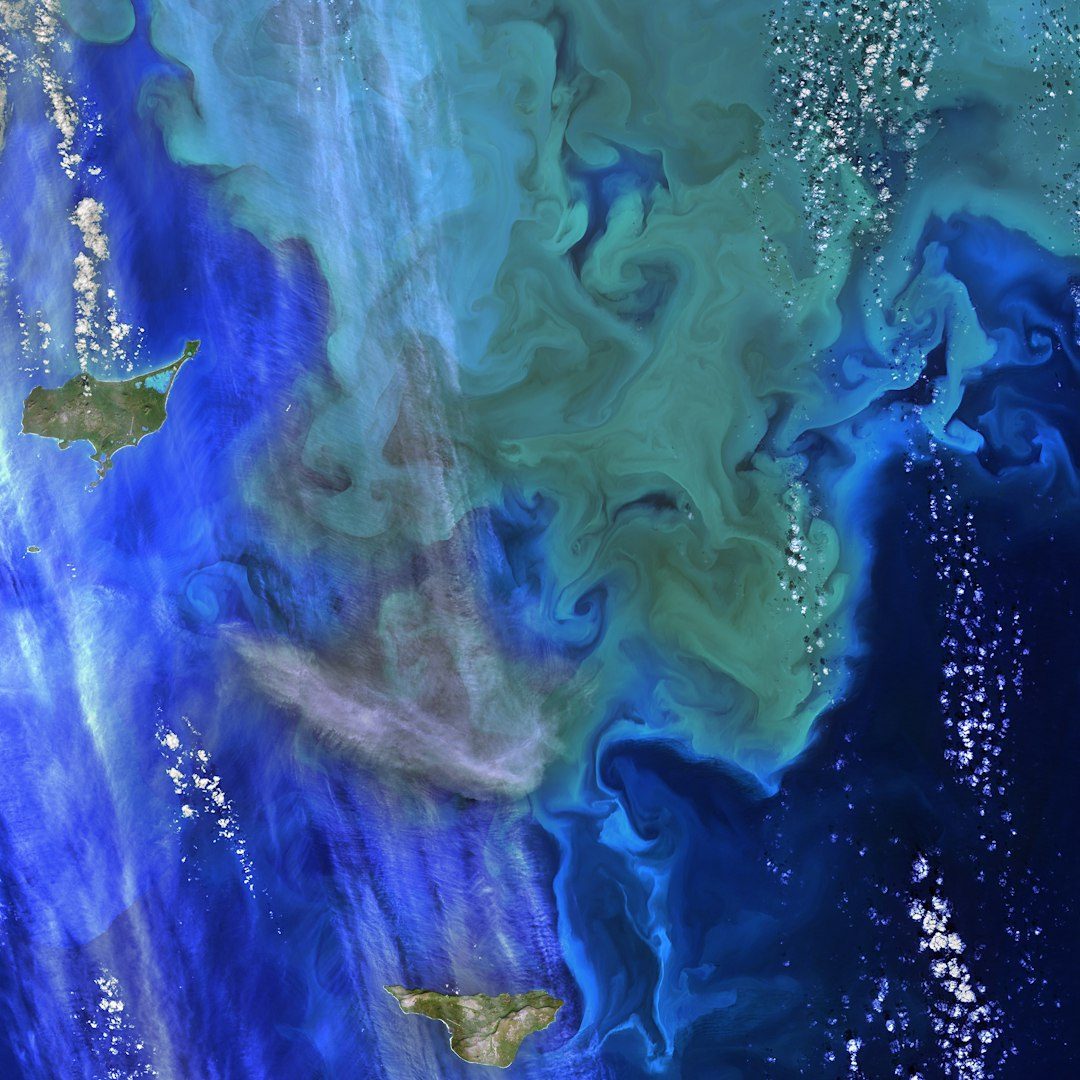
The hunt for Atlantis has quietly become a testbed for advanced ocean-mapping technology. Multibeam sonar, autonomous underwater vehicles, and satellite altimetry are now capable of generating detailed seafloor maps where older generations saw only blank blue. Oceanographers routinely scan continental shelves and mid-ocean ridges, turning up submerged river valleys, landslide scars, and fault lines that tell the story of ancient coastlines. What used to be guesswork is now layered digital terrain that can be explored on a laptop.
These tools are closing off some of the wilder claims. Large sections of the Atlantic seafloor, for example, have been mapped at resolutions good enough to rule out gigantic, city-sized stone structures in many proposed locations. At the same time, the technology opens up more plausible candidates on shallow continental shelves, where lower sea levels during the last Ice Age would have exposed land now underwater. The irony is that the more detailed our maps grow, the less room there is for a blockbuster, made-for-movie Atlantis, and the more compelling the smaller, subtler, and more human-scale stories become.
5. Geological Evidence Challenges a Sudden “One-Night” Sinking
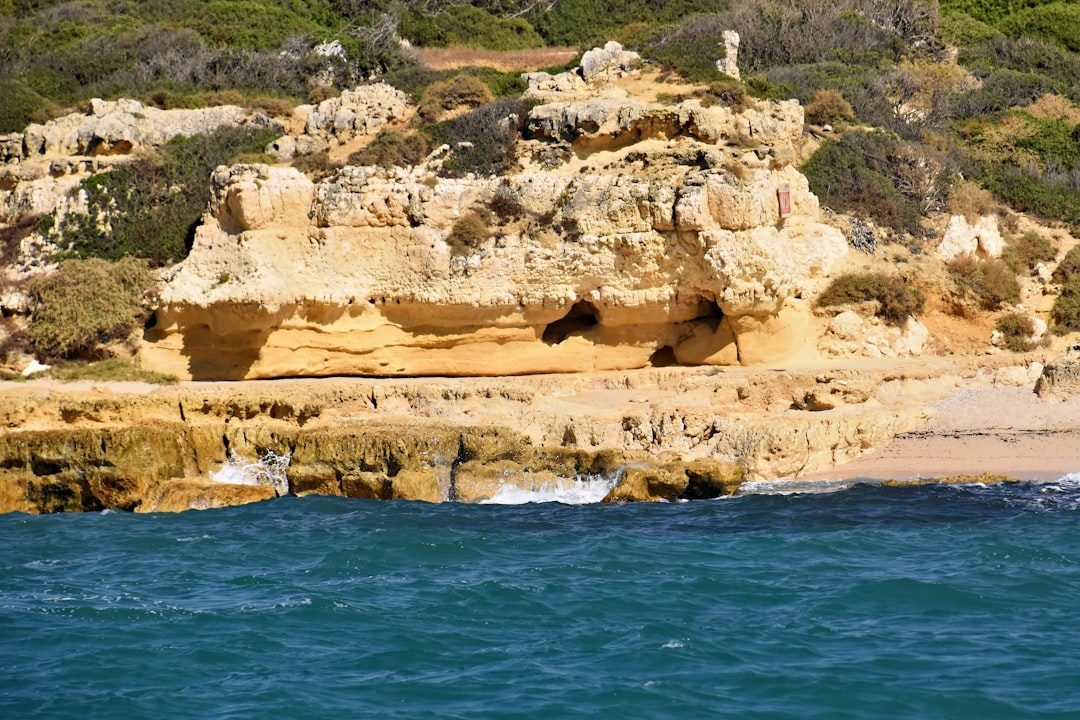
A central drama in the Atlantis story is the idea of a civilization swallowed by the sea in a single terrible night and day. From a geological perspective, that kind of instant, total destruction of a large island is extremely unlikely without leaving obvious signatures like massive volcanic calderas or impact craters. Instead, most coastlines change through a messy mix of slow sea-level rise, gradual erosion, and episodic disasters such as tsunamis and earthquakes. These can certainly wipe out individual cities or ports in hours, but not entire continents.
Core samples from seafloors and coastal lagoons tell a story written in sand, silt, and microscopic fossils. Layers rich in tsunami debris or ash sit between calmer deposits, like exclamation points in a quieter sentence. When researchers line up these records with known human settlement dates, they see patterns of destruction and rebuilding, not singular, final drownings on a continental scale. That evidence pushes the Atlantis debate toward more nuanced scenarios – perhaps a real port city destroyed quickly, whose story later swelled into a civilization-level catastrophe in the telling.
6. Why It Matters: Atlantis as a Mirror for Climate Risk and Cultural Memory
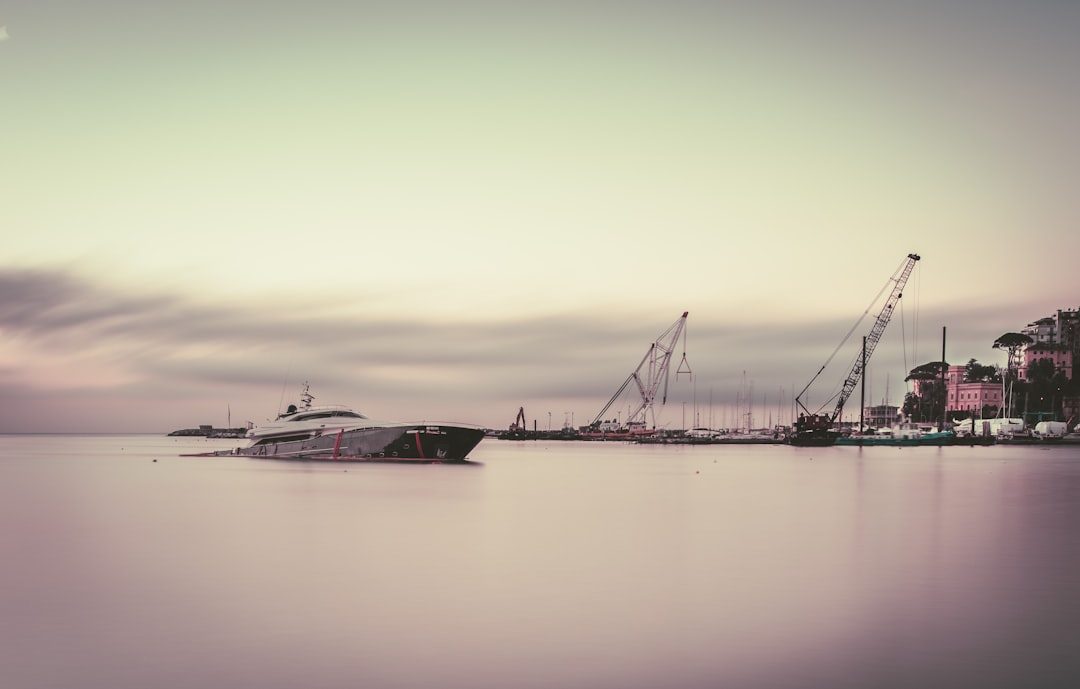
It might be tempting to dismiss Atlantis as a sideshow, but the questions wrapped up in the myth cut straight into today’s biggest scientific and social challenges. As global temperatures rise, seas are climbing at a pace that will, over coming centuries, redraw coastlines and displace millions. The world is, in a slow-motion way, creating its own future Atlantics: cities that will be partly or entirely lost to water. When scientists reconstruct past drownings of coastal communities, they are not just solving puzzles; they are previewing our collective future.
Atlantis also forces us to confront how societies remember disaster. Ancient people turned floods and quakes into stories of angry gods and cursed cities; we turn them into graphs, models, and risk maps. Both approaches are ways of coping with the same vulnerability. Comparing Plato’s moralized Atlantis with modern climate science reveals a continuity in human anxiety about overreach, arrogance, and building too close to the edge – literally and metaphorically. In that sense, the myth matters not because it hides a perfect GPS location, but because it reflects the uneasy relationship between power, environment, and memory that still defines our century.
7. From Fringe Theories to Peer-Reviewed Debates
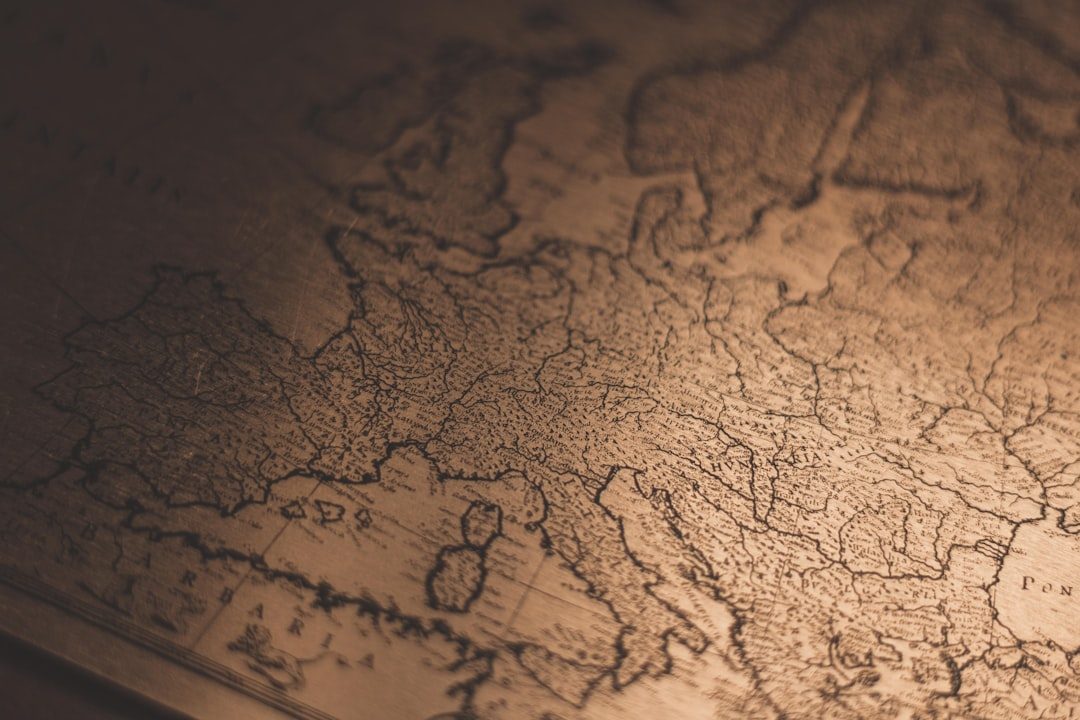
For much of the twentieth century, Atlantis talk lived mostly on the fringes, lumped together with lost continents and UFO landing strips. Serious researchers largely stayed away, wary of being associated with speculative books that placed Atlantis everywhere from Antarctica to the middle of the Sahara without solid evidence. In the last few decades, though, there has been a subtle shift. While few scientists accept the idea of a single, literal Atlantis as described by Plato, more are willing to examine specific geographic and archaeological scenarios that might have inspired the tale.
That has led to a patchwork of peer-reviewed studies on ancient tsunamis, submerged shorelines, and catastrophic eruptions linked – sometimes cautiously, sometimes enthusiastically – to the Atlantis narrative. The conversation has moved from “Is Atlantis real?” to more concrete questions such as “Which Bronze Age ports were destroyed by known tsunamis?” and “How did those disasters spread through oral tradition?” This reframing brings Atlantis into the mainstream of questions about human resilience, hazard mapping, and cultural transmission. It remains a magnet for speculation, but it is also quietly becoming a respectable lens for studying how we tell stories about catastrophe.
8. Global Perspectives: Why So Many Places Claim to Be Atlantis
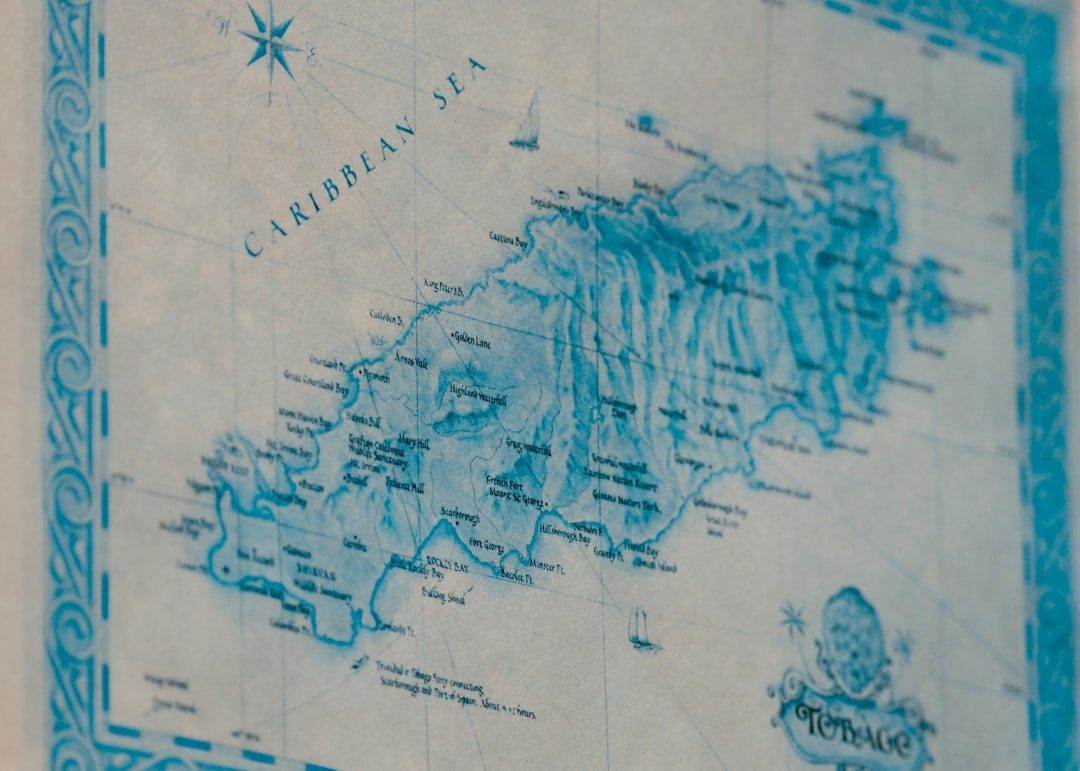
Look around the world and you’ll find potential Atlantises in the Caribbean, the North Sea, the Mediterranean, the Atlantic coasts of Europe and Africa, even deep in continental interiors. Local guides, tourism boards, and enthusiastic researchers often point to submerged ruins, strange landforms, or old maps as supporting evidence. Part of this is simple fascination and, in some cases, economic incentive: a legendary lost city is a powerful draw for visitors and media coverage. But there is also something more human at work.
Atlantis has become a kind of global template for loss and longing. Every region with a memory of vanished coasts, sunken temples, or storm-devoured villages can plug its own stories into the larger myth. In that way, Atlantis has turned into a shared vocabulary for talking about the intersection of pride, disaster, and nostalgia. When multiple cultures claim the legend, they are not necessarily competing over a single “true” location; they are expressing a common desire to anchor their history in something epic, tragic, and unforgettable.
9. The Future of the Search: From Sediment DNA to AI-Enhanced Surveys
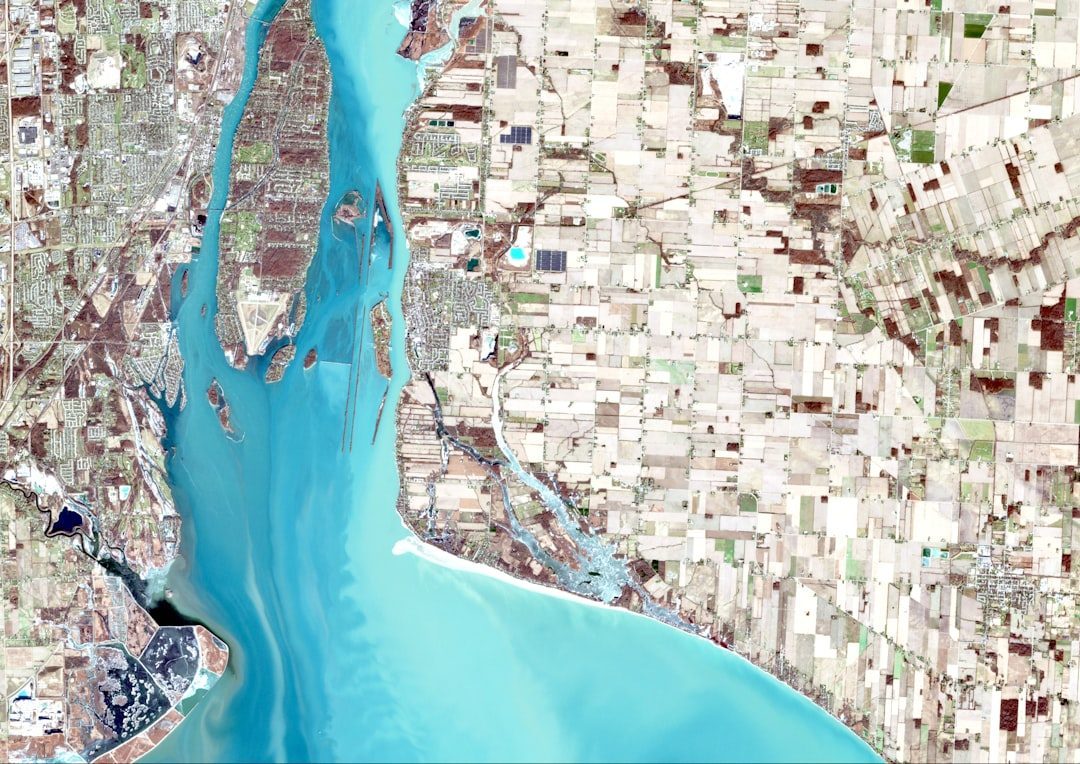
The next wave of Atlantis-related research will not look much like the romantic image of divers stumbling on marble columns. Instead, it will look like laptops crunching through enormous datasets. Emerging techniques such as environmental DNA analysis can pull genetic traces from seafloor sediments, revealing what kinds of plants, animals, and sometimes even human activity were present before an area flooded. High-resolution satellite imagery, combined with machine learning, can flag subtle patterns – rectilinear shapes, harbor-like curves – that might indicate buried structures on land or in shallow water.
At the same time, global projects are stitching together everything from sonar scans to historic charts into unified digital atlases of past coastlines. As these tools mature, they will make it easier to test specific Atlantis proposals without expensive expeditions, by checking whether a site’s age, geology, and flood history match what we know. The likely outcome is not a single triumphant discovery, but a steadily clearer picture of how many coastal societies rose and fell long before written records. In chasing a myth, science may end up giving us something even more valuable: a detailed, data-rich prehistory of how humans learned – again and again – the cost of building on the edge of the sea.
10. How You Can Engage With the Real Science Behind the Myth
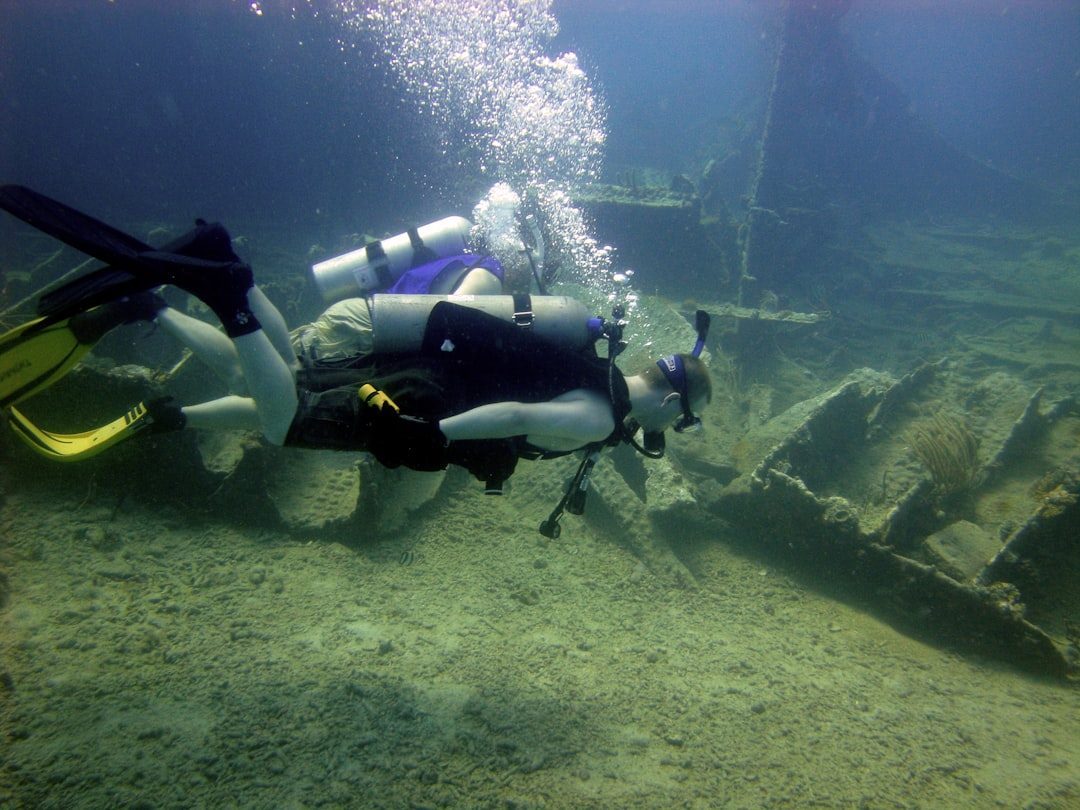
You do not need a research vessel or a scuba certification to take part in the modern story of Atlantis. Many oceanographic institutes and archaeological projects now share open data, interactive maps, and virtual dives that let anyone explore submerged landscapes from home. Citizen science platforms invite volunteers to help classify seafloor imagery, spot possible structures, or transcribe old ship logs that contain clues about historic coastlines. Small actions like supporting marine conservation groups or coastal heritage organizations help protect the very sites that could answer questions about past and future sea-level change.
On a more personal level, engaging with Atlantis responsibly means learning to love the science as much as the legend. It means asking, when you see a dramatic news story or video, what kinds of evidence back the claims and how they fit with what geologists and archaeologists already know. It also means recognizing that the real drama is not just in a single lost island, but in the ongoing negotiation between human ambition and a restless planet. In that larger story, every flooded village, eroding coastline, and preserved harbor is a chapter – and all of us are, whether we like it or not, characters in the next one.
Suhail Ahmed is a passionate digital professional and nature enthusiast with over 8 years of experience in content strategy, SEO, web development, and digital operations. Alongside his freelance journey, Suhail actively contributes to nature and wildlife platforms like Discover Wildlife, where he channels his curiosity for the planet into engaging, educational storytelling.
With a strong background in managing digital ecosystems — from ecommerce stores and WordPress websites to social media and automation — Suhail merges technical precision with creative insight. His content reflects a rare balance: SEO-friendly yet deeply human, data-informed yet emotionally resonant.
Driven by a love for discovery and storytelling, Suhail believes in using digital platforms to amplify causes that matter — especially those protecting Earth’s biodiversity and inspiring sustainable living. Whether he’s managing online projects or crafting wildlife content, his goal remains the same: to inform, inspire, and leave a positive digital footprint.