
They have been blamed for everything from the rise of Sumerian cities to secret space programs on the far side of the Moon, yet remain strangely undefined in most people’s minds. Depending on who you ask, they are either ancient Mesopotamian deities, misremembered rulers, or a race of alien engineers who tinkered with human DNA. In an age when we can edit genomes, detect exoplanets, and simulate early galaxies, the idea of godlike beings stepping out of the sky feels both outdated and uncomfortably modern. That tension between myth and evidence is exactly where the story of becomes scientifically interesting. If you strip away the sensational claims and internet conspiracies, what is actually left?
The Hidden Clues In Clay: Who The Annunaki Really Were
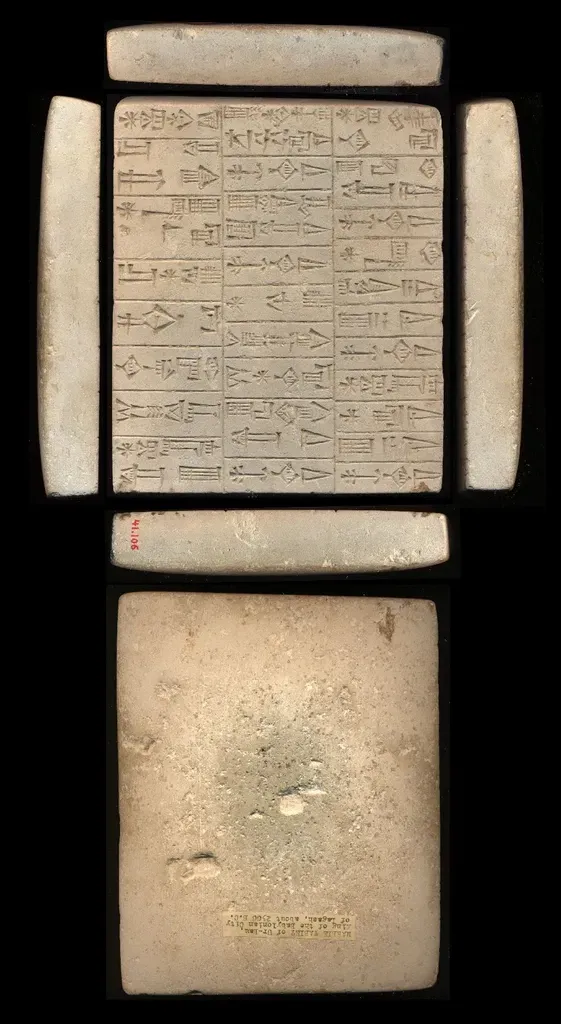
The word “Annunaki” does not come from UFO forums but from cuneiform tablets baked in Mesopotamian sun thousands of years ago. In Sumerian and Akkadian sources, the Annunaki show up as a group of deities connected with the heavens, the underworld, and the ordering of the cosmos. Far from being a single all‑powerful sky god, they were more like a council or extended divine family, with roles that shifted across cities and centuries. When you read translations of these tablets, what jumps out is how human their dramas feel: rivalries, judgments, feasts, and bargains.
For archaeologists and historians, this is the starting point: the Annunaki as part of a complex mythological system embedded in early urban life. Their stories helped make sense of floods, crop failures, plagues, and the terrifying unpredictability of the Tigris and Euphrates. In that sense, they were less about aliens and more about anxiety management for the first city‑dwellers. That human need to project order onto chaos is the thread that will quietly follow us through all ten facts.
From Underworld Judges To Sky Powers: How Their Role Shifted
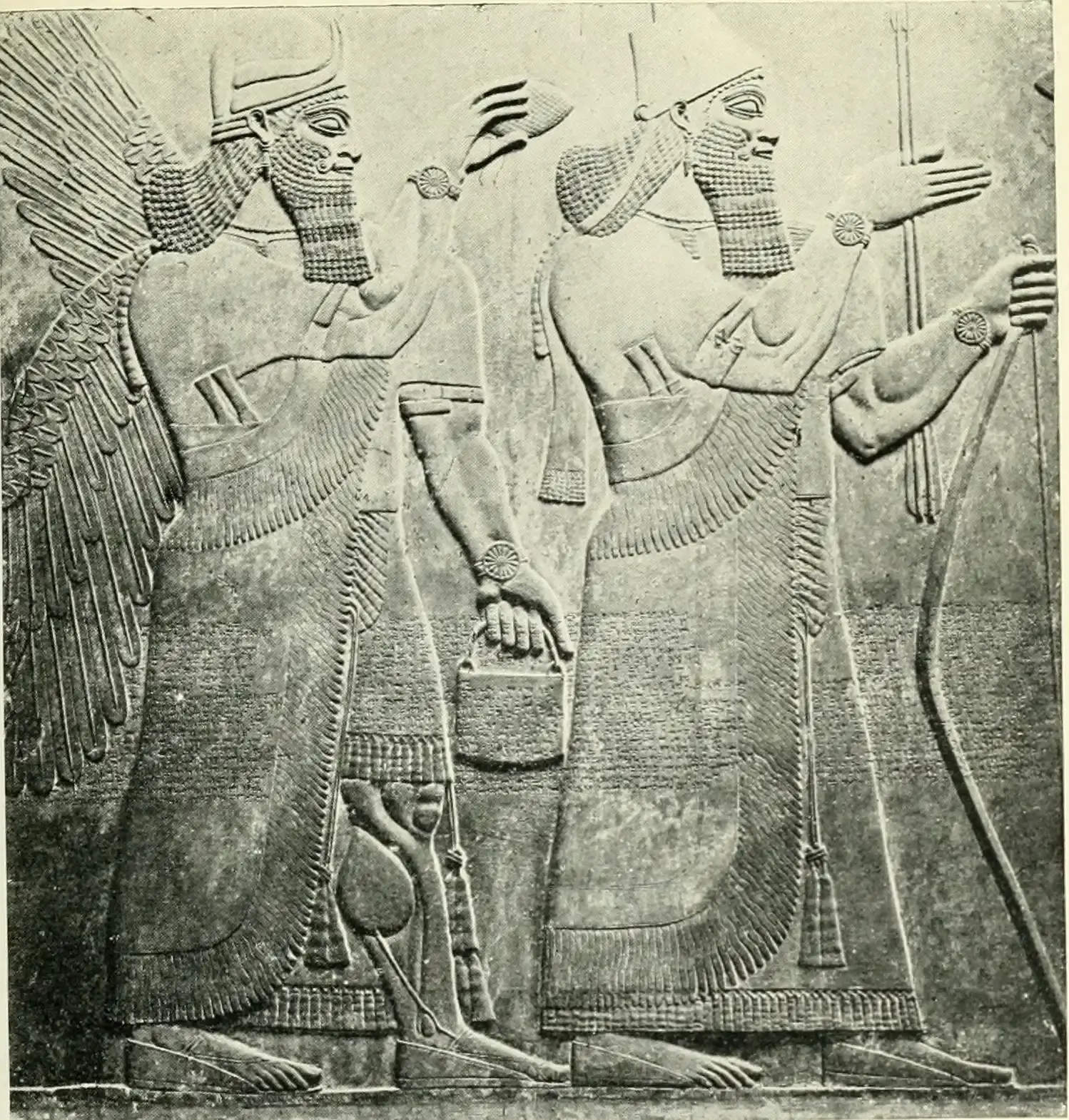
One surprising fact is that the Annunaki were not always framed as lofty sky gods; in many texts they are strongly tied to the underworld. Some traditions describe them as judges of the dead, presiding over fates after burial, which is a long way from the techno‑gods of modern pseudo‑history. Over time, as empires rose and fell and city cults merged, the label “Annunaki” broadened and sometimes just meant “the great gods.” This kind of mythological drift is completely normal when stories are copied, reinterpreted, and used for new political agendas.
Think of it like software that keeps getting patched by different developers; eventually the original core is still there, but the interface looks very different. When later peoples borrowed Sumerian motifs, they pulled the Annunaki along, but wired them into their own pantheons and rituals. That is why you can read one text where they are remote cosmic forces and another where they are almost like a courtroom of stern ancestors. The inconsistency is not a bug – it is the historical fingerprint of centuries of cultural remixing.
Fact Versus Fantasy: What Ancient Tablets Actually Say
If the Annunaki were genuinely described as alien engineers in ancient times, we would expect to see that clearly in the tablets. What we actually find are hymns, myths like the Epic of Gilgamesh, royal inscriptions, and ritual texts that place the Annunaki firmly in a sacred, symbolic universe. There is no straightforward description of spacecraft, genetic labs, or star maps that would pass even a casual scientific smell test. Instead, we see metaphors about boats, chariots, winds, and shining splendor that fit the poetic language of their age.
Modern claims often cherry‑pick a single ambiguous phrase and then reinterpret it through twenty‑first‑century technology, like reading a reference to a “heavenly boat” as a literal rocket. When scholars reconstruct grammar across many tablets and compare parallel myths, those dramatic sci‑fi readings fall apart. What remains is still strange and beautiful, but in a very human way: storm gods that roar like lions, councils of deities deciding royal destinies, and underworld gates guarded by fearsome beings. The gap between that and the internet’s Annunaki is not a small misunderstanding – it is a rewrite on an epic scale.
Why Aliens Entered The Story: The Modern Annunaki Myth
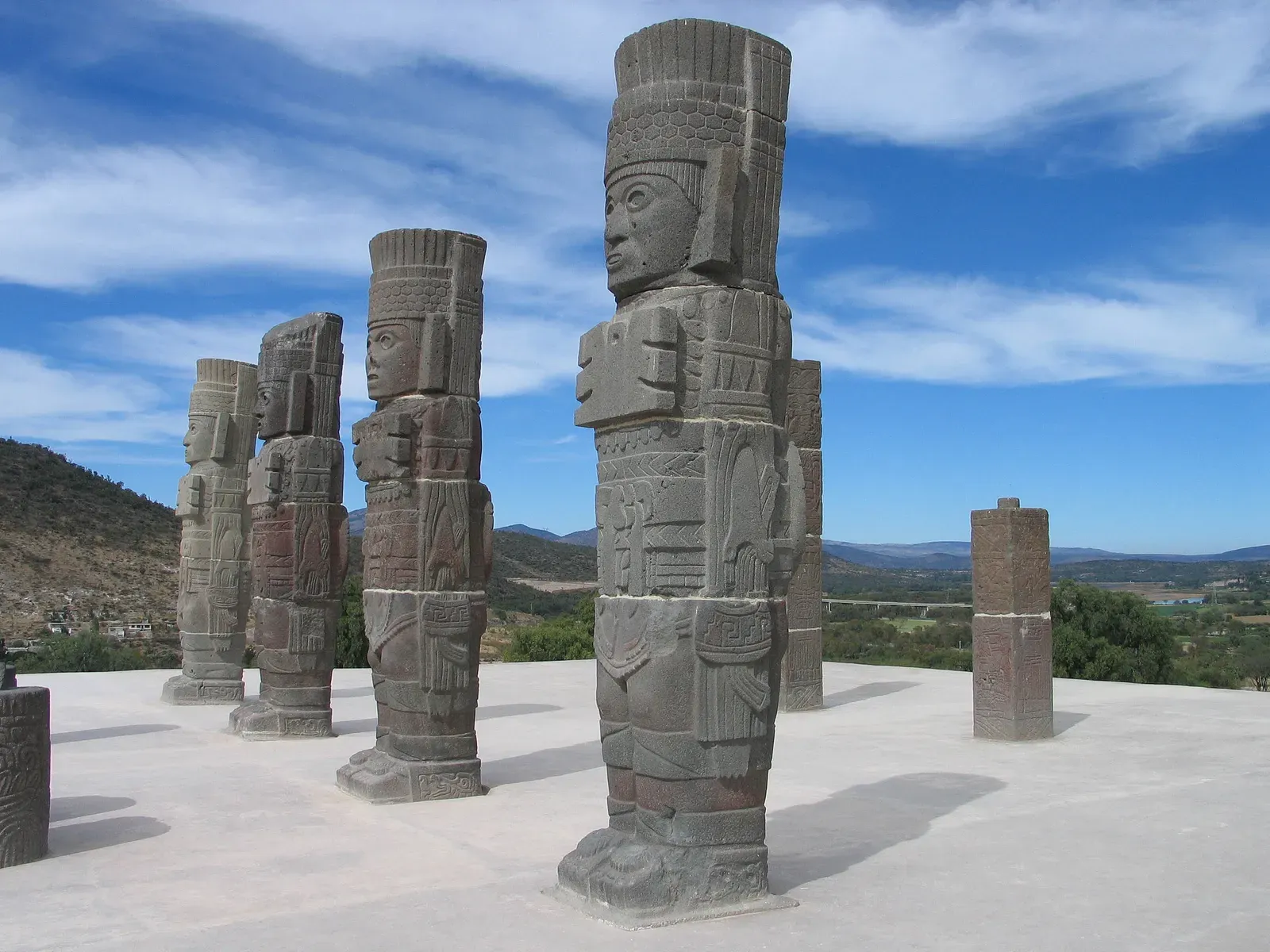
The idea of the Annunaki as extraterrestrial visitors really takes shape in the twentieth century, when authors began blending Mesopotamian myths with early space‑age anxieties. As rockets, satellites, and moon landings moved space from fantasy to reality, old stories about sky gods suddenly looked ripe for a technological reinterpretation. Books and television shows started asking whether ancient gods across cultures might have been misunderstood astronauts. The Annunaki, with their association to “heaven” and their role in creation myths, became prime candidates.
This modern myth taps into several powerful psychological levers at once. It suggests that humanity did not rise alone, which is both comforting and unsettling. It offers a shortcut explanation for archeological puzzles, instead of the slower, messier work of excavation, translation, and debate. And it wraps all of that in a grand conspiracy narrative in which governments and academics are allegedly hiding “the truth.” Once that blend hits popular culture, it spreads faster than any clay tablet ever could.
Genetic Engineers Or Sacred Storytellers? The DNA Claim Examined
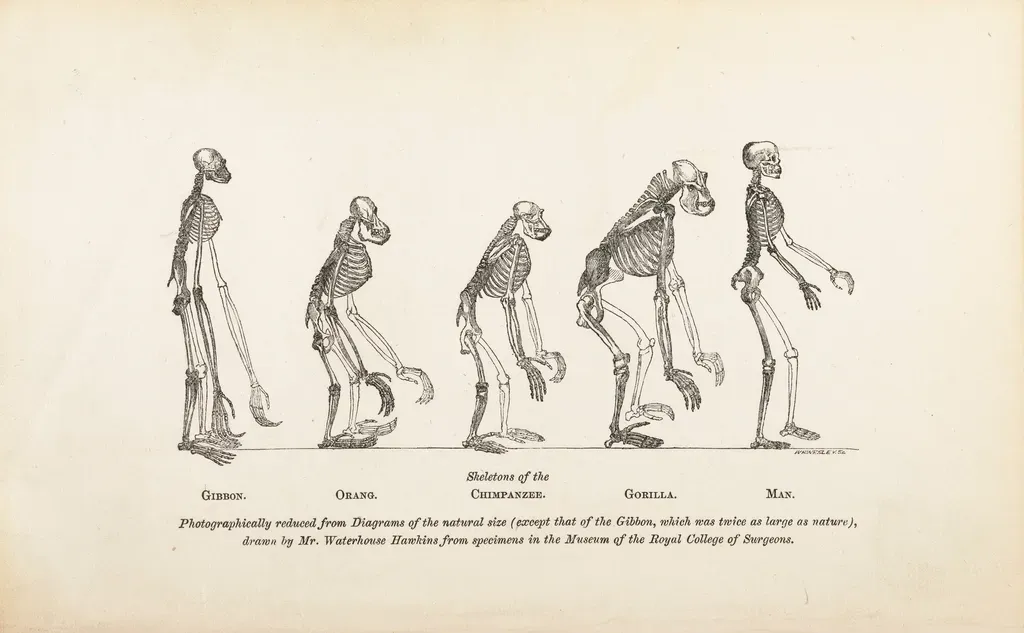
One of the boldest Annunaki claims is that they genetically engineered humans as a slave race to mine gold or perform labor. From a modern scientific standpoint, this runs headfirst into what we know from genetics, paleoanthropology, and archaeology. Fossil records show a gradual, branching evolution of hominins over millions of years, not a sudden leap that screams lab intervention. Our DNA carries the scars of countless mutations, bottlenecks, and admixture events with other hominin groups such as Neanderthals and Denisovans.
If an advanced civilization had dramatically spliced our genome in the relatively recent past, we would expect strange discontinuities or engineered signatures that stand out against this evolutionary backdrop. Instead, what we see is deep continuity with other primates and a timeline of change that lines up with environmental pressures and migration. Meanwhile, the Mesopotamian creation stories that are cited as “evidence” read like mythic just‑so tales, not lab notebooks. They explain social hierarchies and divine authority much more clearly than they explain chromosomes. The engineering story is exciting, but the data stubbornly points elsewhere.
Why It Matters: Science, Myth, And How We Decide What’s True

At first glance, arguing might seem like harmless fringe fun, but it actually cuts to the heart of how we handle evidence. When people treat myths as encrypted history while dismissing whole fields of research, they reverse the burden of proof. Claims about alien Annunaki are often insulated from criticism by shifting standards: when archaeologists debunk one point, the story morphs instead of updating or admitting error. That is the opposite of how science is supposed to work.
What worries many researchers is not that a few folks enjoy wild stories, but that this mindset bleeds into how the public thinks about climate change, vaccines, or AI risk. If you grow used to trusting the most dramatic explanation rather than the best‑supported one, you build mental habits that are tough to turn off. Traditional historical methods – cross‑checking sources, testing translations, comparing material culture – might look slow and boring next to a YouTube documentary, but they are what keep us tethered to reality. In that sense, the Annunaki debate is a small, vivid case study in our broader struggle over what counts as knowledge.
The Human Imagination: Why We Keep Inventing Sky Beings
There is also a softer, more empathetic way to read the modern Annunaki obsession: as a mirror of our hopes and fears. Humans have always filled the sky with beings who watch, judge, rescue, or threaten us. Today, those beings shift from gods to aliens, but the psychological role is not so different. They embody the feeling that we are not alone, that someone older and smarter is out there with answers we do not yet have.
I remember staring up at a clear night sky as a kid, half expecting something to blink back in a deliberate pattern, and feeling a mix of thrill and dread. That emotional charge is powerful fuel for storytelling, and it does not simply vanish when we grow up and learn about exoplanet statistics. The Annunaki are one more canvas we use to project that energy. Instead of mocking that impulse, we can ask what it reveals about us: our discomfort with randomness, our unease about our own power, and our longing for a bigger narrative.
The Future Landscape: Real Searches For Non‑Human Intelligence

Ironically, while pop culture argues , scientists are running far more grounded and, in some ways, stranger searches for non‑human intelligence. Radio telescopes scan the sky for narrowband signals, spacecraft probe icy moons for subsurface oceans, and astrobiologists model how life might arise under alien chemistries. Some researchers are even thinking about “technosignatures” such as atmospheric pollution, waste heat, or mega‑structures that advanced civilizations might leave behind. None of this work uses Mesopotamian myths as a roadmap, but it does engage with the same core question: are we alone?
There is also growing interest in what counts as intelligence at all, from octopus problem‑solving to emergent behavior in AI systems. In that sense, the future landscape is less about gods stepping off fiery chariots and more about re‑drawing the boundaries of mind and agency across the universe. If we do someday find evidence of another technological civilization, it is unlikely to match the Annunaki stories in look or motive. Yet the very act of searching, with instruments instead of altars, is part of how we outgrow the need for divine engineers while keeping our curiosity intact.
How To Engage Thoughtfully: A Reader’s Call To Action
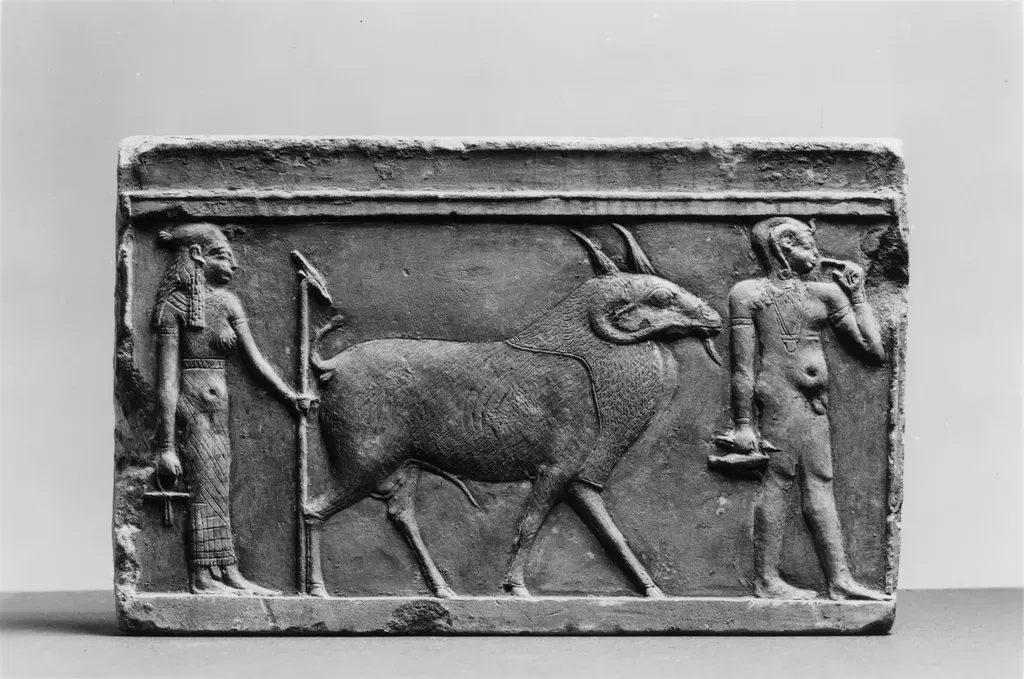
If the Annunaki fascinate you, you do not have to choose between swallowing every wild claim and walking away in boredom. You can turn that curiosity into a doorway toward deeper exploration. Try reading a reliable translation of a Mesopotamian myth and comparing it to a sensationalized summary; noticing the differences is a surprisingly fun detective game. Support museums, archives, and research projects that preserve and decipher the clay tablets where these stories actually live.
On the science side, you can follow real astrobiology and SETI research, which is often more mind‑bending than any conspiracy thread once you get into the details. Ask yourself, whenever you encounter a dramatic Annunaki claim, what kind of evidence would change your mind either way. That habit alone builds the same muscles you need to navigate everything from health advice to climate news. In the end, the most empowering move is not deciding whether the Annunaki were gods or aliens, but learning how to tell the difference between a captivating story and a convincing argument.
Suhail Ahmed is a passionate digital professional and nature enthusiast with over 8 years of experience in content strategy, SEO, web development, and digital operations. Alongside his freelance journey, Suhail actively contributes to nature and wildlife platforms like Discover Wildlife, where he channels his curiosity for the planet into engaging, educational storytelling.
With a strong background in managing digital ecosystems — from ecommerce stores and WordPress websites to social media and automation — Suhail merges technical precision with creative insight. His content reflects a rare balance: SEO-friendly yet deeply human, data-informed yet emotionally resonant.
Driven by a love for discovery and storytelling, Suhail believes in using digital platforms to amplify causes that matter — especially those protecting Earth’s biodiversity and inspiring sustainable living. Whether he’s managing online projects or crafting wildlife content, his goal remains the same: to inform, inspire, and leave a positive digital footprint.