
You probably picture the Bonneville Salt Flats as an alien white desert, a place where the horizon melts into the sky and cars somehow go faster than seems possible. What you might not realize is that you’re actually standing on the ghost of a massive Ice Age lake that once covered much of what is now Utah. When you learn what really happened here, the flats stop being “just a cool backdrop for photos” and turn into one of the strangest natural history stories you’ll ever walk across. Before you dive into the facts, it helps to imagine this: where race cars now scream across blindingly white ground, waves once lapped against shorelines high up in the surrounding mountains. You’re looking at the dried-out bottom of an ancient inland sea, shaped by ice, climate swings, and time. Once you see the flats that way, every ripple in the crust and every distant shoreline line on the hills suddenly makes a lot more sense.
1. You’re Standing on the Floor of a Giant Ice Age Lake
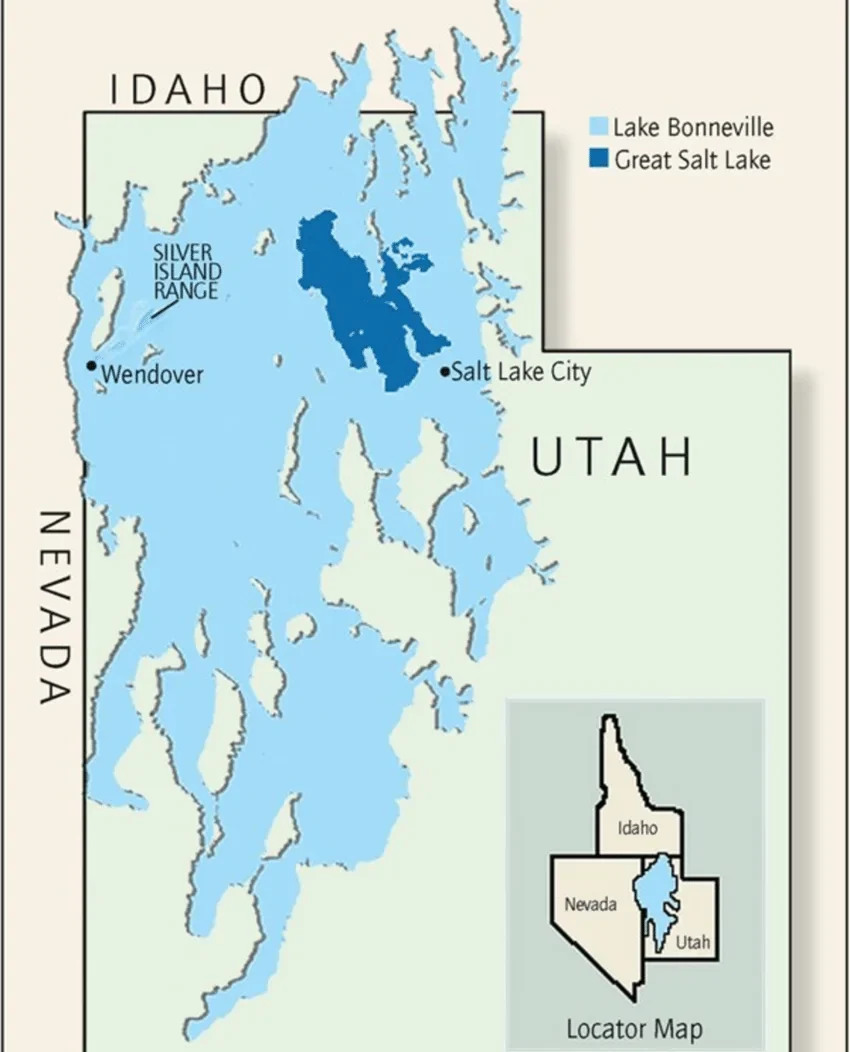
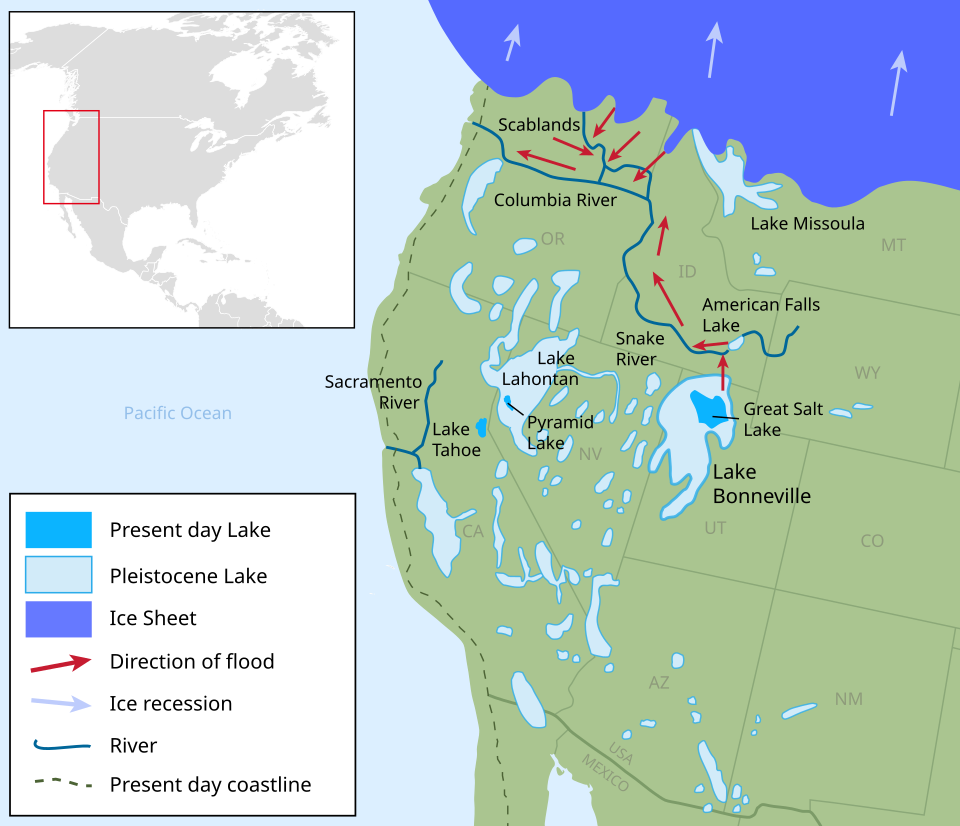
When you visit Utah’s salt flats, you’re actually standing on the dried lake bed of ancient Lake Bonneville, an enormous freshwater lake that existed during the last Ice Age. Instead of a small, isolated pond in the desert, you need to picture something more like a mini inland ocean, stretching across a huge swath of the Great Basin. If you could go back in time, you’d be under hundreds of feet of water, not walking on crunchy salt. This lake began forming as the climate cooled and more water stayed locked in the region instead of evaporating away. Rivers and snowmelt fed it from the mountains, and because the basin is closed – water flows in but has nowhere to drain out to the sea – it built up over thousands of years. The white salt flats you see today are the final crust left behind after that vast body of water finally shrank and disappeared.
2. The Lake Was Bigger Than Today’s Great Salt Lake by a Shocking Margin
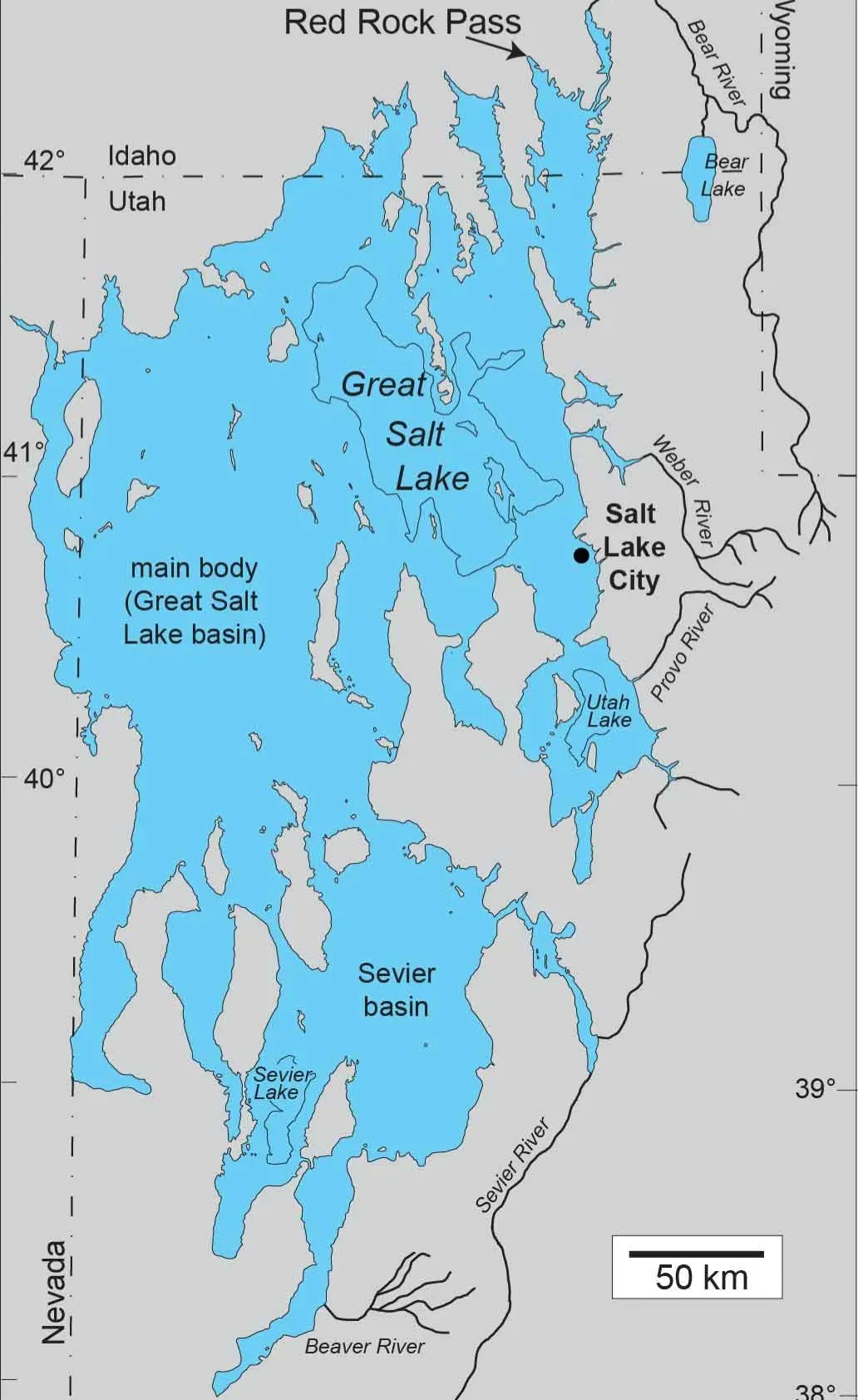
You might think the Great Salt Lake looks huge from the airplane window, but ancient Lake Bonneville made it look tiny. At its peak, the old lake covered much of western Utah and even spilled into parts of Idaho and Nevada. If you trace the outlines on a modern map, you’re looking at an area roughly as large as some small countries, not just a city-sized lake. When you stand on the salt flats, you’re only seeing a fragment of that original footprint. The modern Great Salt Lake and Utah’s smaller remnant lakes are like puddles left after a massive storm. The Bonneville Salt Flats are the exposed bottom of one of the deepest parts of that vanished lake, preserved because the climate turned so dry that only salt and minerals could survive.
3. Shorelines of the Ancient Lake Are Still Carved into the Mountains
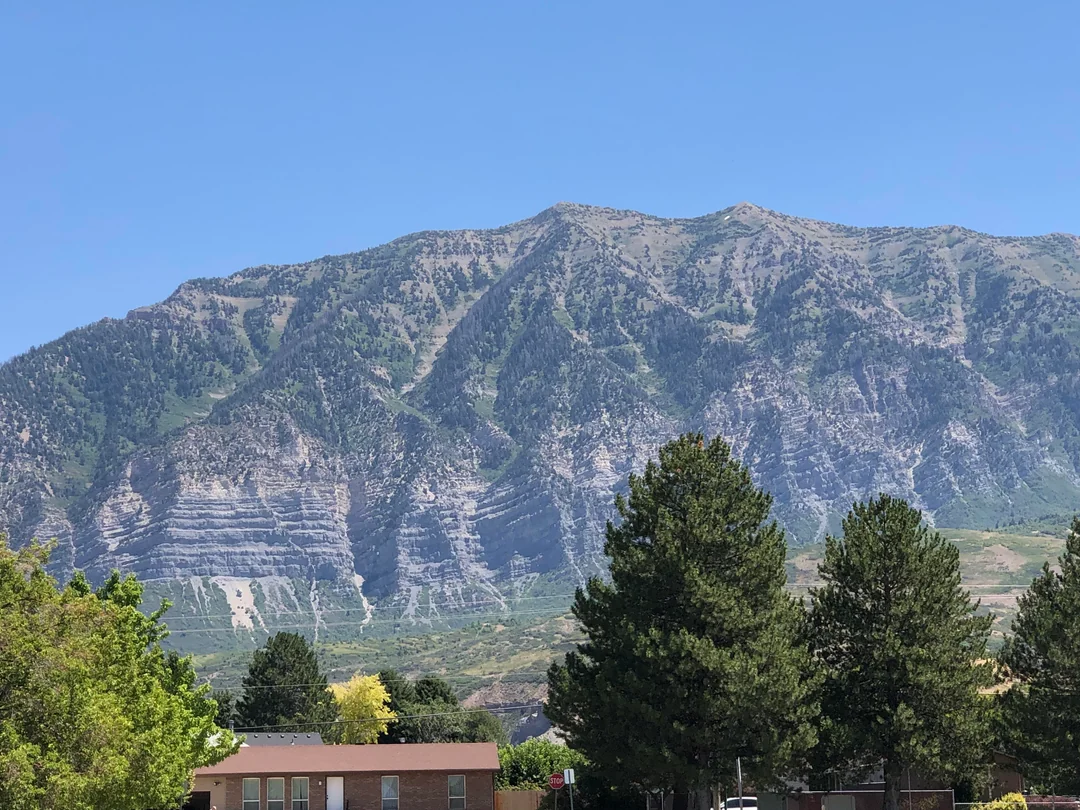
If you look up instead of just across the flats, you can still see the high-water marks of Lake Bonneville etched into the surrounding hills and mountains. Those horizontal lines that wrap around the slopes at a constant level are not random stripes; they’re old shorelines, created as waves crashed and eroded rock just like at a modern beach. It’s like the lake signed its name into the landscape and never quite faded away. Once you know what to look for, you start spotting these old beach terraces all over the region. They record different levels of the ancient lake as it rose and fell over thousands of years. In a way, they work like a giant natural ruler, letting you read how full the lake once was while you’re standing on the dried-out bottom far below those old “coastlines.”
4. The Salt Came From Mountains, Not the Sky
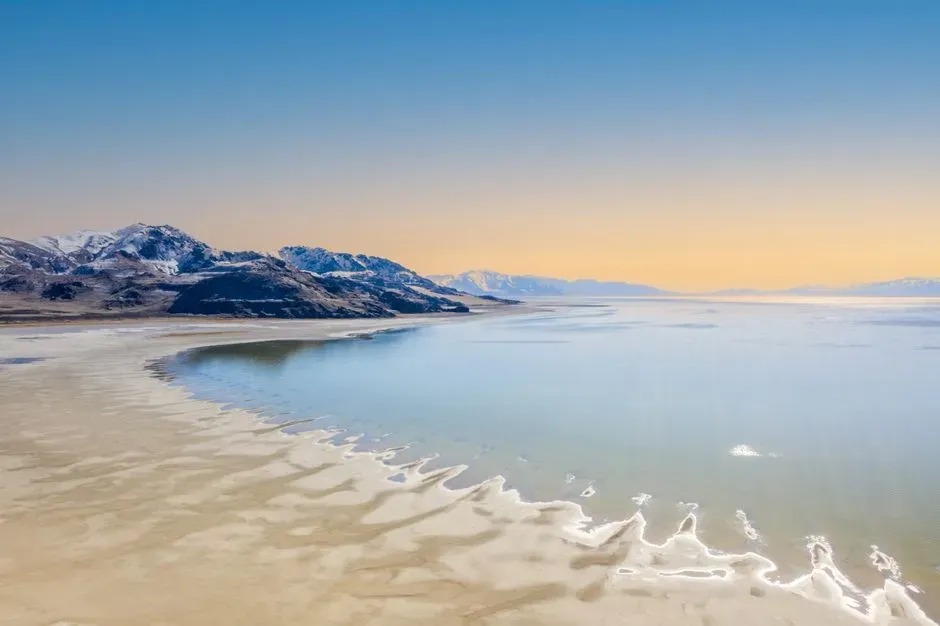
It’s easy to imagine the flats as some kind of magical salt factory, but the truth is more down-to-earth. The salt you’re walking on was originally dissolved out of rocks in the surrounding mountains. Every time rain and snowmelt flowed downhill into Lake Bonneville, they carried tiny amounts of dissolved minerals – sodium, chloride, and others – picked up along the way. Because this basin does not drain to the ocean, all that mineral-rich water had only two options: sit there, or evaporate. As water evaporated in the dry climate, it left the dissolved salts behind. Over thousands of years, as the ancient lake shrank and refilled in pulses, those minerals piled up layer after layer. What you see today is the concentrated memory of all that mountain water, frozen in white.
5. A Sudden Catastrophic Flood Helped Doom the Lake
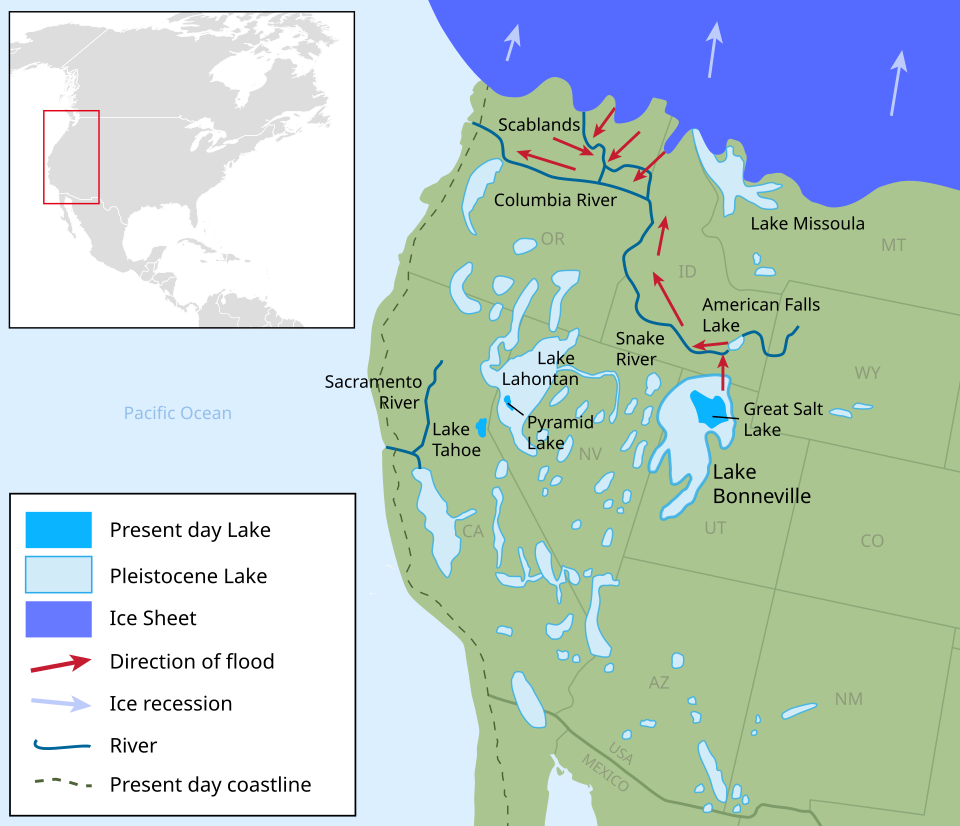
Lake Bonneville did not just calmly fade away; at one point, it catastrophically overflowed. As the water level rose and reached a low point in what is now Idaho, the lake burst through, carving a huge outlet and releasing an enormous flood northward. You can think of it like a bathtub suddenly overflowing its rim when the tap is left on too long. Once that outlet formed, the lake level dropped dramatically and could never quite recover to its former height. After that, climate shifts toward warmer, drier conditions took over, steadily shrinking what remained. By the time the Ice Age ended, the grand lake was broken into a handful of much smaller lakes and wetlands, and huge expanses of the old lake floor – like the Bonneville Salt Flats – were left high and dry.
6. You’re Walking on a Remarkably Flat, Natural Salt Pan
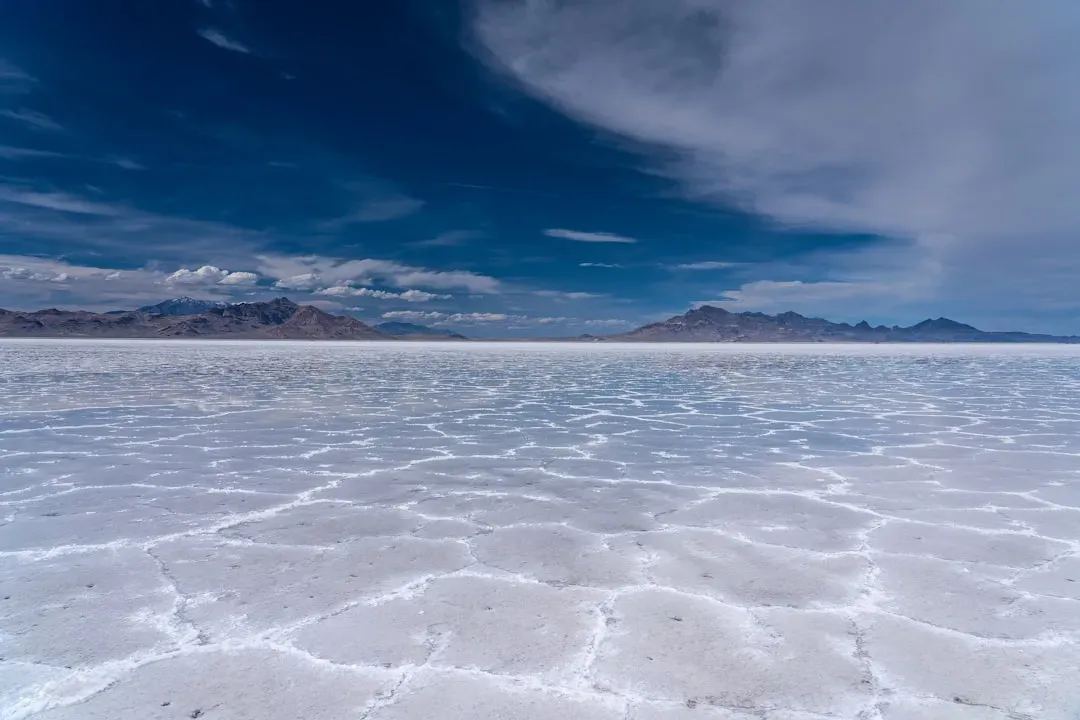
The shocking flatness of the Bonneville Salt Flats is not an illusion; you’re really standing on one of the flattest natural surfaces on Earth. That smoothness comes from repeated cycles of flooding and evaporation. In wetter times, a thin layer of water spreads out evenly over the basin. As it evaporates, salt crystals precipitate and settle out in a uniform sheet, smoothing bumps and filling low points like a self-leveling floor. Over many such cycles, the process created a surface so level that land-speed racers rely on it to push vehicles to extreme speeds. When you walk there, the faint ripples and polygon patterns you see are just small-scale textures on top of a vast, broad, almost perfectly level plain. It’s like nature took a trowel to the lake bed and refused to leave a single wrinkle.
7. The Modern Great Salt Lake Is Only One of Its Ghostly Remnants
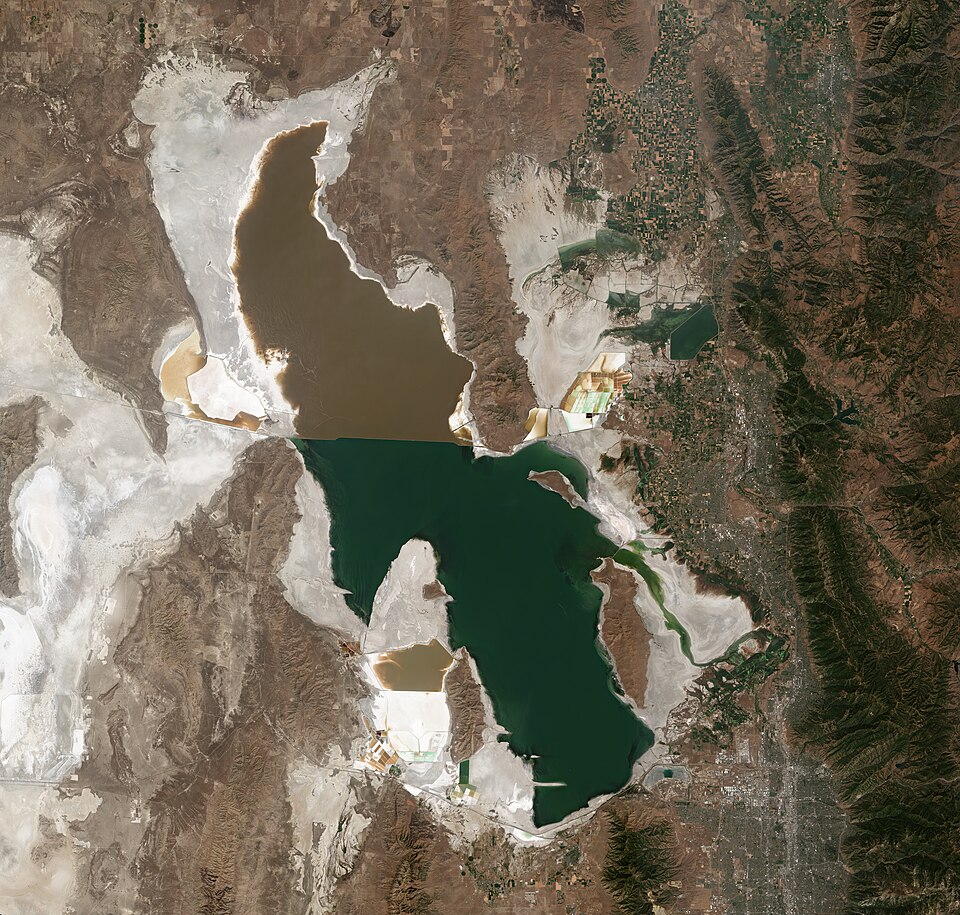
When you look at a map, it’s tempting to think the Great Salt Lake is just a random oddity in the desert. In reality, it’s one of several surviving pieces of Lake Bonneville. Other nearby lakes and wetlands, including Utah Lake and parts of the Great Basin’s low areas, are also leftovers of that much larger, wetter past. If you view the landscape through that lens, the region starts to feel like the aftermath of a party that ended thousands of years ago. The water is mostly gone, but it left behind scattered bowls of brine, marshes, and wide, shimmering salt pans. When you stand on the Bonneville Salt Flats, you’re basically standing in the quietest, driest part of that ancient system, where water almost never lingers long enough to erase the salty record.
8. The Salt Flats Host Some of the Fastest Vehicles on Earth
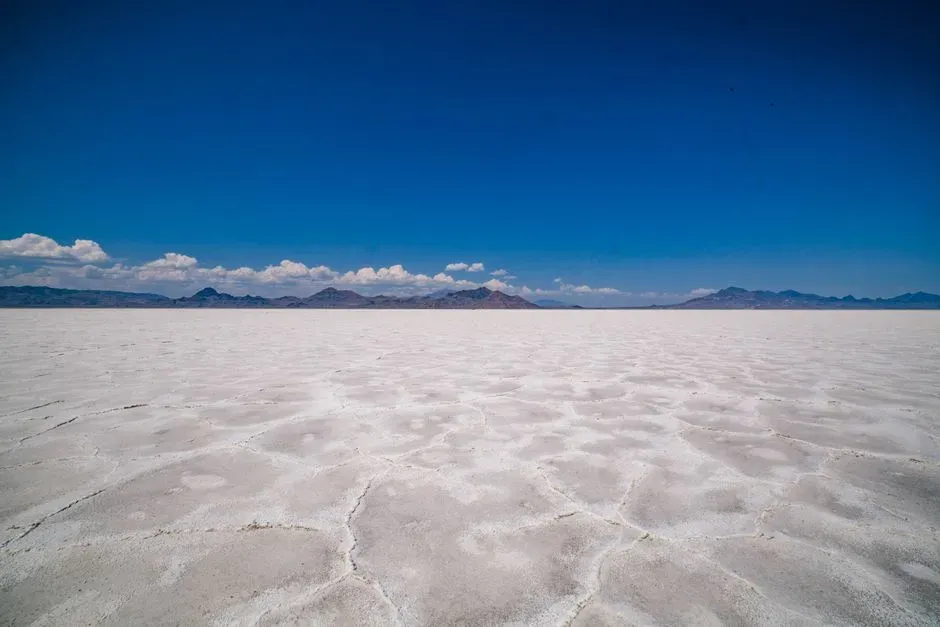
One of the most surreal facts about this ancient lake bed is how you use it today: not for fishing or boating, but for chasing speed records. The Bonneville Salt Flats have become famous as a natural speedway, where people bring custom-built cars, motorcycles, and experimental machines to see how fast they can go in a straight line. The ultra-flat surface and huge open space make it perfect for this kind of daring. There’s a strange poetry in that transformation. A place that once slowed everything down with deep water and muddy shores now lets wheels spin at outrageous speeds over its hardened, salty crust. When you watch a tiny dot on the horizon grow into a roaring vehicle, you’re seeing modern engineering play on a stage built by Ice Age climate change and evaporating water.
9. Life Here Is Rare but Surprisingly Tough
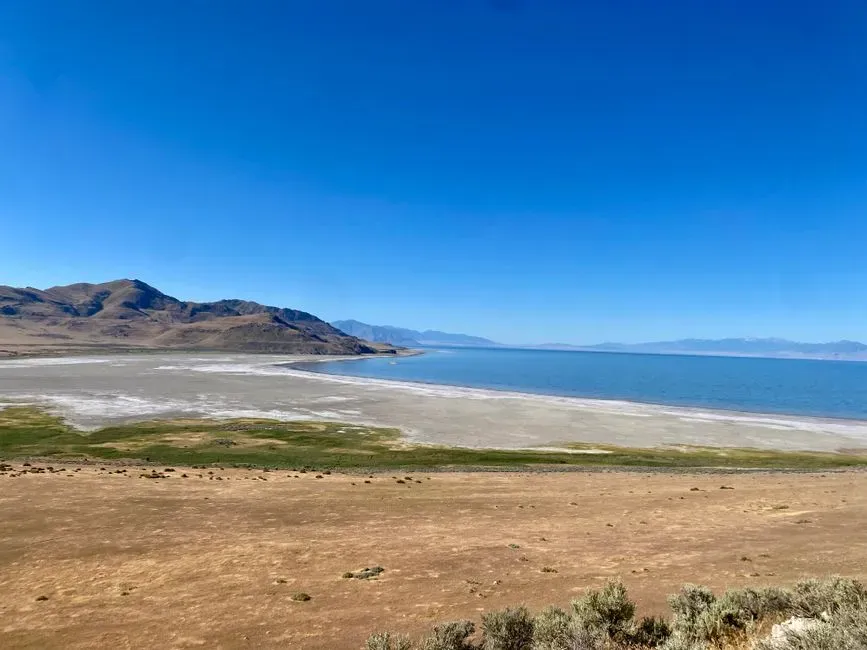
When you first step onto the salt flats, they feel almost lifeless, like nothing could survive that level of glare, dryness, and salt. But if you look closer at the edges and in nearby salty pools, you’ll find life clinging on in weird and impressive ways. Microorganisms, hardy salt-tolerant plants in neighboring areas, and specialized brine-loving creatures can all make a living where most life would shrivel. You might not see much of this hidden ecosystem during a casual visit, but it is there, adapted to conditions most organisms would find lethal. In a way, it mirrors the story of the lake itself: extremes of water and salt shaping what can endure. Knowing that such tough, quiet life exists makes the apparent emptiness of the salt flats feel more like a calm surface hiding a stubborn kind of resilience.
10. The Ancient Lake’s Story Helps You Read the Future of Dry Lands
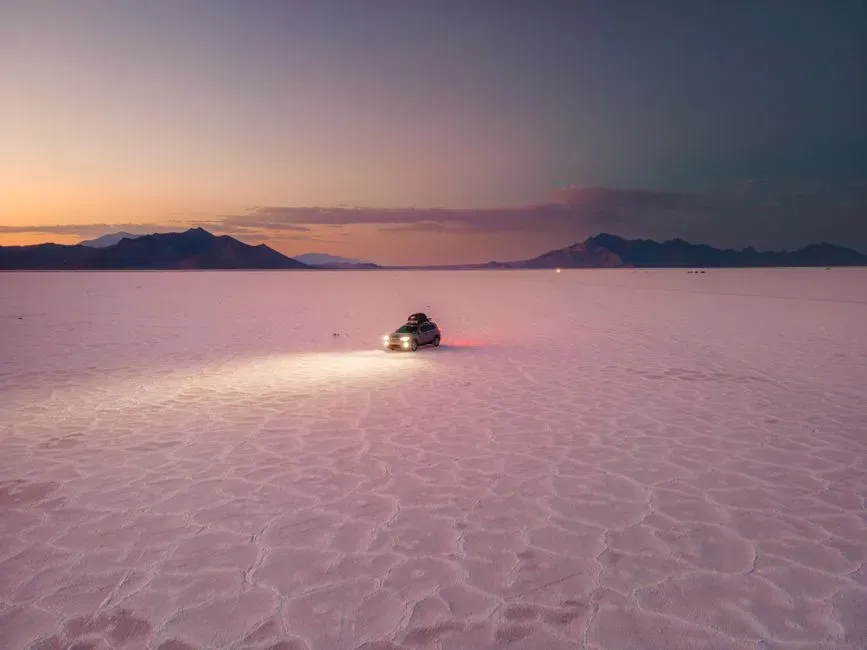
By learning about Lake Bonneville and the salt flats it left behind, you’re not just looking backward; you’re also getting clues about how landscapes respond to climate change over long stretches of time. This basin has swung between wetter and drier phases, growing vast lakes and then shrinking them into salt-crusted deserts. Those shifts leave a layered record in sediments, shorelines, and mineral deposits that scientists can read like a history book. When you stand there and feel the crunch of salt under your shoes, you’re touching the outcome of ancient climate swings that played out slowly but relentlessly. It’s a reminder that the places you know now are not fixed; they evolve as conditions change. In a warming, drying world, the story of a vanished lake and its glistening white floor becomes less like distant history and more like a hint of what other regions might face.
Conclusion: Walking on the Memory of Water
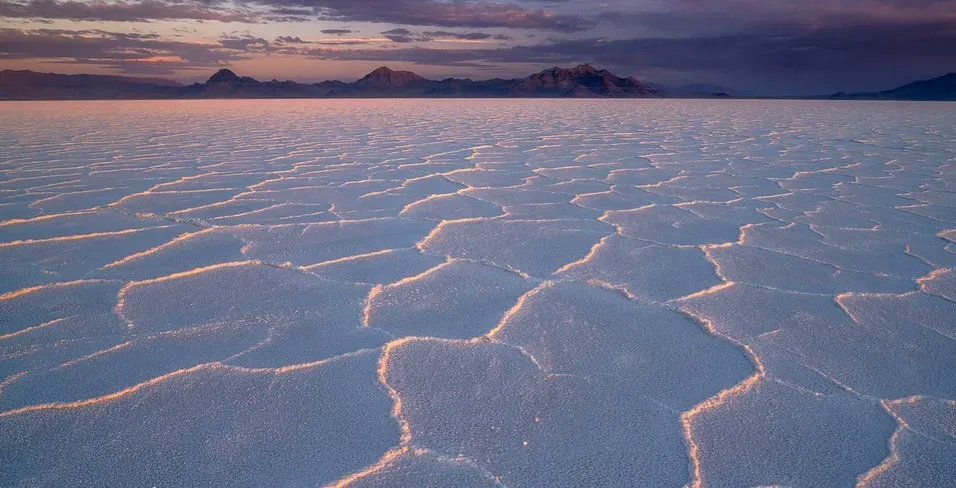
The Bonneville Salt Flats are not just a pretty white backdrop or a playground for speed; they’re the exposed memory of a colossal lake that reshaped an entire region. When you learn how Lake Bonneville formed, rose, burst, and vanished, you start to see the flats as a kind of fossilized moment in Earth’s long story, where water had the starring role and salt was the final signature. Next time you see photos of that blindingly bright plain – or maybe stand there yourself – you’ll know you’re on the ghost floor of an Ice Age inland sea, surrounded by mountains that still carry its shorelines like old scars. It turns a flat, white emptiness into something rich with time, change, and quiet drama. Now that you know what lies under your feet, what part of that story surprised you the most?