
The name Pocahontas conjures images of romance, heroism, and cultural bridges between two worlds. Yet the real story of this remarkable Native American woman goes far beyond Disney movies and childhood tales. Her life was filled with complexities, heartbreak, and extraordinary courage that most people never learn about.
Born into a powerful indigenous confederation during one of history’s most tumultuous periods, Pocahontas witnessed the collision of two vastly different civilizations. Her story reveals truths that challenge everything you thought you knew about early American history. Let’s dive into the fascinating reality behind one of America’s most misunderstood historical figures.
Her Real Name Wasn’t Pocahontas at All
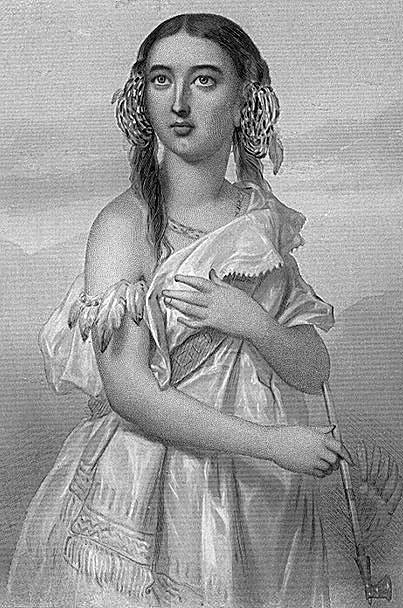
Most people don’t realize that “Pocahontas” was actually just a childhood nickname meaning “playful one.” Her birth name was Amonute, and she later took on the more private name Matoaka, which meant “flower between two streams.” Think of it like calling someone by their playground nickname their entire life, even in official documents.
The confusion around her names highlights a bigger problem with her story – most details were recorded phonetically by English colonists during a time when spelling wasn’t standardized, and the Powhatan language disappeared long ago. When she traveled to England, an official engraving even identified her as “Matoaka, alias Rebecca, daughter of the most powerful prince of the Powhatan Empire of Virginia.”
She Was Never Actually a Princess
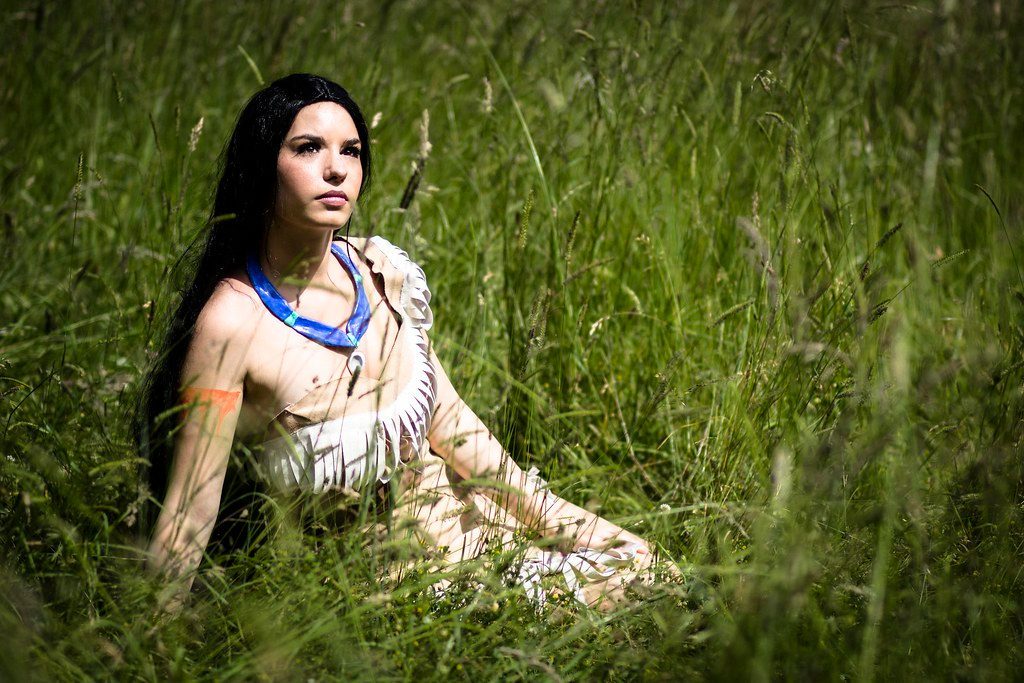
Pocahontas wasn’t a princess in Powhatan culture, but the London Company presented her as one to the English public because she was the daughter of an important chief. The European concept of royalty simply didn’t exist in her society. Her father, Chief Powhatan, was the paramount chief of Tsenacommacah, an alliance of about thirty Algonquian-speaking groups in the Tidewater region of Virginia.
Many English at the time recognized Powhatan as the ruler of an empire and accorded his daughter what they considered appropriate status. She sometimes served as Powhatan’s symbolic liaison between the chief and the English colonists, but she was not a diplomat in any modern sense. The “princess” label was more about English marketing than Native American reality.
The Famous John Smith Rescue Story Is Probably Fiction
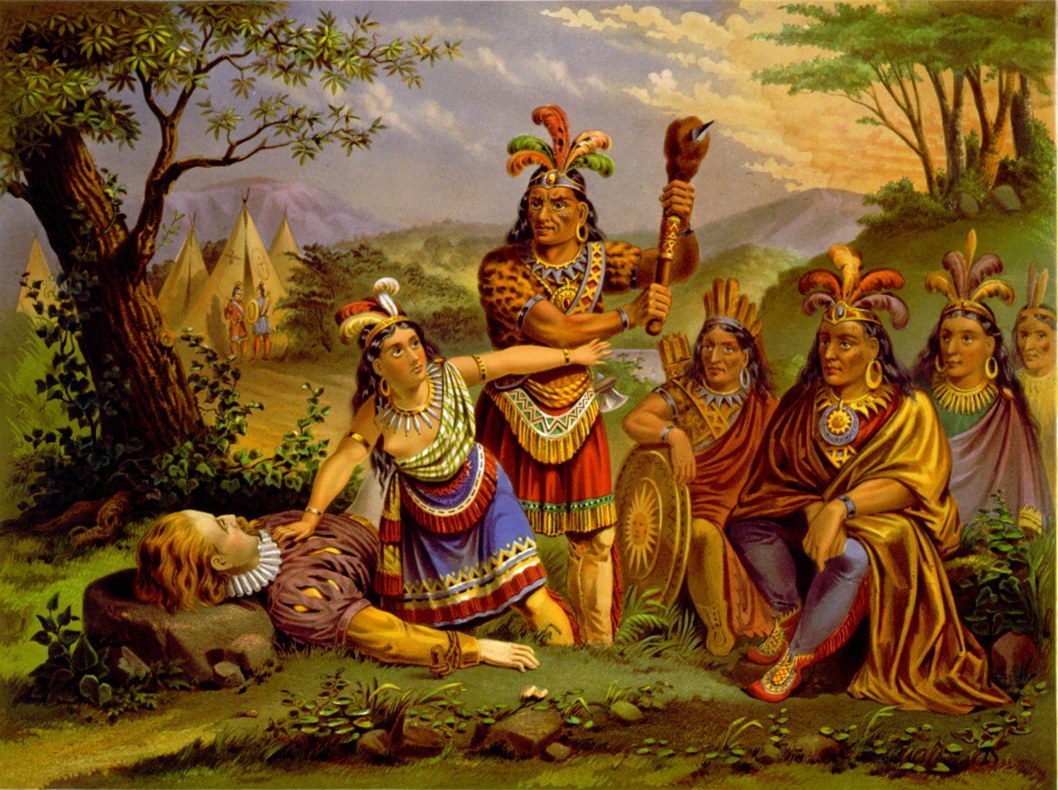
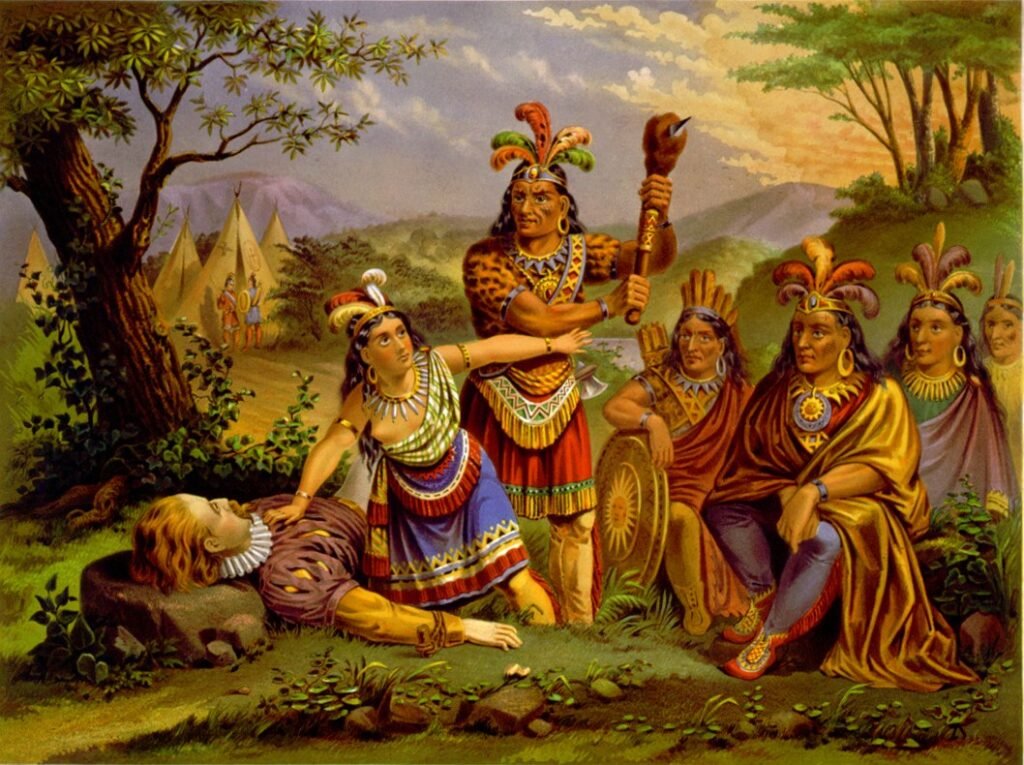
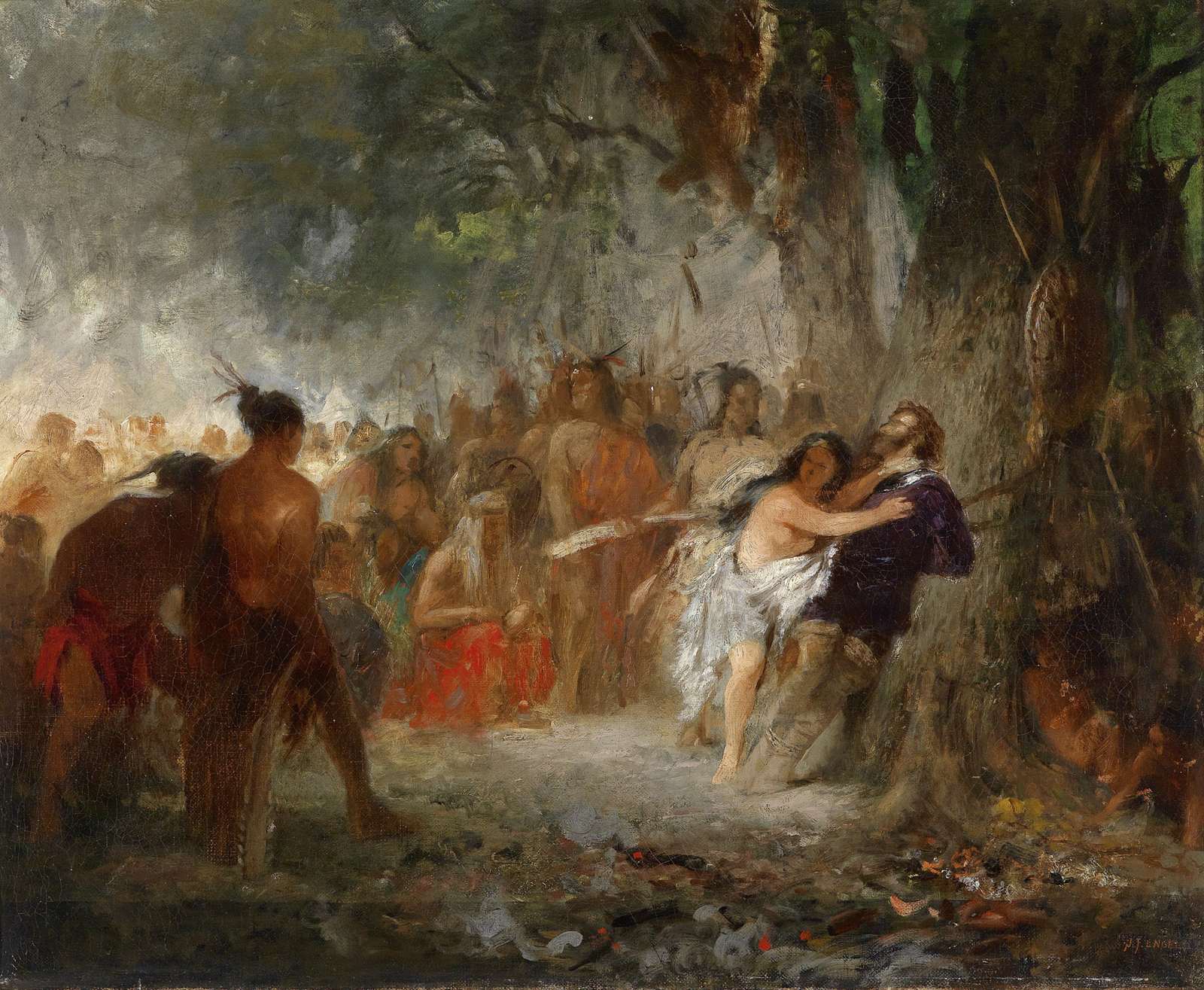
Most historians doubt the veracity of Smith’s claim about Pocahontas saving his life, with scholar Camilla Townsend stating that “no serious scholar believes that anymore” because “it doesn’t ring true to Algonquian culture.” Smith didn’t write about this dramatic rescue until 1624 in “The Generall Historie of Virginia” – seventeen years after it supposedly happened, and after both Pocahontas and Chief Powhatan had died.
A letter Smith wrote in 1608 made no mention of Pocahontas trying to save his life, but when he published his book in 1624, he suddenly claimed she had twice saved him. Some historians think Smith misinterpreted what was actually an adoption ceremony, where Powhatan intended to make him a sub-chief. The fact that Smith wrote of being similarly saved by other beautiful women in his various adventures has also raised doubts about his credibility.
She Was Only About 10 Years Old When She Met John Smith
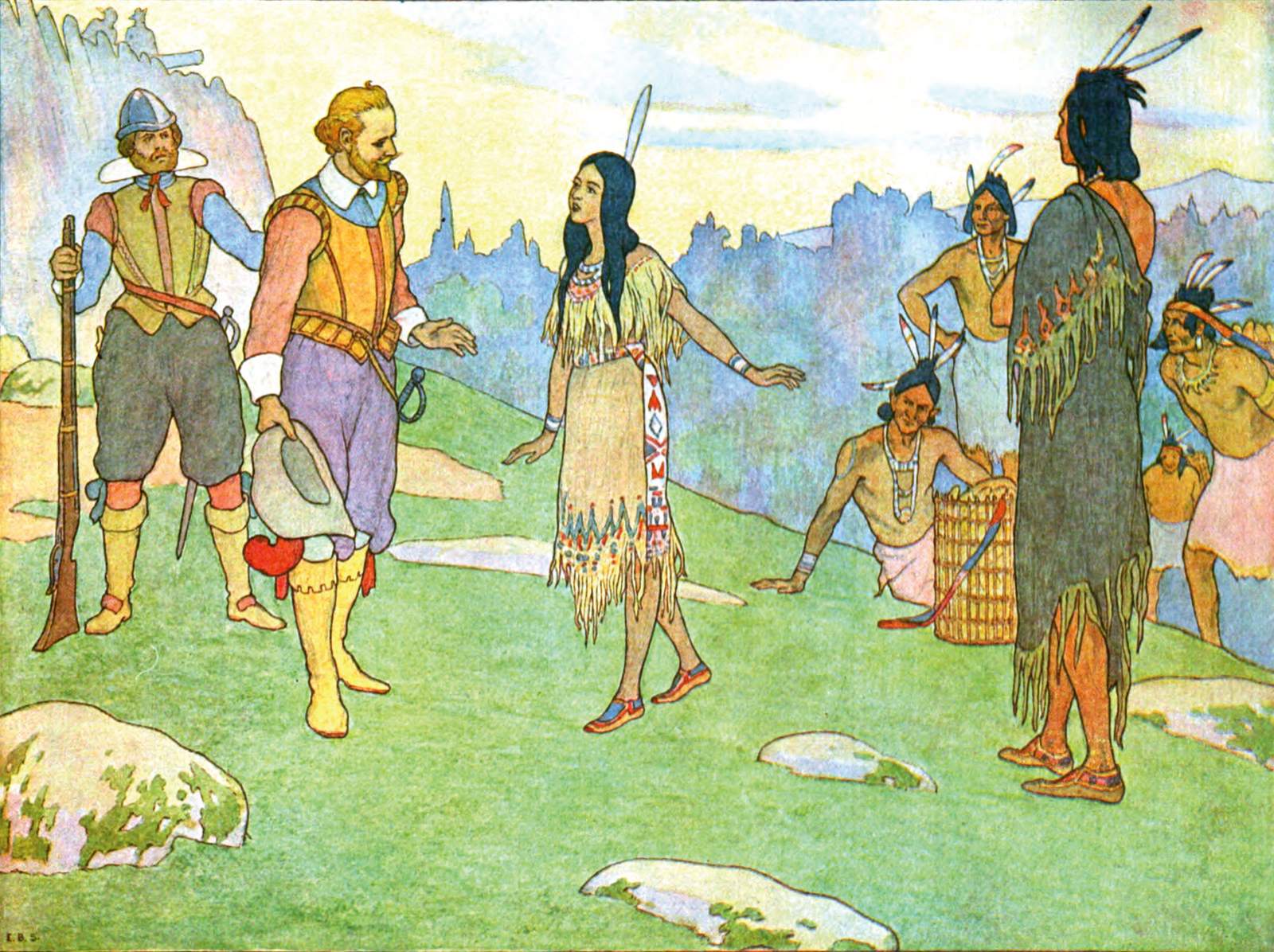
When John Smith first described meeting Pocahontas in 1608, he called her “a child of ten years old,” though in a later 1616 letter, he described her as she was in 1608 as “a child of twelve or thirteen years of age.” This means any romantic relationship between them would have been disturbing – Pocahontas was around 12 during her visits to Jamestown in 1608, while Smith was 28.
Despite what Disney and numerous authors would have you believe, there is no historical basis for any romantic involvement between Pocahontas and Smith. Smith left Jamestown for good in 1609 when Pocahontas was still a child, and they wouldn’t meet again until her trip to England in 1616-1617. The age difference alone makes the romantic narrative deeply problematic.
She Had a First Husband Who Was Murdered
According to Mattaponi tradition, Pocahontas’s first husband was Kocoum, brother of the Patawomeck weroance Japazaws, and Kocoum was killed by the colonists after his wife’s capture in 1613. She was forced to leave her husband and small son when she was kidnapped, and colonists had murdered Kocoum shortly after her abduction.
Kocoum’s very existence has been debated among scholars for centuries, with only a brief 1616 statement by William Strachey mentioning that Pocahontas had been married to a “private captaine called Kocoum” for two years. Today’s Patawomecks believe that Pocahontas and Kocoum had a daughter named Ka-Okee who was raised by the Patawomecks after her father’s death. This tragic detail is often omitted from popular versions of her story.
She Was Kidnapped and Held for Ransom
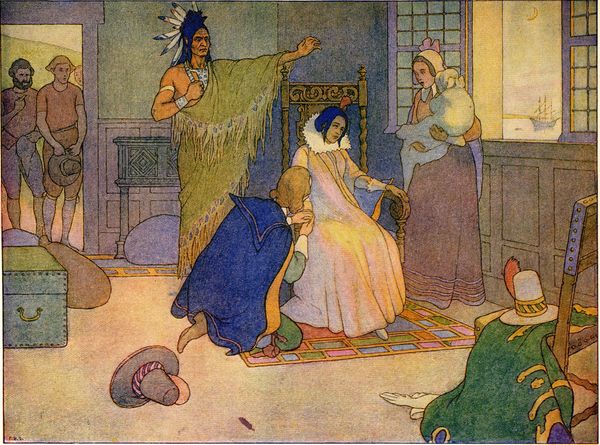
In 1613, Pocahontas was taken captive when Captain Samuel Argall invited her to visit his ship Treasurer, and she was then transported to Jamestown where English settlers demanded corn, the return of prisoners and stolen items, and a peace treaty as ransom. She was lured onto Argall’s ship and kidnapped during the First Anglo-Powhatan War, and much to her dismay, her father only sent half the ransom and left her imprisoned.
According to some sources citing Powhatan oral tradition, Pocahontas was raped while in the colonists’ custody, though other historians dispute this and argue that mistreatment would have gone against English interests in their negotiations. While captive, she was allegedly raped by possibly more than one colonist and grew into deep depression, having a second son out of wedlock who would be named Thomas Rolfe. The trauma of her captivity was far more severe than most historical accounts acknowledge.
Her Conversion to Christianity May Have Been Forced
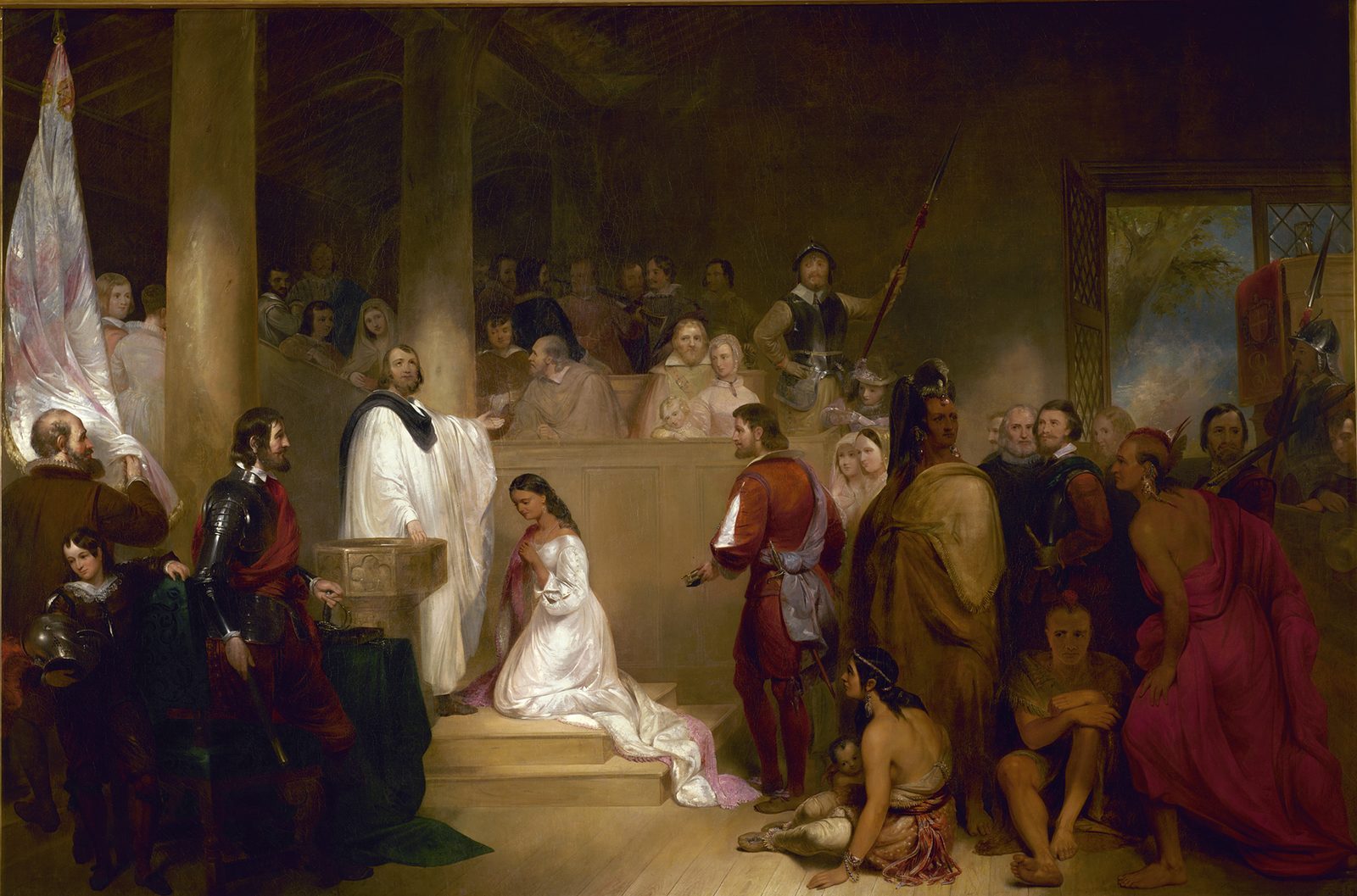
While in captivity, Pocahontas lived in the settlement of Henricus under the care of a minister named Alexander Whitaker, where she learned about Christianity, English culture and was baptized with the Christian name Rebecca. During her captivity, she was encouraged to convert to Christianity and was baptized under the name Rebecca.
The story of Pocahontas marrying tobacco planter John Rolfe for love is highly unlikely, especially considering Rolfe was under great financial pressure to forge an alliance with the Powhatan to learn their secret tobacco curing techniques, and she was being forced to wear English clothes, convert to Christianity and adopt English customs. Her religious conversion appears to have been more about political necessity than personal choice, happening while she was essentially a prisoner of war.
Her Marriage to John Rolfe Was Likely Political, Not Romantic
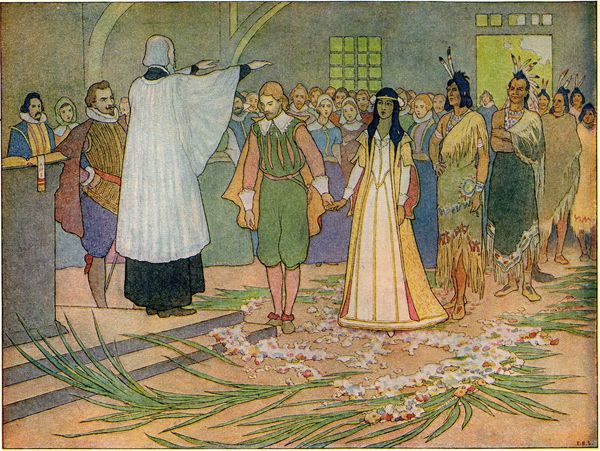
During her captivity, the English colony of Jamestown was failing, and John Rolfe was under a 1616 deadline to become profitable, so he sought to learn tobacco curing techniques from the Powhatan and eventually married Pocahontas for political alignment. Though some historians claim they married for love, this seems unlikely since Pocahontas was never allowed to see her family after being kidnapped, and after their marriage, the Powhatan shared their sacred tobacco curing practices with Rolfe.
She married John Rolfe in April 1614 at about age 17 or 18, and following the marriage, peace prevailed between the English and the Native Americans as long as Chief Powhatan lived. The marriage was viewed by all as a peace-making event called the “Peace of Pocahontas,” and Rolfe’s tobacco cultivation likely benefited from his wife’s connections. The union was more about survival and politics than romance.
She Became a Celebrity in England but Died Mysteriously
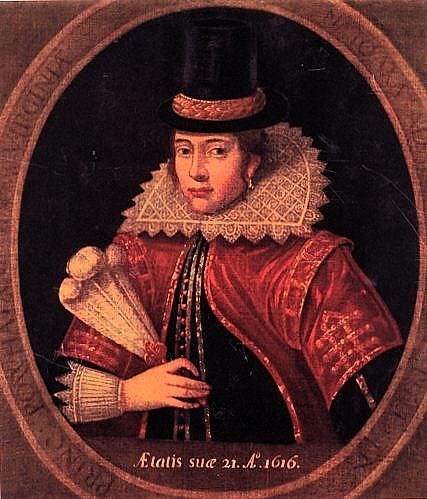
In England, Pocahontas became a celebrity, was elegantly fêted, attended a masque at Whitehall Palace, and was presented at court where she met King James and Queen Anne, with the Virginia Company providing her a stipend for expenses. The Virginia Company apparently saw her visit as a device to publicize the colony and to win support from King James I and investors.
Although she was considered in good health right before leaving England, Pocahontas suddenly fell ill and died after dining with Rolfe and Argall (the man who had kidnapped her), and the tribesmen who accompanied her believed she was poisoned. She died in the town of Gravesend at about age 21 and was buried there on March 21, 1617. The circumstances of her death remain suspicious and debated to this day.
Her Legacy Was Manipulated for Centuries
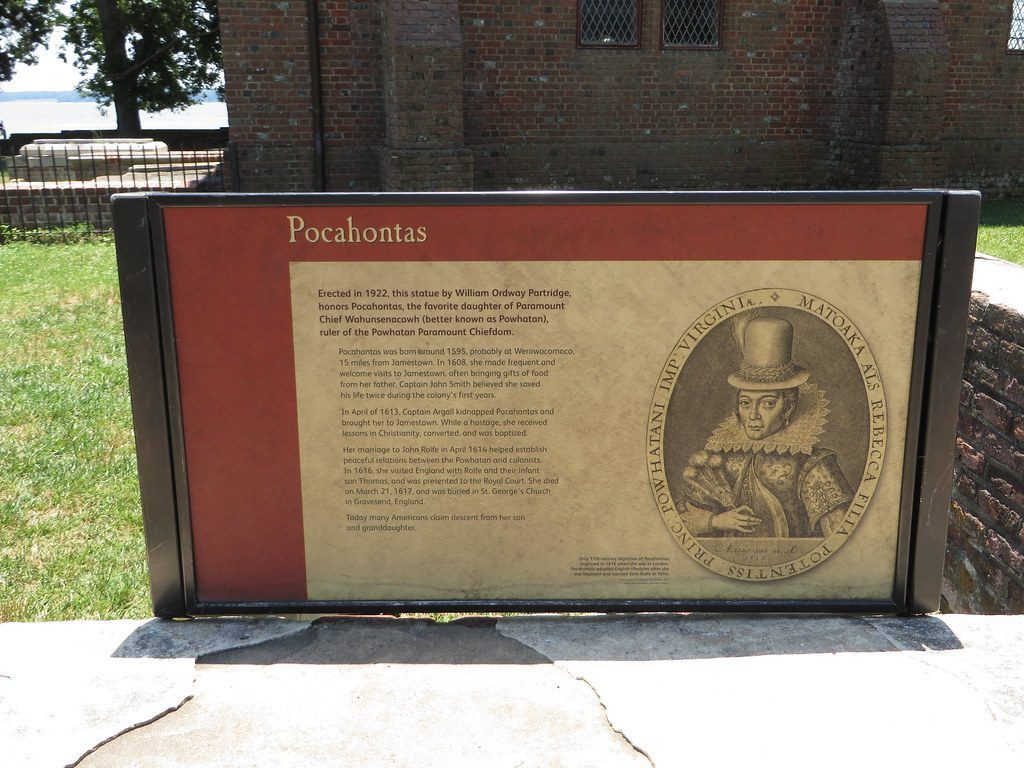
Since her death, her life story has been largely supplanted by myth, with her contemporaries paying little attention to her while she lived, and she didn’t become a celebrity until the 1820s when southerners sought a colonial heroine to compete with the Pilgrims story. Over the years, Smith’s description was increasingly accepted as history, with imaginative presentations often molded into romances, and different groups claimed her as a symbol for their own political purposes.
After her death, increasingly fanciful and romanticized representations were produced about Pocahontas, and much of her life has been romanticized and sensationalized in movies and books. Native Americans have passed down stories of Pocahontas orally over the past 400 years that frequently contradict Smith’s accounts, and historians have finally begun highlighting the discrepancies between Smith’s writings and native culture. Her true story has been buried under centuries of myth-making and political manipulation.
Conclusion
The real Pocahontas was far more complex and tragic than the Disney princess most people imagine. She was a young woman caught between two worlds during one of history’s most violent cultural collisions. Her story reveals uncomfortable truths about colonization, forced conversion, and the manipulation of historical narratives.
Rather than a simple tale of romance and heroism, Pocahontas represents the devastating impact of European colonization on Native American peoples. Her legacy reminds us to question popular historical narratives and seek out the voices that have been silenced or distorted over time. What do you think about learning the real story behind such an iconic figure? The truth is often more powerful than the myth.
Jan loves Wildlife and Animals and is one of the founders of Animals Around The Globe. He holds an MSc in Finance & Economics and is a passionate PADI Open Water Diver. His favorite animals are Mountain Gorillas, Tigers, and Great White Sharks. He lived in South Africa, Germany, the USA, Ireland, Italy, China, and Australia. Before AATG, Jan worked for Google, Axel Springer, BMW and others.