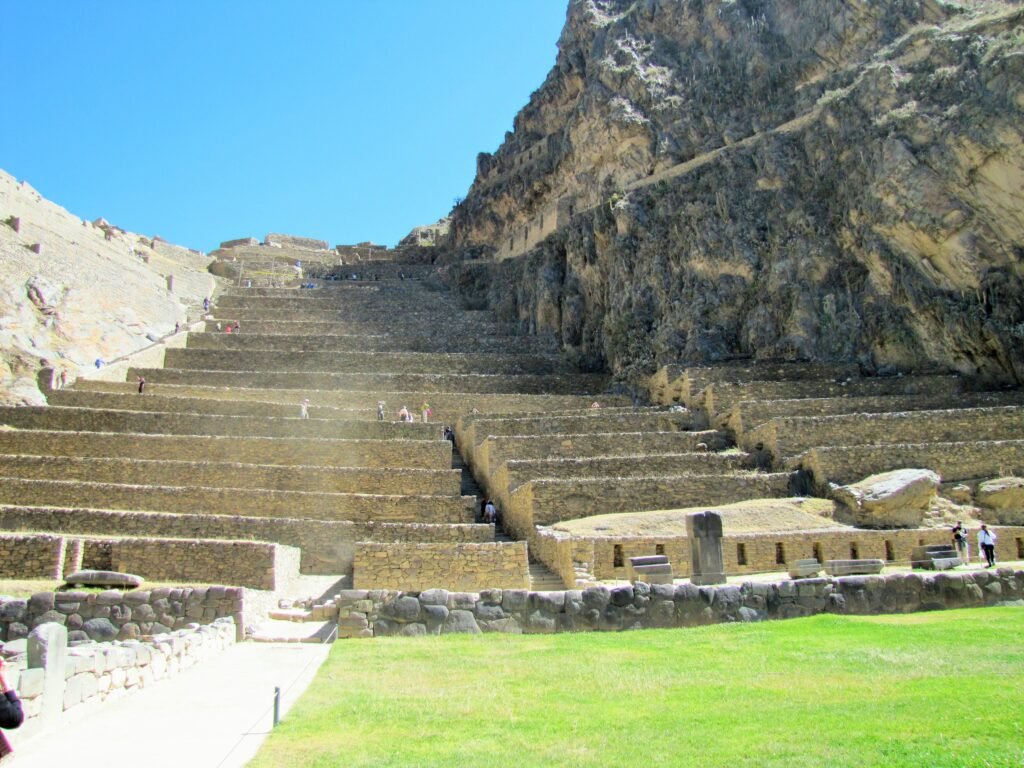

Have you ever wondered what it takes to stand against one of history’s most ruthless military forces? Imagine a fortress so brilliantly designed, so strategically positioned, that even Spanish conquistadors armed with cavalry, steel weapons, and European military tactics were forced into retreat. This isn’t a legend or myth. It actually happened in 1537, high in the Peruvian Andes, at a place called Ollantaytambo.
Nestled in the Sacred Valley, this remarkable Inca site tells a story of resistance, architectural genius, and cultural pride that still echoes through the centuries. While most people rush past it on their way to Machu Picchu, those who pause discover something truly extraordinary. Every stone, every terrace, every water channel whispers secrets of a civilization that mastered engineering long before modern technology arrived. So let’s dive into ten fascinating facts that reveal why Ollantaytambo remains one of South America’s most captivating ancient sites.
It Was the Royal Estate of Emperor Pachacuti
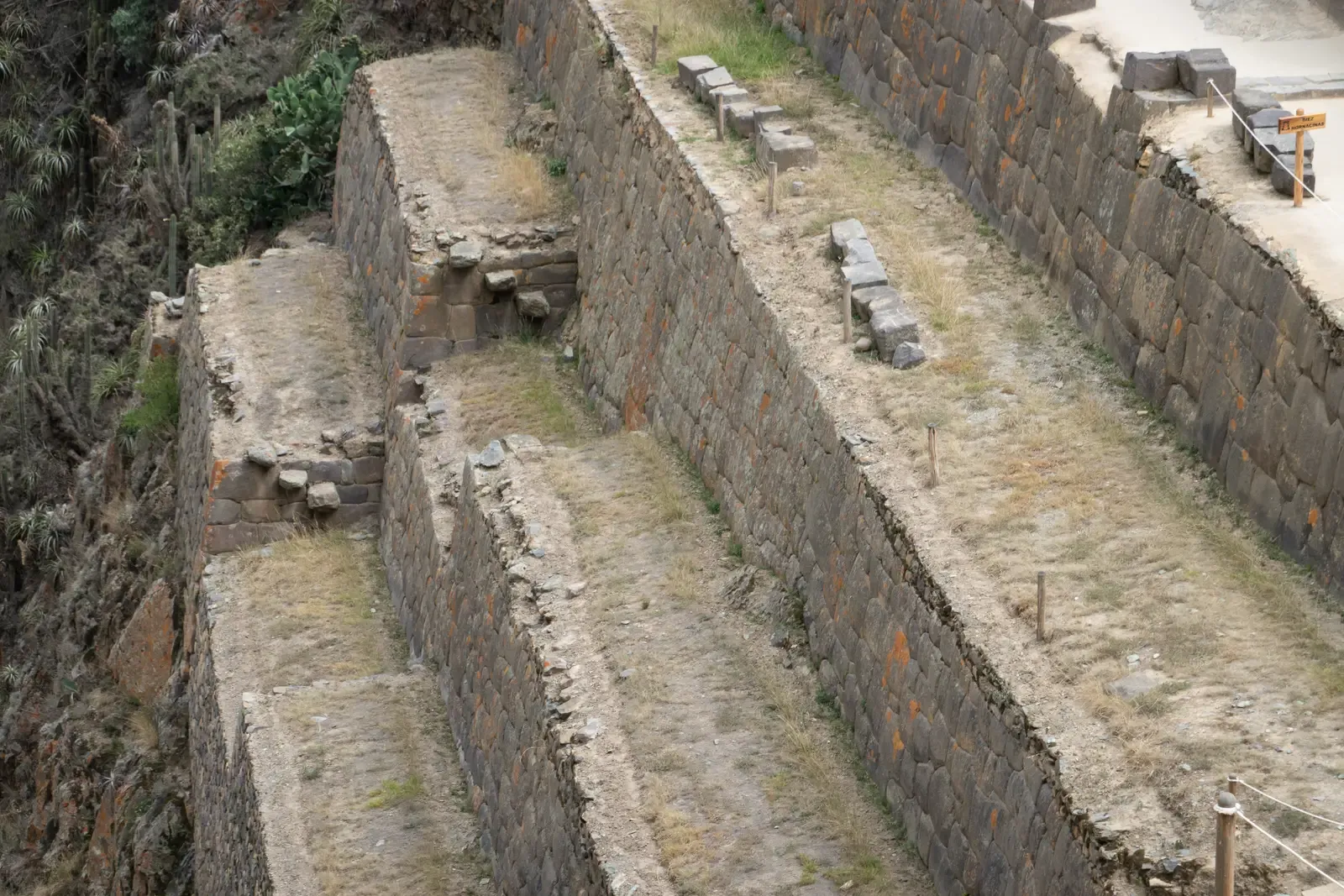
Around the mid-15th century, Emperor Pachacuti conquered and razed a pre-existing town of Ollantaytambo, incorporating the town and nearby region into his personal estate. Think about that for a moment. This wasn’t just another conquered territory; it was the private playground of the most powerful man in the Inca Empire.
Pachacuti rebuilt the town with sumptuous constructions and undertook extensive works of terracing and irrigation in the Urubamba Valley, with the town providing lodging for Inca nobility while terraces were farmed by yanakuna, retainers of the emperor. The sheer quality of workmanship here speaks volumes about its importance. When you’re building for royalty, you don’t cut corners. Every stone had to be perfect, every terrace precisely measured. After Pachacuti’s death, the estate came under the administration of his panaqa, his family clan.
Human Settlement Here Predates the Incas by Millennia
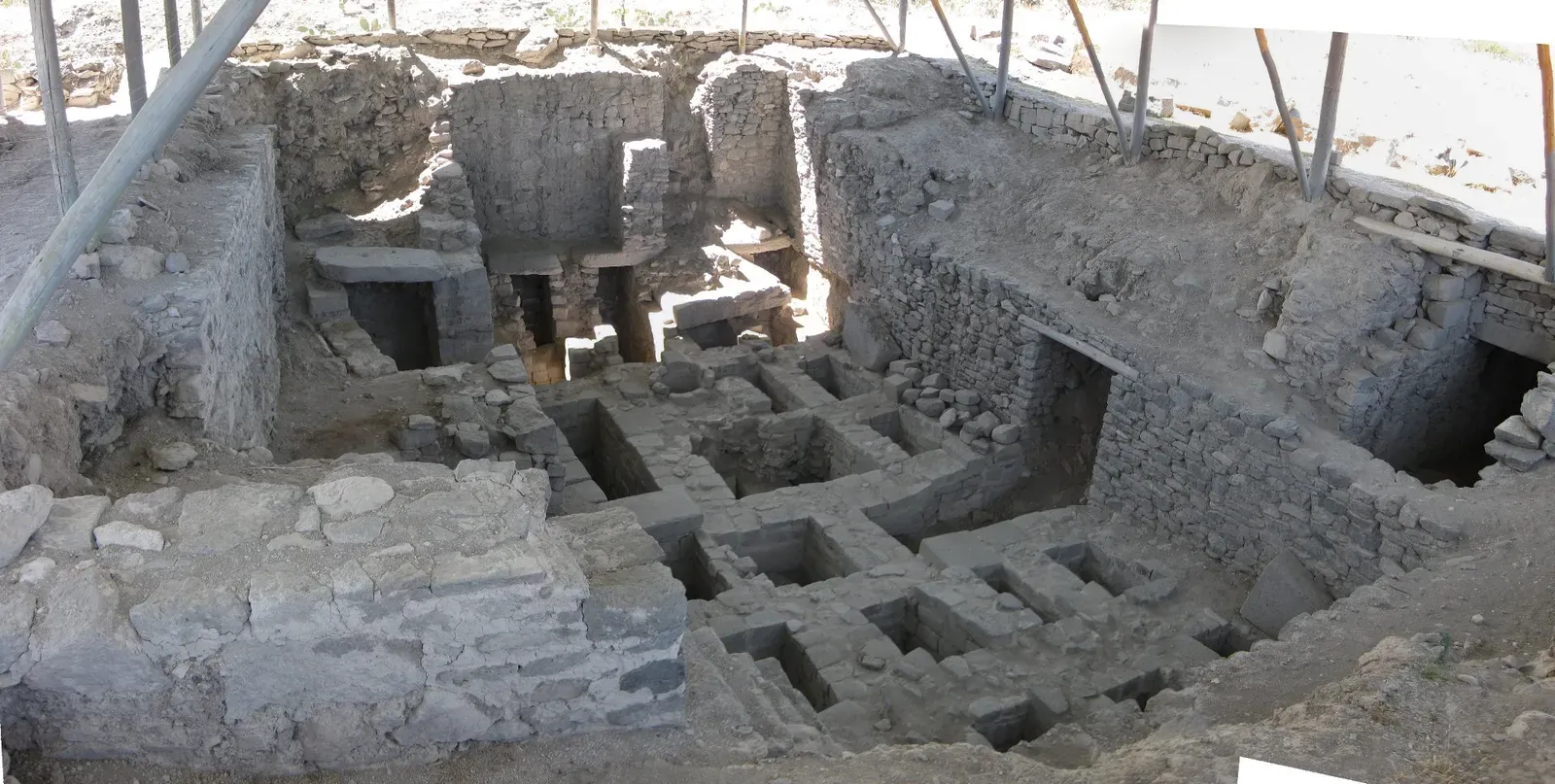
Here’s something that might surprise you. Human occupation on the site may date back as far as 3,500 years. That means people were living, working, and building in this valley long before the Inca Empire even existed.
Evidence has been found of settlements of the Huari civilization (600 to 1000 AD), such as the Fortress of Pumamarca, a military citadel that controlled access to Ollantaytambo. Let’s be real, the Incas get most of the glory, but they were essentially standing on the shoulders of earlier cultures. Many different peoples erected buildings in this area, including the Incas, but it was the Incas who greatly expanded the previously existing town. The layers of history here run incredibly deep.
It Became the Last Andean Stronghold of Inca Resistance
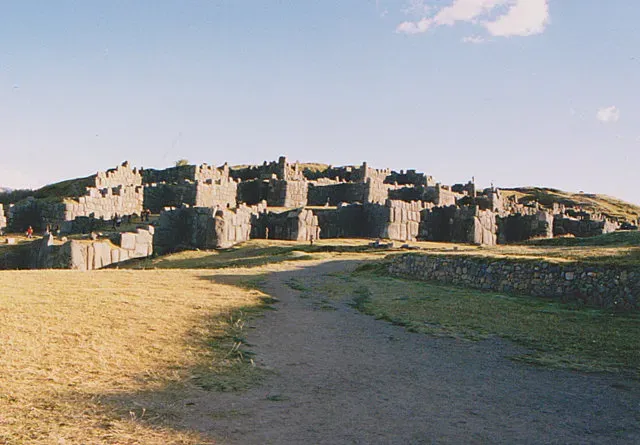
When Spanish forces captured Cusco in 1533, the situation for the Inca resistance looked dire. Following the fall of the Inca capital Cusco, the Inca resistance led by Manco Inca Yupanqui fled to Ollantaytambo, where they focused their efforts on turning the settlement into a fortress capable of stalling the Spanish advance.
Manco Inca fortified the town and its approaches in the direction of the former Inca capital of Cusco, which had fallen under Spanish domination. Picture the scene: a young leader refusing to surrender, transforming his ancestor’s royal estate into a military stronghold. It wasn’t just about survival anymore. It was about defiance, about showing the invaders that the Inca spirit hadn’t been broken. Honestly, you can still feel that energy when you walk through the ruins today.
The Incas Won a Stunning Victory Against Spanish Forces
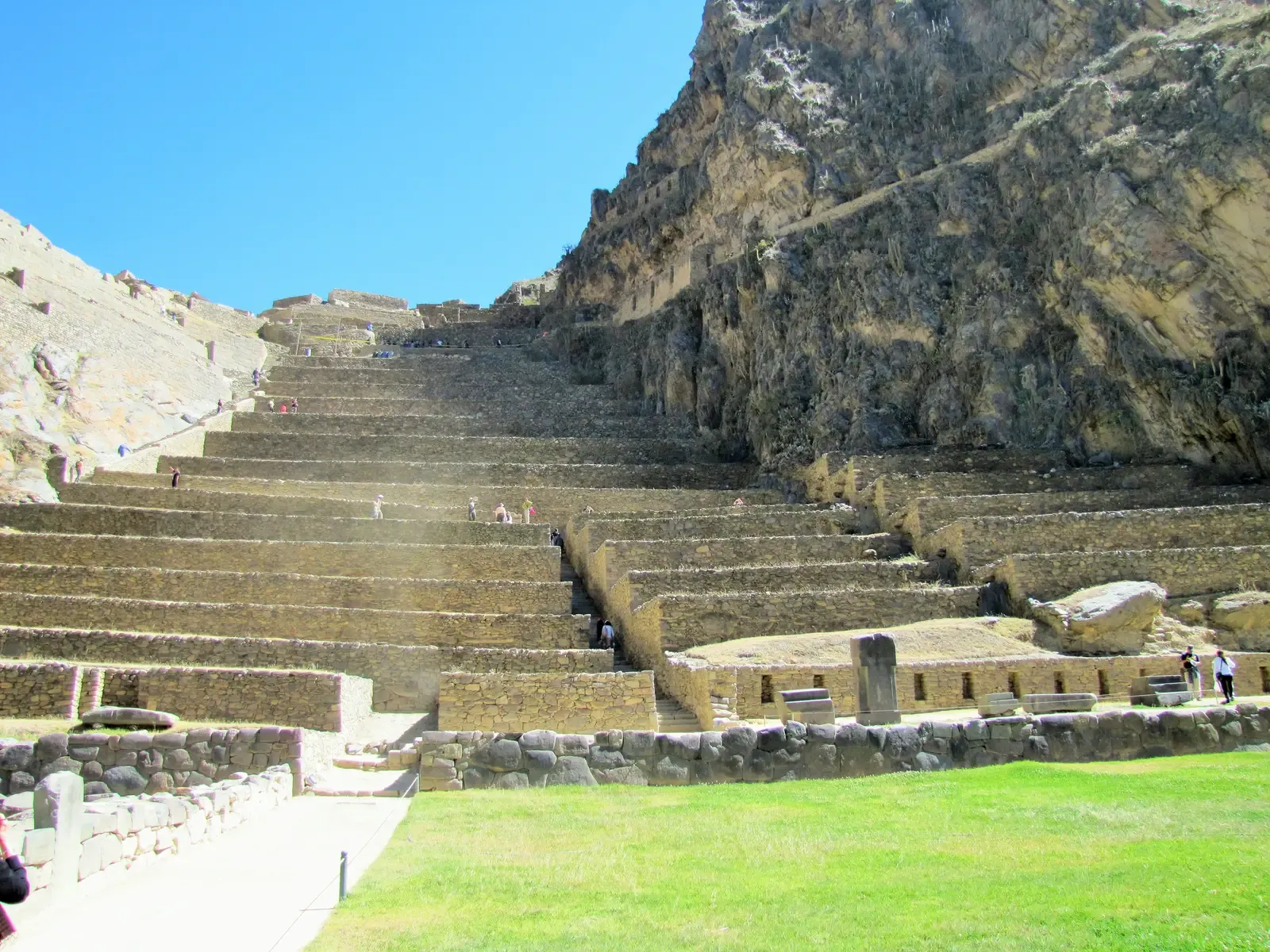
The Battle of Ollantaytambo took place in January 1537, between the forces of Inca emperor Manco Inca and a Spanish expedition led by Hernando Pizarro. The odds were staggering. Spanish conquistadors had already demonstrated their military superiority across the continent. Yet something remarkable happened here.
Manco’s forces made the most of Ollantaytambo’s strategically advantageous location, terrain, and infrastructure, flooding the surrounding plains by diverting the Patacancha River which hindered Spain’s deadly cavalry, while high terraces and fortress walls provided defensive strongholds allowing Inca warriors to repel Spanish attacks as the Spanish struggled to cross the river and attack the terraces with the Inca raining down arrows, slingshots, and boulders on their foreign enemy. It’s hard to say for sure, but this might be one of the most brilliant uses of environmental warfare in history.
Massive Stone Blocks Were Transported From Miles Away
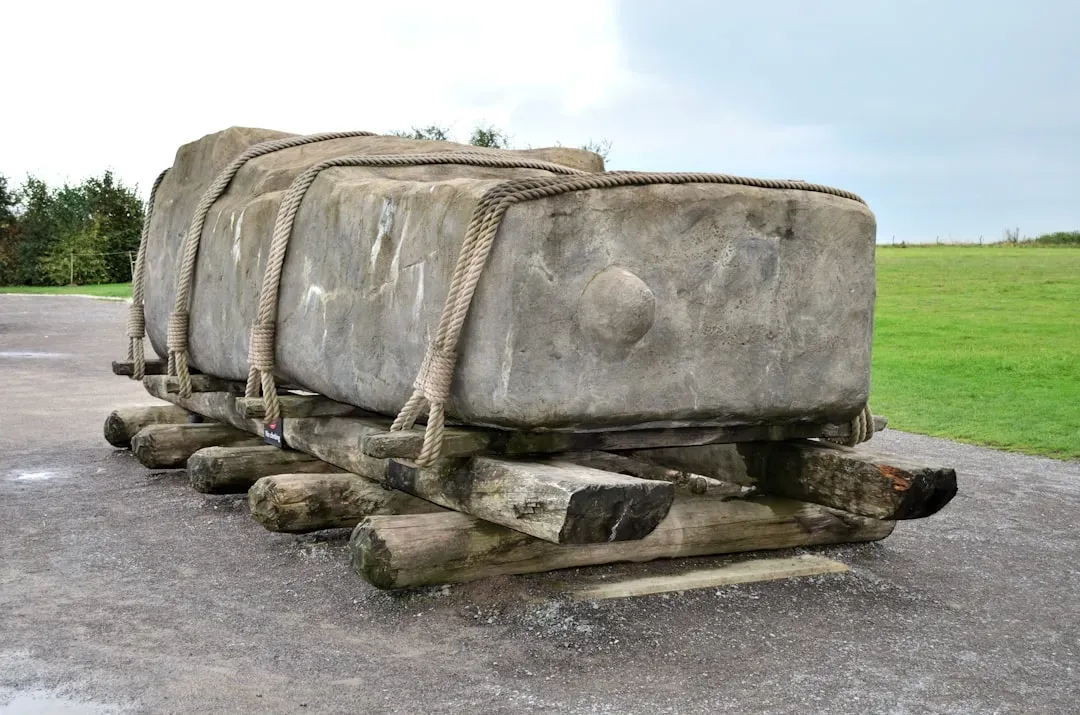
The main quarries of Ollantaytambo were located at Kachiqhata, in a ravine across the Urubamba River some 5 km from the town, with the site featuring three main quarrying areas providing blocks of rose rhyolite for the elaborate buildings of the Temple Hill. Five kilometers doesn’t sound like much until you realize these stones had to cross a river and climb a mountain.
It is notable because of the distance the Inca had to move the huge stones, using their special techniques to move stones from a quarry high on the mountainside on the opposite side of the Rio Urubamba across the river and up to the place where it now sits. Numerous “piedras cansadas” (tired stones) were left in transit along this route, with excavations under these abandoned megaliths revealing that they carefully constructed roads of clay and gravel to aid in moving these stones. The local name for these abandoned boulders speaks volumes: tired stones. Even rocks get exhausted in Ollantaytambo.
The Temple of the Sun Remains Forever Unfinished
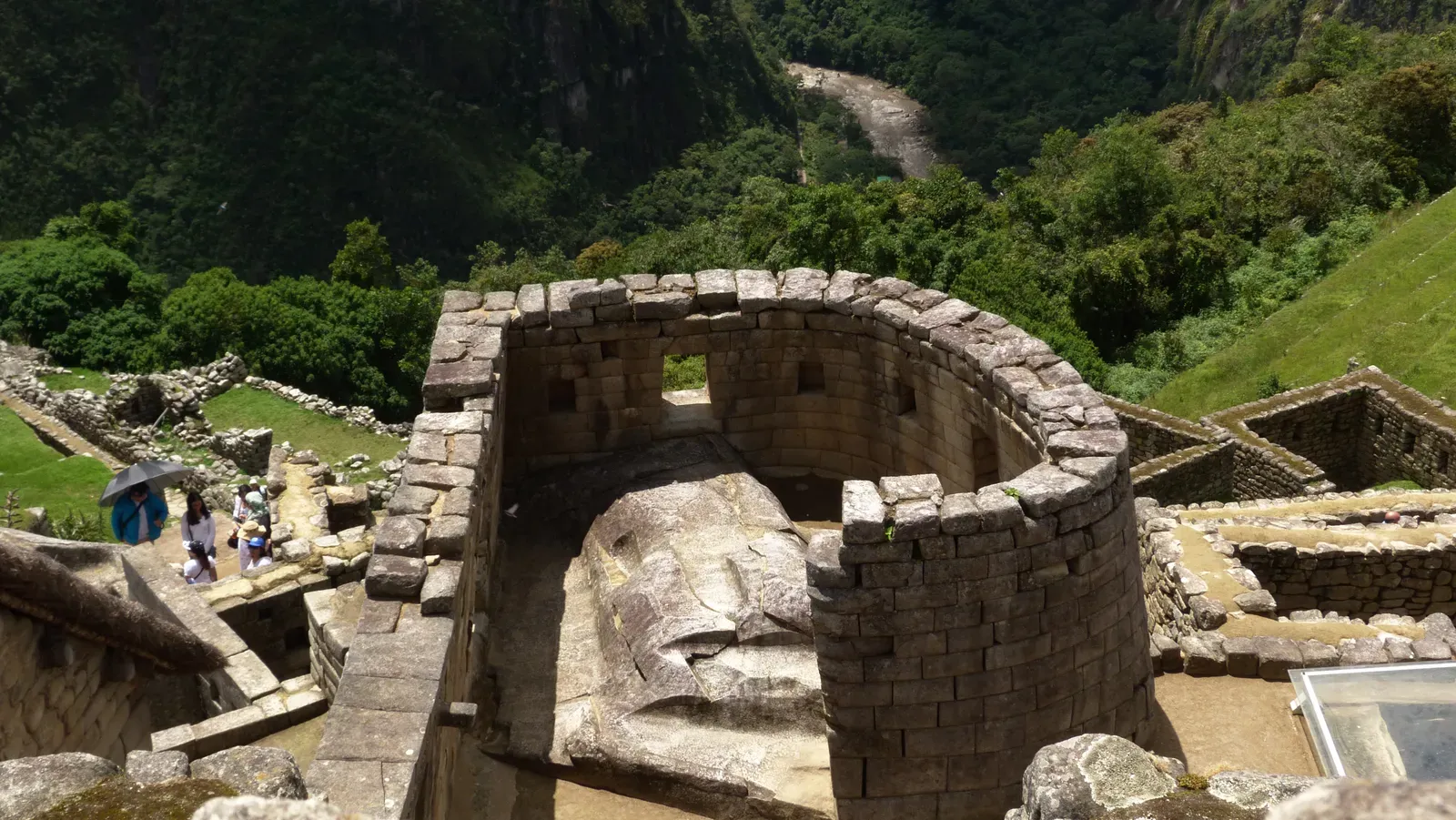
Unfinished, the temple is made of massive stone blocks, some of which weigh several tons, meticulously cut and fitted together without the use of mortar. Walking through this area feels like stepping into a frozen moment in time, where master stonemasons simply stopped mid-project and never returned.
The unfinished structures at the Temple Hill and numerous stone blocks that litter the site indicate it was still undergoing construction at the time of its abandonment, with some blocks showing evidence of having been removed from finished walls providing evidence that a major remodeling effort was also underway, though which event halted construction at the Temple Hill is unknown with likely candidates including the war of succession between Huáscar and Atahualpa, the Spanish Conquest of Peru, and the retreat of Manco Inca from Ollantaytambo to Vilcabamba. The mystery adds to its allure. What grand vision did they have in mind?
Advanced Hydraulic Engineering Still Functions Today
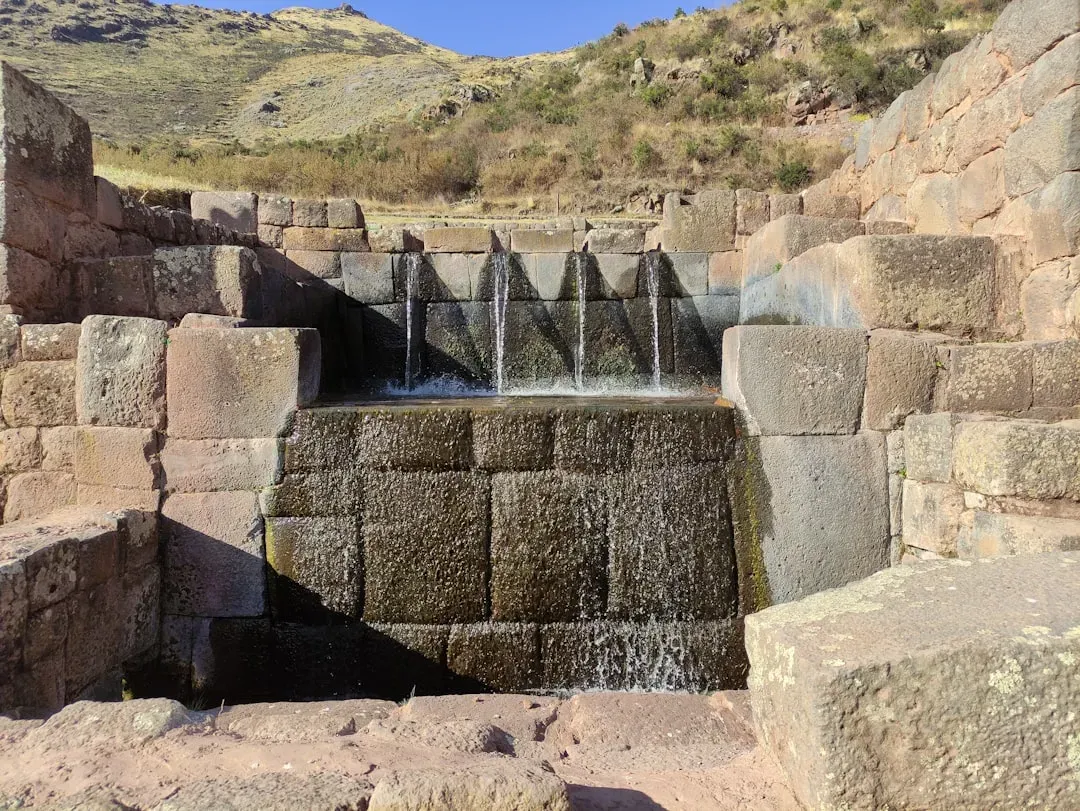
The water management system in Ollantaytambo illustrates the Incas’ advanced understanding of hydraulics. We’re talking about a civilization that had no written language, yet they designed water systems so sophisticated that modern engineers study them with genuine admiration.
The excavated temple has fourteen ceremonial fountains and additionally three others that were never completed, with canals and a well-planned and meticulously engineered conduit/distribution water system. The original irrigation and drainage systems are still used today, both in town and in the surrounding agricultural fields. Let that sink in: six centuries later, and the plumbing still works. When was the last time you saw modern infrastructure last that long?
Agricultural Terraces Created Multiple Climate Zones
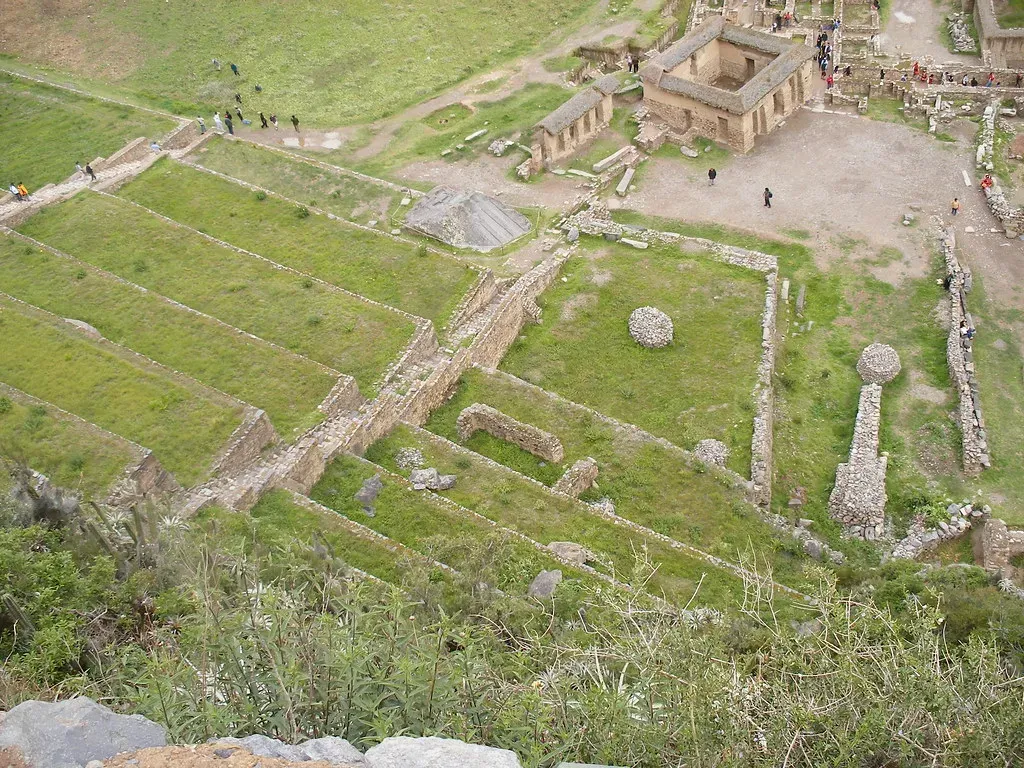
The valleys of the Urubamba and Patakancha Rivers along Ollantaytambo are covered by an extensive set of agricultural terraces or andenes which start at the bottom of the valleys and climb up the surrounding hills, permitting farming on otherwise unusable terrain while also allowing the Incas to take advantage of different ecological zones created by variations in altitude.
This is brilliant agricultural science wrapped in stone walls. Land inside Callejón is protected from the wind by lateral walls which also absorb solar radiation during the day and release it during the night creating a microclimate zone 2 to 3 degrees Celsius warmer than the ground above it, allowing the Incas to grow species of plants native to lower altitudes that otherwise could not have flourished at this site. They essentially hacked the climate before anyone understood thermodynamics. The vast majority of ancient cultures couldn’t manipulate microclimates like this.
The Town Retains Its Original Inca Urban Design
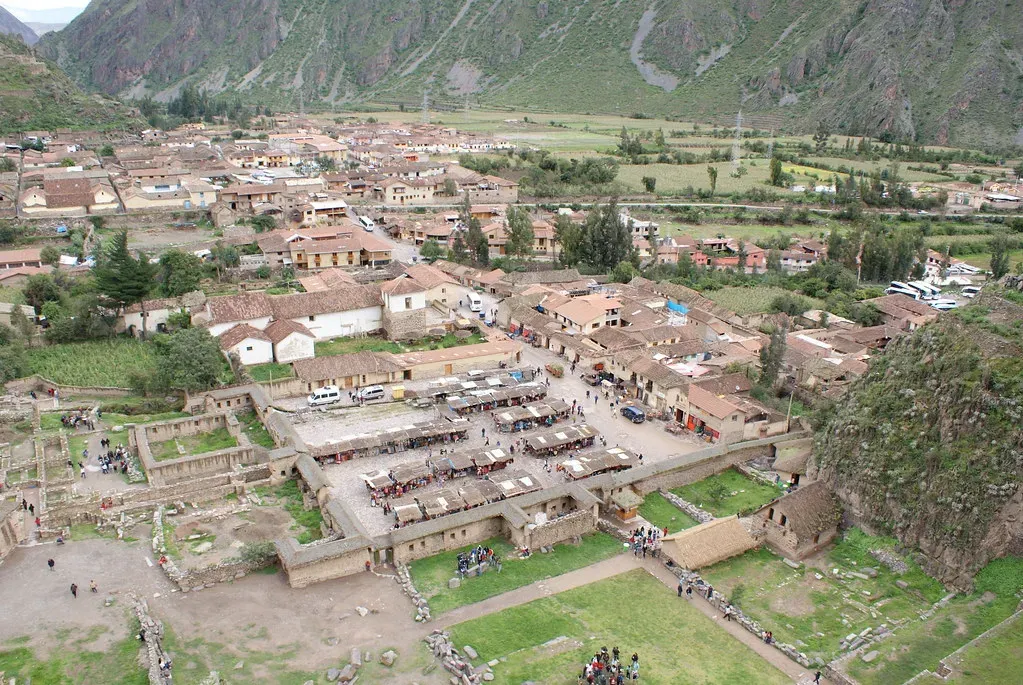
Ollantaytambo dates from the late 15th century and has some of the oldest continuously occupied dwellings in South America. Unlike most Inca sites that exist purely as ruins, Ollantaytambo is genuinely alive with people still living within the ancient framework.
The main settlement at Ollantaytambo has an orthogonal layout with four longitudinal streets crossed by seven parallel streets, with the Incas building a large plaza that may have been up to four blocks large at the center of this grid, while all blocks on the southern half of the town were built to the same design with each comprising two kanchas, walled compounds with four one-room buildings around a central courtyard. Homes in the center of town still have Inca walls and the layout of the town is original. You can literally walk streets that Inca nobles walked centuries ago.
It Served Strategic Military and Ceremonial Functions
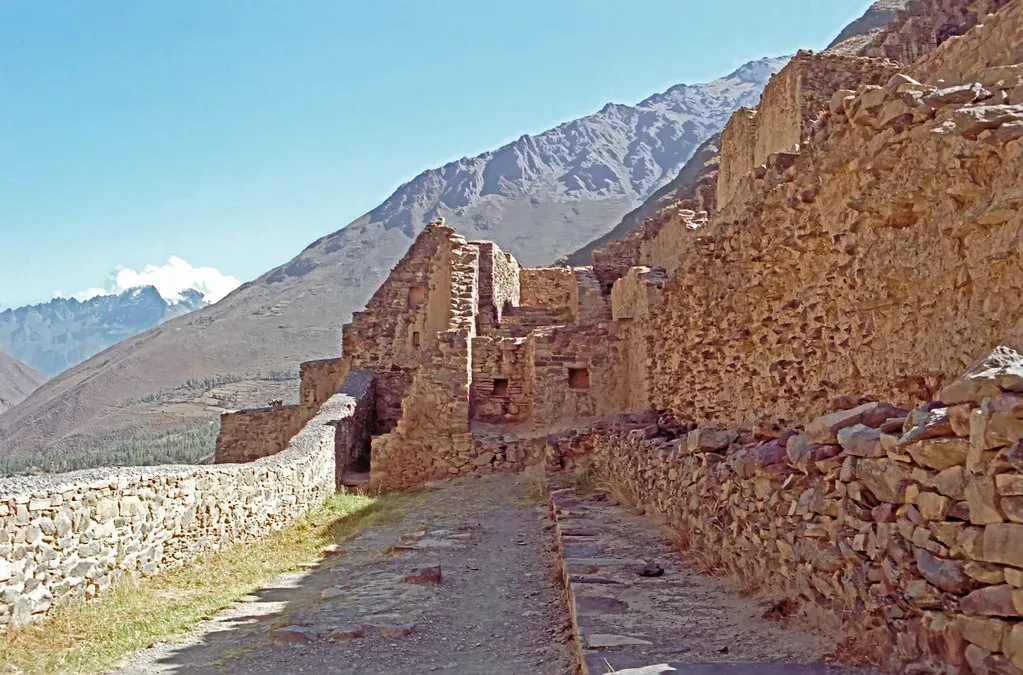
In this place known today as Ollantaytambo, Pachacútec would build a fortress to prevent the advance of any potential invaders and to control the entrance and exit to the Sacred Valley of the Incas. Location, location, location. The site wasn’t chosen randomly; every geographic advantage was calculated.
The elaborate walled complex contained a temple to the sun used for astronomical observation as well as the Baños de la Ñusta (ceremonial princess baths), leading archaeologists to believe that Ollantaytambo existed for more than defensive purposes. As Ollantaytambo is surrounded by mountains with main access routes running along the Urubamba Valley, the Incas built roads connecting the site with Machu Picchu to the west and Pisaq to the east, while during the Spanish conquest emperor Manco Inca fortified the eastern approaches to fend off Spanish attacks from Cusco. It was simultaneously a spiritual center, royal retreat, agricultural hub, and military fortress. Talk about multitasking.
Conclusion
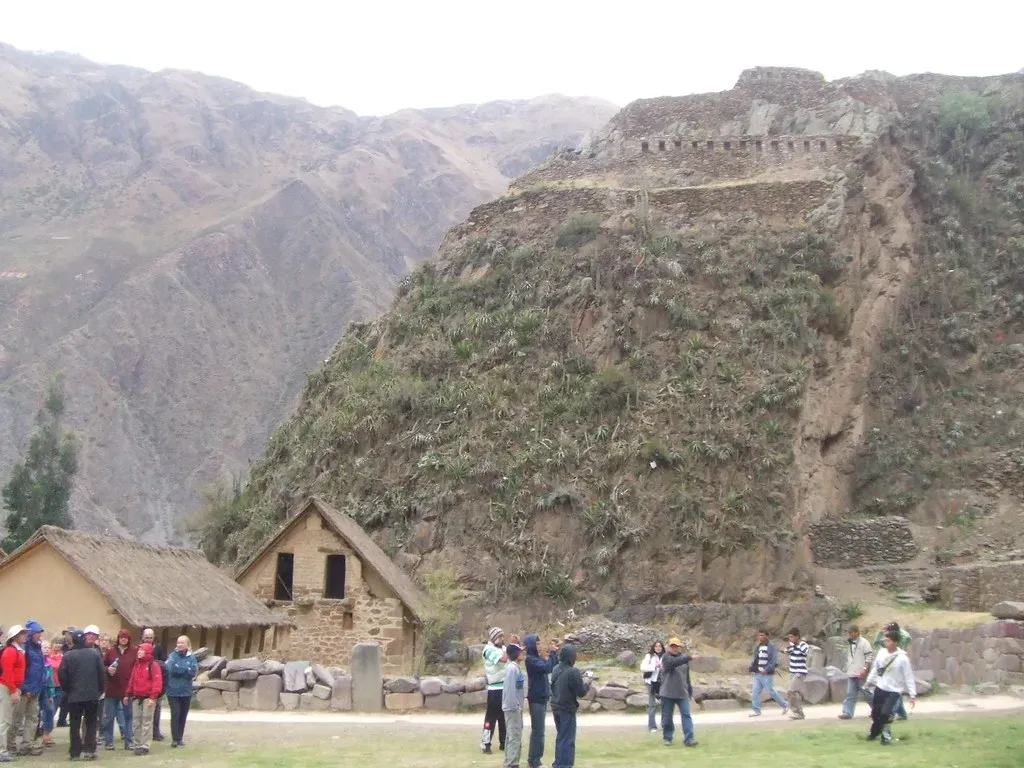
Ollantaytambo stands as living proof that sophisticated engineering, strategic brilliance, and cultural resilience can endure far longer than empires. From Pachacuti’s royal estate to Manco Inca’s last stand against Spanish conquistadors, every stone tells a story of human ingenuity pushed to its absolute limits. The unfinished Temple of the Sun reminds us that even the mightiest civilizations can be interrupted mid-sentence. Yet the water channels still flow, the terraces still climb skyward, and the town still pulses with life.
While the Inca may have ultimately been defeated by the Conquistadors, Ollantaytambo remains as a symbol of Inca resistance against the colonial invaders. Whether you’re fascinated by military history, ancient engineering, or simply want to experience a place where the past refuses to stay buried, Ollantaytambo delivers in ways few archaeological sites can match. What do you think about this incredible fortress? Does it change how you view ancient civilizations?