
Weather is supposed to be the everyday background noise of our lives, yet some days it turns into something so intense that it rewrites the record books and reshapes how we understand the planet. Even with satellites watching every cloud and supercomputers running climate models, a handful of extreme events still sit alone at the top of the charts, unbeaten and almost unreal. These records are more than trivia; they’re clues to how far Earth’s atmosphere can be pushed – and how much further it might go in a warming world. As scientists revisit old data with new tools, they’re also asking a quietly unsettling question: are these “once in a millennium” outliers, or a preview of what normal could one day look like? The answer lives somewhere in the overlap between history, physics, and our rapidly changing climate.
The Hidden Clues: Why Unbroken Records Matter
Some of the most famous extreme weather records are so outrageous they sound like urban legends, but they live in dusty logbooks, satellite archives, and eyewitness accounts. These numbers – temperatures pushing the limits of human survival, winds faster than race cars, rains that drown landscapes in hours – are like stress tests on the machinery of the atmosphere. When a record stands for decades, it suggests the planet has not yet returned to quite that exact combination of ingredients, which is fascinating in itself. At the same time, climate scientists look at these records and ask if they’re harbingers, waiting to be broken as global temperatures climb and weather patterns grow more energetic.
Hidden in each of these records is a story about timing, geography, and physics lining up in just the wrong way. A stagnant high-pressure dome trapping heat over land; a cyclone passing over abnormally warm water; a thunderstorm sitting over the same town for hour after hour. These are the “recipe failures” that expose what the atmosphere is capable of when constraints fall away. By studying them, researchers can see where models underestimate risk, where infrastructure assumptions are optimistic, and where human memory underplays danger. In that sense, every stubborn record is less a trophy and more a warning label.
Furnace on Earth: The World’s Hottest Air Temperatures
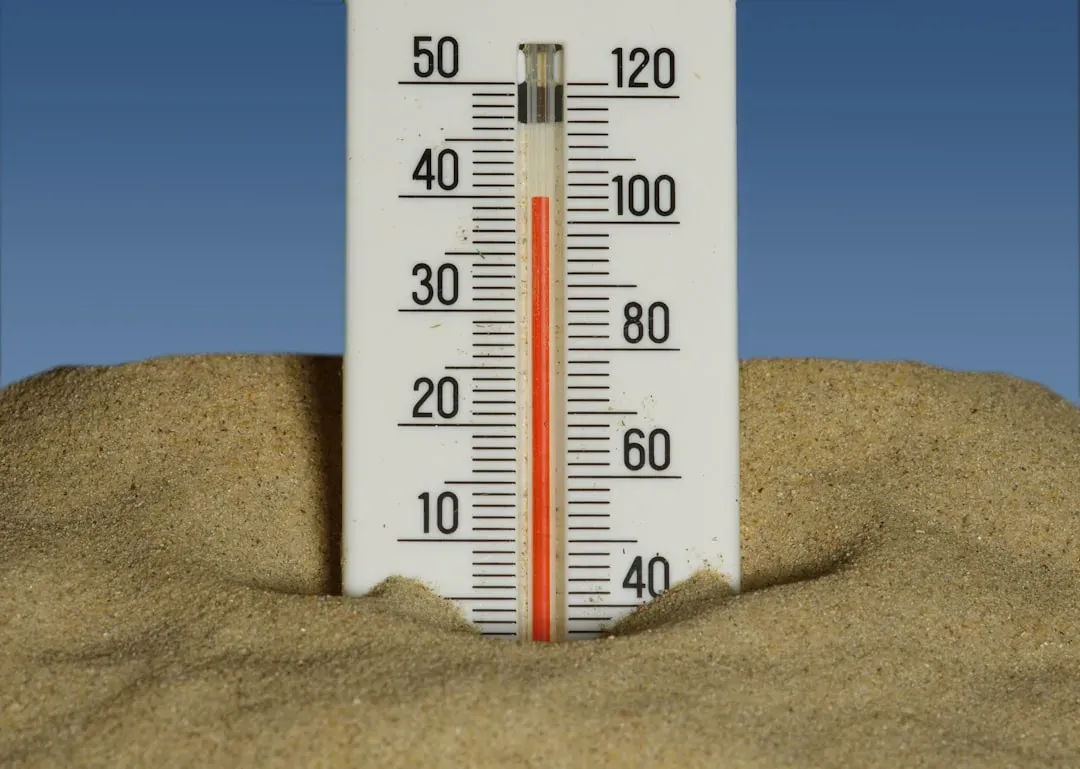
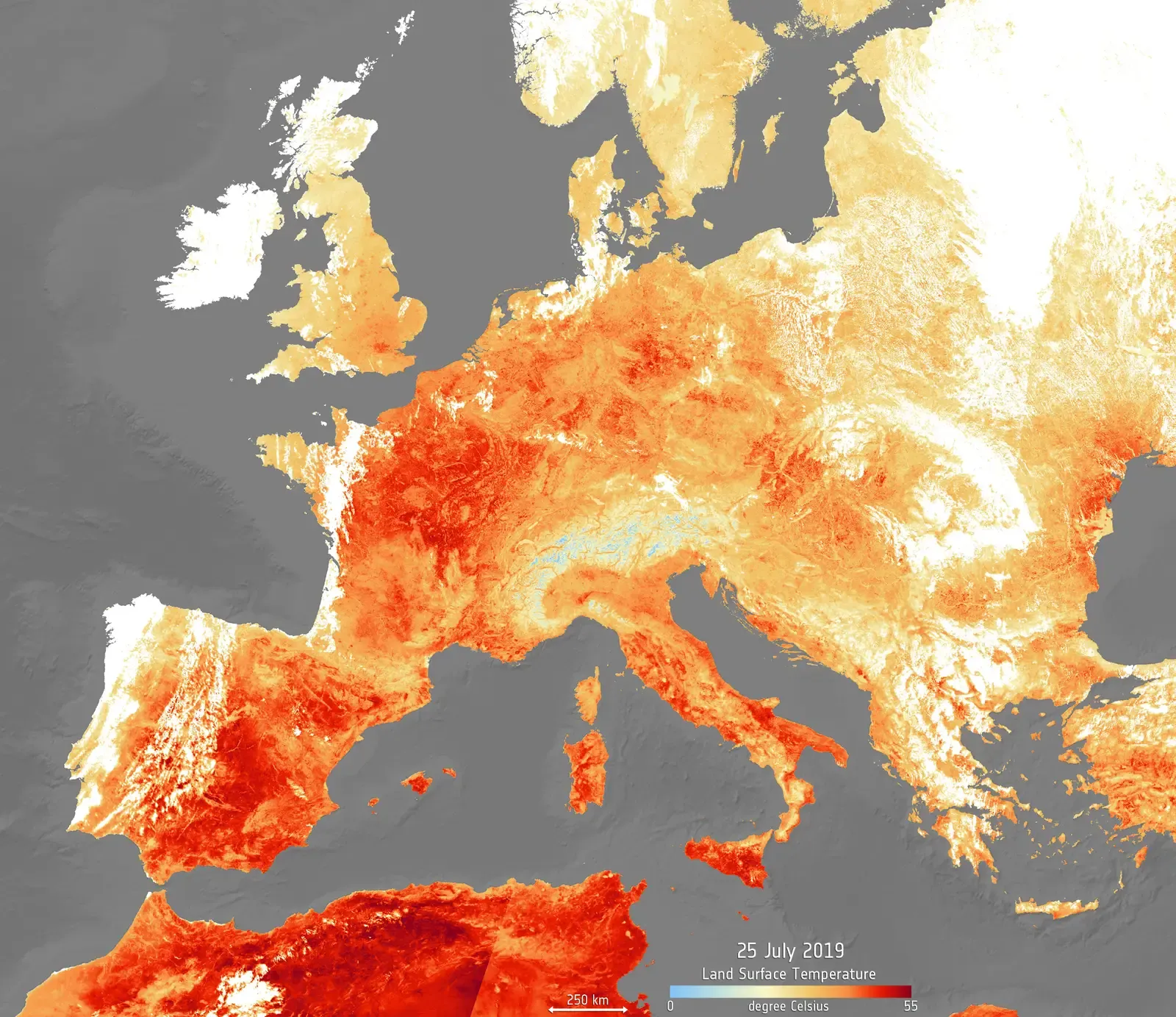
The image of heat records usually starts in Death Valley, California, where the official world record high temperature – just under one hundred thirty four degrees Fahrenheit recorded in 1913 – still stands. That number is so extreme that some modern researchers have re-examined it, questioning whether instrument errors or local conditions might have inflated the reading, but it remains in the official books. More recently, Death Valley has repeatedly surged into the one hundred twenty degrees plus range, with a few modern readings coming within a couple of degrees of that old mark. At the same time, heat records in places like Kuwait and Iran have now reached the mid one hundred twenties, blurring the idea that “hottest” is limited to one patch of desert in the American West.
What makes these heat spikes so unsettling is that they are not just about one freak day; they ride on a warmer global baseline. Today’s heatwaves settle on top of long-term warming driven by greenhouse gas emissions, making records more likely to be challenged. Scientists are especially concerned about regions where humidity is also rising, because high temperature combined with high moisture pushes the human body to its cooling limits. There’s an unspoken question hanging over every new heat season: will the old records finally fall, and if they do, what does that say about where the thermostat of the planet is really heading?
Frozen Extremes: The Coldest Temperatures Ever Recorded
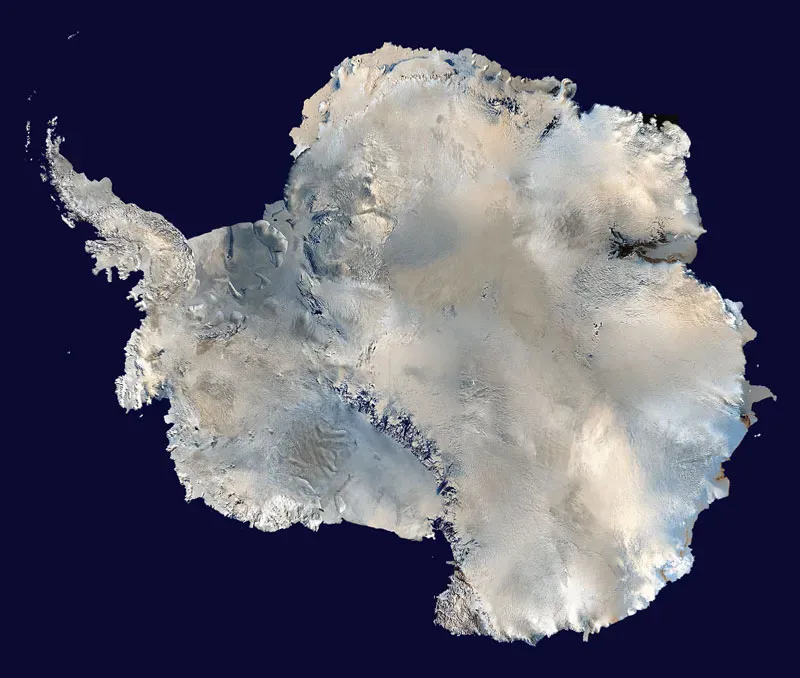
On the other end of the scale, Antarctica still holds onto the coldest reliably measured temperature on Earth, plunging well below one hundred twenty degrees Fahrenheit below zero on a remote plateau in the 1980s. Later satellite analyses have hinted at even colder tiny pockets of air over the East Antarctic ice sheet, where conditions are so clear, dry, and calm that heat radiates into space with ruthless efficiency. These cold records feel almost alien, as if they belong more to another planet than to the same world where cities swelter in record heat waves. And yet they remind us that Earth’s climate engine is capable of both extremes at once, depending on where you stand.
What’s intriguing is that many of the coldest records date back several decades, even as the planet has warmed overall. Polar regions, especially in the Arctic, are now warming at more than double the global average rate, which nudges the odds away from seeing such brutally low temperatures again. That doesn’t mean severe cold is gone; sudden Arctic outbreaks can still plunge temperate regions into dangerous freezes. But the balance is shifting: heat records are falling more often, while many of the most dramatic cold records remain as relics of a colder baseline. They stand like historic markers at the edge of what the atmosphere once regularly did, and what it might increasingly leave behind.
Deluge from the Sky: Rainfall Records That Reshaped Landscapes
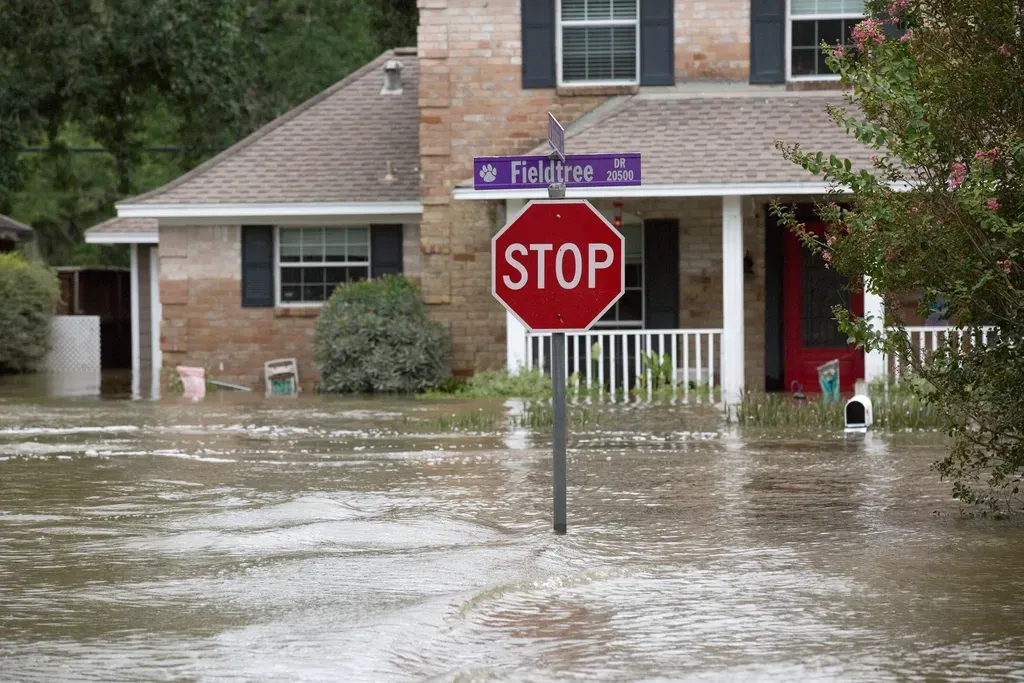
Imagine waking up to find that in less than a day, your town has taken on as much rain as it would normally see in months. In some places, that nightmare has already happened, and the numbers are staggering. Certain tropical storms and stalled weather systems have dumped more than six feet of rain over a single season or several feet over a few days on narrow regions, turning roads into rivers and whole neighborhoods into temporary lakes. These are not slow, gentle soakers; they are bursts of water so intense that even well-designed drainage systems collapse under the load.
Rainfall records often share a similar villain: a storm that stops moving. Warmer oceans feed hurricanes and monsoon systems with more moisture, and if steering winds weaken, those storms simply park over one area and squeeze out everything they hold. In recent decades, rainfall extremes linked to tropical cyclones have repeatedly pushed local records in places from South Asia to North America, sometimes dumping an amount close to an entire year’s average in a matter of days. Engineers and urban planners are now confronting the uncomfortable reality that design standards based on historical rainfall data no longer reflect emerging extremes. The records that still stand may only be placeholders, waiting for the next stalled storm to push them higher.
When Wind Becomes a Weapon: Strongest Storm Gusts
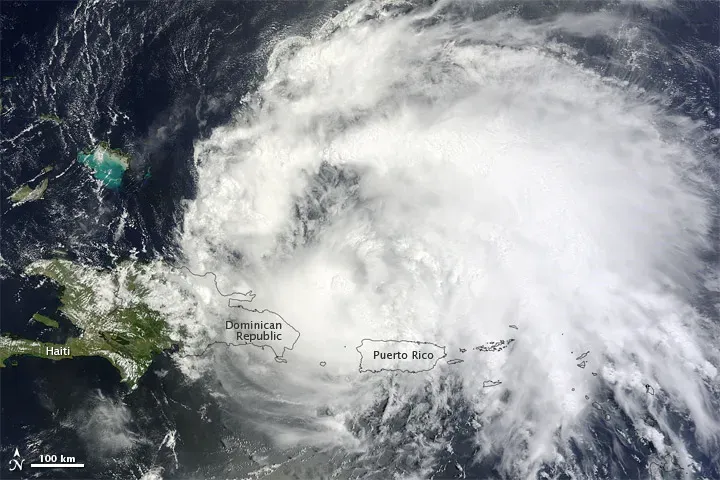
If you have ever tried to walk in a strong gale, you know how a mere forty or fifty mile-per-hour wind can feel like a living force. Now scale that up to gusts approaching two hundred miles per hour and beyond, which some of the most intense tropical cyclones and tornadoes have unleashed. A handful of these measurements, captured by hardened weather instruments or inferred from damage, sit at the very top of the global record and have not been exceeded in decades. These winds tear roofs from concrete buildings, strip vegetation to bare ground, and turn everyday objects into shrapnel. The raw power involved is large enough to rival small explosive devices spread across entire regions.
One reason these wind records are so hard to beat is surprisingly practical: instruments often fail before they can capture the absolute peak. When a weather station is literally blown apart, meteorologists lose their chance to record the true maximum gust. Advances in remote sensing and radar are helping scientists better estimate wind speeds, but old records still loom large because they were documented during rare, direct hits on measurement sites. Meanwhile, as oceans warm, some of the strongest storms on record have formed in the last two decades, even if they did not quite crest past those legendary wind numbers. The uneasy question is not whether we can see storms that strong again, but whether we are building and living as if we might.
Lightning on Repeat: The Longest-Striking Storms
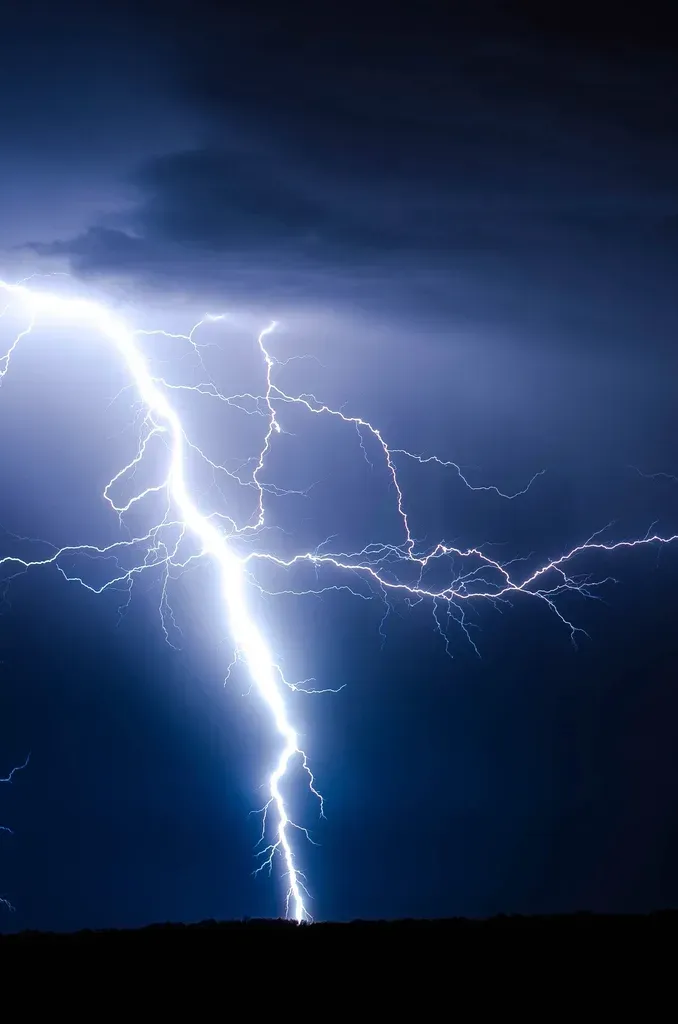
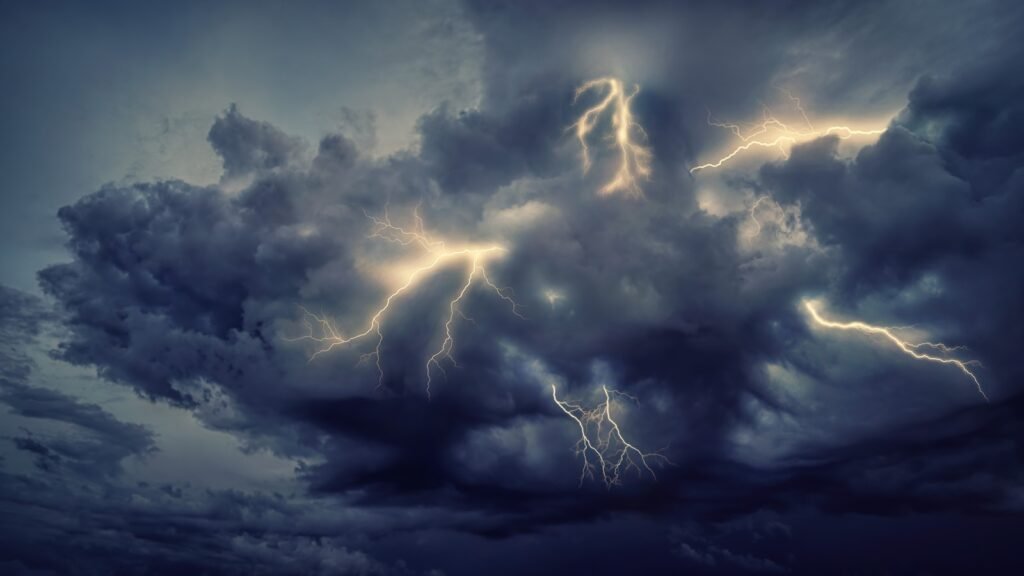
Not all extremes are about sheer strength; some are about duration, and lightning has its own bizarre records. In a few storms over South America and the central United States, satellites and ground sensors have captured individual lightning flashes stretching for hundreds of miles or continuing for more than ten seconds. These events challenge our everyday picture of lightning as a single, quick bolt; instead, they behave like sprawling, flickering electrical highways in the sky. The longest of these mega-flashes have set global records in just the past few years, and they still stand as examples of what happens when storm systems link up over vast areas.
What fascinates researchers is how these giant flashes point to emerging patterns in thunderstorm organization. Large, connected storm complexes – sometimes spanning multiple states or crossing national borders – create the perfect setup for such extended lightning events. With new satellite instruments designed specifically to track lightning globally, scientists are finding that these mega-flashes might be rarer than ordinary bolts but not as rare as once assumed. They raise new questions about how climate change could alter thunderstorm behavior, possibly shifting where and how often these vast electrical chains fire. For people on the ground, the storms themselves feel familiar, but high above, the sky is sometimes playing out a record-breaking light show that nobody directly sees.
Why It Matters: Extreme Records as Early Warnings
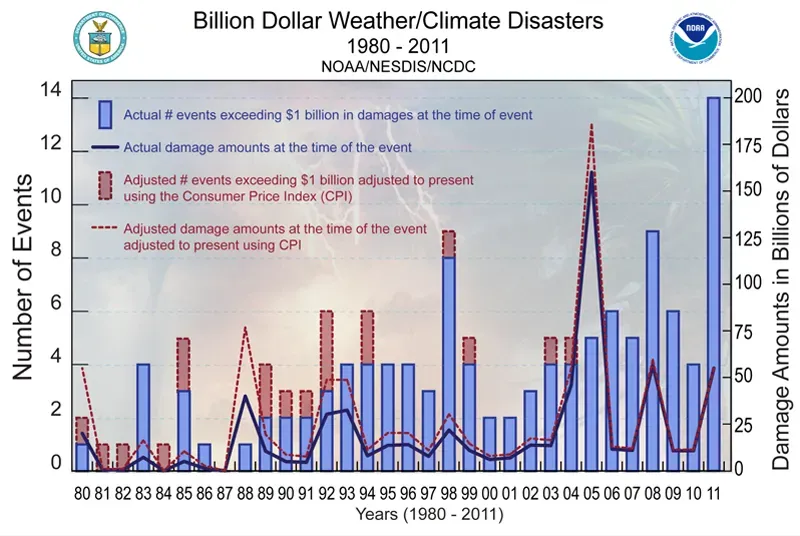
It is tempting to treat extreme weather records as curiosity pieces, the atmospheric equivalent of a “tallest building” contest. But each one quietly maps the boundary of conditions that people, ecosystems, and infrastructure might have to face. Historically, societies have planned cities, dams, power grids, and emergency systems using the assumption that yesterday’s extremes are a good guide to tomorrow’s limits. Now, with a rapidly warming climate, that assumption is cracking. When records fall more frequently, or old records remain but are nearly matched again and again, it signals that the safety margins we thought we had are shrinking.
Compared with traditional weather lore – like farmers reading the sky or communities relying on memory of the “worst storm we ever had” – modern records give a more precise but still incomplete guide to risk. They offer concrete numbers that can be built into codes, models, and insurance calculations. Yet past records alone cannot keep up with a climate that is shifting faster than those historical datasets can adapt. This is why scientists increasingly treat extreme events as a kind of early warning system, pointing out where old thresholds no longer hold. In that sense, those stubborn records are not reassuring barriers; they are flashing markers on a road that is still being built while we drive it.
The Future Landscape: Will These Records Still Stand in 2050?
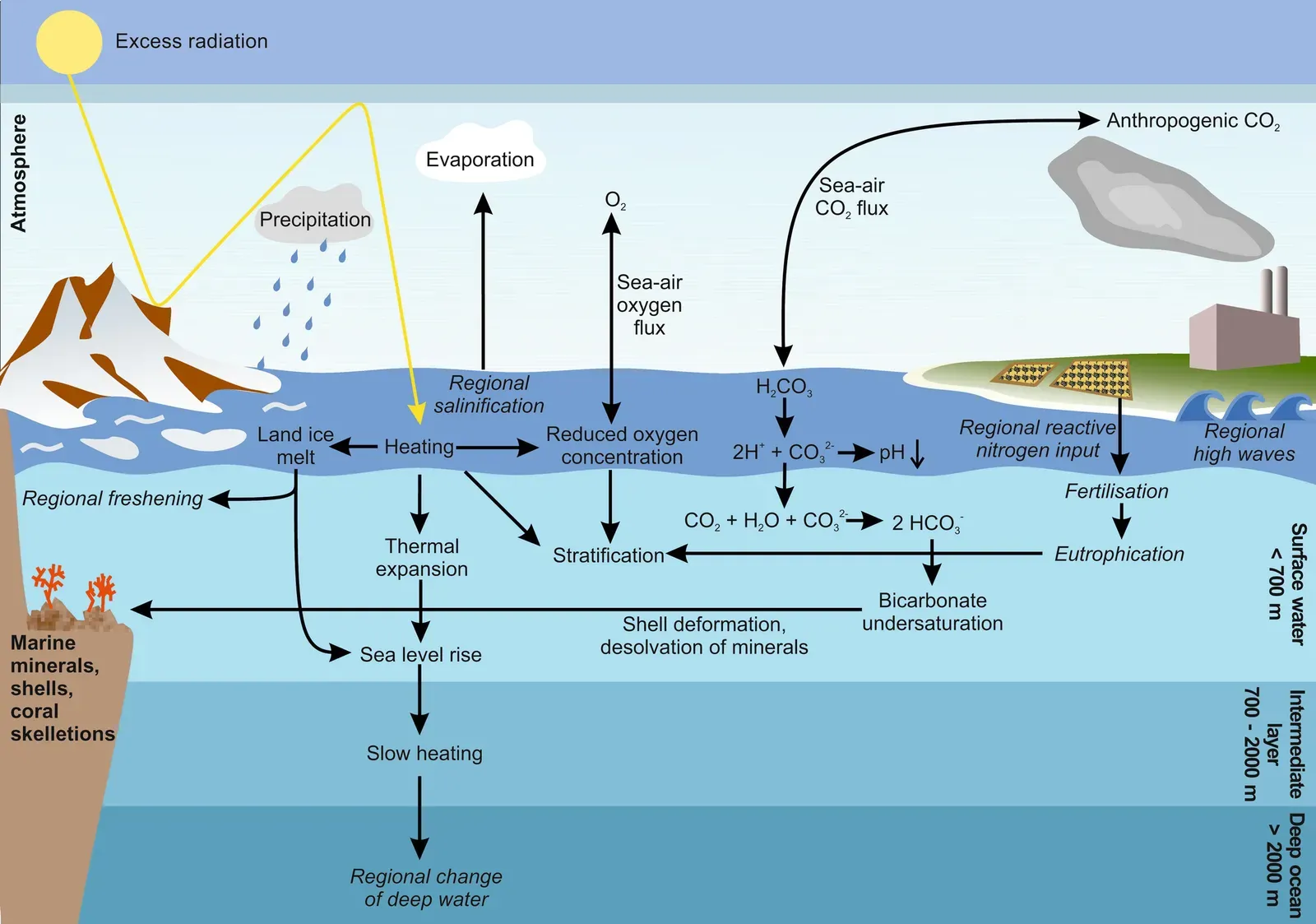
Looking ahead, the most sobering expectation among climate researchers is that many of today’s extreme records will not last through the middle of this century. As global average temperatures rise, heat records are the most likely to fall first and most often; some regions already see record highs outpacing record lows by a wide margin. More moisture in the atmosphere means that rainfall extremes will likely intensify as well, with storms delivering heavier bursts over the same or shorter periods. It is entirely plausible that a city which once saw a “once in a century” flood could now face similar events within a single lifetime. The physics behind this is straightforward, even if the individual events remain unpredictable: a warmer, wetter atmosphere has more energy to spend.
Technology may help us see these shifts more clearly than ever before. A growing fleet of Earth-observing satellites, denser sensor networks, and improved climate models are making it harder for extreme events to slip by unnoticed or unmeasured. That means future records will be better documented and less subject to the measurement doubts that shadow some older extremes. But better observation does not soften the blow; if anything, it forces a more honest reckoning with the scale of what is happening. The global implications are stark: from crop failures and migration pressures to insurance crises and infrastructure overhauls, the breaking of these records translates directly into human challenges that will define the coming decades.
Living with Extremes: How We Can Respond
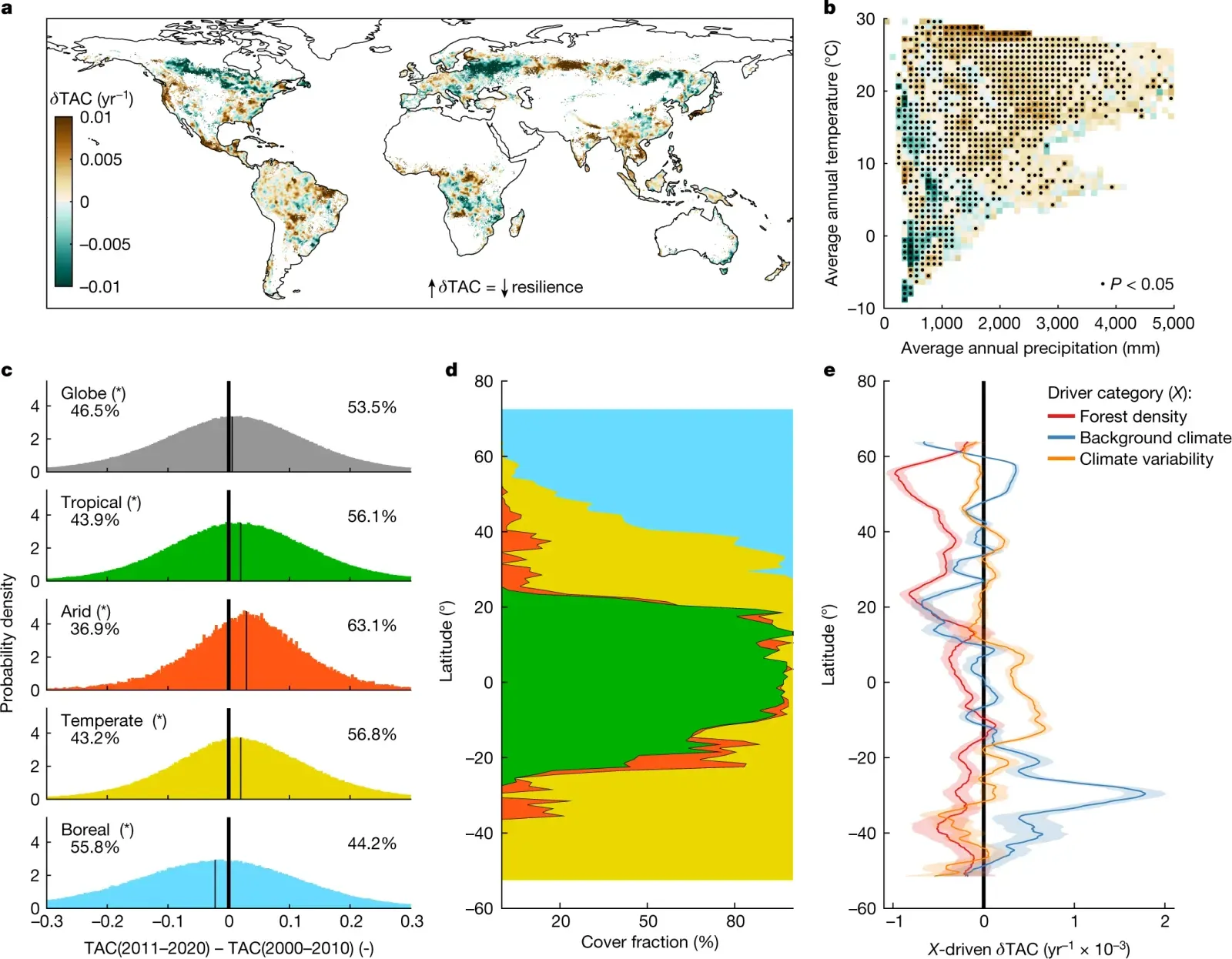
For most of us, there is no button to dial back global temperatures or reroute a cyclone, but that does not mean we are helpless in the face of record-breaking weather. Awareness is a deceptively powerful first step; understanding what your region’s historical extremes have been, and how they are changing, makes headlines less abstract. Supporting policies and projects that invest in resilient infrastructure – stronger grids, better flood defenses, heat-resilient housing – turns that awareness into collective insurance. On a personal level, small choices, from planting shade trees to checking whether your home is in a floodplain, add up when multiplied across millions of people.
Engaging with science directly is another route: following trusted meteorological agencies, backing climate research institutions, or even participating in citizen science projects that track rainfall, heatwaves, or storms. These efforts refine the data that future generations will lean on when assessing their own risks. At a deeper level, there is also the question of mitigation – reducing the emissions that load the dice toward more frequent and intense extremes. Supporting clean energy transitions, efficient transportation, and sustainable land use might feel far removed from a single heat record or flood, but they are part of the same system. The tell us what is possible; what we choose to do now will help decide how often those limits are tested – and whether tomorrow’s most shocking statistics will feel inevitable or avoidable.
Suhail Ahmed is a passionate digital professional and nature enthusiast with over 8 years of experience in content strategy, SEO, web development, and digital operations. Alongside his freelance journey, Suhail actively contributes to nature and wildlife platforms like Discover Wildlife, where he channels his curiosity for the planet into engaging, educational storytelling.
With a strong background in managing digital ecosystems — from ecommerce stores and WordPress websites to social media and automation — Suhail merges technical precision with creative insight. His content reflects a rare balance: SEO-friendly yet deeply human, data-informed yet emotionally resonant.
Driven by a love for discovery and storytelling, Suhail believes in using digital platforms to amplify causes that matter — especially those protecting Earth’s biodiversity and inspiring sustainable living. Whether he’s managing online projects or crafting wildlife content, his goal remains the same: to inform, inspire, and leave a positive digital footprint.