
You probably walk past plants every single day without giving them a second thought. They just sit there, quiet, green, doing their thing. But here’s the thing – some of these plants are doing things that would make your jaw drop if you actually knew what was happening at a microscopic, biological, or even behavioral level.
We’re not talking about pretty flowers or good-smelling herbs. We’re talking about plants that can count, shoot projectiles at highway speeds, survive for two thousand years on nothing but morning fog, and even help clean the walls of your house. The natural world is genuinely stranger than fiction, and the plant kingdom might just be the strangest chapter of all. Let’s dive in.
1. Venus Flytrap: The Plant That Actually Counts
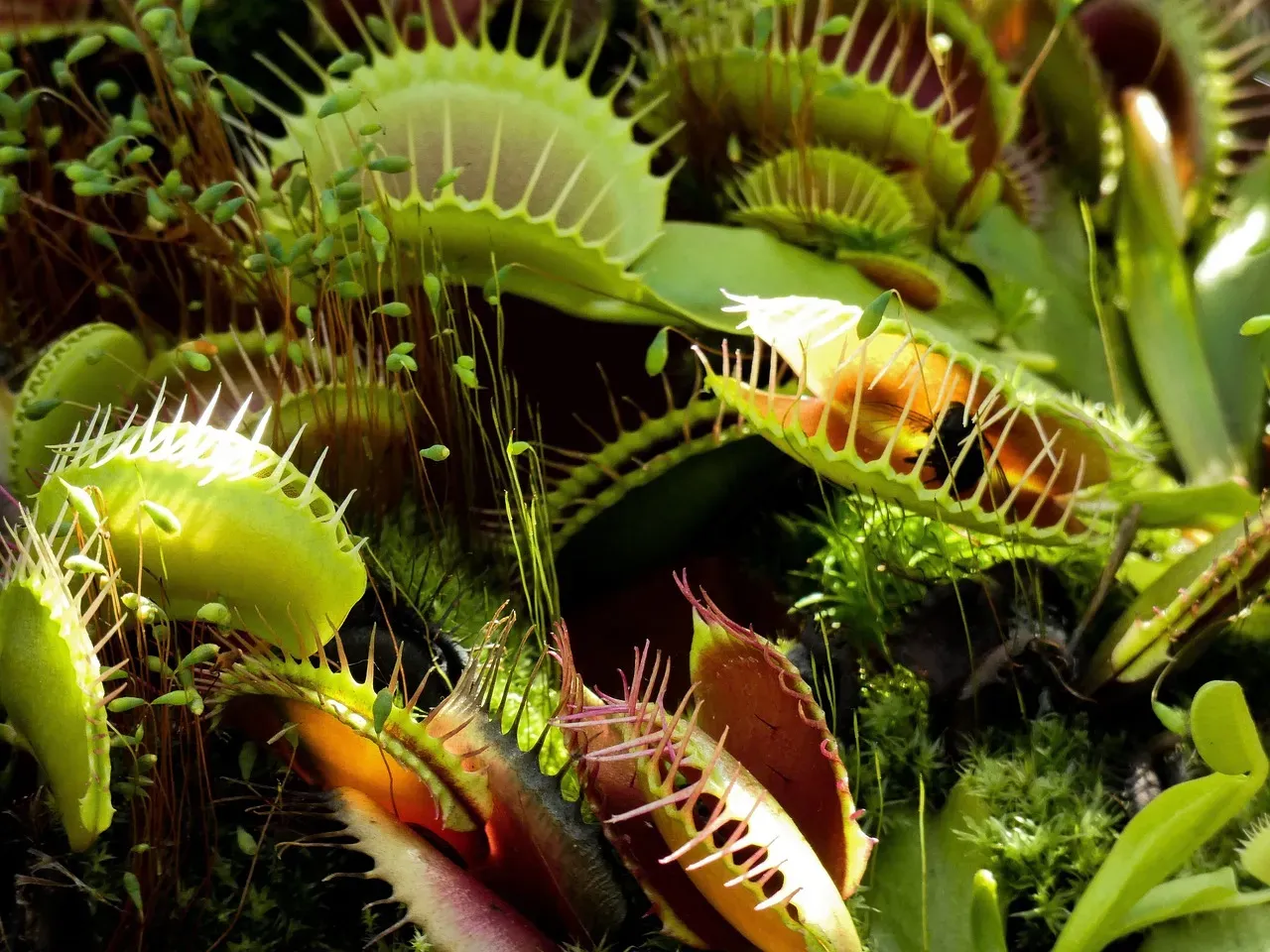
Most people know the Venus flytrap can snap shut on unsuspecting flies. That part’s famous. What you probably don’t know is that this remarkable little plant can actually count. Its superpowers are astonishing – it can count and it also employs a simple form of memory. That’s not a metaphor. That’s real plant neuroscience.
Inside the flytrap’s leaves are numerous sensory hairs. If one of them is touched, the plant is alerted and this starts a calcium countdown inside. Unless another hair is touched within around 30 seconds, the plant decides it was a false alarm and resets itself. However, if another hair is touched within that 30-second window, the plant releases another burst of calcium, the trap closes on the fly, and its digestive enzymes get to work on its prey. Think of it like a two-factor verification system, but built by evolution, not Silicon Valley.
2. Mimosa Pudica: The Shy Plant That Moves in Seconds
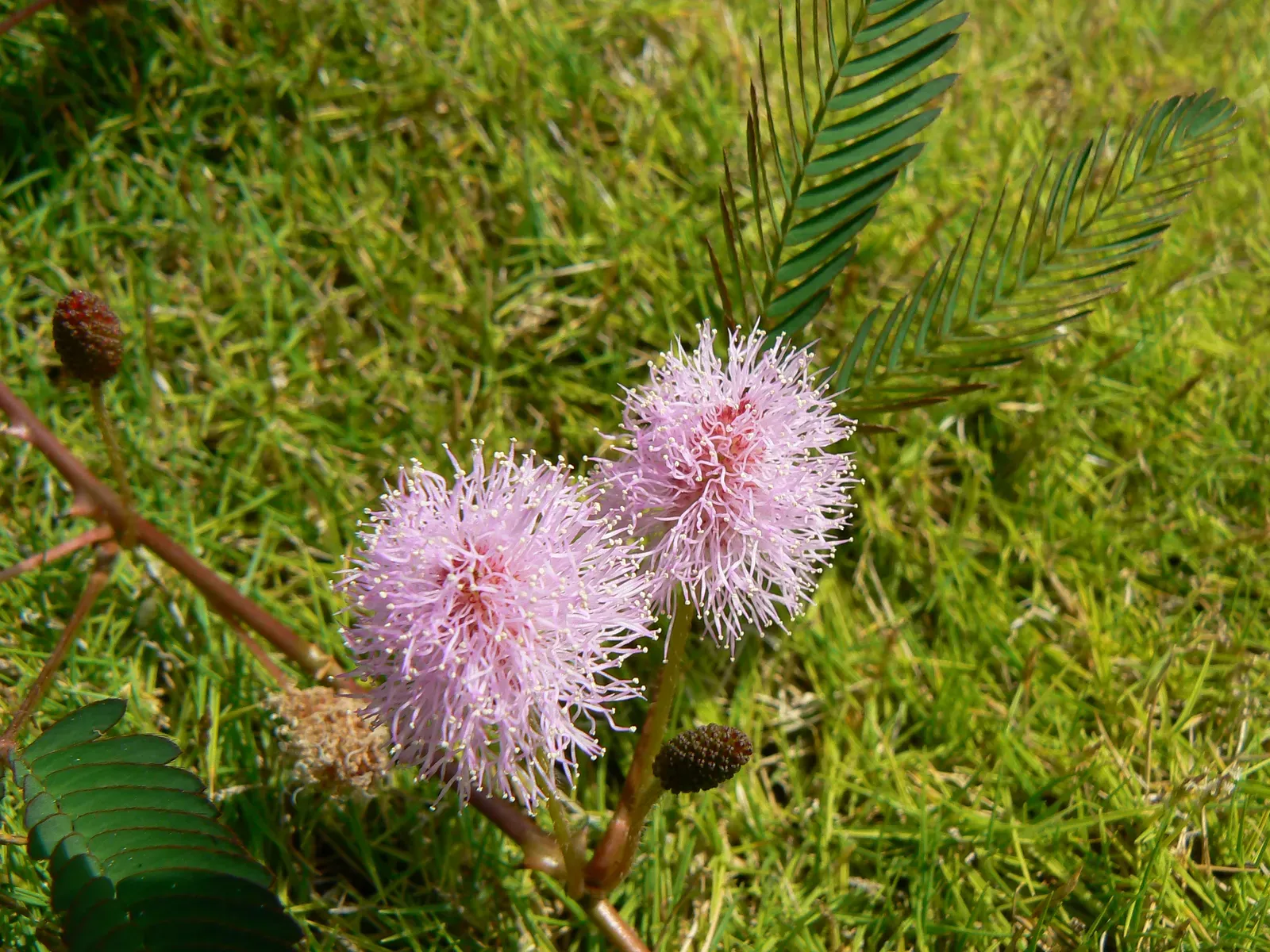
Touch it and watch it react. The Mimosa pudica, also called the sensitive plant or touch-me-not, is one of those rare plants that makes you stop and reconsider everything you thought you knew about the green world. Native to South and Central America, it demonstrates a rare plant behavior: fast, visible movement in response to mechanical stimulation. When touched, its compound leaves fold inward within seconds. This isn’t just a novelty – it’s a defensive adaptation. The sudden movement may startle herbivores or dislodge insects, while the reduction in leaf area could deter browsing by making the plant appear less appetizing.
The mechanism behind this is genuinely clever. The sensitive plant achieves this incredible reaction by the movement of potassium and chlorine ions from inside to outside the plant cells. This triggers a movement of moisture, which keeps the cells full and firm, collapsing them at certain points and flopping the plant. The process also closes the leaves in high winds, helping the plant to reduce moisture loss from exposed foliage. It’s physics and chemistry working together in real time, without a brain, without muscles, without anything we’d normally associate with movement.
3. The Sandbox Tree: Nature’s Explosive Launcher
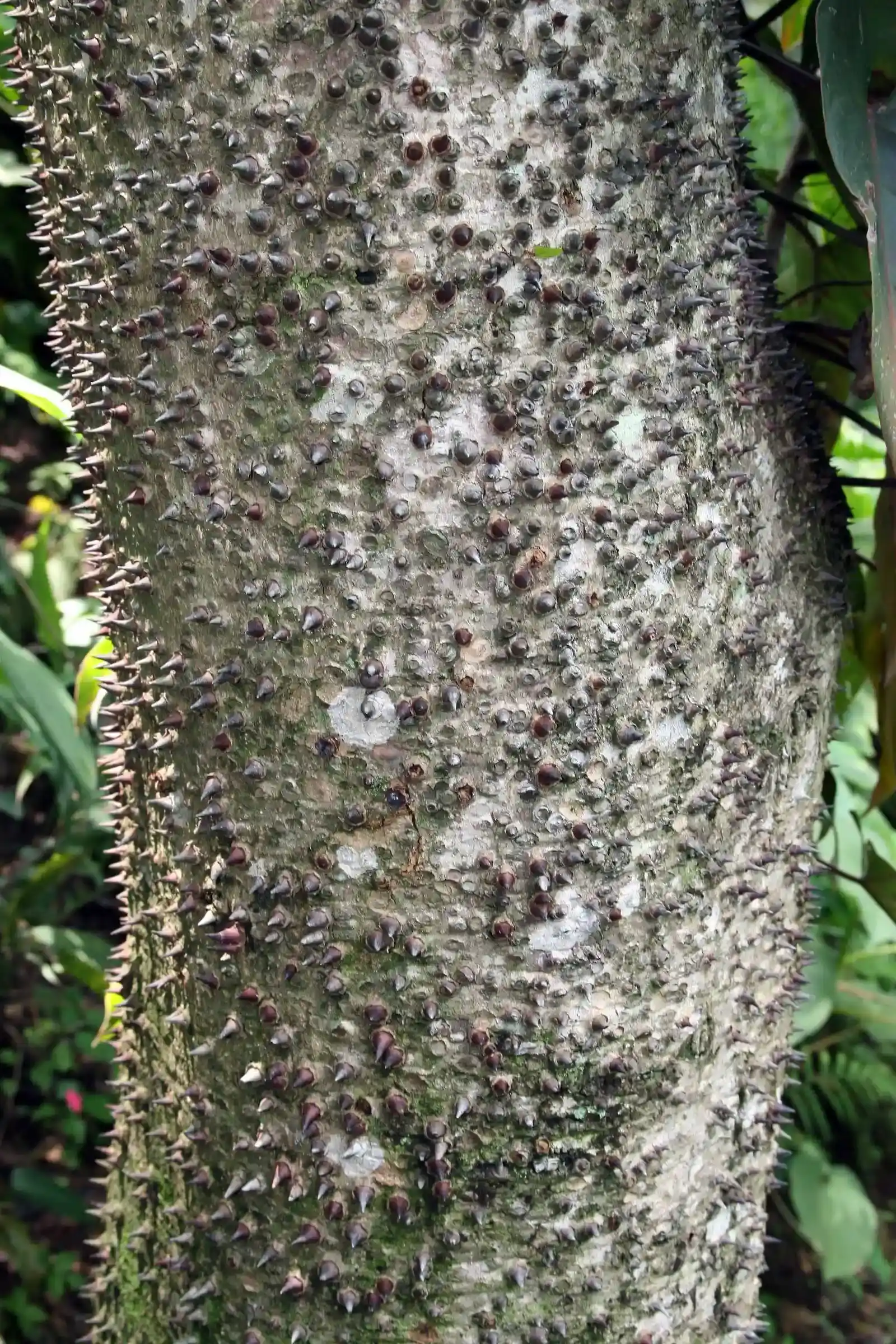
Honestly, if you ever encounter this tree in the wild, you might want to keep your distance. Hura Crepitans is called one of the most dangerous plants in the world. It is easily recognized by its size, reaching up to 60 meters and by its spike-covered bark. But these sharp spikes are not the only way it can do harm. Its poisonous fruits explode with a loud noise, flinging shrapnels of big, hard seeds at speeds up to 240 km/h that can cause serious injuries. That’s faster than most highway speed limits.
This tree is also known as “Monkey no climb” or the sandbox tree, native to South America and later was introduced to other parts of the world. The explosive dispersal mechanism is a genuinely fascinating evolutionary trick – the tree essentially built its own catapult to spread its seeds as far as possible. No animal needed, no wind required. Just raw, stored energy and a dramatic bang. I know it sounds crazy, but this is just plants doing what they do best: surviving.
4. The Lotus Plant: A Built-In Self-Cleaning System
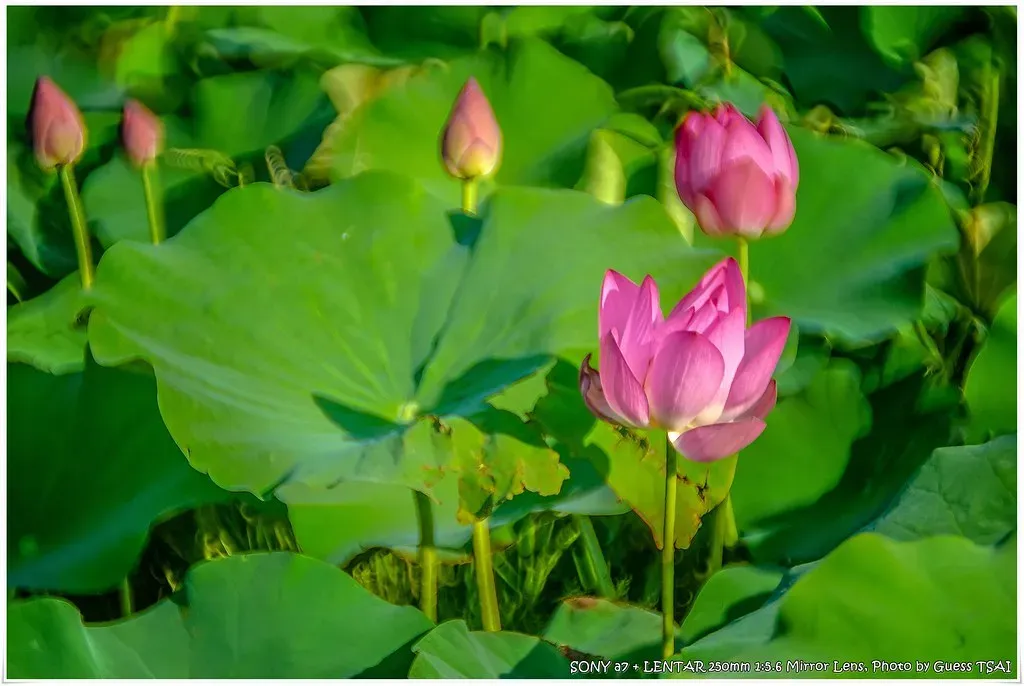
You’ve probably seen lotus flowers in ponds looking impossibly pristine. There’s a reason for that. The lotus effect refers to self-cleaning properties that are a result of ultrahydrophobicity as exhibited by the leaves of Nelumbo, the lotus flower. Dirt particles are picked up by water droplets due to the micro- and nanoscopic architecture on the surface, which minimizes the droplet’s adhesion to that surface. It’s like the leaf is permanently wearing a self-washing raincoat.
The engineering behind it is extraordinary. The lotus effect describes the self-cleaning property of the lotus plant’s leaves. Its surface is covered in microscopic papillae coated with epicuticular wax crystals, creating a superhydrophobic surface. Water droplets bead up with a high contact angle and low roll-off angle, picking up dirt particles as they roll off, thus cleaning the leaf. The discovery and understanding of the lotus effect have spurred significant innovation in materials science. Researchers have developed numerous methods to create artificial superhydrophobic surfaces that mimic the lotus leaf. These engineered surfaces have led to a wide range of commercial products, including self-cleaning paints, water-repellent coatings for glass and textiles, and anti-fouling surfaces for ships.
5. Welwitschia Mirabilis: The Desert Fossil That Drinks Fog
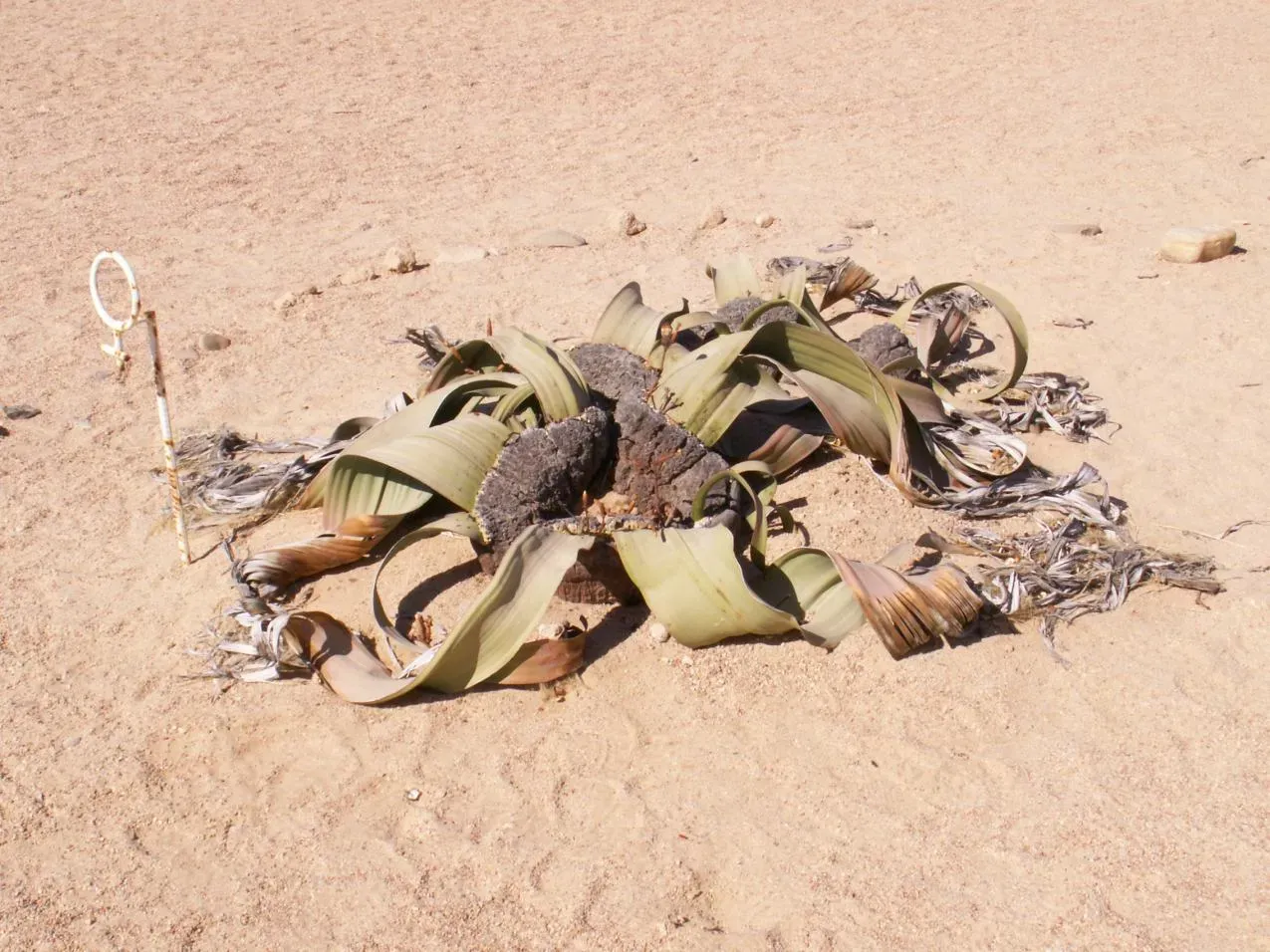
Imagine a plant so ancient it was already growing when the dinosaurs roamed. That’s Welwitschia mirabilis. Welwitschia is often referred to as a living fossil because it belongs to a plant lineage that has remained largely unchanged for over 100 million years. Scientists believe that this plant is a remnant from the Jurassic period, when the Earth’s climate was vastly different from today. Despite its ancient lineage, Welwitschia has perfectly adapted to the extreme conditions of the Namib Desert, where temperatures can exceed 40°C and rainfall is rare.
You might wonder – how does anything survive in one of the driest places on Earth for thousands of years? Welwitschia has developed unique adaptations, such as capturing moisture from fog and utilizing a deep taproot to access underground water sources, which allow it to survive in the dry Namib Desert. This root can extend more than 30 feet into the ground, ensuring that the plant can absorb moisture even during prolonged droughts. Some Welwitschia plants are estimated to be 1,500 to 2,000 years old. To put that in perspective, some of these plants were already ancient when medieval cathedrals were being built.
6. Eucalyptus: The Tree That Actively Encourages Fire
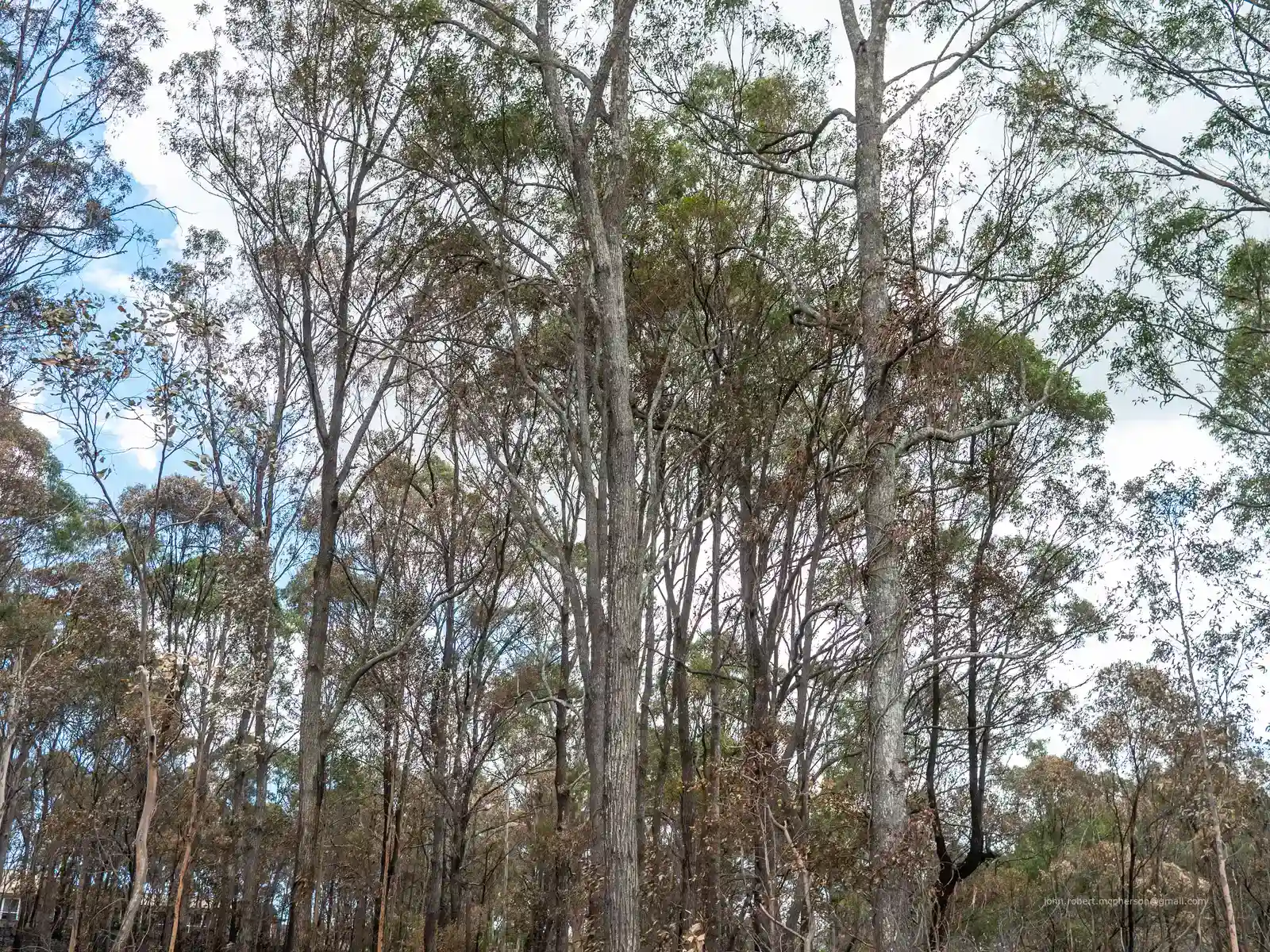
Here’s a plant strategy so audacious it almost seems villainous. The eucalyptus tree doesn’t just survive wildfires – it promotes them. Emerging in the dry landscapes of Australia shortly after it broke up from the continent, eucalyptus trees have developed a unique arsenal to defend themselves against frequent bushfires. Not only did they become immune to forest fires by evolving a thick bark and regeneration capabilities, but they encourage fires with leaves secreting a highly flammable oil that can make trees explode.
The strategy is essentially scorched-earth competition at a botanical level. Eucalyptus actually start to prepare their environment to be the first to spread again after the apocalypse. All this is thanks not only to their renewal abilities, but also to their fruits, that do not release seeds when they mature, but when they are exposed to fire. It’s a gamble that paid off spectacularly well. The eucalyptus wipes out its competition with fire, then seeds the cleared land before anything else can recover. Cold, calculated, effective.
7. Madagascar Periwinkle: The Tiny Flower Fighting Childhood Cancer
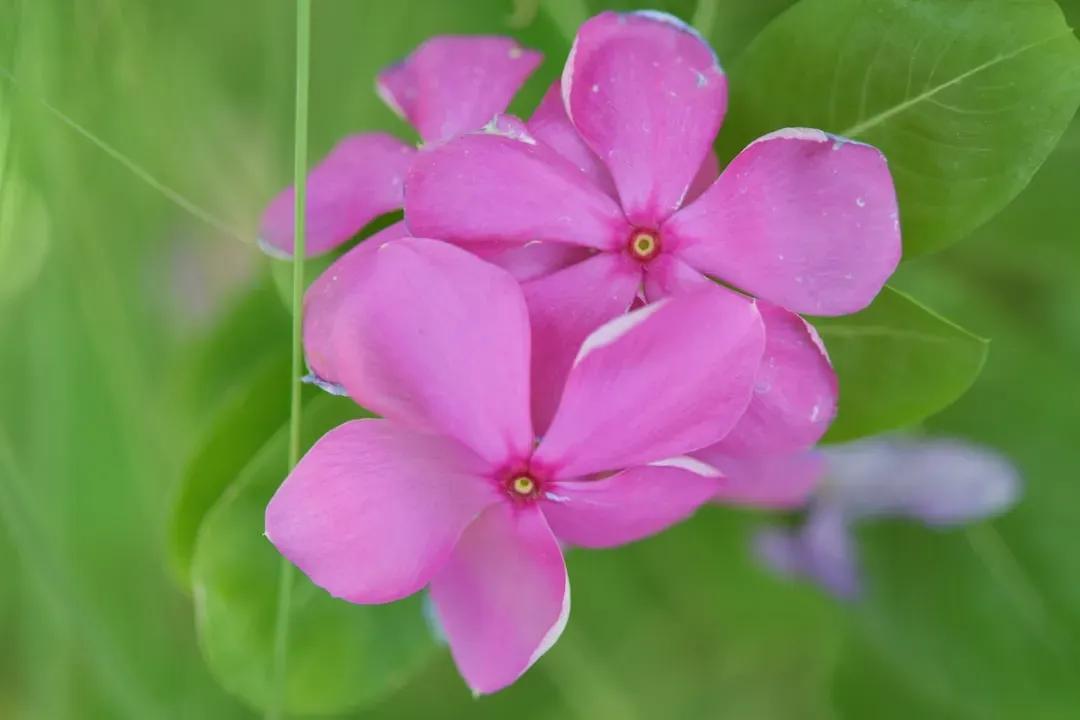
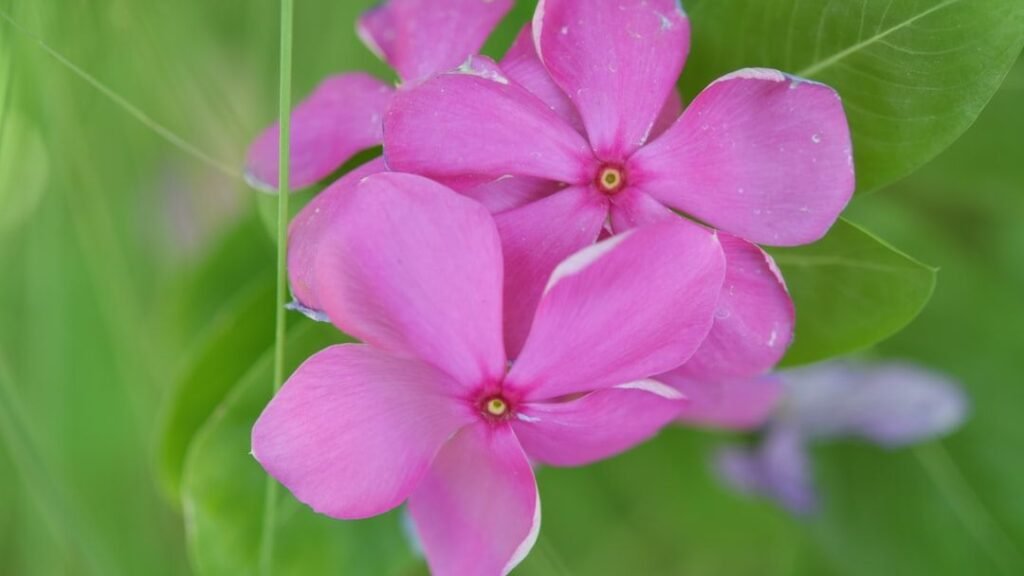
Let’s be real – most of us would walk right past a Madagascar periwinkle without a second glance. It’s a modest little flowering plant. Yet this humble bloom is one of the most medically important plants ever discovered. Madagascar periwinkle produces over 130 toxic alkaloid compounds to protect itself from microbes, herbivores and insects. The discovery of its two powerful anti-cancer alkaloids, vincristine and vinblastine, has been hailed as one of the most important medical finds of the past half century.
Vincristine is used for the treatment of childhood leukemia and vinblastine for Hodgkin’s lymphoma. Madagascar periwinkle has been used as a poster child to remind us of the urgent need to conserve and study the increasingly threatened wild flora of the world. Think about that the next time you pass a seemingly ordinary roadside flower. It might contain the next great breakthrough sitting quietly in its petals, waiting for someone to look closely enough.
8. Pitcher Plants: The Botanical Death Trap
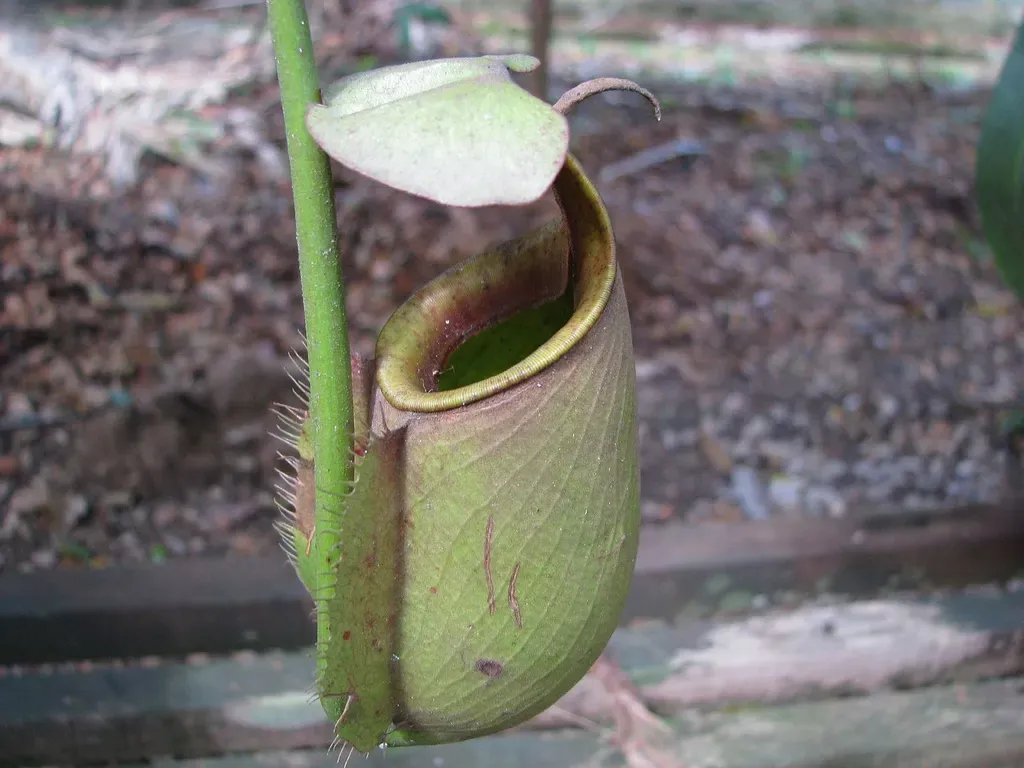
If carnivorous plants sound like science fiction to you, the Nepenthes pitcher plant is here to make it very real indeed. Carnivorous plants like the Nepenthes have evolved a fascinating workaround for living in nutrient-poor soils – they eat animals. Their cup-shaped leaves contain slippery, nectar-laced rims that lure insects. Once inside, prey slips into a pool of digestive enzymes and bacterial broth, where they are broken down for nitrogen and phosphorus – critical nutrients for photosynthesis and growth.
What makes the pitcher plant even more jaw-dropping is how far up the food chain it can reach. Recent research also shows some large Nepenthes species trap vertebrates, including frogs, lizards, and even birds, suggesting a broader ecological role and unexpected complexity in these botanical deathtraps. There’s something deeply unsettling – and yet utterly fascinating – about a plant that has evolved to digest animals. It turns the food chain on its head, quite literally.
9. Whistling Thorn Acacia: The Tree That Hired Bodyguards
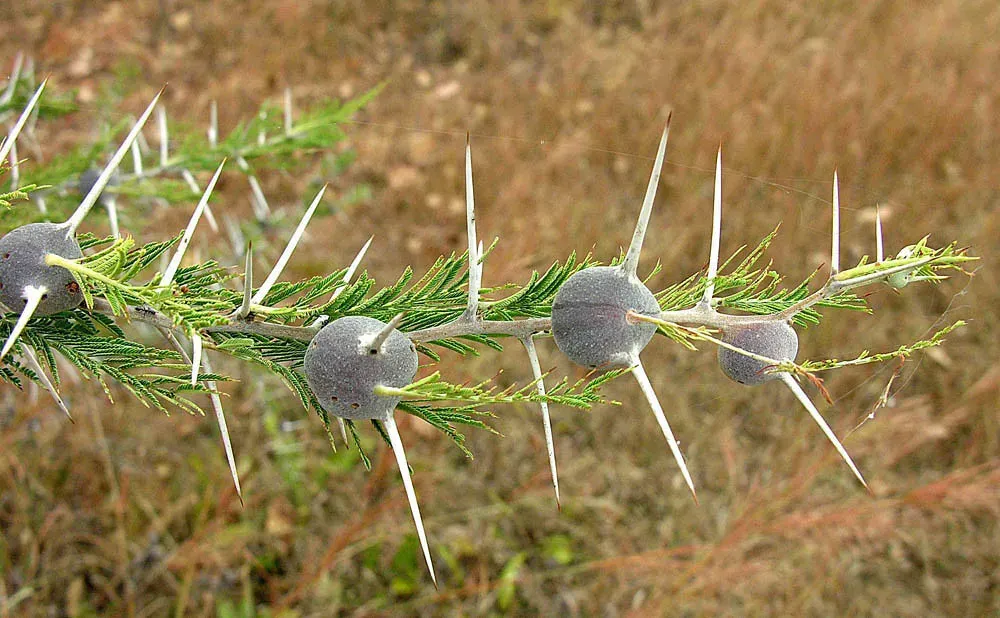
Some plants handle threats with thorns or toxins. The whistling thorn acacia of East Africa took a different route entirely – it formed an alliance. Vachellia drepanolobium is a dominant plant species in East Africa, which has interesting relationships with some species of ants. For defending itself against local animals like elephants and giraffes, this tree developed long thin spikes and drilled bulbs to house ant colonies. On top of that the tree secretes a nectar to provide ants with needed nutritional support. The tree is also known as the “Whistling Thorn,” because of the noise made by the blowing wind through the empty ant homes.
It’s the botanical equivalent of hiring a security team. The tree gives the ants shelter and food. The ants, in return, swarm and bite anything that dares to graze on the tree’s leaves. It’s a mutual protection deal struck somewhere deep in evolutionary time, and it works brilliantly. Both partners benefit. This kind of symbiosis is sometimes called mutualism, and the acacia pulls it off with a style that would make any negotiator proud.
10. Plants That Can Shield Themselves from UV Radiation
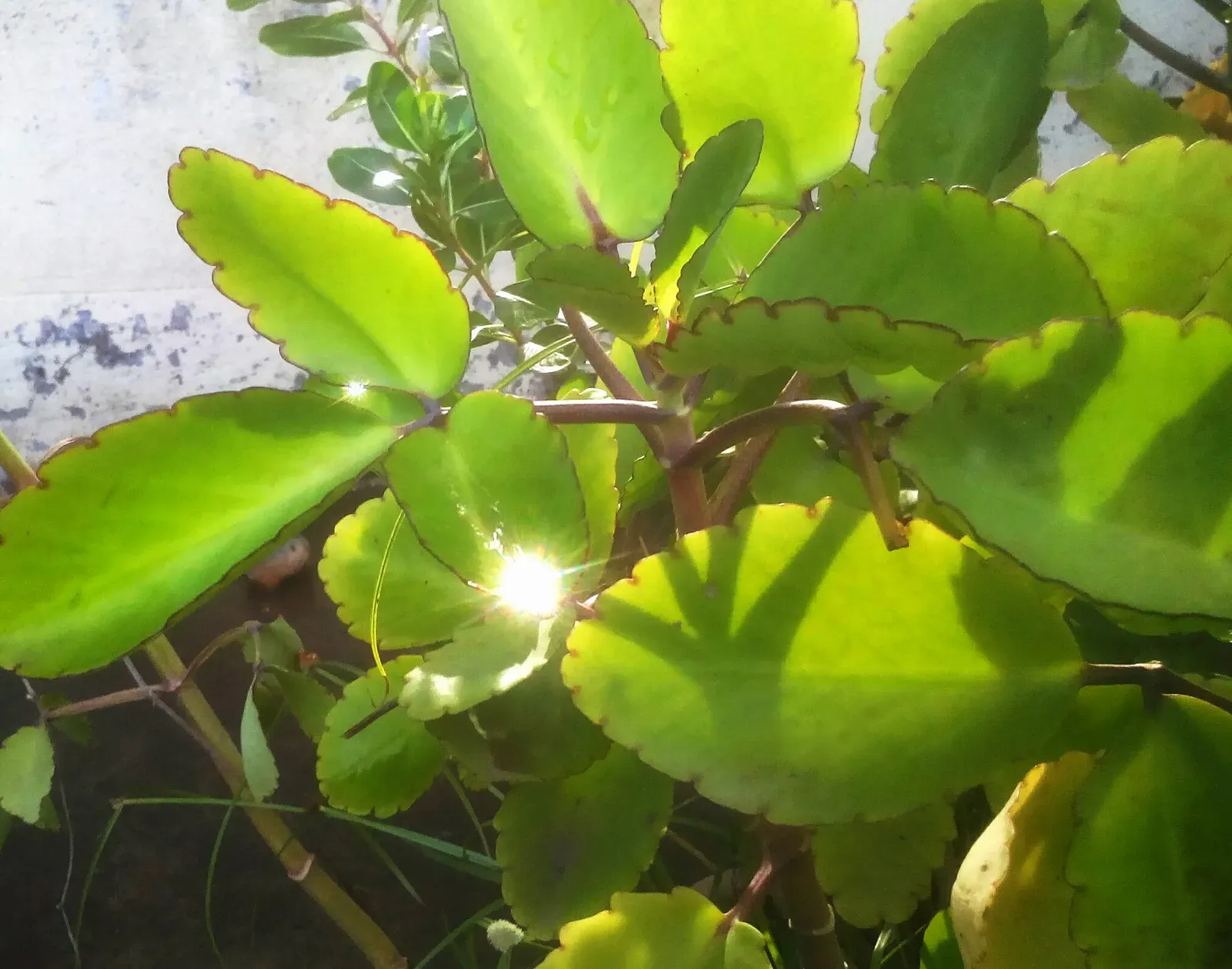
You spend a fortune on sunscreen. Plants have been building their own for millions of years, and theirs is arguably more elegant. Many plants have a group of aromatic chemicals called sinapate esters, which sit in the upper cell layers of their leaves. Sinapoyl malate, one type of sinapate ester, provides the majority of the protection by absorbing all lengths of UV-B radiation. It acts as a molecular sunscreen layered directly into the plant’s tissue.
Scientists have identified a UV-B photoreceptor called UVR8, which is activated upon absorbing UV-B rays. These photoreceptors accumulate in the nucleus of the cell and induce a series of physiological responses to help the cell acclimatize and survive, such as repairing DNA damaged by UV exposure. Commercial sunscreens already make use of cinnamates, a closely related natural substance said to be as effective as sinapoyl malate. This discovery could potentially be used to develop plants that are even more resistant to UV radiation – something that could be useful in a future affected by more heatwaves as a result of climate change. Nature had this figured out long before we ever thought to ask the question.
Conclusion: The Green World Is Far Wilder Than You Think
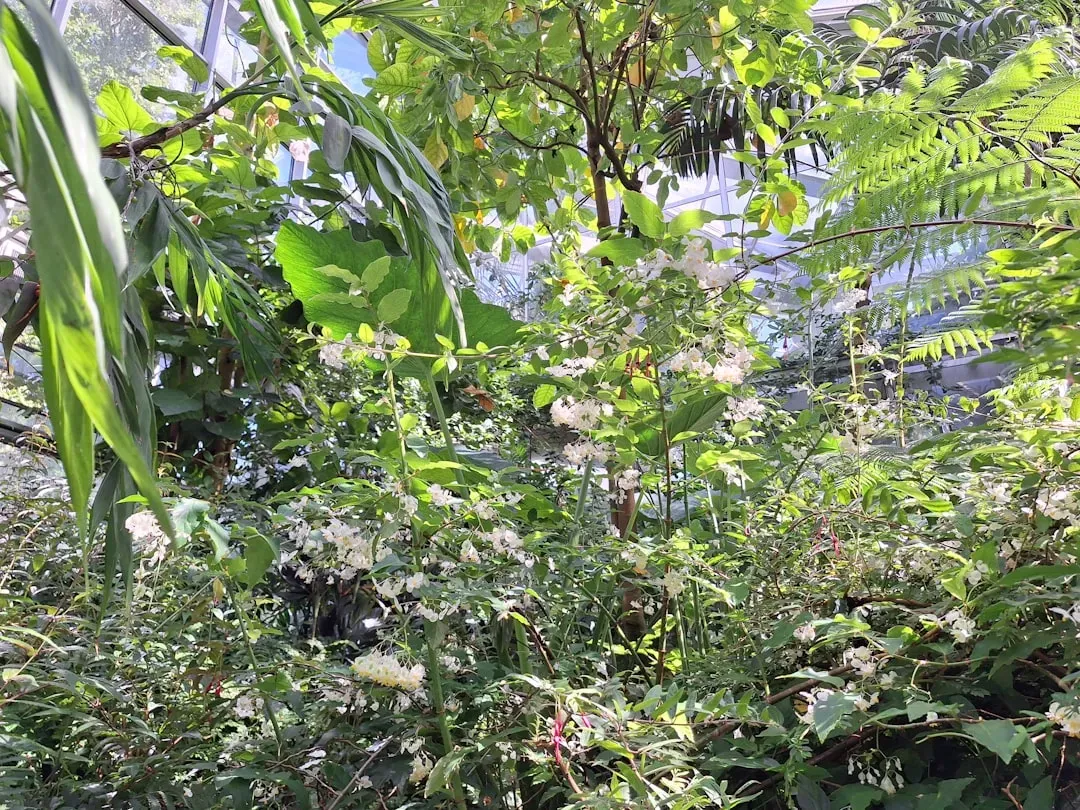
There’s a temptation to see plants as passive, silent background scenery. After walking through this list, hopefully that view has been permanently retired. Far from passive greenery, many plant species have evolved extraordinary biological abilities: they move, hunt, survive in near-death states, and communicate across vast underground networks. Their powers aren’t just for show – they’re finely tuned survival strategies, often honed over millions of years of evolutionary pressure.
From a tiny flower that helps fight childhood cancer, to a desert relic that has outlived entire civilizations, to a tree that weaponizes wildfire – the plant kingdom is home to some of the most surprising problem-solvers on this planet. In modern medicine, around a quarter of the drugs prescribed to patients are derived from medicinal plants, and they are rigorously tested. We owe plants more than we often admit.
Next time you step outside, maybe take a second look at the greenery around you. There’s a good chance something extraordinary is happening right under your nose. Which of these ten plants surprised you the most? Drop your thoughts in the comments below.