Walk through your home and it feels ordinary: a mug on the counter, a roll of tape in a drawer, that worn pair of sneakers by the door. But hidden in plain sight is a quiet revolution, where centuries of physics, chemistry, and engineering have been distilled into objects so familiar we barely see them anymore. Behind each click of a pen or swipe of a phone lies a story of failed experiments, strange materials, and accidental breakthroughs. In a world where science often feels distant or abstract, these mundane items are the missing bridge between lab bench and daily life. Once you know their backstories, you may never look at your kitchen, your desk, or even your trash bin the same way again.
The Humble Coffee Mug: A Daily Lesson in Materials Science

That comforting ceramic mug you reach for every morning is a tiny monument to high-temperature physics and ancient kilns upgraded by modern materials research. The clay it is made from is carefully chosen for its ability to withstand repeated heating and cooling without cracking, a property known as thermal shock resistance. When the mug is fired in a kiln at temperatures hotter than the lava in many volcanic eruptions, its structure partially vitrifies, forming a glass-like matrix that seals in strength and color. The glossy glaze on top is essentially a thin, fused glass coating designed to be both non-porous and chemically stable, so your coffee oils do not seep in or react with the surface. If your mug were made from the wrong mix of minerals, one strong pour of boiling water could shatter it like sugar glass.
Modern mugs also borrow ideas from advanced ceramics used in jet engines and spacecraft, especially when it comes to managing heat and stress. Double-walled mugs and vacuum-insulated designs trace their lineage directly to thermos technology first developed for scientific cryogenics, where keeping liquids at exact temperatures was a matter of experimental success or failure. Even the color of the mug can subtly affect how quickly your drink cools, with darker surfaces radiating heat differently than lighter ones. In this one familiar object, you are quietly using the same families of materials that protect space shuttles, insulate electronics, and line high-tech furnaces. Every sip is a tiny collaboration between your morning routine and centuries of trial-and-error in materials science.
Sticky Notes: The “Failed” Glue That Rewired How We Work

Few office supplies have a more surprising origin story than the small, pale square stuck to your monitor. The adhesive on sticky notes was originally a failed experiment: a team trying to invent an ultra-strong glue instead produced one that was oddly weak, forming tiny spheres that clung lightly to surfaces without truly bonding. For years, the material sat with no obvious application, a reminder that not every lab result leads to a clear victory. It took a scientist who wanted bookmarks that would not fall out of his hymnbook to realize that a weak, repositionable adhesive might be a feature, not a flaw. From that moment, the idea of a removable note that could be stuck, moved, and removed without damage became a new category of product.
Scientifically, the adhesive on sticky notes is a masterclass in surface science and polymer chemistry. Instead of forming a thin, continuous film like conventional glues, it is made of microscopic spheres of pressure-sensitive polymer that grab onto surfaces at many tiny contact points. This creates just enough adhesion to stay put, but not enough to tear paper fibers when peeled away. Over time, research has refined how large those spheres should be, how they deform under pressure, and how they age with exposure to air and light. The result is that a simple square of paper now encodes decades of insight into how molecules touch, stick, and let go – quietly reshaping how people plan, brainstorm, and organize their thoughts around the world.
Ballpoint Pens: Fluid Dynamics in the Palm of Your Hand
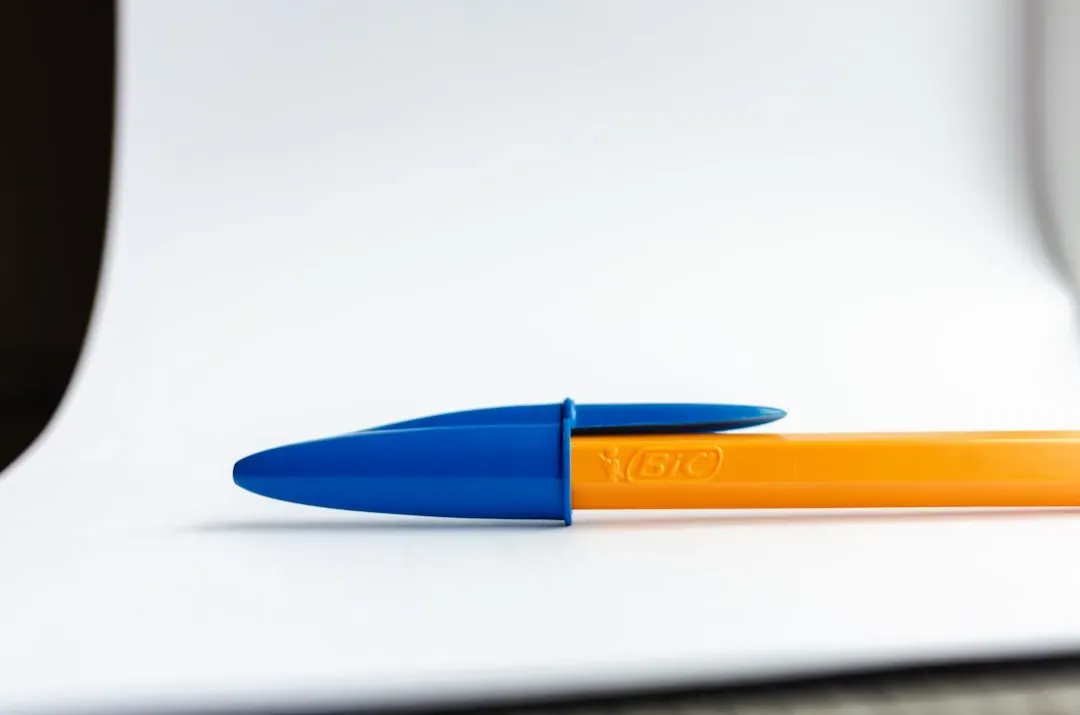
The ballpoint pen might be the most underappreciated piece of engineering you own. Inside that slim barrel is a precisely engineered metal ball, seated in a tiny socket with just enough clearance to spin but not enough to leak ink. As you write, gravity and capillary action feed viscous ink to the ball, which transfers it to paper in an almost continuous, controlled film. This might sound straightforward, but early versions of ballpoint pens were notorious for blotting, skipping, and leaking, because getting the fluid dynamics right is far harder than it looks. Ink that is too thin floods the ball; ink that is too thick clogs it, especially at lower temperatures.
To solve these issues, chemists and engineers spent years adjusting the ink’s rheology – its flow behavior – to respond predictably under different pressures and temperatures. Modern ballpoint inks often contain carefully balanced mixtures of dyes or pigments, solvents, resins, and surfactants that control how the ink wets the ball and the paper fibers. The ball itself is usually made from materials like tungsten carbide, chosen for its hardness and wear resistance so it does not flatten or scratch over thousands of signatures and scribbles. When you sign a receipt or jot a list, you are unconsciously relying on the same physical principles that govern oil flowing through pipelines or lubricant moving through engines. It is everyday handwriting powered by the same science that keeps industry running.
Microwave Ovens: From Radar Labs to Leftover Lasagna
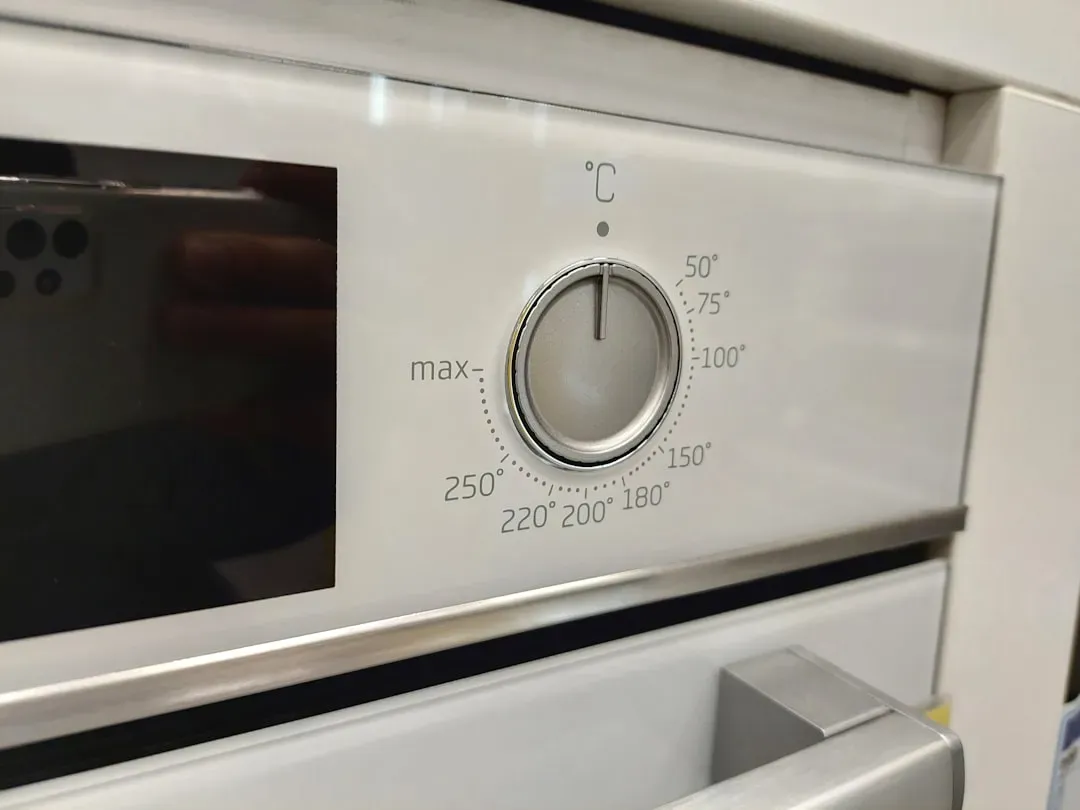
Heating your leftovers in a microwave feels so normal that it is easy to forget its roots in wartime radar research. In the mid-twentieth century, engineers experimenting with high-powered radar transmitters noticed that microwave radiation could heat objects, famously demonstrated when a candy bar melted in a scientist’s pocket near an active magnetron. That curious accident led to controlled experiments showing that microwaves in a specific frequency range are especially good at agitating water molecules, causing them to rotate and bump into each other, releasing heat. The first commercial microwave ovens were massive, expensive, and aimed at restaurants and ships, not cramped city kitchens. Only as components shrank and prices dropped did the microwave march onto home countertops and into daily habits.
Inside your microwave today, a device called a magnetron still generates those waves, which are guided into the oven cavity and bounced around by reflective metal walls. Water, fats, and certain dissolved ions in food absorb the energy, converting electromagnetic radiation into thermal energy rapidly and unevenly, which is why food can come out with hot spots and cold centers. Engineers responded with innovations like rotating turntables and redesigned waveguides to smooth out heating patterns. Meanwhile, safety standards were created to limit microwave leakage and ensure that the door seals and windows act as effective shields. Every time you reheat soup in two minutes instead of simmering it on a stove, you are benefiting from a direct line of technology from military radar to domestic convenience, powered by electromagnetism and molecular motion.
Trash Bags: Polymer Science Holding Back a Flood
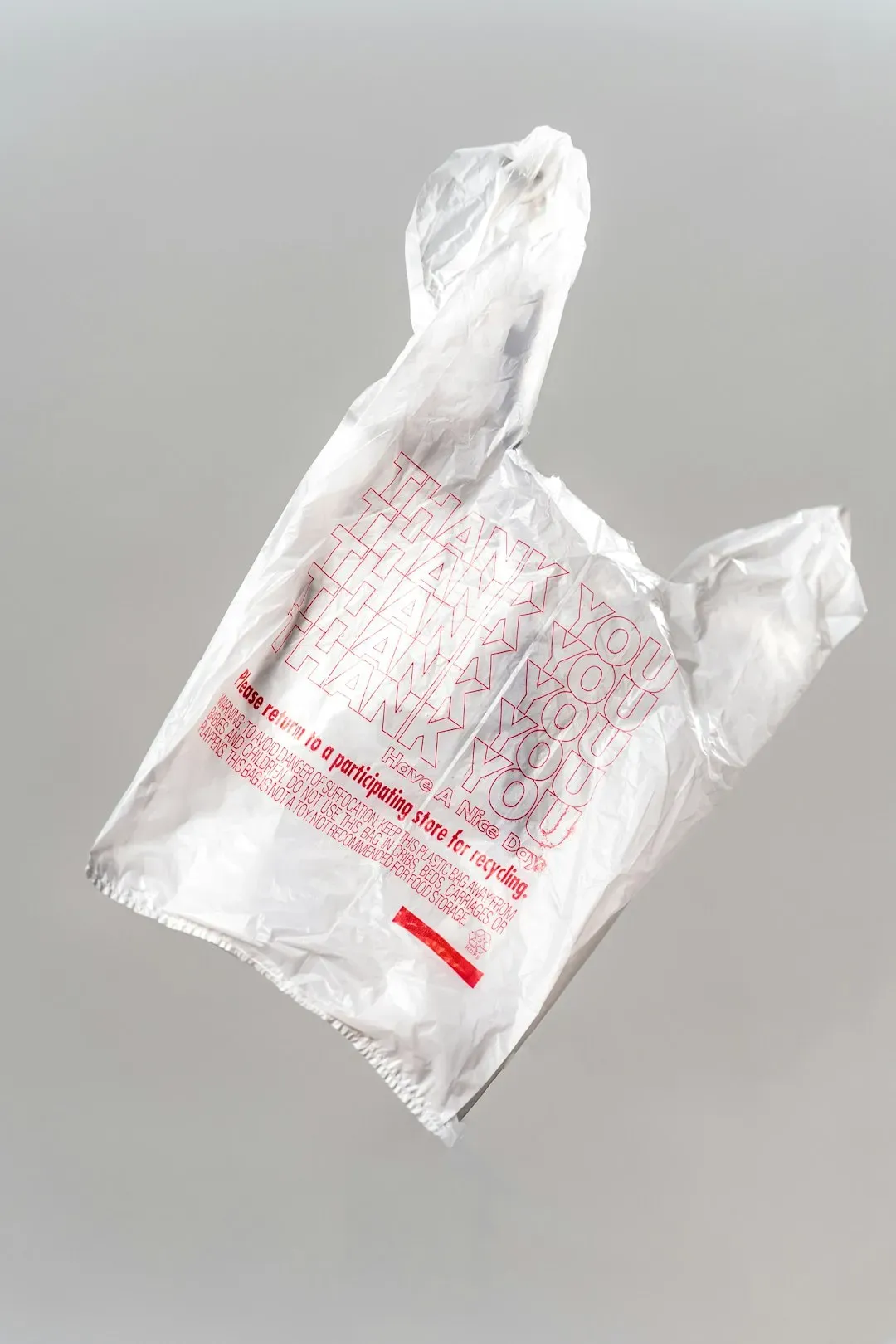
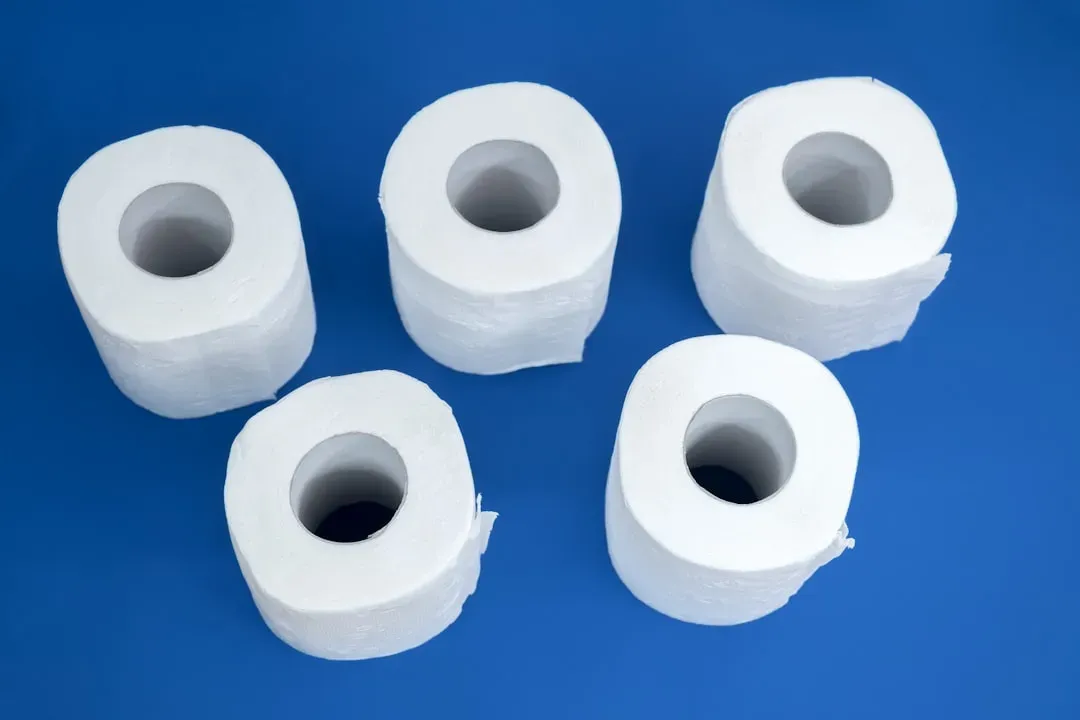
The plastic trash bag seems like the opposite of sophistication: thin, crinkly, destined for the curb. Yet each bag is a precisely tuned product of polymer science, designed to stretch under load without tearing, resist punctures from sharp edges, and remain flexible across a wide range of temperatures. Most are made from polyethylene, a long-chain hydrocarbon polymer whose properties can be dramatically altered by changing chain length, branching, and the way the chains pack together. High-density versions provide strength and stiffness, while low-density formulations add stretch and toughness; many modern bags blend both to balance cost and performance. Additives tweak color, UV resistance, and even slipperiness so that bags slide more easily off rolls.
The uncomfortable truth is that this scientific success has created an environmental problem that is just as technical as it is social. The same molecular stability that makes a bag strong enough to hold a week’s worth of garbage also makes it slow to break down in landfills and oceans. Researchers are now experimenting with biodegradable plastics, starch blends, and novel polymers that maintain strength in use but can be broken down by microbes or controlled chemical processes afterward. Some designs aim for bags that can be efficiently recycled back into raw polymer instead of degraded to waste. Your trash bag might not feel like a frontier of science, but it sits at the center of global debates over materials, waste, and how to design objects with both performance and planet in mind.
Sneakers: Biomechanics and Chemistry Under Your Feet
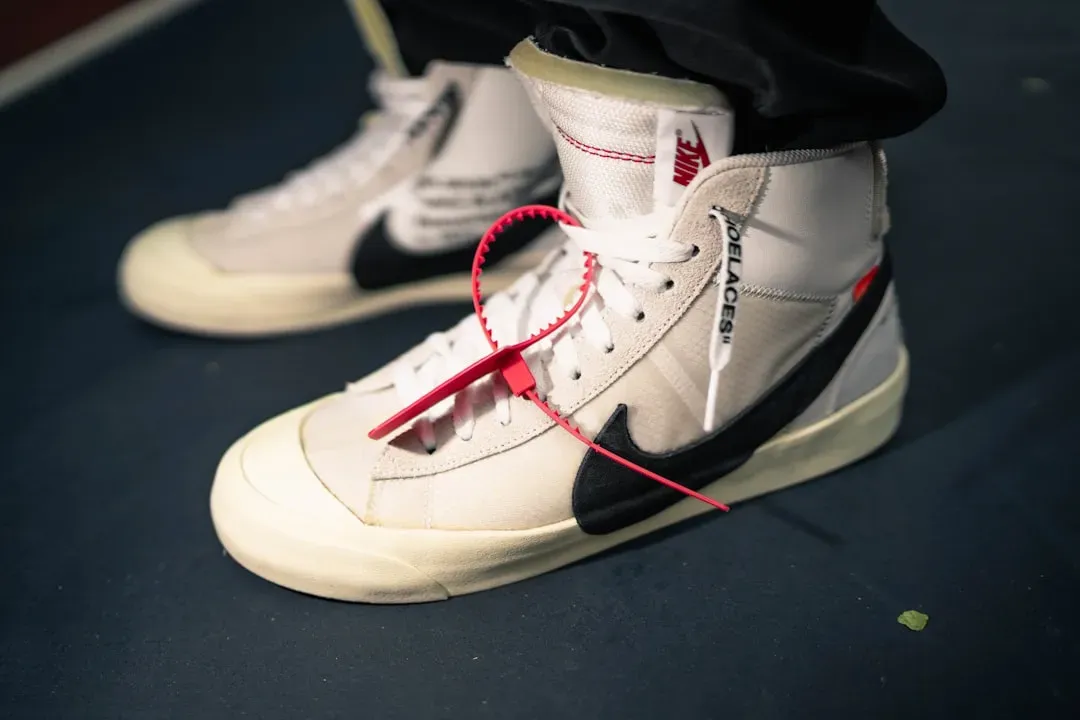
Pull on a pair of sneakers and you are stepping into a living experiment in biomechanics, polymer chemistry, and even data science. The cushioned midsole that makes walking feel soft is usually made from foam materials like ethylene-vinyl acetate (EVA) or polyurethane, engineered with tiny gas-filled cells to absorb impact. When your foot strikes the ground, those cells compress and then rebound, redistributing forces that would otherwise travel up your joints. Researchers in sports science labs have spent decades filming runners on treadmills, measuring pressures underfoot and tracking injuries to refine how thick, soft, or responsive those foams should be. Even a small change in density or geometry can shift how your muscles and tendons work over thousands of steps.
Meanwhile, the outsole and upper are quiet showcases of friction physics and textile engineering. Rubber compounds in the sole are tuned to provide grip on wet or dry surfaces, much like the tires of a car but scaled down to human speed and weight. Mesh fabrics and knit uppers balance breathability with structural support, sometimes incorporating high-strength fibers derived from aerospace applications. In recent years, motion capture and wearable sensors have fed torrents of data into algorithms that help design shoes for specific gaits, sports, and body types. The next time you lace up for a walk around the block, you are effectively wearing a custom compromise between comfort, performance, durability, and injury prevention, all held together by science under the surface.
Why These Everyday Objects Matter More Than They Look
It is tempting to treat all of this as fun trivia, the kind of thing you pull out at a dinner party and then forget. But the science embedded in everyday objects changes how we think about innovation, responsibility, and our own role in technological progress. When you realize that a sticky note began as a failed glue or that a microwave oven grew out of radar equipment, it challenges the neat story that discovery always follows a straight, intentional path. It highlights how observation, curiosity, and the willingness to repurpose “mistakes” are as important as careful planning in scientific work. These objects become case studies in how messy and human science truly is, even when the final product is sleek and simple.
They also expose the trade-offs that sit behind convenience. A strong trash bag is also a long-lived pollutant; a foamed sneaker midsole that protects your knees might sit in a landfill for decades. By tracing the science inside these items, it becomes harder to see them as disposable and easier to see them as nodes in a larger system of resources, energy, and waste. This perspective is what connects kitchen-table choices to climate models and materials research labs. Understanding the of what we touch every day is not just a curiosity; it is a first step toward making smarter, more informed decisions as consumers and citizens.
The Future Landscape: Smarter, Greener, More Adaptive Objects
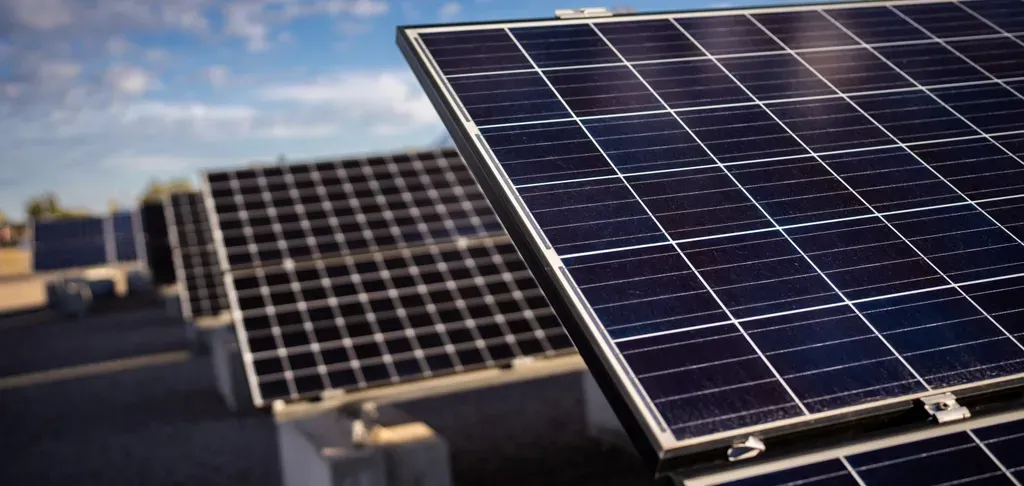
Looking ahead, the same scientific principles that built our current everyday objects are being pushed in new directions by sustainability pressures and digital technology. Materials scientists are working on polymers that can be easily deconstructed back into their building blocks, hinting at trash bags and packaging that can truly be part of a circular economy instead of a one-way trip to the dump. Footwear companies are experimenting with midsoles grown from bio-based foams or 3D-printed structures that can be recycled or even composted at end of life. In the world of kitchenware, ceramics and coatings are being redesigned to avoid toxic chemicals while maintaining non-stick properties and durability. Each iteration pushes us closer to objects that are not only high-performing, but also gentle on ecosystems.
At the same time, digital tools are blurring the line between product and scientific instrument. Sensors embedded in shoes, mugs that monitor temperature through companion apps, and “smart” packaging that tracks freshness all feed data back to designers and researchers. This feedback loop allows products to evolve faster, guided by real-world use instead of limited lab tests. It also raises new questions about privacy, waste from electronics, and who controls the data harvested from our routines. The future of everyday objects will likely be a negotiation between clever materials, helpful intelligence, and the values we choose to prioritize. Whether that future feels empowering or intrusive will depend on how actively we pay attention to the science shaping it.
How You Can Engage With the Science in Your Stuff

Engaging with the science behind everyday objects does not require a lab coat or advanced degree; it starts with simple, persistent curiosity. The next time you throw out a trash bag, ask what it is made of and whether your local services can actually recycle it, then look for alternatives that align better with your values. When you buy sneakers, read about the materials in the midsole and upper, and consider repair or resale options instead of automatic replacement. In your kitchen, notice how different mugs, containers, and heating methods change the taste, texture, and temperature of food, and treat those observations as small home experiments. Even choosing refillable pens or reusable containers nudges manufacturers toward designs that prioritize durability over disposability.
You can also support organizations and initiatives that connect science with everyday life, from science museums and public lectures to citizen science projects that invite you to collect data. Sharing what you learn about these hidden stories – how a failed glue became a global tool, how radar turned into a microwave – helps shift the narrative of science from distant and abstract to immediate and personal. As more people see themselves as participants in this ongoing experiment, the market for smarter, cleaner, more honest products grows stronger. The objects will keep evolving; the question is whether we choose to evolve with them by asking better questions about what we buy, use, and throw away.
Suhail Ahmed is a passionate digital professional and nature enthusiast with over 8 years of experience in content strategy, SEO, web development, and digital operations. Alongside his freelance journey, Suhail actively contributes to nature and wildlife platforms like Discover Wildlife, where he channels his curiosity for the planet into engaging, educational storytelling.
With a strong background in managing digital ecosystems — from ecommerce stores and WordPress websites to social media and automation — Suhail merges technical precision with creative insight. His content reflects a rare balance: SEO-friendly yet deeply human, data-informed yet emotionally resonant.
Driven by a love for discovery and storytelling, Suhail believes in using digital platforms to amplify causes that matter — especially those protecting Earth’s biodiversity and inspiring sustainable living. Whether he’s managing online projects or crafting wildlife content, his goal remains the same: to inform, inspire, and leave a positive digital footprint.