
Some of the most revolutionary technologies in history don’t look like much. They’re not sleek smartphones or roaring rockets; they’re the stuff you can hold in your hand, step on, scribble on, or even crumple up and throw away. Yet these humble materials quietly rewired economies, transformed cities, and reshaped what it means to be human.
Once you start looking at history through the lens of materials, the story changes. Wars are won or lost because of what armor is made from, empires rise on fibers and metals, and entire cultures blossom around something as simple as a sheet of paper. Let’s dig into ten everyday materials you probably take for granted – and see how they secretly changed the world.
Paper: The Quiet Engine of Knowledge
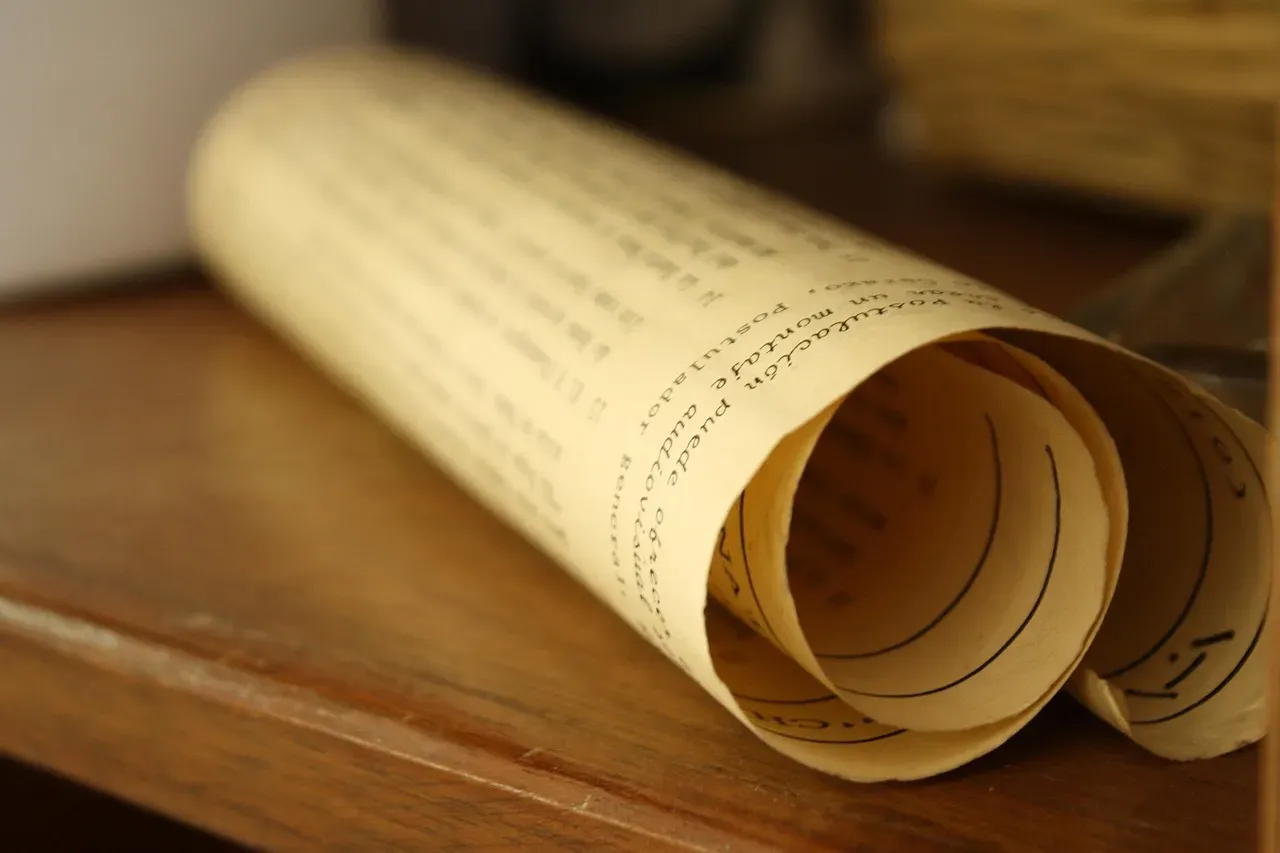
Imagine trying to run a modern society using only stone tablets or animal skins to record everything. That was reality before paper became widespread. Originating in China more than a millennium ago and slowly spreading along trade routes, paper turned information from something scarce and fragile into something cheap and repeatable.
Once paper met the printing press in Europe, the effect was explosive. Books, pamphlets, and newspapers suddenly became accessible to a growing number of people, fueling religious debates, scientific revolutions, and political upheavals. Education stopped being the privilege of a tiny elite, and the idea that ordinary people could read, learn, and question authority started to feel normal instead of radical.
Glass: The Transparent Door to the Invisible World

Glass is so common that we barely see it anymore – ironically, because it’s transparent. Yet glass gave us windows that let in light while keeping out the weather, transforming dark, smoky interiors into brighter, more livable spaces. That simple shift changed how people built homes, churches, and cities, encouraging taller buildings and more comfortable living.
But glass did something even more dramatic when craftsmen learned to grind it into precise lenses. Microscopes revealed the hidden world of cells and microbes, and telescopes opened the sky, overturning centuries-old beliefs about Earth’s place in the universe. From eyeglasses that extended people’s working lives to fiber-optic cables that carry our internet traffic today, glass keeps quietly bending reality in our favor.
Steel: The Skeleton of the Modern World
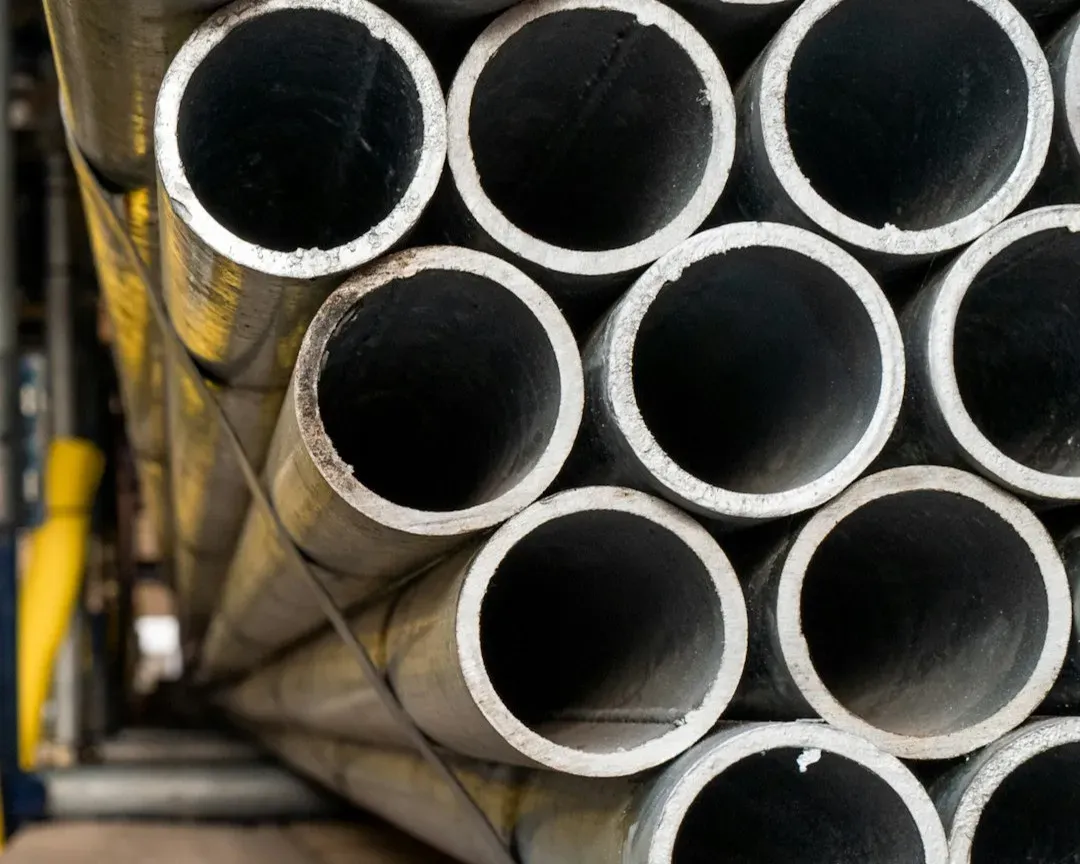
Walk through any big city and you’re basically walking through a forest of steel. Skyscrapers, bridges, railways, ships, and cars all depend on it. Before steel was cheap and widely produced, buildings were low, bridges were limited in size, and travel was slow and fragile. Steel changed the rules by offering incredible strength in a relatively lightweight form.
The industrial-scale production of steel in the nineteenth century supercharged everything from warfare to transportation. Railroads stitched together continents, massive ships connected markets across oceans, and cities began to reach for the sky. It’s easy to forget that the dramatic silhouettes of places like New York or Shanghai are really just steel made visible, rising out of the ground like metal mountains.
Rubber: The Elastic Power Behind Modern Life
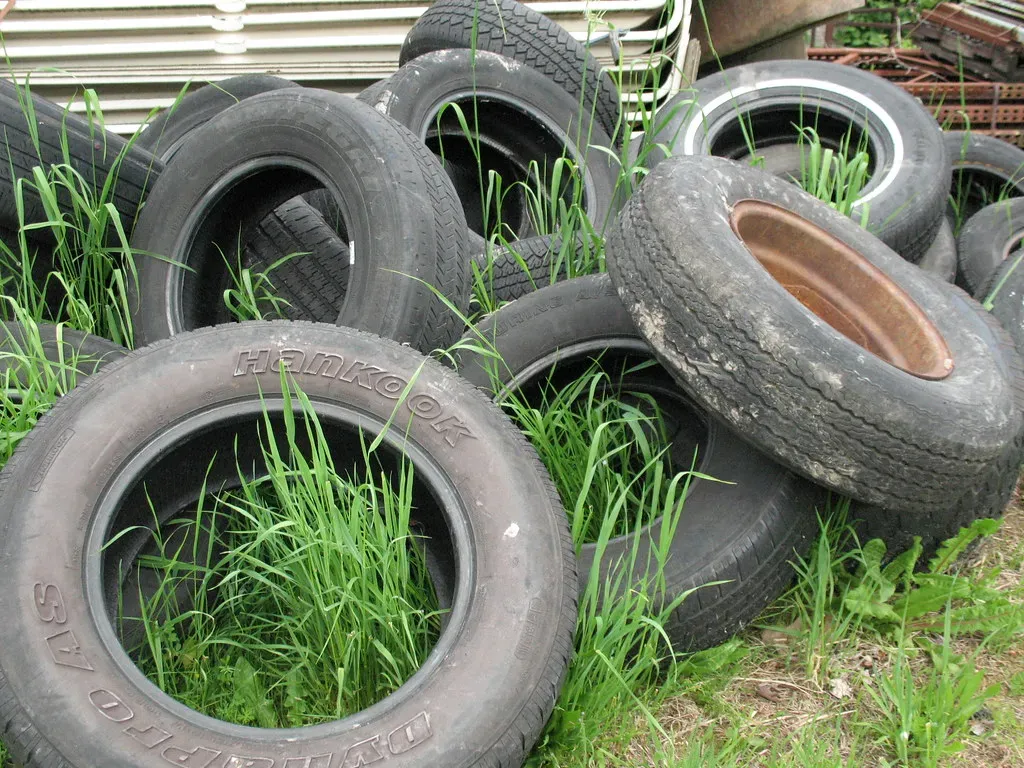
Rubber seems so ordinary – shoes, tires, bands, gaskets – but it quietly powers enormous parts of the global economy. Natural rubber, harvested from trees, became crucial in the nineteenth and twentieth centuries for industrial machinery, telegraph cables, and especially for vehicle tires. The transition from horse-drawn transport to cars would’ve been painfully limited without rubber’s bounce and grip.
Rubber also has a dark history: brutal exploitation in rubber-producing regions, especially in parts of Africa and South America. That human cost is part of its story, too. Today, synthetic rubber joins the mix, and those flexible, durable materials underpin everything from medical gloves to airplane seals, silently keeping systems working as we rush through our days without thinking twice about what’s under our feet or on our wheels.
Plastic: The Problematic Miracle

Plastic might be the most controversial material on this list, and honestly, it deserves both the praise and the criticism. On one hand, plastics have made products cheaper, lighter, and more accessible, from medical equipment and electronics to food packaging that reduces spoilage. For much of the twentieth century, plastic was seen as a kind of miracle – shapeable, colorful, and almost endlessly versatile.
On the other hand, its durability turned out to be a double-edged sword. What doesn’t break down in a factory also doesn’t break down in the ocean or a landfill. Microplastics are now found in water, soil, and even inside human bodies. We’re in a strange moment where this everyday material underpins modern life while also forcing us to rethink how we design, use, and discard things. The story of plastic isn’t finished; we’re living in the messy middle of it.
Concrete: The Hidden Foundation Beneath Our Feet

Concrete is so unglamorous that it’s almost invisible, yet it quietly shapes our entire built environment. The Romans used an early form of concrete to construct harbors, aqueducts, and iconic structures, some of which still stand today. When modern concrete recipes and reinforced concrete techniques took off in the nineteenth and twentieth centuries, a completely new scale of construction became possible.
Highways, dams, apartment blocks, tunnels, and stadiums all rely on this mixture of cement, sand, gravel, and water. Cities grew faster and denser because concrete made it easy to pour entire neighborhoods into existence. Of course, the environmental cost is huge: making cement releases enormous amounts of carbon dioxide. Now researchers are racing to reinvent concrete once again, searching for versions that are just as strong but much kinder to the planet.
Aluminum: The Once-Precious Metal Now Everywhere
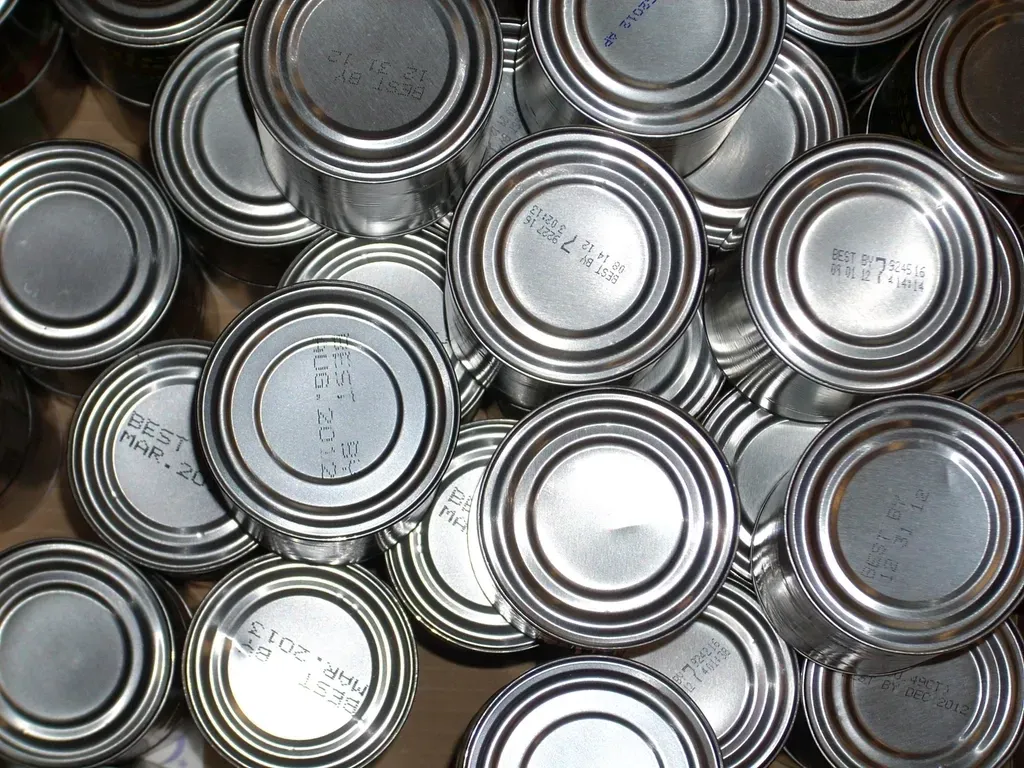
It’s almost funny to think that aluminum used to be more valuable than gold. Before efficient extraction methods, it was incredibly hard to separate aluminum from the minerals that contain it. Once industrial processes changed that in the late nineteenth century, aluminum quickly went from exotic to essential. Its light weight and resistance to corrosion suddenly made it perfect for all kinds of uses.
Aluminum helped unlock modern aviation by making planes lighter and more efficient, and it also transformed packaging, electronics, and even architecture. The soda can on your desk and the sleek airplane in the sky belong to the same material revolution. Recycling aluminum saves a huge amount of energy compared to producing it from raw ore, so how we handle all those cans and frames matters just as much as the clever chemistry that made them possible.
Paper Currency: The Material That Turned Trust into Money
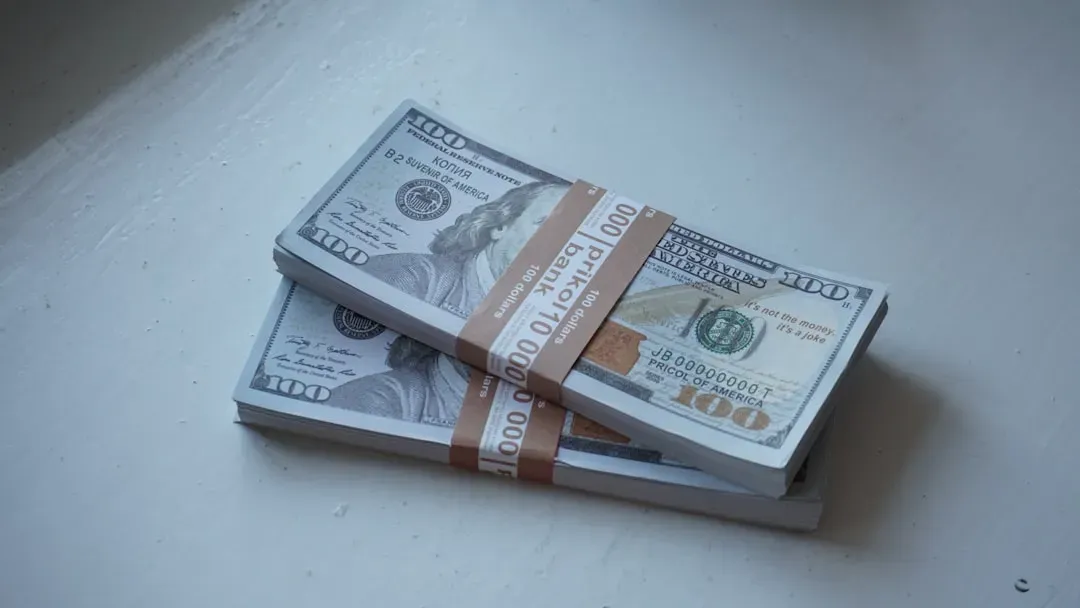
Money isn’t just numbers in a bank system; it’s also a physical thing you can hold, and for much of history that meant metal coins. The introduction of paper currency turned that idea upside down. Instead of relying on the weight and shine of metal, societies began trusting printed notes that only had value because everyone agreed they did. That leap from metal to paper sounds small, but it unlocked massive economic flexibility.
Governments could move large sums across distances more easily, trade could expand, and financial systems could grow more complex. Over time, paper money became symbolic rather than tied to specific piles of gold or silver. Today, digital payments are pushing us toward an even more abstract version of value, but those first crinkled notes were the material bridge between a world of physical wealth and the invisible flows of modern finance.
Soap: The Simple Material That Saved Lives
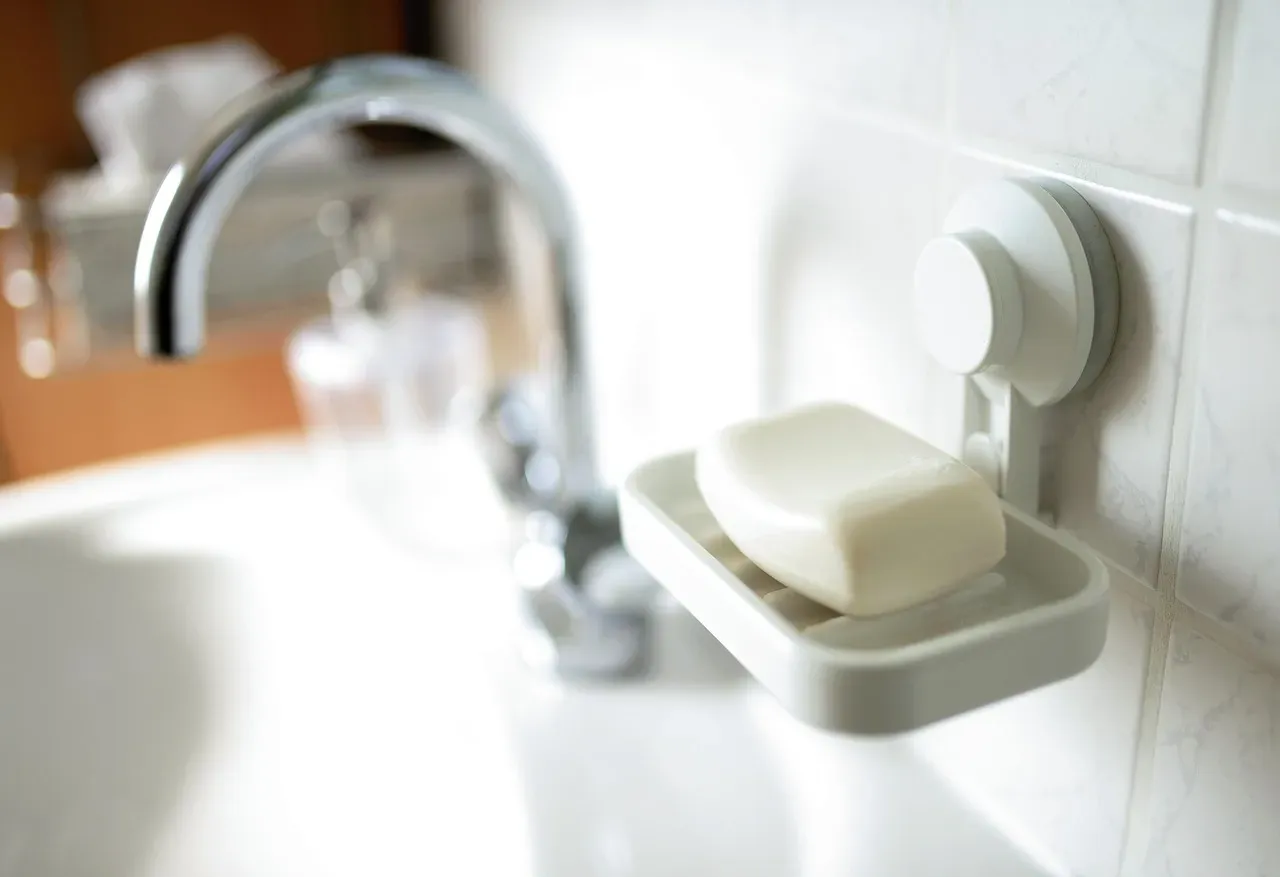
It’s easy to overlook a bar of soap sitting by the sink, but it’s one of the most powerful public health tools humanity has ever invented. For a long time, people didn’t fully understand why washing hands or bodies mattered, even in hospitals. When the link between cleanliness and disease control finally became clear, soap stepped into the spotlight as a cheap, accessible way to stop infections from spreading.
Soaps and detergents changed the rhythm of daily life. Regular bathing, washing clothes, cleaning dishes, and sanitizing medical tools all became part of a new hygiene culture. The impact on child mortality, disease outbreaks, and overall life expectancy was enormous, especially when combined with clean water and better sanitation. It’s a reminder that not every life-saving innovation looks like high-tech equipment; sometimes it’s just something that foams in your hands.
Silicon: The Grain of Sand That Runs the Digital Age
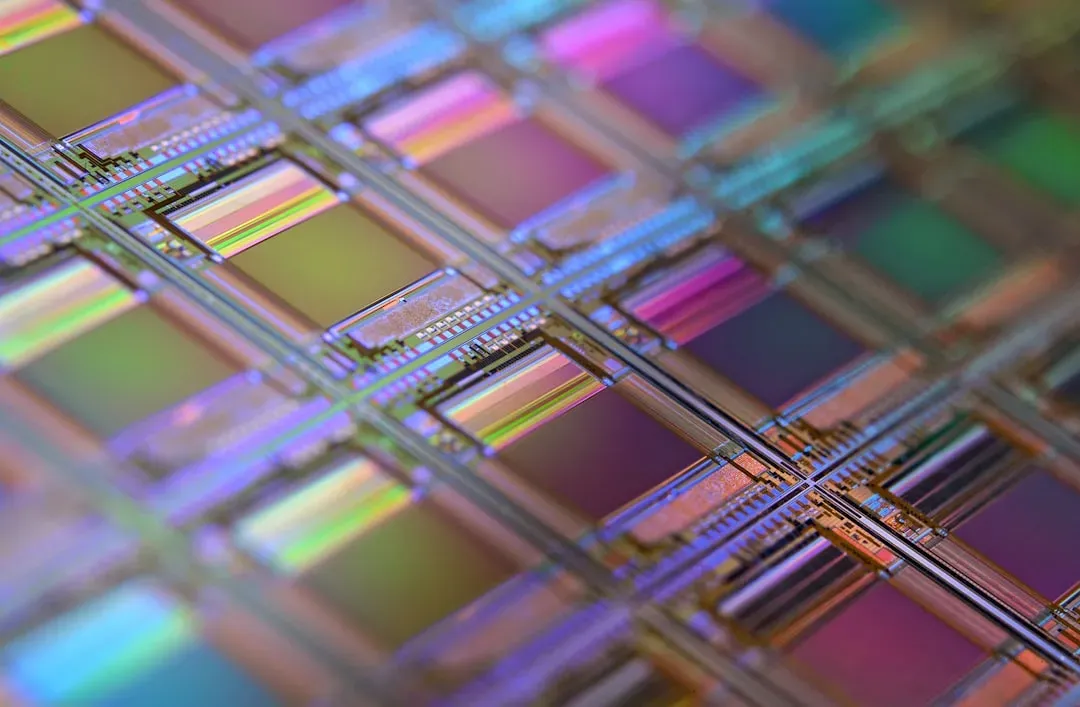
Silicon, at its core, is just a common element found in sand and rock. It doesn’t look like the stuff of revolutions. But when engineers learned how to purify it and use it as a semiconductor, everything changed. Silicon became the heart of computer chips, turning physical matter into a platform for logic, memory, and processing power that could fit into the palm of your hand.
From the first room-sized computers to smartphones, smartwatches, and the cloud servers humming away in distant data centers, silicon has quietly driven the digital transformation of society. It’s how we browse, work, stream, and connect. Entire economies now lean on patterns etched into tiny slivers of this once-humble material. In a way, our daily lives run on a carefully sculpted piece of stone, which is both surreal and strangely poetic.
It’s worth asking what today’s overlooked materials might be doing to our future right now. Maybe it’s a new type of battery, a sustainable bioplastic, or a smarter building material that will look boring until it suddenly reshapes everything. The next time you wash your hands, pick up your phone, or walk across a bridge, it might be interesting to pause for a second and wonder: which everyday material will we someday realize changed history all over again?