
Open a kitchen drawer, step onto a sidewalk, tap a screen – every move brushes against materials hiding world-class science in plain sight. We treat them as background scenery, yet their structures, reactions, and quirks quietly run our lives. The mystery is simple and thrilling: how do ordinary things pull off extraordinary feats with such reliability and grace? This is where physics meets breakfast, where chemistry rides in your pocket, and where engineering keeps the rain out and the Wi‑Fi in. Here’s a tour of ten humble materials that deserve front-page attention.
Glass: The Hidden Clues
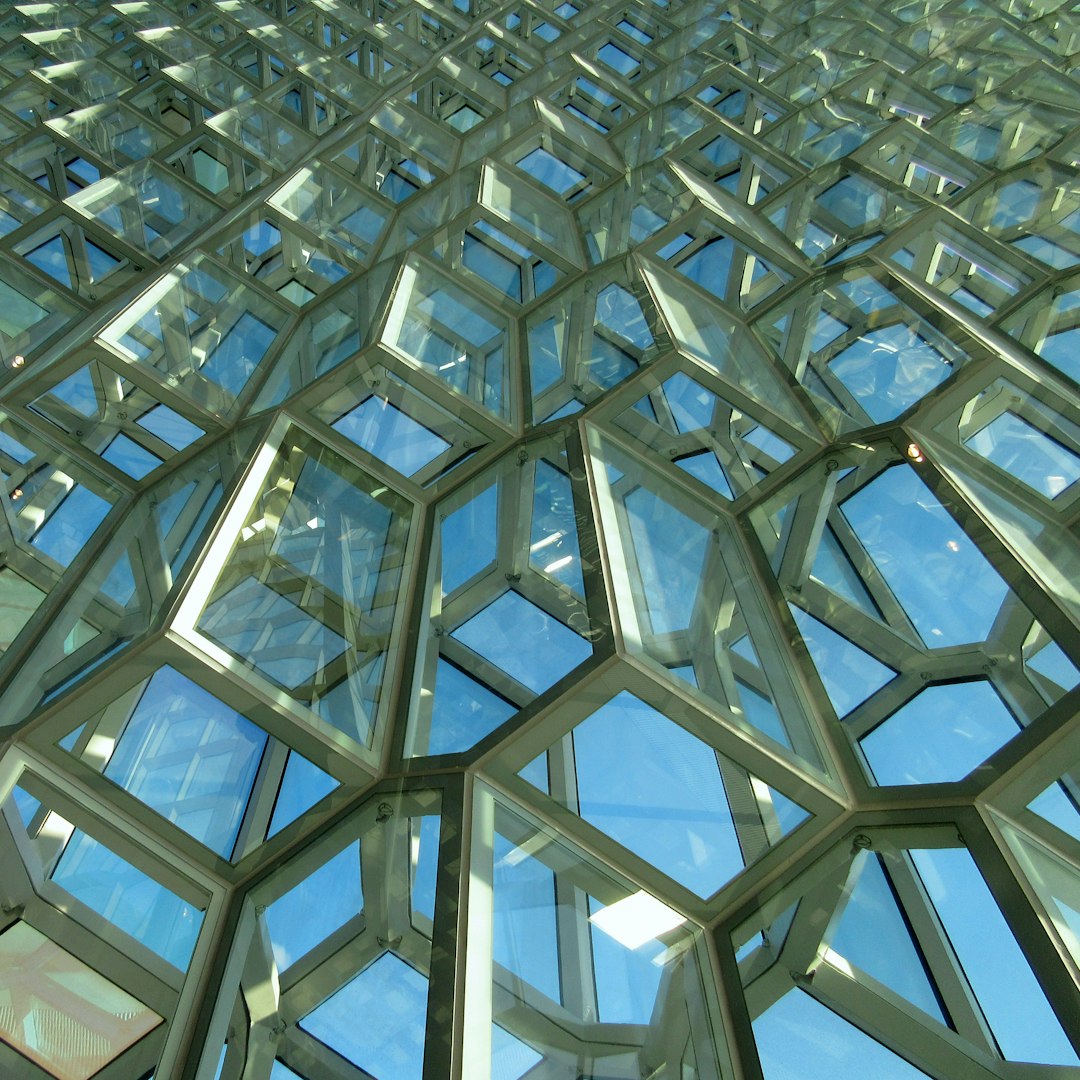
Transparent, brittle, and strangely strong, glass is an amorphous solid – its atoms frozen in a liquid-like arrangement that bends light while standing still. That disorder is a feature, not a bug, allowing manufacturers to tailor properties from lab beakers to phone screens. Tempering pre-stresses the surface so microcracks slam shut under everyday knocks, while borosilicate blends resist temperature shocks from oven to sink. In fiber optics, total internal reflection corrals light through hair-thin threads, moving entire libraries’ worth of data in the time it takes to blink. I still keep a tiny shard from a shattered mug as a reminder that breakage and brilliance can live in the same material.
Future-facing glass is getting tougher and smarter through ion-exchange processes that swap small ions for larger ones, tightening the atomic crowd. Researchers are also embedding nanostructures that filter heat but pass visible light, promising windows that cut energy bills without drawing curtains. In short: glass is not fragile – it’s finely tuned.
Paper: From Ancient Tools to Modern Science

Paper is a mat of cellulose fibers from plants, a forest of microscopic ribbons that grip one another through hydrogen bonds. That velcro-like bonding explains why a page can be both flexible and surprisingly strong, yet give way cleanly when torn. Add clay and starch, and ink sits sharp rather than bleeding; add special coatings, and you get thermal receipts or glossy magazines. The grain you feel while folding is the memory of how those fibers aligned during manufacturing.
Scientists now engineer paper into sensors, diagnostic tests, and foldable batteries, taking advantage of capillary action that wicks fluids without pumps. Origami patterns turn flat sheets into pop-up structures that deploy like a camping chair, but for medical or space uses. Old-school doesn’t mean outdated – it means robust.
Soap: Why It Works So Reliably
Soap molecules are tiny diplomats: one end loves water, the other loves oil. When you wash, they assemble into micelles – spherical entourages that trap grease, dirt, and viral envelopes in their oily cores, then rinse them away. The action is partly chemistry, partly choreography: rubbing lifts grime, while soap lowers surface tension so water can slide into nooks and break stubborn films. In hard water, mineral ions can blunt performance, which is why some formulas add builders to keep the micelles nimble.
The practical payoff is huge in public health and everyday life. A few dozen seconds of lathering does more to disarm unwanted microbes than many high-tech gadgets, precisely because it targets weak links in membranes. Elegant, simple, and ubiquitous – that’s good science.
Salt: Global Perspectives
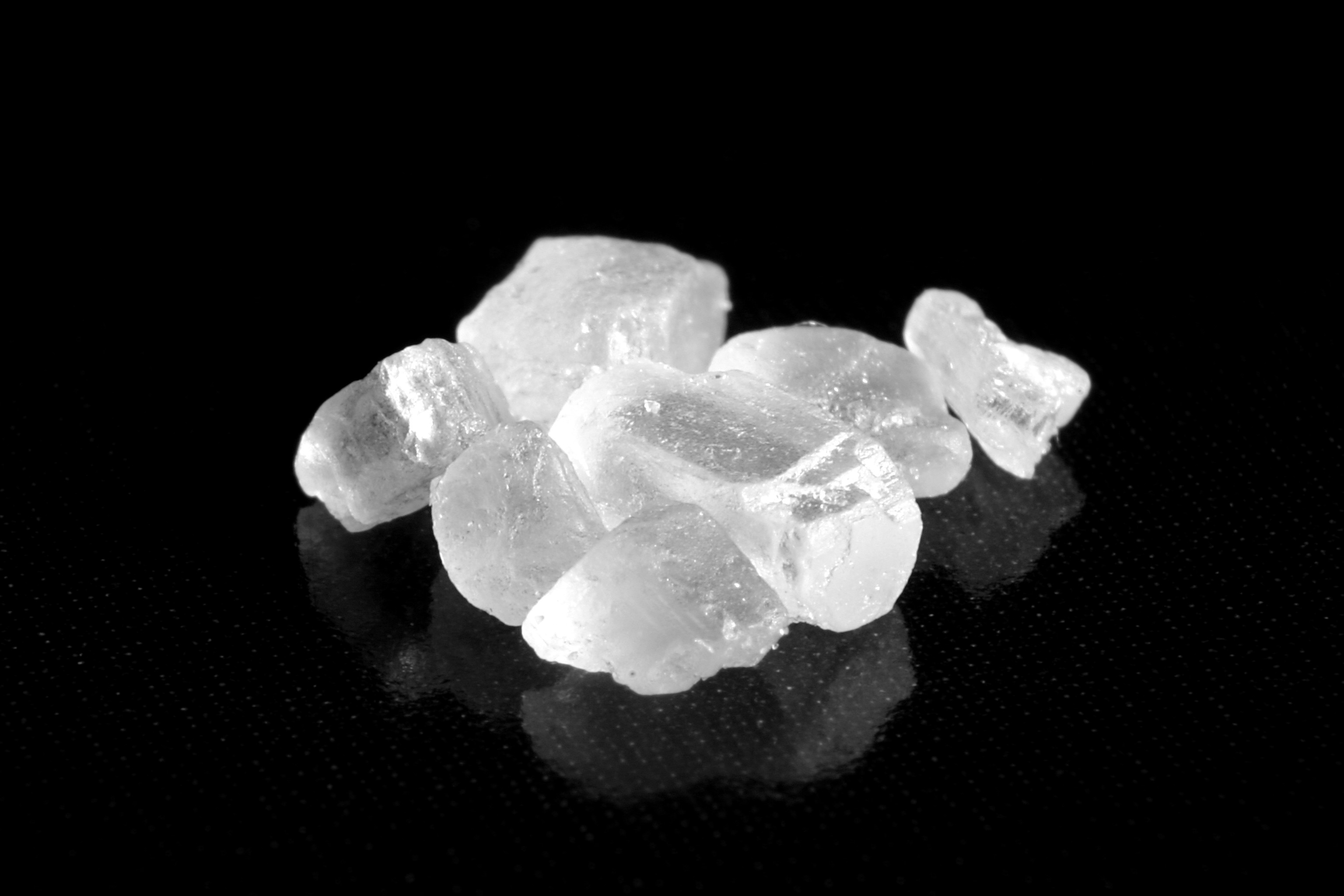
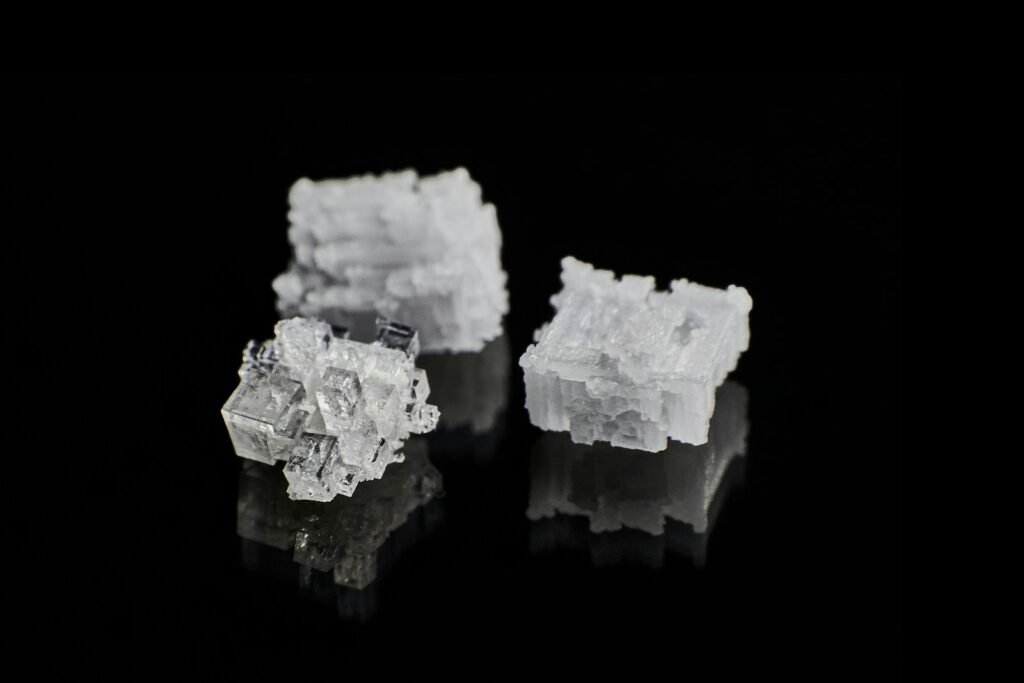
Common salt, sodium chloride, forms neat cubic crystals that dissolve into ions – tiny electrical couriers that nerves and muscles depend on. Sprinkle it on icy steps and salt lowers water’s freezing point, helping melt stubborn patches by nudging the balance between solid and liquid. In cooking, salt does more than season; it reshapes proteins, draws out moisture, and sharpens aromas by waking up receptors. Historically, salt routes shaped economies and borders, a reminder that materials science often steers human maps.
Today, desalination and smart brining show how controlling ions unlocks resilience, from drought-stressed cities to better food preservation. The same simple lattice that once defined trade empires now underpins modern infrastructure and health.
Baking Soda: The Kitchen Chemist
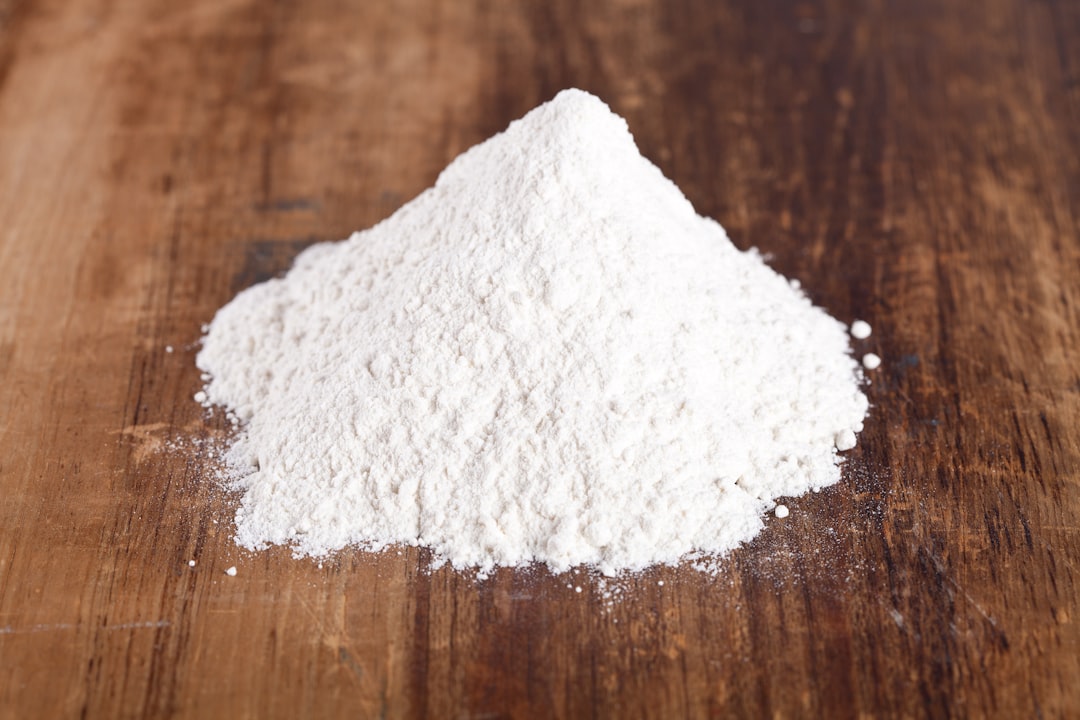
Baking soda, sodium bicarbonate, is a gentle base that fizzes to life when it meets acid, releasing carbon dioxide that fluffs batters and lifts pancakes like tiny hot air balloons. Heat alone can decompose it, doubling as a measured leavening kick in the oven. As a cleaner, it abrades softly, neutralizes odors by balancing acidity, and tames grease without harsh solvents. In firefighting, it can smother small grease flames by releasing gas that crowds out oxygen.
This mild-mannered powder hides versatile buffering power, keeping pH in a comfort zone during cooking and cleaning. It’s a reminder that controlling reactions isn’t just about strength – it’s about timing and balance.
Rubber Bands: The Physics of Stretch

Stretch a rubber band and it snaps back not because the polymer chains are stiff, but because they prefer disorder – the entropic spring. Cross-links introduced by vulcanization turn a pile of noodles into a net that rebounds repeatedly without flowing away. Warm a band, and it tightens; the thermal jostling lets chains re-tangle into their favorite chaotic state, pushing back. Tire engineers exploit this hysteresis – energy lost as heat – to tune grip, especially when rain or cold complicate traction.
Different rubbers – from natural latex to nitrile – trade off chemical resistance, temperature tolerance, and elasticity. It’s the physics of play meeting the seriousness of safety, all in a loop of stretchy science.
Aluminum Foil: The Shimmering Shield
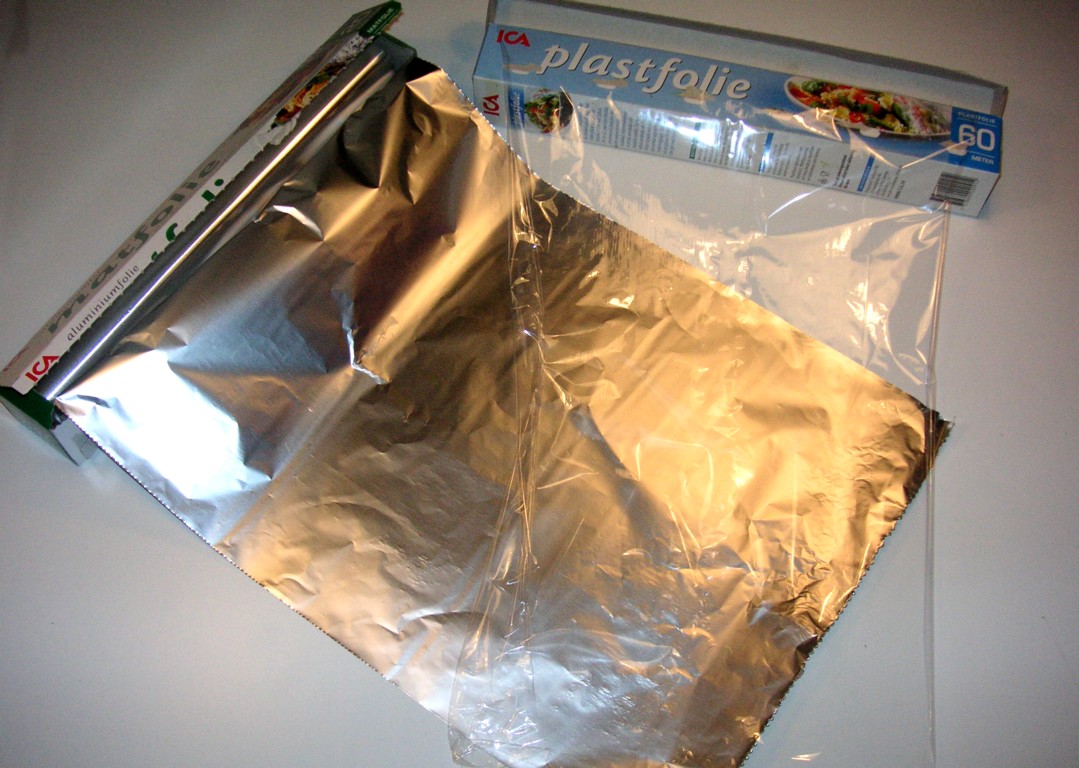
Aluminum foil is a featherweight fortress: its continuous metal layer blocks light, moisture, and oxygen, protecting everything from leftovers to chocolate. A whisper-thin oxide film forms instantly in air, sealing the surface against further corrosion without any paint or polish. The two-sided sheen is just a manufacturing artifact where final rolling passes press two sheets together; performance is practically the same on either side. High thermal conductivity spreads heat quickly, yet the crinkles trap insulating air, so it can either protect or promote cooking depending on how you fold it.
Beyond the kitchen, foil lines packaging to extend shelf life and can tame electromagnetic interference around cables. One material, two speeds: a rapid conductor for heat and a patient barrier for gases.
Stainless Steel: Everyday Armor
Stainless steel earns its name from a self-healing skin – a chromium-rich oxide only atoms thick that blocks rust, then rebuilds if scratched. That passive layer lets your sink shrug off water, your cutlery survive acidic sauces, and your appliances resist fingerprints after a quick wipe. Alloys vary: austenitic grades handle kitchens and hospitals with ease, while ferritic or martensitic versions step in for high-temperature or cutting tasks. The number codes on pots and tools aren’t marketing; they’re metallurgical recipes.
Because it is tough, recyclable, and hygienic by design, stainless steel underwrites reliability in places where failure is not an option. It’s quiet armor, polished by physics.
Pencil Graphite: Writing with Layers
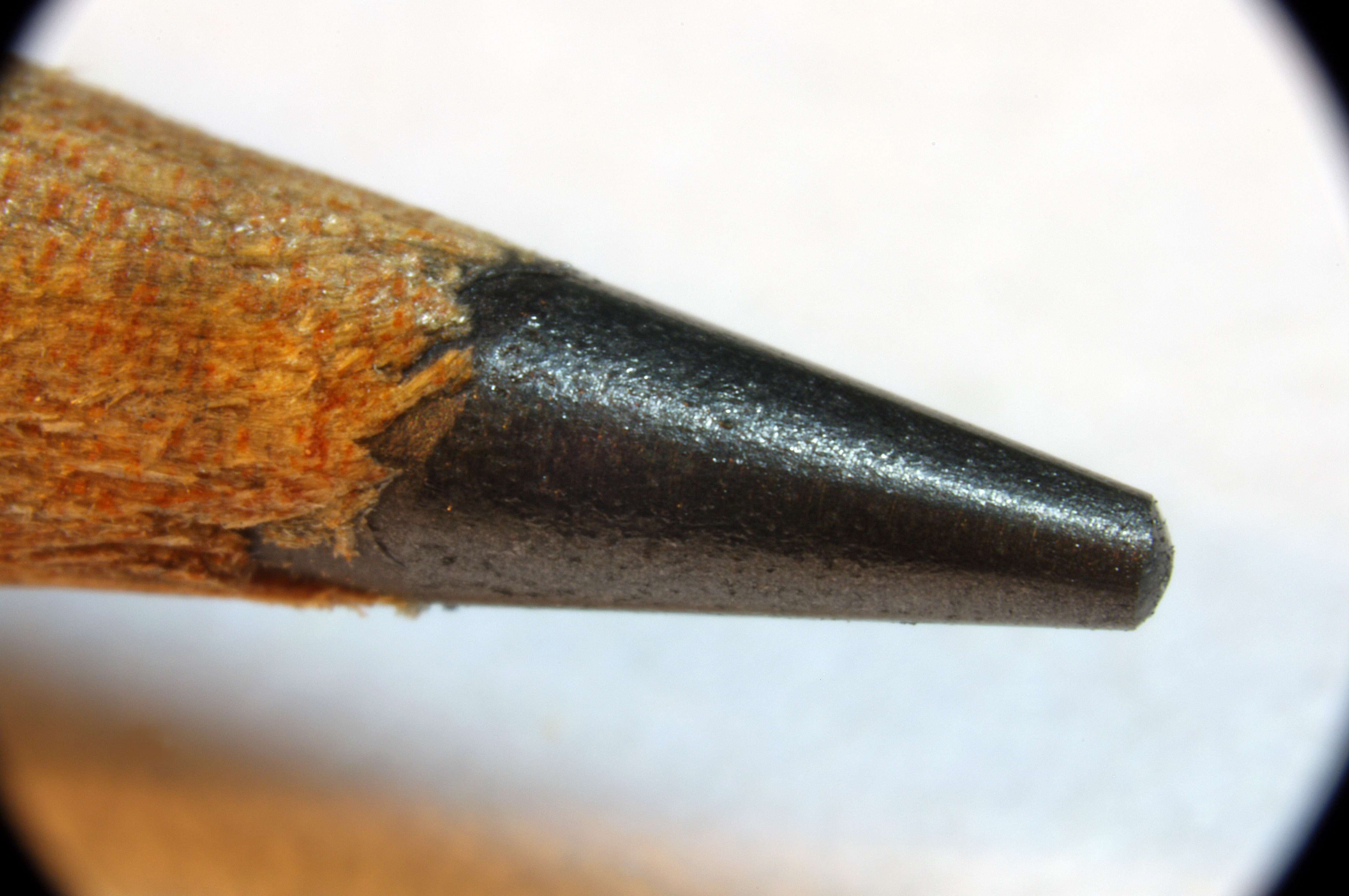
The mark from a pencil is a trail of stacked carbon sheets – graphite – sliding apart along planes lubricated by weak forces. Mix graphite with clay, and you tune hardness: more clay, lighter lines; more graphite, darker strokes. Those same slippery layers conduct electricity side to side, which is why a pencil trace can complete a simple circuit in a science class. Under pressure, the sheets shear, flaking onto paper fibers that hold them like tiny shingles.
Graphite’s layered charm scales up to technology, too, serving as a workhorse material in batteries and lubricants. What feels like a child’s tool is also a gateway to cutting-edge carbon science.
Concrete: Stone That Flows
Concrete begins as a pourable slurry where cement hydrates – forming microscopic glue that grabs sand and gravel into a manufactured rock. As crystals grow and lock, strength builds over days and keeps maturing for weeks, turning yesterday’s sidewalk into next year’s backbone. Steel rebar pairs perfectly because both materials expand similarly with heat, sharing stress like practiced dance partners. Tiny air bubbles and additives help concrete resist freeze-thaw cycles and chloride attack from de-icing salts.
Engineers now mix in fly ash, slag, or limestone to shrink the carbon footprint while improving durability, and they experiment with self-healing blends that knit cracks with mineral growth. The most-used human-made material on Earth is learning new tricks fast.
Water: The Everyday Anomaly
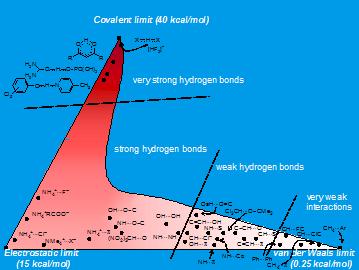
Water breaks the rules with style: it is densest just above freezing, so ice floats and lakes insulate life beneath winter lids. Each molecule is a tiny magnet, with polarity that dissolves salts, ferries nutrients, and stabilizes proteins. Hydrogen bonds snap and reform in picoseconds, enabling heat to be absorbed without wild temperature swings, which is why coastal weather feels steadier. Capillary action hauls water against gravity through soil and plant veins, turning gardens and forests into silent hydraulic machines.
From brewing coffee to cooling data centers, water’s unusual properties are not side notes – they are the main plot. Treat it casually and you miss the most miraculous material of all.
The marvel is not that these materials are everywhere; it’s that they’ve been quietly performing feats of physics and chemistry on our behalf all along. The next time you crumple foil or sharpen a pencil, consider the invisible rules at work and the ingenuity that harnessed them. Wonder, it turns out, is a daily habit disguised as ordinary stuff – what will you look at differently today?
Suhail Ahmed is a passionate digital professional and nature enthusiast with over 8 years of experience in content strategy, SEO, web development, and digital operations. Alongside his freelance journey, Suhail actively contributes to nature and wildlife platforms like Discover Wildlife, where he channels his curiosity for the planet into engaging, educational storytelling.
With a strong background in managing digital ecosystems — from ecommerce stores and WordPress websites to social media and automation — Suhail merges technical precision with creative insight. His content reflects a rare balance: SEO-friendly yet deeply human, data-informed yet emotionally resonant.
Driven by a love for discovery and storytelling, Suhail believes in using digital platforms to amplify causes that matter — especially those protecting Earth’s biodiversity and inspiring sustainable living. Whether he’s managing online projects or crafting wildlife content, his goal remains the same: to inform, inspire, and leave a positive digital footprint.