Every so often, our supposedly well-understood planet behaves in ways that make even seasoned scientists stop, stare, and admit they do not yet have all the answers. From glowing seas to “singing” deserts and perfectly aligned stones that seem to move on their own, Earth keeps slipping us puzzle pieces that do not quite fit our current picture of nature. Researchers bring satellites, seismographs, chemistry labs, and machine learning to the hunt, yet many of these phenomena remain stubbornly elusive. That tension between solid data and lingering mystery is exactly where discovery often begins. These ten enigmatic Earth phenomena remind us that, even in 2025, the ground under our feet is stranger than we think.
The Moving Stones of Racetrack Playa

In California’s Death Valley, the cracked clay of Racetrack Playa looks like a stage designed for a magic trick: heavy rocks leave long, curving tracks across the surface, as if they had quietly cruised forward while no one was watching. For decades, visitors and researchers speculated wildly – everything from invisible magnetic forces to pranksters with trucks. The leading explanation today involves a delicate choreography of thin winter ice, brief flooding, and light winds that gently push the rocks along when the playa becomes slick. High-resolution time-lapse cameras have indeed captured stones creeping over ice-lubricated mud. Yet questions linger about why some stones move far and fast while nearby rocks stay put, and why the tracks vary so dramatically in pattern.
What makes Racetrack Playa so compelling is how ordinary ingredients – water, ice, wind, rock – combine into something that feels almost supernatural. Small changes in temperature or wind speed can mean the difference between a motionless season and a night of ghostly gliding stones. Scientists are still refining models to predict which years will produce movement and which shapes of stones are most likely to travel. The phenomenon is technically “mostly explained,” but the exact interplay of variables is messy enough that each new season can still surprise field teams. It is a reminder that even simple physics can become enigmatic once nature stacks enough conditions together in just the right way.
Mysterious Sky Sounds: The Worldwide “Hum” and Sky Trumpets
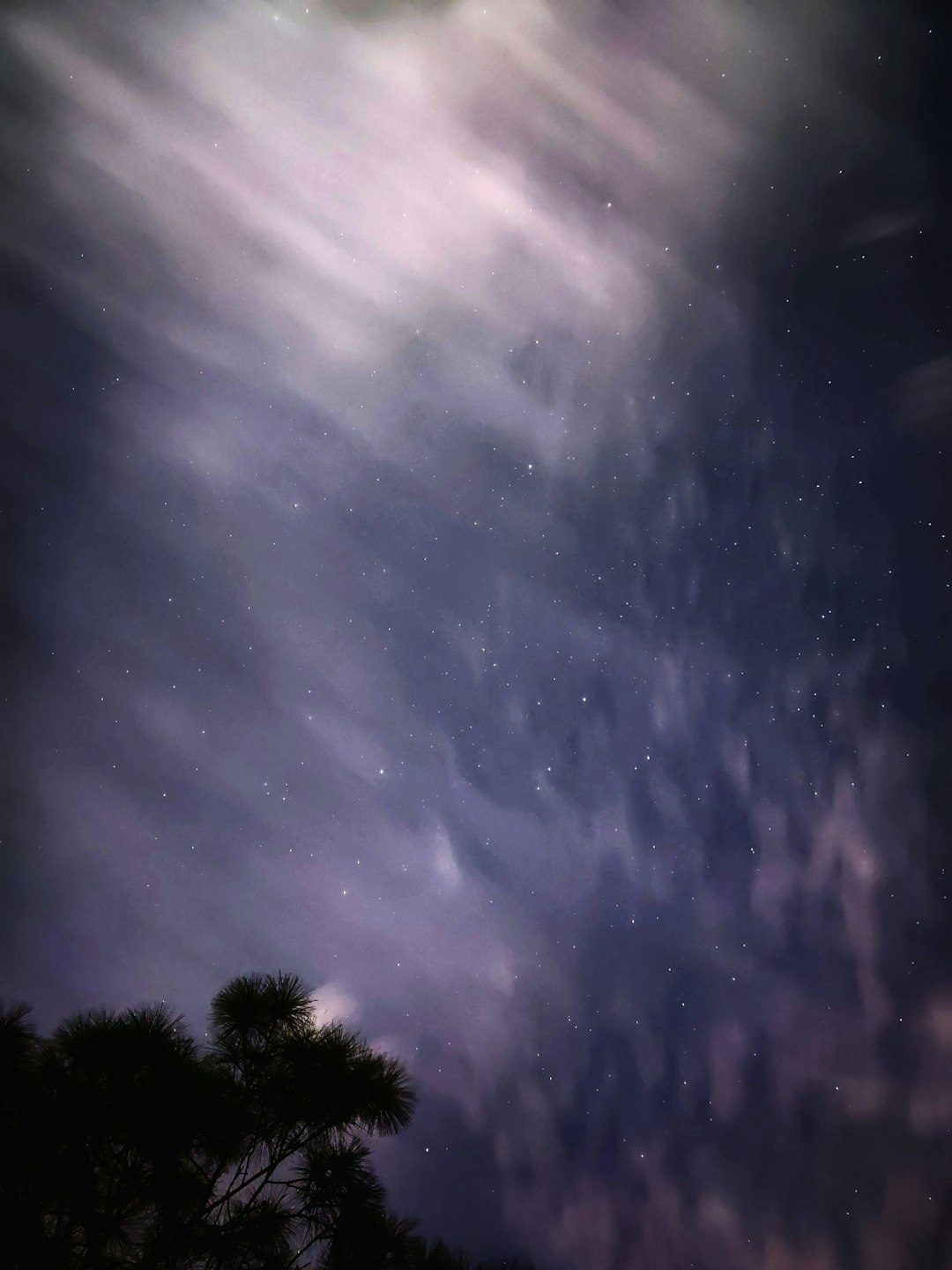
From coastal towns to quiet rural valleys, people report deep, low-frequency humming or eerie trumpet-like blasts coming from the sky, often with no clear local source. Some of these events turn out to be traceable to industrial sites, distant ships, or even atmospheric ducting that carries sound over long distances. Others, however, resist neat explanations, persisting in places with no heavy infrastructure and defying attempts to correlate them with seismic or meteorological activity. The so-called “Worldwide Hum” has inspired dedicated citizen-science projects where listeners log time, intensity, and location in an effort to spot patterns. Researchers have proposed everything from microseisms generated by waves in the ocean to resonances in shallow geological basins.
The sky trumpets – loud, metallic-sounding blasts captured on videos from Canada to Eastern Europe – add another layer of unease. Some recordings are hoaxes or misattributed industrial noises, but not all can be dismissed so easily. Atmospheric scientists suggest that complex interactions of temperature layers, wind shear, and urban acoustics can reshape common sounds into uncanny soundscapes. Still, in many cases, no definitive match between a source and the recorded audio is ever found. The unsettling part is not just the noise; it is how the sounds seem to come from everywhere and nowhere at once, challenging our basic sense of how sound travels through the air above us.
Ball Lightning: The Phantom Orbs of Thunderstorms
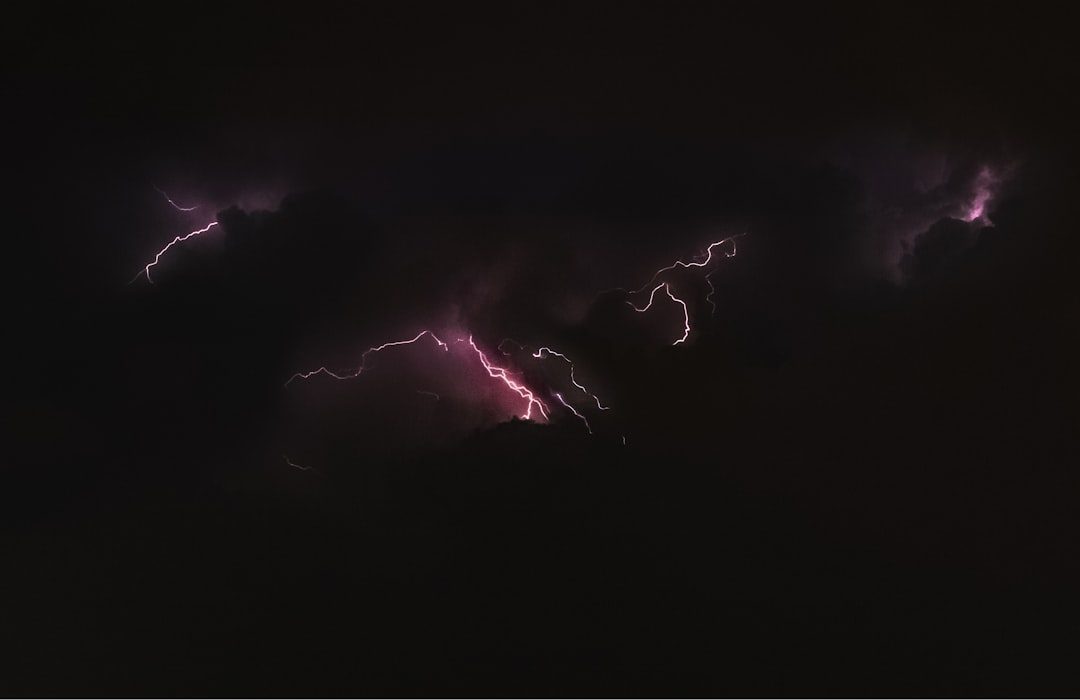
Imagine a stormy night, a blinding flash of regular lightning – and then a glowing orb drifting through the air, sometimes even appearing to float inside homes or aircraft cabins. Reports of ball lightning stretch back centuries and come from pilots, farmers, soldiers, and everyday observers who often describe shimmering spheres the size of a grapefruit or larger. Yet despite modern cameras and sensors, high-quality, verified recordings are extremely rare. Physicists have tried to recreate the effect in the lab, generating short-lived plasma balls, vaporized silicon clouds, or microwave-induced glows, but none fully matches the strange behavior described in the wild. Some balls appear to move against the wind or pass through walls and windows without leaving obvious damage, which is hard to reconcile with conventional plasma physics.
What keeps ball lightning firmly in the “enigmatic” category is the gap between anecdotal richness and empirical data. Researchers suspect that multiple different phenomena – electrical discharges in soil, burning aerosols, or electromagnetic interference – might all be lumped together under one name. A few field measurements from the last decade captured unusual electromagnetic signatures during thunderstorms that hint at transient, localized energy packets. But there is still no single agreed-upon mechanism, no standard model that explains size, color, motion, and duration across the range of reports. Until someone reliably generates and measures ball lightning in controlled conditions, these phantom orbs will remain one of Earth’s most tantalizing electrical mysteries.
Rogue Waves: Monsters That Appear From Nowhere

For centuries, sailors told tales of monstrous waves rising out of otherwise moderate seas, smashing ships and then vanishing as quickly as they formed. These stories were often filed under exaggeration or legend – until modern instruments finally recorded isolated waves towering roughly about twice as high as surrounding swells in the open ocean. Known as rogue waves, these giants can reach the height of multi-story buildings and deliver devastating impacts on offshore platforms and large vessels. Satellite data and buoy records now confirm that such waves are not just rare flukes; they occur more often than classical wave theory predicted. The mystery lies in exactly how normal waves combine, amplify, or become trapped by currents and seafloor features to create a sudden wall of water.
Several mechanisms have been proposed, including constructive interference of multiple wave trains and nonlinear focusing described by sophisticated equations. In regions like the Agulhas Current off South Africa, interactions between strong currents and incoming swells seem to prime the ocean for rogue formation. Yet models do not always match reality, and predicting exactly when and where a rogue wave will rise remains beyond our capabilities. This uncertainty forces engineers to design ships with safety margins against waves they may never meet, but cannot afford to ignore. In a warming world where storm patterns and ocean currents may shift, understanding these marine ambushes is both a scientific puzzle and a pressing safety issue.
Earthquake Lights: Flashes Before the Shaking Starts
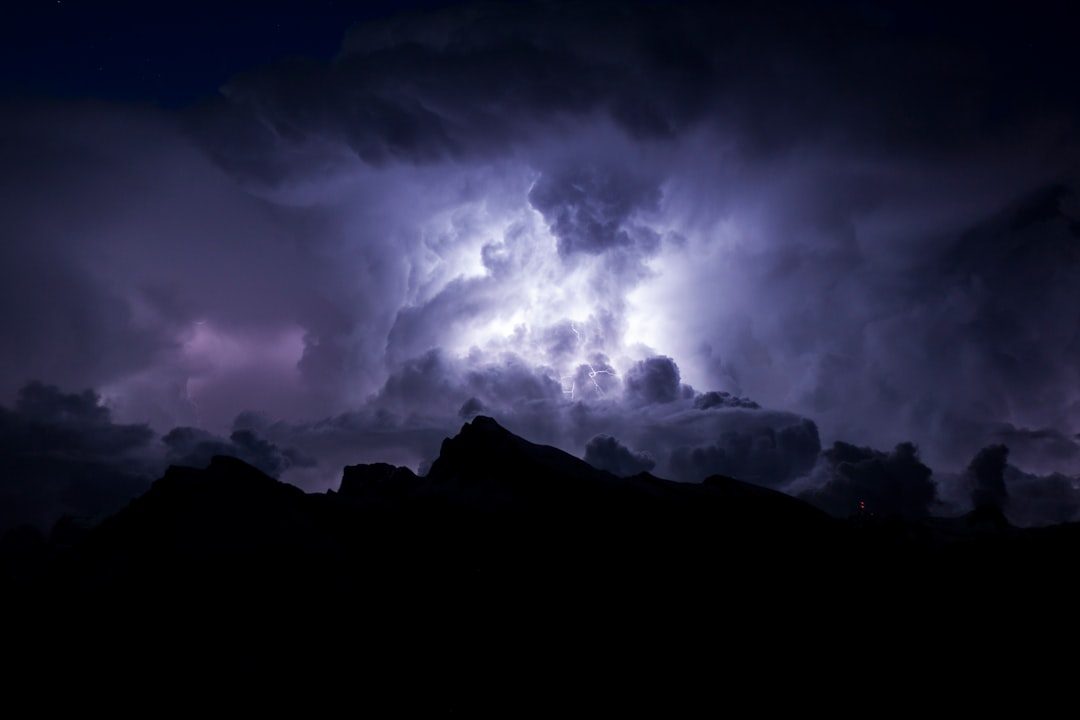
Moments or minutes before some earthquakes, witnesses describe strange lights in the sky – glows, flashes, or flickering orbs hovering above fault zones. Historically, such reports were dismissed as stress, power-line failures, or simple misperception during a terrifying event. However, an increasing number of surveillance and dashboard cameras have captured luminous phenomena in association with major quakes, lending weight to the idea that something real is happening. Some geophysicists suggest that intense stress in rocks may release charged particles, which travel along faults and ionize the air, creating faint aurora-like glows. Others point to piezoelectric effects in quartz-bearing rocks or frictional heating along rupturing faults as possible contributors.
Despite these hypotheses, there is no consensus model that fits all observed earthquake lights. They vary widely in color, shape, altitude, and timing – appearing sometimes before, sometimes during, and occasionally after the main shaking. Not every major earthquake produces visible lights, and not every reported light near a quake can be reliably linked. That patchwork of evidence makes it difficult to turn earthquake lights into a practical early-warning signal, even though the idea is highly tempting. If scientists could confirm a consistent, measurable electromagnetic precursor to fault rupture, it might revolutionize our ability to anticipate certain quakes. For now, though, these ghostly flashes remain more of a clue than a solution.
“Singing” Dunes and Booming Sands

Walk on certain remote sand dunes and the ground may seem to roar back at you. Desert explorers from Morocco to China’s Gobi have described dunes that produce deep, resonant booms when sand avalanches down their slopes. The sound can last for minutes, with a tone reminiscent of a distant engine or an organ note hanging in the air. Laboratory experiments show that when grains of specific sizes cascade in large enough numbers, friction and collisions can synchronize, amplifying vibrations into audible sound. Temperature, humidity, and grain composition all appear to influence whether a dune will sing or stay silent. Yet even with controlled experiments, researchers still struggle to predict which dunes will boom and under what precise conditions.
Part of the enigma lies in the subjective human experience: from one angle, the sound feels directional; from another, it seems to come from everywhere. Slight changes in footstep rhythm or slide speed can abruptly start or stop the booming, like a natural instrument that only plays when handled just right. Geophysicists have compared dune acoustics to musical instruments, but the analogy breaks down when you realize that the “instrument” is millions of shifting grains, constantly reshaping its own resonant cavities. Understanding these dunes could improve our grasp of granular physics, which also underpins landslides, industrial powders, and even planetary geology on Mars and Titan. Until then, booming sands remain one of the most otherworldly experiences you can have on solid ground.
Glowing Seas: The Puzzling Spectacle of Massive Bioluminescence

Many coastal travelers have kicked a wave at night and watched it flash an electric blue, thanks to tiny plankton that light up when disturbed. That part of the story is fairly well understood: certain dinoflagellates use chemical reactions to produce light, possibly as a defense mechanism. The real mystery emerges when entire stretches of ocean glow continuously for hours or days, forming so-called “milky seas.” Satellite images and rare ship reports describe vast patches of water shining with a steady, ghostly light visible even from space. These events can span areas larger than some countries, yet are so elusive that only a handful of scientific measurements exist. The dominant suspect is dense swarms of bioluminescent bacteria living on organic particles, but the trigger conditions and ecological dynamics are still under intense study.
Recent decades have seen better detection from space-based sensors, which can pick up faint, widespread glows that human observers miss. Even so, ships almost never happen to cross these regions at the right time with the right instruments, leaving many basic questions unanswered. Why do milky seas form in some nutrient-poor waters but not in seemingly similar regions? How do currents, temperature layers, and marine food webs conspire to create these luminous blankets? Beyond pure curiosity, understanding such events could offer insights into ocean productivity, carbon cycling, and even the health of marine ecosystems. For now, when sailors find themselves gliding through a glowing ocean, they are witnessing a natural light show that science is only beginning to decode.
The Hessdalen Lights and Other Persistent Valley Glows
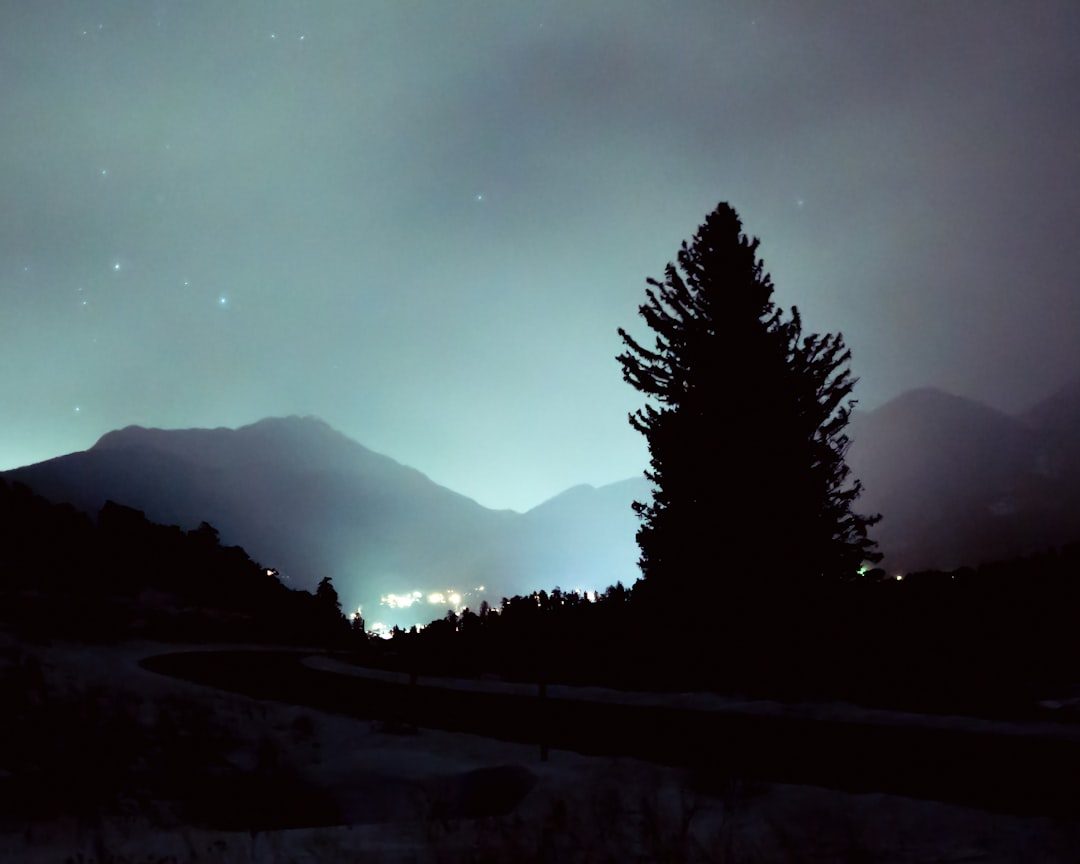
In a remote valley in central Norway, locals and visiting researchers have spent decades watching strange lights drift, dart, and hover above the landscape. Known as the Hessdalen lights, these luminous objects range from small, fast-moving points to larger, slower glows that can last for minutes. Unlike one-off reports elsewhere, Hessdalen’s relative regularity has allowed scientists to set up long-term monitoring with cameras, spectrometers, and radar. Data show that the lights sometimes emit a continuous spectrum, other times a more structured one, and they occasionally appear on radar as solid targets while at other times they remain invisible. Proposed explanations span from combustion of dust clouds to plasma phenomena triggered by unusual geology and atmospheric conditions.
What keeps this valley under the scientific spotlight is that no single theory fits all recorded events. Some lights move too smoothly to be ordinary aircraft or drones, yet their brightness and spectra do not neatly match known plasma discharges either. The local geology involves metallic minerals and conductive ground that might play a role in generating electromagnetic anomalies. Still, even with years of observation, the phenomenon resists full classification, sitting uncomfortably between atmospheric optics, plasma physics, and geophysics. Hessdalen serves as a natural laboratory for studying rare luminous events, but it also underscores how even persistent phenomena can remain enigmatic in the face of modern instrumentation.
Why These Mysteries Matter for Science
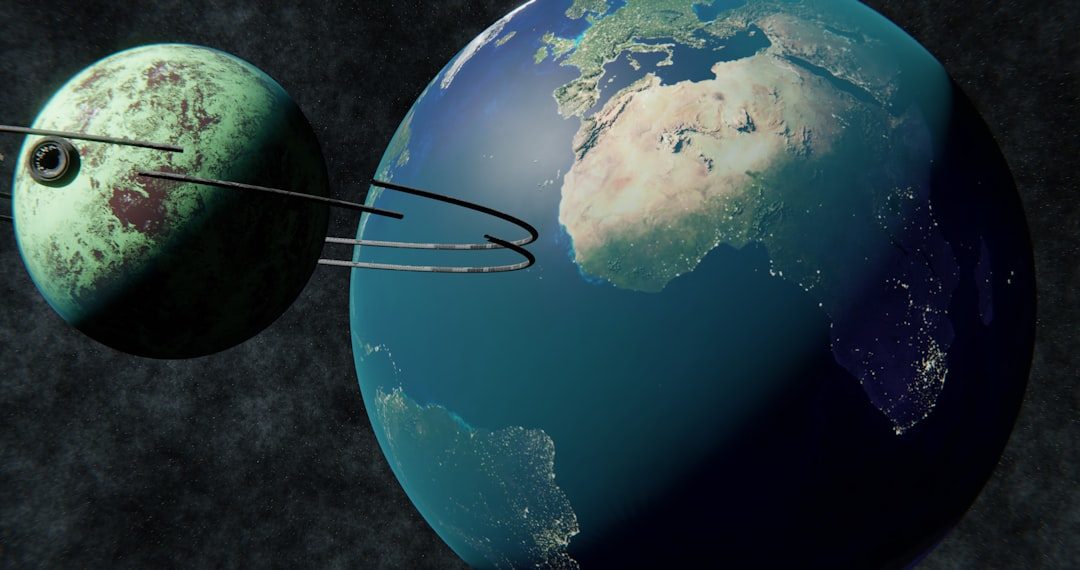
It is tempting to treat these phenomena as quirky curiosities – great for travel stories, not so crucial for serious science. But history shows that puzzles like these often unlock deeper principles, much as oddities in Mercury’s orbit helped confirm general relativity or strange electrical sparks led to the birth of plasma physics. Each enigmatic event pushes at the edges of our models, forcing researchers to confront where traditional theories fall short in real-world conditions. Rogue waves reveal gaps in our understanding of nonlinear dynamics, which also shape climate patterns and power-grid stability. Earthquake lights and valley glows probe the interface between geology and electromagnetism, a frontier that could influence everything from resource exploration to hazard forecasting.
There is also a cultural and psychological dimension: unexplained phenomena can easily be hijacked by misinformation, sensationalism, or unfounded speculation. When science steps into these spaces with careful fieldwork and honest uncertainty, it offers a counterweight – an invitation to wonder without abandoning rigor. Comparing today’s tools with those of past centuries makes the shift clear: instead of relying solely on travelers’ tales, we now bring satellites, AI-driven pattern recognition, and open data repositories into the mix. Yet the core impulse is the same as it was for early naturalists: to look at a strange light, a booming dune, or a glowing sea and say, calmly and persistently, that we do not know yet – but we intend to find out.
The Future Landscape: New Tools for Old Puzzles

In the coming years, many of these mysteries will likely be tackled not by lone researchers but by networks of sensors and curious citizens spread across the globe. Cheap, internet-connected cameras and seismic monitors can already log unusual events in real time, building datasets far richer than scattered eyewitness accounts. Machine learning algorithms are being trained to sift through satellite imagery for patterns that match milky seas, rogue waves, or unusual atmospheric glows. Advances in portable spectroscopy and electromagnetic sensing mean that even small field teams can capture high-quality measurements of rare lights or sounds when they occur. At the same time, detailed computer simulations are improving, allowing scientists to test how subtle changes in temperature, salinity, or grain size might tip a system into unexpected behavior.
There are challenges, of course: data overload, false positives, and the risk of chasing illusions generated by faulty sensors or online hoaxes. Global collaboration will be essential, since many of these phenomena ignore national borders and demand long-term, cross-regional monitoring. Climate change may add another twist by altering the background conditions that give rise to rogue waves, unusual storms, or shifts in bioluminescent ecosystems. As those baselines move, yesterday’s rare event might become tomorrow’s frequent hazard – or vanish entirely before we decipher it. The future of studying enigmatic Earth phenomena will sit at the intersection of technology, open science, and a willingness to be surprised.
How Readers Can Engage With Earth’s Mysteries
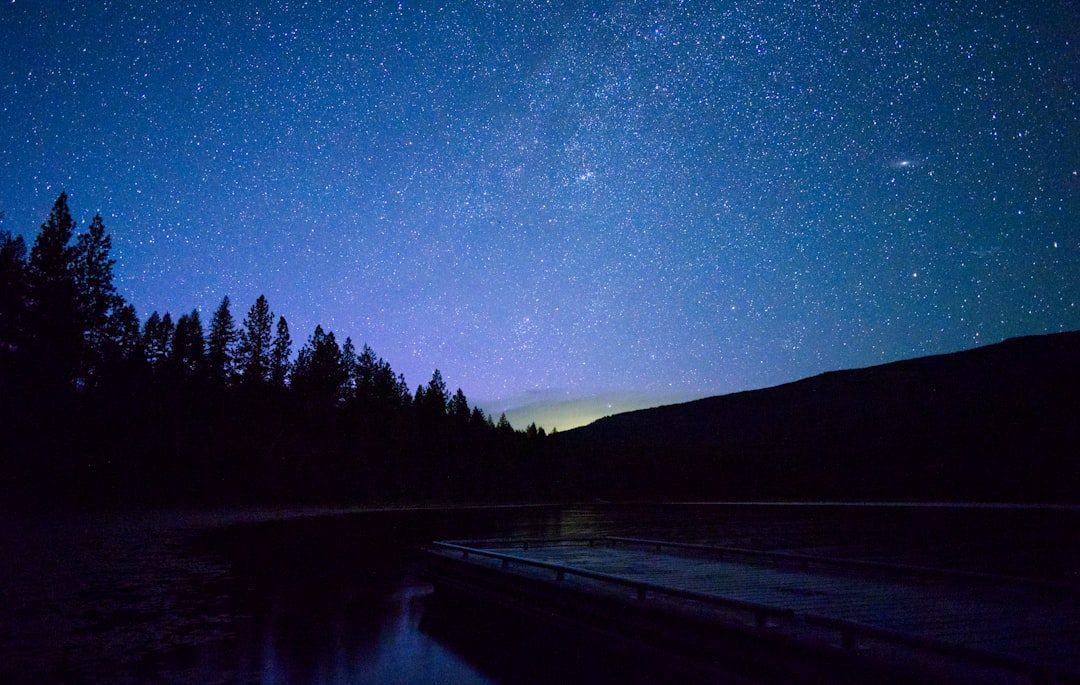
Engaging with these enigmas is not limited to professional scientists working in remote labs or on expensive expeditions. Anyone with a smartphone, a bit of patience, and a respect for accuracy can contribute to our understanding of unusual natural events. Simple steps include carefully documenting what you see and hear – time, location, weather, direction, and duration – if you ever witness strange lights, booming sands, or unexpected glows. Sharing such records with local observatories, academic projects, or reputable citizen-science platforms gives experts something to work with beyond vague descriptions. Supporting conservation efforts also matters, because many of these phenomena – glowing seas, singing dunes, remote valley lights – depend on intact, relatively undisturbed environments.
There are practical ways to plug in:
- Join citizen-science projects that focus on night-sky observation, marine conditions, or seismic monitoring.
- Back organizations that fund long-term field stations in deserts, mountains, and oceans where rare events occur.
- Stay skeptical yet open-minded, favoring measured investigations over sensational explanations when new videos or stories go viral.
By treating Earth’s strangest behaviors as shared puzzles instead of fringe curiosities, readers help create a culture that values careful observation and open questions. The next big insight into our planet’s workings might begin not in a high-tech lab, but with someone standing in the dark, watching the horizon, and deciding that what they are seeing is worth recording.
Suhail Ahmed is a passionate digital professional and nature enthusiast with over 8 years of experience in content strategy, SEO, web development, and digital operations. Alongside his freelance journey, Suhail actively contributes to nature and wildlife platforms like Discover Wildlife, where he channels his curiosity for the planet into engaging, educational storytelling.
With a strong background in managing digital ecosystems — from ecommerce stores and WordPress websites to social media and automation — Suhail merges technical precision with creative insight. His content reflects a rare balance: SEO-friendly yet deeply human, data-informed yet emotionally resonant.
Driven by a love for discovery and storytelling, Suhail believes in using digital platforms to amplify causes that matter — especially those protecting Earth’s biodiversity and inspiring sustainable living. Whether he’s managing online projects or crafting wildlife content, his goal remains the same: to inform, inspire, and leave a positive digital footprint.