
History, they say, is written by the victors. But what happens when the ground itself pushes back, handing us objects that no conqueror ever planned on? Every now and then, a shovel strikes something deeply wrong, something that refuses to fit neatly into the story we’ve been telling ourselves about human civilization. These are not just curiosities collecting dust in glass cases. They’re provocations.
Some of these objects predate what scholars once believed were the first complex societies. Others suggest that ancient peoples possessed scientific knowledge that should, by all textbook standards, have been impossible for their era. Whether you’re a devoted history enthusiast or someone who simply enjoys a well-placed mystery, what you’re about to discover might genuinely surprise you. Let’s dive in.
1. The Antikythera Mechanism: The World’s First Computer
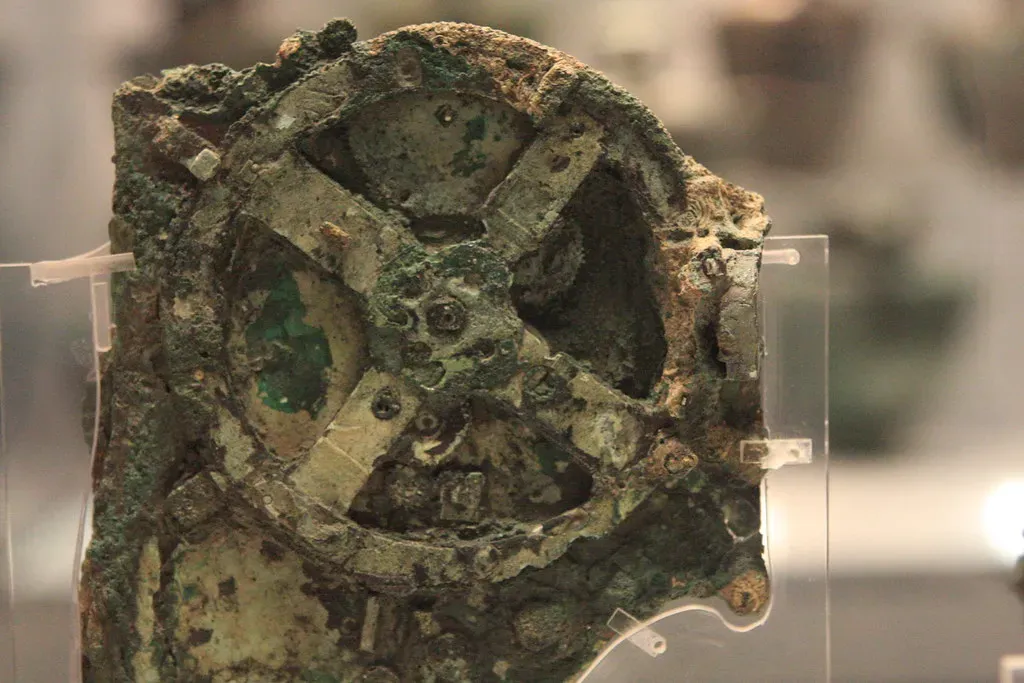
Imagine pulling what looks like a lump of corroded bronze scrap from a sunken shipwreck, only to discover it’s one of the most sophisticated devices ever created by human hands. Greek sponge divers exploring a shipwreck off Antikythera island in 1900 pulled up what initially looked like corroded bronze scrap metal. Decades later, X-ray analysis revealed this “scrap” was actually a sophisticated mechanical computer from the 2nd to 1st century BCE, complete with dozens of bronze gears that could predict eclipses and planetary positions. That’s not a minor detail. That’s a civilization ahead of its time by roughly a thousand years.
A half-century after its discovery, a science historian figured out that this weird archaeological find could predict the positions of the planets and stars in the sky by date. Since then, researchers found Greek text on the artifact showing it could predict eclipses and moon phases, and could even track the four-year cycle of the Olympic Games. The level of sophistication utilized by the device has forced scientists to accept that their perceptions of ancient Greek engineering may be faulty. Nothing similar to this exists or is mentioned in any known writings from the period of its creation. Based on the knowledge we do have, this mechanism shouldn’t even exist. Honestly, that last sentence alone should give you chills.
2. The Rosetta Stone: The Key That Unlocked a Civilization
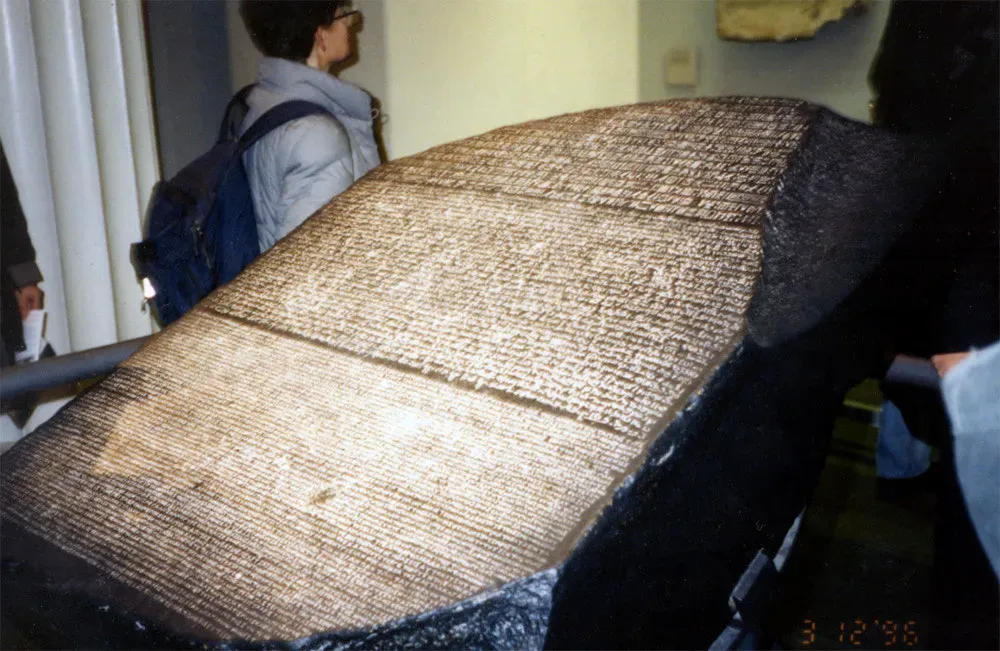
The Rosetta Stone was uncovered by French soldiers in 1799 while digging the foundations for a fort. Its inscription, a decree by pharaoh Ptolemy V written in hieroglyphics, ancient Greek, and demotic, offered a means to understand ancient Egyptian writing, though it took another 23 years to decipher it. Using the widely understood ancient Greek text, Egyptologists could make sense of hieroglyphs, allowing them to finally decode all the mysterious inscriptions plastered on temples and buildings across the ancient kingdom. Think of it like finding the password to an entire culture’s hard drive.
The stone contained the same decree written in three scripts: hieroglyphic, demotic, and ancient Greek, providing scholars like Jean-François Champollion the key to deciphering Egyptian hieroglyphs. This breakthrough opened up thousands of years of Egyptian history, religion, and literature that had been locked away in indecipherable symbols. Though dating to 196 BCE, the stone itself became a political prize and remains a subject of repatriation debates between Egypt and the British Museum. It’s a reminder that even the most transformative discoveries carry complicated legacies.
3. The Dead Sea Scrolls: Ancient Texts That Rewrote Religious History
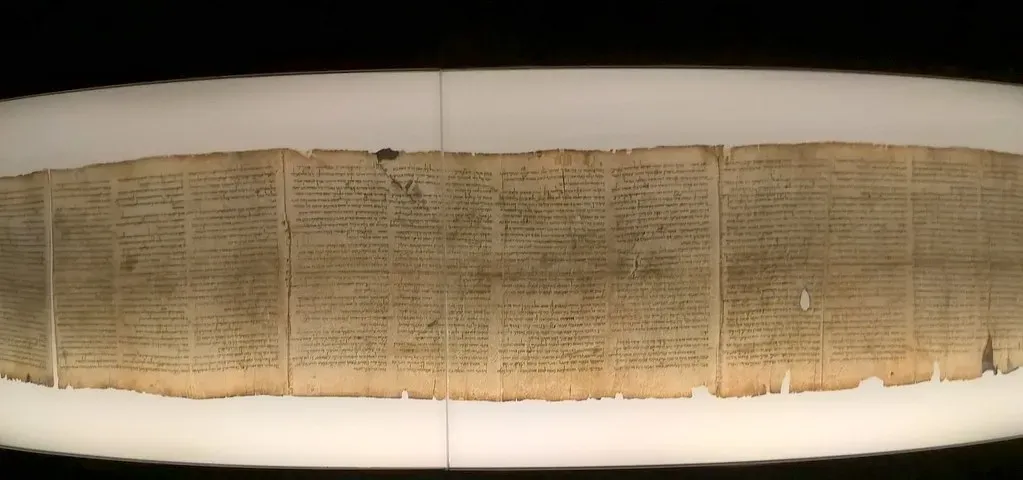
A young Bedouin shepherd searching for a lost goat in 1947 threw a stone into a cave near the Dead Sea and heard the sound of breaking pottery. Inside the jars he found were ancient manuscripts that would become one of the most significant archaeological discoveries of the 20th century. These scrolls contained the oldest surviving copies of Hebrew Bible books and revealed previously unknown details about Jewish life during the Second Temple period. A lost goat. That’s all it took to reshape our understanding of religious history.
Among the finds was the mysterious Copper Scroll, which tantalizingly lists locations of hidden treasures that remain unfound to this day. The scrolls, first reportedly mentioned in the timeline between 300 BCE and 100 AD in Israel, included sectarian works and ancient Hebrew texts that have survived years of biblical analysis. Controversies about their origins and how they relate to Christianity and Judaism in various interpretations make these relics quite an insightful find. The debate around their meaning is still very much alive in 2026, which is part of what makes them so compelling.
4. The Voynich Manuscript: A Book Nobody Can Read
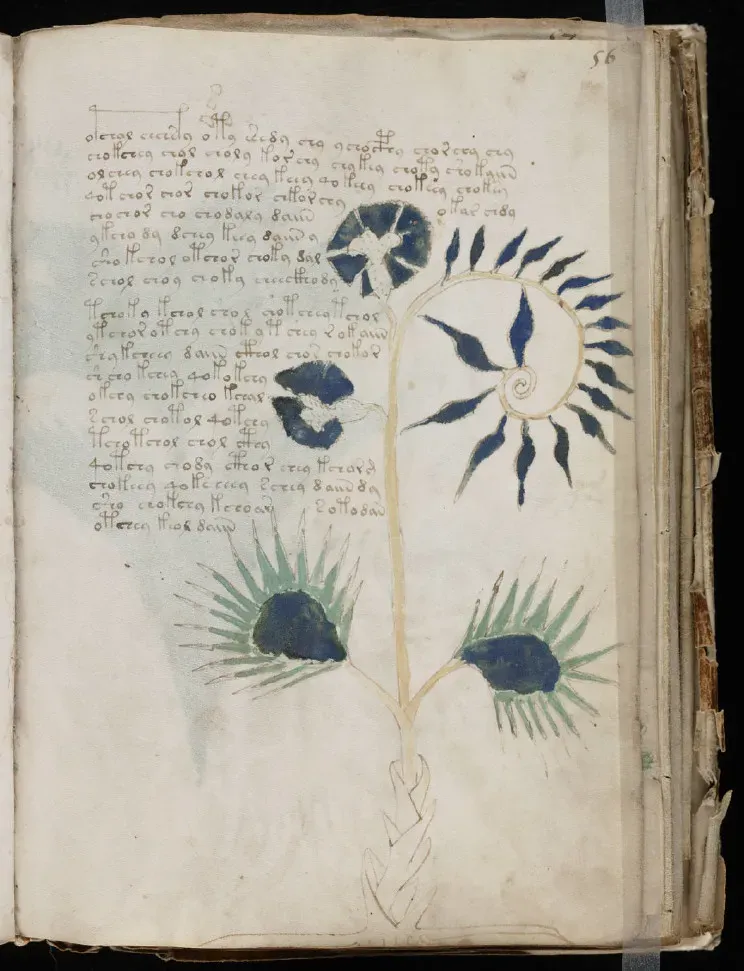
The 240-page illustrated work is written in an unknown language and contains hundreds of inked illustrations of astrological symbols, unidentifiable plants, and bizarre human figures. It is divided into six sections based on the illustrations: botany, astronomy and astrology, biology, cosmology, pharmaceutical, and a section of continual text with decorative markings. Legions of cryptographers have tried and failed to decipher the manuscript’s lettering. The sheer scale of failed attempts is remarkable. We’re talking about some of the sharpest minds in cryptography, defeated by an old book.
The Voynich manuscript has been studied by both professional and amateur cryptographers, including American and British codebreakers from both World War I and World War II. Codebreakers Prescott Currier, William Friedman, Elizebeth Friedman, and John Tiltman were all unsuccessful. Radiocarbon dating by University of Arizona researchers in 2009 determined that the parchment was made between 1404 and 1438. Stylistic analysis points to a possible Italian Renaissance origin for the manuscript. The manuscript text has unusual characteristics in that it lacks visible errors and corrections, which is unusual for natural manuscripts of the time. The distribution of words and symbols shows statistical patterns similar to natural languages, but does not correspond to any known historical language or cipher. So it’s real. It’s old. It’s structured. Nobody has a clue what it says.
5. King Tutankhamun’s Tomb: A Golden Window Into Ancient Egypt
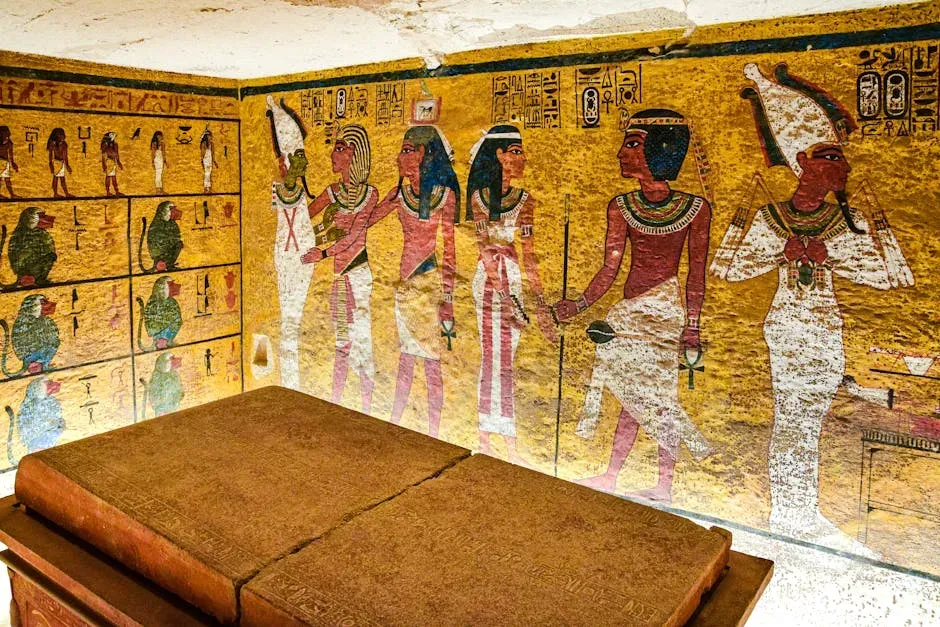
After years of fruitless searching in Egypt’s Valley of the Kings, Howard Carter made the discovery of a lifetime in November 1922. The nearly intact tomb of the boy pharaoh contained thousands of priceless artifacts, including the iconic golden death mask that sparked a global obsession with ancient Egypt. This find single-handedly revitalized Egyptology and provided unprecedented insights into royal burial practices and ancient Egyptian craftsmanship. It’s hard to overstate just how transformative that moment was for the study of antiquity.
The tomb contained more than 5,000 artifacts, including the iconic gold death mask weighing over 20 pounds, making it one of the richest archaeological finds in history. King Tut’s tomb, which dates back to the 1300s BCE, dramatically altered history books by presenting and even reintroducing concepts of craftsmanship and religion, which transformed one’s lens on antiquated fashion and culture. The mask reemerged to the modern world in 1922 when British archaeologist Howard Carter discovered King Tut’s nearly intact tomb in the Valley of the Kings. Over the ages, modern and ancient looters emptied most Egyptian royal tombs, so Tut’s burial chamber was the first to reveal the phenomenal wealth pharaohs took to the grave. A one-of-a-kind preservation that we may never see repeated.
6. The Baghdad Battery: Ancient Electricity Before Edison
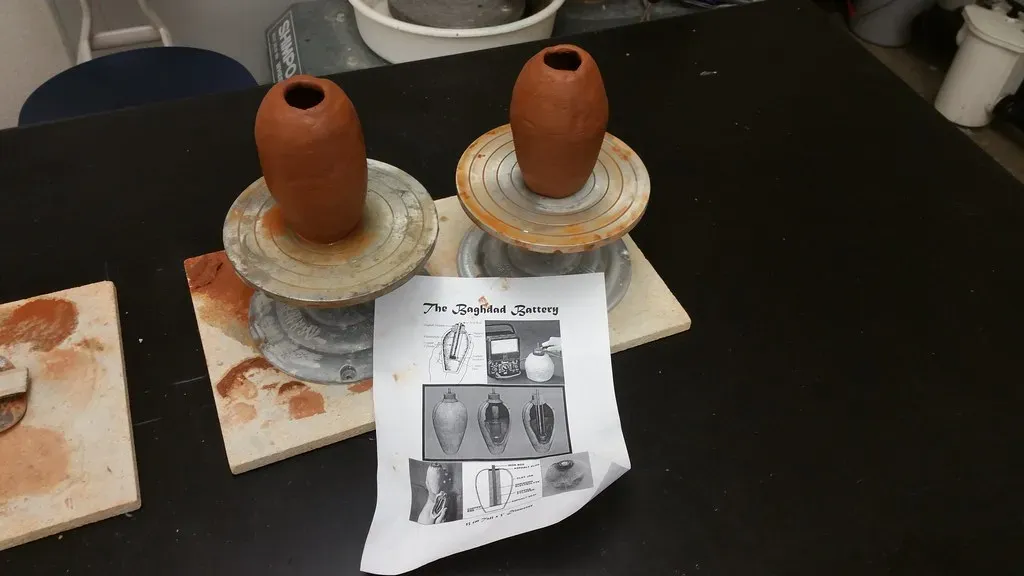
Here’s the thing that really messes with your timeline. Clay jars with asphalt stoppers and iron rods made some 2,000 years ago have been proven capable of generating more than a volt of electricity. These ancient “batteries” were found by German archaeologist Wilhelm Konig in 1938 just outside of Baghdad, Iraq. A 2,000-year-old device capable of producing electricity. Let that sink in for a moment before you continue reading.
Since its discovery in the 1930s, the Baghdad Battery has intrigued researchers due to its potential function as an ancient galvanic cell. Some suggest it generated ancient electricity for simple tasks like electroplating or medicinal purposes. Others believe it served in religious or ritualistic contexts, where small electrical charges were applied. While no direct evidence confirms these uses, the battery’s design implies it could produce a mild electric current. The artifact suggests that ancient civilizations may have experimented with electrical innovations long before modern times. Whether it was used for gold plating jewelry or for something more ritualistic, the implications alone are staggering.
7. The Terracotta Army: An Underground Empire of Warriors
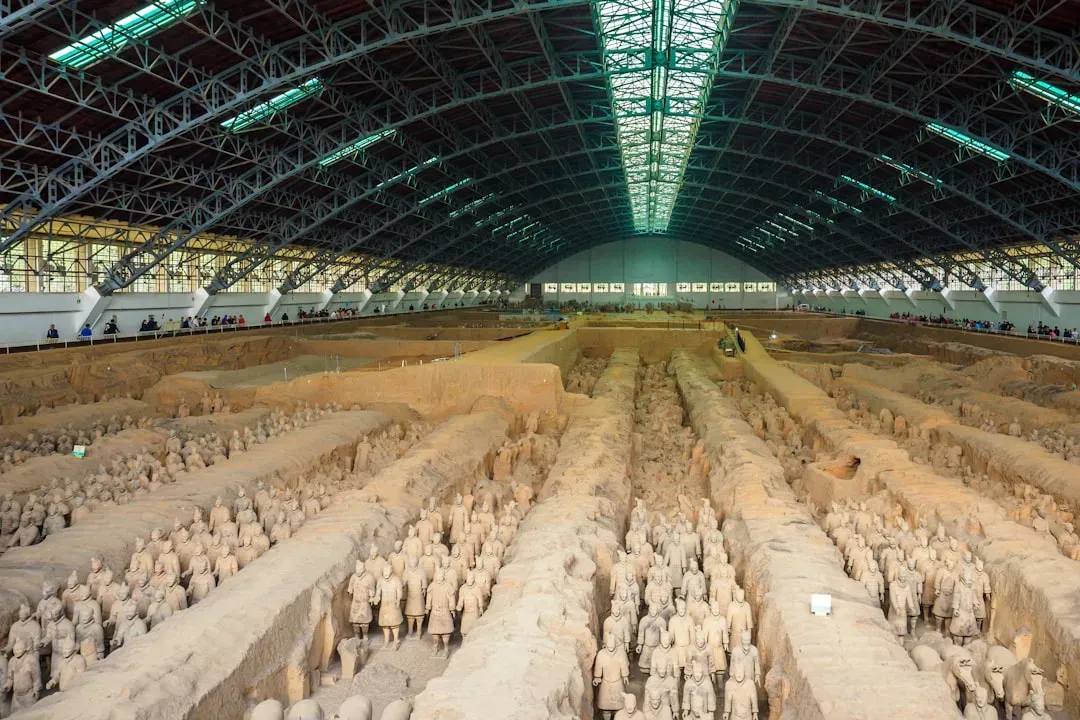
Chinese farmers digging a well near Xi’an in March 1974 hit something harder than dirt, fragments of what turned out to be thousands of life-sized clay soldiers. This accidental discovery revealed Emperor Qin Shi Huang’s massive underground army, complete with warriors, horses, and chariots, each with individually crafted faces. It’s like stumbling upon an entire standing army frozen in time beneath your feet. Surreal doesn’t even begin to cover it.
The Chinese Terracotta Army, first constructed around 246 BCE in ancient China, is an ancient mausoleum housing Qin Shi Huang and over 8,000 soldiers, chariot figures, and horses that have survived many years since their origins. It was later discovered in the 1970s, and those who observed its foundation and legacy saw that the burial complex is a marvel that continues to baffle the mind. Archaeologists estimate the site covers roughly 21 to 22 square miles, with each warrior standing about 5 feet 11 inches to 6 feet 7 inches tall, no two with the same facial features. What makes this artifact important to history and the rewriting of it is its emphasis on labor forces and mass production. Military prowess and complex artistry demonstrated that the Qin Dynasty was quite clever and familiar with advanced industrial production efforts, which historians knew so little about from that time.
8. The Phaistos Disc: A Bronze Age Mystery Stamped in Clay
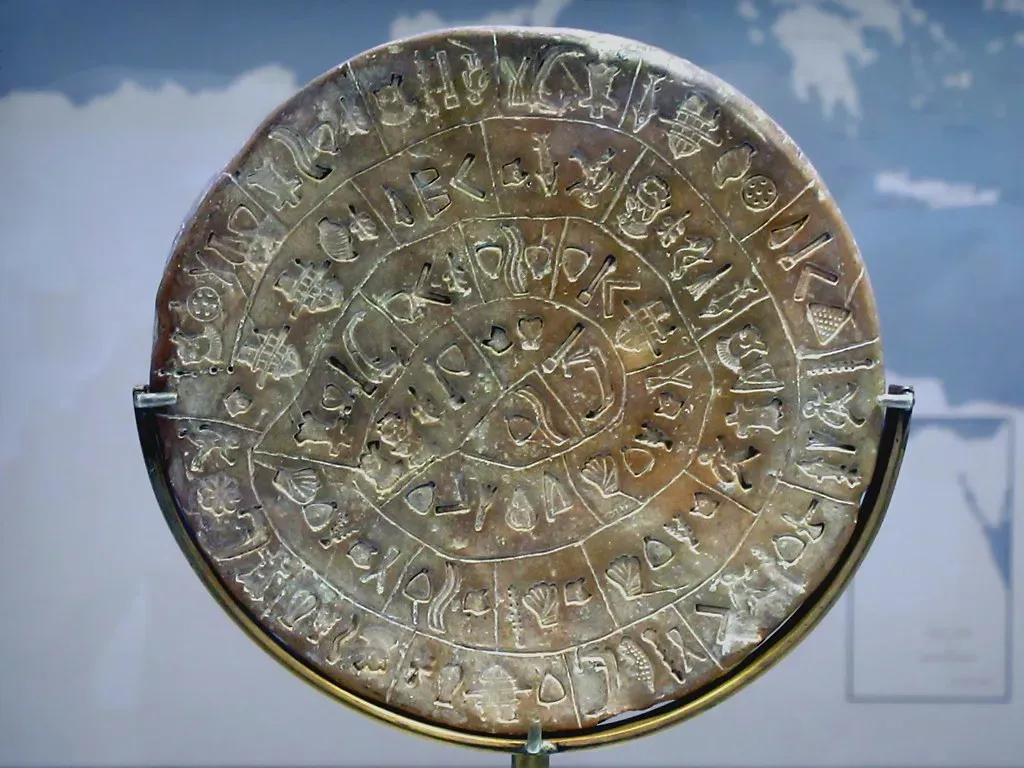
Italian archaeologist Luigi Pernier discovered a mysterious six-inch, fired-clay disc in 1908 in the ruins of the ancient palace of Phaistos. Dating from perhaps 1700 BCE, this amazing find bears a spiral of 242 stamped symbols. Many have recognizable shapes, such as a tattooed head, an arrow, a plane tree, a cat, and a beehive. They may represent phonetic groups or syllables, but there are too few of them to be deciphered. It’s like receiving a postcard from the Bronze Age in a language that no longer exists.
The disc dates back to the Minoan civilization, yet no similar script has been found elsewhere. Its unique spiral arrangement suggests it could be a form of proto-writing or even an early printing method. Efforts to decode its symbols have yet to yield definitive results. Scholars have struggled for decades to decipher its meaning. Some believe it’s a hymn or prayer, while others think it could be a type of game or record. The true purpose of the disc remains elusive, adding to its allure as one of archaeology’s most intriguing puzzles. I think the fact that it used stamped symbols, potentially the world’s earliest form of movable type printing, may be the most underappreciated detail about it.
9. The Piri Reis Map: A 16th-Century Map That Shouldn’t Exist
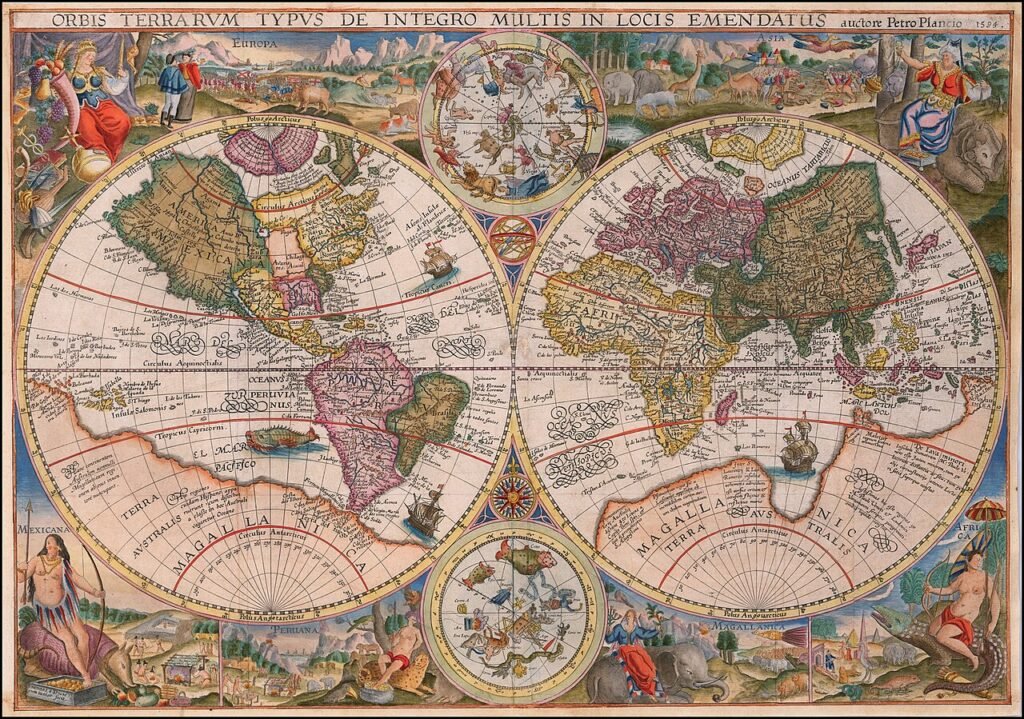
Hajji Ahmed Muhiddin Piri, better known as Piri Reis, was an accomplished Turkish admiral and mapmaker of the 16th century, known primarily as the creator of a beautiful 1513 map of the world. Lost for many years, a remnant of the map, drawn on gazelle skin parchment, was rediscovered in the 20th century and is now held in Istanbul’s Topkapi Palace. Showing the western coasts of Europe, North Africa, and the Brazil coast, the map is remarkable for its depiction of South America’s coast in its proper longitudinal position in relation to Africa, only two decades after European discovery. Remarkable enough on its own, but the story doesn’t stop there.
The Piri Reis Map, created in 1513 by the Ottoman admiral Piri Reis, depicts parts of Europe, Africa, and South America with remarkable accuracy. The map’s most intriguing aspect is its depiction of the Antarctic coast, which was not officially discovered until 1820. This raises questions about the sources of Piri Reis’s knowledge. Some theories suggest he had access to ancient maps from lost civilizations. The map’s precision and mysterious origins challenge conventional historical narratives. It suggests we are missing whole layers of cartographic knowledge that once circulated between cultures. It doesn’t prove an impossibly ancient global civilization, but it does hint that the history of exploration and information-sharing is more entangled and patchy than a clean linear timeline suggests.
10. The Nazca Lines: Giant Geoglyphs Visible Only From the Sky
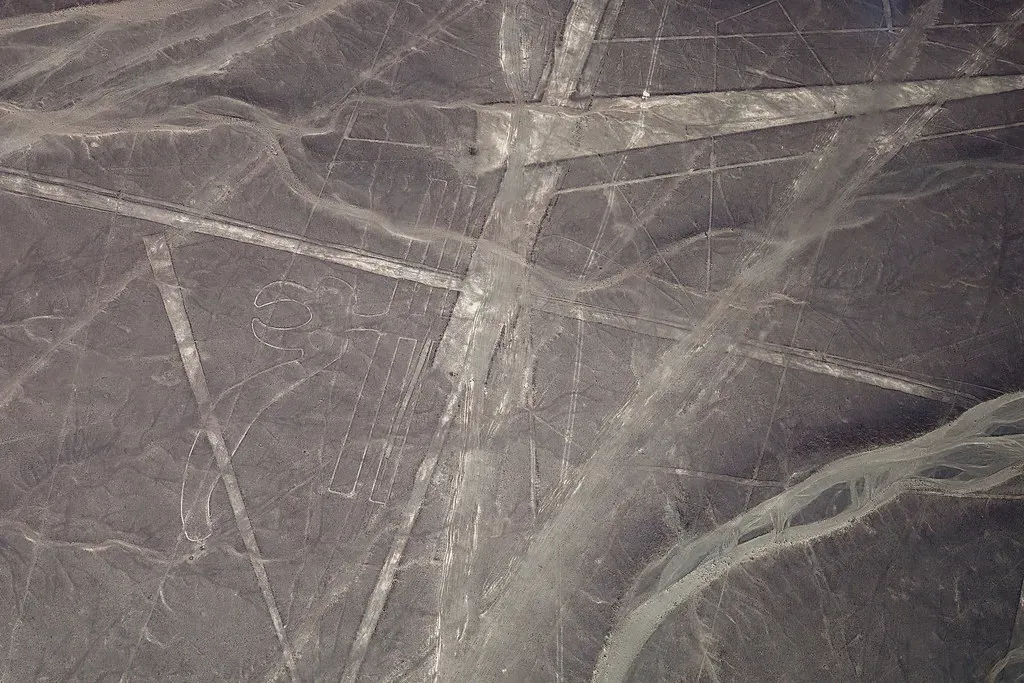
The Nazca Lines stretch across Peru’s arid plains, forming massive shapes of animals, plants, and intricate geometric patterns. Visible only from high above, these ancient geoglyphs present historians with a compelling enigma: how and why were they made? Theories abound, from astronomical calendars to communication with deities, or even ancient aliens. Their true purpose remains hotly debated, leaving the Nazca Lines as one of the world’s greatest unsolved mysteries. The sheer scale of the project is mind-bending. These aren’t scratches in the dirt. These are images the size of city blocks.
Among the remarkable objects that have reshaped understanding of humanity’s past are the vast desert-carved Nazca Lines in Peru, whose scale can only be appreciated from above. Each example offers enduring clues about the people who created them and the worlds they inhabited. Just why they did it remains enigmatic, prompting conspiracy theorists to float ideas about alien landings and ancient astrology. The lines were more likely a ritual communication method with the Nazca’s deities, say archaeologists. It’s hard to say for sure, but there’s something deeply moving about a people who drew messages so enormous, they could only be read by the sky above them.
Conclusion: History Is Still Being Written
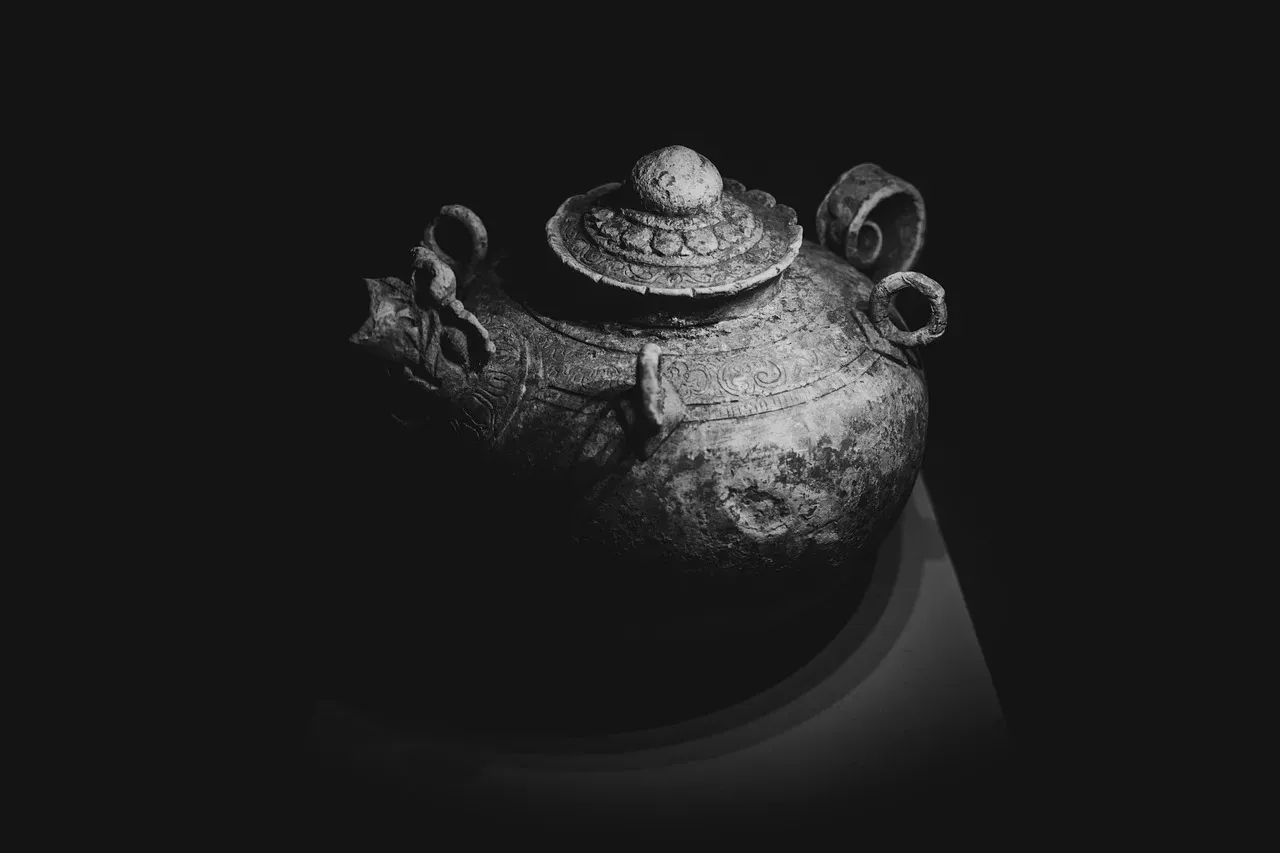
What unites all ten of these artifacts is something quietly radical: they each remind you that the timeline of human capability is far messier, richer, and more surprising than any textbook ever admitted. There is not a neat conspiracy pointing to one grand hidden civilization, but rather a more human pattern of brilliance, loss, reinvention, and forgotten experiments. Tools and texts vanish, skills get rediscovered centuries later, and every now and then we dig something up that forces experts to admit, with varying degrees of discomfort, that the picture is still incomplete.
Each of these objects is a small crack in the wall of certainty. A gear that shouldn’t exist. A map that knows too much. A book that nobody can read. Taken together, they suggest that human ingenuity has always outpaced the stories we tell about it. The past is still being unearthed, quite literally, and there’s no telling what the next shovel strike might reveal. So here’s a question worth sitting with: how many more world-altering artifacts are still buried beneath our feet, waiting for the right moment to rewrite everything we thought we knew?