We walk around inside one of the most complex systems in the known universe, yet even in 2025 scientists are still baffled by some of the most basic things our bodies do. Brain scanners, genetic sequencing, and precision microscopes have pulled back layer after layer of mystery, but under every solved puzzle, another one waits. Why we sleep the way we do, feel pain the way we do, or get certain diseases while others do not remains disturbingly unclear. The closer researchers look, the more it becomes obvious that the human body is not a finished manual but an evolving draft. These enduring mysteries are not just scientific curiosities; they shape how we live, suffer, and heal every single day.
The Enigma of Consciousness: How Does the Brain Create a Self?
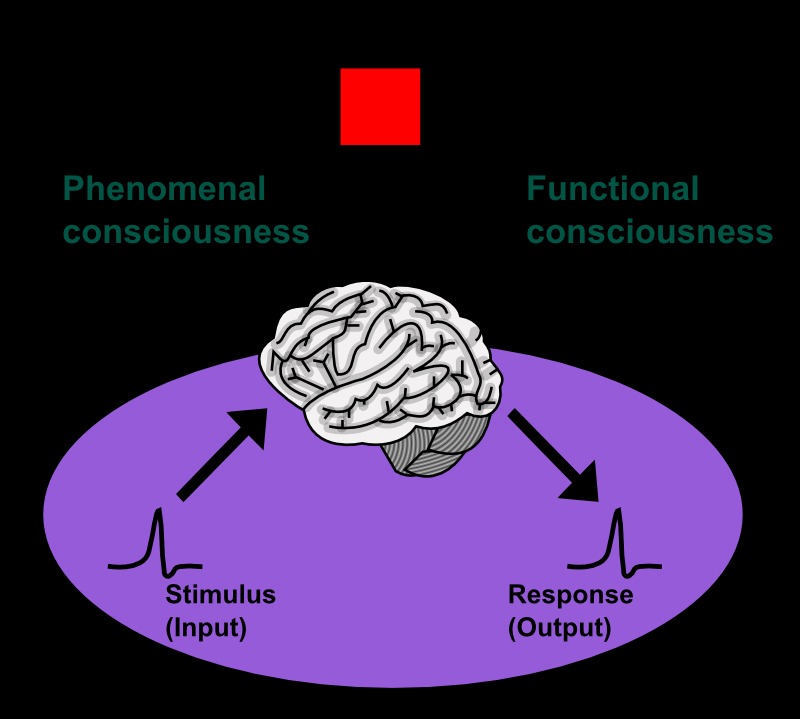
Why a three-pound lump of gray tissue inside your skull produces the vivid, private movie you call “you” is still one of science’s deepest unanswered questions. Neuroscientists can now map which brain regions light up when you recognize a face, feel fear, or make a choice, but that only tells us where, not how. The electrical storms of neurons and the whispering of chemical messengers do not straightforwardly explain the felt experience of seeing red, remembering your childhood, or feeling embarrassed. Some researchers argue that consciousness emerges from complex information processing, while others suspect we are still missing a fundamental principle, much like physics before the discovery of gravity.
Clinically, this mystery shows up in eerie edge cases: patients under anesthesia who later recall moments from surgery, people in so-called “vegetative states” who can answer yes–no questions in brain scanners, or individuals whose personalities shift dramatically after tiny lesions. Brain injuries can erase a specific kind of awareness, like the ability to see objects while still navigating around them, hinting that consciousness may be a patchwork rather than a single thing. Yet no experiment has turned subjective experience into something we can predict with confidence. Until we do, every brain scan is a map without a legend, and the self remains science’s strangest blind spot.
Placebo Power: How Can Belief Trigger Real Healing?

One of the most unsettling findings in modern medicine is that a sugar pill, sham surgery, or fake injection can sometimes ease real pain, calm anxiety, and even change measurable markers like blood pressure. The placebo effect is not just people “faking it”; brain imaging shows that when patients expect relief, regions involved in pain and emotion actually change their activity, and the brain releases its own painkillers. Doctors have watched patients in clinical trials improve dramatically on inert treatments simply because they believed they were receiving cutting-edge drugs. This faith-based response is so strong that nearly every serious drug study must now control for it or risk being misled.
Scientists have identified a few key players in this mind–body loop, like dopamine, endorphins, and certain brain circuits involved in reward and expectation. Yet they still cannot answer a basic question: why do some people respond powerfully to a placebo while others barely react at all? Personality traits, previous experiences with medicine, and even cultural background seem to shape the outcome, but no simple formula has emerged. Even more puzzling, “open-label” placebos – pills that patients are told upfront are inactive – can still produce real benefits in conditions like irritable bowel syndrome or chronic pain. The body, it seems, can respond to a story about healing almost as strongly as to the treatment itself.
Phantom Limbs and Ghost Sensations: Why Does the Body Map Refuse to Update?
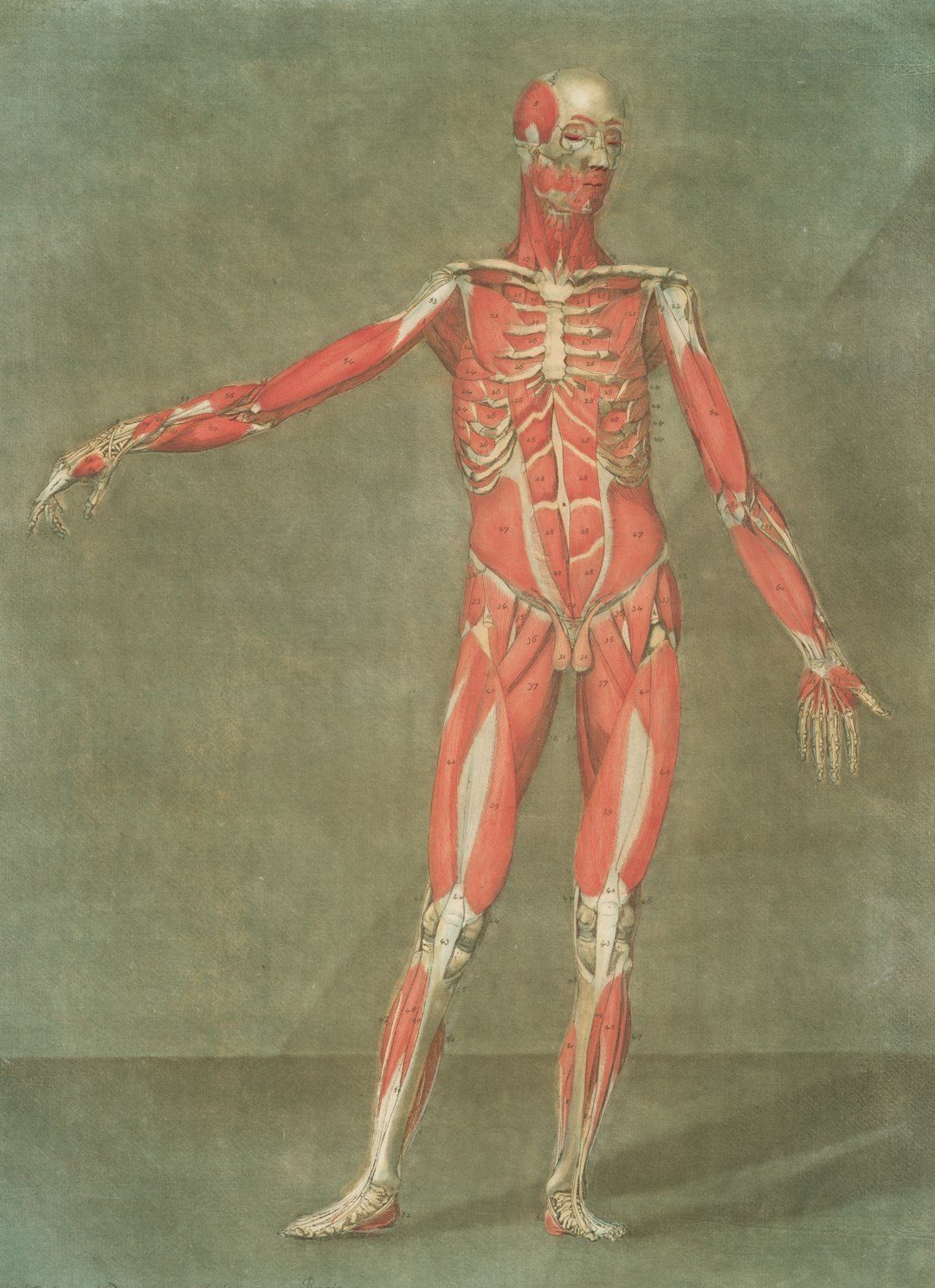
Ask someone who has lost an arm or a leg, and many will tell you they still feel it – itching, burning, or cramping in a limb that no longer exists. This phenomenon, known as phantom limb sensation, reveals that the brain holds a stubborn internal map of the body that does not simply vanish when the body changes. In some cases, these sensations are mildly strange; in others, phantom limb pain becomes so intense that it ruins sleep, work, and relationships. Surgeons can remove tissue and surgeons can cut nerves, yet the ghost of the limb lingers on in the nervous system’s wiring.
Researchers suspect that regions of the brain that once processed signals from the missing limb start to be “invaded” by neighboring regions, creating confused and painful cross-talk. Clever therapies like mirror boxes, where a patient watches the reflection of their intact limb moving, can sometimes convince the brain to “release” a cramped phantom hand. Still, no single theory fully captures why some people get phantoms and others do not, or why the sensations can change over years. Similar puzzles appear in conditions where people feel that one of their own limbs does not belong to them, or where they sense a “presence” standing just behind them. These bizarre experiences expose how fragile and negotiable our sense of having a body really is.
Microbiome Mysteries: How Do Trillions of Microbes Shape Mood and Disease?
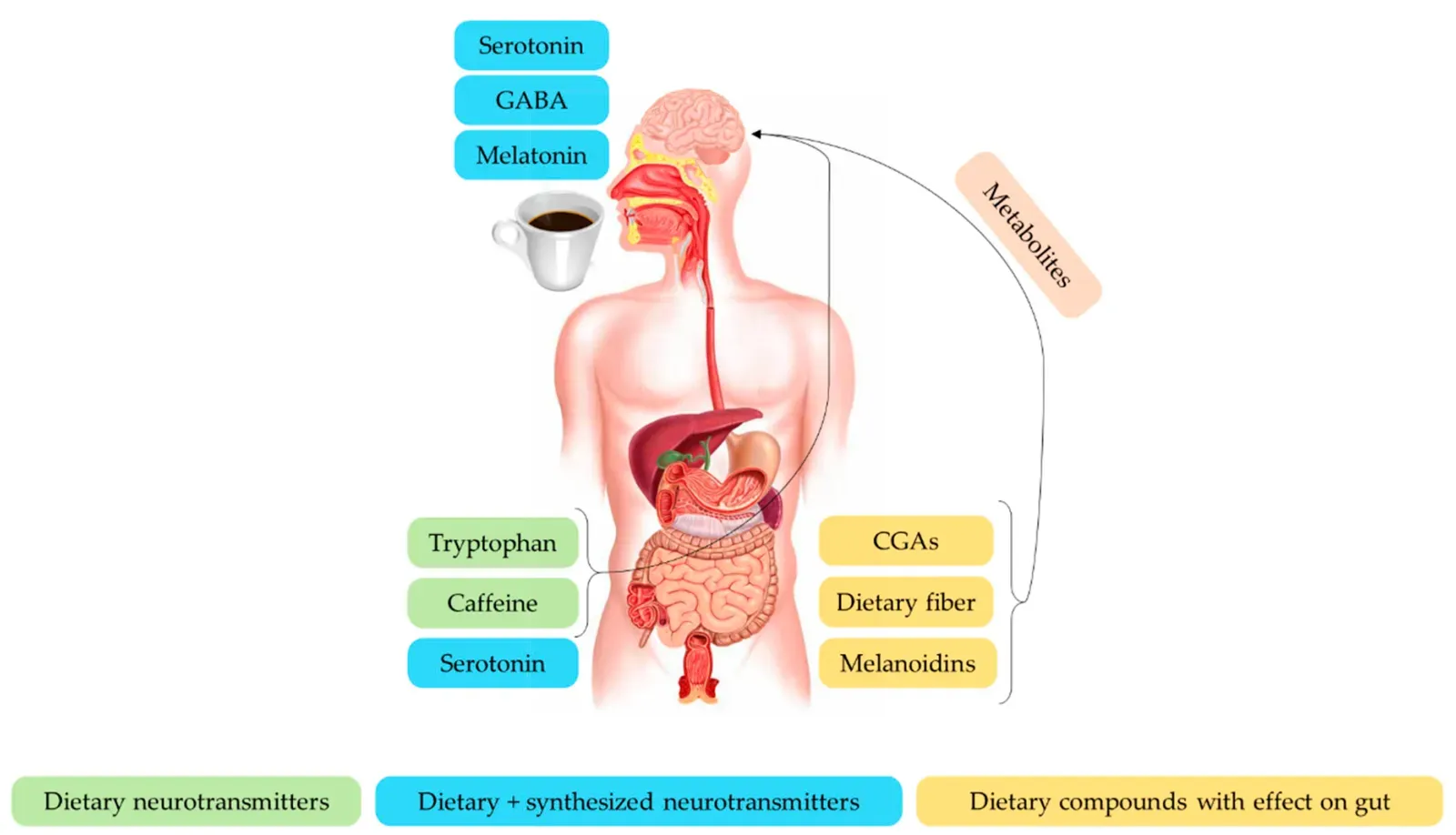
Every human carries a teeming ecosystem of bacteria, viruses, and fungi, especially in the gut, and they are roughly comparable in number to our own cells. Over the last decade, researchers have linked this microbiome to digestion, immunity, weight gain, allergies, and even mood disorders, yet the relationships are maddeningly complex. When scientists transplant gut microbes from anxious or obese mice into healthy ones, the recipients can start to show similar behaviors or metabolic quirks, hinting at a surprising influence. At the same time, studies on humans are messy and often contradictory, with different labs identifying different “good” and “bad” microbes.
What makes this mystery so tricky is the sheer diversity and dynamism of the microbiome: even identical twins can harbor very different microbial communities. Diet, antibiotics, stress, geography, and birth method all leave their fingerprints, making it hard to tease cause from effect. Are certain microbes driving depression, for example, or does depression reshape the microbiome through changes in appetite and lifestyle? Probiotic supplements and “microbiome diets” promise benefits, but for now most are operating ahead of clear evidence. Beneath the marketing, scientists are still trying to decode how trillions of microscopic passengers help steer the human ship.
The Puzzle of Sleep: Why Do We Spend So Much Time Unconscious?
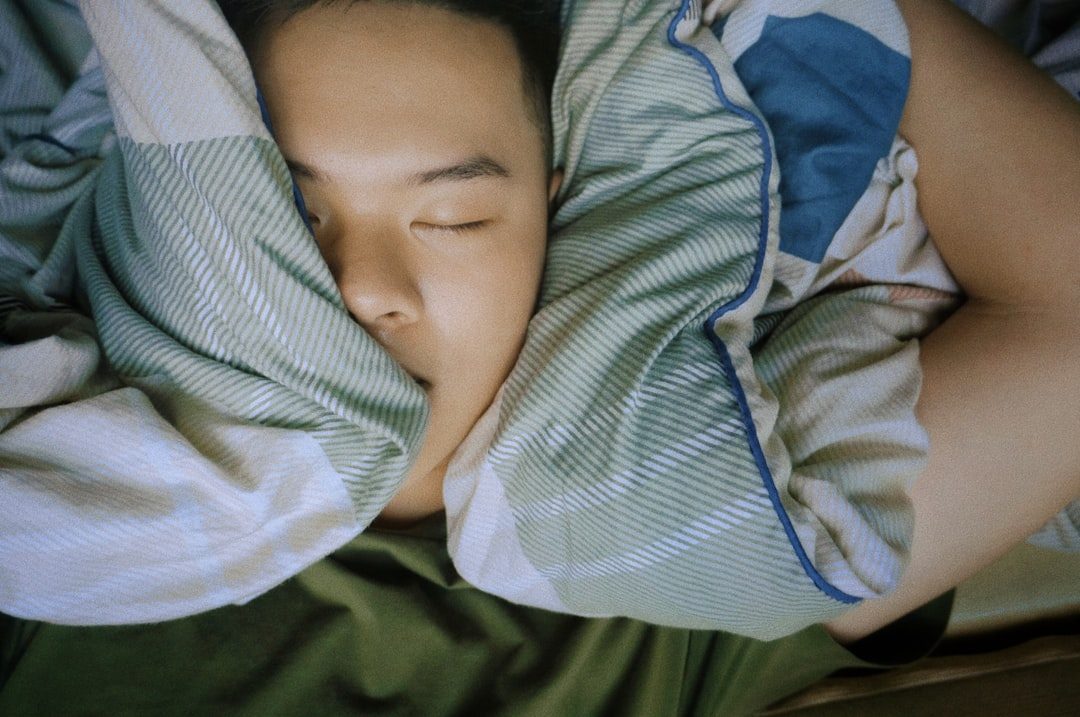
From an evolutionary perspective, sleep looks like a terrible idea: you are immobile, largely unaware, and vulnerable for hours every night. Yet almost every animal studied so far, from fruit flies to dolphins, shows some form of sleep or sleep-like rest, suggesting it is non-negotiable. Scientists know that during certain sleep stages, the brain consolidates memories, clears metabolic waste, and resets some hormone systems. However, none of these explanations fully answer why going without sleep for too long unravels the mind so quickly, leading to hallucinations, immune breakdown, and in extreme cases, death.
Equally strange is how little we understand about why we dream so vividly during rapid eye movement sleep. Some theories suggest dreams help us rehearse threats, process emotions, or creatively remix memories, but controlled evidence is thin. People deprived of specific sleep stages can stumble into mood swings and cognitive fog, yet occasionally function better than expected. Meanwhile, there are rare individuals who appear to need far less sleep than the rest of us, possibly due to uncommon genetic variants, and they do not show the usual health costs. Until we know why sleep evolved in the first place, every night we willingly plunge into a scientifically unsolved blackout.
Chronic Pain and Long Illness: When the Body’s Alarm Refuses to Turn Off
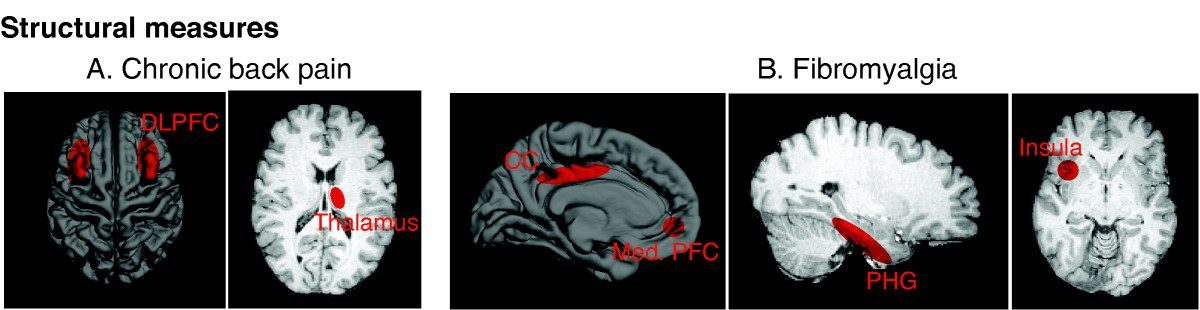
Acute pain makes sense: you touch a hot stove, pain screams at you to pull your hand away, and the system works. Chronic pain is another story entirely, often persisting long after tissues have healed or flaring up without any clear injury at all. Conditions like fibromyalgia, chronic back pain, migraines, and some forms of long COVID leave people trapped in bodies that feel like they are under attack, even when scans show little obvious damage. Doctors can offer medications, physical therapy, or psychological support, but predicting who will respond and why remains frustratingly difficult.
Modern research has shifted the spotlight from the site of pain to the whole nervous system, especially spinal circuits and brain networks that can become sensitized. In some people, it appears the volume knob on pain has been turned up, so harmless sensations are interpreted as threatening. Inflammatory molecules, stress hormones, and past trauma can all wind up feeding into this system, creating a tangled web of cause and effect. Yet for many patients, test results come back “normal,” leaving them feeling disbelieved and dismissed. The mystery is not only biological but social: how can medicine validate and treat suffering it still does not fully understand?
Why It Matters: The Hidden Stakes Behind These Biological Mysteries
It is tempting to treat these puzzles as quirky science trivia, but the stakes are deeply human. Unexplained chronic pain, mysterious long illnesses, and poorly understood mental states cost economies enormous sums in lost workdays and healthcare spending, and they quietly erode families. Some analyses suggest that poorly treated pain and fatigue-related conditions alone affect at least a sizable fraction of adults in many countries, underscoring how widespread the impact is. When consciousness, placebo responses, and the microbiome remain only partly understood, doctors are forced to rely on trial and error, and patients often become experimental subjects in their own care.
These gaps in knowledge also expose biases baked into older medical models that emphasized visible damage and simple cause-and-effect. Traditional approaches tended to focus on single organs or single molecules, but many of these mysteries live in networks and interactions. If your body is more like an orchestra than a machine, then tweaking one instrument seldom fixes the music. By confronting these enduring unknowns, science is being pushed toward more holistic, systems-level thinking that honors the messy complexity of real human lives. Understanding these mysteries is not a luxury; it is a prerequisite for medicine that actually matches how our bodies behave.
The Future Landscape: Technologies That Might Crack the Code
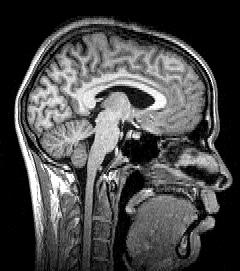
Despite the stubbornness of these mysteries, the tools for investigating them are advancing at a startling pace. Ultra-high-resolution brain imaging, wearable sensors, and artificial intelligence are beginning to reveal subtle patterns in neural activity, sleep cycles, and pain signals that once looked like noise. Large-scale biobanks and genetic databases now let researchers track how tiny variations in DNA intersect with microbiome profiles, lifestyle, and symptoms in hundreds of thousands of people. As these datasets grow, seemingly unrelated conditions – like gut issues, anxiety, and chronic fatigue – may turn out to share common underlying pathways.
On the experimental front, techniques like noninvasive brain stimulation, next-generation probiotics, and immune-modulating therapies are being tested as potential ways to nudge complex systems rather than simply block symptoms. There is excitement, but also caution: intervening in interconnected networks can have unforeseen ripple effects. Global collaboration is becoming essential, as no single lab or country can capture the diversity of human bodies and experiences needed to solve these puzzles. If these efforts succeed, the line between neurology, psychiatry, immunology, and even psychology may blur, replaced by a more integrated science of the human body. For now, though, we are still mostly at the stage of mapping the mystery rather than mastering it.
Everyday Engagement: How Readers Can Be Part of the Discovery
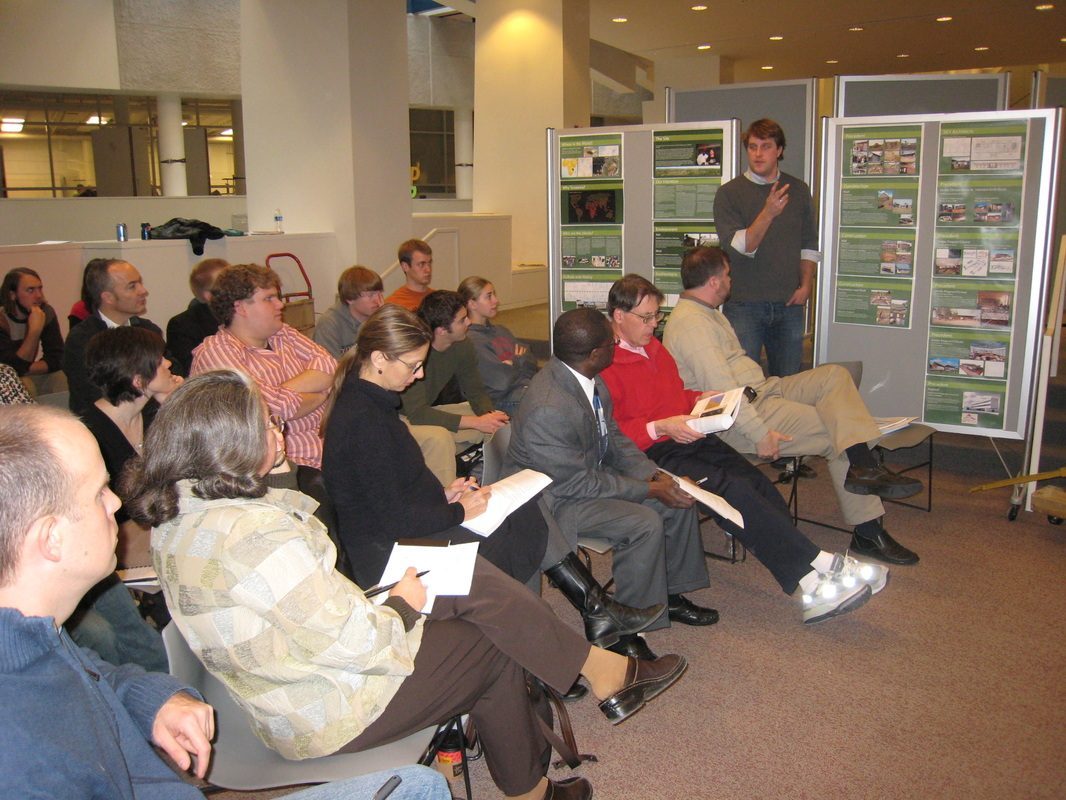
While many of these questions sound abstract, the way we live day to day can quietly feed the science that may one day answer them. Participating in research studies – whether through university hospitals, online registries, or community health projects – helps scientists collect the long-term data they desperately need. Sharing honest information about sleep, pain, mood, diet, and illness, even when it does not fit neat boxes, pushes researchers to widen their models. Supporting organizations that fund open, interdisciplinary research encourages approaches that do not stop at the first simple explanation. Even something as basic as talking openly about chronic pain, mental health, or unexplained symptoms helps chip away at stigma that has slowed research for decades.
On a more personal level, paying close attention to your own body – how it reacts to stress, rest, food, and movement – can turn you into a skilled observer of your own biology. Keeping a symptom or sleep journal, asking curious questions at medical appointments, and staying informed about evolving research all strengthen that partnership. None of this guarantees answers, but it helps align lived experience with scientific inquiry instead of leaving them at odds. In the end, the human body is not just something scientists study in distant labs; it is the story we are all writing from the inside out, one mystery at a time.
Suhail Ahmed is a passionate digital professional and nature enthusiast with over 8 years of experience in content strategy, SEO, web development, and digital operations. Alongside his freelance journey, Suhail actively contributes to nature and wildlife platforms like Discover Wildlife, where he channels his curiosity for the planet into engaging, educational storytelling.
With a strong background in managing digital ecosystems — from ecommerce stores and WordPress websites to social media and automation — Suhail merges technical precision with creative insight. His content reflects a rare balance: SEO-friendly yet deeply human, data-informed yet emotionally resonant.
Driven by a love for discovery and storytelling, Suhail believes in using digital platforms to amplify causes that matter — especially those protecting Earth’s biodiversity and inspiring sustainable living. Whether he’s managing online projects or crafting wildlife content, his goal remains the same: to inform, inspire, and leave a positive digital footprint.