For all our satellites, gene sequencers, and supercomputers, some of the most stubborn scientific mysteries are still hiding in fur, feather, and bone. Animals continue to break the rules we thought we understood, bending the laws of navigation, memory, communication, and even death. Researchers have notebooks full of data, but again and again the key pieces refuse to fall into place. These are not fringe curiosities; they touch on how brains work, how life senses the planet, and how evolution finds solutions we would never design. Here are ten puzzles that keep biologists up at night – and may quietly rewrite what we think “intelligence” and “life” really mean.
The Monarchs’ Impossible Map
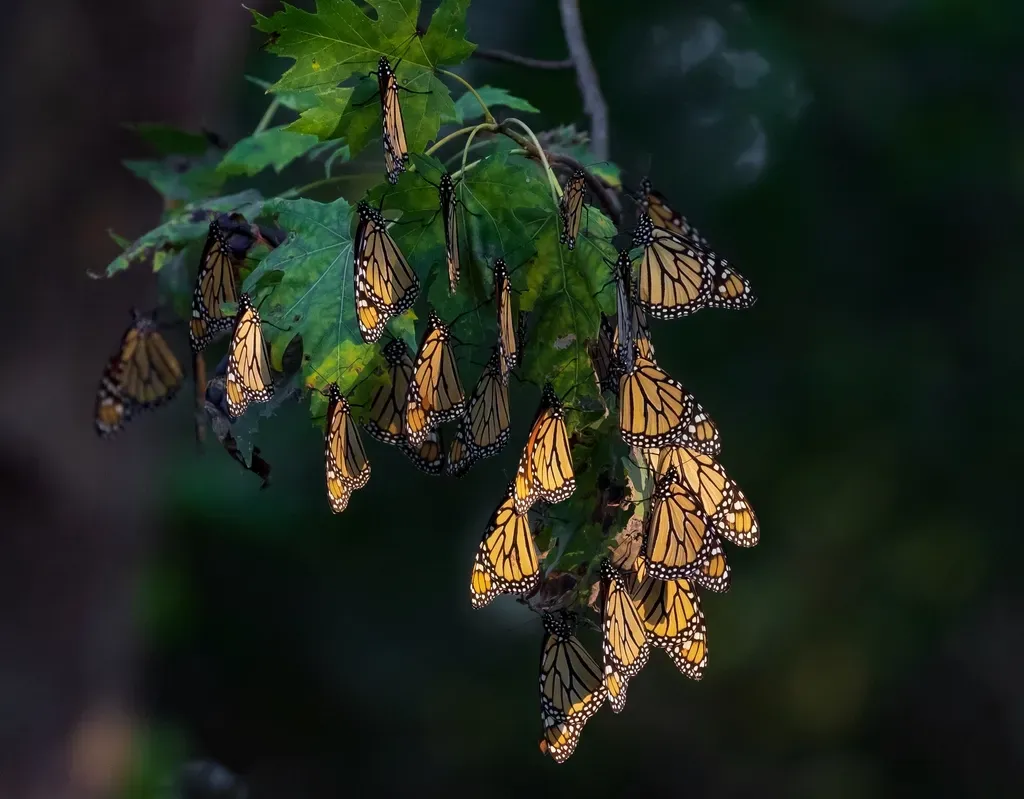
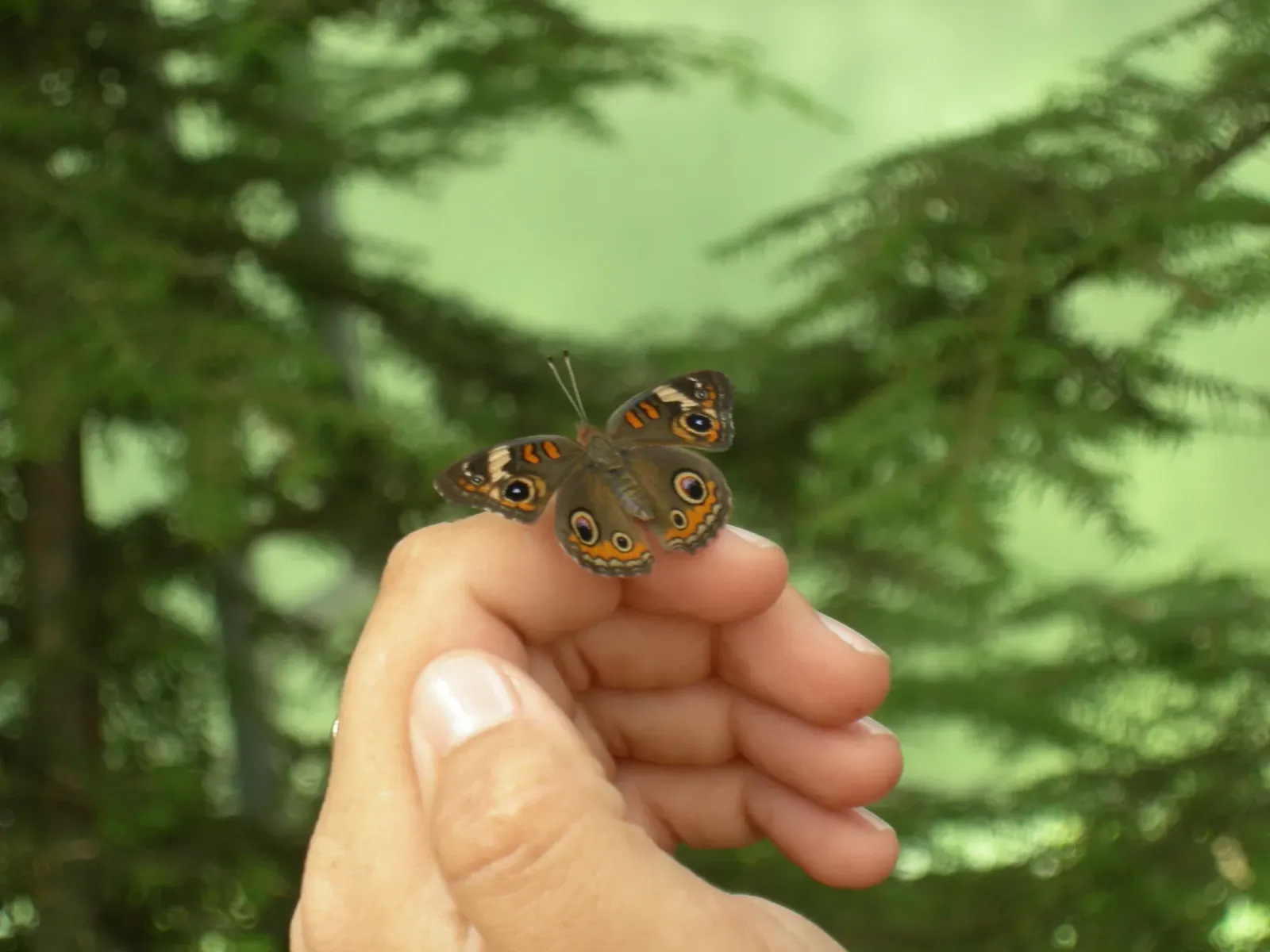
Every autumn, fragile monarch butterflies launch one of the most astonishing migrations on Earth, flying thousands of miles to a few mountaintops in central Mexico they have never seen. The individuals that arrive are several generations removed from the butterflies that left the same forest the previous year, yet they converge on the same groves of oyamel fir trees with eerie precision. Scientists know they use the Sun as a compass and can sense the Earth’s magnetic field, but that only explains part of the story. How a brain the size of a pinhead encodes a multi-generational map that covers a continent remains a glaring mystery.
Researchers have found clock genes that help monarchs correct for the Sun’s movement across the sky, and experiments suggest their antennae hold crucial navigation sensors. Still, when those butterflies soar over cities, mountains, and changing landscapes, we do not know exactly what cues they follow or how they stitch those cues into a route. Climate change and habitat loss are now disrupting the timing of migration and the availability of milkweed along their path, adding urgency to the puzzle. If we can crack the monarchs’ internal map, we might learn new principles for tiny, energy-efficient navigation systems in drones or microrobots. For now, we are left watching orange and black wings vanish over the horizon, guided by a map we cannot read.
Sperm Whales and the Language Question

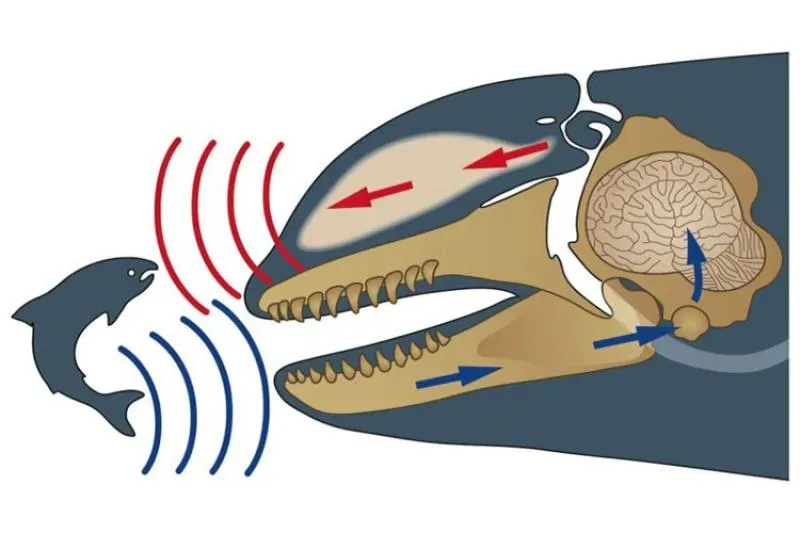
In the deep ocean, sperm whales click, creak, and knock out rapid-fire bursts of sound that can be heard many miles away. These codas – short patterns of clicks – vary between family groups and across ocean basins, almost like regional dialects. Teams using underwater microphones and machine learning have started to catalog thousands of codas and link them with specific behaviors, such as socializing, diving, or caring for calves. Yet the central question lingers: are these vocalizations a true language with grammar and flexible meaning, or a sophisticated but limited code?
Some evidence suggests sperm whales can adjust their codas in context, a behavior that brushes up against what linguists view as a hallmark of language. At the same time, scientists are wary of projecting human concepts onto whales simply because we want to find ourselves in their sounds. Decoding their communication is brutally difficult: the animals live deep, travel widely, and are long-lived, so collecting enough data to see patterns may take decades. There is also an ethical dimension, because understanding them better brings hard questions about whaling history, noise pollution, and the right to disturb or observe them. If sperm whales are found to have something like a language, the way we define intelligence in the animal kingdom will have to shift dramatically.
Birds That Remember Like Supercomputers
Every fall, food-caching birds like Clark’s nutcrackers and some chickadee species quietly perform a mental magic trick. They hide tens of thousands of seeds across wide forested areas, then return months later – after snow, storms, and seasonal changes – to retrieve a huge proportion of them. Lab and field studies show these birds can remember not just where they stored food, but also when they hid it and which stashes are likely to have spoiled. That level of spatial and episodic memory seems closer to a human using a detailed map than to the simple trial-and-error we once assumed in animals.
Neuroscientists have found that the part of the brain linked to memory, the hippocampus, is unusually large and dense in these caching species. Even so, the underlying coding strategy – how individual neurons represent thousands of distinct cache sites and their “expiration dates” – is still largely unknown. Computers struggle to store and update this kind of information without huge energy costs, yet a tiny bird brain runs the process on a handful of seeds and a quick heartbeat. Understanding this could eventually inspire more efficient memory systems in computing, or even hint at new therapies for memory loss in humans. For now, we just watch a bird hop through the snow and unearth a peanut it buried in autumn, as if it had a private GPS we cannot see.
The Electric Eel’s Hidden Blueprint
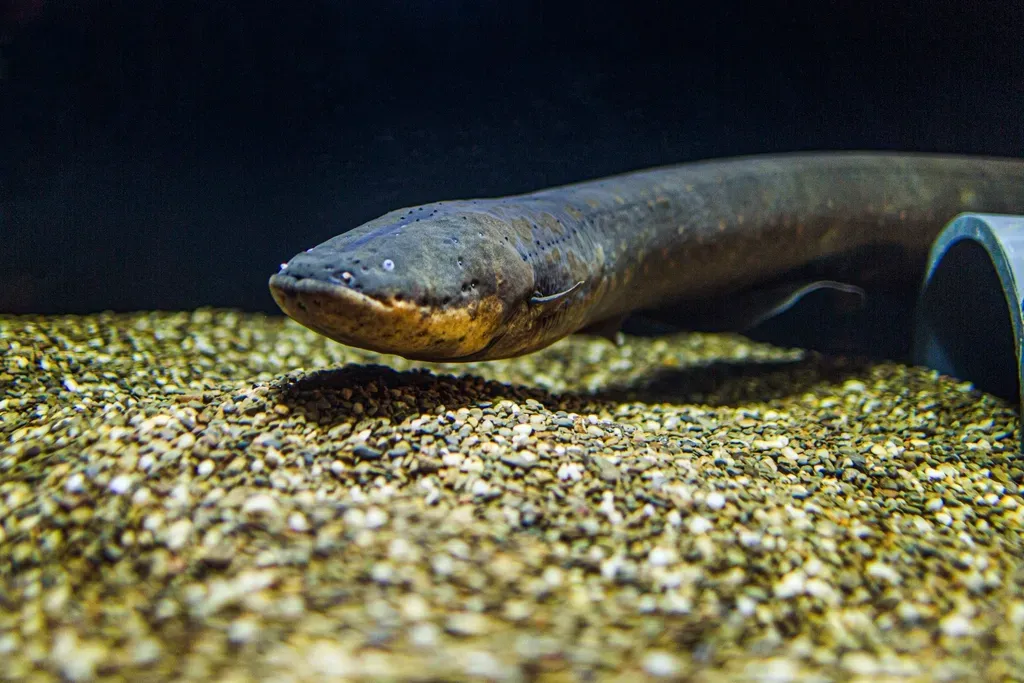
Electric eels and other electric fish generate strong electric fields using stacks of modified muscle cells called electrocytes, effectively turning their bodies into living batteries. These jolts are powerful enough to stun prey and deter predators, and in some species the discharge pattern changes depending on whether they are hunting, exploring, or communicating. Biologists can describe the organs and measure the voltages, but the evolutionary path that led to such a complex bioelectric system is still not fully understood. Why did certain fish lineages turn muscles into electricity factories while so many others did not?
Genomic studies show that electric fish have repurposed ordinary muscle genes and ion channels in clever ways, tweaking existing components rather than inventing new ones from scratch. Yet the sequence of small steps that would make each intermediate form advantageous remains speculative, especially when we try to link genes to changes in behavior or habitat. There is also a deeper mystery in how these animals manage to protect their own tissues from sustained high-voltage pulses. Engineers are intensely interested in these secrets, imagining soft, self-healing power sources inspired by electric organs. Until we can reconstruct the full blueprint, the eel’s shock is both a weapon and an unsolved design problem.
Octopus Minds That Rewrite Intelligence
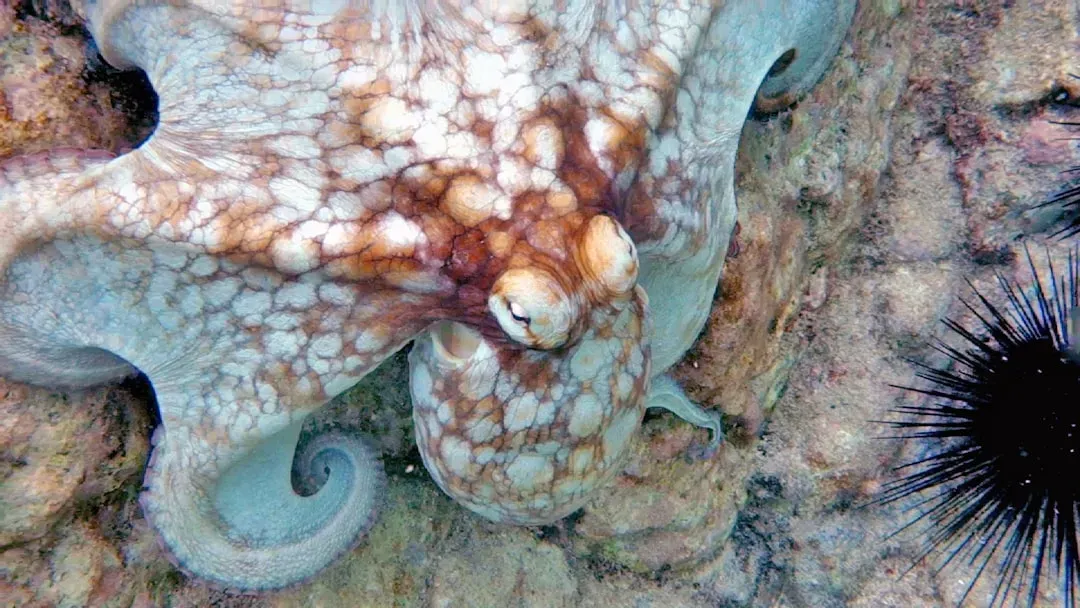
Octopuses regularly escape sealed tanks, solve puzzles, and seem to recognize individual humans, defying the old rule that big brains in social animals are the only route to complex intelligence. Their nervous systems are spread out, with arms that can perform semi-independent tasks, almost like having eight little brains connected to a central hub. On top of that, their DNA editing machinery appears unusually active in nerve cells, potentially reshaping how information flows without changing the underlying genes. Taken together, this paints a picture of a mind that evolved along a completely different path from ours.
Despite a surge of research in the past decade, scientists still do not understand how an octopus experiences the world or whether it has anything like a unified sense of self. We know they learn quickly and adapt behaviors to new situations, but the neural code behind that learning is a black box. Their short lifespans make long-term studies hard, and their soft bodies and flexible brains do not lend themselves easily to traditional implants or scans. Ethically, researchers are also rethinking how to treat such evidently capable animals in laboratories and aquariums. Each new study seems to answer one small question and open three larger ones about what intelligence can look like in the animal kingdom.
Animal Earthquake Warnings We Still Can’t Read
Stories of animals acting strangely before earthquakes stretch back through history: dogs whining and pacing, toads leaving ponds, birds exploding out of trees just before the ground shakes. Modern seismology has not dismissed these reports entirely; some careful studies suggest real patterns in animal behavior minutes to hours before major quakes. The leading idea is that animals might detect subtle changes humans overlook, such as low-frequency vibrations, shifts in groundwater chemistry, or faint electrical changes in rocks under stress. Yet controlled experiments are incredibly hard to run, because quakes are unpredictable and every animal species senses the world differently.
A few high-tech projects have tried to track farm animals with GPS collars and cameras to see whether herd movements change systematically ahead of seismic events. Early findings are intriguing but not definitive, and skeptics argue that confirmation bias – remembering the hits and forgetting the misses – is still a problem. If there is a real signal, it may be a blend of multiple cues that varies by region, fault type, and even weather. Harnessing such a system could have enormous human benefits, potentially turning barns and forests into living sensor networks that complement seismometers. For now, we have anecdotes, hints, and tantalizing graphs – but no reliable animal-based early warning system.
Luminous Seas and the Meaning of Bioluminescence

Walk along certain coastlines on a dark night and each breaking wave glows blue as if charged with starlight. This bioluminescence, caused by countless tiny organisms emitting light through chemical reactions, is found in deep-sea fish, jellyfish, squid, and even some sharks. In some cases the function seems clear: lures to attract prey, flashes to startle predators, or subtle glows that help individuals find mates. But in many species, especially microscopic plankton and deep-dwelling creatures, the exact reasons for their light shows remain unclear.
Bioluminescence has evolved again and again across very distant branches of the tree of life, suggesting it offers strong advantages that we still do not fully grasp. Some researchers suspect it plays roles in community-level dynamics, such as confusing large predators or coordinating movements in dense swarms. There are even speculations that light production could influence how energy moves through entire marine food webs, though that is extremely hard to measure in the open ocean. Meanwhile, the underlying chemistry of these light reactions has already led to tools that revolutionized biology labs and medical imaging. The seas still keep most of their luminous secrets, but they are quietly reshaping science on land.
Why These Mysteries Matter
It might be tempting to see migrating butterflies, talking whales, or glowing plankton as charming side stories compared with big human problems. Yet these puzzles cut straight into core scientific questions: how brains encode information, how evolution explores solutions, and how life senses and responds to a changing planet. When a caching bird remembers thousands of hidden seeds, it challenges our assumptions about memory limits and efficiency that underlie everything from education to artificial intelligence. When an octopus rewires its own nervous system on the fly, it forces us to rethink what counts as a stable “self” in biology. These animals are not trivia; they are test cases for the boundaries of life as we know it.
There is also a historical lesson here, because many breakthroughs began as odd animal observations that seemed irrelevant at the time. Electric fish once looked like curiosities, yet their study helped open the door to understanding nerve impulses and ultimately medical devices that regulate human hearts. Bioluminescent proteins from jellyfish and squid transformed cell biology and cancer research, long after people first marveled at glowing waves. Ignoring nature’s riddles because they seem small or strange is a luxury that science can no longer afford. Each unresolved animal mystery is a reminder that the world still has instructions we have not learned to read.
The Technologies That Might Finally Crack the Code
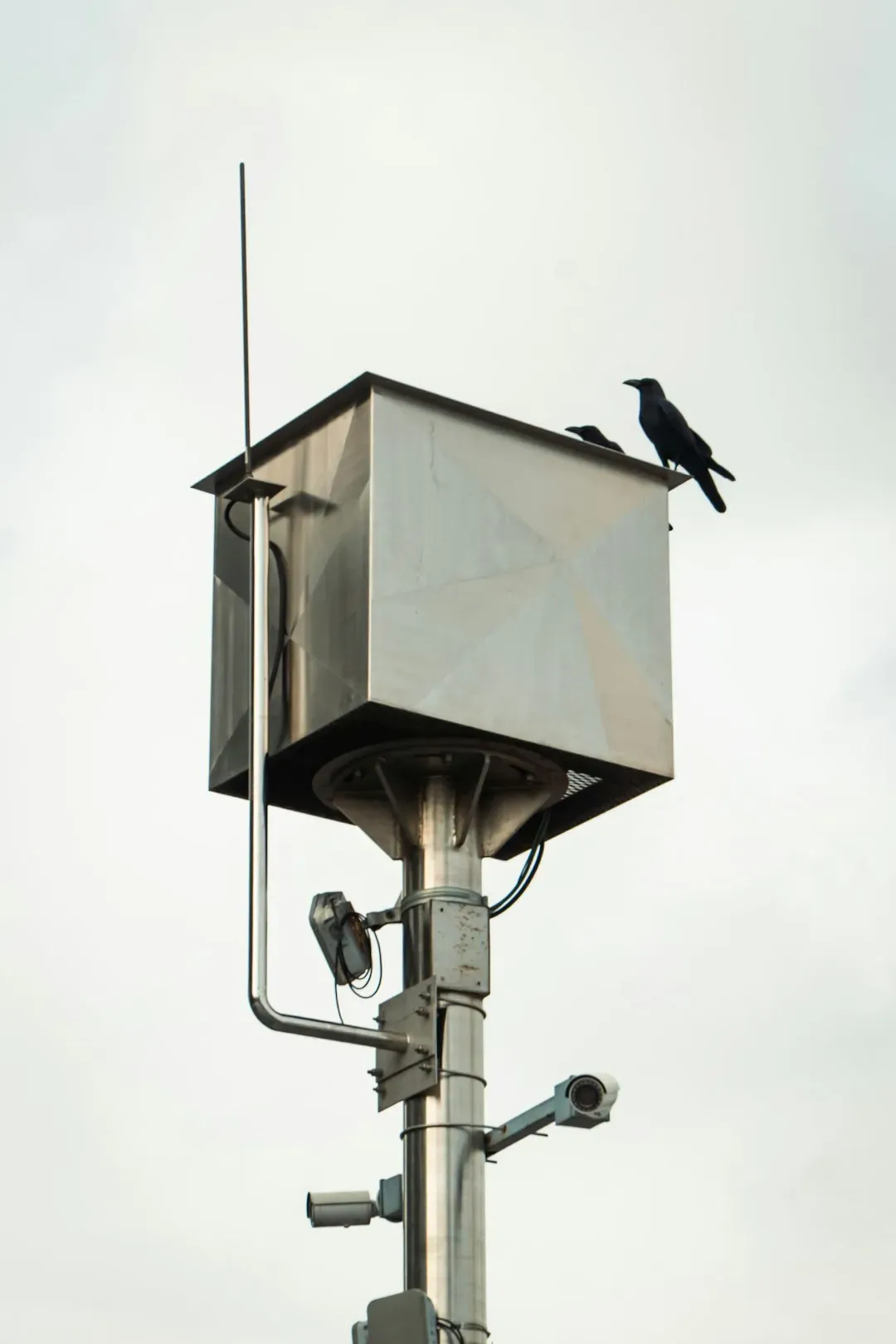
For the first time, scientists studying these animal mysteries have tools that earlier generations could only imagine. Tiny, battery-sipping tracking tags now ride on butterflies, birds, sharks, and whales, recording position, depth, and even some aspects of brain and muscle activity. Underwater acoustic networks listen continuously for whale codas and dolphin clicks, feeding giant datasets into machine-learning systems that can tease out patterns no human ear could catch. High-resolution brain imaging and genetic sequencing allow researchers to look inside an octopus arm or a songbird hippocampus at a level approaching individual molecules. The hope is that, taken together, these tools will start to turn anecdote into testable theory.
With that hope comes a set of challenges that go beyond engineering. Vast datasets do not automatically produce understanding, and there is a real risk of drowning in correlations that lack clear biological meaning. Field work must keep pace with technology so results do not lose connection to actual animal lives in real habitats. There are ethical questions about how far to push invasive monitoring, especially for long-lived, socially complex species like whales and elephants. And of course climate change is reshaping the very behaviors scientists are racing to record, from disrupted migrations to shifting spawning grounds. The future of animal mystery-solving may depend as much on political will and conservation as on any new gadget.
How Readers Can Join the Search

These enduring mysteries of the animal kingdom are not locked away in remote labs; many unfold in places ordinary people already live, work, and travel. Citizen science projects invite volunteers to log butterfly sightings, beach bioluminescence, whale spouts, or unusual animal behavior via simple smartphone apps. A few focused choices – buying shade-grown coffee that protects migratory bird habitat, supporting marine protected areas, or backing organizations that fund basic research – can ripple outward in surprising ways. Even time spent learning to identify local birds, insects, or coastal creatures builds a kind of ecological literacy that makes new patterns easier to spot. I still remember the first time I noticed monarchs funneling along a city riverfront on a crisp October morning; suddenly a downtown sidewalk felt like part of a continental migration highway.
If anything in this list sparked a sense of wonder, that feeling is itself part of the process. Curiosity keeps pressure on institutions to support long, careful studies instead of only quick, marketable results. It is also a quiet antidote to the idea that we have already mapped and measured everything that matters. By paying attention, asking questions, and choosing to value wild lives whose stories we do not yet understand, we help keep the door open for the next big discovery. Somewhere right now, a whale is clicking in the dark, a bird is hiding a final seed, and a wave is glowing on a distant beach – and the next clue could belong to whoever happens to be watching.
Suhail Ahmed is a passionate digital professional and nature enthusiast with over 8 years of experience in content strategy, SEO, web development, and digital operations. Alongside his freelance journey, Suhail actively contributes to nature and wildlife platforms like Discover Wildlife, where he channels his curiosity for the planet into engaging, educational storytelling.
With a strong background in managing digital ecosystems — from ecommerce stores and WordPress websites to social media and automation — Suhail merges technical precision with creative insight. His content reflects a rare balance: SEO-friendly yet deeply human, data-informed yet emotionally resonant.
Driven by a love for discovery and storytelling, Suhail believes in using digital platforms to amplify causes that matter — especially those protecting Earth’s biodiversity and inspiring sustainable living. Whether he’s managing online projects or crafting wildlife content, his goal remains the same: to inform, inspire, and leave a positive digital footprint.