
Not that long ago, some of America’s most iconic animals were teetering on the edge of disappearing forever. Bald eagles, wolves, even tiny cave-dwelling fish were written off by many people as lost causes. Yet today, scattered across forests, coasts, rivers, and deserts, there are quiet success stories that feel almost miraculous.
These recoveries did not happen by accident. They came from stubborn scientists, local communities willing to change old habits, and laws that many people once thought were too strict or too idealistic. This is not a fairy tale, though. Many of these species are still vulnerable, and some could quickly slide backward if we stop paying attention. But in 2026, we can say something we could not confidently say a few decades ago: endangered does not always mean doomed.
Bald Eagle: From National Symbol to Near Extinction and Back Again
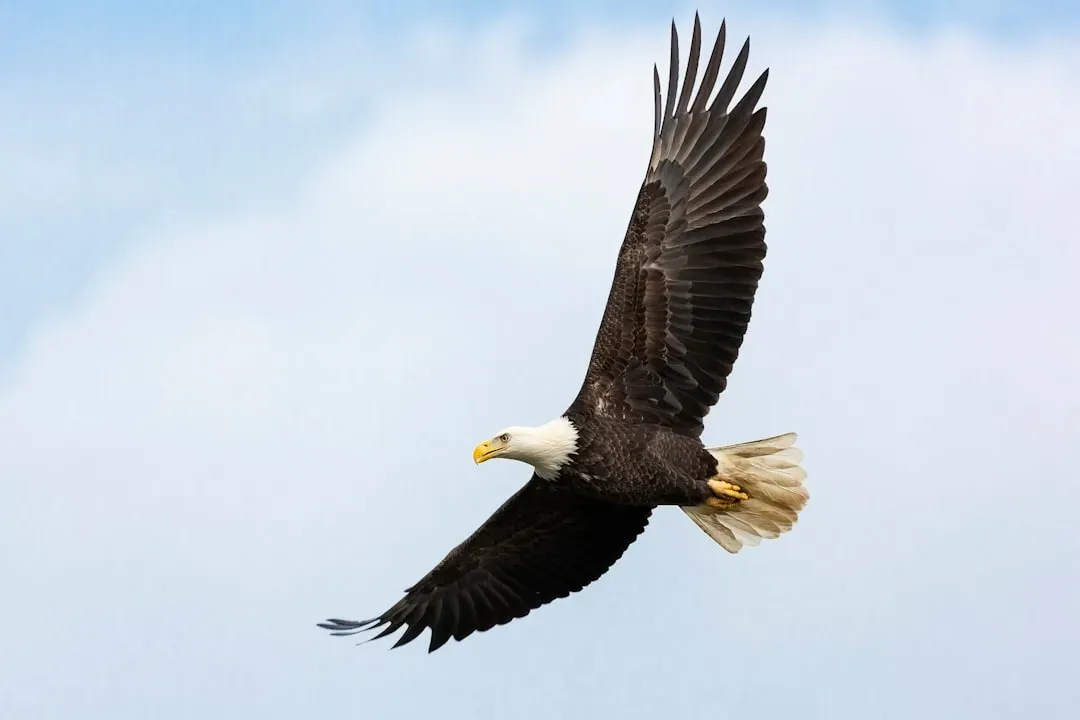
Imagine a national symbol so threatened that people thought their grandchildren might only see it in old photos and history books. In the lower forty‑eight states, bald eagle numbers had crashed by the mid‑twentieth century, hit hard by habitat loss, hunting, and especially the pesticide DDT, which caused eggshells to become dangerously thin. By the early 1960s, only a few hundred nesting pairs remained in the contiguous United States, a shocking number for such a famous bird.
The turnaround began when DDT was banned in the early 1970s and the bald eagle gained federal protection under the Endangered Species Act. Biologists climbed tall trees to reinforce nests, hatched eggs in incubators, and released young eagles into safer areas. Over the years, their efforts paid off in a way that felt almost unreal: today, there are tens of thousands of bald eagles in the lower forty‑eight states, and the species was officially removed from the federal endangered list in 2007. Seeing one glide over a lake now feels like a small, wild victory you can actually witness with your own eyes.
Gray Wolf: A Controversial Predator Returns to Its Old Ground
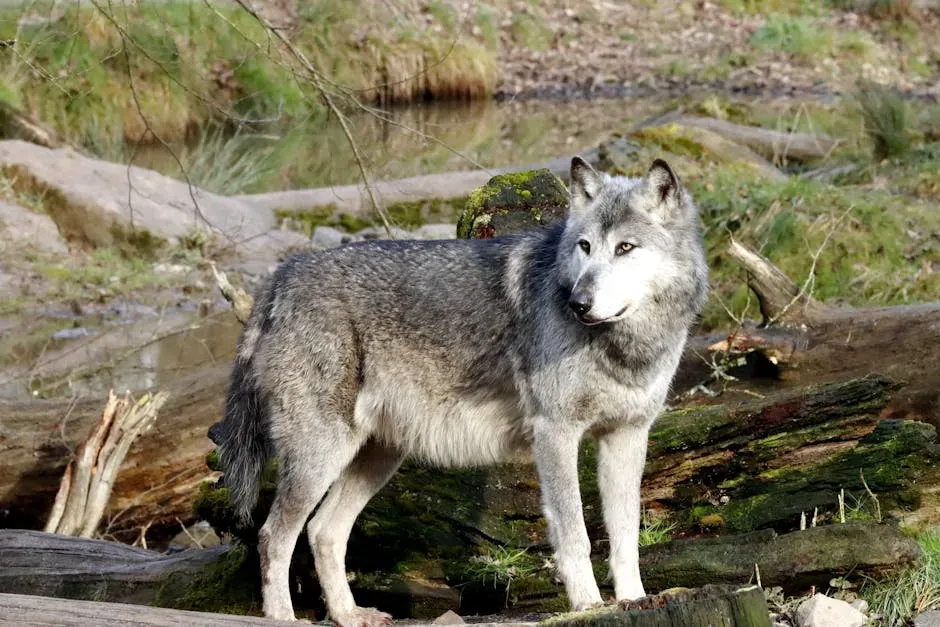
Few animals in the United States stir up emotions like the gray wolf. For more than a century, wolves were trapped, poisoned, and shot until they were eliminated from most of the lower forty‑eight states. By the early 1900s, healthy wolf populations existed mainly in remote pockets of the northern Rockies and Alaska, and many people believed they simply did not belong anywhere near livestock or people.
That story changed dramatically in the 1990s when gray wolves were reintroduced to Yellowstone National Park and parts of the northern Rocky Mountains. Protected under the Endangered Species Act, their numbers climbed steadily, and packs spread into Idaho, Montana, Wyoming, and later into the Great Lakes region. This comeback has not been smooth; bitter debates over hunting, livestock losses, and state versus federal control still rage at local meetings and in courtrooms. Yet the fact remains that wolves, once nearly erased from the American landscape, are howling again in places where they were silent for generations.
California Condor: The Bird That Survived With Only 27 Left
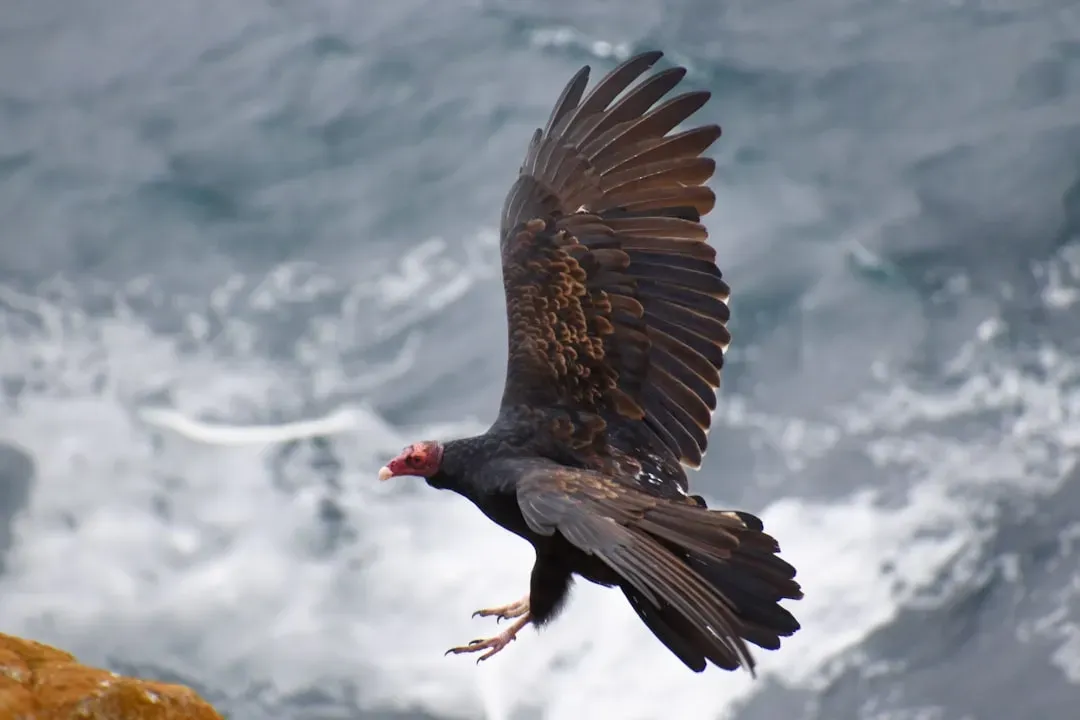
There was a moment in the 1980s when every single wild California condor disappeared from the sky. Poisoning, lead from spent ammunition, habitat loss, and slow reproduction had driven the species to the brink, and conservationists made a deeply controversial decision: capture every remaining bird. That meant the wild population hit zero, a terrifying move that felt like gambling with extinction.
Inside breeding facilities, those last twenty‑seven condors became the foundation of an all‑out rescue effort. Through captive breeding and careful releases, condors have slowly returned to parts of California, Arizona, Utah, and Baja California. It is still a fragile success, because lead poisoning and other threats have not completely gone away, and most condors still need some level of human monitoring. But now, when you see one with its massive wings riding a thermal over a canyon, you are looking at living proof that a species can come back from a number so small it almost did not seem worth trying.
Florida Manatee: Gentle Giants Saved by Slowing Down
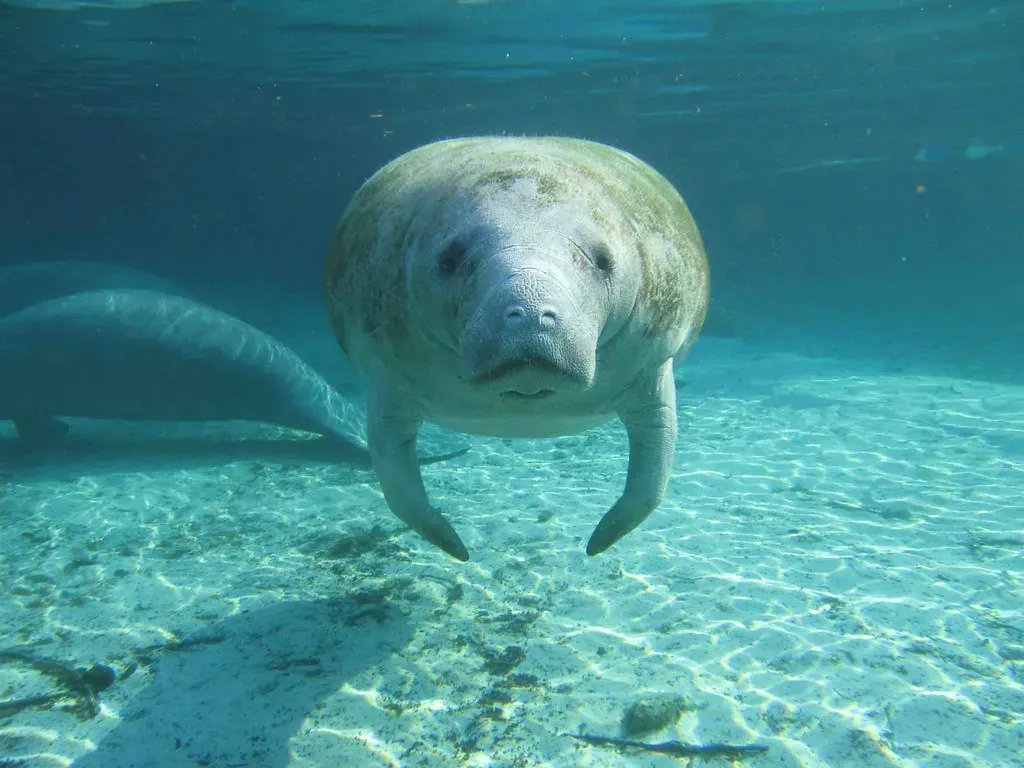
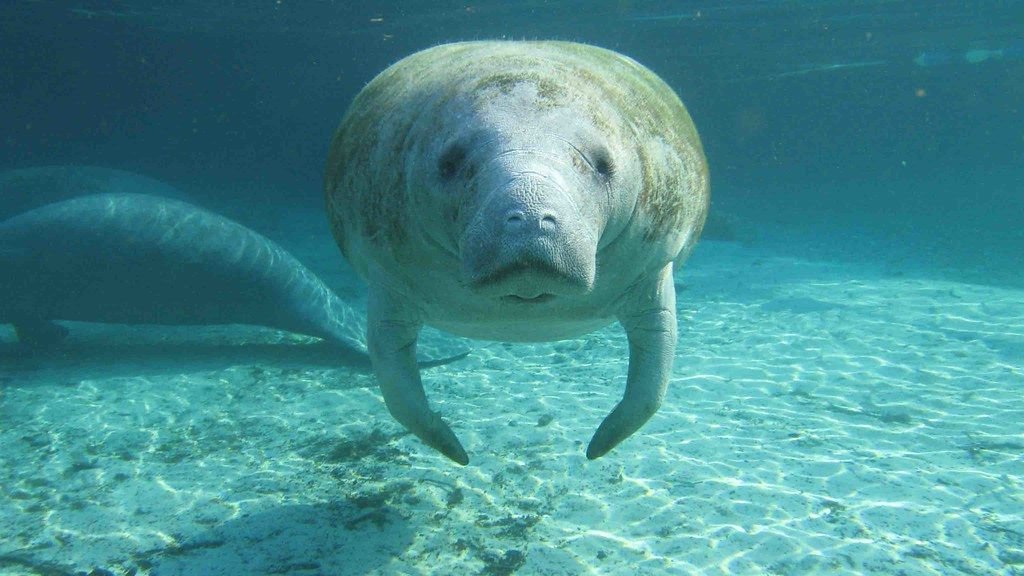
Florida’s manatees look almost too gentle for this world, drifting through warm waters like lazy gray marshmallows. For decades, they were hammered by boat strikes, cold snaps, habitat loss, and pollution that killed the seagrass they depend on. By the late twentieth century, manatee numbers in Florida had dipped to just a few thousand, and every winter brought new images of scarred or starving animals that were hard to forget once you had seen them.
Conservation measures focused on simple but powerful steps: reducing collisions and protecting their food and warm‑water refuges. Slow‑speed zones for boats, better enforcement, habitat protections, and rescue networks all started to add up. Over time, aerial surveys showed manatee numbers climbing into the several thousands, enough to change their federal status from endangered to threatened in 2017. The story is not finished – recent years have seen alarming die‑offs tied to water quality problems – but there is a clear, hard‑won example here of how changing human behavior, even something as small as reducing speed on the water, can give big animals a fighting chance.
American Alligator: Once Hunted for Its Hide, Now a Wetland Comeback
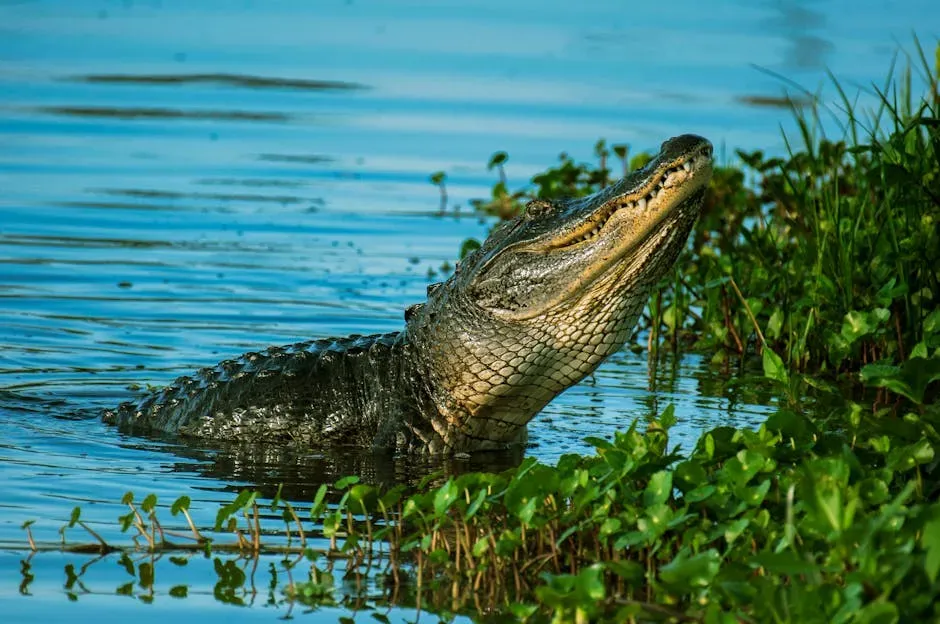
It is hard to picture now, but the American alligator was once in serious trouble. Heavy hunting for their hides and widespread wetland destruction nearly wiped them out across the Southeast by the mid‑twentieth century. Alligators were listed under early federal endangered species protections, and many people honestly thought they were heading the same way as the dodo, just with more teeth.
The rescue was surprisingly fast once strong protections took hold. Strict hunting bans, wetland conservation, and careful management allowed alligator numbers to rebound across states like Florida, Louisiana, Georgia, and the Carolinas. As their populations recovered, the species was removed from the federal endangered list in the late 1980s, a rare case where a large reptile bounced back quickly. Today, in many places, the issue is not whether there are enough alligators, but how to live with them safely in golf course ponds, suburban canals, and restored marshes. Their comeback shows that if you stop killing an animal and protect its home, sometimes nature responds faster than anyone expects.
Humpback Whale: Silent Oceans Become Noisy Again
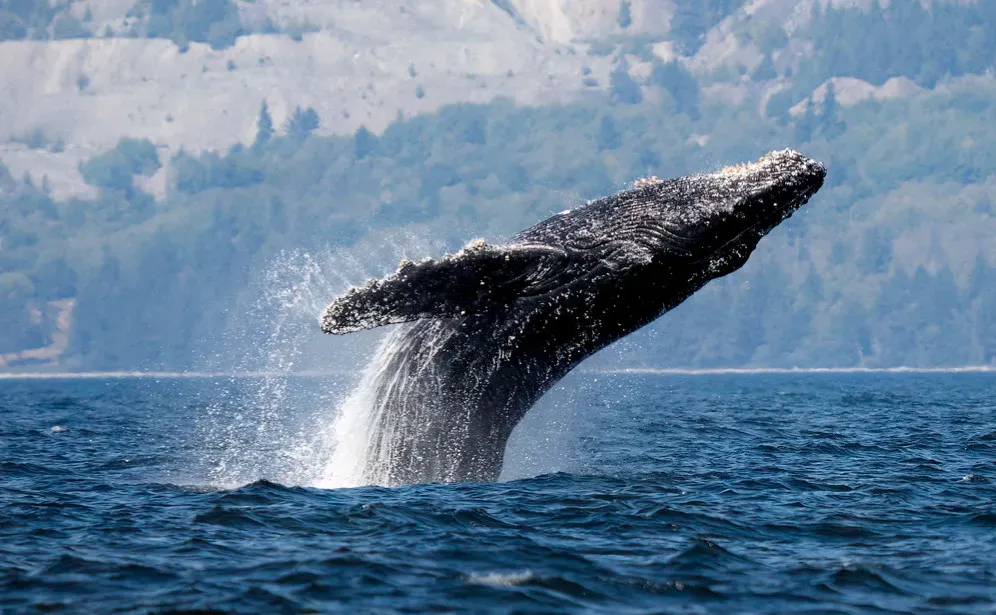
For a long stretch of the twentieth century, the story of whaling was a story of relentless decline. Humpback whales were hunted so heavily that their global populations crashed, and entire ocean basins grew eerily quiet where songs once carried for miles underwater. By the time commercial whaling bans started to spread, many humpback populations were down to a fraction of their former size, and some scientists feared that a few regional groups might never recover.
International bans on commercial whaling and national protections in U.S. waters changed the trajectory. As hunting stopped and key feeding and breeding grounds were protected, humpback numbers in the North Atlantic and parts of the Pacific began to climb again. In the last decade, several distinct humpback populations have improved enough to be removed from the U.S. endangered list, while others are still listed and need further help. If you have ever stood on a shore and seen one breach in the distance, it is hard not to feel a jolt of awe knowing that human decisions – treaties, laws, and a social shift away from whaling – made that spectacle possible again.
Kirtland’s Warbler: A Tiny Bird Dependent on Fire and Young Forests
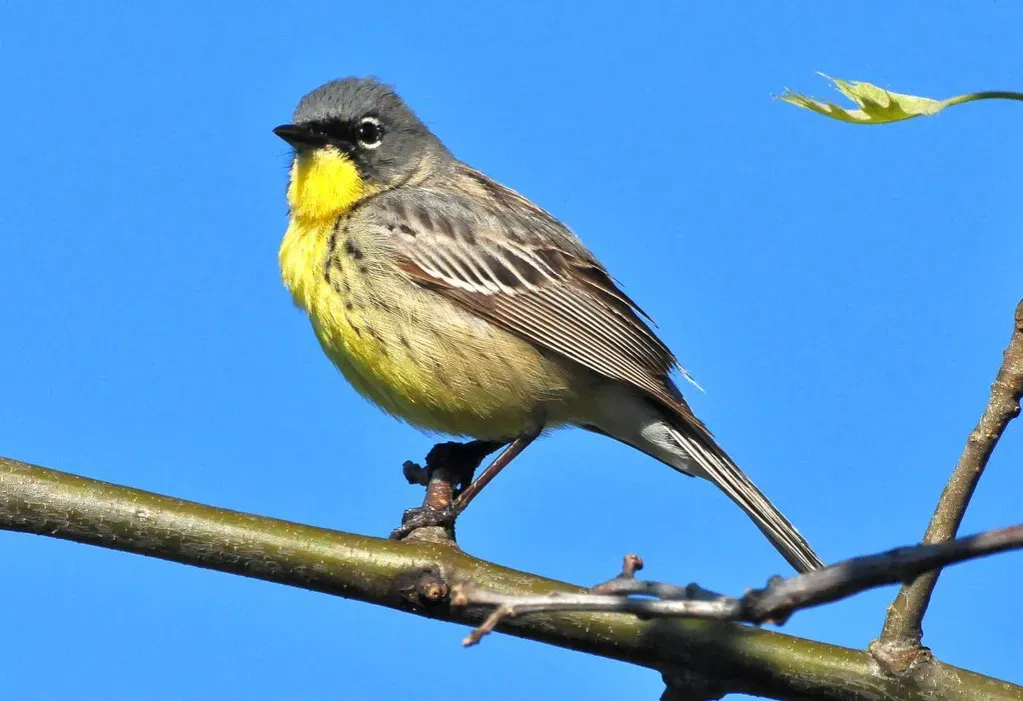
Kirtland’s warbler is proof that sometimes a species is not just rare, but extremely picky. This small songbird nests almost exclusively in young jack pine forests in the Great Lakes region, especially in Michigan, and it evolved alongside natural wildfires that regularly reset the landscape. When human fire suppression policies stopped those burns, the warbler’s breeding habitat quietly vanished, and by the 1970s its numbers dropped to only a few hundred singing males.
Conservationists responded with a level of precision that sounds almost obsessive. They planted vast areas of jack pine in carefully designed patterns, mimicked natural fire cycles through logging and controlled burns, and aggressively trapped nest predators like cowbirds that threatened the warblers’ eggs. Over several decades, the population climbed steadily, eventually reaching the thousands and stabilizing enough that the species was removed from the federal endangered list in 2019. This is a comeback built on long‑term, active management, not just leaving nature alone, and it shows how complicated saving one tiny, particular bird can really be.
Sea Otter (Southern): Fur Trade Victim Turned Kelp Forest Guardian
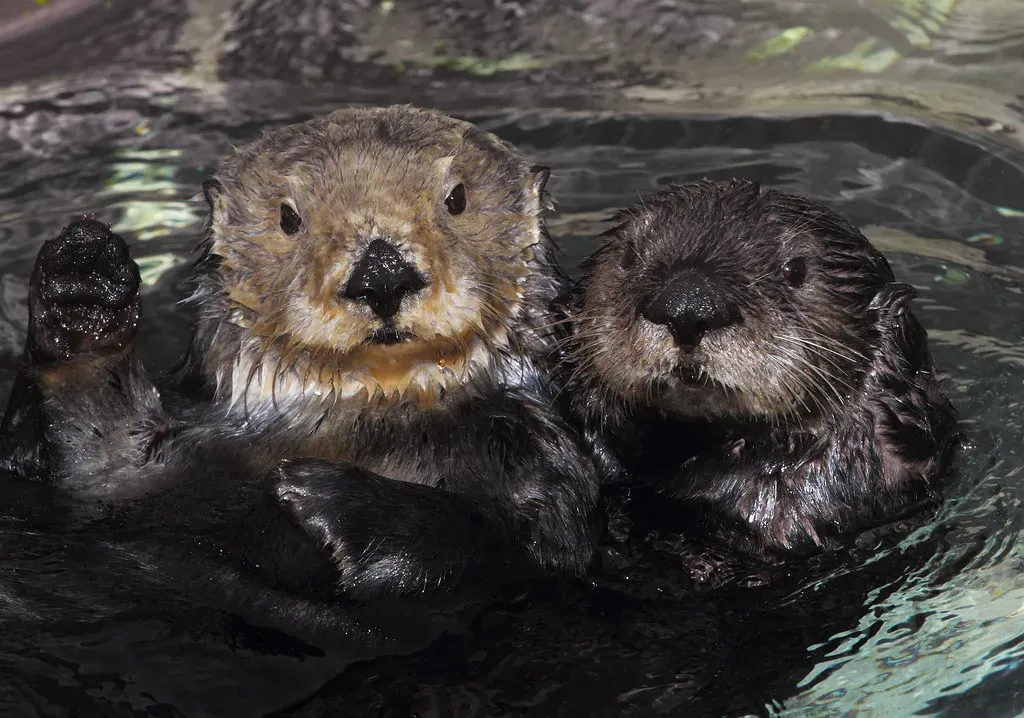
Southern sea otters off the coast of California were nearly erased by the fur trade, prized for their incredibly dense, soft pelts. By the early twentieth century, only a small remnant population remained along the central California coast, unnoticed for years by the wider world. For a marine mammal that once ranged widely along the North Pacific, this collapse was dramatic and heartbreaking, and for a while it seemed like a brief historical footnote rather than a living creature you might watch rafted together just offshore.
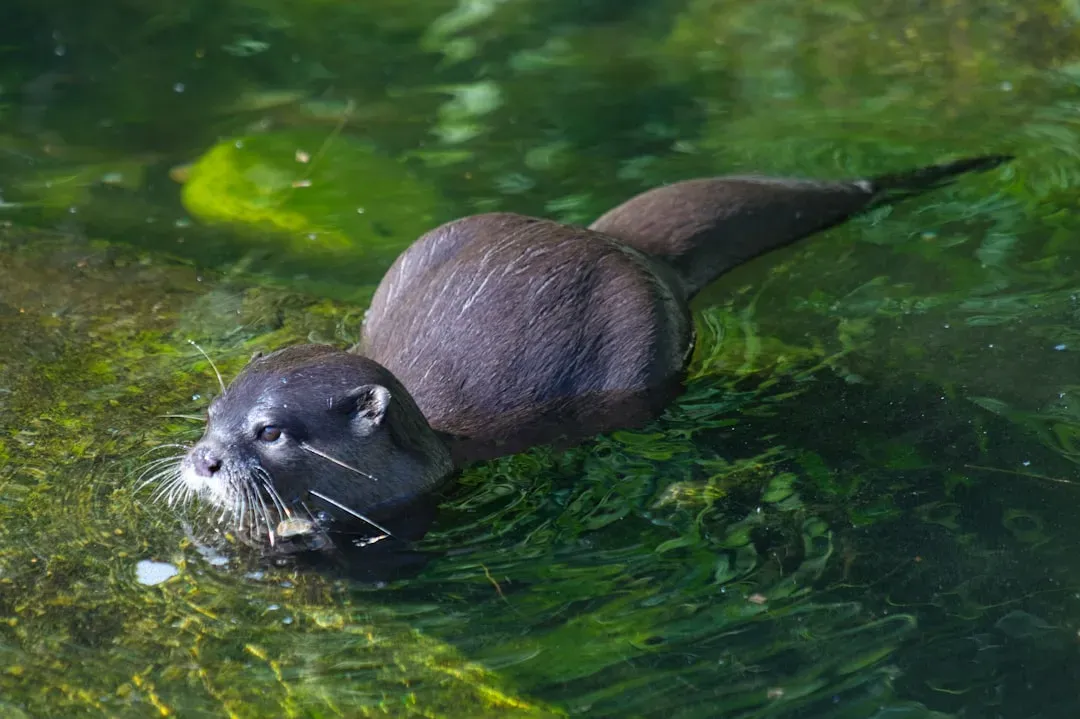
Protection under the Marine Mammal Protection Act and the Endangered Species Act, along with careful management and rehabilitation of injured animals, allowed the southern sea otter population to slowly rise into the low thousands. As they returned, scientists saw a powerful ripple effect: otters control sea urchin numbers, which helps kelp forests thrive, and those kelp forests shelter countless other species. Their comeback is still incomplete, with ongoing threats from oil spills, disease, entanglement, and limited range, but it is far from the near‑silent coastline of a century ago. Watching an otter crack open a shell on its chest feels cute on the surface, but underneath, it is also the visible sign of a recovering coastal ecosystem.
Black‑Footed Ferret: Back From “Extinct in the Wild”
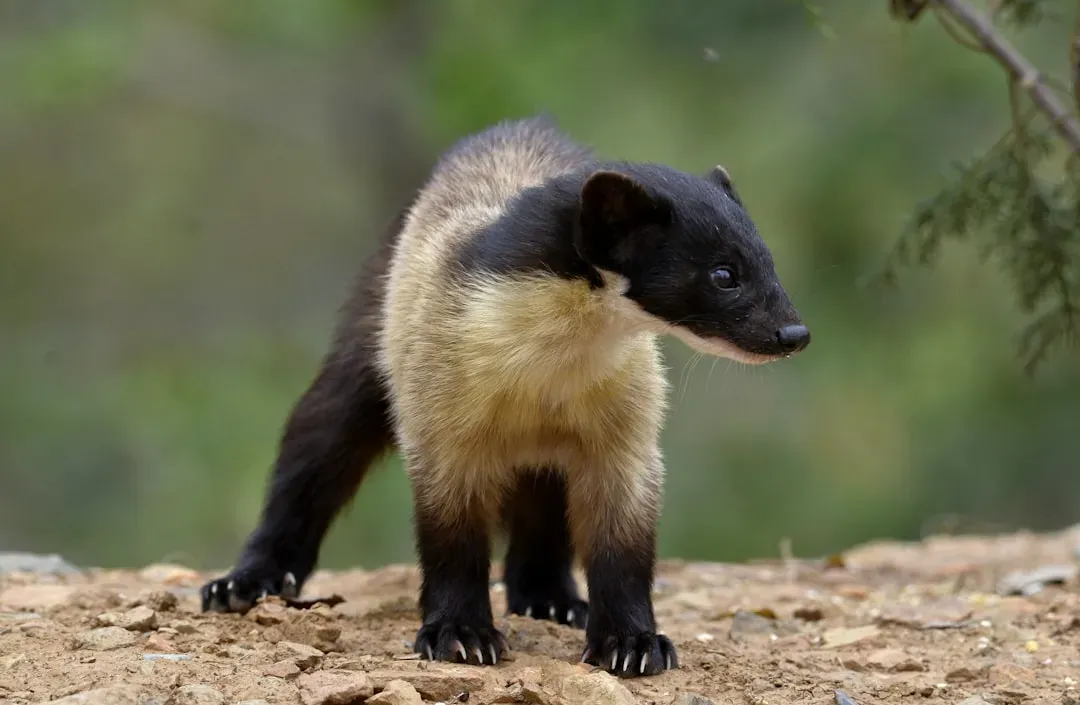
The black‑footed ferret is one of those animals that the public hears about only when things get really dire. Dependent on prairie dog towns for both food and shelter, it suffered as those colonies were poisoned, plowed under, or wiped out by disease. By the late twentieth century, the species was declared extinct in the wild, a formal acknowledgement that no known wild populations were left on the Great Plains where they once hunted.
Then a tiny captive breeding program changed everything. A small group of surviving ferrets became the parents of a new generation raised in captivity, and slowly, carefully, biologists began releasing them back into protected prairie sites in states like Wyoming, South Dakota, and Montana. The work is demanding and fragile, constantly battling diseases like sylvatic plague that affect both prairie dogs and ferrets, and populations still number in only the hundreds. Yet the shift from zero wild ferrets to multiple reintroduced populations is a genuine conservation milestone, and each small masked face peeking from a burrow represents a comeback that many experts once thought impossible.
Devils Hole Pupfish: The Rarest Fish in a Desert Pool
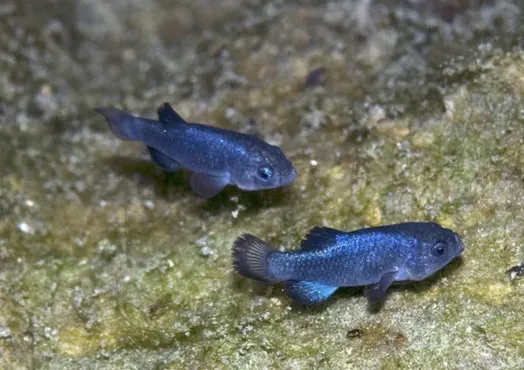
Devils Hole pupfish might be the strangest success story on this list, partly because almost their entire world fits inside a single desert spring in Nevada. These tiny blue fish live in an isolated, water‑filled limestone cave, and for years their numbers fluctuated in a way that kept biologists up at night. At certain points, the adult population in the wild dropped to only a few dozen fish clinging to existence on a narrow shelf of warm, clear water.
Their survival has depended on fiercely protecting their pool from groundwater pumping, contamination, and disturbance, while also creating backup captive populations in controlled environments. Legal battles over water rights, fencing, constant monitoring, and specially designed refuges all became part of the pupfish story. Recent years have shown signs of cautious optimism, with wild counts occasionally rising higher than the lowest historic lows, even if the overall population remains tiny and vulnerable. It is a reminder that conservation is not always about charismatic megafauna; sometimes it is about fighting for a single hidden pool in the desert and the few bright flashes of life inside it.
Conclusion: Hope Is Real, but It Is Not Automatic
Looking across these ten stories, a pattern emerges that feels both encouraging and sobering. No species on this list bounced back because people simply wished for it or posted a hopeful message online. Each recovery demanded laws with real teeth, long‑term funding, and countless hours of fieldwork, from banding birds and tracking wolves to counting tiny fish on a rocky ledge. The successes are not perfect, and some could reverse quickly if protections are weakened or if we forget how close these animals came to disappearing.
At the same time, it is hard to ignore what these stories prove: extinction is not inevitable when we choose to act early, consistently, and with a bit of stubborn hope. I still remember the first time I saw a bald eagle perched in a scraggly tree over a highway, looking completely unimpressed by traffic and people, and thinking how easily that might never have happened in my lifetime. That small, almost ordinary moment was only possible because other people fought bitter policy battles and did unglamorous fieldwork decades before. The real question now is whether we will treat these comebacks as the lucky exception or the new standard for how we respond when a species starts to slide toward the edge.