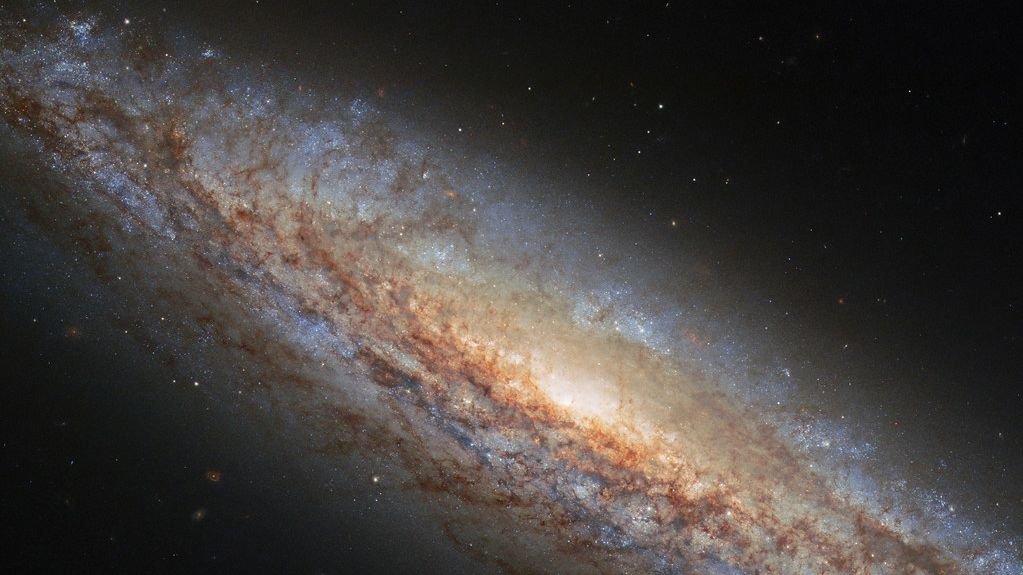

When you look up at the night sky, it feels calm, almost gentle. But behind that quiet darkness, the Milky Way is in the middle of a long, wild story filled with collisions, explosions, and invisible forces tugging at everything. Our galaxy’s future isn’t random; it’s being sculpted right now by colossal events unfolding over millions and billions of years.
What’s surprising is that many of these events are already in motion. Some are slow-motion disasters, others are creative bursts that build new stars and worlds. And somewhere inside all of that, our tiny solar system is just trying to mind its business. Let’s walk through ten of the most powerful cosmic players deciding where the Milky Way is headed – and, indirectly, what happens to us.
The Supermassive Black Hole At The Milky Way’s Heart
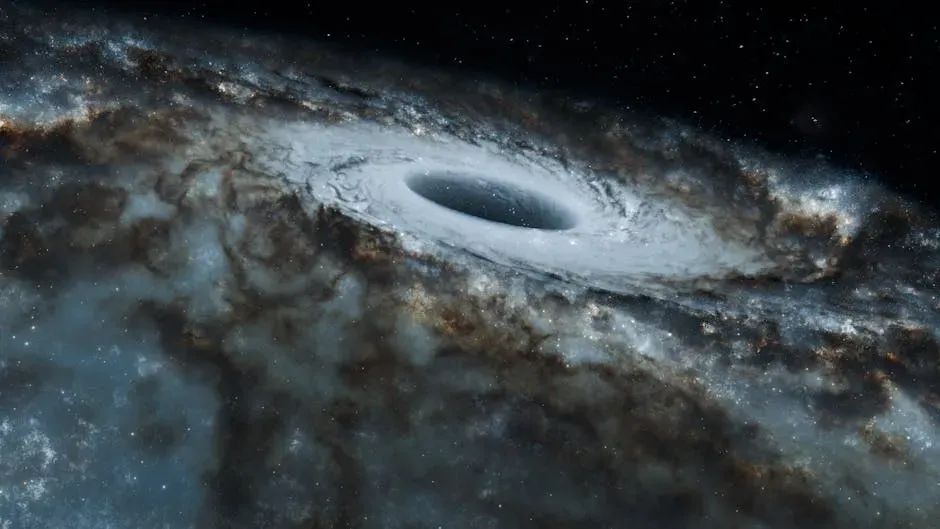
Deep in the center of our galaxy sits a monster: a supermassive black hole with a mass of a few million Suns. It doesn’t look like much through a telescope, but it’s the gravitational anchor that keeps the galaxy’s core together, corralling swarms of stars into tight, fast orbits. Without that central heavyweight, the inner regions of the Milky Way would be a lot messier and far less stable over long timescales.
This black hole is mostly quiet today, just slowly feeding on gas and the occasional unlucky star that gets too close. But even a small burst of activity can send out powerful jets and radiation that reshape the gas near the center, turning it from raw star-making material into hot, less useful plasma. Over billions of years, these feast-and-famine cycles at the core subtly steer how many new stars can form and how the inner Milky Way evolves.
Spiral Arms: The Galaxy’s Star-Forming Engines
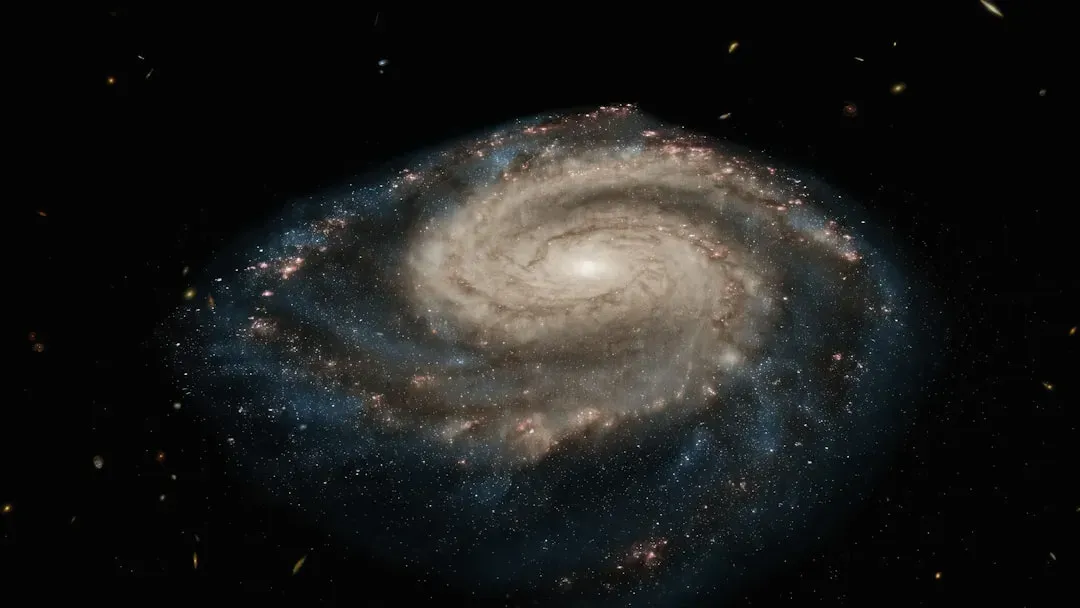
The Milky Way’s spiral arms look peaceful in illustrations, but they’re really more like crowded traffic jams in space. As gas clouds orbit the galaxy, they slam into these denser regions and get compressed, which can trigger the birth of new stars. In that sense, the spiral arms are giant, slowly rotating factories steadily shaping the galaxy’s future population of stars and planets.
Our Sun orbits in the galactic disk and drifts in and out of these arms over hundreds of millions of years. Each passage likely changes the radiation environment around us, the number of nearby supernovas, and even the likelihood of new star clusters forming close by. The spiral pattern itself might not last forever, but while it does, it acts like a guiding framework, organizing where most of the star formation happens and how the Milky Way shines.
Future Collision With The Andromeda Galaxy
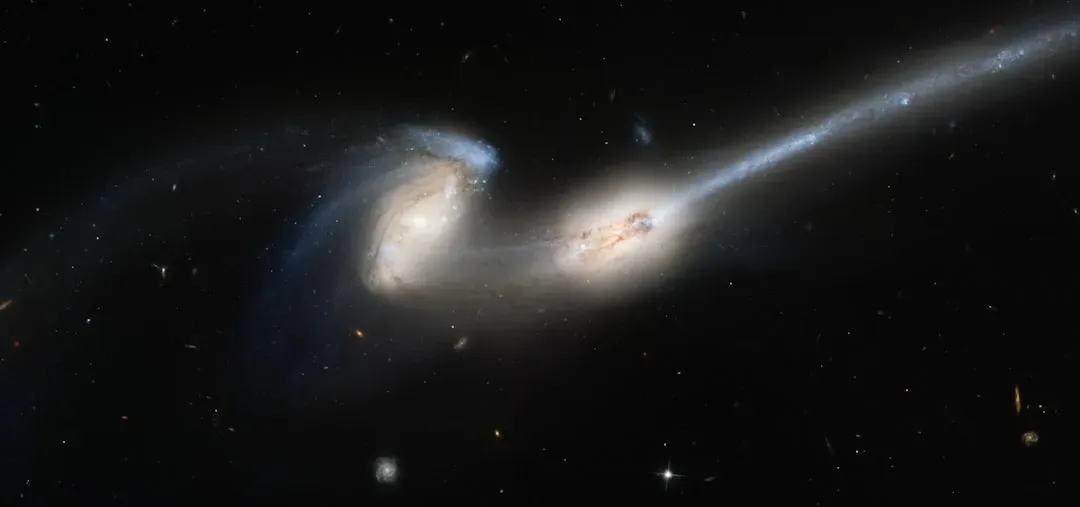
The Milky Way isn’t drifting alone; it’s on a slow-motion collision course with the Andromeda Galaxy, our nearest large neighbor. Observations show Andromeda is moving toward us, and computer models predict that in a few billion years the two galaxies will start to merge. That word “collision” sounds terrifying, but the space between stars is so huge that very few individual stars are likely to actually hit each other.
What will change dramatically is the overall shape and structure of both galaxies. Their gas clouds will crash and mix, sparking furious new waves of star formation. Gravitational forces will sling some stars into intergalactic space while others settle into new orbits. In the end, the Milky Way as we know it will be gone, replaced by a larger, more rounded galaxy born from the wreckage of both. Our galaxy’s destiny is literally tied to this future cosmic encounter.
Satellite Galaxies And Tidal Encounters
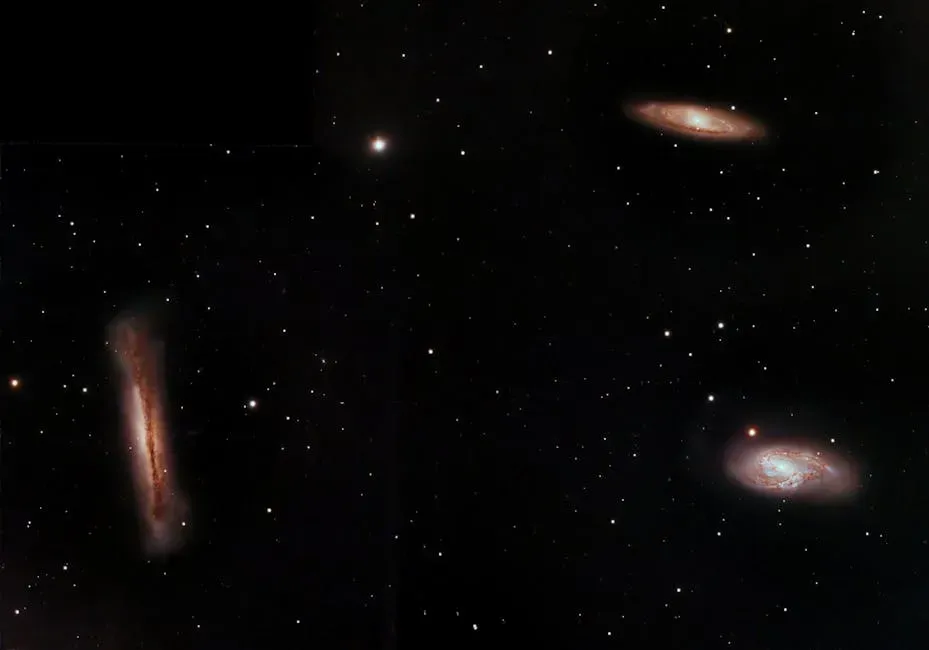
The Milky Way is surrounded by a swarm of smaller satellite galaxies, like the Magellanic Clouds, slowly orbiting and interacting with us. These are not just decorative companions; their gravity tugs on our galaxy, stirring up stars and gas in the outer regions. When they pass close, they can create ripples in the Milky Way’s disk, warping it slightly and changing how material moves.
Some of these small galaxies are in the process of being torn apart, leaving behind long streams of stars and dark matter that wrap around the Milky Way. As the satellites lose mass, their material gets absorbed into our galaxy, adding to its halo and even feeding future star formation. Over time, these repeated tidal encounters help the Milky Way grow, reshape its outskirts, and slowly smooth out into something different from what it is today.
Supernovas: Explosions That Seed And Sculpt The Galaxy
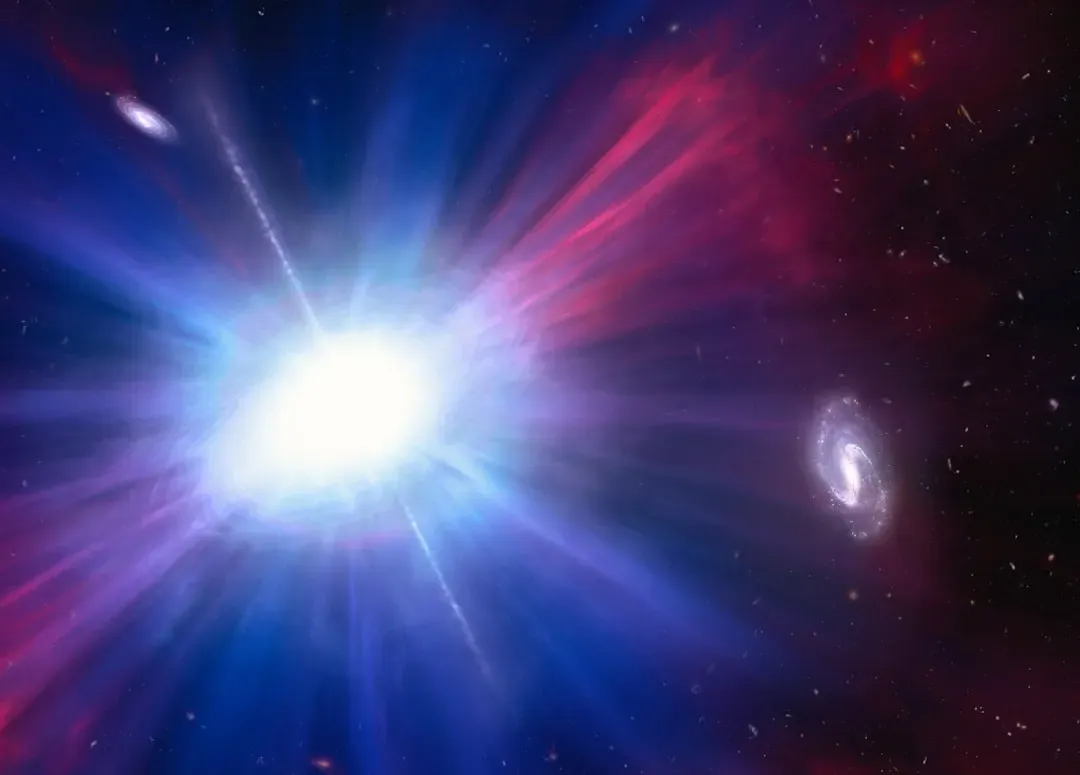
When massive stars die, they explode as supernovas, and these blasts are like galactic demolition crews combined with fertilizer spreaders. The shock waves from these explosions carve holes and bubbles in the surrounding gas, clearing out regions of the galaxy and stirring the interstellar medium. That turbulence can trigger new waves of star formation in some places while shutting it down in others.
Supernovas also forge and fling out many of the heavy elements needed for planets, oceans, and life, enriching the galaxy over time. Without them, the Milky Way would be filled mostly with hydrogen and helium, and worlds like Earth would be far less likely. So even though a nearby supernova could be bad news for life, on the grand scale these explosions are essential tools shaping the chemistry and structure of the galaxy’s future.
Star Formation Cycles And Galactic Ecosystems
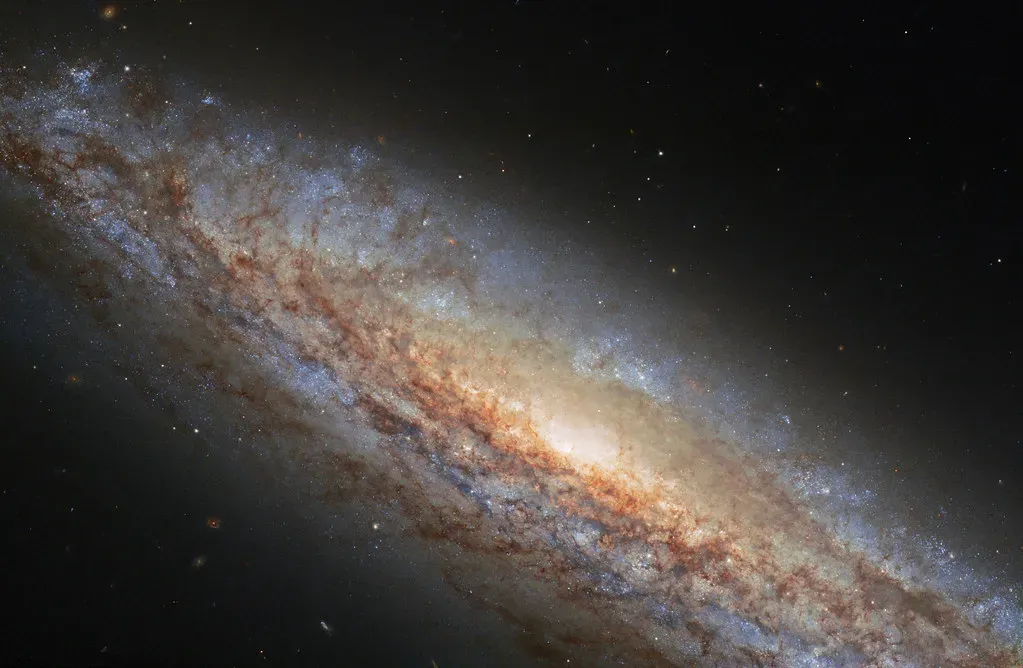
The Milky Way is not forming stars at a constant, steady rate; it goes through cycles, with some eras busier and others quieter. When there’s plenty of cool gas in the disk, star formation ramps up, filling the galaxy with new, bright, short-lived stars. But those same stars often heat and blow away the gas around them with their radiation and winds, setting the stage for a slow-down later.
This feedback loop creates something like a breathing pattern for the galaxy: periods of intense activity followed by calmer phases. Over time, these cycles decide how quickly the Milky Way uses up its remaining star-forming fuel. Eventually, as the gas thins out and cool gas becomes harder to come by, star formation will keep dropping, and the galaxy will slowly fade into a quieter, older, redder version of itself.
Dark Matter’s Invisible Grip
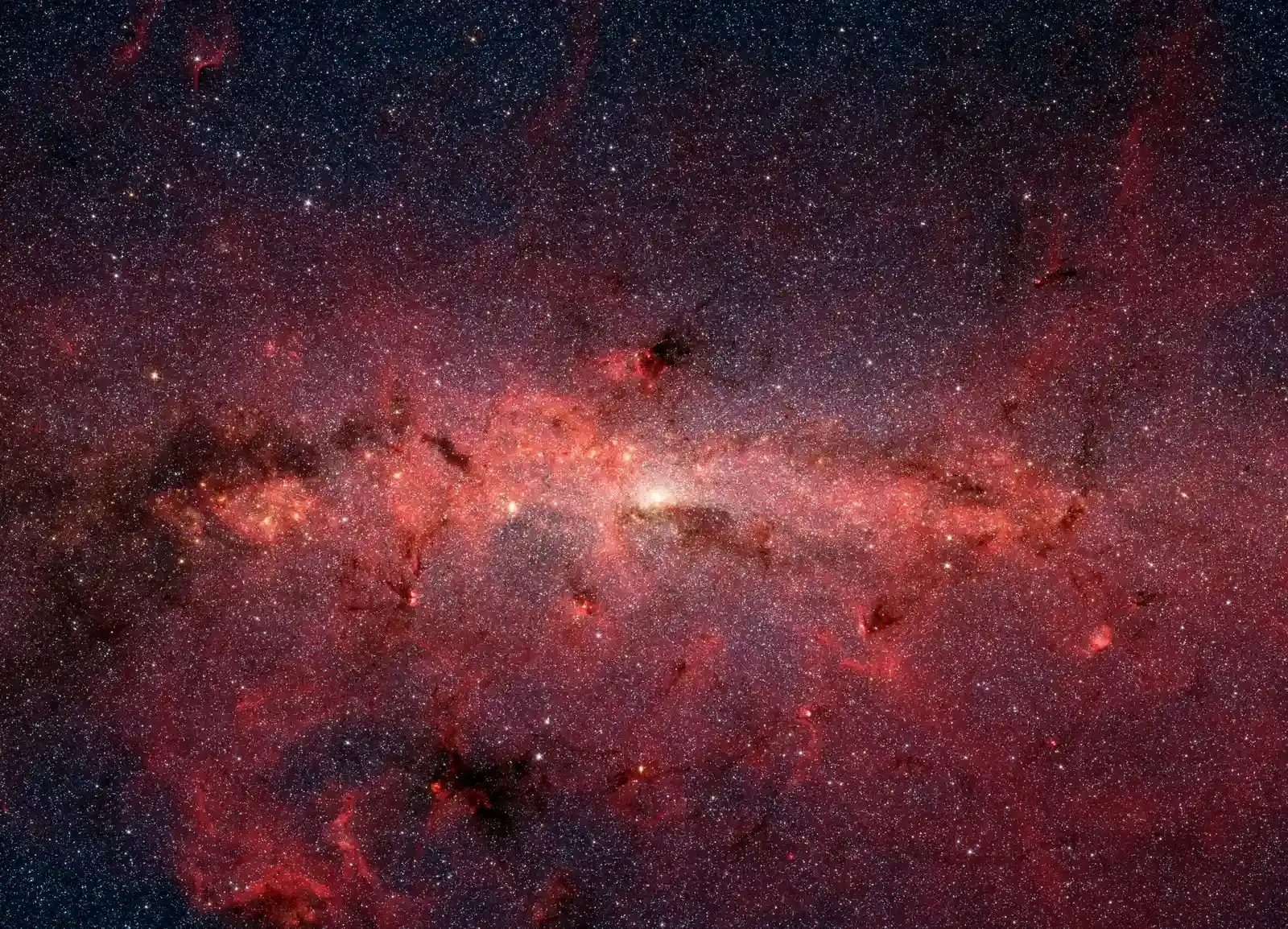
Almost all of the Milky Way’s mass is believed to be in something we can’t see directly: dark matter. We infer its presence from the way stars and gas rotate; they move too fast for the visible matter alone to keep them bound. This giant, invisible halo of dark matter stretches far beyond the visible disk and quietly dictates the galaxy’s overall shape and gravitational pull.
Because dark matter provides most of the galaxy’s gravity, it guides where satellite galaxies orbit, how easily gas falls into the Milky Way, and how stable the disk remains over billions of years. It also plays a key role in the upcoming merger with Andromeda, as the dark halos of both galaxies will collide and blend. Even though we still don’t know exactly what dark matter is, its unseen hand is steering the Milky Way’s long-term destiny in a very real way.
Galactic Winds And Outflows
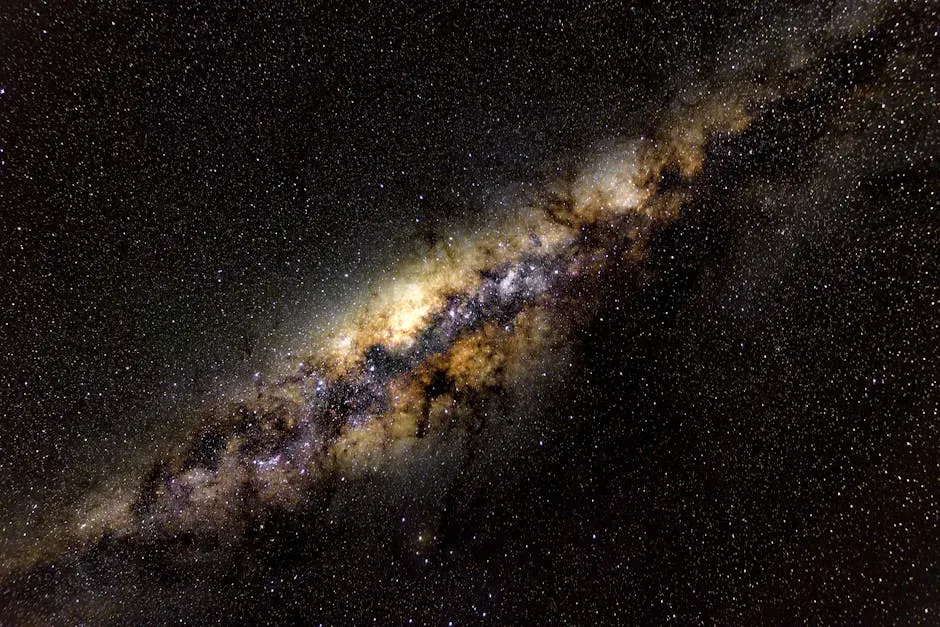
The Milky Way is not a closed box; gas and particles can be blown out into intergalactic space through powerful galactic winds. These winds are driven by things like supernovas and bursts of star formation, which inject energy into the surrounding gas and push it outward. In some regions above and below the galactic center, astronomers have found giant bubbles of hot gas that show this process in action.
By ejecting gas, these winds reduce the amount of material left for future star formation, slowly changing the galaxy’s potential for growth. At the same time, they spread heavy elements far from their birthplaces, enriching the space around the Milky Way. Over very long timescales, this constant push-and-pull of gas in and out of the galaxy helps decide how long the Milky Way remains an active, star-forming system rather than a quiet, exhausted one.
Orbital Drift Of The Solar System Through The Galaxy
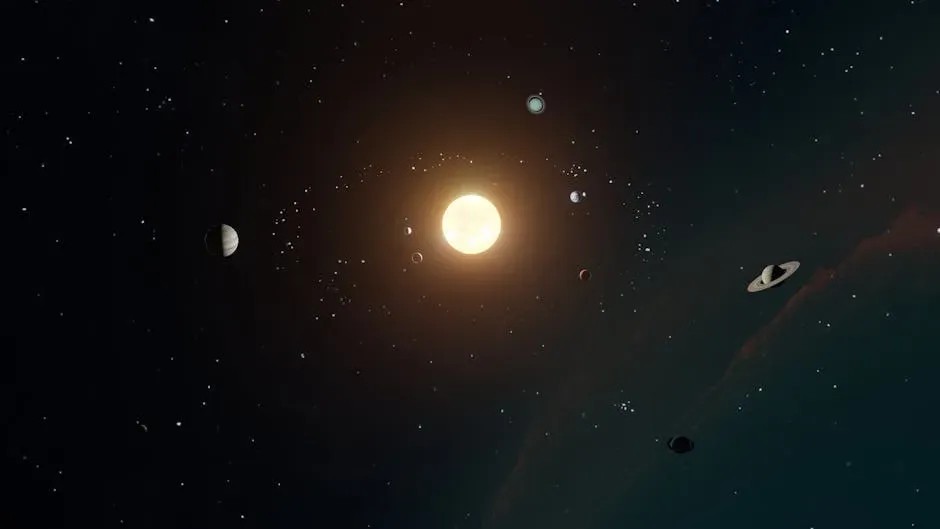
Our Sun is not fixed in place; it’s orbiting the center of the Milky Way while bobbing slightly up and down through the galactic disk. Over hundreds of millions of years, our solar system experiences different neighborhoods: sometimes denser regions with more nearby stars, sometimes quieter outskirts. Each environment potentially changes things like the rate of nearby supernovas or the gravitational nudges from passing stars and clouds.
These slow drifts can influence the long-term stability of comets in the outer solar system and may occasionally send more of them inward, raising impact risks on planets like Earth. While this motion does not change the fate of the entire galaxy, it decides the local conditions our solar system experiences as the Milky Way evolves. In that sense, our personal future is tied to the galaxy’s larger motions, like riding along on a moving sidewalk we can’t step off.
The Heat Death: A Fading Galactic Future
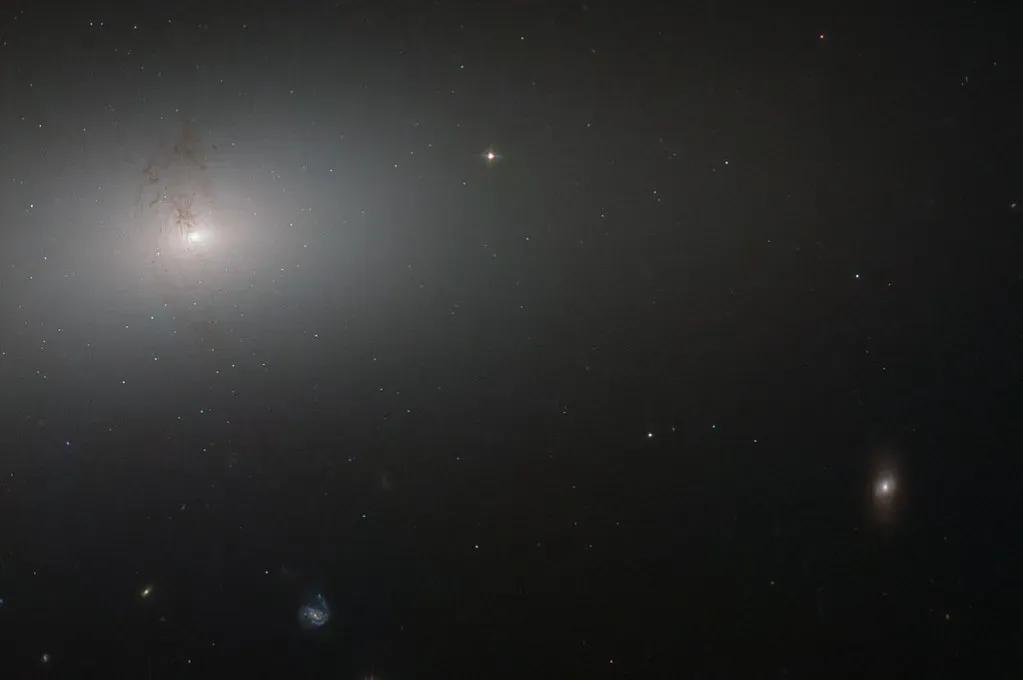
If you fast-forward unimaginably far into the future, past mergers and starbursts, the Milky Way’s descendants will run out of easy fuel for new stars. Most of the bright, massive stars will live and die quickly, leaving behind long-lived, faint stars and stellar remnants like white dwarfs, neutron stars, and black holes. With little fresh gas left to recycle, new stars will form more and more rarely until the galaxy settles into a dimmer, quieter state.
On even longer timescales, orbits will slowly change as stars interact, and some will be flung out into intergalactic space altogether. The galaxy that once had a vivid spiral structure and lively star-forming regions will be mostly a collection of old, cooling stars scattered in a smoother distribution. It’s a sobering picture, but it’s also part of a larger cosmic story: even mighty galaxies age, and their destinies are written by the same physical laws that let stars and planets exist in the first place.