
Every time you look up at the night sky, you’re seeing a tiny, distorted slice of reality. The universe is bigger, stranger, and more counterintuitive than anything our everyday lives prepare us for, and modern astronomy keeps uncovering things that sound less like science and more like science fiction.
As you go through these ten cosmic curiosities, try to notice the moments where your instincts just give up and your brain goes, “Wait, what?” That feeling is exactly where the universe becomes most interesting. It’s in those cracks between what we expect and what actually exists that the cosmos quietly rewrites our place in it.
The Universe Might Be Finite… But Has No Edge
Imagine walking in a straight line forever and never hitting a wall, yet never leaving the same “space.” Some cosmologists think the universe could be like that: finite in total size but without any physical edge you could reach. A common analogy is the surface of Earth – finite area, no edge – but extended into three dimensions of space instead of a two‑dimensional surface.
Based on measurements of the cosmic microwave background and how galaxies are distributed, the universe appears very close to what scientists call “flat,” but that doesn’t completely rule out a very large, gently curved, finite cosmos. If that’s true, there is no outer shell, no cosmic wall, nothing to fly past; space simply curves back on itself in ways that are hard to picture. It’s like being an ant on a balloon that’s so huge, the curve is invisible, yet still there under your feet.
You Are Mostly Made of Star Corpses
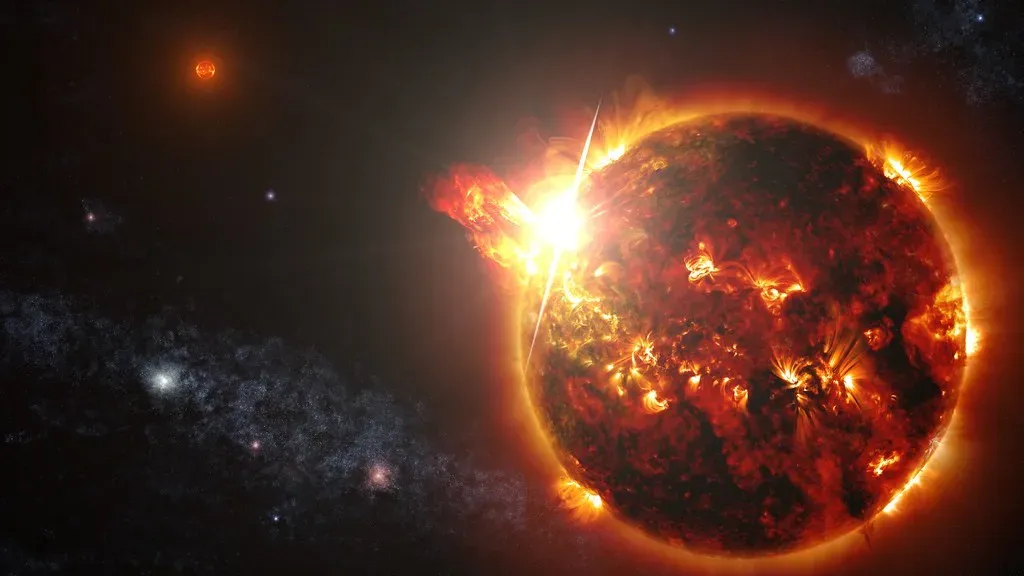
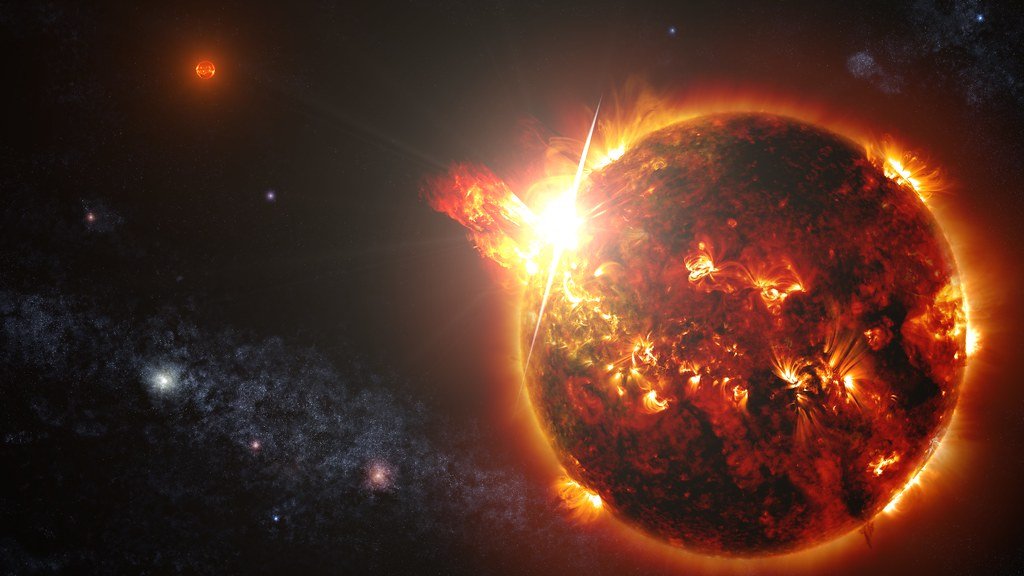
The atoms in your body were forged in violent, catastrophic events that ripped apart ancient stars. The carbon in your cells, the oxygen in your lungs, the calcium in your bones – these heavier elements were not present in the early universe, which was mostly hydrogen and helium. They were cooked up in stellar cores and then scattered into space when some stars exploded as supernovae or shed their outer layers in their final stages.
Every time you breathe, you’re literally inhaling material processed in the nuclear heart of long‑dead suns. Over cosmic time, each generation of stars enriches space a little more, like a slow‑motion recycling program on the largest possible scale. So when people say we’re made of stardust, it’s not poetic exaggeration; it’s basic astrophysics, and it means we’re walking mosaics built from the debris of stellar deaths.
We Can Only See a Tiny Bubble of the Cosmos
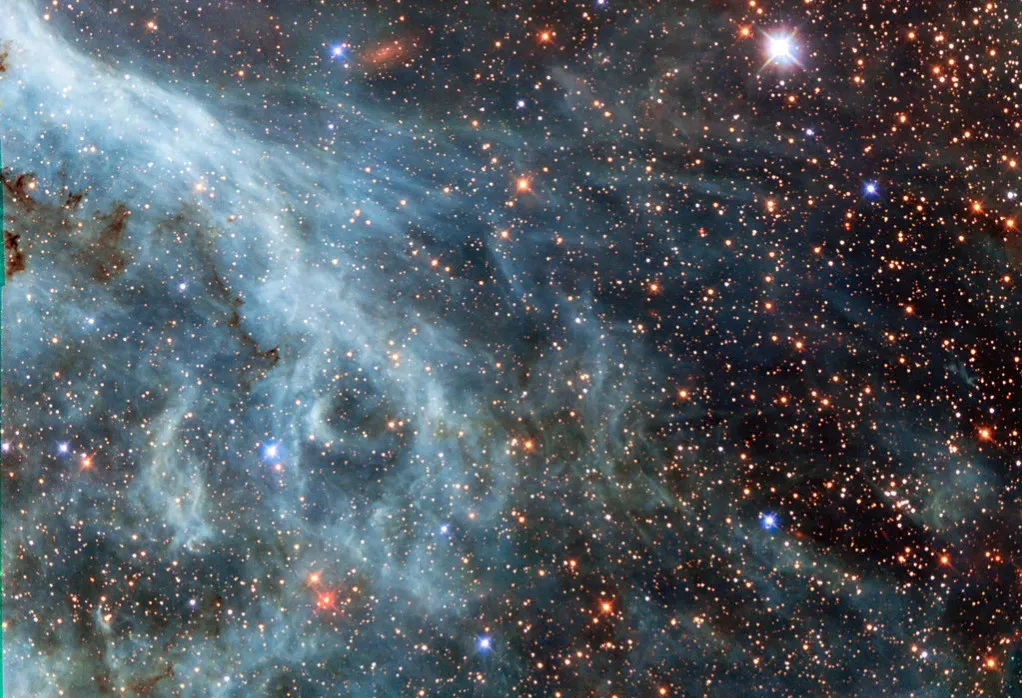
Even if the universe goes on infinitely, there’s a hard limit to how much of it we can ever know. Because light has a finite speed and the universe has a finite age, there’s a maximum distance from which light has had time to reach us – this is called the observable universe. Anything farther away is, in a very real sense, beyond our cosmic horizon.
Right now, the observable universe extends roughly tens of billions of light‑years in every direction, forming a huge sphere centered on you. Someone living in a distant galaxy would have their own observable sphere, overlapping with ours but not identical. It’s like standing in a thick fog; you can see a certain distance, and beyond that, who knows what’s there. The truly mind‑bending part is that space itself is expanding, so some regions are receding from us faster than light, making them permanently unreachable no matter how good our technology becomes.
Most of the Universe Is Made of Things We Can’t See or Explain
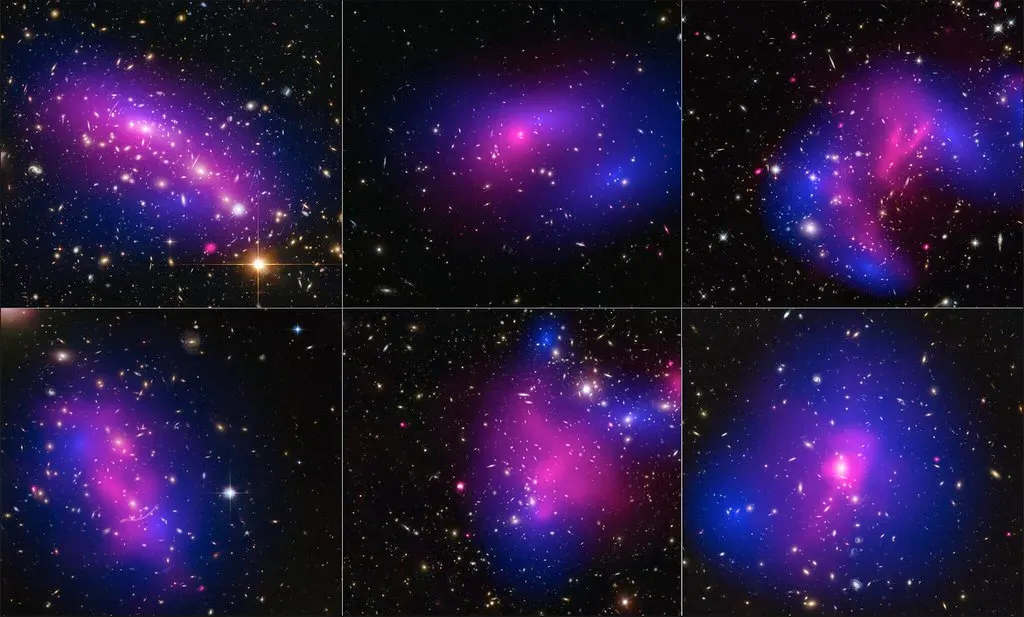
All the stars, planets, gas clouds, and glowing galaxies you’ve seen in photos are just a small fraction of what’s really out there. Observations of galaxy rotation, gravitational lensing, and the cosmic microwave background suggest that most of the matter in the universe is “dark matter,” which doesn’t emit or absorb light. On top of that, an even larger share of the universe’s energy content appears to be “dark energy,” a mysterious component that drives the accelerating expansion of space.
We’ve mapped dark matter’s effects and measured dark energy’s influence, yet we still don’t know what either of them actually are. It’s as if you walked into a house, saw a single lit lamp, and realized that nearly everything making the building stand and grow is invisible scaffolding and unknown machinery. We live in a cosmos where the familiar, luminous stuff is the exception, not the rule.
Black Holes Can Play Cosmic Architect
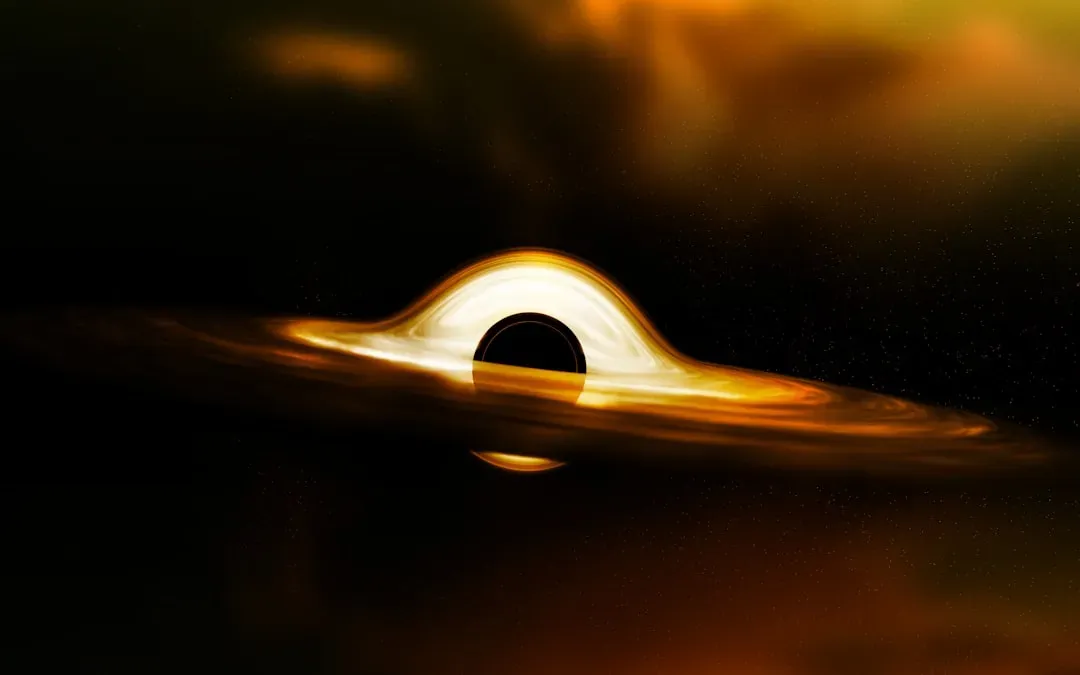
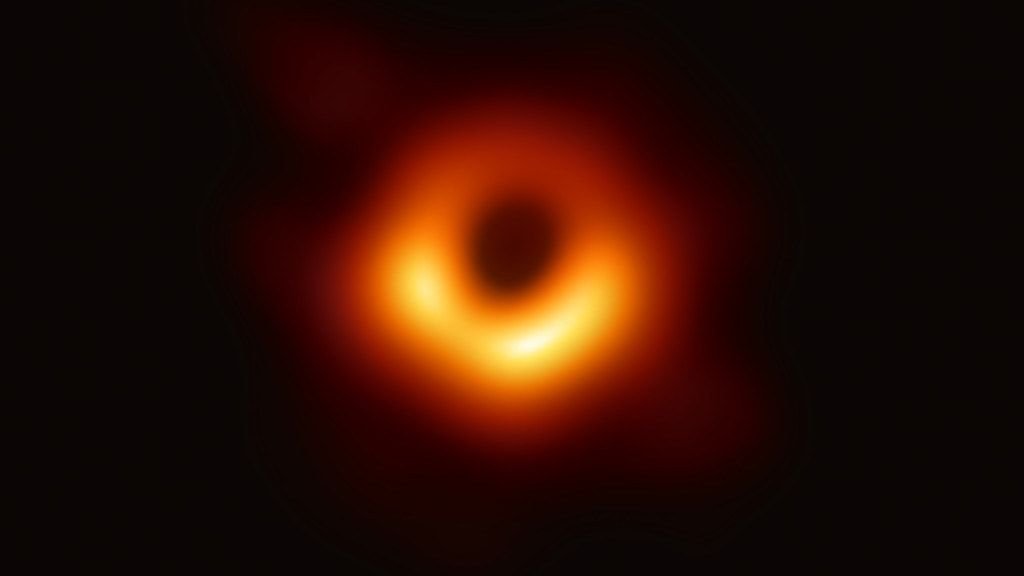
Black holes are usually described as bottomless pits that swallow everything, but that image is only part of the story. In the centers of many large galaxies, including our own Milky Way, lie supermassive black holes millions or even billions of times more massive than the Sun. When these black holes actively feed on infalling gas, they can power jets and radiation that outshine entire galaxies.
That energy output can push away gas, halt or trigger star formation, and reshape the surrounding galaxy on colossal scales. So instead of being just destructive, black holes are more like extreme city planners, regulating how galaxies grow and evolve over billions of years. The universe doesn’t simply fall into them and disappear; around them, whole galactic neighborhoods are governed and sculpted.
Time Runs at Different Speeds Across the Universe
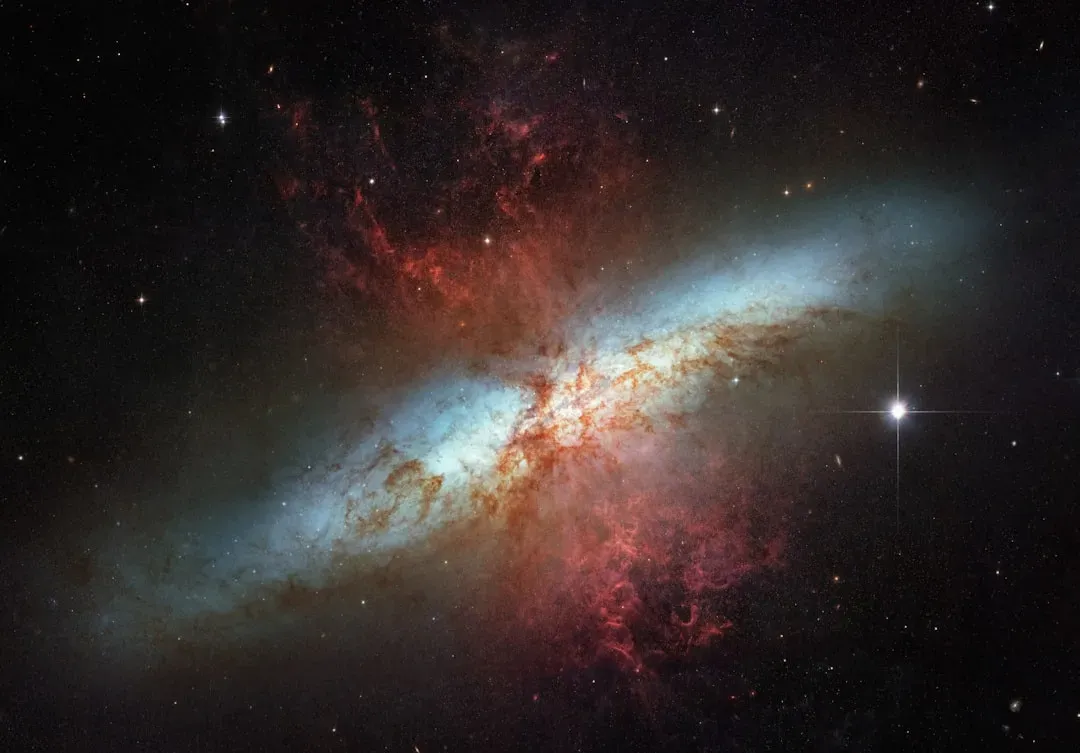
Time feels like the most reliable thing we have: one second after another, steady and universal. But according to relativity, time is slippery and depends on how fast you’re moving and how strong the gravitational field is where you are. Clocks on GPS satellites tick slightly faster than clocks on Earth’s surface because they’re farther from our planet’s gravity well, and engineers have to correct for that difference to keep navigation accurate.
Near extremely massive objects like neutron stars or black holes, time dilation becomes dramatic. A hypothetical astronaut spending an hour skimming just outside a black hole’s event horizon could return to find that years or centuries have passed far away. The idea that “now” is not the same everywhere sounds philosophical, but it’s literally built into how the universe works – and into the technology you use every day.
The Night Sky Is a Time Machine
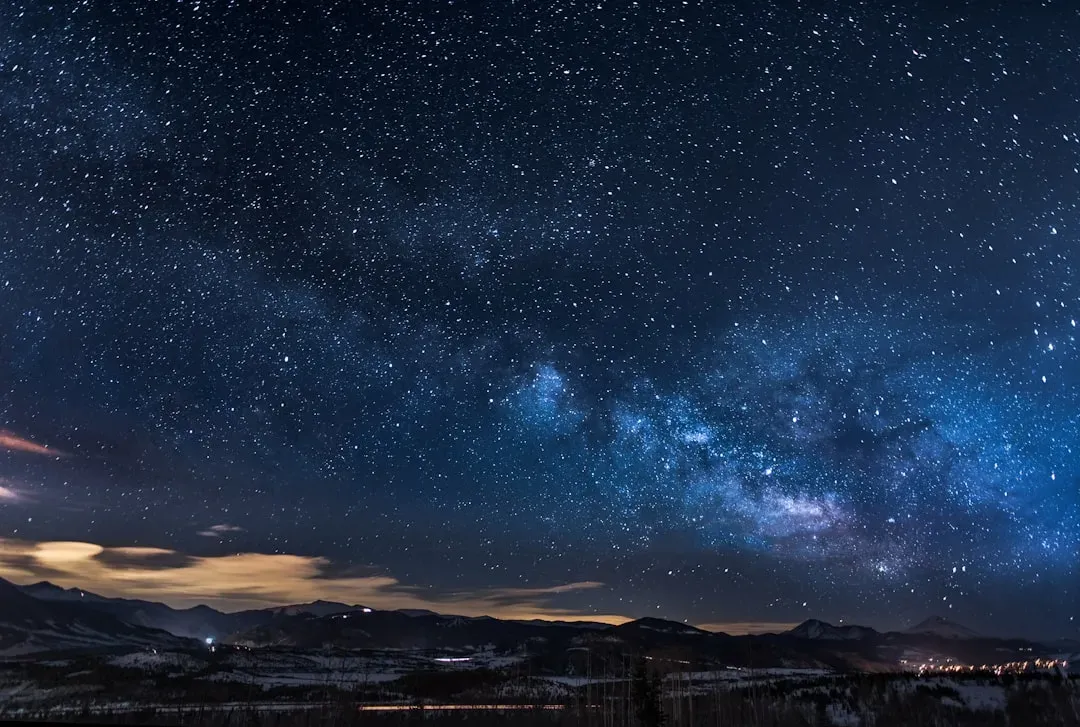
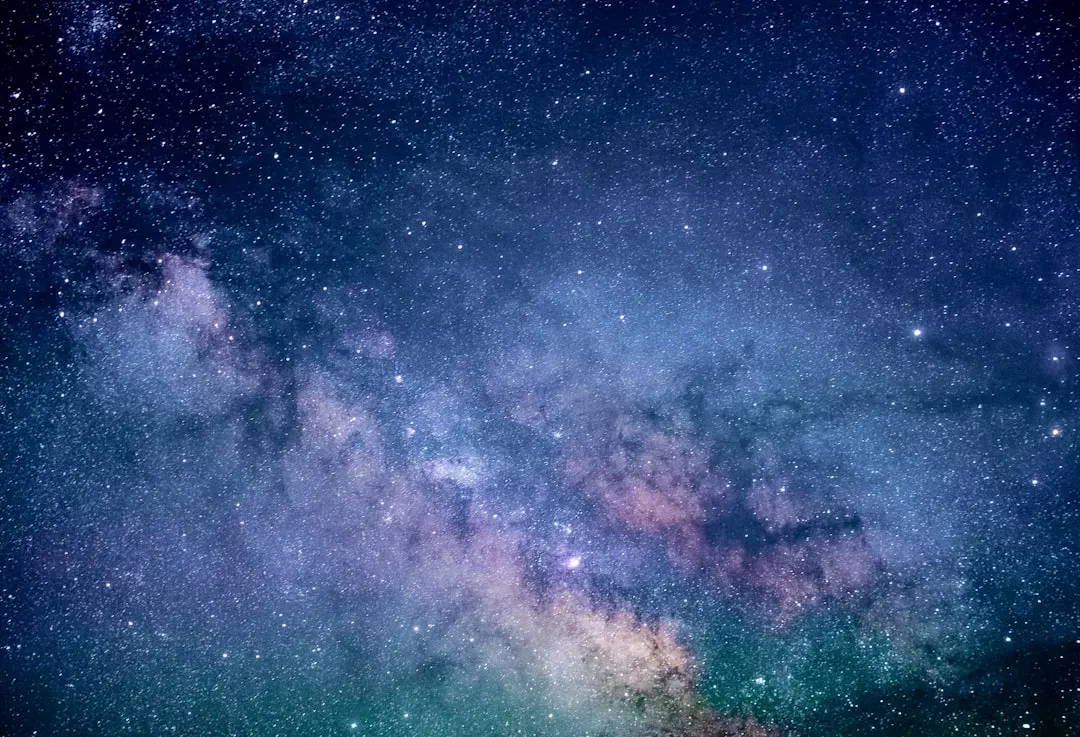
When you look at the stars, you’re not seeing the universe as it is; you’re seeing it as it was. Light from the Sun takes about eight minutes to reach us, light from nearby stars can take years, and light from distant galaxies might take billions of years. That means telescopes are not just giant eyes; they’re time machines that let us peer back into different eras of cosmic history.
Some of the faintest smudges detected by space observatories show galaxies as they were when the universe was very young, just a small fraction of its current age. Go back even farther and you reach the cosmic microwave background, a faint glow left over from when the universe was hot and dense and only a few hundred thousand years old. So the night sky is less like a static wallpaper and more like an archive of old photographs, each one delayed by the immense distance its light had to cross.
There May Be More Planets Than Stars in Our Galaxy
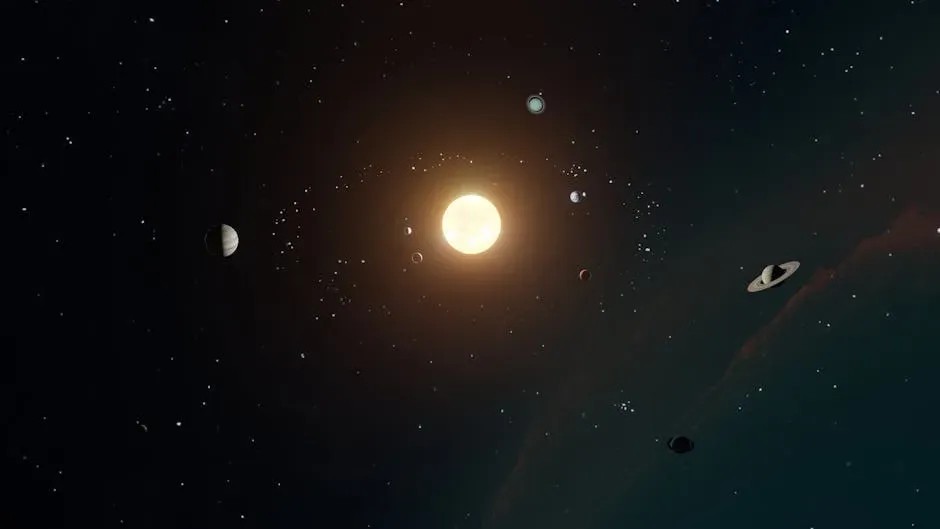
For most of human history, we only had direct evidence of eight planets orbiting a single star: our own. In the last few decades, sensitive telescopes and clever methods have revealed thousands of planets around other stars, called exoplanets. Statistical studies from missions like Kepler and later surveys suggest that planets are the rule, not the exception, and that the average star likely has one or more worlds orbiting it.
That means there could easily be more planets than stars in the Milky Way, potentially by a large margin. Many of these planets are nothing like the ones in our solar system – some are hot Jupiters skimming their stars, others are rocky super‑Earths, and some may be rogue planets drifting in the dark with no star at all. Every new discovery quietly undermines the old comforting idea that our planetary setup is typical.
Quantum Fluctuations Might Have Seeded Everything
At the smallest scales, empty space is not really empty; it seethes with tiny, random fluctuations in energy due to quantum mechanics. Cosmologists think that in the very early universe, an era of extremely rapid expansion called inflation stretched these quantum wiggles to cosmic sizes. Those slight over‑ and under‑densities in matter then grew, under gravity, into the vast web of galaxies and clusters we see today.
In other words, the enormous structure of the universe – the filaments of galaxies, the voids in between, the clusters and superclusters – may trace back to microscopic randomness. It’s like zooming in on the grain in a piece of wood and realizing that those tiny patterns determined the shape of an entire forest. The fact that quantum jitters might have written the blueprint for everything from galaxy clusters to your own existence is one of the strangest bridges between the very small and the unimaginably large.
The Universe Could End in Ways We Can Barely Imagine
Just as the universe had a beginning, it will almost certainly have an end, but the details are still uncertain. If dark energy keeps acting the way it seems to now, galaxies will drift farther and farther apart, stars will burn out, and over stupendously long timescales, the cosmos may approach a cold, dark state sometimes called heat death. In that scenario, useful energy becomes scarce, and the universe winds down into a thin, lonely drizzle of particles.
Other speculative possibilities include a “big rip,” where the acceleration grows so strong that it eventually tears apart galaxies, stars, planets, and even atoms, or a “big crunch” or “big bounce,” if the expansion were ever to reverse. We don’t know which, if any, of these futures is correct, but all of them underline a simple, unsettling point: the universe is not a static backdrop. It’s a story with a beginning, a middle, and some sort of ending still being written by the very laws we’re trying to understand.
Conclusion: Living Small in a Huge, Weird Universe
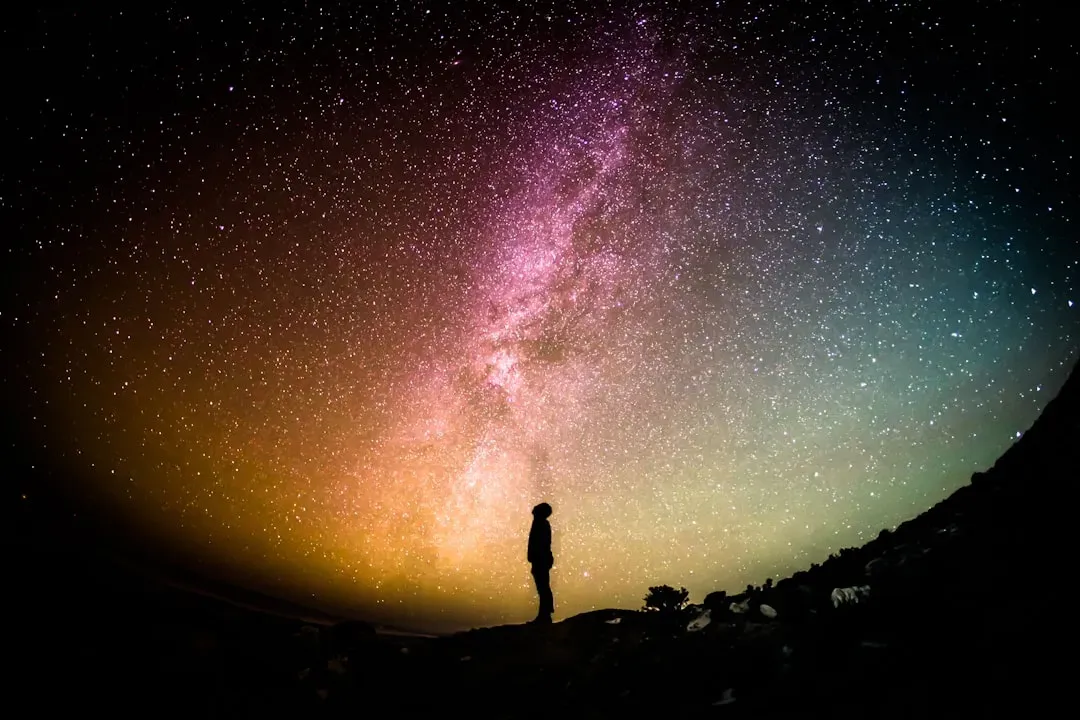
These cosmic curiosities can feel overwhelming, like trying to drink from a fire hose of strangeness. Yet there’s something quietly grounding in realizing that we’re tiny, temporary creatures trying to map a reality that doesn’t owe us simplicity or comfort. The universe turns out to be curved without edges, full of invisible matter and energy, governed by flexible time, and assembled from the deaths of stars and the jitter of quantum fields.
And still, we manage to build instruments, run experiments, argue over equations, and slowly peel back the dark. Our questions are small compared with the cosmos, but they’re real, and they’re ours. When you next look up at the night sky, which of these curiosities will be the one you can’t stop thinking about?