
Have you ever been told not to crack your knuckles or you’ll get arthritis? Maybe someone warned you about swallowing gum, claiming it would stay in your stomach for seven years. These kinds of warnings float around like urban legends, passed down through generations as if they’re gospel truth. Here’s the thing, though: most of them are complete nonsense.
The human body is complex, mysterious, and often misunderstood. Over the years, myths have piled up, masking the reality of how our bodies actually function. Some of these misconceptions are harmless, while others can lead to unnecessary worry or even poor health decisions. So let’s dig into the facts and separate fiction from science. Honestly, you might be surprised by what you’ve been believing all these years.
You Only Use 10% of Your Brain
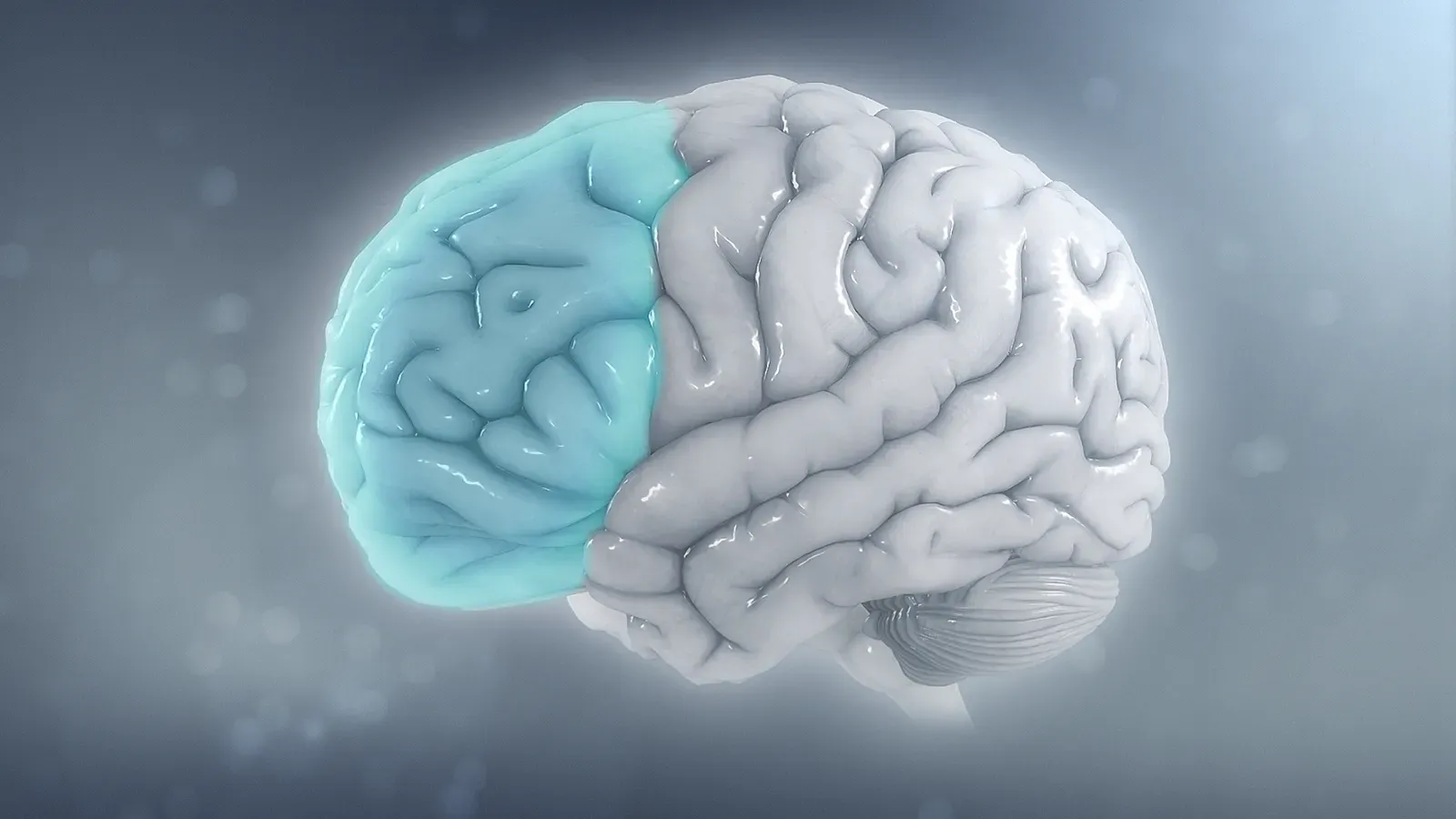
This myth has persisted for over a century, despite dramatic advances in neuroscience. Brain scans show that most areas of the brain are active even during simple tasks, and modern advanced imaging reveals that nearly all parts of the brain have specific roles. Let’s be real, evolution wouldn’t keep an organ that’s mostly redundant.
Studies of patients with brain injury suggest that damage to almost any area of the brain has specific and lasting effects on mental, vegetative, and behavioural capabilities. The idea that you’re walking around with ninety percent of unused brain potential is appealing, sure. Who doesn’t want to believe they have untapped genius waiting to emerge? The reality is far more fascinating: your brain is constantly working, processing, regulating, and coordinating countless functions you never even think about.
Shaving Makes Hair Grow Back Thicker and Darker

Shaving does not alter hair thickness or growth rate, with studies finding that hair thickness and growth rate are determined by age, sex, and ethnicity. Shaving removes the dead portion of hair, not the living section lying below the skin’s surface, so it is unlikely to affect the rate or type of growth. Think about it: if shaving made hair thicker, balding men would have figured that out decades ago.
The illusion happens because fresh stubble has a blunt edge instead of the natural taper you’d see on unshaven hair. That blunt cut feels coarser and looks darker simply because it hasn’t been exposed to sunlight yet. As early as 1928, a clinical trial showed that shaving had no effect on hair growth. So if you’re avoiding shaving because you’re worried about unwanted consequences, you can put that fear to rest.
Swallowed Gum Stays in Your Stomach for Seven Years

Gum is chewy because it contains a synthetic rubber base that isn’t digestible, but that doesn’t mean swallowed gum can’t complete the journey through your digestive tract, as the human body is capable of passing objects up to roughly the size of a quarter. Your digestive system treats gum like any other non-nutritive substance and moves it through within a few days.
Honestly, if gum really stayed in your body that long, doctors would be finding it all the time during routine procedures. Pediatric gastroenterologist Dr. David Milov pointed out that if gum truly got stuck in the body, it would show up on procedures like colonoscopies, but it very rarely does, and if a doctor does spot some, it usually hasn’t been there for more than a week. Still, swallowing multiple pieces in a short time isn’t recommended. Common sense applies here.
You Lose Most of Your Body Heat Through Your Head

This myth most likely took root in the 1950s when the U.S. military conducted a study where volunteers dressed in arctic survival suits were observed in freezing temperatures, and the military concluded that the volunteers lost most of their heat from their heads, seeming to ignore the fact that the head was the only body part that wasn’t protected from the elements. It sounds logical on the surface, especially when your head feels cold in winter.
No one body part has a greater impact than any other when it comes to retaining heat. If the myth were accurate, humans would be just as cold if they went without a hat as if they went without trousers. Your head might feel colder because it has more nerve endings, but heat loss is proportional to exposed surface area. Wearing a hat helps, of course, but not because your head is some kind of thermal escape hatch.
Sugar Causes Hyperactivity in Children

Research consistently shows no direct link between sugar consumption and hyperactivity, with data suggesting that this is often a case of self-fulfilling prophecy. If you’re a parent, you might be convinced otherwise, especially after birthday parties. The science, though, tells a different story.
A major research project in 1994 specifically tested different sugar levels in children’s diets, finding no behavioral changes, with parents often noticing increased energy because sugar was typically consumed at exciting events like parties and holidays, creating a false correlation. So the wild behavior you’re seeing probably has more to do with the excitement of the event itself than the cake. Still, limiting sugar for other health reasons makes sense, just not because it turns kids into bouncing balls of chaos.
Blood is Blue Inside Your Veins
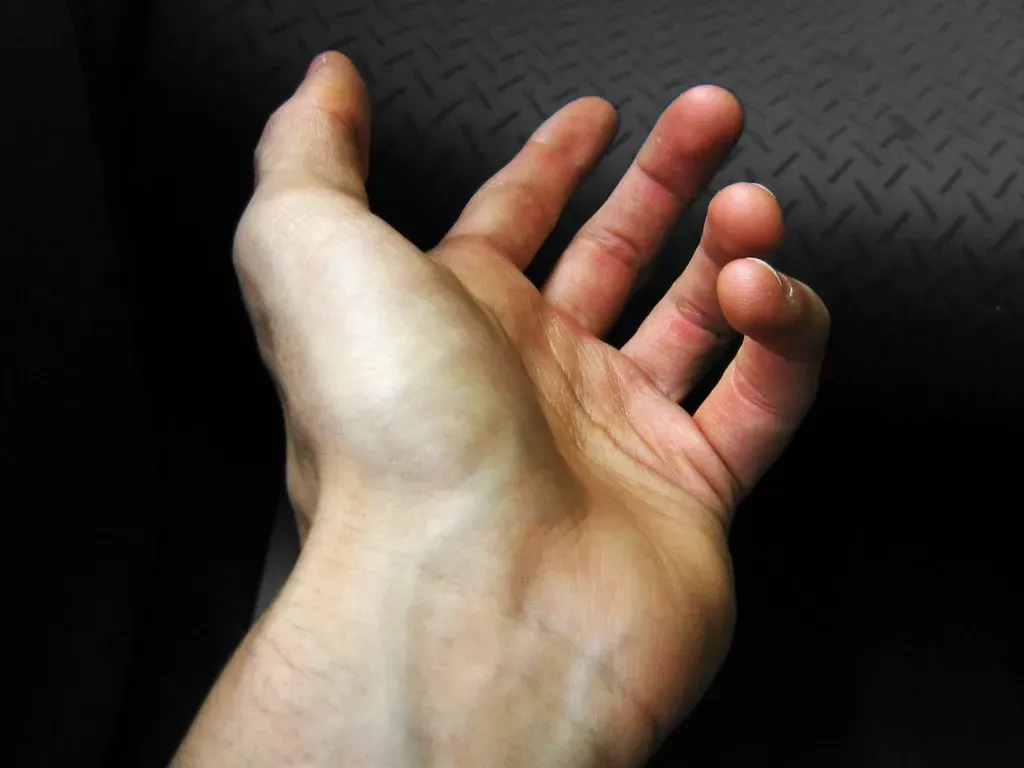
Blood is always red, though it can appear blue under the skin due to an optical effect caused by light diffraction, and the oxygen level in blood can affect its hue, going from a bright red (oxygen-rich) to a darker red (oxygen-poor). The bluish appearance you see through your skin is purely visual trickery.
Blood always stays some shade of red, even when it lacks oxygen, and veins may look blue due to how light travels through the skin, but the blood inside is never blue. I know it sounds crazy, but this myth is so widespread that many people genuinely believe they have blue blood flowing through them. If that were true, we’d be more alien than human.
Cracking Your Knuckles Causes Arthritis
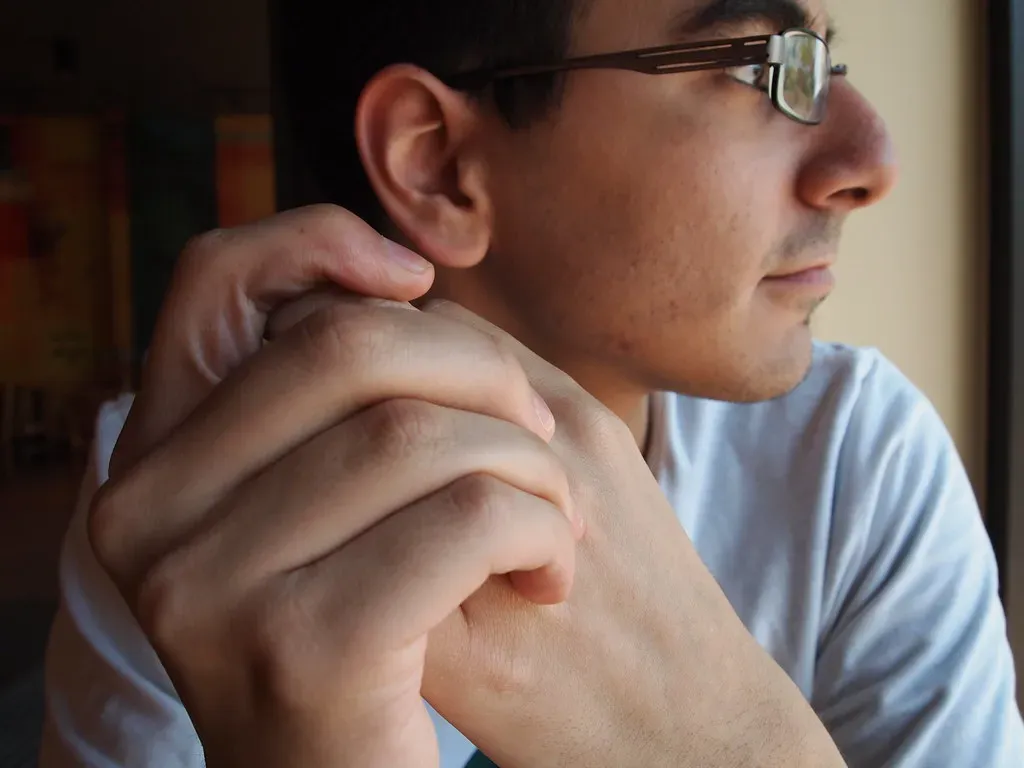
Cracking your joints does not cause arthritis. You’ve probably been scolded about this countless times, maybe by a teacher or a concerned relative. The popping sound comes from gas bubbles releasing in the joint fluid, not from bone grinding against bone.
Knuckle cracking indicates normal joint function, and arthritis is caused by other factors like age, genetics, and injuries. Some researchers have even studied habitual knuckle crackers for years and found no increased arthritis risk. That said, excessive cracking might irritate the people around you, which could be hazardous to your social health.
Reading in Dim Light Ruins Your Eyesight

While dim lighting can temporarily strain your eyes, it doesn’t cause any permanent damage, and your eyes adapt to low light but may need time to adjust back. Your eye muscles work harder to focus in poor lighting, which can lead to fatigue, headaches, or discomfort.
Dim lighting might lead to temporary strain, but it doesn’t leave lasting harm, as the muscles around your eyes simply work harder for focus, and once light improves, your eyes bounce back without any permanent trouble. This myth probably originated from well-meaning parents trying to get kids to turn on a lamp. Adequate lighting is more comfortable, for sure, but you’re not damaging your vision by reading under the covers with a flashlight.
You Need to Drink Eight Glasses of Water a Day

The CDC note that there are no guidelines on how much water we should be drinking daily, but the National Academies of Sciences, Engineering and Medicine say that women require 2.7 liters and men require 3.7 liters of total water per day, which refers to not how many liters of water you should drink from the faucet, but about what your rough intake of water from different drinks and foods combined should be. The eight-glasses rule is oversimplified.
Most pertinently, the author of this study did not find any scientific evidence to back up the 8×8 theory in terms of health benefits. Your hydration needs depend on your activity level, climate, and individual physiology. If you’re thirsty, drink. If your urine is pale yellow, you’re probably doing fine. It’s hard to say for sure, but rigid water rules don’t account for the huge variations between people and circumstances.
Hair and Nails Continue Growing After Death
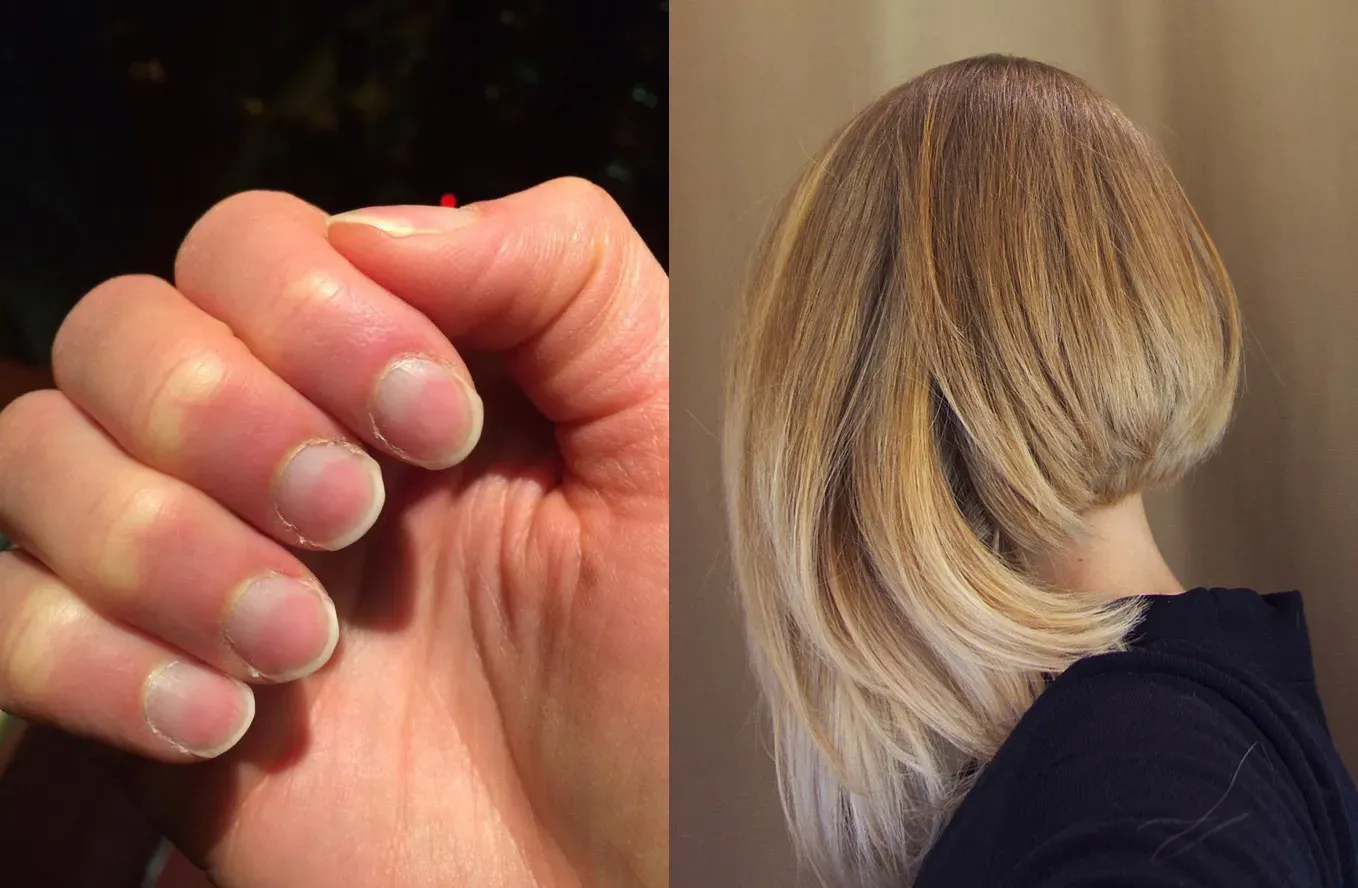
This is a myth based in drawing a false conclusion from appearances, as while the nails and hair on a corpse may seem like they’ve continued growing, what you’re really seeing is the skin around them retracting as it becomes dehydrated, making them appear longer, and some funeral directors may even moisturize the fingertips to counteract this unsettling effect. It sounds like something out of a horror movie, which is probably why the myth persists.
Hair and nails need living cells and energy to grow, both of which stop at death. The illusion is purely cosmetic and caused by the body’s natural dehydration process. It’s morbid to think about, sure, but the science is clear: once you’re gone, your body isn’t producing anything new. What appears to be growth is really just shrinkage of the surrounding tissue.
Conclusion
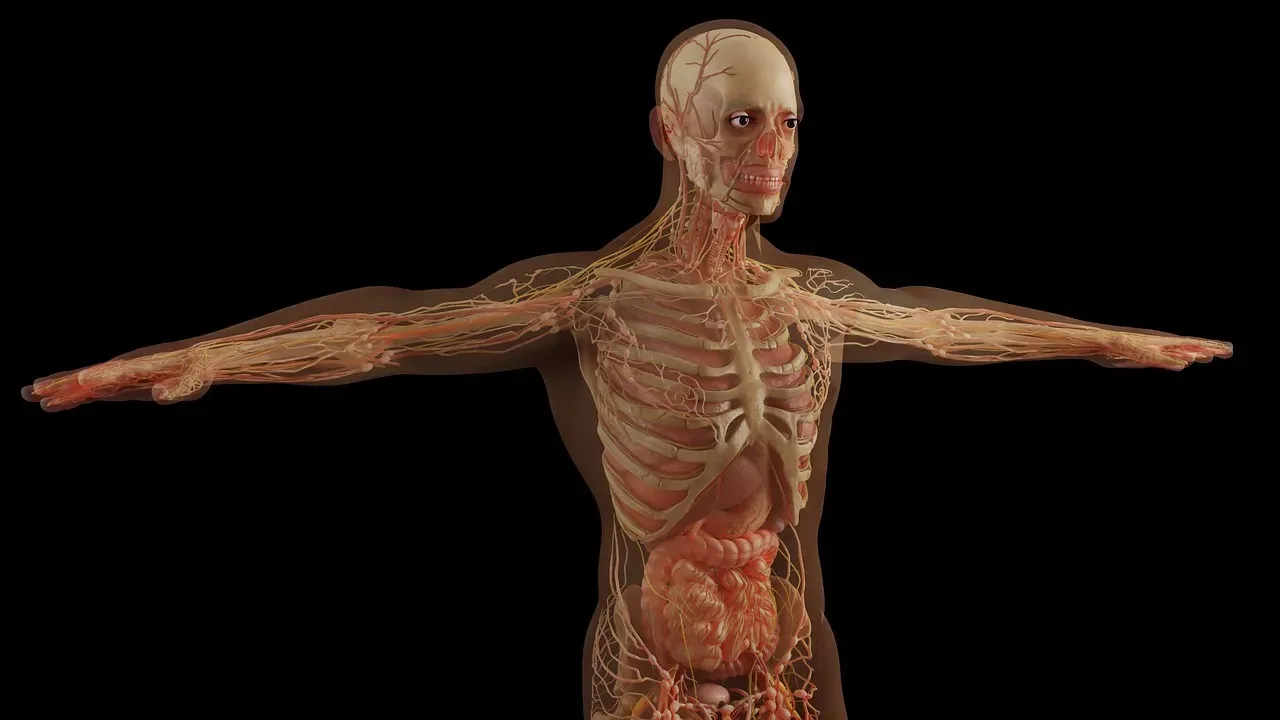
The human body is endlessly fascinating, but it’s also the subject of countless myths that refuse to die. From brain capacity to hair growth, we’ve been fed misinformation that sounds reasonable enough to stick around for generations. The good news is that science keeps chipping away at these falsehoods, giving us a clearer, more accurate picture of how our bodies really work.
Understanding the truth not only frees you from unnecessary worry but also helps you make better decisions about your health. Next time someone tells you that cracking your knuckles will cripple your hands or that you’re slowly digesting a wad of gum from 2015, you’ll know better. What other body myths have you been holding onto? Maybe it’s time to question a few more.
Hi, I’m Andrew, and I come from India. Experienced content specialist with a passion for writing. My forte includes health and wellness, Travel, Animals, and Nature. A nature nomad, I am obsessed with mountains and love high-altitude trekking. I have been on several Himalayan treks in India including the Everest Base Camp in Nepal, a profound experience.