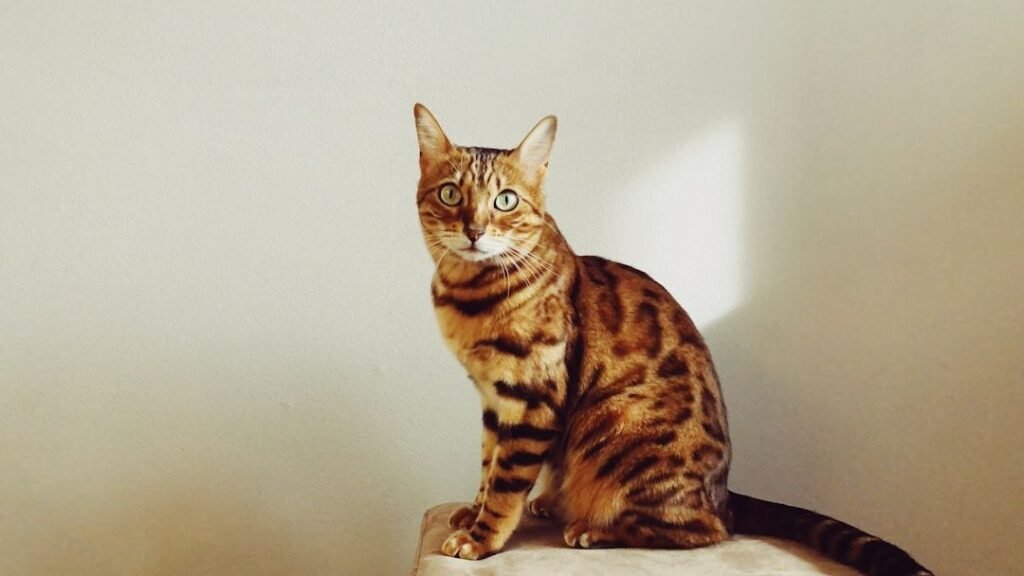

Picture this: You’ve brought home a gorgeous new feline companion, set up the perfect litter box, and prepared for months of companionship. Then reality hits. Your cat has decided your favorite rug is the bathroom, your carpet is fair game, and that pristine litter box? Just decoration. Here’s the thing – while most cats naturally take to litter training within days, some breeds test your patience like nothing else.
The truth is, not all cats are created equal when it comes to house training. Some breeds present unique challenges that can leave even experienced cat owners scratching their heads. Whether it’s stubbornness, territoriality, high energy levels, or just pure feline independence, these ten breeds will put your dedication to the test.
Bengal Cats: Wild Instincts Meet Domestic Chaos
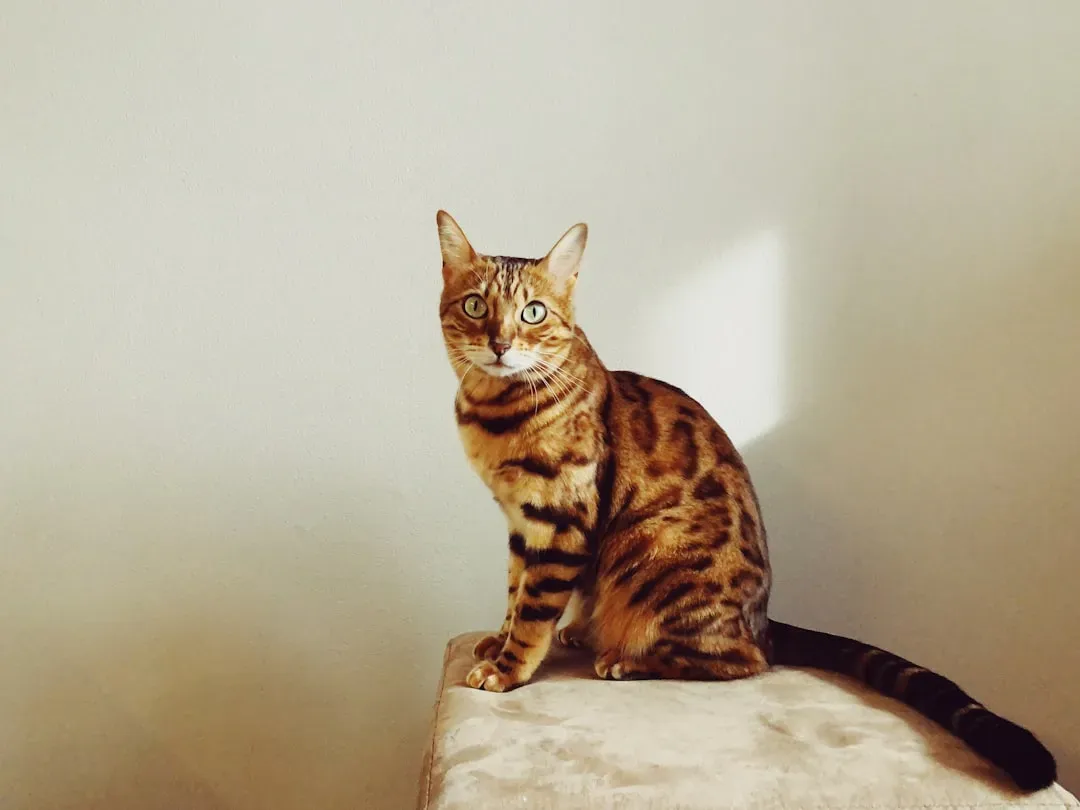
Bengals are smart but also independent, meaning they may not always follow commands right away. Their intelligence becomes a double-edged sword during house training. Their intelligence is also one of the reasons training Bengals can be challenging – they don’t always cooperate, and if they get bored or distracted, your feline will likely show some resistance.
Bengals require both physical and mental stimulation to stay happy, and without this, they may develop unwanted habits like excessive meowing or destructive behavior. This need for constant stimulation means that house training can easily fall by the wayside if they don’t find the process engaging enough. You’ll need to incorporate clicker training, treats, and incredible patience to make any headway with this breed.
Persian Cats: Beauty With a Stubborn Streak
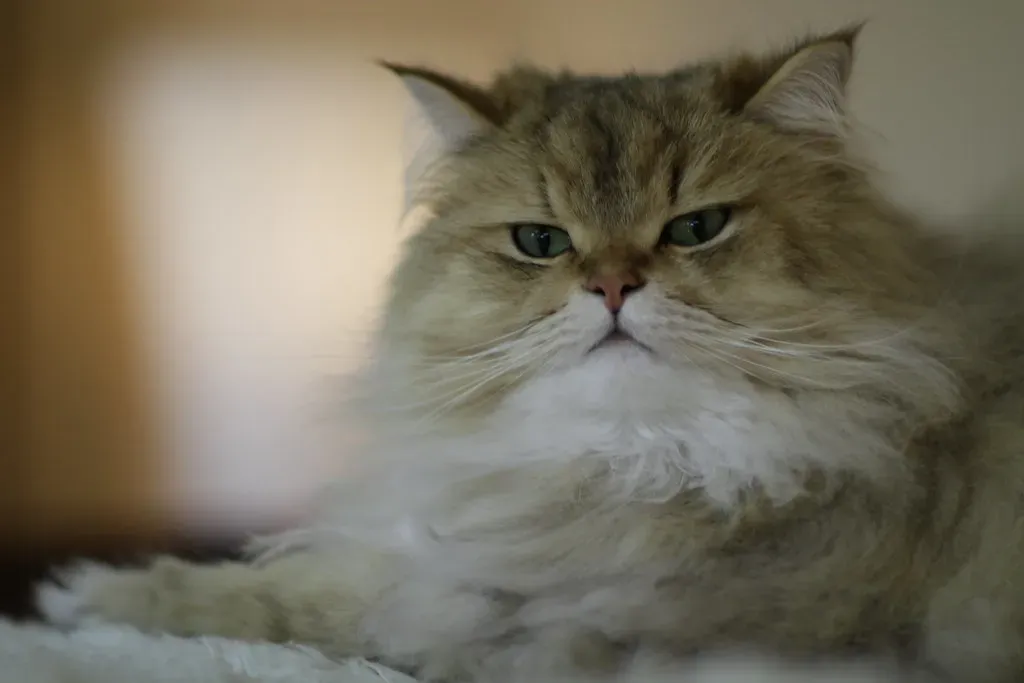
Persians are stunning creatures with their luxurious coats and flat faces. They’re also notoriously particular about their bathroom situation. Persian kittens may refuse the litter box due to a dirty box, wrong litter, or stress. Unlike other breeds that adapt quickly, Persians demand perfection.
Due to their long fur, Persians may accidentally drag litter outside the box, which can create aversion to using it altogether. Their grooming needs add another layer of complexity – litter gets caught in their fur, making them uncomfortable and less likely to return to the box. You need multiple boxes, the finest litter available, and a cleaning schedule that would make hotel housekeeping jealous.
Siamese Cats: Vocal Protesters of Bathroom Rules
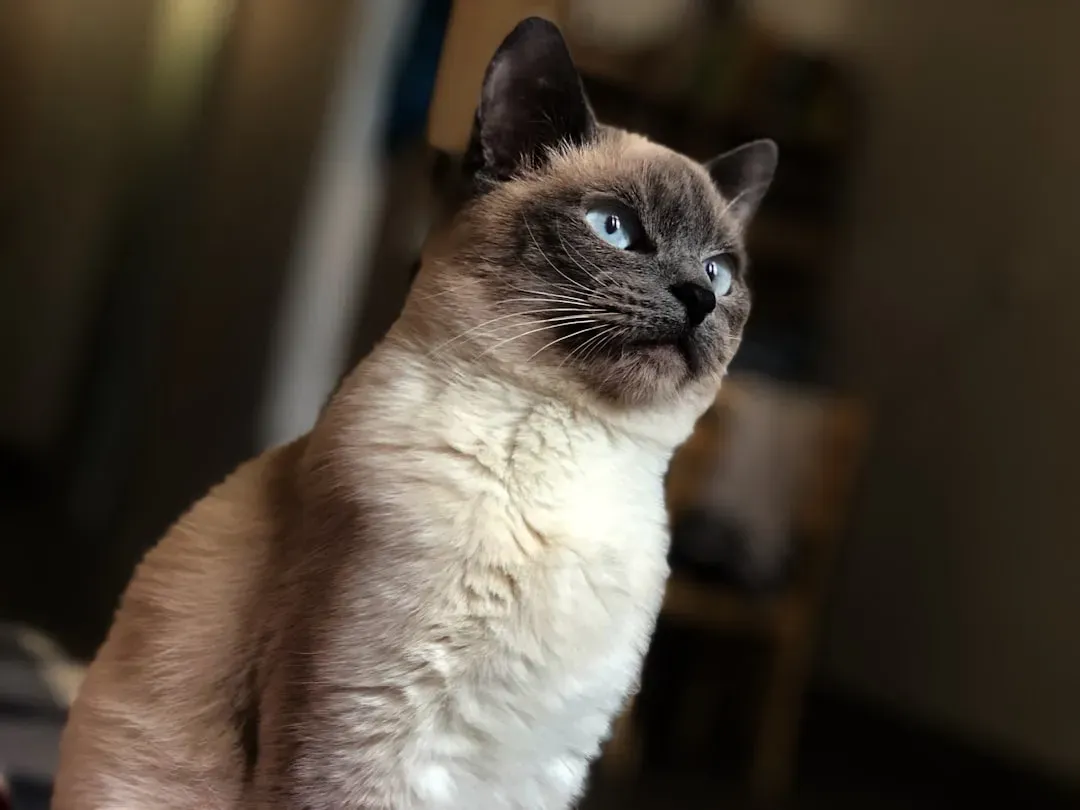
Siamese cats are affectionate, loving, intelligent cats that can be easily trained if you know the right methods – but here’s where it gets tricky. Their intelligence doesn’t always work in your favor. These cats are incredibly vocal about their displeasure, and if something about their litter setup isn’t perfect, you’ll hear about it.
As long as you’ve got a lot of patience, Siamese cats can be pretty easy to potty train since they’re one of the most intelligent breeds out there. Yet this same intelligence means they can become bored with routine quickly. They need constant positive reinforcement, and any deviation from their preferred bathroom setup can result in accidents. Their strong-willed nature means they’ll make their own rules if yours don’t suit them.
Maine Coon: Size Matters in the Litter Department
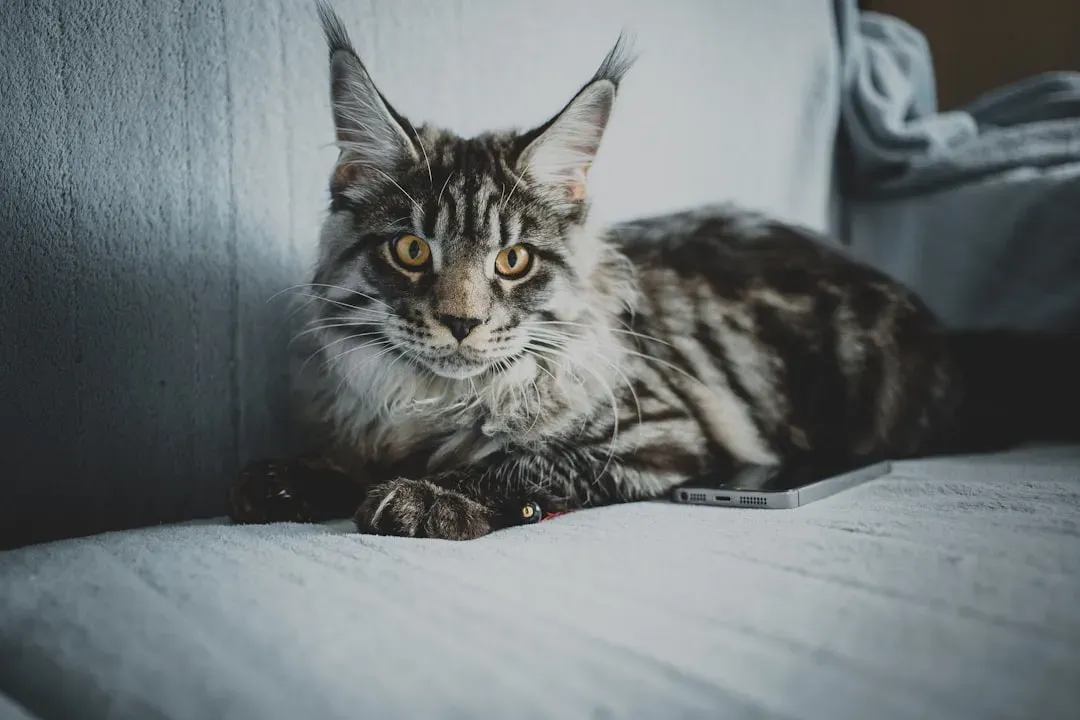
Maine Coons are gentle giants, often weighing between fifteen and twenty-five pounds. Their sheer size creates unique house training challenges. Standard litter boxes feel like tiny porta-potties to these massive cats, leading them to seek more spacious alternatives – like your bathtub or behind the couch.
Their thick, water-resistant coats also trap litter like nobody’s business. This creates discomfort and can make them avoid the box altogether. You’ll need extra-large litter boxes, possibly multiple ones, and a willingness to experiment with different litter types. These cats also take longer to mature mentally, meaning their house training window extends well beyond kittenhood.
Savannah Cats: Too Much Wild for Indoor Rules
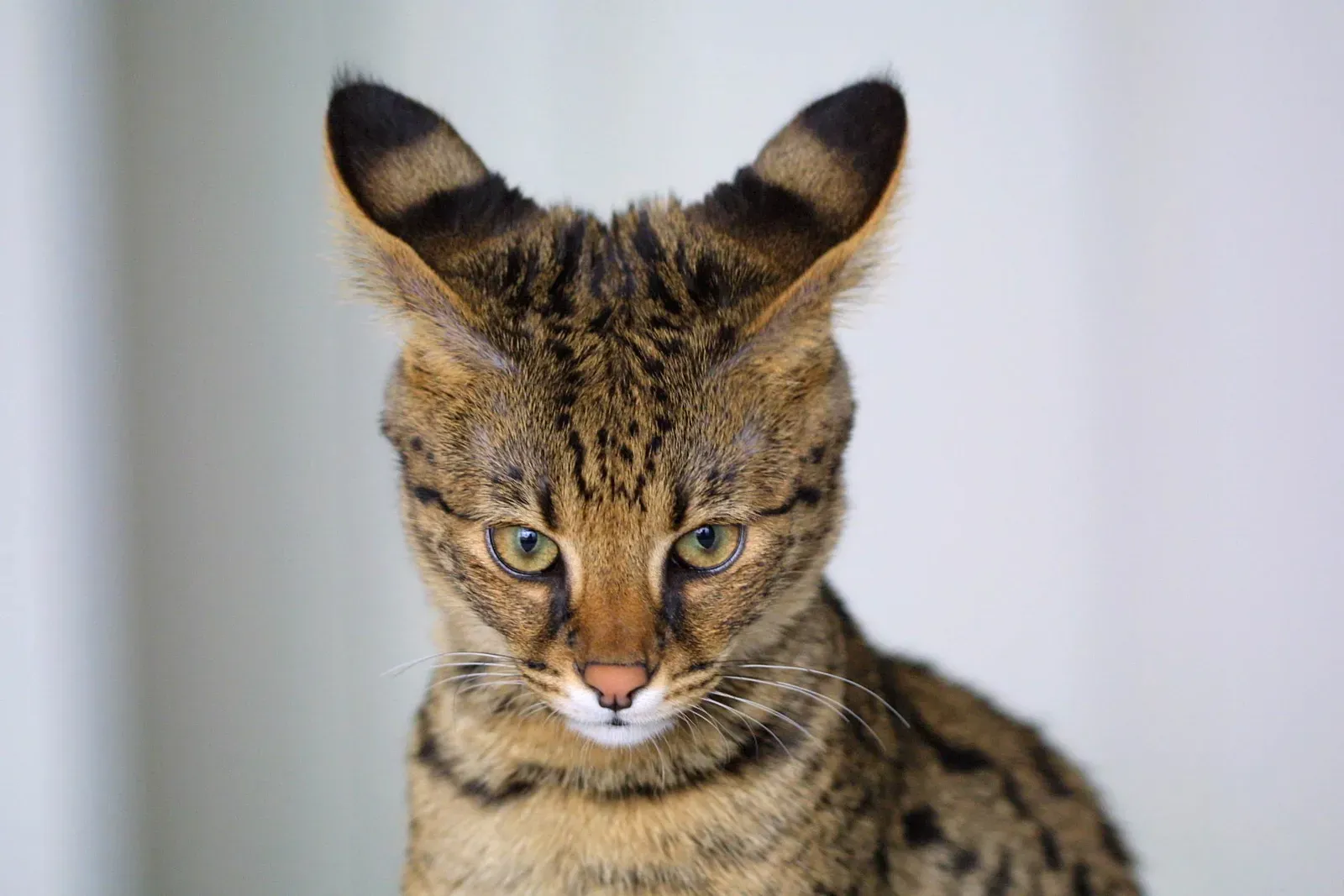
Savannah cats retain significant wild genetics from their Serval ancestors. This makes them stunningly beautiful – and stubbornly resistant to domestication rules. Their high energy and territorial instincts often override house training efforts.
These cats view your entire home as their territory, and marking becomes a major issue. They’re also incredibly athletic, meaning they can access places other cats can’t, creating bathroom opportunities you never anticipated. Their intelligence rivals that of dogs, yet they use it to outsmart your training efforts rather than comply with them. Savannah owners often report needing outdoor enclosures or very large indoor spaces to satisfy their bathroom preferences.
Scottish Fold: Medical Issues Complicate Training
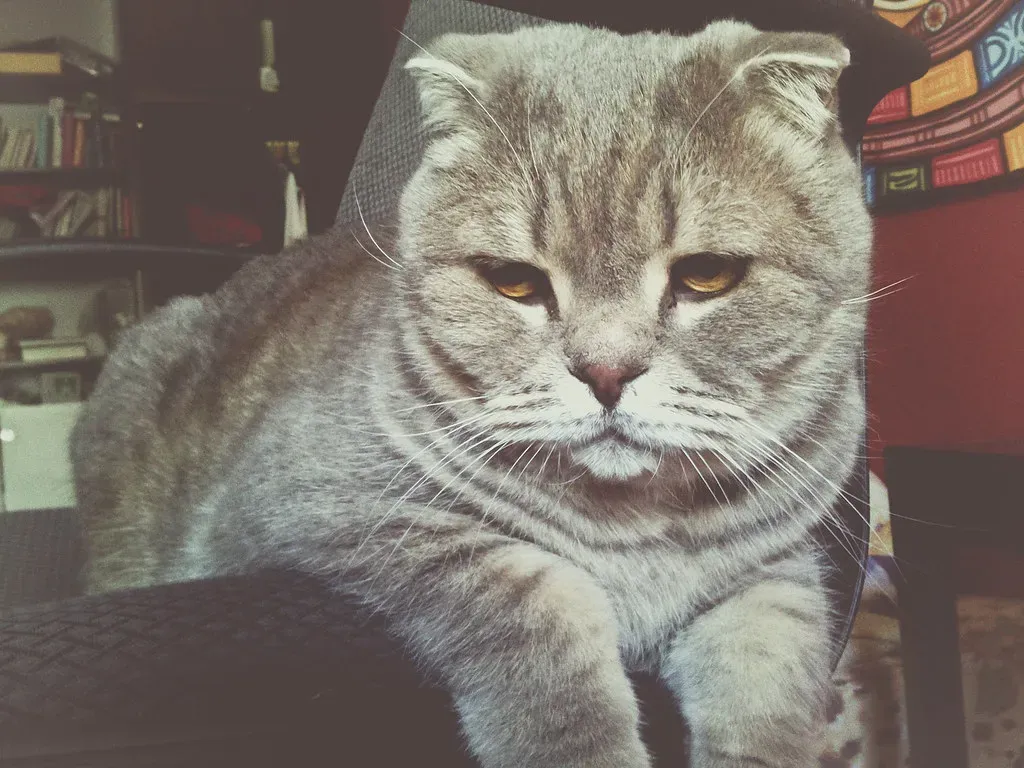
Scottish Folds are absolutely adorable with their folded ears and round faces. Unfortunately, the genetic mutation that creates those cute ears often comes with skeletal issues that make getting in and out of litter boxes painful. This pain creates negative associations with the litter box itself.
These cats may avoid the box not out of stubbornness but genuine discomfort. They need low-entry boxes, soft litter, and sometimes multiple boxes throughout the home to minimize walking distance. The challenge is identifying whether accidents stem from behavioral issues or physical pain, which requires veterinary intervention and lots of trial and error.
Turkish Angora: Water-Loving Bathroom Rebels
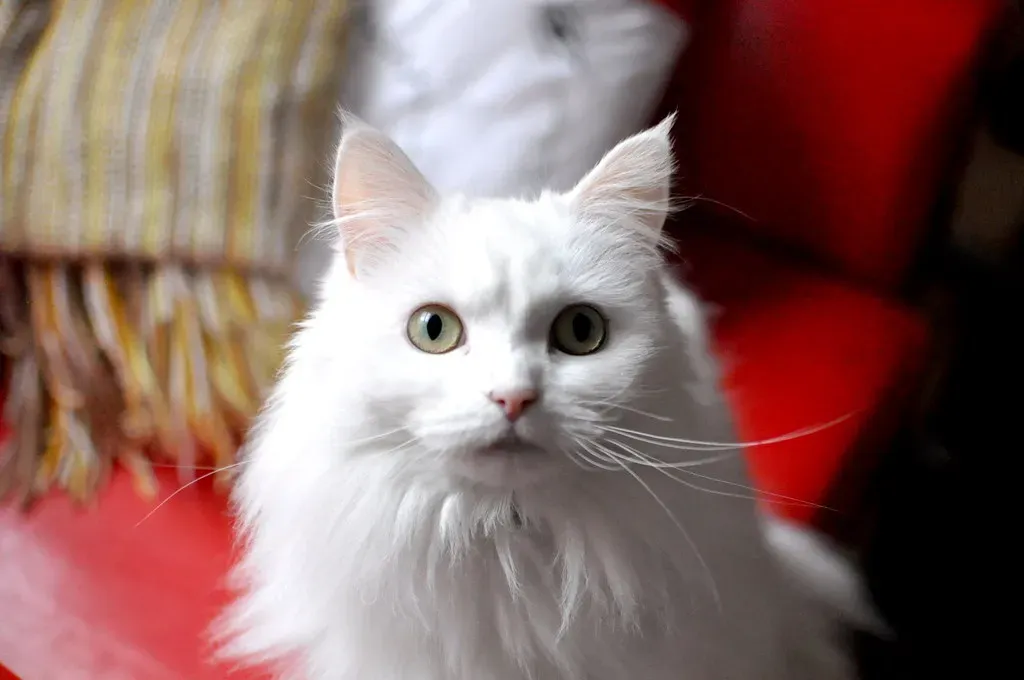
Turkish Angoras are known for their fascination with water, which sounds charming until you realize they might prefer your toilet or sink to their litter box. Their playful, energetic nature makes them easily distracted during house training.
These cats are incredibly intelligent and independent, a combination that spells trouble for traditional training methods. They bore easily and need constant mental stimulation, which standard litter training doesn’t provide. You might catch them playing in their water bowl instead of focusing on bathroom routines. Their strong personalities mean they’ll make their preferences known, whether you approve or not.
Sphynx: High Maintenance Beyond Their Lack of Fur
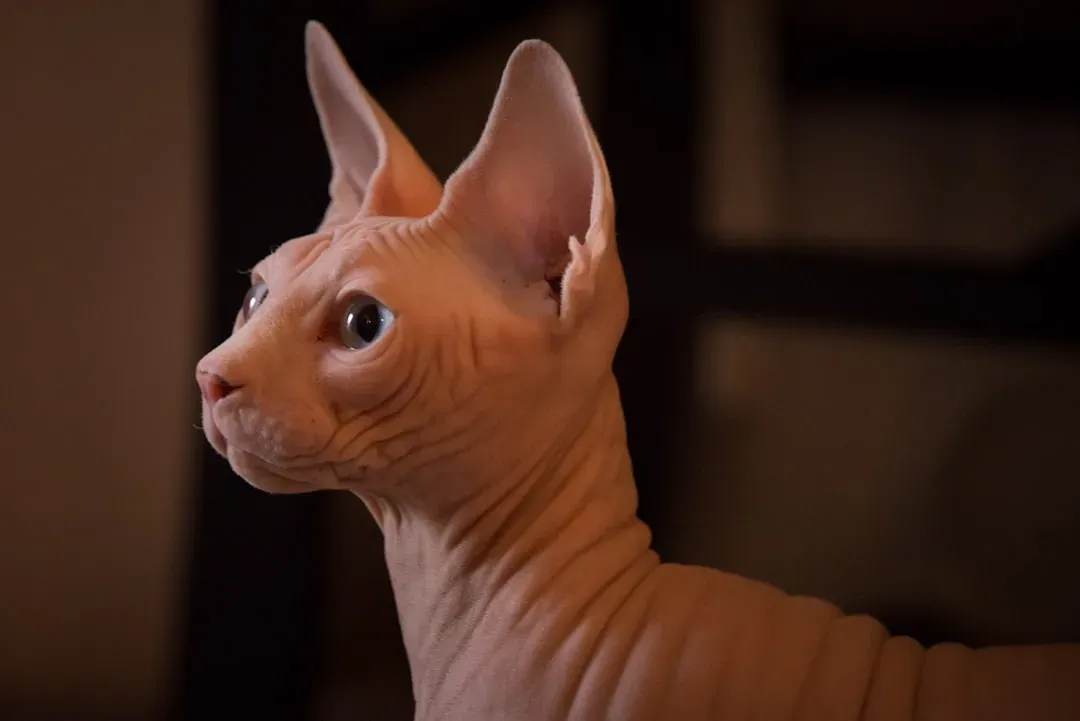
Sphynx cats require exceptional care due to their hairless bodies, and this extends to litter training. Without fur, litter sticks directly to their skin, creating an uncomfortable and sometimes painful experience. This physical discomfort can create lasting aversion to litter boxes.
Their high metabolism means they use the bathroom more frequently than other breeds, requiring pristine boxes at all times. Sphynx cats are also incredibly social and hate being left alone, which can manifest as bathroom accidents when they experience separation anxiety. You’ll need softer litters, more frequent cleaning, and possibly paper-based alternatives to accommodate their sensitive skin.
Himalayan: Persian Problems with Extra Attitude
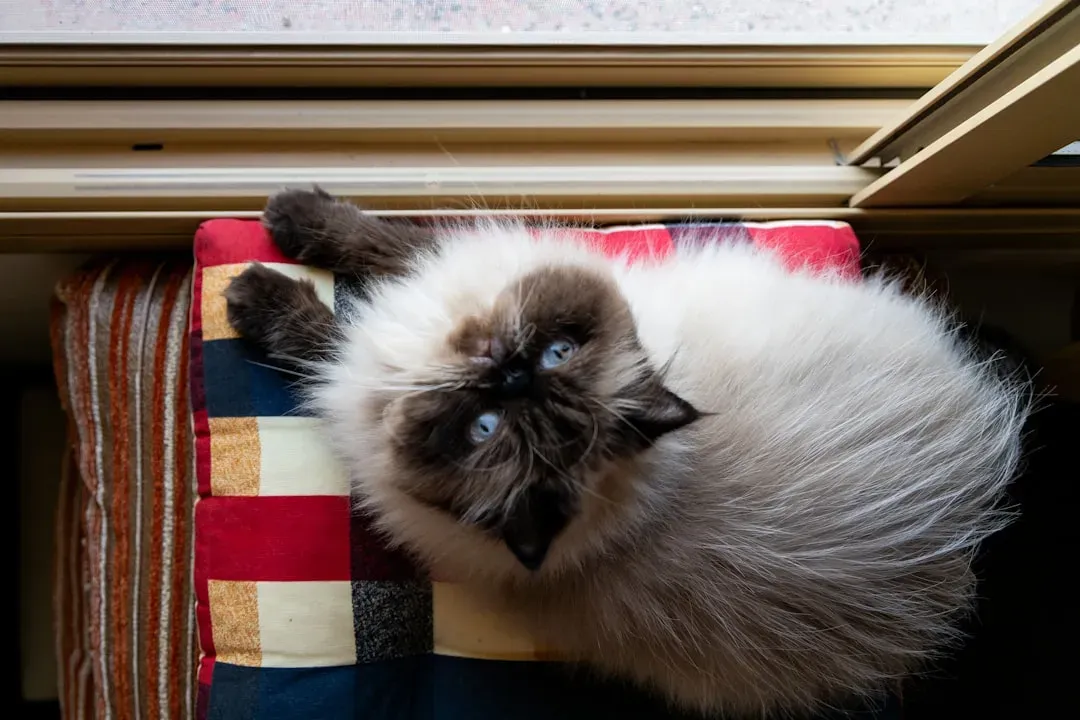
Himalayans combine Persian genetics with Siamese coloring, unfortunately inheriting stubbornness from both sides. Like Persians, they’re extremely particular about litter cleanliness and type. Like Siamese, they’re vocal about their displeasure and strong-willed enough to hold grudges.
Their long fur creates the same challenges as Persians, with litter tracking and discomfort issues. They’re also prone to stress-related bathroom problems, meaning any change in routine can trigger accidents. These cats demand consistency, perfection, and patience that would test a saint. Multiple boxes, premium litters, and unwavering cleaning schedules are non-negotiable.
Manx: Tailless Troubles in the Bathroom
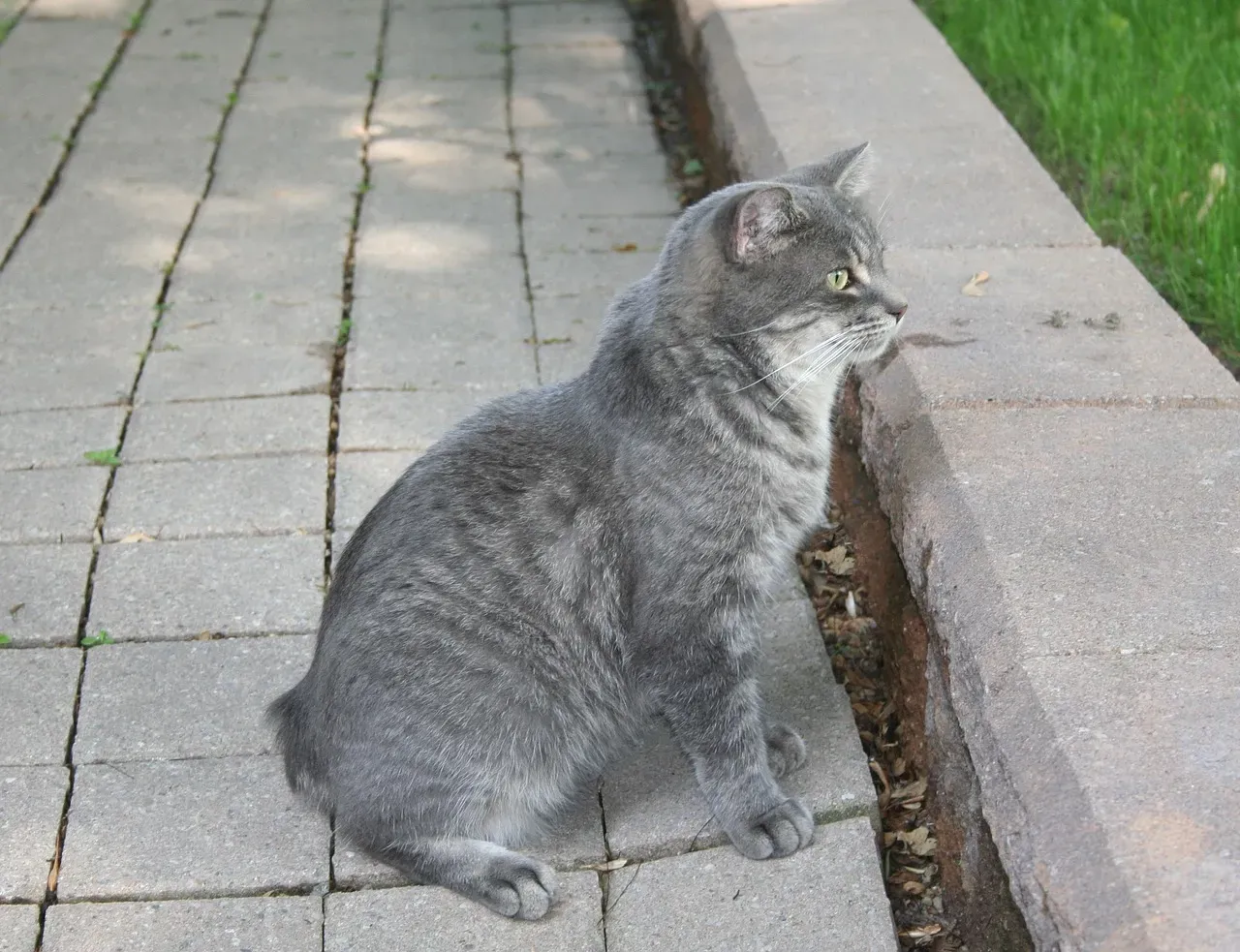
The Manx breed’s defining characteristic – their lack of tail – actually creates surprising house training challenges. Without a tail for balance, these cats can feel unstable in litter boxes, especially covered ones or those with high sides. This instability can make them avoid the box entirely.
Some Manx cats also experience a condition called Manx syndrome, which affects their spinal development and can lead to bowel control issues. This means accidents may not be behavioral at all but physical limitations. You’ll need shallow, open boxes and potentially veterinary support to address any underlying medical conditions affecting their bathroom habits.
Conclusion: Patience Is Your Greatest Tool
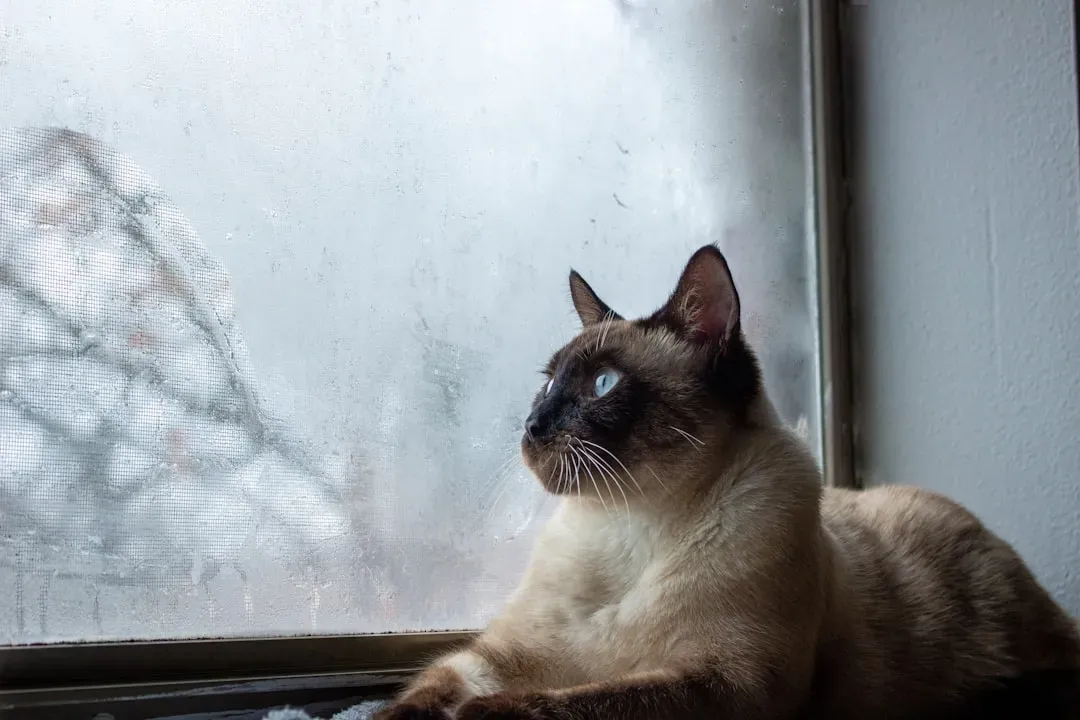
House training challenging cat breeds isn’t impossible, but it requires dedication that goes far beyond the basics. Most cats require little training to use their litter box because cats have a natural desire to dig and bury their waste, but once a cat has developed undesirable toilet habits the problem can be very difficult to resolve. Each of these ten breeds presents unique obstacles, from medical issues to personality quirks to physical characteristics that complicate standard training approaches.
The key lies in understanding that your cat’s bathroom struggles might not be defiance but genuine challenges you need to address. Whether it’s upgrading litter boxes, trying different litter types, addressing medical concerns, or simply providing more patience and consistency, solutions exist for every situation. Remember that roughly three-quarters of litter box problems can be resolved with simple treatments and modifications.
So what do you think? Have you tackled house training with any of these stubborn breeds? Share your stories in the comments below – we’d love to hear what worked for you!