
There’s something quietly electrifying about stepping outside at night, tilting your head back, and realizing you’re standing under a giant, glittering ocean of light. Most of the time we rush indoors, barely glancing up, never knowing that above us, the universe is putting on shows so beautiful and strange they barely feel real. Yet many of the most jaw-dropping celestial phenomena are visible with nothing more than your own eyes, a bit of timing, and a dark enough sky.
In 2026, with better forecasting tools, astronomy apps, and global skywatching communities, it’s easier than ever to know when to look up. From sudden streaks of fire tearing across the atmosphere to ghostly veils of green and purple rippling over the horizon, the night sky can still stop even the most jaded person in their tracks. Let’s walk through ten of the most breathtaking sights you can actually see for yourself, no telescope required – if you know what to watch for, and when to get outside.
1. Meteor Showers: Cosmic Fireworks That Don’t Need a Ticket
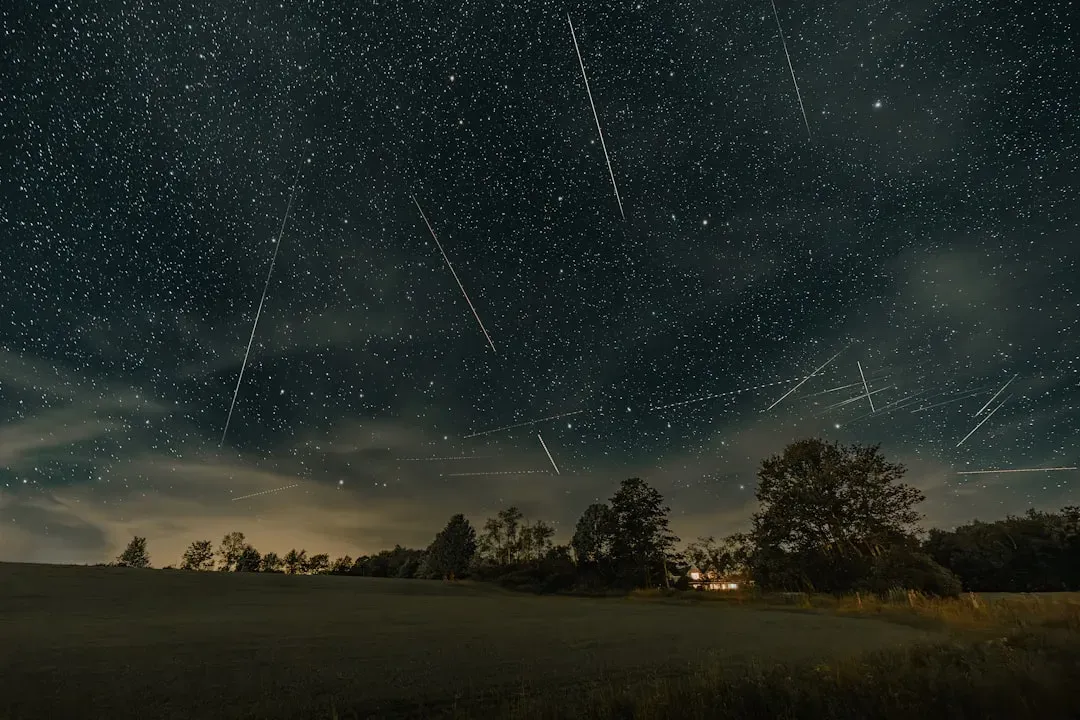
Imagine lying on your back in total darkness and watching the sky randomly light up with brief, blazing streaks – like nature is tossing tiny sparks across the stars. That’s what a good meteor shower feels like, and it’s one of the easiest and most thrilling celestial events to experience. During peak nights of famous showers like the Perseids in August or the Geminids in December, patient observers can sometimes see dozens of meteors per hour under dark skies.
What you’re really seeing is Earth plowing through dusty debris left behind by comets or, in the case of the Geminids, an odd rocky object. As those particles slam into our atmosphere at incredible speeds, they burn up in a flash of light. You don’t need binoculars or complicated gear – just a dark location, warm clothes, and time for your eyes to adjust. The hardest part is often just being willing to sit in the quiet and wait, but when a bright fireball streaks across the sky and leaves a glowing trail, the wait is instantly worth it.
2. The Aurora: Ghostly Curtains of Light That Dance in Silence
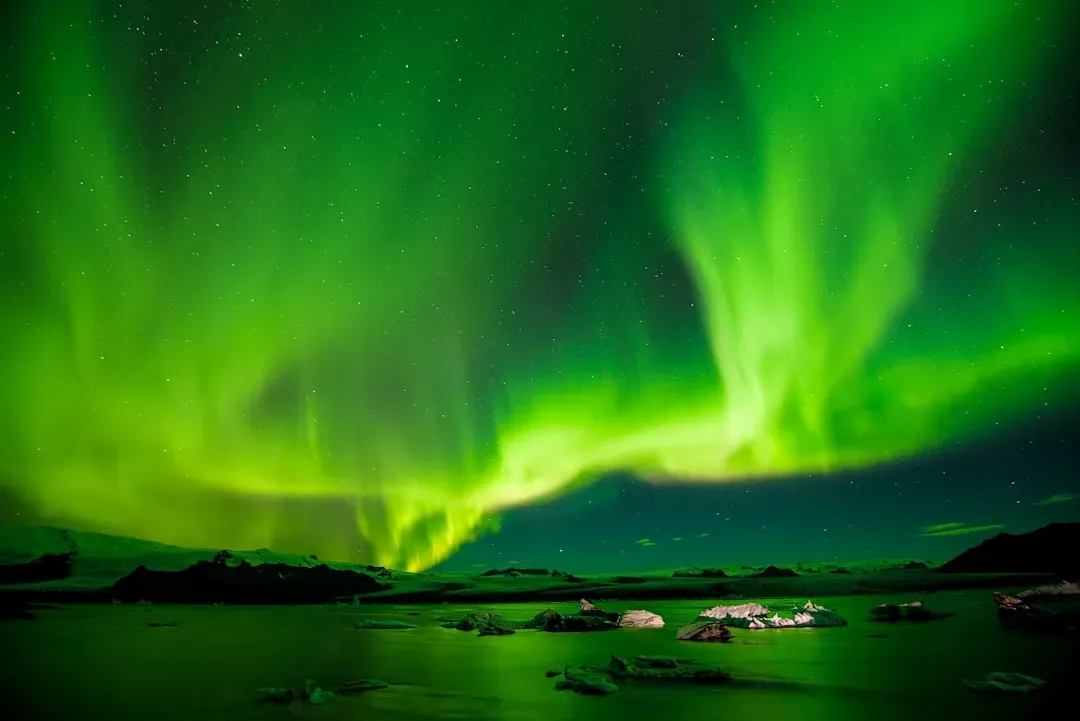
Seeing the aurora with your own eyes is one of those experiences that can rewire how you feel about the planet. The sky doesn’t just glow; it moves. Soft bands of green, sometimes brushed with pink, red, or violet, can ripple like curtains in a slow-motion wind. In strong displays, they can stretch from horizon to horizon, pulsing and twisting so quietly it feels like watching the Earth itself breathe. People often stand there with their mouths open, suddenly whispering without knowing why.
Auroras happen when charged particles from the Sun slam into Earth’s magnetic field and get funneled toward the polar regions, where they collide with molecules high in the atmosphere and make them glow. In places like northern Scandinavia, Canada, or Alaska, locals know that after a strong solar storm, the sky might erupt with color. Every now and then, a powerful event lets the aurora spill much farther south than usual, treating people who never thought they’d see it to an unforgettable, almost surreal show right from their backyard.
3. The Milky Way: Our Home Galaxy as a River of Stars
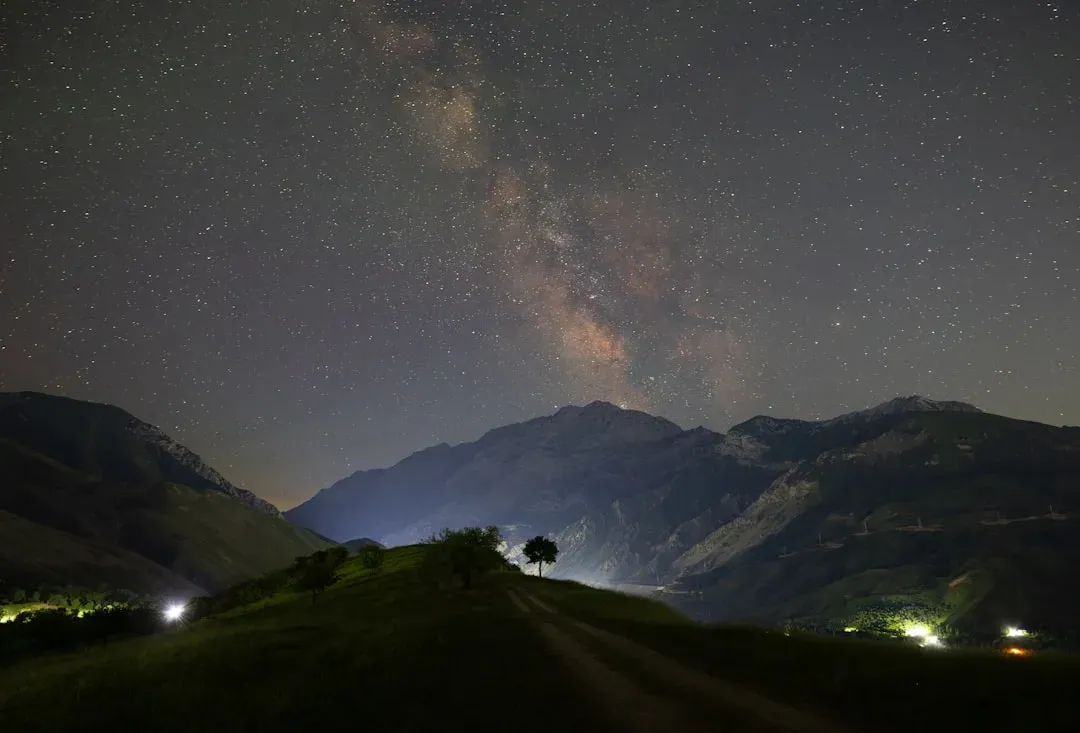
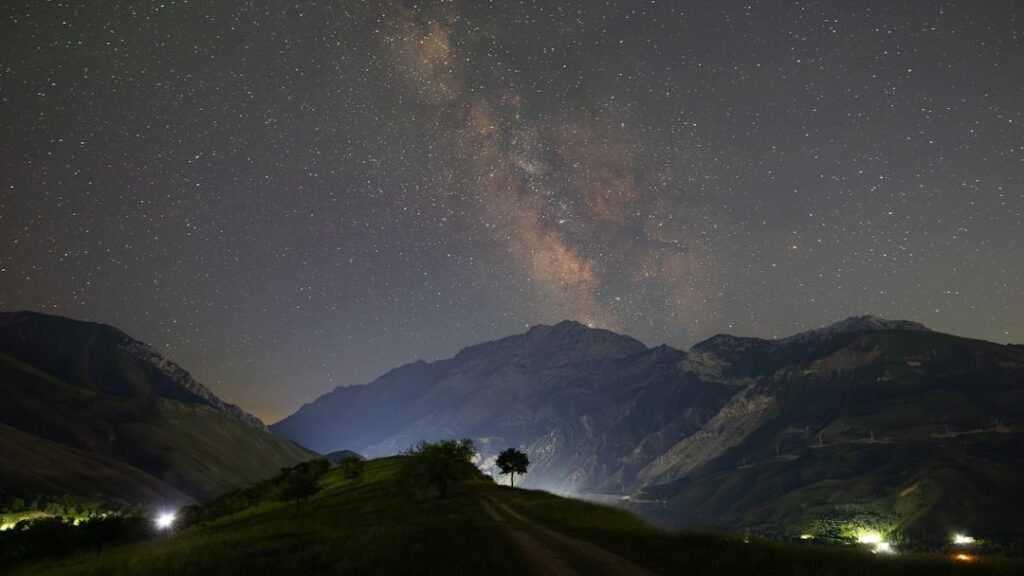
In a truly dark sky, the Milky Way doesn’t look like a neat band of dots; it looks like spilled milk or smoke stretching from one side of the sky to the other. Most people in bright cities have never really seen it, and that’s honestly a quiet tragedy. When I first saw the Milky Way from a remote campsite, it felt like the sky had texture, layers, and depth I’d never noticed before. It changes something when you realize you’re literally inside that glowing band – it’s not a thing up there, it’s home.
The Milky Way is our own galaxy seen from the inside, and that hazy band is made of countless stars, gas clouds, and dust lanes. To see it well, you need a moonless night, clear weather, and a spot far from artificial light. During certain times of year, especially in late summer for many northern locations, the central bulge of the galaxy climbs higher in the sky and becomes especially rich and detailed. Once you’ve seen it properly, even a simple star chart or sky app feels far more personal – you’re not just looking “at space,” you’re looking into the structure you live in.
4. Total Lunar Eclipses: The Moon Turns an Eerie Blood-Red
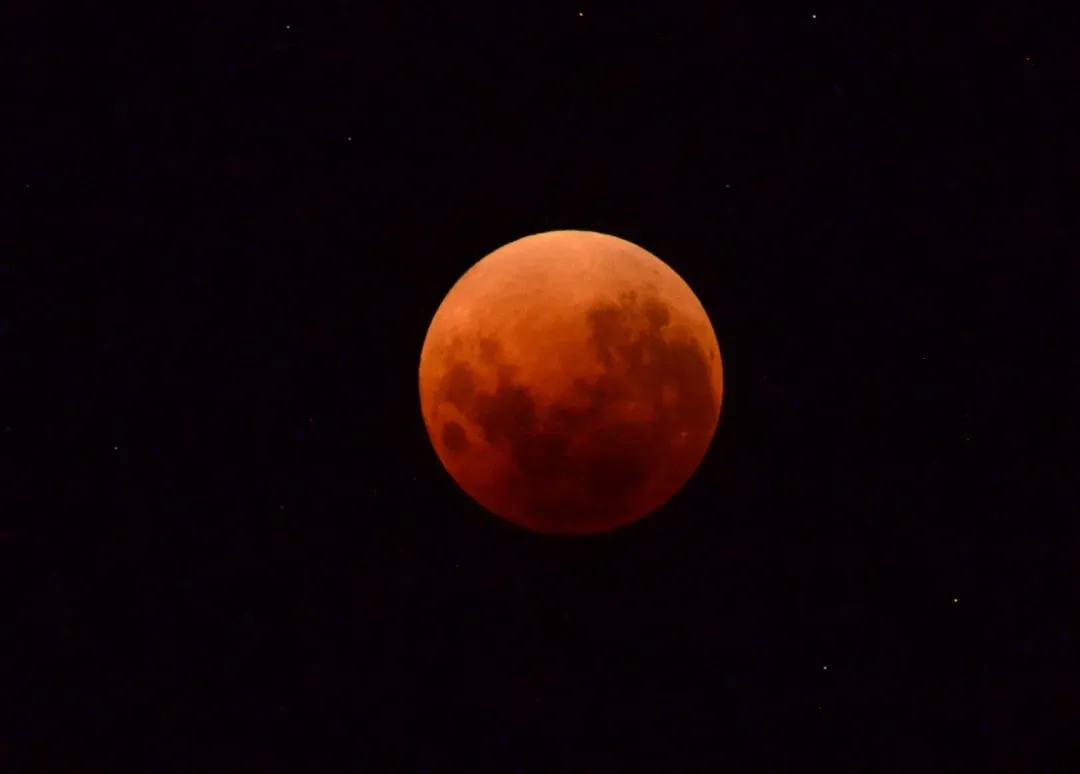
A total lunar eclipse is one of those events that feels a little unsettling the first time you really watch it. The familiar full Moon slowly gets bitten away, sliding into Earth’s shadow, and then instead of disappearing, it turns a deep, rusty red. For a little while, it hangs there like a dim ember, surrounded by stars that were hidden just an hour earlier. There’s something strangely intimate about seeing the Moon so dark and muted, yet still there, glowing with borrowed light.
The red color happens because sunlight passing through Earth’s atmosphere gets bent and filtered, with the redder tones sneaking around the planet and softly lighting up the Moon. Each eclipse looks a bit different depending on how dusty or cloudy our atmosphere is, sometimes appearing bright copper, other times a dark brick color. You don’t need special glasses to view a lunar eclipse, and that alone makes it wonderfully accessible. Grab a chair, maybe a pair of binoculars if you have them, and watch the transformation unfold over the course of a few hours like a slow, silent drama.
5. Planetary Alignments: When Worlds Line Up in Our Sky
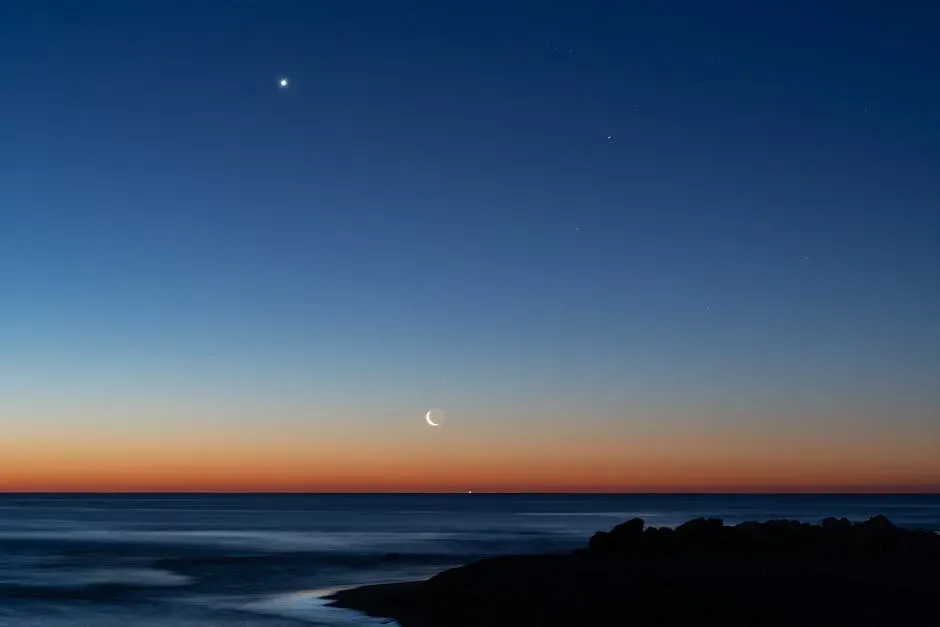
Every once in a while, you step outside before dawn or after sunset and notice something odd: a neat line of bright “stars” stretching across the sky. Those aren’t stars at all but planets, and when several of them gather on the same side of the Sun from our point of view, you get a planetary alignment. It doesn’t mean they’re literally stacked up in space, but in our sky they form a graceful arc that you can trace with your eyes. It feels like seeing the solar system laid out in front of you, simplified and almost diagram-like.
Bright planets like Venus, Jupiter, Mars, and Saturn are often visible without any equipment and can shine more strongly than almost any star. During a good alignment, an app or star chart can help you identify each one, and suddenly that tiny dot isn’t just a light – it’s an entire world. In recent years, several striking alignments have drawn people outside at unusual hours, phones in hand, pointing out which planet is which. It’s a reminder that we’re part of a family of worlds circling the same star, all moving in a cosmic dance that occasionally lines up just right for us to appreciate.
6. Bright Conjunctions: When Planets Seem to Almost Touch
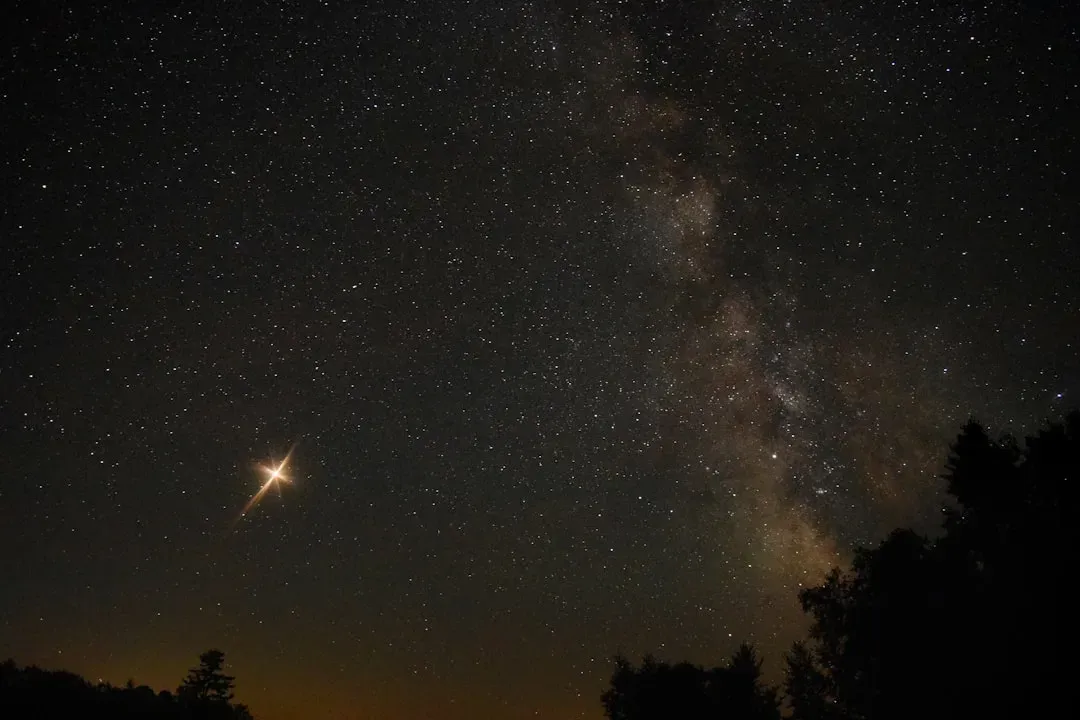
Conjunctions are like the close-up, more intimate cousins of planetary alignments. Instead of a long string of planets, you get two or sometimes three shining objects huddled close together in a tight knot of light. A bright conjunction between Venus and Jupiter, for example, can look almost like a double “star” hanging over the horizon, drawing your eye even if you weren’t planning to do any stargazing. It’s the sort of thing that makes casual skywatchers text friends asking, “Did you see that bright pair tonight?”
These events happen because, from our perspective on Earth, the planets occasionally pass near each other in the sky as they orbit the Sun at different speeds. The effect is purely visual – they’re still separated by enormous distances in space – but the impression is powerful. When a crescent Moon joins the scene and hangs just below or above the planets, the whole arrangement can look almost staged, like some perfect logo hanging in the twilight. No telescope is needed, just a reasonably clear view of the sky and a few minutes spent paying attention instead of scrolling.
7. The Zodiacal Light: A Ghostly Glow Before Dawn or After Dusk

The zodiacal light is one of those subtle sky phenomena that many people have seen but didn’t know they were seeing. In very dark conditions, about an hour before sunrise or after evening twilight, you may notice a faint, triangular glow stretching up from the horizon along the path where the Sun and planets travel. It almost looks like a weak, tilted beam from a giant flashlight just below the horizon. Because it’s so gentle and diffuse, your brain might shrug it off unless someone points it out.
This ghostly glow comes from sunlight scattering off countless tiny dust particles spread out in the inner solar system. You can think of it as a thin veil of cosmic dust, faintly illuminated by the Sun from below the horizon. You’ll have the best chance to see it in spring mornings and autumn evenings in many mid-latitude locations, far from city lights. Once you spot it clearly, it becomes one of those insider sights – you’ll never look at a clear pre-dawn sky quite the same way again.
8. The Gegenschein: A Subtle, Almost Secret Patch of Light
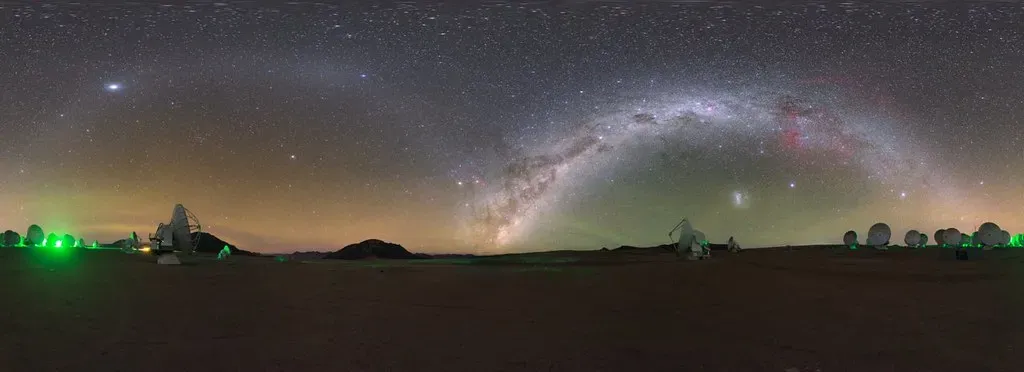
If the zodiacal light is subtle, the gegenschein is downright shy, only revealing itself to those who chase truly dark, pristine skies. It appears as a very faint, slightly brighter patch of light opposite the Sun in the night sky, roughly along the same path the Sun follows during the day. Most people never notice it, even if they stand under it, because it’s so delicate and easily washed out by any hint of light pollution or moonlight. Spotting it can feel like solving a quiet, cosmic puzzle.
The gegenschein is also caused by sunlight scattering off interplanetary dust, but in this case the dust is directly opposite the Sun from our point of view, which makes the reflected light just a bit stronger. You need a moonless night, an area with minimal artificial lighting, and patience to let your eyes adapt fully to the darkness. Experienced observers sometimes talk about it as a sort of secret badge of honor: once you’ve learned to see it, you’ve crossed into a deeper level of sky awareness where even the faintest features start to stand out.
9. Iridium Flares and Satellite Trains: Sudden Glints from Human-Made Objects
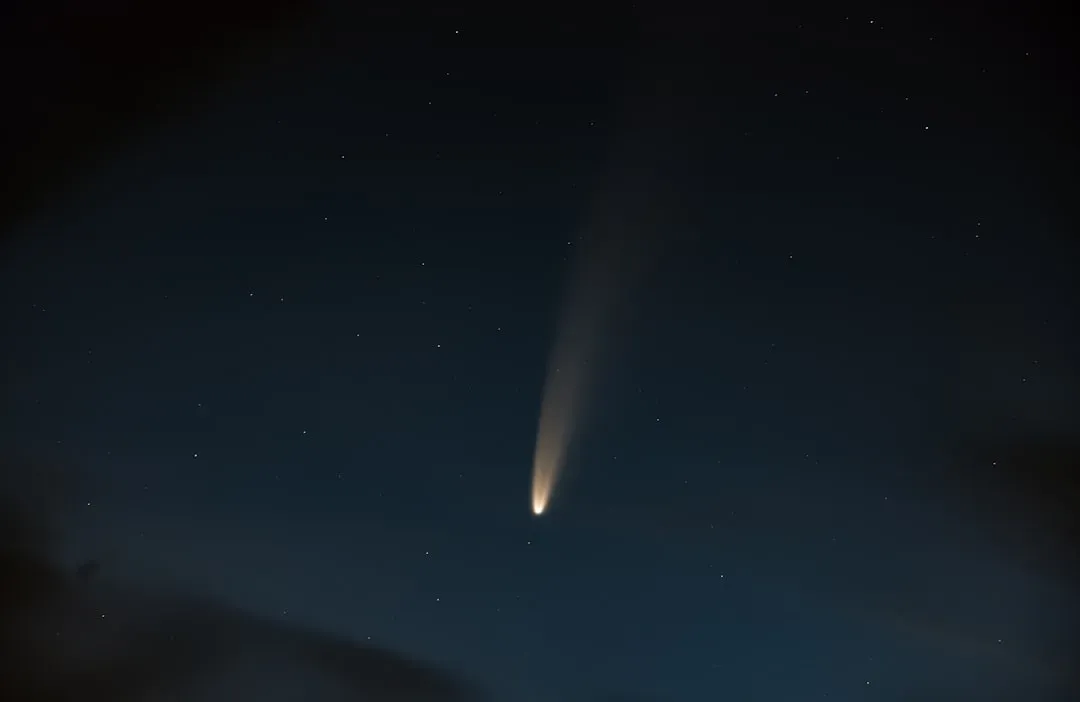
Not every breathtaking thing in the night sky is natural, and sometimes the human-made ones are just as startling. For years, flares from certain communication satellites would briefly outshine almost every star, appearing suddenly as a bright point that grew, peaked, and faded in a matter of seconds. While those classic flares are less common now due to satellite retirements and design changes, glints from other spacecraft and passing satellites are still very much a thing. One moment the sky is calm; the next, a point of light surges and slips away, like a wink from orbit.
In the last several years, long chains of newly launched satellites have also created dramatic “trains” of bright dots sliding across the sky in formation. They can be mesmerizing but also controversial, because they add clutter to the natural darkness that astronomers and sky lovers cherish. Still, watching a line of moving lights march across the stars drives home the idea that space is no longer just a distant backdrop – it’s a place we actively occupy and shape. It’s both awe-inspiring and a little sobering, a reminder that our presence now extends well beyond the ground beneath our feet.
10. Occultations: When One Celestial Object Hides Another
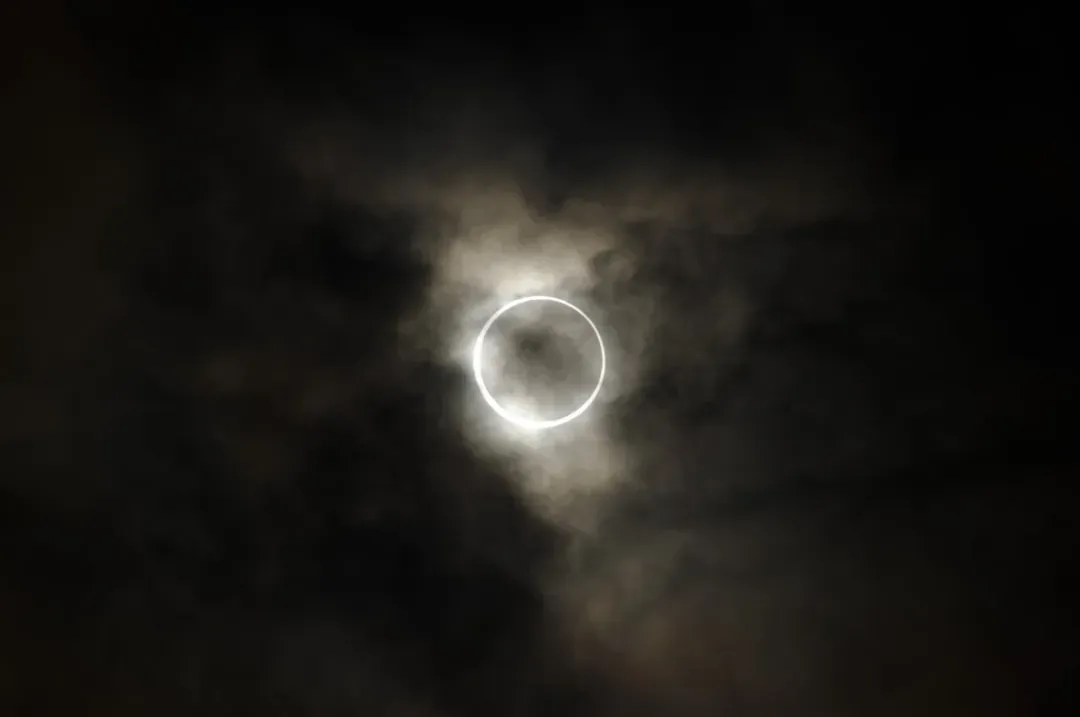
Occultations are like tiny, precise magic tricks in the sky: one object passes directly in front of another, and for a brief moment the more distant one simply vanishes. The most dramatic and accessible are lunar occultations, when the Moon glides in front of a bright star or planet. With a bit of planning and clear skies, you can watch that planet approach the Moon’s edge and then snap out of sight as if someone flipped a switch. Later, it pops back out from the other side, just as suddenly. It feels oddly physical, like watching a pebble roll behind a distant hill.
These events are all about timing and position; from one part of Earth an occultation might be visible, while just a few hundred kilometers away it’s not. Astronomy organizations and apps publish detailed predictions, so you can know exactly when and where to look. Some occultations of stars by asteroids are used by scientists to map the shapes of those space rocks, but for a casual observer, the simple thrill is enough. It’s one of the clearest demonstrations that these lights in the sky are real, solid objects moving in predictable paths, not just static decorations pinned to a dome.
The night sky is never just a blank ceiling; it’s a living stage where light, dust, gas, and gravity all collaborate to surprise anyone willing to step outside and look up. You don’t need expensive gear or advanced knowledge – just curiosity, a bit of patience, and maybe a slightly later bedtime than usual. If you were to pick one of these phenomena to try to catch this year, which one would you want to see with your own eyes?