
Imagine standing in a forest where everything looks perfectly still, yet a thousand frantic conversations are happening all around you – and you can’t hear a single one. Animals are constantly “talking,” but a lot of that talk doesn’t involve barks, chirps, roars, or songs. Instead, it happens through light, color, chemicals, electricity, posture, and even vibrations we can’t feel. Once you start noticing it, the silent side of nature feels almost supernatural.
What makes this world so fascinating is how wildly creative evolution gets when sound isn’t the best option. In dark oceans, noisy jungles, or wide open deserts where a call might alert predators, animals have invented secret channels of communication that would put any spy agency to shame. Let’s dive into some of the strangest, most surprising ways animals “speak” without ever making a sound.
1. Fireflies Flirting With Light Signals
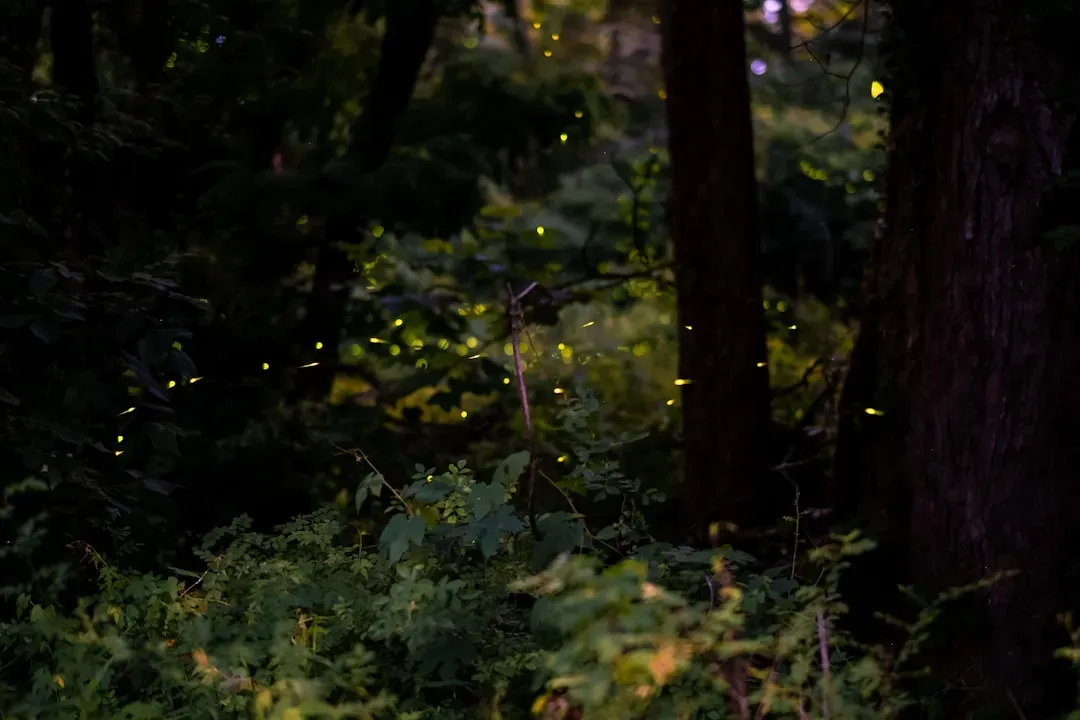
On a warm summer night, a meadow full of blinking fireflies looks peaceful and magical, but it’s actually a high-stakes light show of romantic messaging. Each species of firefly has its own flashing pattern, a kind of Morse code that helps males and females of the same species find each other in the dark. A male might fly low over the grass, sending a repeating pattern of light, while a female waits on a stem and flashes back only if she likes what she “sees.”
Things can get surprisingly dark in this cute little love story. Some predatory fireflies mimic the flash patterns of other species to lure males in, only to eat them when they approach. In crowded habitats, dozens of species might be blinking at once, creating a visual traffic jam of signals that need to stay distinct to avoid confusion. It’s like a nightclub where everyone’s flirting with laser pointers instead of words – and some of those lasers are bait for an ambush.
2. Ants Leaving Invisible Scent Highways
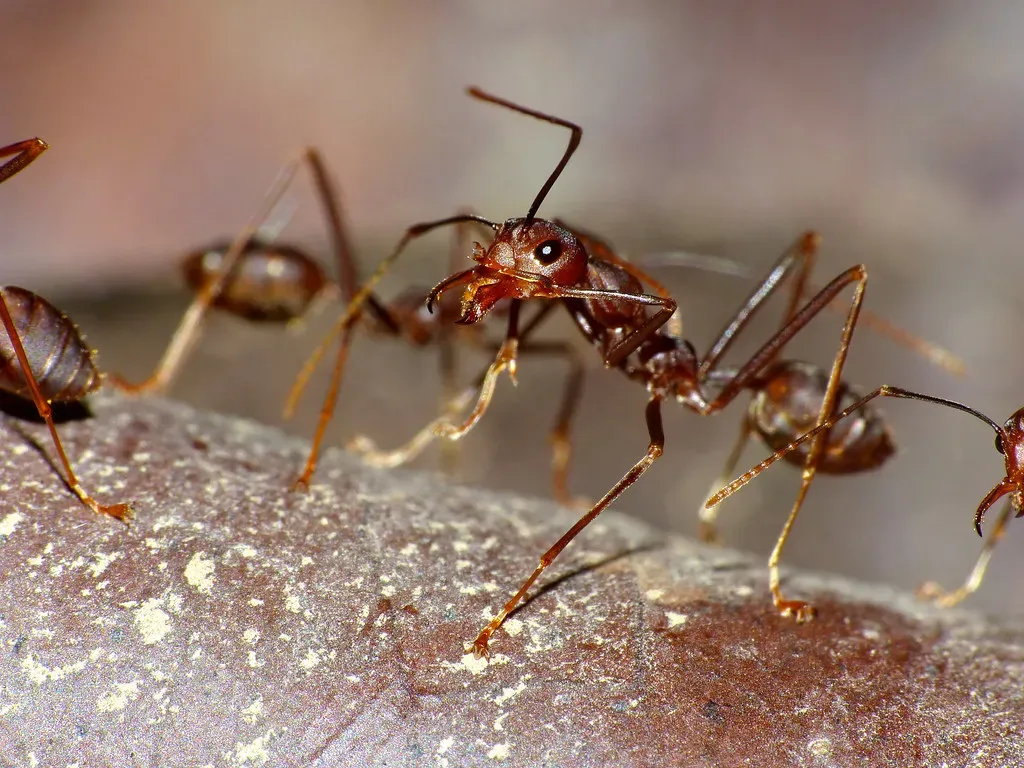
To us, a line of ants marching across the kitchen counter looks like mindless routine, but to them, it’s following a carefully laid scent map. Ants use chemical trails, called pheromones, to mark paths to food, new nest sites, and even to coordinate attacks or defense. When a worker ant finds something valuable, it heads back toward the nest while laying down a scent line, and other ants then follow and reinforce that same chemical road. The stronger the smell, the more important the path becomes.
What blows my mind is how flexible this system is: if the food disappears or the path is blocked, the chemical trail fades, and the ants shift to more promising routes almost like a traffic app rerouting cars. Different pheromones can signal alarm, recruitment, or even “do not enter” messages after encountering danger. We see only a chaotic swarm, but they’re basically following a constantly updating, invisible group chat written entirely in smells.
3. Cuttlefish Using Living Screensavers on Their Skin
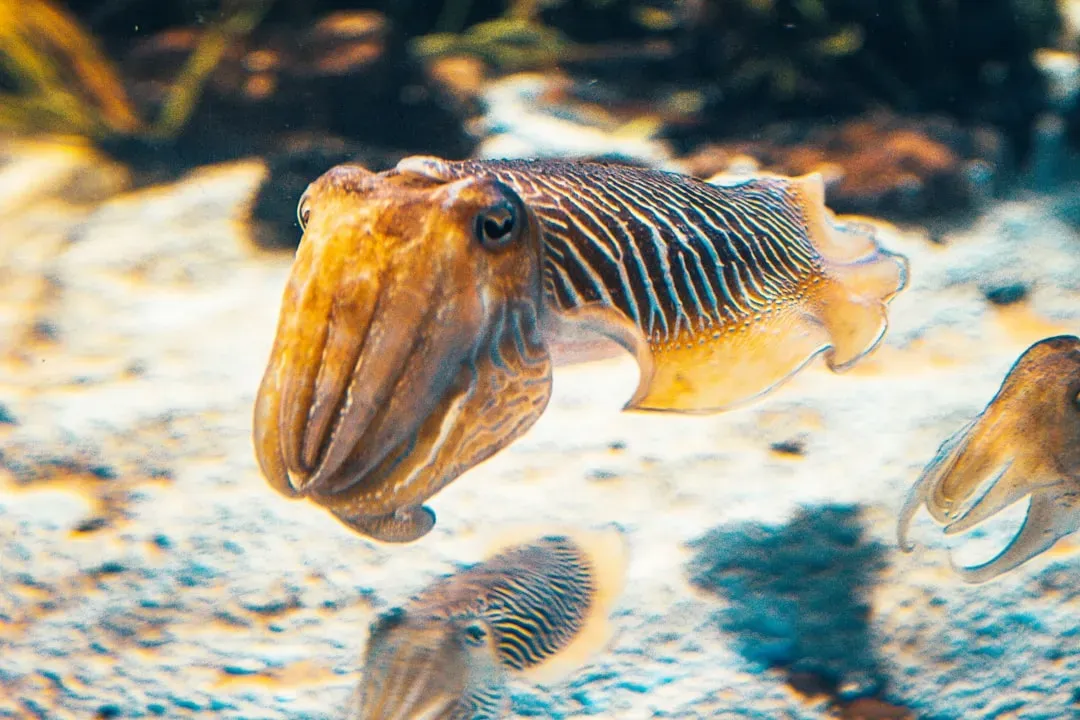
Cuttlefish don’t just change color; they broadcast. Their skin is packed with special cells that can switch hues, patterns, and even texture in a split second, turning the animal into a living billboard. During mating season, males display bold, high-contrast stripes and patterns to impress females and warn off rivals, almost like they’re wearing a rapidly shifting neon suit. These displays can say, “Back off, I’m taken,” or “Look how strong and healthy I am,” without a single sound.
One of the wildest things researchers have seen is males sending different messages on each side of their body at the same time. They can show a threatening pattern to a rival male on one side, while presenting a more romantic, courtship design to a female on the other side. It’s the animal equivalent of texting two people completely different things while keeping a straight face. For a creature without a voice, that level of visual multitasking is almost unsettlingly clever.
4. Bees Dancing Detailed Directions
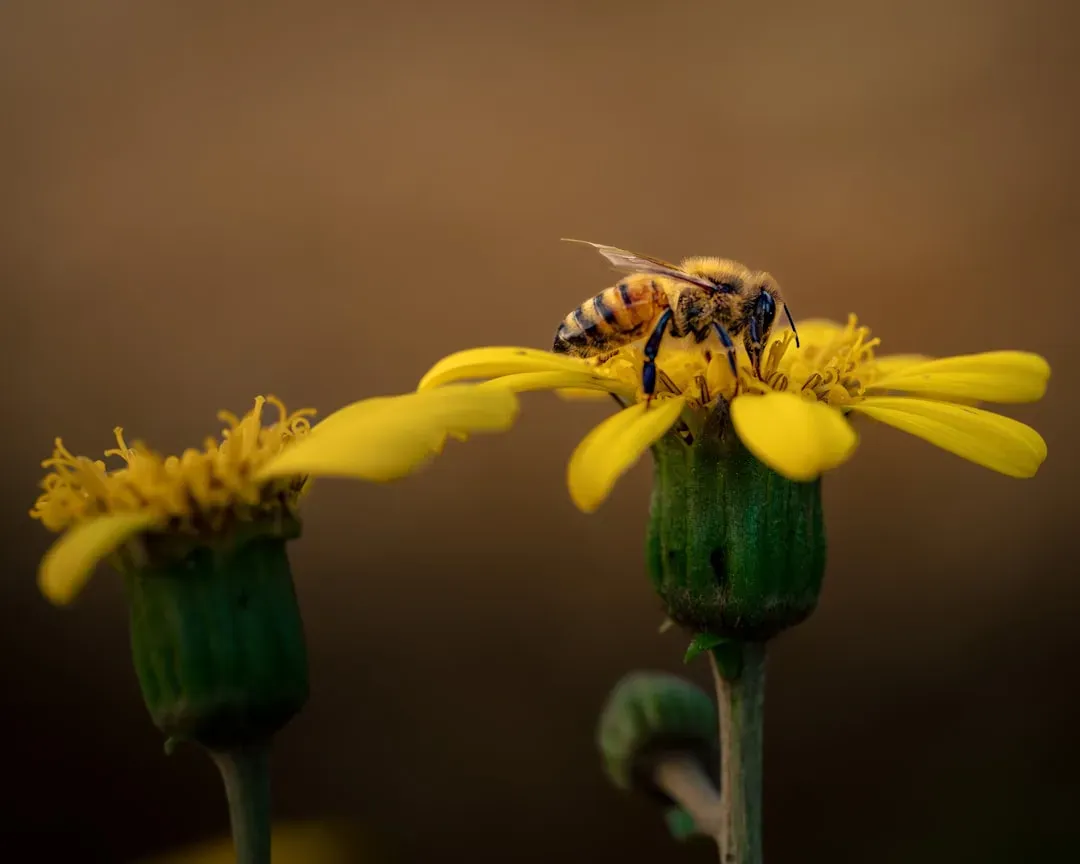
Honeybees don’t need GPS or maps; they literally dance to tell each other where to go. When a forager bee finds a rich source of nectar or pollen, she returns to the hive and performs a “waggle dance” on the honeycomb. The angle of the dance relative to gravity, the intensity of the waggle, and the number of repetitions all encode information about distance and direction from the hive to the food source. The other bees crowd around her, feeling the vibrations through their legs and antennae.
It sounds almost too sci‑fi to be real, but countless experiments have confirmed that bees can follow these silent instructions with shocking accuracy, even when the food source is hundreds of meters away. They can update the dance if the conditions change, like if flowers start running low or the weather shifts. I always think of it as an old-school, analog navigation system: no satellites, no screens, just a tiny insect shaking its body while everyone else “reads” the signal through touch.
5. Electric Fish Sending Secret Currents
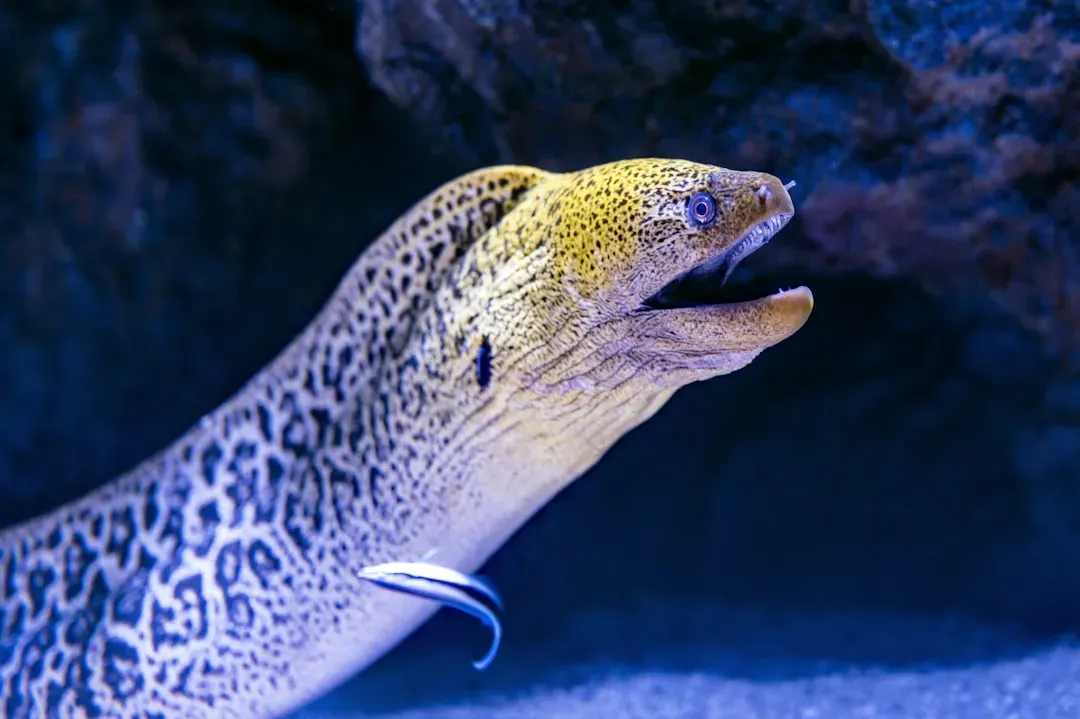
In some murky rivers of Africa and South America, certain fish are constantly pulsing weak electric fields through the water, like a never-ending silent broadcast. These weakly electric fish use specialized organs to generate electricity and equally specialized receptors to sense changes in those fields. They use this ability to navigate and locate objects, but they also modulate their electrical pulses to communicate with nearby fish of their own species. Subtle shifts in frequency and pattern can indicate identity, sex, dominance, and even mood.
When two electric fish meet, they can enter a kind of electrical negotiation, adjusting their pulses so they don’t interfere with each other, almost like changing radio stations to avoid static. Some species produce rapid bursts when threatened or when courting, sending a message that rivals and potential mates can easily pick up. To us, the water looks completely calm and quiet, but underneath that surface, it’s buzzing with layered electric chatter that you’d never guess was there.
6. Deep-Sea Creatures Flashing Bioluminescent Messages
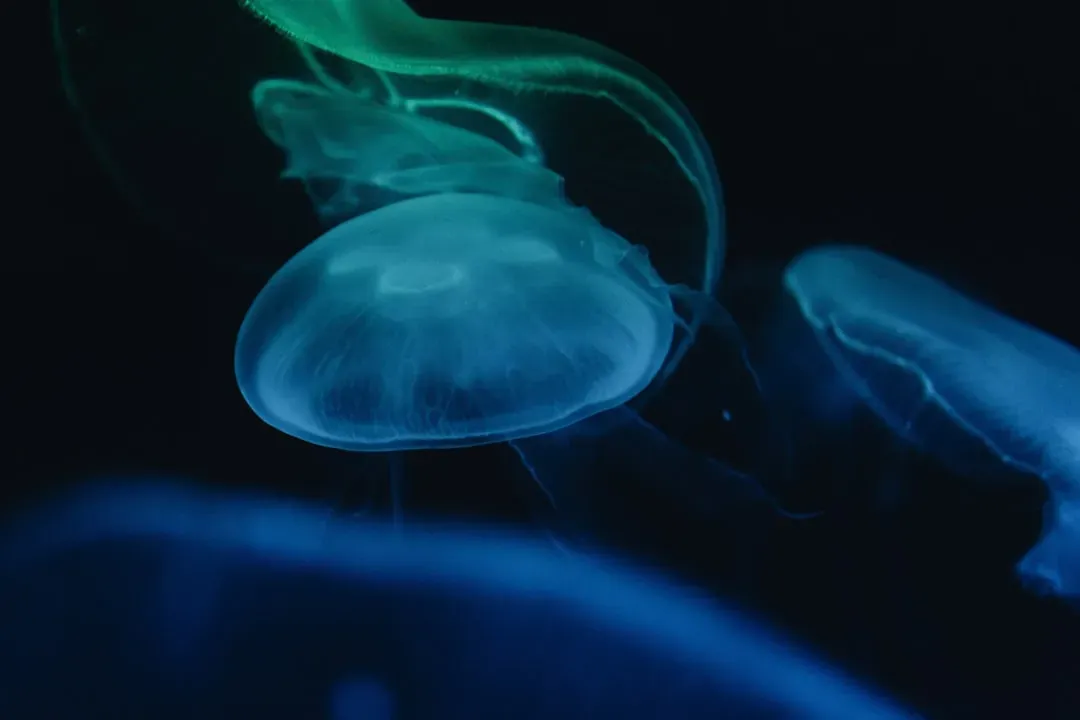
In the deep ocean, where sunlight never reaches, light itself becomes a rare and powerful language. Many deep-sea species – from tiny shrimp to massive squid – produce their own light through bioluminescence, using chemical reactions in special organs. They can flash, pulse, and even shape their glowing patterns to send signals about identity, size, or intent. A scattered flicker might serve as a casual “I’m here,” while specific rhythms can help males and females of the same species find each other in the blackness.
At the same time, bioluminescent displays can be incredibly sneaky. Some prey species will suddenly flash a bright burst, not to scare off a predator, but to attract an even bigger predator that might attack their attacker, turning the tables in an instant. Others use glowing lures that mimic food to draw victims close. It’s a light show that mixes flirting, disguise, and betrayal, all in absolute silence, in a world where a single blue-green spark may be the only visible thing for many meters around.
7. Lizards and Birds Flashing Hidden Colors
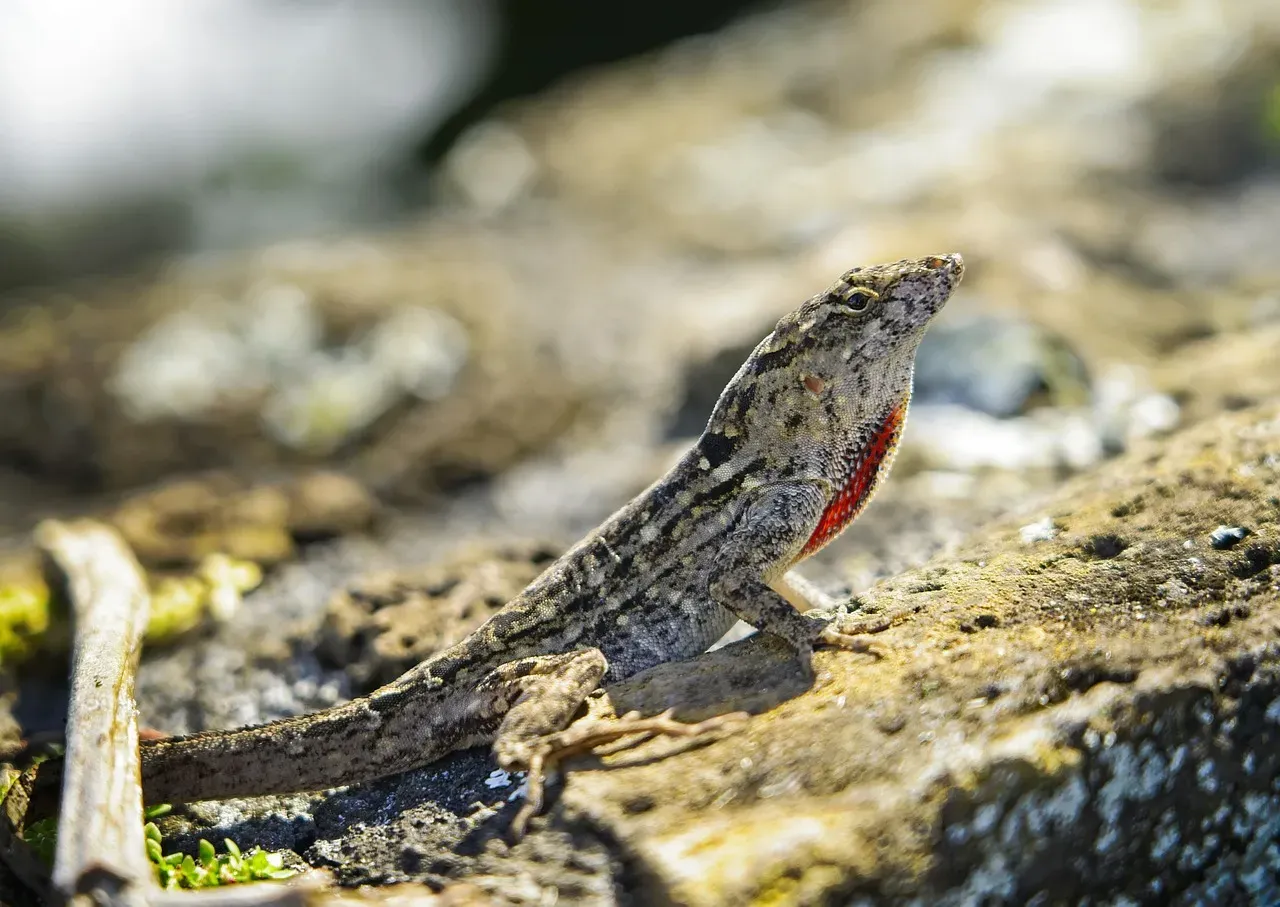
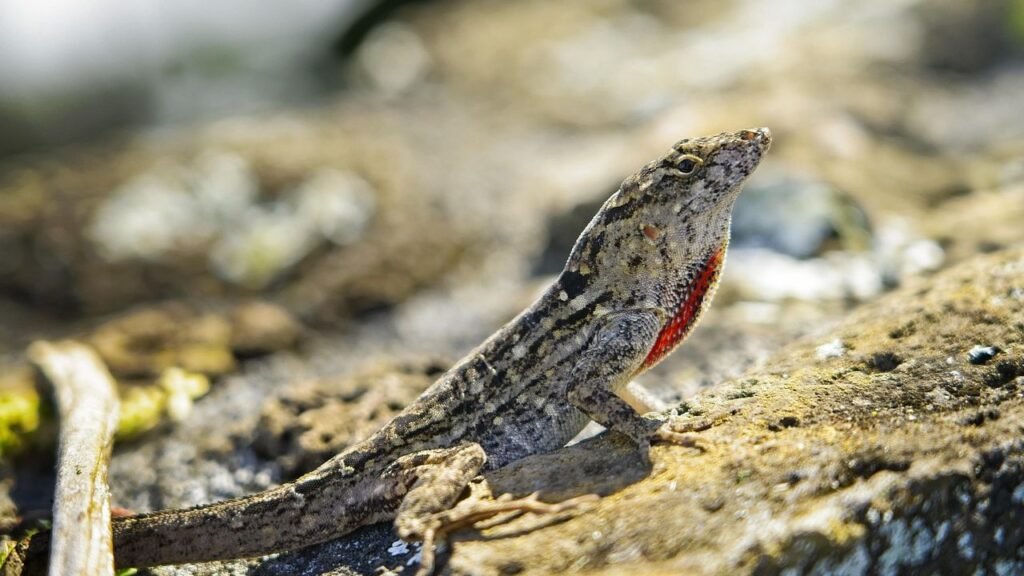
Plenty of animals look plain at first glance, only to reveal bold color signals when they need to make a point. Many lizards, like anoles, have bright throat fans called dewlaps they can suddenly extend to signal territory, aggression, or courtship. To a passing predator, a lizard pressed against a tree might seem nearly invisible, but to a rival male or a potential mate, that sudden blaze of color is impossible to miss. It’s like wearing a reversible jacket: camouflage on one side, billboard on the other.
Certain birds use a similar strategy with iridescent feathers that only flash under the right light or angle. A bird that looks dull brown from the side might explode into shimmering greens or purples when facing the sun during a mating display. These visual signals work best at close range and specific positions, so they can be surprisingly private – meant for one audience and nearly invisible to everyone else. It’s quiet communication with built‑in privacy settings, long before anyone thought of encrypted messages.
8. Spiders Strumming Webs Like Silent Guitars
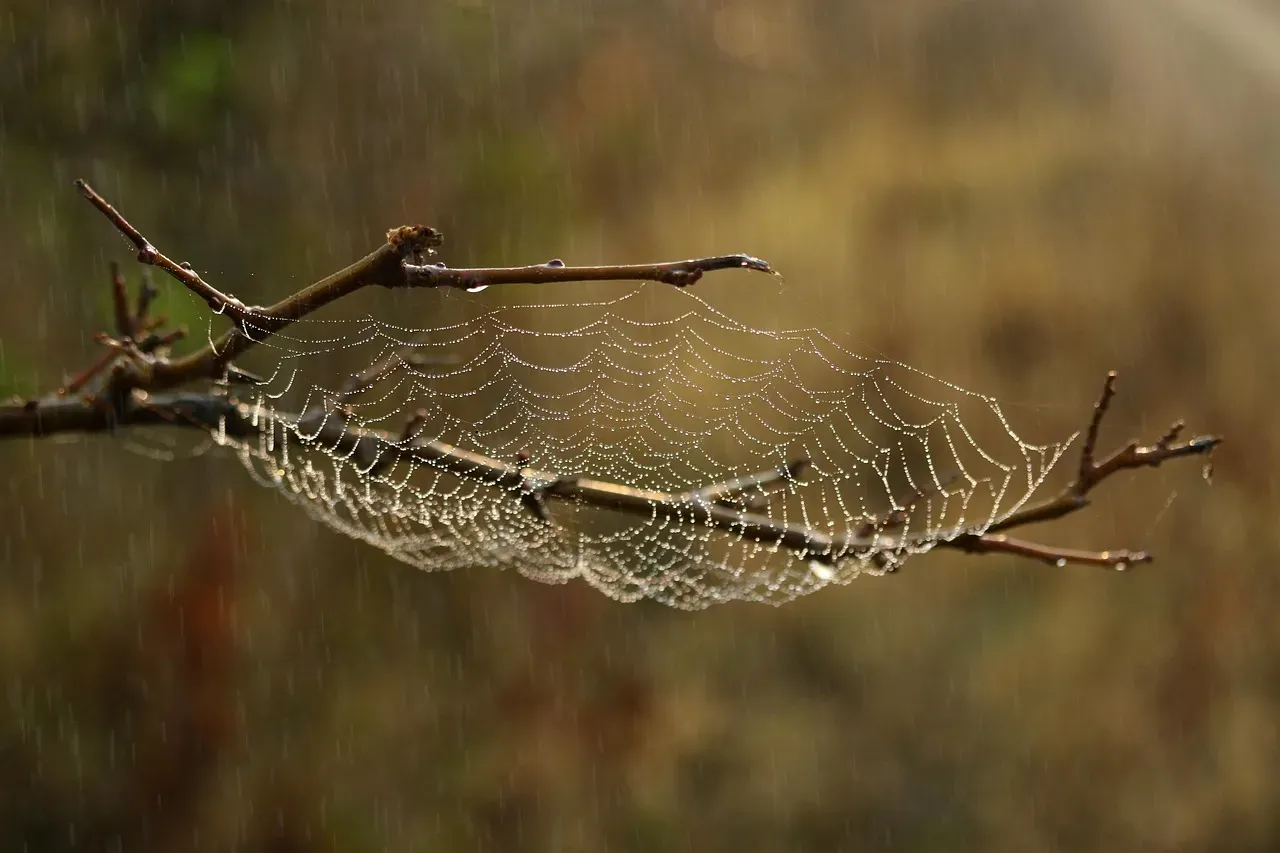
For web-building spiders, the silk isn’t just a trap; it’s also a communication line humming with information. When an insect hits the web, vibrations travel through the threads, and the spider can tell not only that something is caught but often what kind of creature it is and where exactly it’s struggling. Different types of movements can signal danger, like another spider or a predator, prompting a different response. The web becomes a kind of silent drum that the spider reads through its highly sensitive legs.
Some male spiders take this a step further by performing special vibration “songs” on a female’s web when they approach, carefully plucking and tapping to show they’re not prey and hopefully not a snack. The patterns and rhythms of these vibrations can influence whether the female accepts or attacks them. To us, a spider just sits there, completely still in the center of its web, but in reality it’s constantly listening to a complex language of tremors and twitches that we never hear or feel.
9. Chemical Love Letters and Warnings in Moths and Mammals
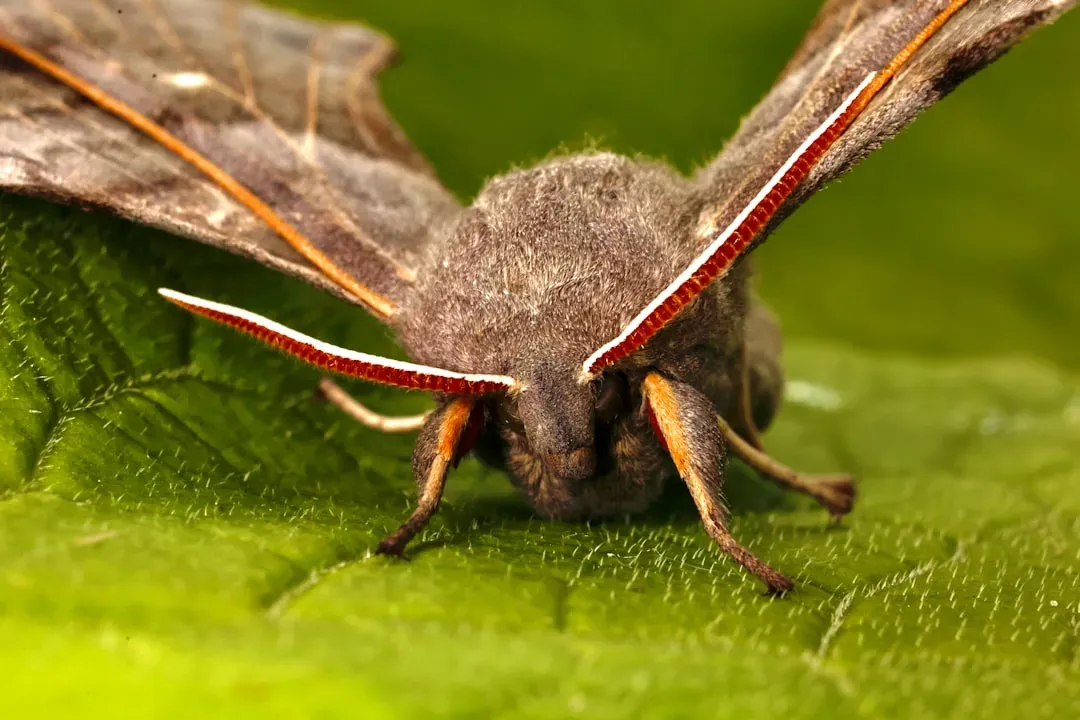
Many animals use smell not just for finding food, but for delivering incredibly specific messages about who they are and what they want. Female moths, for example, release powerful sex pheromones that males can detect from staggering distances, sometimes over a kilometer away. A single molecule drifting on the breeze can be enough to send a male zigzagging through the air, following an invisible trail through the dark. It’s like leaving a scented love letter that only one species can read.
Mammals do something similar on the ground: think of cats rubbing their faces on furniture or dogs obsessively sniffing fire hydrants. They’re not just being weird; they’re reading and writing a chemical noticeboard about territory, reproductive status, and even individual identity. These scent markers can linger long after the animal has gone, extending the conversation over time in a way sound never could. The result is a slow-motion, silent dialogue written in invisible chemical ink that shapes where animals move and how they interact.
10. Octopuses Talking With Color, Texture, and Body Language
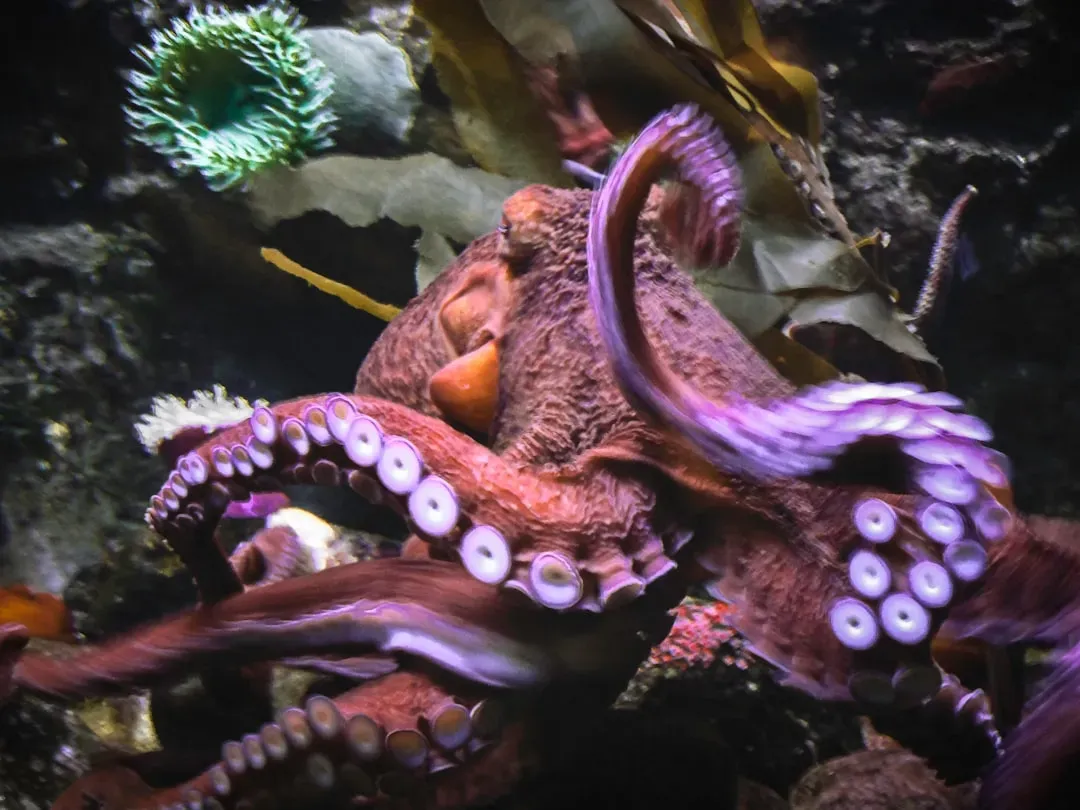
Octopuses might be the ultimate silent communicators, using an incredible mix of color changes, skin texture, and body posture to “speak” to each other and react to their surroundings. Their skin is loaded with pigment cells and tiny reflectors that can instantly shift from smooth, pale patterns to rough, dark, or even mottled designs. During social encounters, different patterns can signal aggression, submission, curiosity, or courtship, sometimes flashing and rippling across the body like emotional weather fronts.
They back this up with dramatic body language: spreading their arms wide, raising their mantle, or curling into tight shapes to appear bigger, smaller, more threatening, or more approachable. I remember the first time I saw video of an octopus turning almost white on one side and dark on the other while dealing with two different animals at once; it felt like watching someone switch moods mid-sentence. Without a single sound, an octopus can tell the world exactly how it feels, what it wants, and whether you should come closer or stay very, very far away.
Once you start paying attention, it’s almost unsettling to realize how much is being “said” around us without any sound at all. Light pulses in the night, scent trails on the ground, tremors in spider webs, and tiny electrical fields in murky water all carry messages that matter deeply to the animals sending and receiving them. For them, communication is not limited to voices; it’s built into skin, scent glands, muscles, and even electricity-generating organs.
It makes human communication suddenly feel a bit one-dimensional by comparison, like we’ve been listening to just one instrument in a giant orchestra. The next time you see an insect flash, a lizard flare its throat, or a dog pause to sniff a lamppost for way too long, it might be worth wondering what silent story is unfolding right in front of you. What hidden conversations do you think you’ve walked past today without even noticing?