
Have you ever wondered what secrets lie buried beneath our feet? Every year, archaeologists unearth objects and monuments that completely defy logical explanation. Some discoveries are so strange they make you question everything you thought you knew about ancient civilizations. The truth is, our ancestors were far more mysterious than history books let on.
What makes these findings truly captivating isn’t just their age or beauty. It’s the fact that despite modern technology and decades of research, experts still can’t agree on why they exist or how they were created. Let’s dive into ten of the most perplexing ancient mysteries that continue to baffle scientists around the world.
The Antikythera Mechanism: Ancient Greece’s Impossible Computer
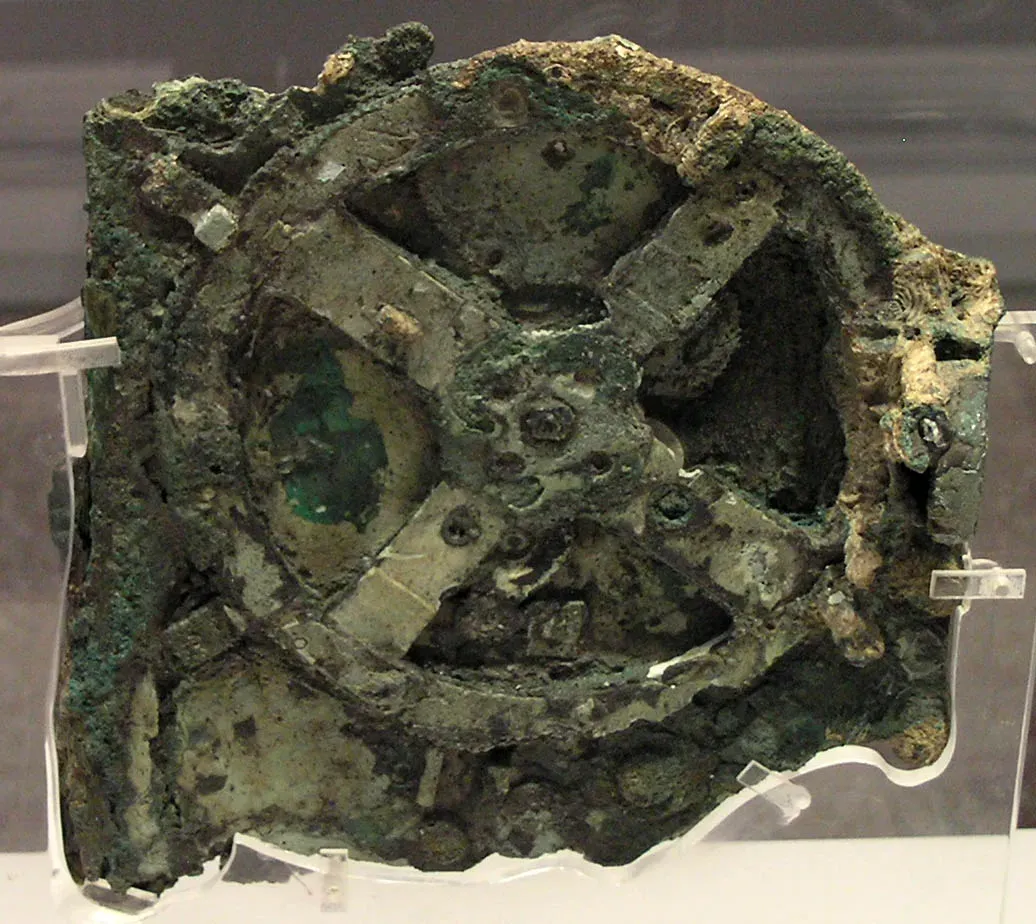
In 1901, divers exploring a shipwreck near the Greek island of Antikythera discovered what appeared to be a corroded lump of bronze gears. Nobody could have predicted that this rusty artifact would turn out to be one of the most mysterious archaeological discoveries of all time due to its complexity.
What at first looked like a rusted pile of gears ended up being one of the most advanced pieces of technology from the ancient world ever found. The device contains at least 30 bronze gears and other components that worked together in ways that shouldn’t have been possible over two thousand years ago. The intricate layout of gears witnessed within it appears to be part of a sun and moon tracking device, allowing its users to calculate upcoming events like eclipses, but its exact purpose is still unknown. Even more puzzling: it is technically more complex than any known device for at least a millennium afterwards.
Gobekli Tepe: The Temple That Rewrites History
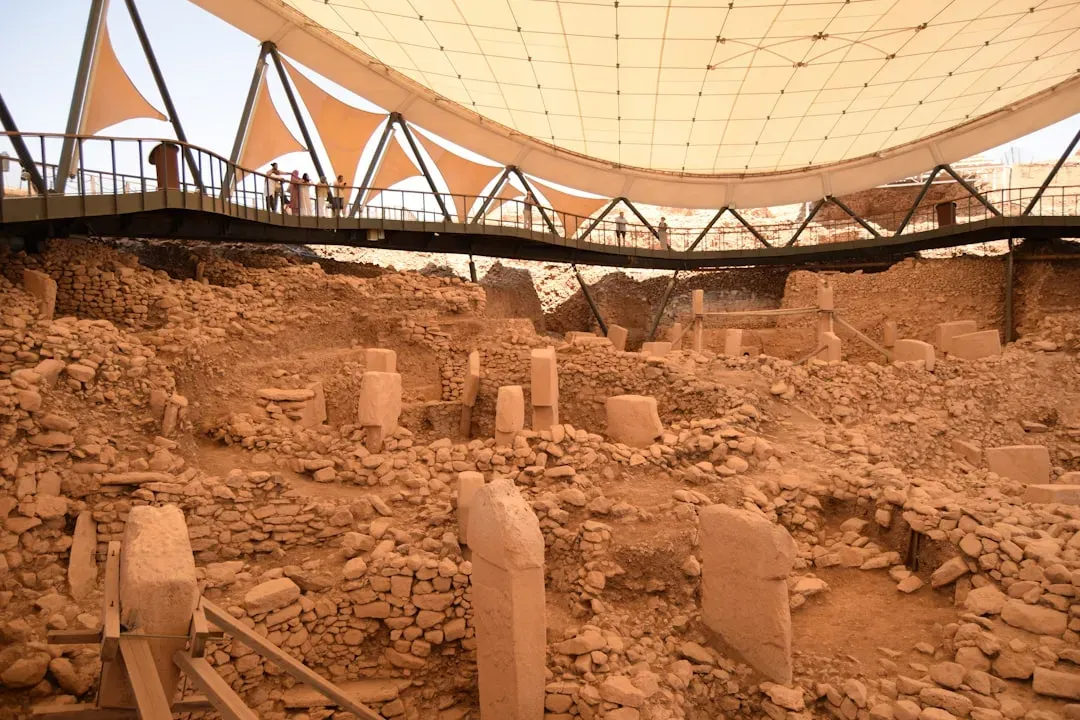
In the rolling hills of southern Turkey sits a structure that has completely upended our understanding of prehistoric humans. Gobekli Tepe, found in southern Turkey near the city of Şanlıurfa, dates back 12,000 years ago. Think about that for a moment. This massive stone complex was built thousands of years before humans were supposed to have the organizational skills or motivation to create such monuments.
This archaeological site is more than 11,000 years old, thousands of years before Stonehenge was built, and probably holds a ceremonial center with massive stone pillars elaborately carved. The really shocking part? Recent discoveries have challenged the belief that complex societies emerged only when people started practicing agriculture. Gobekli Tepe suggests that our hunter-gatherer ancestors were far more sophisticated than anyone imagined. The site forces us to completely rethink what prehistoric humans were capable of achieving.
The Nazca Lines: Peru’s Desert Canvas
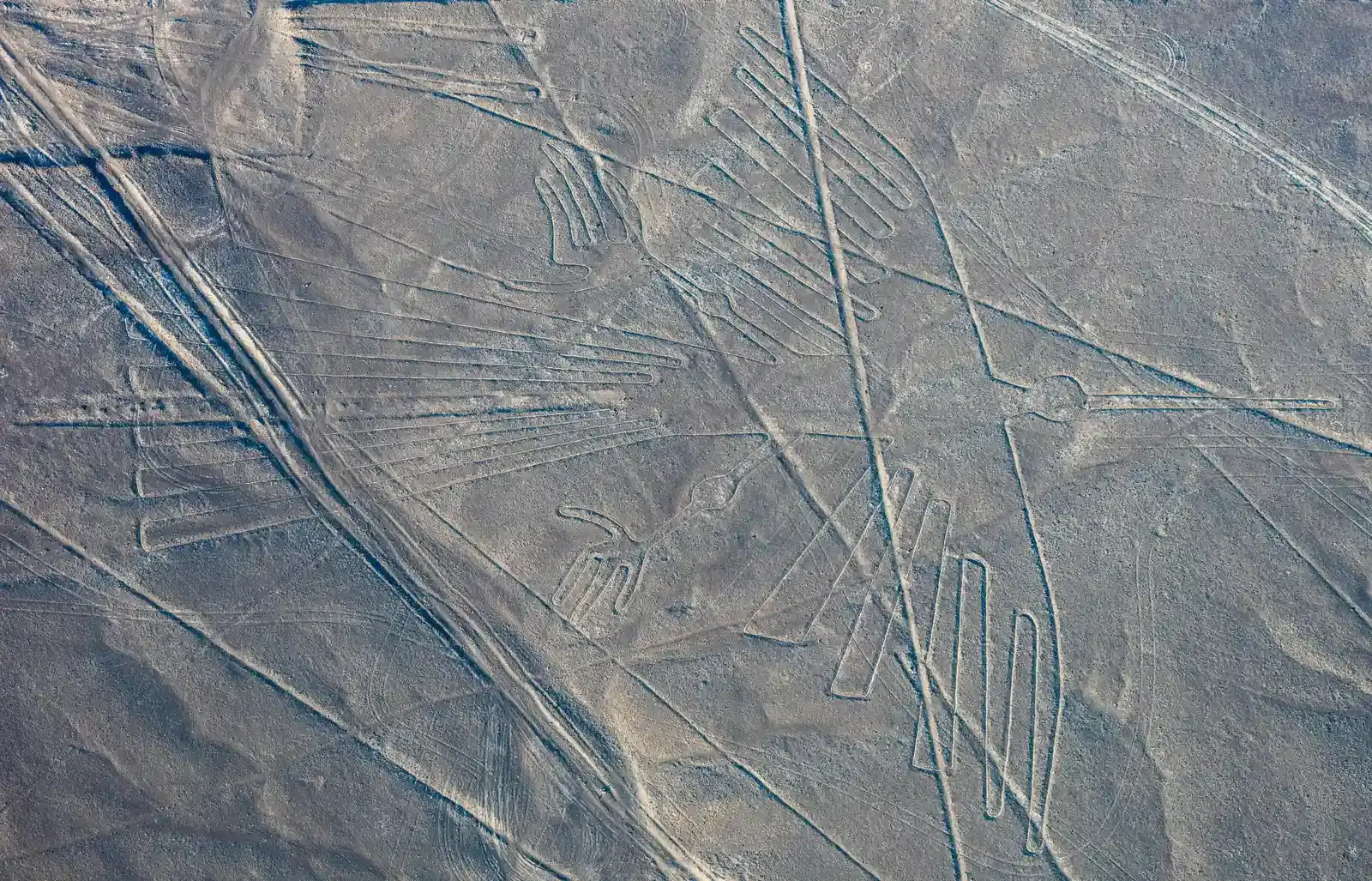
Flying over the arid plains of southern Peru reveals something absolutely mind-boggling. Stretching across the landscape are enormous drawings etched into the desert floor, some measuring hundreds of feet long. Between AD 1 and 700, the Nazca people of Peru carved 12 to 15 inches out of rust-colored rock, revealing the lighter-colored stone in deeper layers, creating massive in-ground pictures of animals, plants, humans and geometric shapes that are best seen from an airplane.
Here’s where it gets weird. These designs can only be fully appreciated from the air, yet they were created by a civilization without flight technology. Some outlandish theories suggest the carvings point to aliens or ancient astronauts, but researchers can’t agree on some of the more realistic theories, either, with initial scholars suggesting the Nazca Lines were connected to astronomy, while recent theories argue they were used for begging rain from the gods. The precision required to create such massive artworks that maintain their proportions when viewed from above remains absolutely baffling. Why would an ancient culture invest so much effort into something they could never see properly themselves?
Stonehenge: Britain’s Enduring Enigma
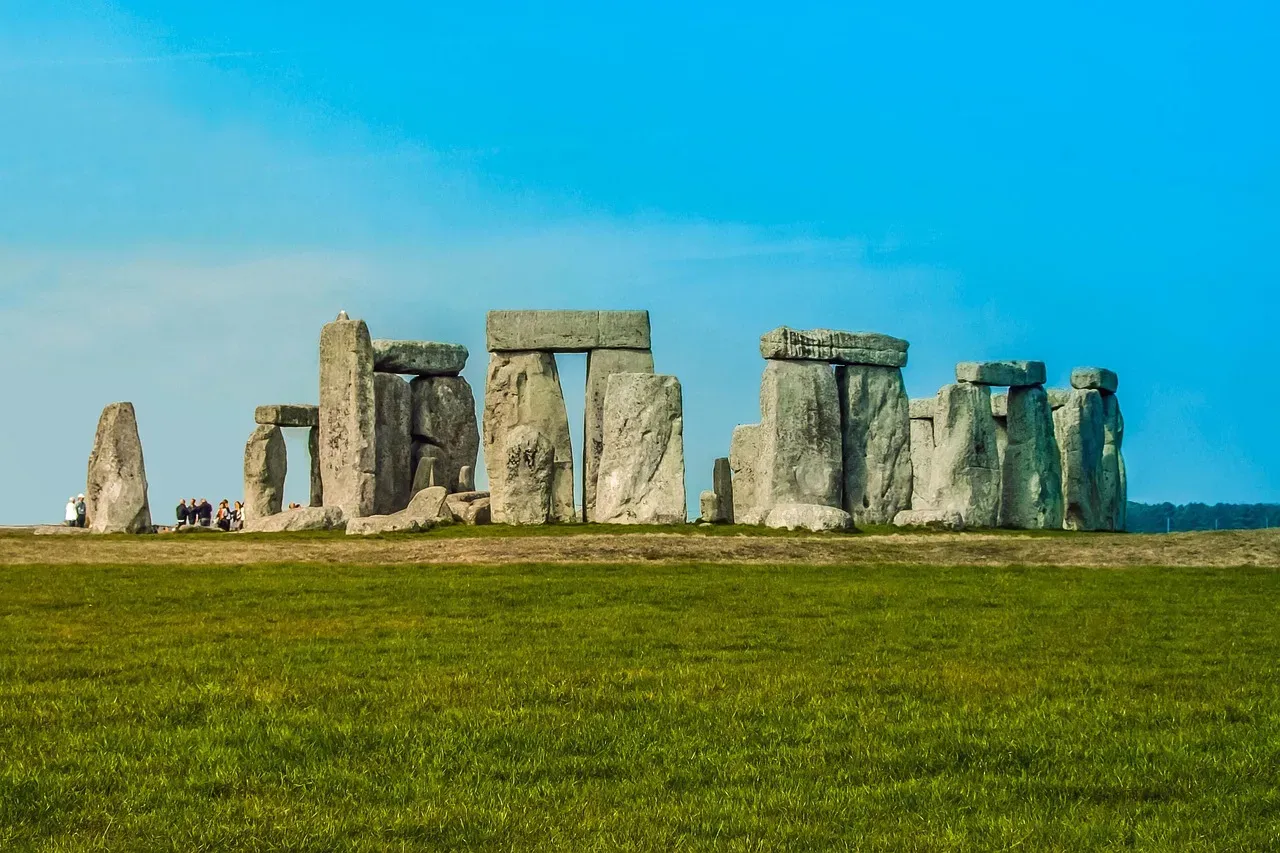
Located on Salisbury Plain, about 88 miles southwest of London, Stonehenge is composed of seemingly ordinary megalithic stones and is arguably the most architecturally sophisticated prehistoric stone circle on Earth. Let’s be real, everyone has heard of Stonehenge. What most people don’t realize is how much mystery still surrounds this iconic monument.
One of Stonehenge’s unresolved questions is the purpose for which it was built. Was it a healing center, as some theories have proposed? A religious site or an expression of the authority of the ruling chieftains? The jury has long been out. Scientists aren’t fully sure when exactly Stonehenge was erected, with dates ranging from 5,000 to 4,000 years ago, and the biggest questions are how it was made and who even made it. The engineering alone is staggering considering these massive stones were moved from quarries over one hundred miles away using technology we still don’t fully understand.
The Baghdad Battery: Ancient Electricity?
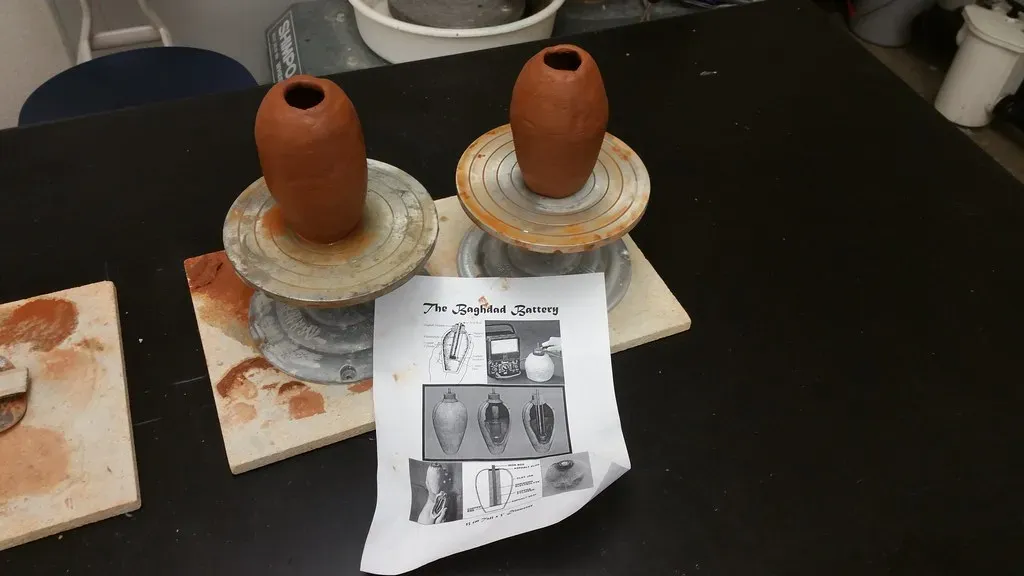
Imagine discovering that ancient civilizations might have harnessed electricity thousands of years before Benjamin Franklin flew his famous kite. This artifact was discovered in the 1930s just outside of the city of Baghdad and contains a copper cylinder and an iron rod, which both rest within a clay jar.
This ancient device, believed to date back to 250 BC, comprises a clay jar, a copper cylinder, and an iron rod arranged to produce a small electric current when filled with an acidic substance. The really fascinating question nobody can answer is what they used it for. Many scientists believe that maybe this Baghdad Battery was some sort of ancient precursor to a galvanic cell or electric cell that these early people used to generate electricity; others think it could have been for scrolls or rituals. Despite being a simple device, its true purpose remains shrouded in mystery. Could ancient Mesopotamians have understood electrochemistry millennia before modern science?
The Stone Spheres of Costa Rica: Perfect and Puzzling
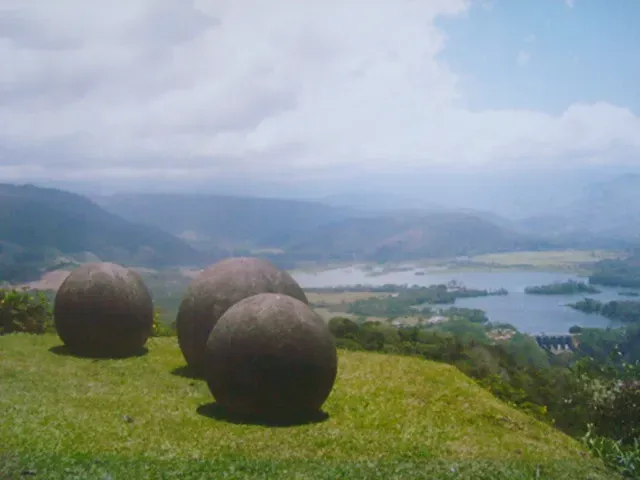
Hidden in the jungles and river deltas of Costa Rica are hundreds of nearly perfect stone spheres. Giant stone spheres, some dating as far back as A.D. 600, pepper the Diquis Delta of southern Costa Rica. These aren’t small pebbles either. Some of these spheres weigh several tons and measure over six feet in diameter.
What makes them so mysterious is their near-perfect roundness. Despite extensive research, archaeologists have not determined why the spheres were made or how the pre-Columbian society achieved such precision without modern tools. Theories about their purpose vary greatly, depending on who you ask, with some suggesting they were used as status symbols, marking tribal territories or signifying social hierarchy, while others believe they might have served a sort of astronomical or ceremonial function. Adding to the mystery is the fact that the Diquís culture left no written records, or records of any kind, as to what these stone balls truly meant.
Roman Dodecahedrons: Mathematical Mysteries
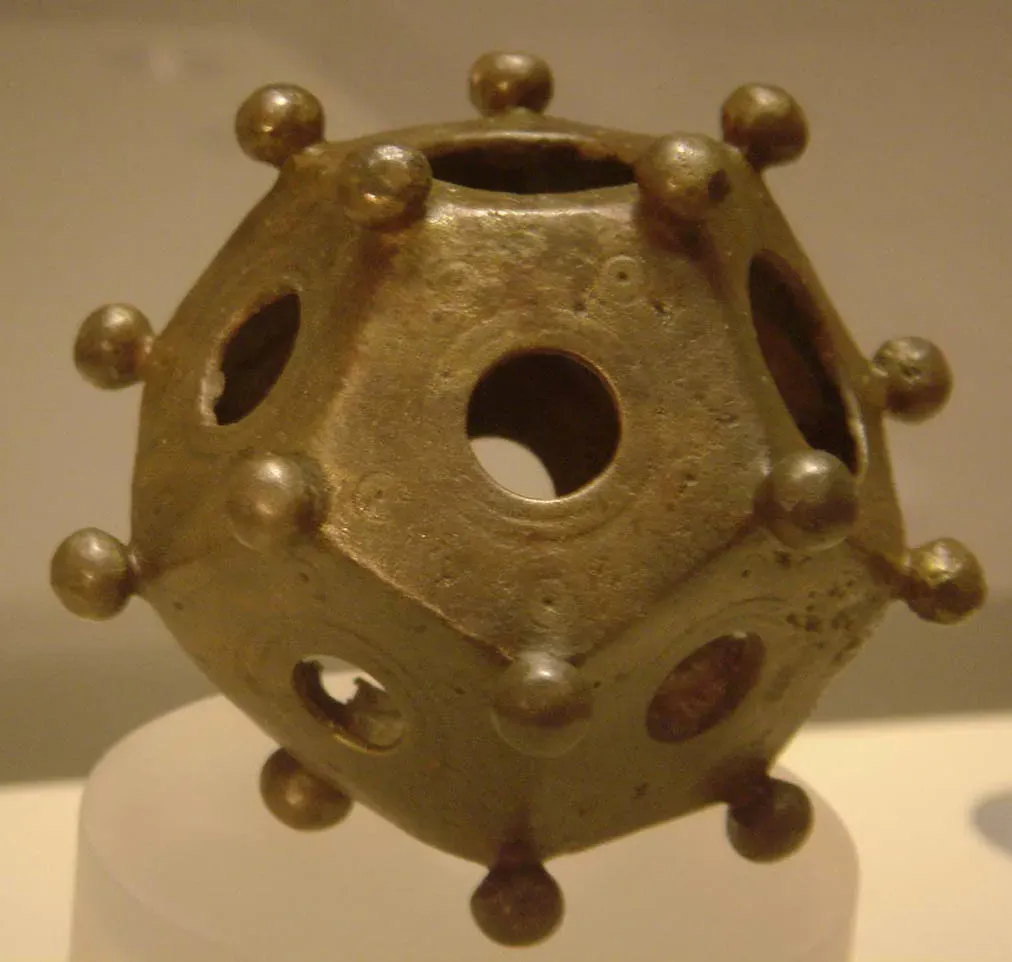
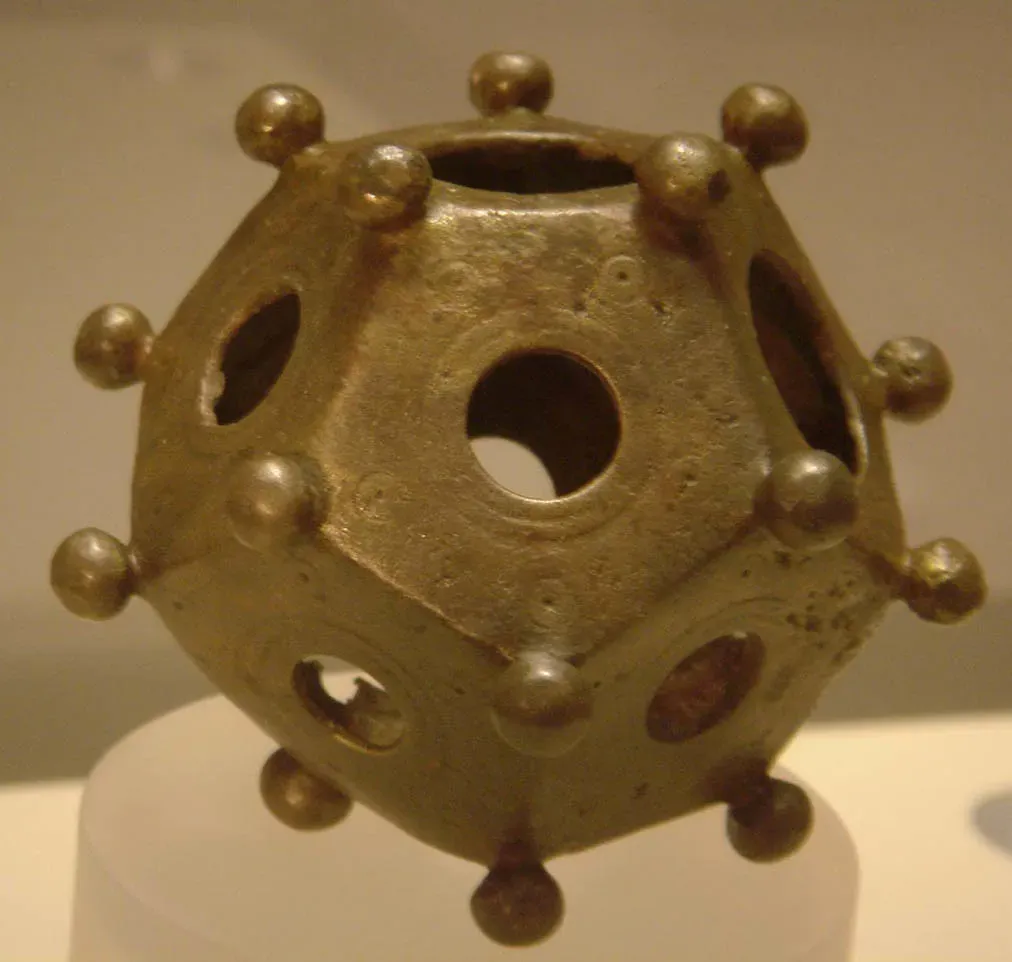
Scattered across Europe are small, hollow bronze objects with twelve sides and circular holes of varying sizes on each face. These mysterious objects got their name from their 12 sides, and they were made between AD 100 and 300 of bronze or stone with a hollow center, and the Roman use for the Dodecahedrons is hotly debated.
Nobody has the slightest clue what Romans used them for, and that’s genuinely bizarre considering how much we know about Roman civilization. Some believe the 12 sides had to do with zodiac signs, while other theories suggest the objects were weapons, toys or religious symbols. Hundreds have been discovered, so they clearly served some common purpose. The lack of any written reference to these objects in Roman texts makes their function one of archaeology’s most frustrating puzzles. Were they measuring instruments? Ritual objects? Candleholders? Your guess is honestly as good as any expert’s.
The Underwater Stonehenge of Lake Michigan
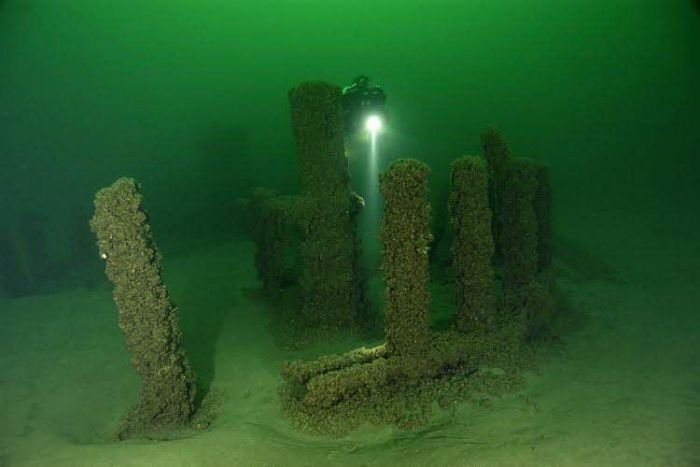
Although the famous Stonehenge of England is one of the biggest and most ancient of its kind, there are several lesser-known henge-like formations worldwide that we know of, and one such mysterious stone arrangement exists at the bottom of the Great Lakes in North America.
Known by archeologists as Drop 45 Drive Lane, it is an 8-meter by 30-meter arrangement of standing stones sitting around 120 feet under Traverse Bay, on the American state side of Lake Michigan, and its purpose is still unknown, but interesting findings, such as an image of a mastodon etched on the side of one of the stones, confirm not only that at least part of this structure is mand-made but that it was made approximately 9,000 years ago, 4,000 years before the Stonehenge was constructed. Think about that. A mastodon carving means this structure was built when these extinct creatures still roamed North America. This structure was probably built in a prey-rich hunting ground at a time when this area of the Great Lakes was not underwater. The discovery raises profound questions about ancient American civilizations that we’re only beginning to ask.
Thonis-Heracleion: Egypt’s Sunken City
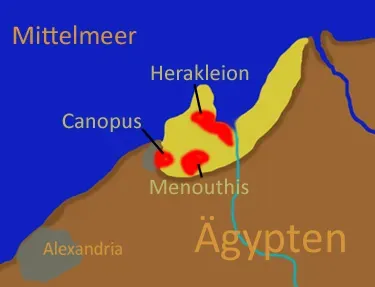
For thousands of years, this legendary Egyptian port city existed only in ancient texts and myths. About 2,700 years ago, the Egyptian port city Thonis-Heracleion served as the gateway to the Mediterranean, but the urban center was lost in time for thousands of years, and it wasn’t until the early 2000s that a group of divers stumbled upon some ancient artifacts, eventually discovering that an entire city was buried underwater off the Egyptian coast, complete with bridges, 16-foot statues, animal sarcophagi and other ancient marvels.
The city’s discovery answered many historical questions, yet it created even more mysteries. Why did such an important, thriving port city disappear beneath the waves? Was it earthquakes, tsunamis, or gradual subsidence? The preservation of artifacts provides an incredible snapshot of ancient Egyptian life, frozen in time beneath the Mediterranean. Each dive reveals new temples, ships, and treasures that help piece together a civilization that vanished without much trace in historical records. The underwater ruins continue to yield surprising discoveries that challenge what historians thought they knew about ancient Mediterranean trade routes.
The Plain of Jars: Laos’s Megalithic Mystery
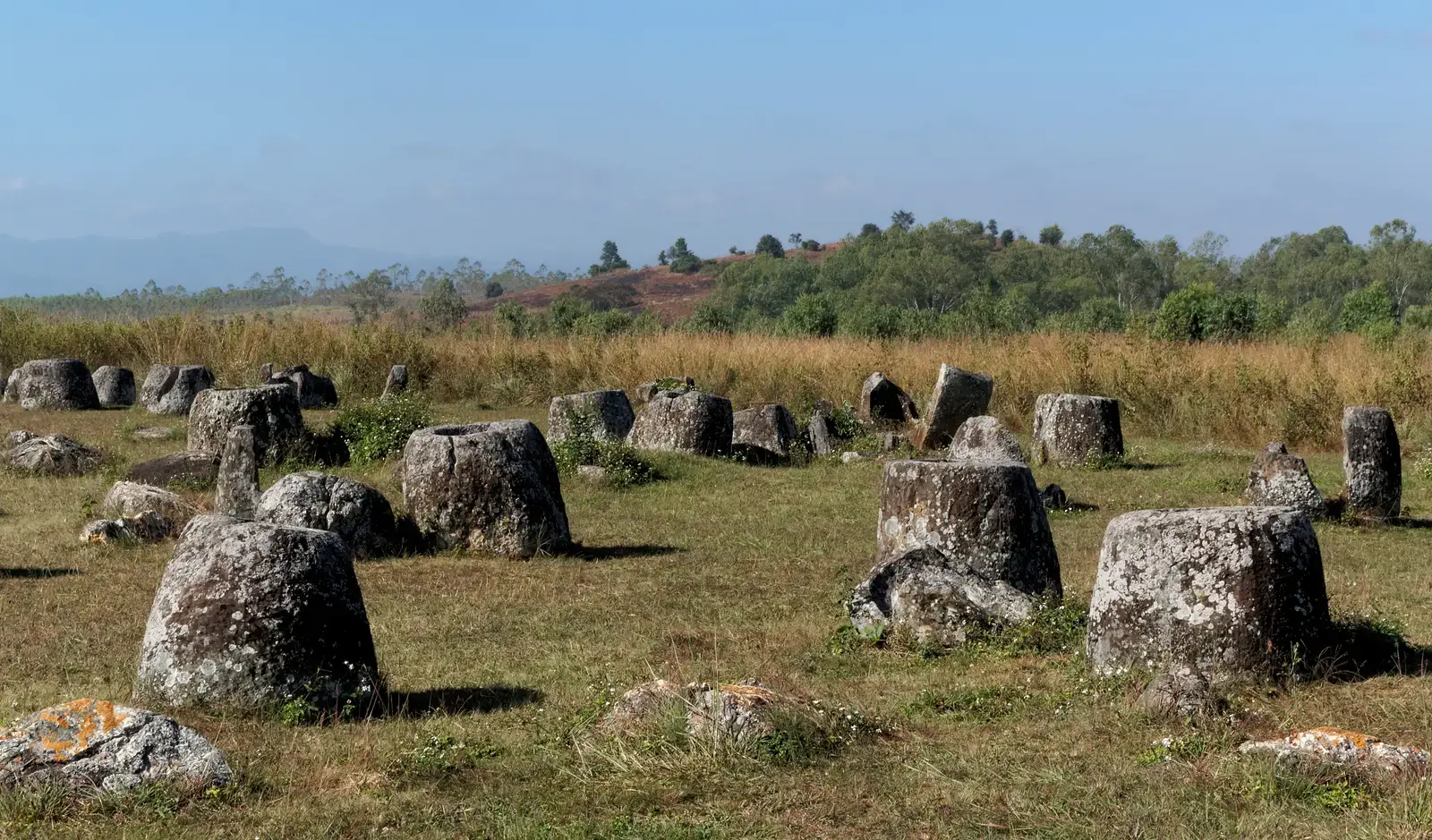
The unexplained 2,500-year-old Plain of Jars in Laos consists of thousands of massive stone vessels scattered across the landscape. These aren’t small containers. Some of these jars stand over ten feet tall and weigh several tons each.
The archaeological community remains divided on their purpose. Were they used for burial practices? Fermentation vessels for rice wine? Storage containers? Ceremonial objects? The lack of clear answers is frustrating given how many exist. The jars were clearly important enough for ancient people to carve from solid rock and transport across difficult terrain. Some bear decorative carvings, hinting at cultural significance beyond mere utility. What makes this discovery particularly haunting is that the culture that created them left virtually no other trace. The Plain of Jars stands as a silent testament to a vanished civilization whose story we may never fully understand.
Conclusion: Embracing the Unknown
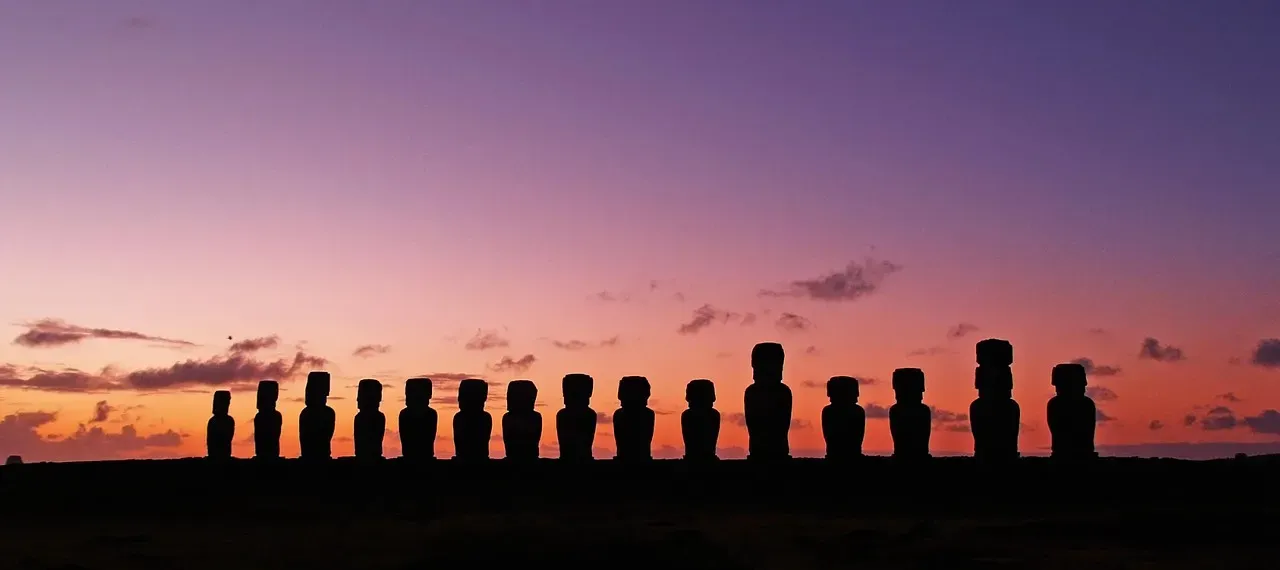
These ten discoveries remind us of something important. Despite all our technological advances and scientific knowledge, the ancient world still holds secrets that resist explanation. Each mystery represents a humbling reminder that human history is far richer and stranger than we can imagine.
What’s truly fascinating isn’t just what these artifacts are, but what they reveal about human ingenuity, determination, and creativity across millennia. From impossible computers to underwater cities, from perfect spheres to mysterious stone arrangements, our ancestors accomplished feats that challenge our assumptions about their capabilities. Maybe that’s the real lesson here. The past wasn’t primitive. It was simply different, operating with knowledge systems and motivations we struggle to comprehend from our modern perspective.
Which of these mysteries do you find most intriguing? Do you think we’ll ever solve them all, or will some secrets remain buried forever?