
Every time we think we’ve got nature neatly labeled and filed away, some animal does something so strange it punches a hole straight through our certainty. From birds that sleep while flying to whales that carry their dead, the natural world is full of behaviors that seem to ignore our best scientific explanations. We can measure hormones, track GPS data, and crunch massive datasets, and yet some patterns still sit stubbornly in the “we’re not totally sure” column.
I remember the first time I read about an octopus punching a fish seemingly for no reason; I had to double‑check if it was a joke. It wasn’t. The more you look, the more you realize: animals are not just bundles of instinct moving on autopilot. They make weird choices, show puzzling rituals, and break the rules we thought they lived by. Here are ten of the strangest behaviors that continue to keep scientists both fascinated and slightly baffled.
1. Dolphins Getting High On Pufferfish Toxins
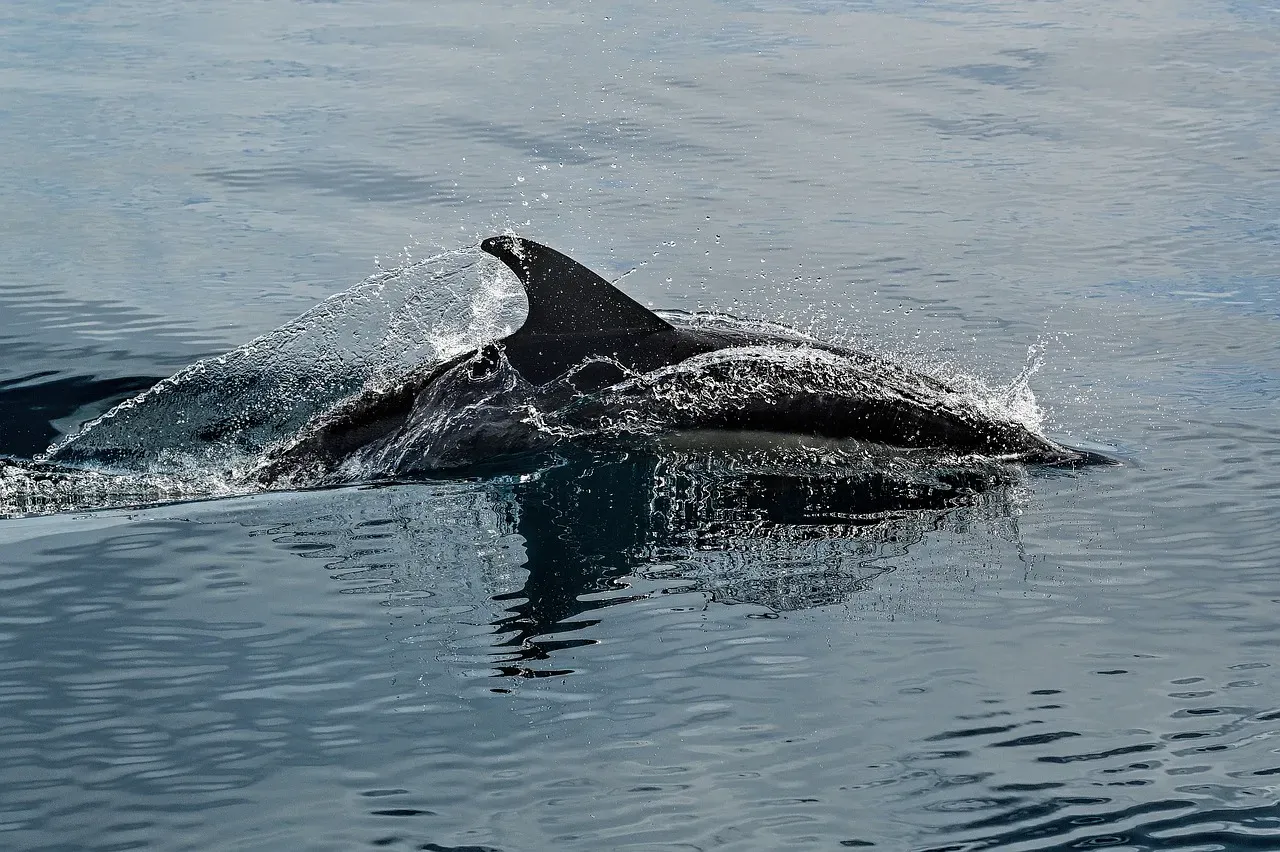
Imagine a group of teenagers passing around something risky just to feel a little different, and you’ve got a rough idea of what some dolphins appear to do with pufferfish. In several documented cases, young dolphins have been seen gently handling pufferfish, passing them around, and then floating at the surface in what looks like a dazed, trance‑like state. Pufferfish contain a powerful neurotoxin that, in small doses, may produce strange sensations rather than instant death.
Here’s the problem for scientists: this behavior doesn’t fit neatly into survival, feeding, or mating categories. It looks recreational, a word researchers are understandably cautious about using. Are the dolphins actually modulating the toxin dose deliberately, or are we projecting human ideas onto them? There’s still no consensus. What’s clear is that this isn’t random roughhousing; the slow, careful handling and repeated pattern suggest intention – just not one we can easily explain.
2. The Sad And Mysterious Phenomenon Of Mass Whale Strandings
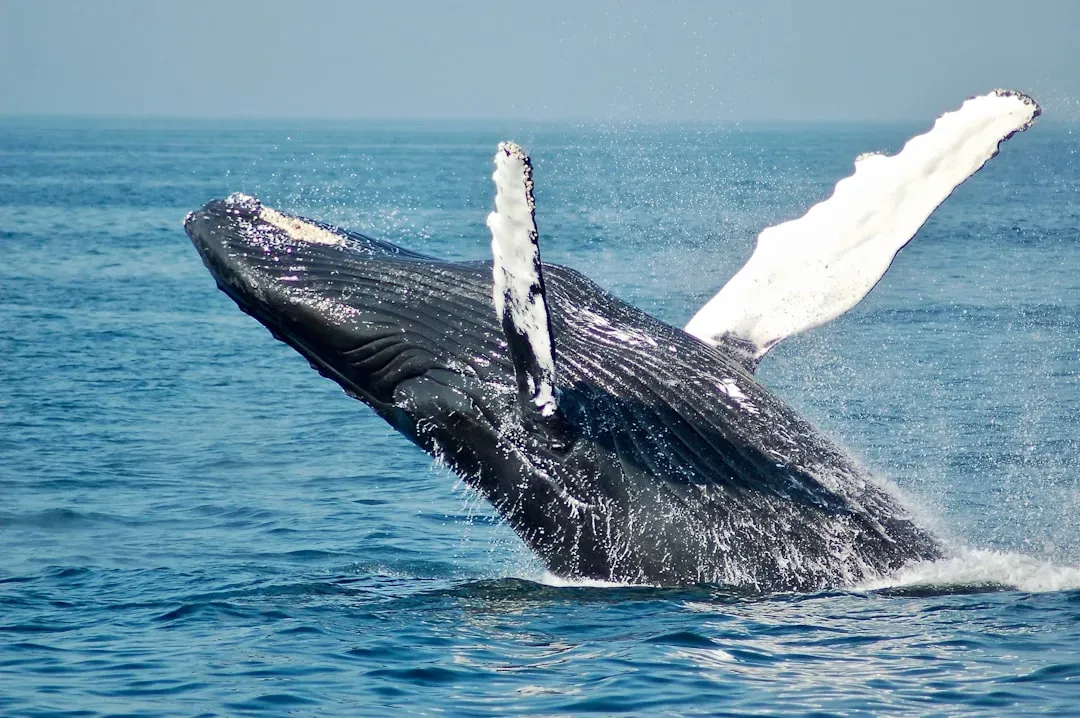
Few wildlife scenes are more heartbreaking than dozens of perfectly healthy whales stranded on a beach, slowly dying as humans fight desperately to push them back. Mass strandings involve entire groups of whales or dolphins coming ashore together, and they’ve been reported for centuries. Modern tools like satellite tracking and detailed necropsies have helped rule out some causes, but they haven’t unlocked a single clear answer.
There are a lot of competing theories: disorientation by naval sonar or underwater noise, the confusing shape of shallow coastlines, infections affecting navigation, or even a strong social bond that causes healthy animals to follow sick leaders to shore. The likely truth is messy – a mix of geography, human activity, and the whales’ own tight social structure. What unsettles scientists is that even with today’s technology, predicting when a mass stranding will happen is still mostly guesswork, and that means preventing them is painfully difficult.
3. Octopuses Punching Fish For No Obvious Reason
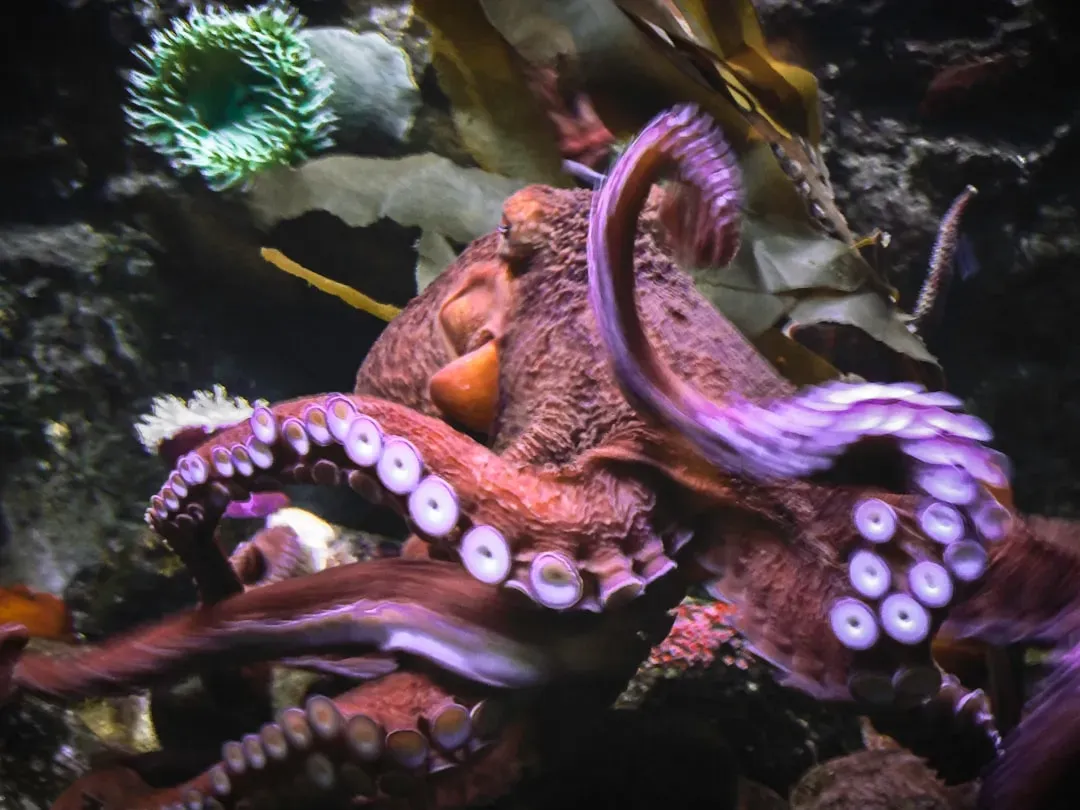
Every so often, an octopus will just haul off and punch a fish in the face. Not over food, not clearly over territory – just a sudden, sharp jab from one arm. This behavior has been caught on camera in the wild, often when octopuses and fish are foraging together in loose hunting alliances. Sometimes the punch seems to redirect a greedy partner away from a tasty patch, which kind of makes sense.
But other times, the fish gets hit and nobody gains any obvious advantage. No food changes hands, no space is won, and the octopus goes right back to whatever it was doing. That’s where scientists start to squirm, because it hints at something like spite or frustration, concepts that are tricky to measure in animals. Are these punches a form of social control, a delayed retaliation, or just a weird side effect of highly flexible problem‑solving brains? We don’t have a solid answer, only a growing collection of very baffling videos.
4. Sleepwalking In The Sky: Birds That Sleep While Flying
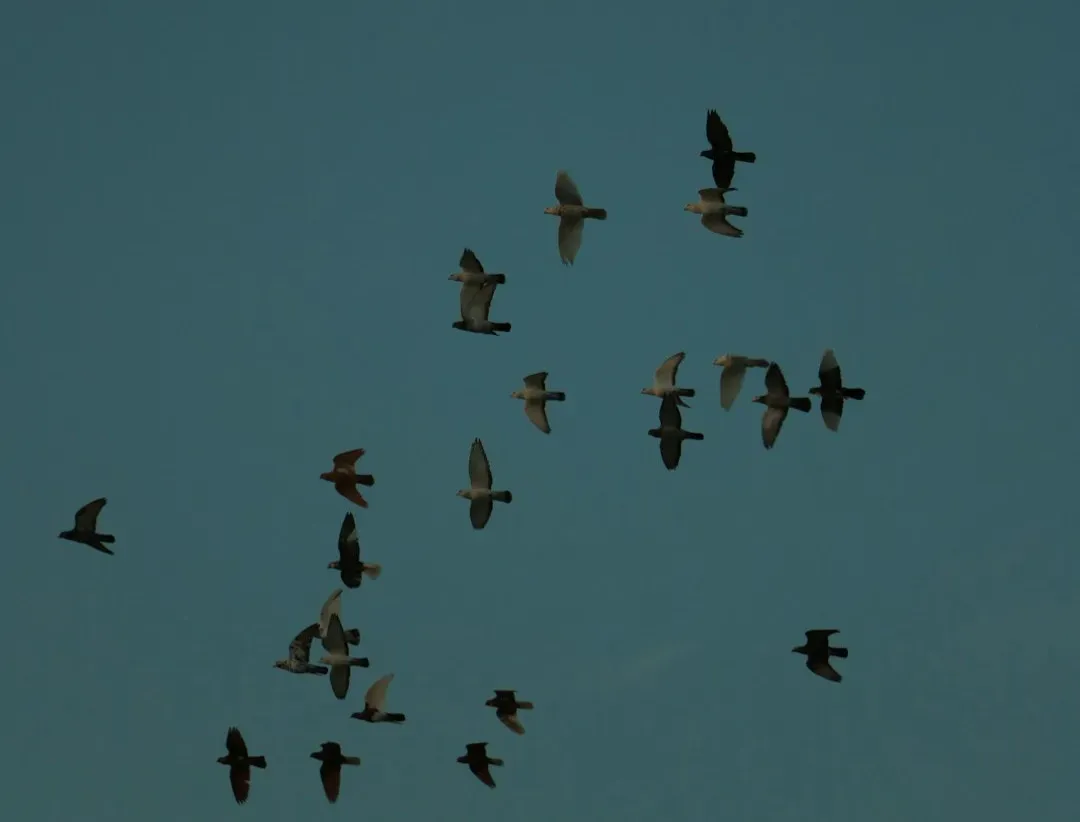
Some birds perform nonstop migratory flights that stretch across entire oceans, staying in the air for days or even weeks. The obvious question is how they sleep without falling out of the sky like tiny feathery rocks. Studies on species like frigatebirds suggest they use something called unihemispheric sleep, where one half of the brain dozes while the other stays awake to steer and watch for danger. That alone sounds like science fiction, but it gets weirder.
What puzzles researchers is the trade‑off. These birds log unbelievably long journeys, yet the total sleep time measured in flight is shockingly low. Somehow, they remain functional with far less rest than they get on land, defying what we think we know about the basic need for sleep in vertebrates. Are they paying a hidden cognitive cost later, or have they hacked a completely different set of rules for brain recovery? For now, the details of how their minds stay sharp on such little rest are still out of reach.
5. Zombie Ants Controlled By Fungi
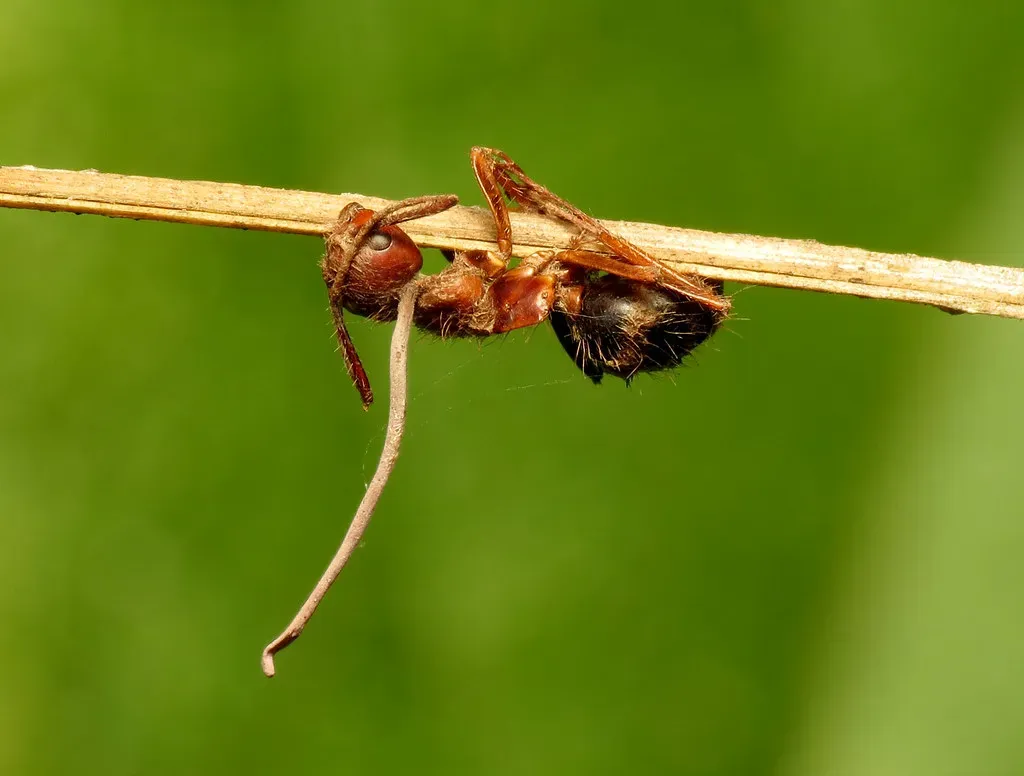
If you’ve ever watched a horror movie about mind‑control parasites and thought, “At least that’s not real,” the ants in tropical forests would like a word. Certain fungi infect ants, grow inside their bodies, and somehow hijack their nervous systems. The infected ant leaves its normal trail, climbs to a very specific height, bites onto vegetation, and then dies as the fungus bursts out and showers spores down on other passing ants.
Scientists can map the fungus’s growth and watch the ant’s behavior change stage by stage, but the exact molecular signals that translate fungus into puppet‑master are still murky. How does a simple organism, without a brain of its own, manipulate such complex, coordinated actions in a host? Even more eerie, the fungus tends to spare the parts of the ant’s body it needs, like the jaw muscles, while destroying others. The precision of this control feels almost surgical, and yet the underlying instructions remain largely hidden in biochemical shadows.
6. Elephants That Seem To Mourn Their Dead
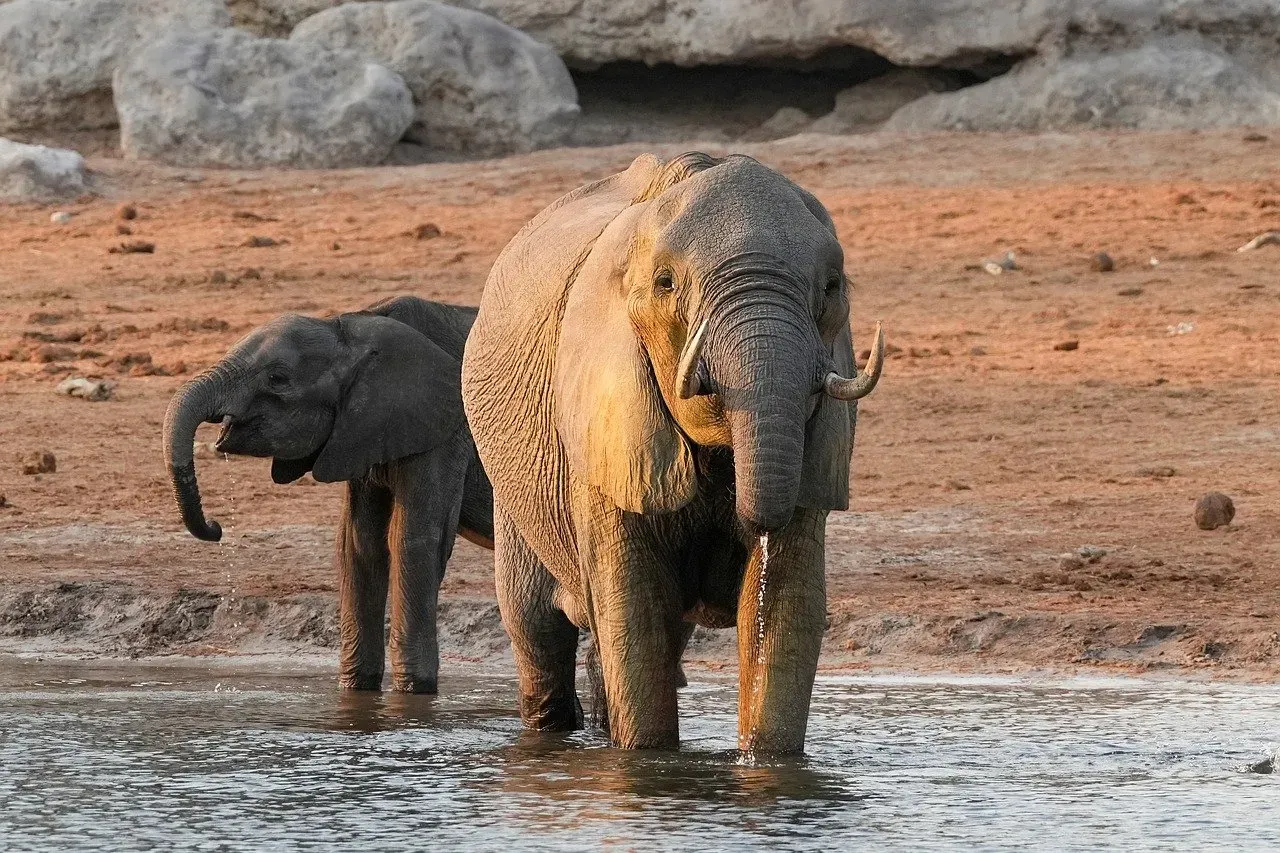
Stories about elephants quietly touching the bones of other elephants, lingering near carcasses, or revisiting sites where companions died have circulated for decades. Systematic observations show that wild elephants do pay unusual attention to elephant remains compared with other animal bones. They may gently explore skulls and tusks with their trunks, stand silently for long periods, or appear unusually subdued around a dead relative.
The big question is whether this is anything like mourning as humans understand it, or if we’re layering our emotions onto their actions. Elephants have large brains, strong family bonds, and long memories, so the idea that they have complex emotional responses is not far‑fetched. But proving that they experience grief in a way comparable to ours is extremely difficult. Are these behaviors driven by recognition, curiosity, social learning, or a deep emotional state we barely have words for? Science has data on what they do, but far less clarity on how it feels from the elephant’s side.
7. Monkeys And Their Strange Stone‑Handling Rituals
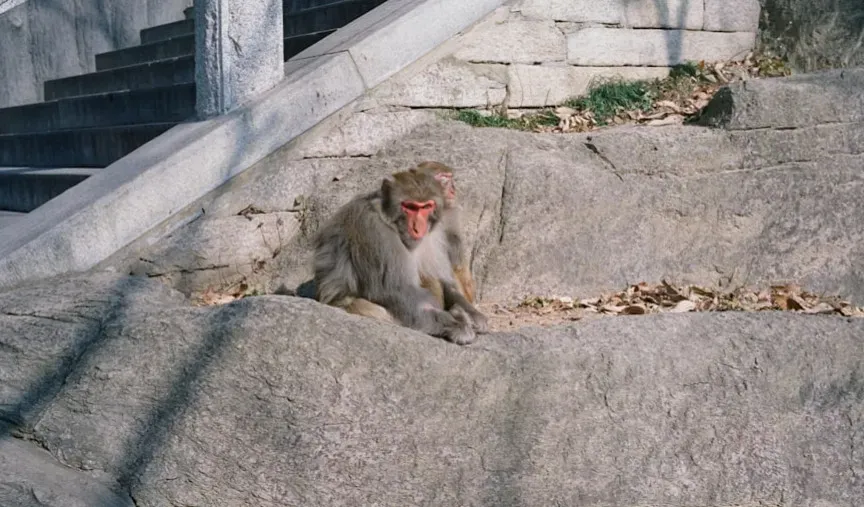
In some monkey groups, stones are more than just tools; they’re the centerpieces of odd little rituals. Certain macaques and capuchins have been seen repeatedly tapping, rolling, rubbing, and even clinking stones together with a kind of deliberate rhythm. These actions aren’t obviously about cracking nuts or digging, and they often happen when the monkeys are relaxed rather than urgently searching for food.
What makes this so intriguing is that the behaviors spread socially, almost like cultural fads. Younger animals copy the older ones, and specific groups develop their own local “stone styles,” which can differ from troop to troop. Are these proto‑cultural traditions, a form of play, or a way to strengthen social bonds through shared habit? Scientists can track how the behavior spreads, but pinning down why it started in the first place is much harder, leaving a fuzzy border between practical tool use and something that looks suspiciously like tradition.
8. The Unsettling Logic Of Dolphin Infanticide
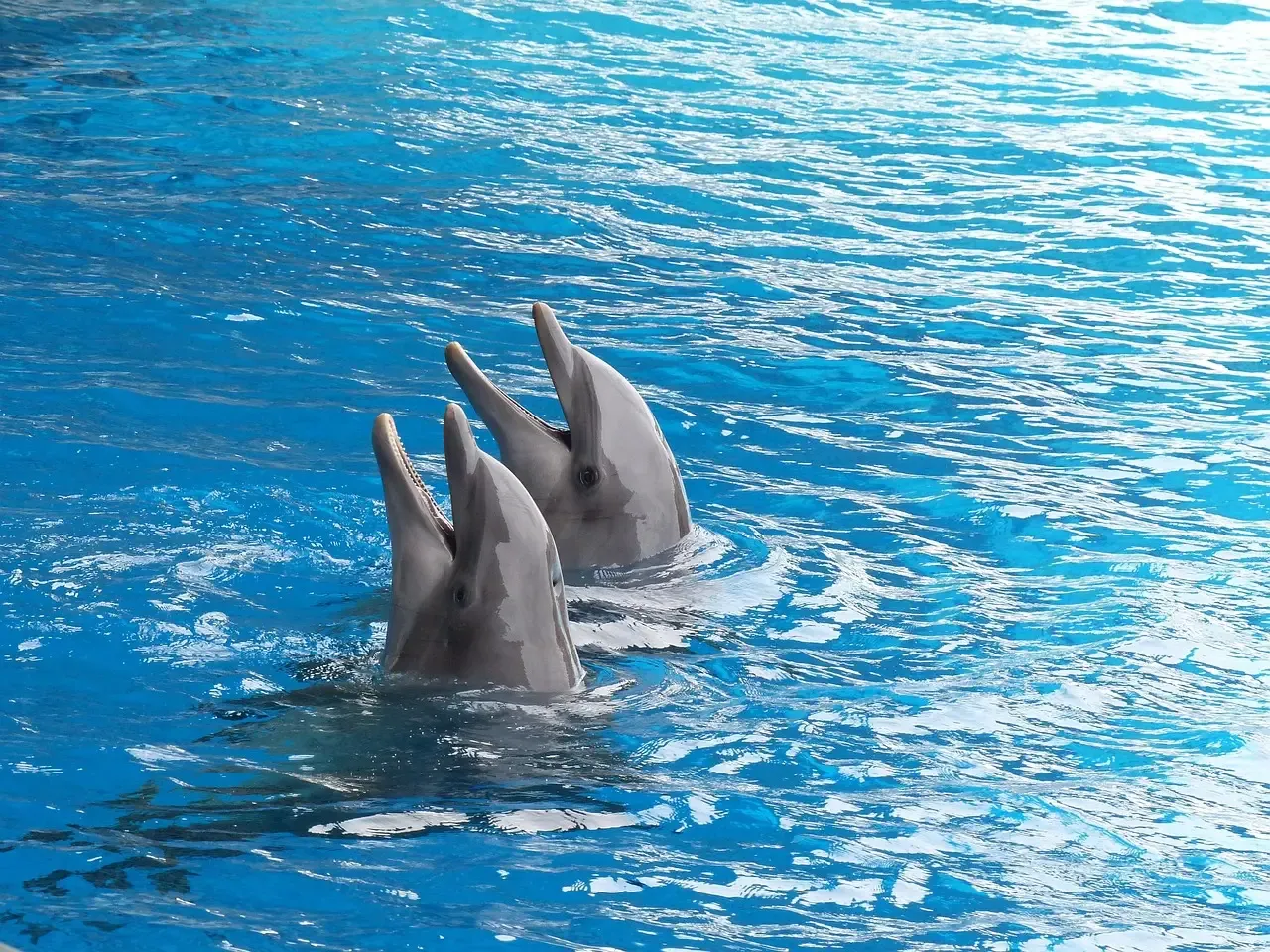
It’s deeply uncomfortable to watch, but in some dolphin populations, males have been seen attacking and killing calves, sometimes those they almost certainly did not father. Similar patterns exist in other mammals like lions, where infanticide can push females back into reproductive readiness sooner, giving the killer a chance to sire his own offspring. With dolphins, though, the underwater world makes it much harder to document motives and long‑term outcomes with the same clarity.
Researchers suspect a similar reproductive strategy may be at play, but the social lives of dolphins are far more flexible and layered than many land mammals. Alliances form and break, females may avoid or prefer certain males, and groups split and merge in complex ways. How exactly does killing a calf pay off evolutionarily within that social tangle, and why does it appear in some populations but not others? The behavior itself is brutally clear; the deeper evolutionary math behind it is still being pieced together.
9. Bowerbirds And Their Obsessive Art Installations
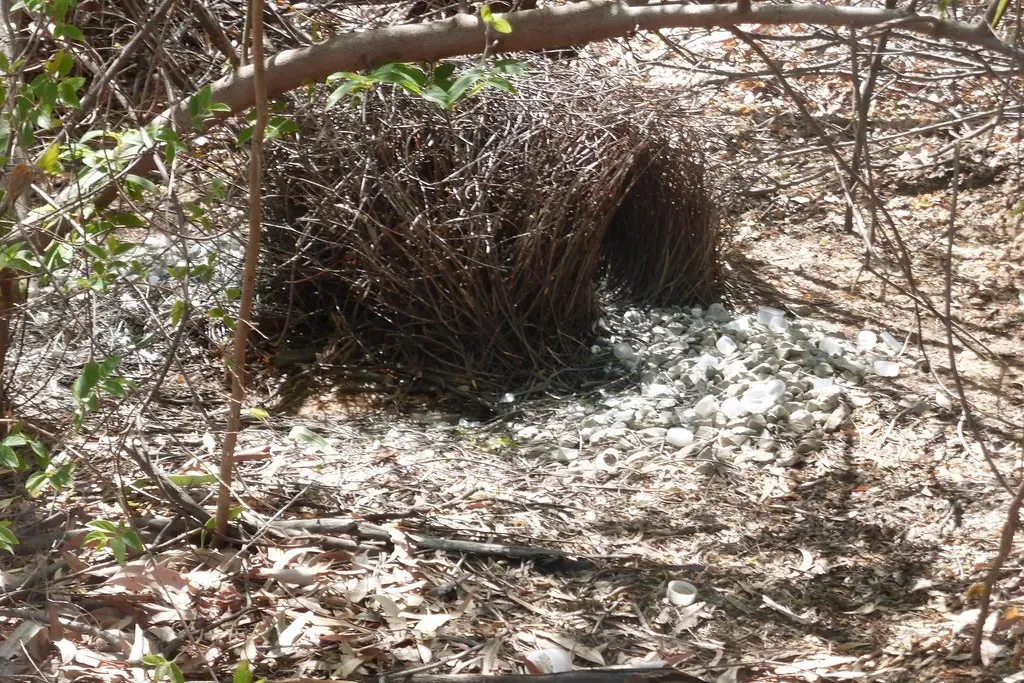
Male bowerbirds spend astonishing amounts of time building intricate displays on the forest floor, decorating them with carefully chosen objects like berries, shells, bones, and bits of human trash. Some even sort items by color or size, arrange them along forced‑perspective lines, or tweak the scene depending on what the local environment offers. These aren’t nests; they’re more like art galleries designed purely to attract females.
We know that females are picky and that males with more impressive bowers tend to have more mating success. What’s harder to explain is the almost over‑the‑top complexity and obsessive tweaking that some males show. Are they just responding to intense female selection, or is there something about building and perfecting these structures that taps into a deeper cognitive drive, like a compulsion? It raises a strange question: at what point does courtship behavior start to look like creativity, and how do you even measure that in a wild bird?
10. Whales Carrying And Guarding Their Dead Calves
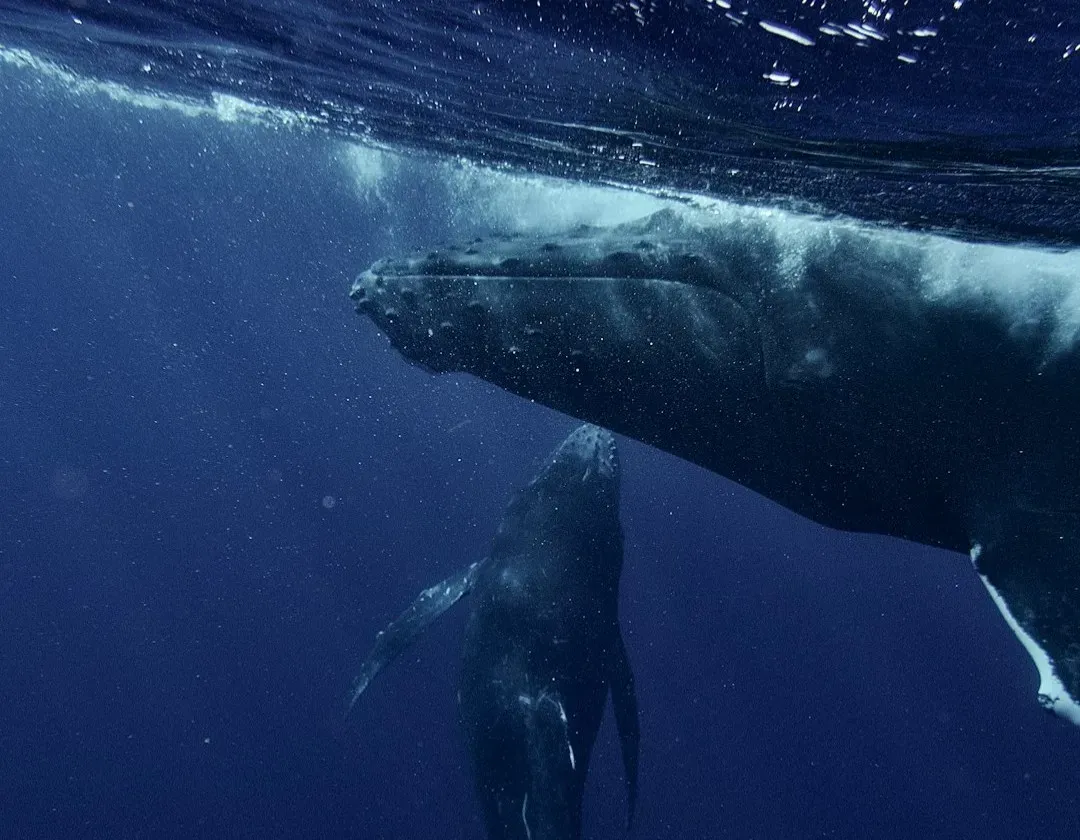
Across multiple whale and dolphin species, mothers have been observed pushing, lifting, or carrying dead calves for days, sometimes even longer. They may support the body at the surface, fend off scavengers, or stay close even as the carcass begins to decompose. From a cold evolutionary standpoint, this behavior is costly: the mother uses up energy and time that could go into feeding or future offspring.
Some scientists see this as evidence of powerful attachment and a difficulty in recognizing or accepting death, others suggest it might be a kind of transitional behavior while the mother’s hormones and instincts slowly reset. It’s also possible that we are only seeing part of a broader pattern, because observing these events at sea is incredibly hard. What’s undeniable is the emotional punch it delivers to human onlookers; the scenes look hauntingly familiar to our own grief rituals. Whether that resemblance is superficial or deeply connected is something science still cannot confidently say.
Nature clearly isn’t in the business of making sense just to keep us comfortable. These bizarre animal behaviors sit at the edges of what we can currently explain, like strange fingerprints left on the glass between our world and theirs. As tools improve and data piles up, some of these mysteries will probably melt into clear, logical stories – but others may only grow stranger the closer we look. Which of these puzzles would you have guessed science still hasn’t fully cracked?