
We like to think we’ve got history figured out. The pyramids, ancient Rome, medieval castles. We’ve studied them, dated them, explained them. Yet here’s the thing. There are still puzzles scattered throughout our past that leave even the brightest minds scratching their heads in complete bewilderment. These aren’t just little gaps in knowledge. They’re massive, head-spinning mysteries that refuse to give up their secrets no matter how much technology we throw at them.
From bizarre artifacts that shouldn’t exist to entire civilizations that vanished without explanation, these enigmas challenge everything we think we know about human history. Let’s dive in.
The Voynich Manuscript
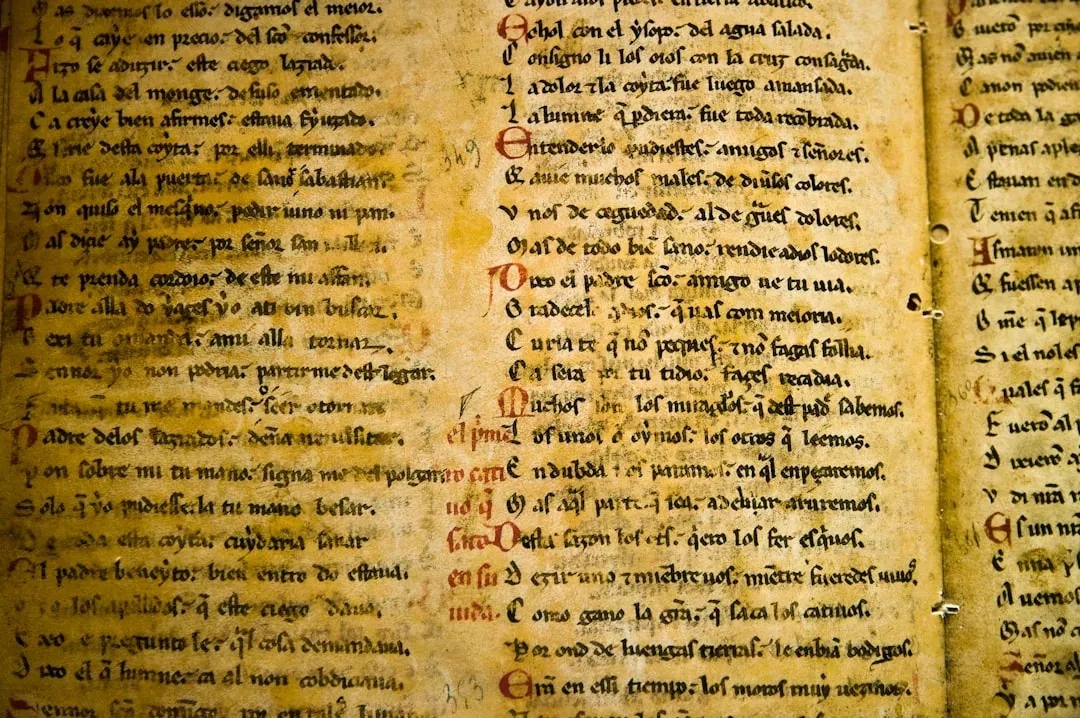
This medieval manuscript, acquired by rare book dealer Wilfrid Voynich in 1912, was supposedly housed in an ancient castle in southern Europe and is written in an extinct language or code that no one can recognize. The pages are filled with strange illustrations of fictitious plants and naked women. Even Alan Turing and the FBI tried their hand at cracking the code and came up empty.
The manuscript is carbon dated to the early 15th century and despite numerous attempts by linguists, cryptographers, and even artificial intelligence, no one has been able to decode the text. Some think it’s just an elaborate hoax. Others believe it might be a lost medical or herbal guide. Now housed at Yale University, the Voynich manuscript is available to the public for anyone interested in trying to solve the puzzle once and for all.
Stonehenge’s True Purpose
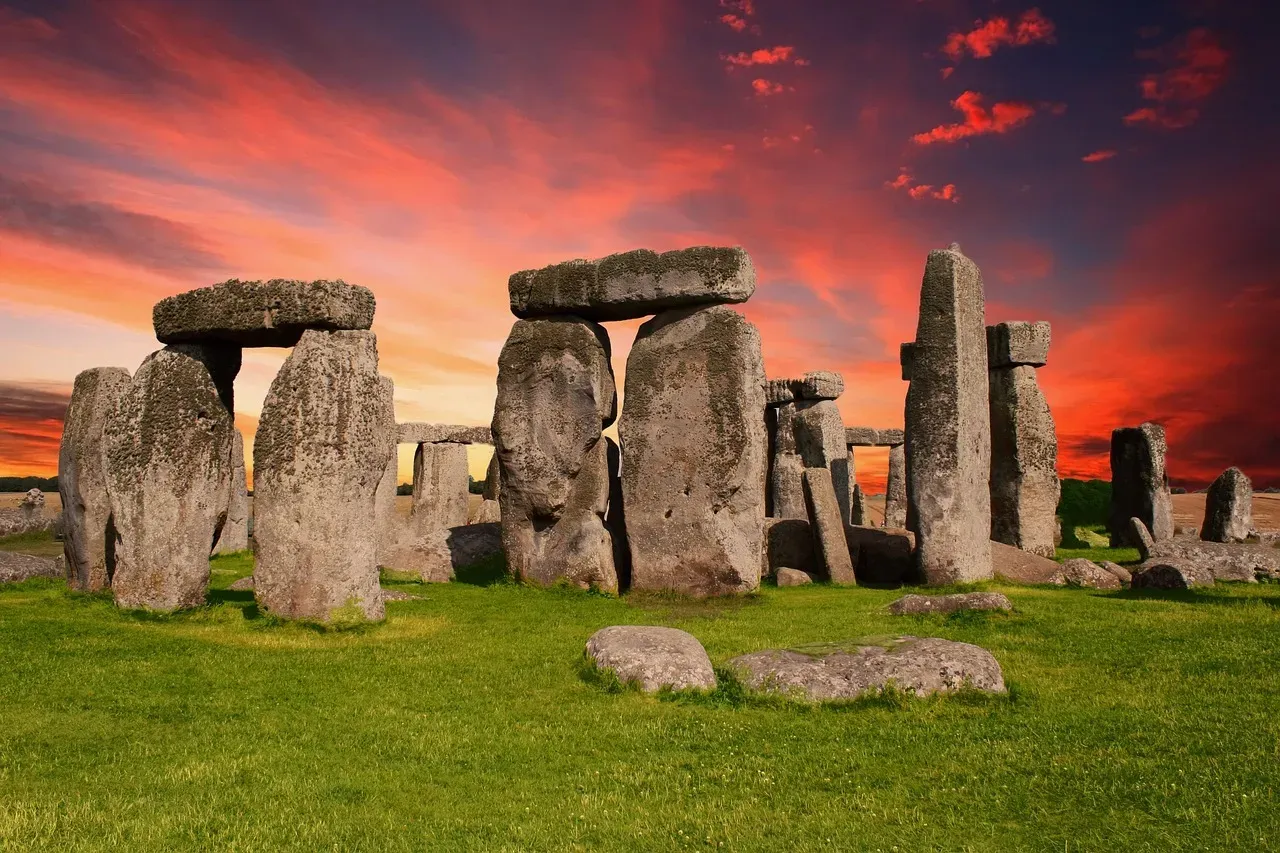
Standing on England’s Salisbury Plain, Stonehenge has captivated visitors for centuries. Historians generally agree that early Britons constructed Stonehenge sometime 5,000 years ago. The massive stones were somehow transported from miles away, some weighing several tons. We know that much.
What we don’t know is why they did it. Some theories claim it was an elaborate temple for various religious ceremonies, while others are certain that Stonehenge was a way for the ancient people of the British Isles to predict the seasons and tell the time. The alignment with the summer solstice suggests astronomical significance. With nothing in the way of written records from that time, there is a good chance that humans will never know for sure.
The Nazca Lines
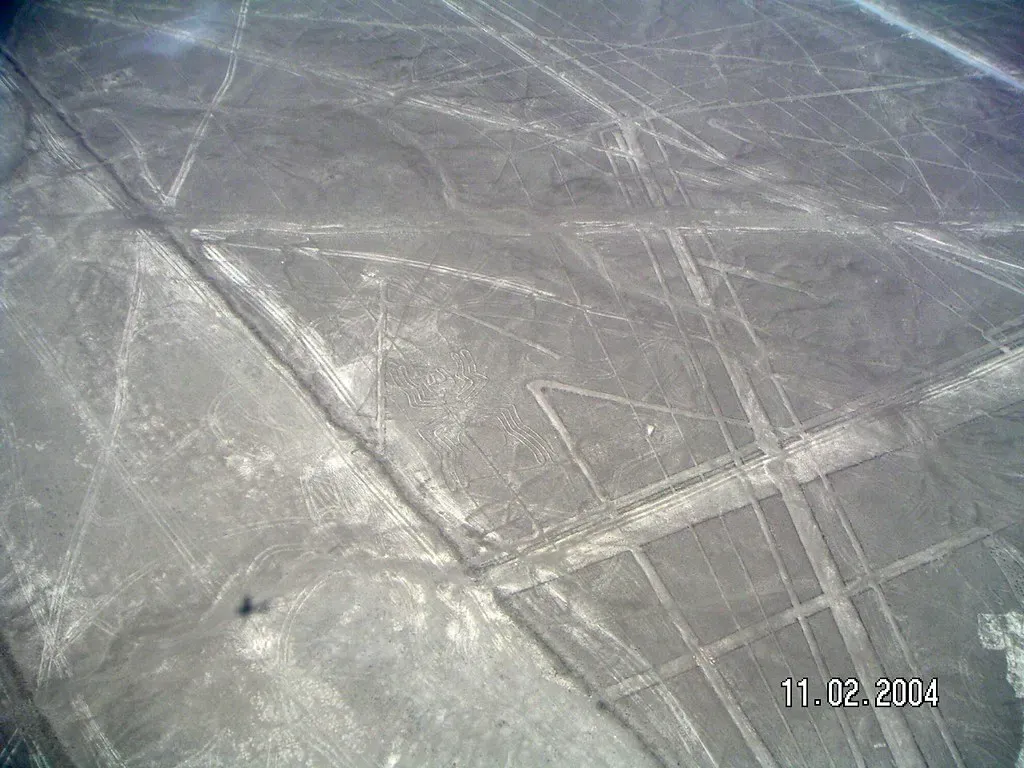
If you fly over Peru’s coastal desert, you’ll see something extraordinary. Roughly 2,000 years ago, a pre-Inca civilization etched enormous drawings into the dry coastal plain and these geoglyphs, known as the Nazca Lines, remained largely unknown until aircraft began flying over the area in the 1930s. There are over a thousand designs. Most are straight lines stretching up to 30 miles, but others depict animals like spiders, hummingbirds, and monkeys.
Researchers can’t agree on realistic theories, with some outlandish ones suggesting the carvings point to aliens or ancient astronauts, while initial scholars suggested the Nazca Lines were connected to astronomy and recent theories argue they were used for begging rain from the gods. As recently as 2022, researchers discovered 168 new geoglyphs. Their purpose remains hotly debated to this day.
The Antikythera Mechanism
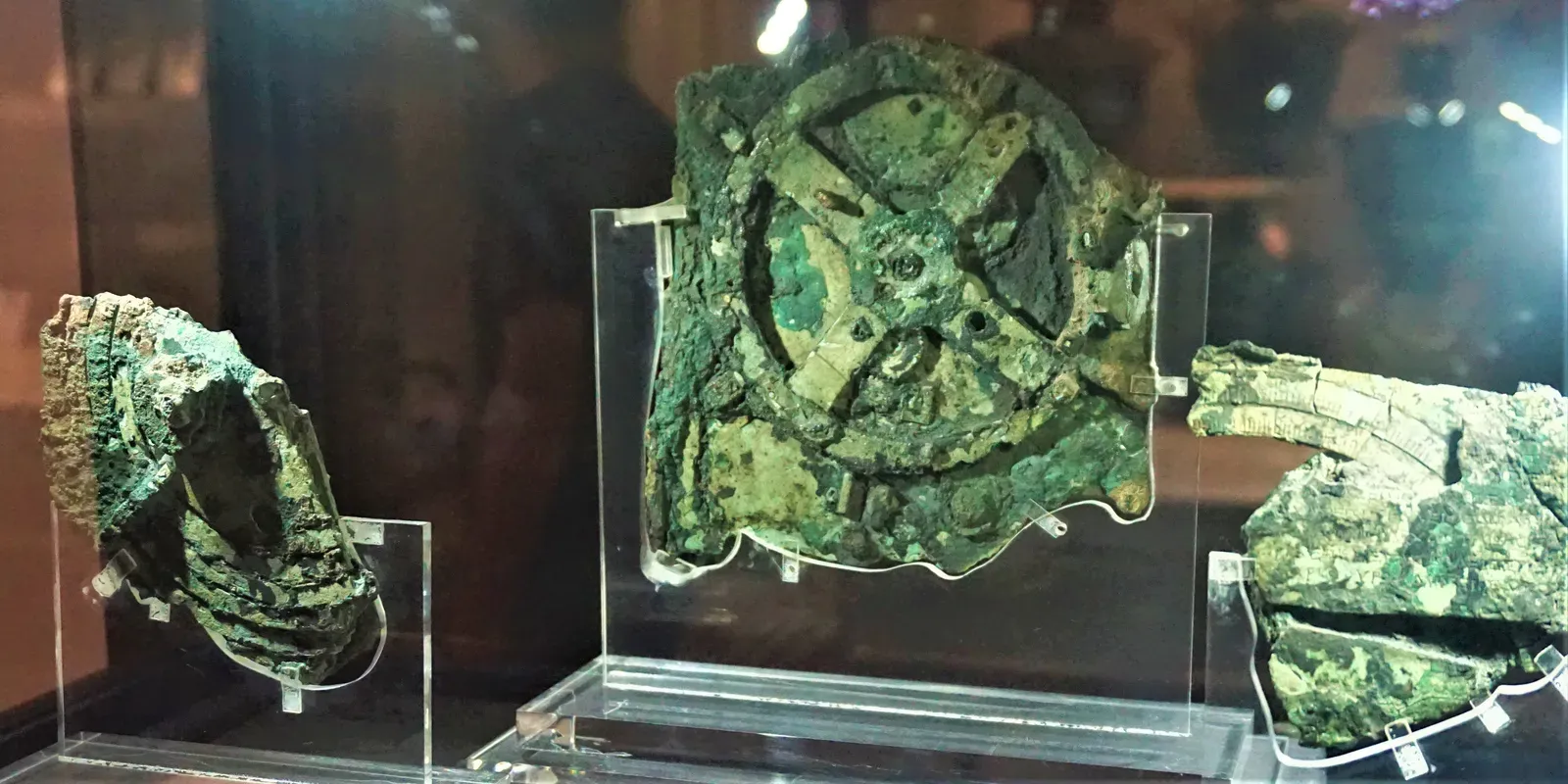
Discovered in 1901 in a shipwreck off the coast of the Greek island Antikythera, this device is often considered the world’s first analog computer, dating back to around 150 to 100 BCE. It was used to predict astronomical positions and eclipses. Think about that for a moment. An ancient Greek computer.
What makes the mechanism so mysterious is the sheer complexity of its design, something thought to be far beyond the capabilities of ancient Greek technology. Offering accuracy beyond modern calculators, this device reveals ancient societies’ deep knowledge of mathematics and mechanics. How did they build something so sophisticated more than two thousand years ago? We still don’t have a satisfying answer.
The Sunken City of Thonis-Heracleion
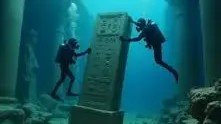
About 2,700 years ago, the Egyptian port city Thonis-Heracleion served as the gateway to the Mediterranean, but the urban center was lost in time for thousands of years until the early 2000s when a group of divers stumbled upon ancient artifacts and discovered an entire city buried underwater off the Egyptian coast.
The city was remarkably intact, complete with bridges, 16-foot statues, and animal sarcophagi. Historians are unsure what caused Thonis-Heracleion to slide into the sea, with one theory suggesting a sudden combination of earthquakes, tsunamis, and floods around 800 CE brought the city down. It’s like finding Atlantis, except this one is real.
Cleopatra’s Tomb
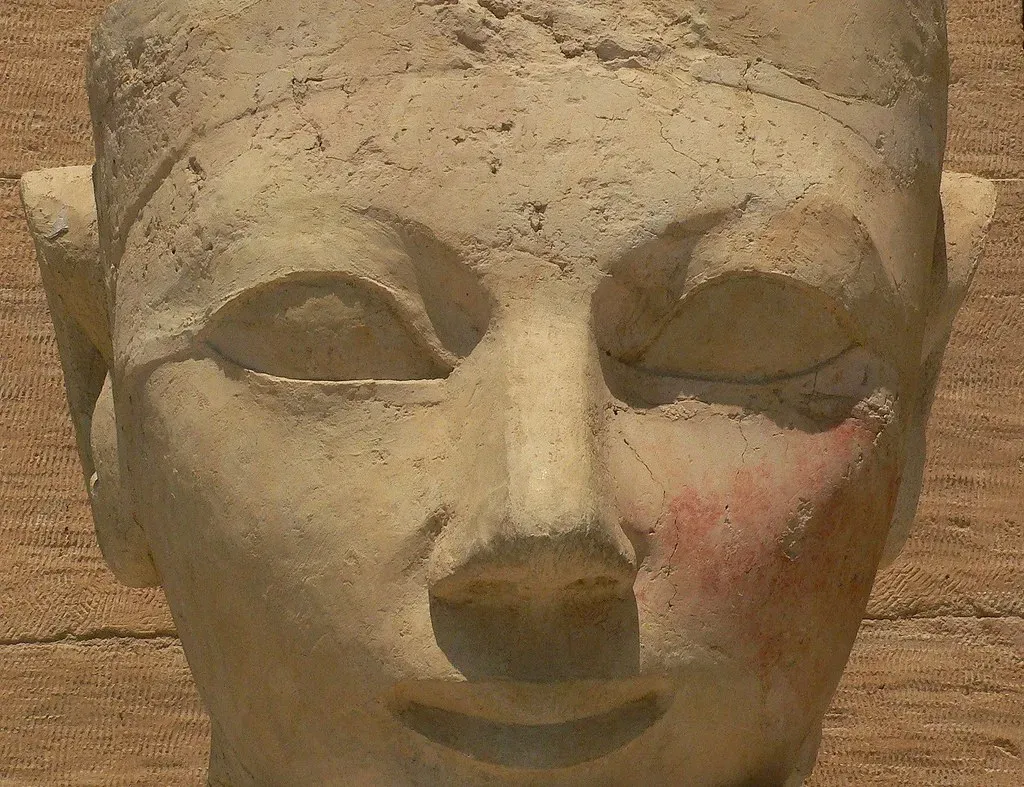
Everyone knows Cleopatra. The famous Egyptian queen who captivated Julius Caesar and Mark Antony. We know how she lived and how she died. For an ancient ruler, much is known about Cleopatra VII, the so-called last queen of Egypt, who committed suicide in 30 B.C. following Antony’s and her defeat at the Battle of Actium, yet the location of their tomb remains a complete mystery.
Some researchers believe it resided in Alexandria, her capital city and the one-time cultural center of the Mediterranean world, only to be lost when a tsunami swept through in 365 A.D., while others suspect elsewhere in the Nile Delta. Despite decades of searching, no one has found definitive proof of where she was buried.
The Plain of Jars
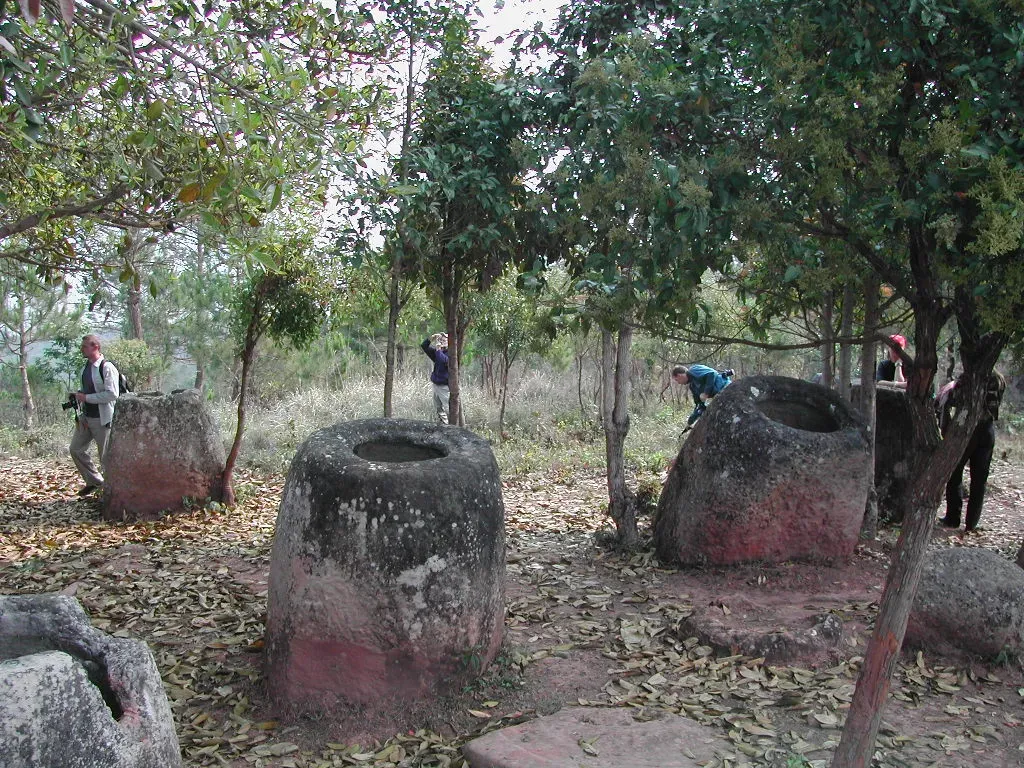
Scattered across the mountains of northern Laos are thousands of massive stone jars. Carved largely from sandstone and found in groups ranging from just one to 400, some standing close to 10 feet tall and weighing several tons, legend holds that giants used them as wine glasses.
Many archeologists believe they served as funerary urns, though much remains unknown about their purpose, about how they were moved into place, and about the civilization that produced them. Complicating matters is that many of the jars stand in fields of unexploded munitions from a massive U.S. bombing campaign during the Vietnam War, and therefore cannot be safely studied.
The Minoan Linear A Script
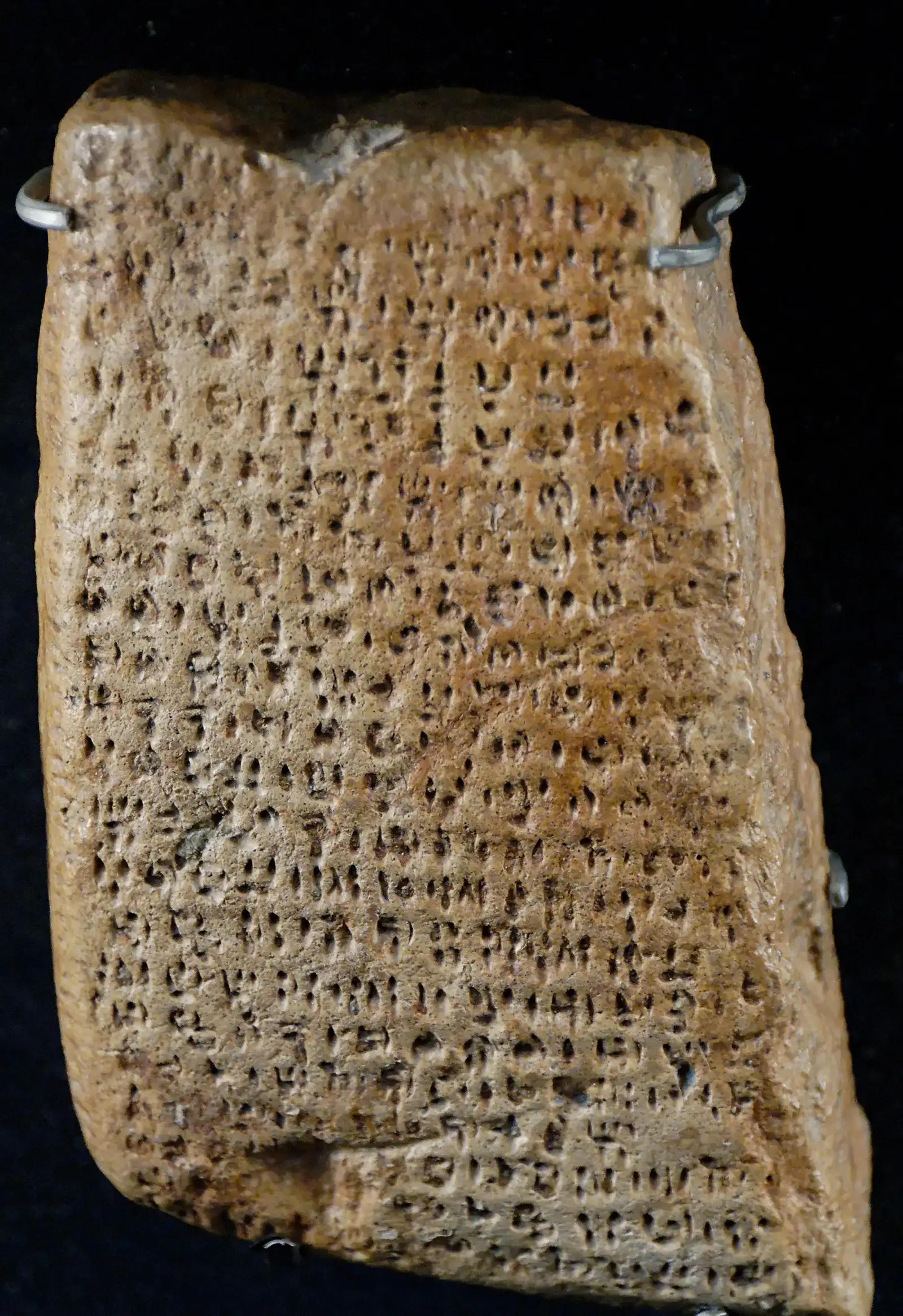
The ancient Minoan civilization flourished on Crete during the Bronze Age. They left behind two writing systems: Linear A and Linear B. Greek-based Linear B was cracked in 1952 and represents syllables rather than letters, but that knowledge hasn’t opened the door to deciphering Linear A, which was used between 1800 and 1450 BC.
The only kind of written language they left behind was something researchers call Linear A, and if it can be cracked, then it can open the door to a better understanding of the Minoan people and their untimely fate. Researchers propose new translations every year, but none has gained widespread acceptance.
Roman Dodecahedrons
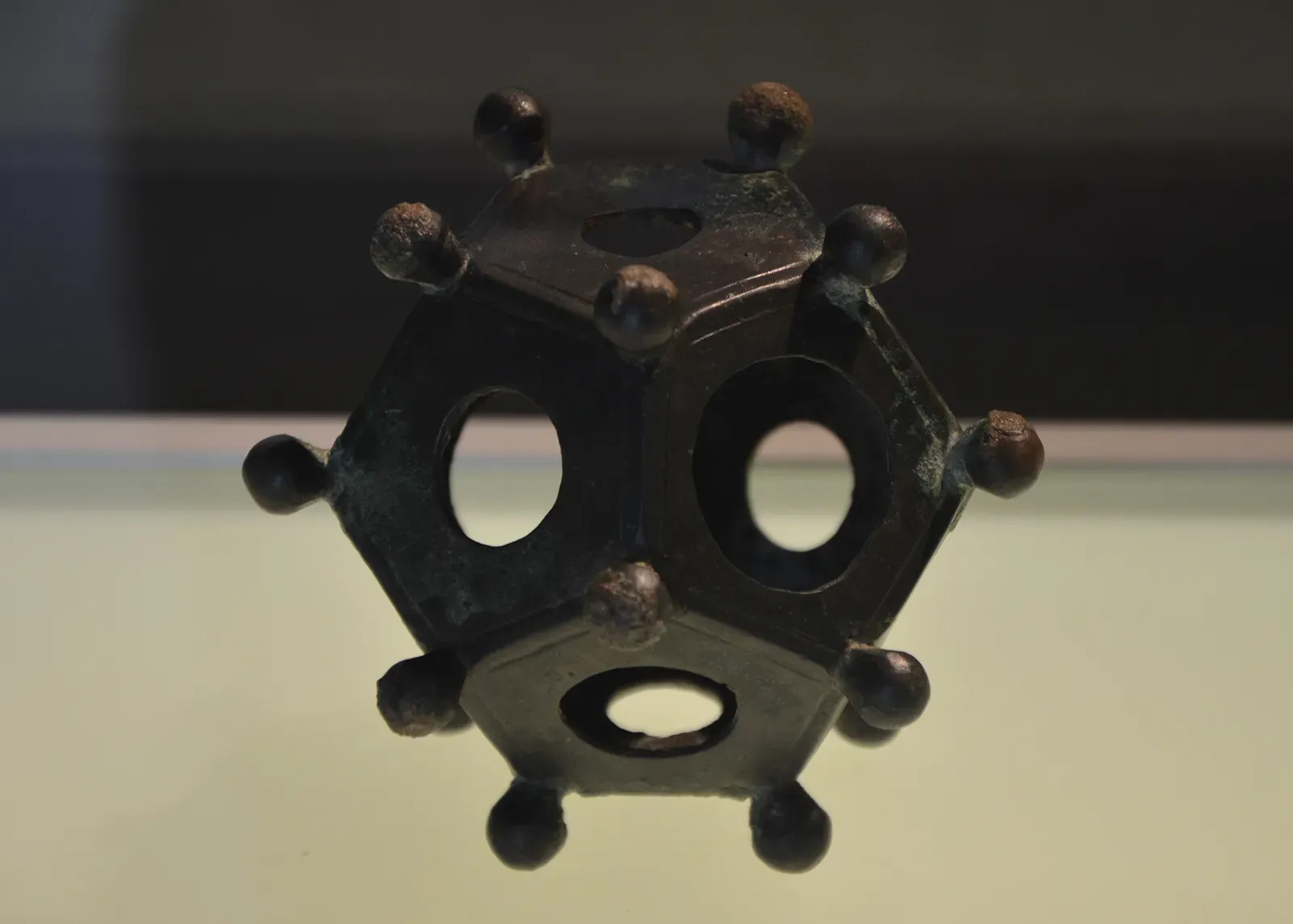
These mysterious objects got their name from their 12 sides, and they were made between AD 100 and 300 of bronze or stone with a hollow center. Dozens have been discovered across Europe. The shape is about all experts can agree on.
Some believe the 12 sides had to do with zodiac signs, while other theories suggest the objects were weapons, toys or religious symbols. Despite years of study, the Roman use for dodecahedrons remains hotly debated. Were they measuring devices? Ceremonial objects? Gaming pieces? Nobody knows.
Greek Fire

A wonder weapon of its time, Greek Fire was first used by the Byzantines at the Great Siege of Constantinople against an invading Arab army in 672 AD, and through chemical experiments, the Byzantines created a flammable liquid that water could not extinguish, a napalm-like substance that would stick to whatever it hit.
When the small Byzantine fleet set out, they deployed this innovative weapon and destroyed the Arab fleet. The formula was such a closely guarded military secret that it was eventually lost to history. Despite centuries of research and speculation, scientists still cannot definitively recreate the exact composition of Greek Fire. It remains one of history’s most effective lost technologies.
Conclusion
These mysteries remind us of something important. For all our advanced technology, satellite imaging, DNA analysis, and artificial intelligence, the past still holds secrets we cannot unlock. Maybe that’s what makes them so fascinating. They’re humbling.
Each unsolved mystery is like a voice from the ancient world whispering that we haven’t figured everything out yet. Perhaps one day new technology will crack these codes and answer these questions. Until then, they stand as monuments to human curiosity and the enduring power of the unknown. What do you think about these mysteries? Which one intrigues you the most?