

Every few years, a new discovery from the depths of a tomb, the bottom of the sea, or a forgotten desert site jolts scientists into the same uncomfortable realization: for all our satellites and supercomputers, there are technologies from the ancient world we still do not fully understand, let alone reproduce. These are not magic tricks or fringe myths; they are hard, physical objects and feats of engineering that keep defying neat explanations. They sit in museum cases or archaeological reports like quiet accusations, asking how a supposedly “primitive” past pulled off what our high-tech present struggles to match. What emerges is a humbling story of lost knowledge, radically different worldviews, and a reminder that progress is not always a straight upward line. And behind each object lies a deeper question: what else did they know that we have not even rediscovered yet?
The Baghdad Battery: Power From a Past That Shouldn’t Have Had Electricity
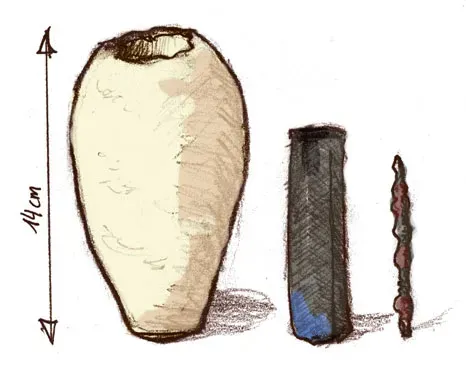
The so‑called Baghdad Battery looks almost disappointingly simple at first glance: a clay jar, a copper cylinder, and an iron rod, dated to roughly two thousand years ago from the Parthian or early Sasanian period near modern Baghdad. Yet when researchers filled replicas with an acidic liquid such as vinegar or grape juice, the setup generated a small but measurable electric current. That single detail turns a dusty artifact into a technological riddle, because it implies someone understood, at least practically, how to harness electrochemical reactions long before modern battery science. No ancient text explains its purpose, no workshop diagrams survive, and no identical devices have been found in a clear, controlled context.
Some archaeologists think these jars might have been used for electroplating thin layers of metal onto objects, while others suspect they were ritual or medical devices that just happen to function as batteries by accident. Modern lab tests can reproduce the voltage the originals likely produced, but what we cannot replicate with certainty is the original intent or complete system these jars belonged to. Were they part of a larger technological tradition that never got written down? The unsettling possibility is that we are reverse‑engineering a fragment of a science that vanished without a trace, and in that sense, the real technology we cannot replicate is the mindset that created them in the first place.
Roman Concrete: The Ancient Recipe That Gets Stronger With Time
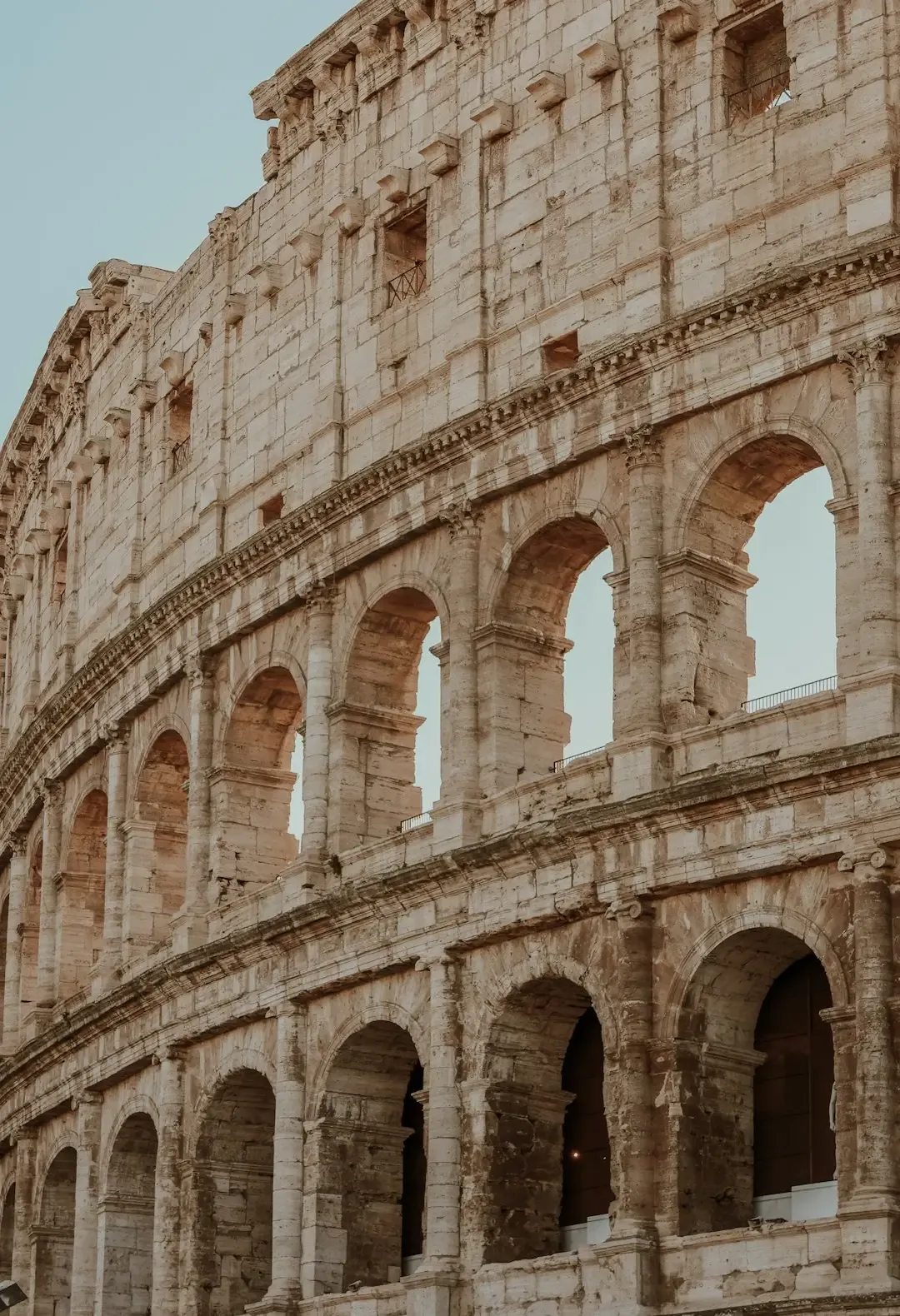
Walk through Rome and you are basically walking on top of an engineering insult to modern construction. Harbors, domes, and piers built nearly two thousand years ago from Roman concrete are still standing, often in corrosive sea water, while many twentieth‑century structures are already crumbling. Microscopic analysis has shown that Roman builders used volcanic ash, lime, and seawater in carefully chosen combinations that trigger rare mineral formations inside the concrete over time. Those crystals help heal tiny cracks, making the material more durable as the centuries pass instead of weaker. Modern concrete, in contrast, is optimized for speed and uniformity, not self‑healing longevity.
Chemists and engineers have made huge strides in understanding Roman recipes over the last decade, yet no one has turned that into a fully standardized, modern equivalent that reliably matches its performance at scale. Small‑batch experiments come close, but scaling those up while keeping costs acceptable and behavior predictable is proving far trickier than it sounds. There are also ethical and regulatory obstacles to radically changing construction materials in dense cities. We can analyze shards of Roman harbors down to the atom, but we still cannot recreate the exact interplay of local materials, craftsmanship, and centuries of slow chemical evolution that made those structures effectively immortal. In a world facing climate‑driven infrastructure stress, that gap feels less like a curiosity and more like a missed lifeline.
Egyptian Obelisks and Stone Cutting: Moving Mountains Without Modern Machines

Standing in front of a single granite obelisk from ancient Egypt, often weighing hundreds of tons and carved from a single piece of stone, you can almost feel your back ache in sympathy. These monoliths were quarried, shaped, transported, and erected with astonishing precision, long before cranes, diamond saws, or diesel engines existed. In the unfinished obelisk at Aswan, archaeologists have found clear signs of how quarry workers started to separate an enormous block from the bedrock, then abandoned it when cracks formed. The tool marks suggest a mix of pounding stones and possibly bronze tools, but that only partially explains the feat. The logistics of moving such a monster over kilometers of rough terrain and then setting it upright remain stunningly opaque.
Engineers have tried to replicate obelisk transport and raising using reconstructions of ropes, sledges, and ramps, often with modern safety equipment quietly in the background. The attempts show it is technically possible with massive labor forces, but they do not fully capture the efficiency implied by the number of obelisks the Egyptians erected over centuries. We still do not agree on the exact ramp designs, lubrication methods, or organizational structures that made these operations routine for a civilization without steel or industrial machinery. That is the part modern science cannot quite replicate: the total system of tools, muscle power, and highly tuned logistics that treated multi‑hundred‑ton monuments as manageable projects rather than miracles.
Greek Fire: The Lost Weapon That Terrified Empires

When medieval chroniclers described Greek Fire, the Byzantine Empire’s secret incendiary weapon, they sounded almost like they were reporting a science‑fiction weapon. This sticky, burning substance, reportedly sprayed from siphons or hurled in pots, could ignite on water and cling to ships or fortifications with devastating effect. Naval battles in the eastern Mediterranean turned on the ability of Byzantine crews to unleash this weapon, which enemy fleets struggled to counter. Yet the exact recipe and delivery system were such closely guarded state secrets that they vanished entirely after the empire’s decline. All that is left are descriptions of terror and a few artistic depictions of flaming jets arching from ship prows.
Chemists have proposed mixtures based on crude oil, resin, sulfur, quicklime, and other ingredients, and some experimental reconstructions show terrifyingly effective flames. However, no modern reproduction has been definitively accepted as matching the behavior described in historical accounts under real naval conditions. We can formulate horrifying napalm‑like substances today, but we cannot say with confidence that we have Greek Fire itself, as it functioned in war. The lost knowledge here is not just a formula, but the whole chain: storage, pressurization, ignition systems, and battlefield tactics. For once, there may be a small sense of relief in knowing we cannot perfectly resurrect this ancient technology, even as the scientist in many of us still itches to solve the puzzle.
Damascus Steel: Blades With a Microstructure We’re Still Chasing

Damascus steel swords from the medieval Islamic world occupy an almost mythical space in popular imagination, but the scientific story behind them is even stranger. Original blades, forged from so‑called wootz steel ingots likely imported from South Asia, show complex, wavy surface patterns and a microscopic internal structure that gives them a remarkable combination of hardness and toughness. Under the microscope, researchers have found intricate carbides and sometimes even nanometer‑scale features within the steel, formed by a delicate balance of impurities, heat treatments, and forging cycles. Modern metallurgists can create high‑performance steels that outperform old blades in specific tests, yet replicating the exact Damascus microstructure consistently has proven maddeningly elusive.
Several teams have announced they “cracked” Damascus steel, only to find that slight changes in ore composition or processing steps lead to very different results. The original makers were artisans, not lab technicians, and likely relied on tacit knowledge passed from master to apprentice, tied to specific ores and furnaces that no longer exist. Today’s forges can melt and alloy metals with incredible precision, but we struggle to mimic the emergent properties that came from imperfect, local conditions. What we cannot reproduce, in a strict sense, is the same blend of raw material sources, atmospheric conditions, and human intuition that gave those blades their legendary reputation. In chasing Damascus steel, modern science is forced to admit that control is not the same thing as understanding.
The Antikythera Mechanism: Clockwork Astronomy Centuries Ahead of Its Time
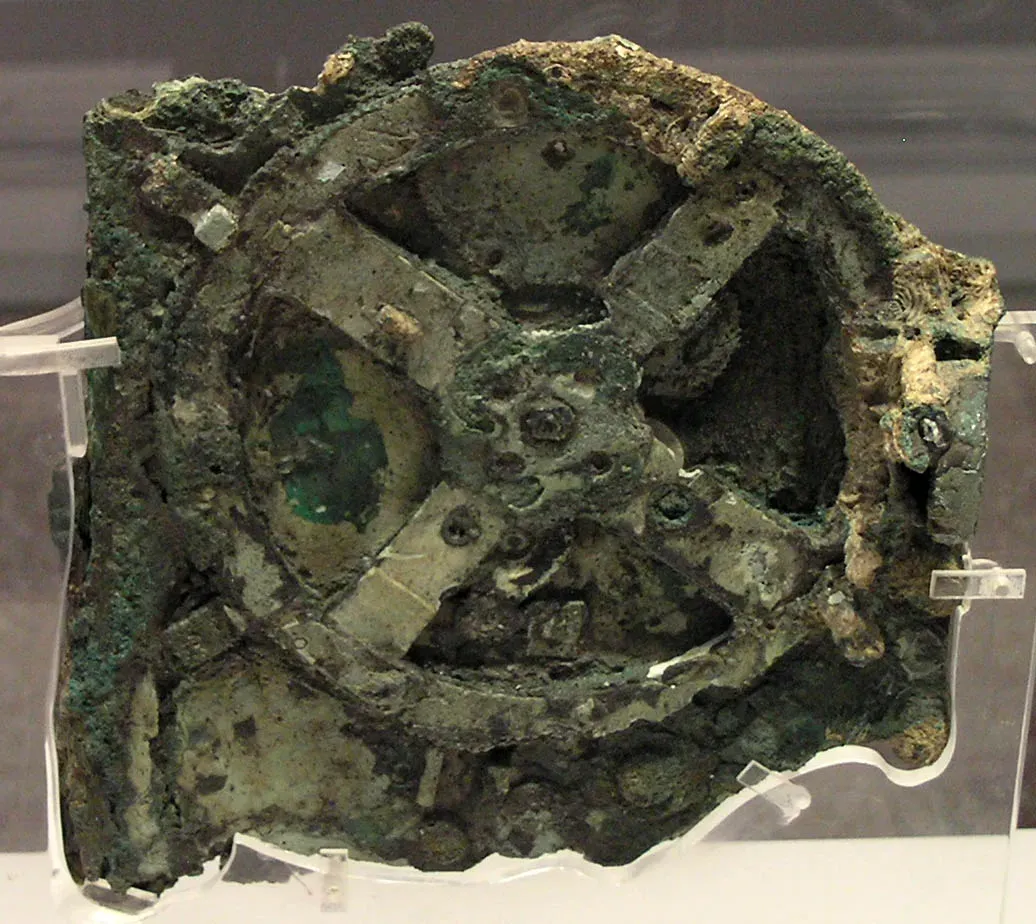
The Antikythera Mechanism, recovered from a shipwreck off a Greek island in the early twentieth century, is one of those artifacts that feels like it fell through a crack in history. Corroded fragments of bronze gears revealed, under X‑ray and CT imaging, an analog computer capable of modeling the motions of the Sun, Moon, and possibly planets with impressive accuracy. Dated to around the first or second century BCE, it packed dozens of interlocking gears into a shoebox‑sized case, with dials that could track eclipses and complex cycles like the Metonic period. Nothing else like it has been found from that era, and for a long stretch of history afterward, we see no comparable mechanical sophistication.
Modern engineers and historians have built stunning reproductions based on the surviving pieces, some using 3D‑printed components and others sticking to hand‑cut bronze gears. These replicas can simulate what the original likely did, but they remain educated guesses because parts of the device are missing and inscriptions are fragmentary. We still do not know who first conceived of such a machine, how widespread this kind of craftsmanship was, or why similar devices vanish from the archaeological record for so long. In that sense, we are not truly replicating the Antikythera Mechanism’s technology as a living tradition, only reconstructing a single frozen snapshot. It is like copying one page of a lost manual and pretending we now own the whole library.
Nazca Lines and Geoglyph Precision: Giant Art Without Aerial Views
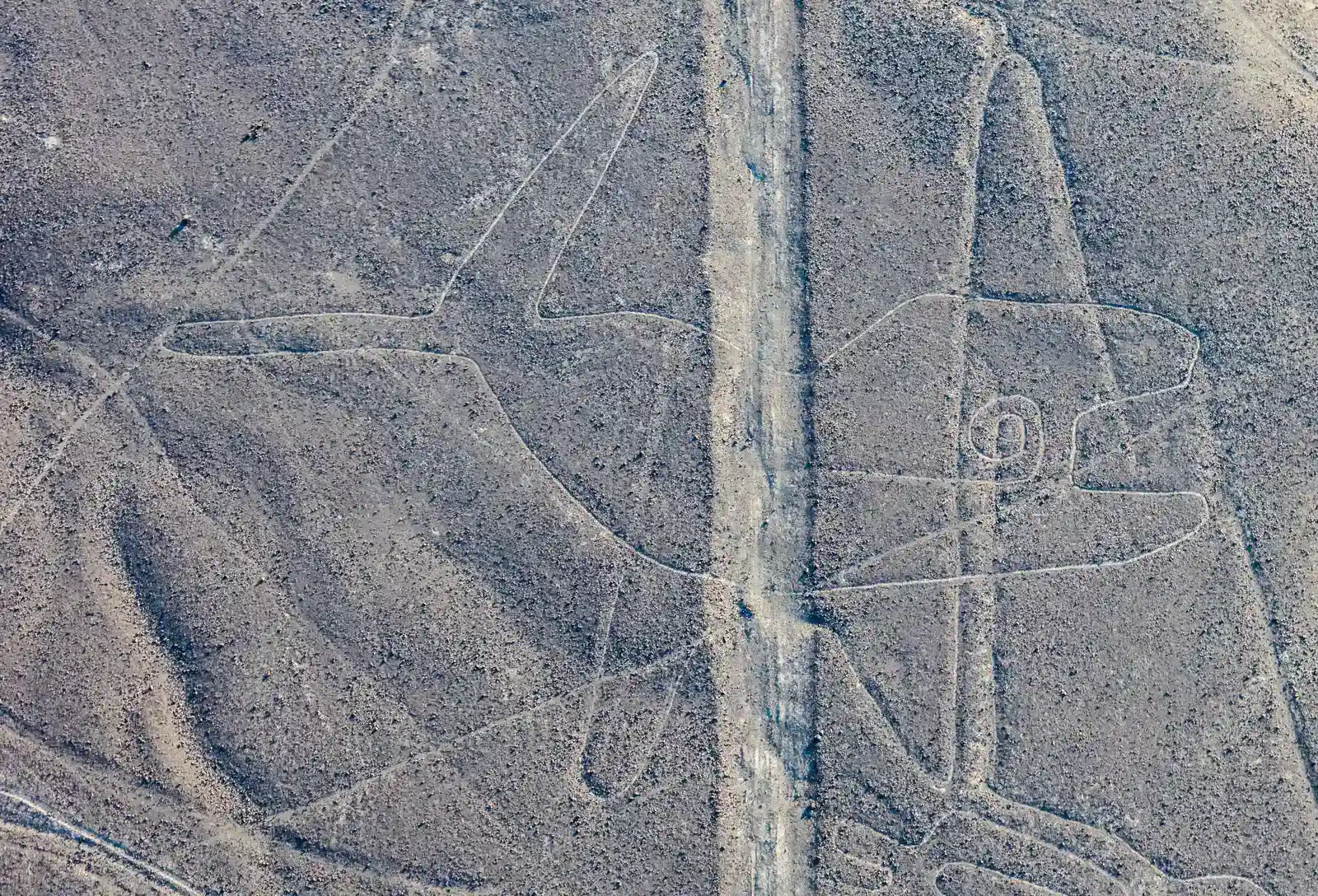
Sprawled across the coastal desert of southern Peru, the Nazca Lines form vast shapes of animals, plants, and geometric patterns that are easiest to appreciate from the air. Created between roughly fifteen hundred and two thousand years ago by the Nazca culture, these geoglyphs stretch for hundreds of meters and maintain striking straightness and proportions despite being laid out on uneven ground. The basic technique – scraping away the dark surface stones to reveal lighter soil beneath – sounds simple, but the large‑scale planning needed is anything but. Without aircraft, satellite imagery, or even tall towers, the Nazca people somehow designed and executed enormous figures with surprisingly clean geometry.
Archaeologists and experimenters have shown that small teams with simple tools and ropes can reproduce individual shapes, yet doubts remain about how the full network of lines and figures was coordinated over such a large landscape. Possible uses range from ritual pathways and astronomical markers to complex water‑related symbolism, but no single explanation satisfies all the evidence. What modern science cannot quite recreate is the Nazca ability to integrate cosmology, landscape, and engineering into a seamless practice operating at this scale. We can draw big shapes anywhere now with GPS, but we often lack the layered ritual and environmental meaning that made these geoglyphs more than just massive ground drawings. The Nazca Lines remind us that precision is not only a technical achievement; it is also a cultural one.
Why These Ancient Technologies Still Matter Today

It is tempting to treat these mysteries as entertaining historical oddities, the intellectual equivalent of a good puzzle book. But each unsolved technology quietly exposes blind spots in how we think about progress, expertise, and whose knowledge counts. When we admit that Roman harbor builders or Damascus smiths solved problems we still wrestle with, we have to confront the arrogance built into many stories of linear, Western‑centered advancement. These artifacts force science to look sideways as well as forward, folding archaeology, materials science, and cultural history into the same conversation. They also show how fragile knowledge can be when it depends on unwritten traditions or closely held secrets.
There is a more practical angle as well. Understanding Roman concrete could help cut the carbon footprint of modern cement, which is a major driver of global emissions. Learning from ancient water systems, desert agriculture, or geoglyph‑based land management may offer insights for climate‑stressed regions looking for low‑energy solutions. Even the study of Greek Fire has fed into a better grasp of dangerous combustion reactions, which can inform safety research. These lost technologies are not just curios from a museum gift shop; they are potential tools, warnings, and inspirations for a world that often forgets how powerfully human ingenuity can flourish outside the digital age.
The Future Outlook: Reverse‑Engineering the Past With Tomorrow’s Tools

The next wave of breakthroughs in ancient technology research will likely come from methods that sound almost futuristic themselves. High‑resolution 3D scanning, neutron imaging, and advanced synchrotron X‑ray techniques are already peeling back corrosion layers on artifacts like the Antikythera Mechanism, revealing hidden inscriptions and gear teeth. Machine‑learning algorithms can sift through huge datasets of fragments, tool marks, and chemical compositions to spot patterns that human eyes might miss. In some labs, researchers are combining old recipes with modern sensors, testing new mixes of “Roman‑style” concrete in harsh marine environments to see which ones age the best over years rather than weeks.
At the same time, there are ethical and political questions about how far we should go in resurrecting certain technologies, especially weapons or environmentally risky practices. There is also a real danger that once a mystery is solved, the public will lose interest, even though the real scientific value often begins at that point. Looking ahead, international collaboration between archaeologists, local communities, engineers, and climate scientists could turn ancient know‑how into a shared global resource rather than a set of exotic stories. If we handle it well, reverse‑engineering the past might help us build cities that last longer, use fewer resources, and fit more gently into their landscapes. That is a future where the greatest tribute to ancient engineers is not a museum label, but a world that quietly benefits from their forgotten genius.
How You Can Engage With the Mysteries of Ancient Technology
You do not need a lab coat or a university badge to be part of this unfolding story of rediscovery. Visiting local museums, especially the smaller ones, and really spending time with their less hyped artifacts can change how you see the past; those cracked tools and half‑erased inscriptions are the raw data that scientists work from. Many research projects rely on public support, from crowdfunding campaigns for underwater archaeology to donations that keep remote excavation sites running another season. Even something as simple as reading beyond sensational headlines and seeking out reputable explanations helps build a culture that values evidence over myth.
If you want to go further, you can support organizations that protect archaeological sites from looting and development, or volunteer with responsible community digs and conservation programs in your area. Sharing well‑sourced stories about ancient ingenuity with friends, teachers, or your kids can spark curiosity in the next generation of scientists and historians. The more people care about these questions, the harder it becomes for fragile sites and artifacts to be quietly destroyed or ignored. In the end, every curious reader is part of the machinery that keeps these mysteries alive long enough for someone to crack them. The technologies may be ancient, but the choice to keep asking how they worked is entirely in our hands.
Suhail Ahmed is a passionate digital professional and nature enthusiast with over 8 years of experience in content strategy, SEO, web development, and digital operations. Alongside his freelance journey, Suhail actively contributes to nature and wildlife platforms like Discover Wildlife, where he channels his curiosity for the planet into engaging, educational storytelling.
With a strong background in managing digital ecosystems — from ecommerce stores and WordPress websites to social media and automation — Suhail merges technical precision with creative insight. His content reflects a rare balance: SEO-friendly yet deeply human, data-informed yet emotionally resonant.
Driven by a love for discovery and storytelling, Suhail believes in using digital platforms to amplify causes that matter — especially those protecting Earth’s biodiversity and inspiring sustainable living. Whether he’s managing online projects or crafting wildlife content, his goal remains the same: to inform, inspire, and leave a positive digital footprint.