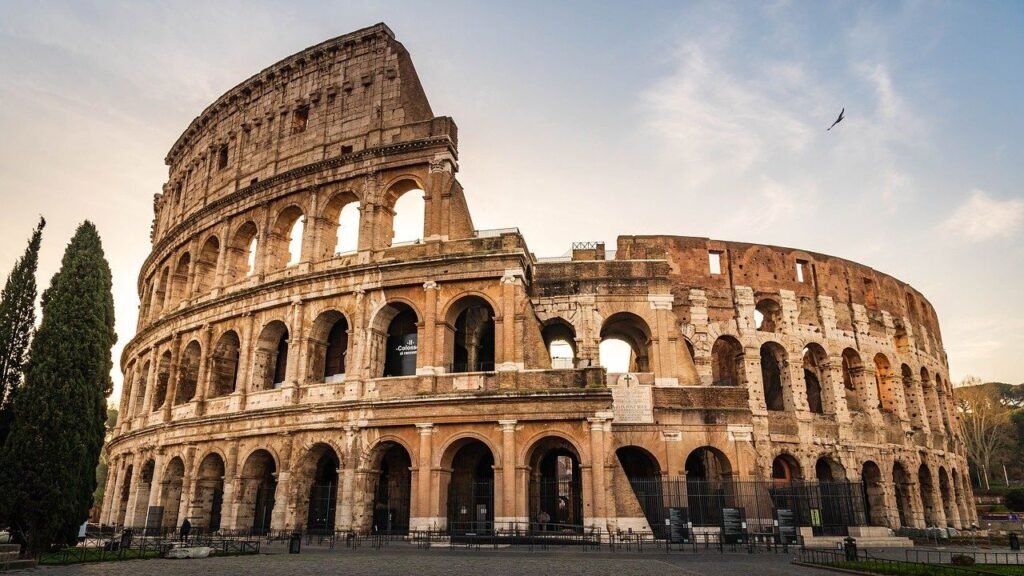

There’s something slightly unsettling about discovering that people thousands of years ago did things we still can’t fully pull off today. We walk around with supercomputers in our pockets, send robots to Mars, and yet some ancient stoneworker, armed with what looks like bronze chisels and rope, pulled off feats that leave modern engineers shrugging. It almost feels like opening your grandma’s attic and finding a gadget no one in Silicon Valley can figure out.
Of course, our tech is wildly advanced in many ways. But scattered around the world are a handful of ancient works and methods that stubbornly resist exact replication. We can imitate them, come close, or simulate them on computers, but doing it the original way, with original tools and materials, is a very different story. That gap between “we think we know how” and “we can actually do it” is where the real mystery lives.
The Unmatched Precision of the Great Pyramid of Giza

Stand in front of the Great Pyramid and the first shock is its size; the second is its perfection. The base is almost perfectly level, off by only a tiny fraction of a degree, and it’s aligned to true north with uncanny accuracy, despite being built more than four thousand years ago. Each block can weigh as much as several small cars, yet the joints are so tight on the interior stones you sometimes can’t slip a razor blade between them.
Modern engineers can build far taller structures, but using cranes, GPS, lasers, and advanced materials. What we can’t easily replicate is the pyramid’s combination of mass, precision, and the limited toolkit of the Old Kingdom: no steel, no modern surveying equipment, no powered machinery. We have theories involving ramps, sledges, water, and brilliant organization, but nobody has reproduced the full construction at scale with those constraints. We can explain it on paper; rebuilding it the old way, with the same accuracy, is another matter.
Roman Concrete That Gets Stronger With Time
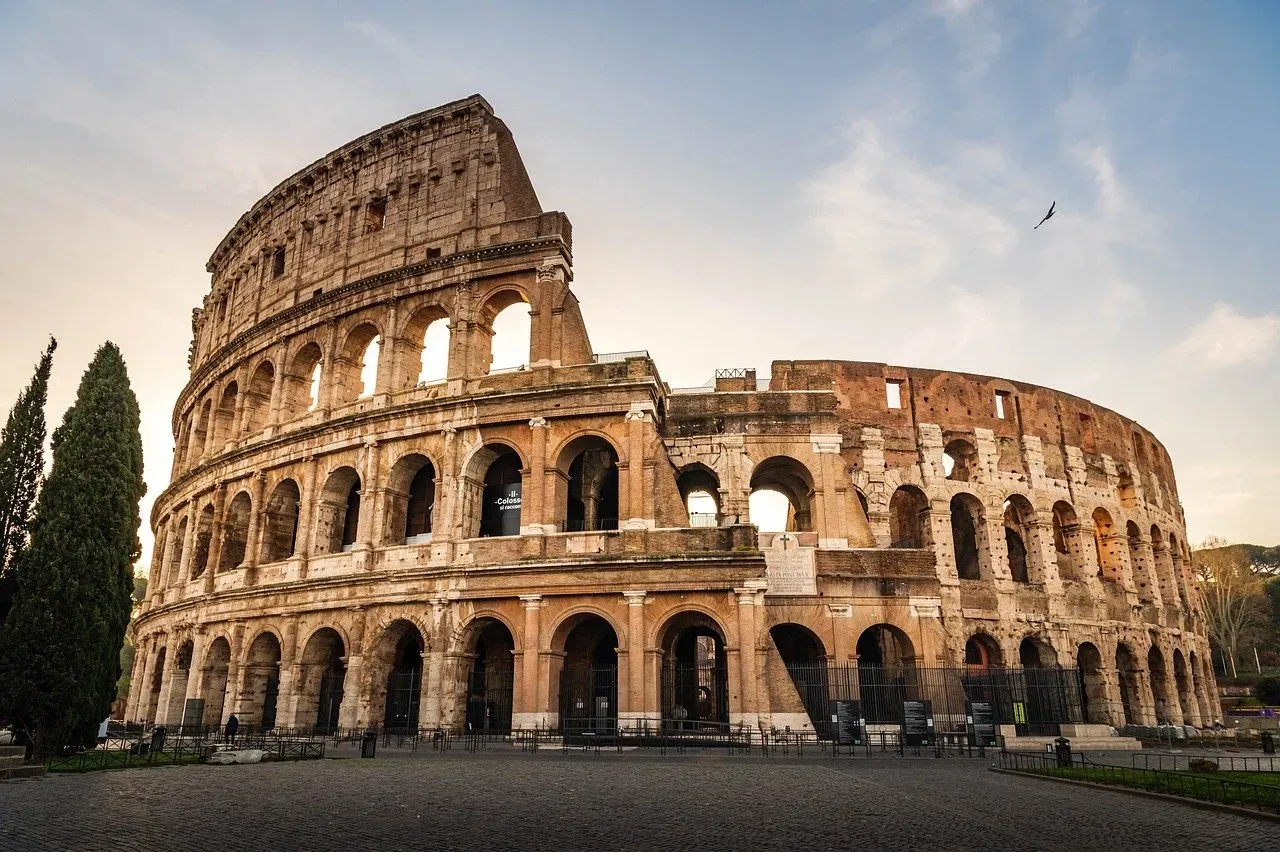
Walk along an ancient Roman harbor and you might be stepping on concrete that has been battered by waves for nearly two thousand years, yet still holds together. Meanwhile, plenty of modern concrete bridges start crumbling after mere decades. Roman concrete, especially their marine mix, behaves almost like a living material, slowly growing new crystals and strengthening as it ages in seawater.
Researchers have figured out that a key lies in volcanic ash, lime, and the way water interacts with specific minerals to form robust structures over time. But even with that knowledge, today’s construction industry is built around a different type of cement and vastly different timelines and economics. We can replicate aspects of Roman concrete in laboratories and small projects, but reproducing the exact performance, durability, and large-scale behavior of their ancient mix is still tricky. In practice, no one has truly re-created a modern port that ages in the same self-healing way.
The Antikythera Mechanism’s Clockwork Genius

When divers first pulled up the Antikythera Mechanism from a shipwreck in the early 1900s, it looked like a corroded lump. Decades later, imaging technology revealed something mind-bending: an intricate system of bronze gears that modeled the movements of the Sun, Moon, and possibly planets. This device, made more than two thousand years ago, is often called the world’s first known analog computer.
Watchmakers and engineers today can certainly craft complex gear systems, but what we still can’t quite replicate is the original design culture that produced something like this in an age without precision machine tools. Recreating the mechanism is one thing; building it with the same materials, tolerances, and techniques used then, relying on hand tools and no modern measurement standards, is another. The fact that this device seems to have appeared far ahead of its time, with very few surviving parallels, makes it feel less like a product line and more like a lost technological language.
Damascus Steel’s Mysterious Blades

Ancient and medieval texts describe swords that were legendary for their sharpness and toughness, supposedly able to slice through lesser blades. Many of those stories are exaggerated, but there really was something special about so-called Damascus steel, with its distinctive flowing patterns and remarkable balance of hardness and flexibility. Blacksmiths in the Middle East and South Asia mastered a process that turned raw metal into high-performance blades using techniques passed down closely within workshops.
Modern metallurgists have made huge progress in understanding the microstructure of some surviving blades, including traces of carbon nanotube-like structures and specific alloys. We can make exceptional steels today, often superior in performance on certain metrics. Yet that exact traditional recipe – the mix of ore sources, temperatures, cooling cycles, impurities, and craft intuition – remains elusive. Attempts to fully recreate authentic historical Damascus steel have produced close cousins, but not a universally accepted match for the original art.
Inca Stonework That Locks Like 3D Jigsaw Pieces
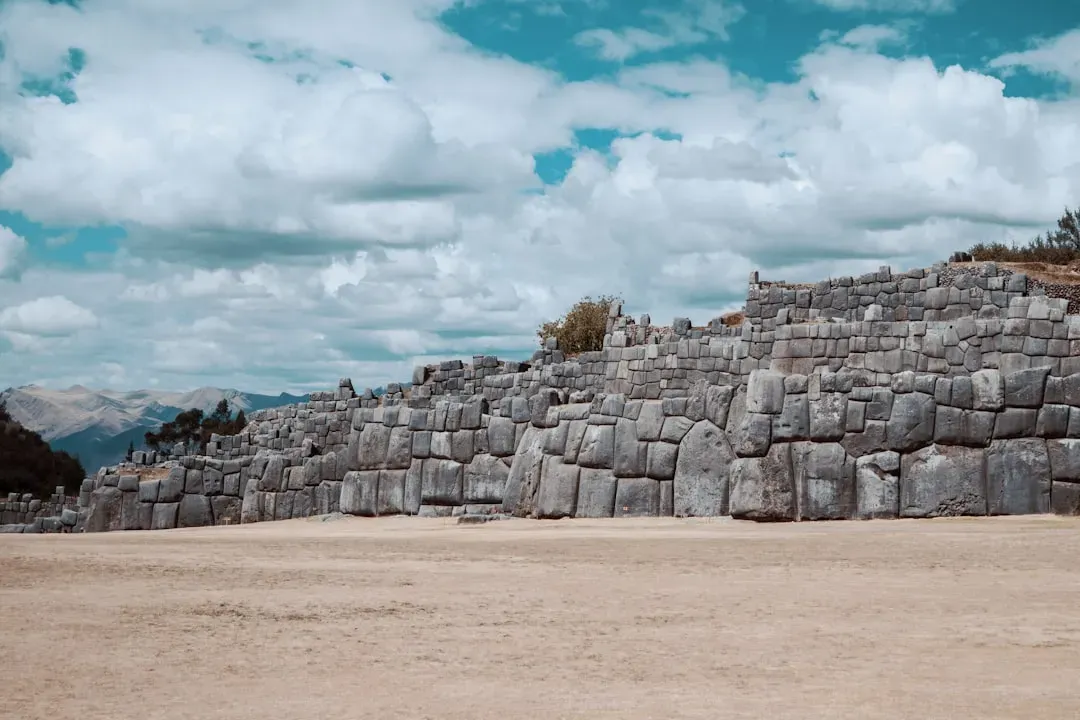
In the highlands of Peru, Inca walls stand without mortar, surviving centuries of earthquakes that shattered more modern buildings around them. Their stones aren’t simple bricks; they’re irregular, multi-angled blocks that fit together so closely it feels like someone designed them in advanced 3D software. Yet these were carved with tools far less sophisticated than modern power cutters, at least as far as we know.
We can cut stone more quickly today, but what we don’t really replicate is the Inca method of custom-fitting each block to its neighbors as if the wall were a giant locked puzzle. The process seems to have demanded staggering patience and skill, along with a deep understanding of how stone behaves under pressure and during quakes. Engineers admire the seismic resilience of these structures, but our normal approach is to use standardized blocks and steel reinforcements. Rebuilding a large Inca-style wall using only their tools and techniques, with the same standard of fit, remains more of an experimental art project than an everyday possibility.
Viking Sunstones and Navigation Without a Compass
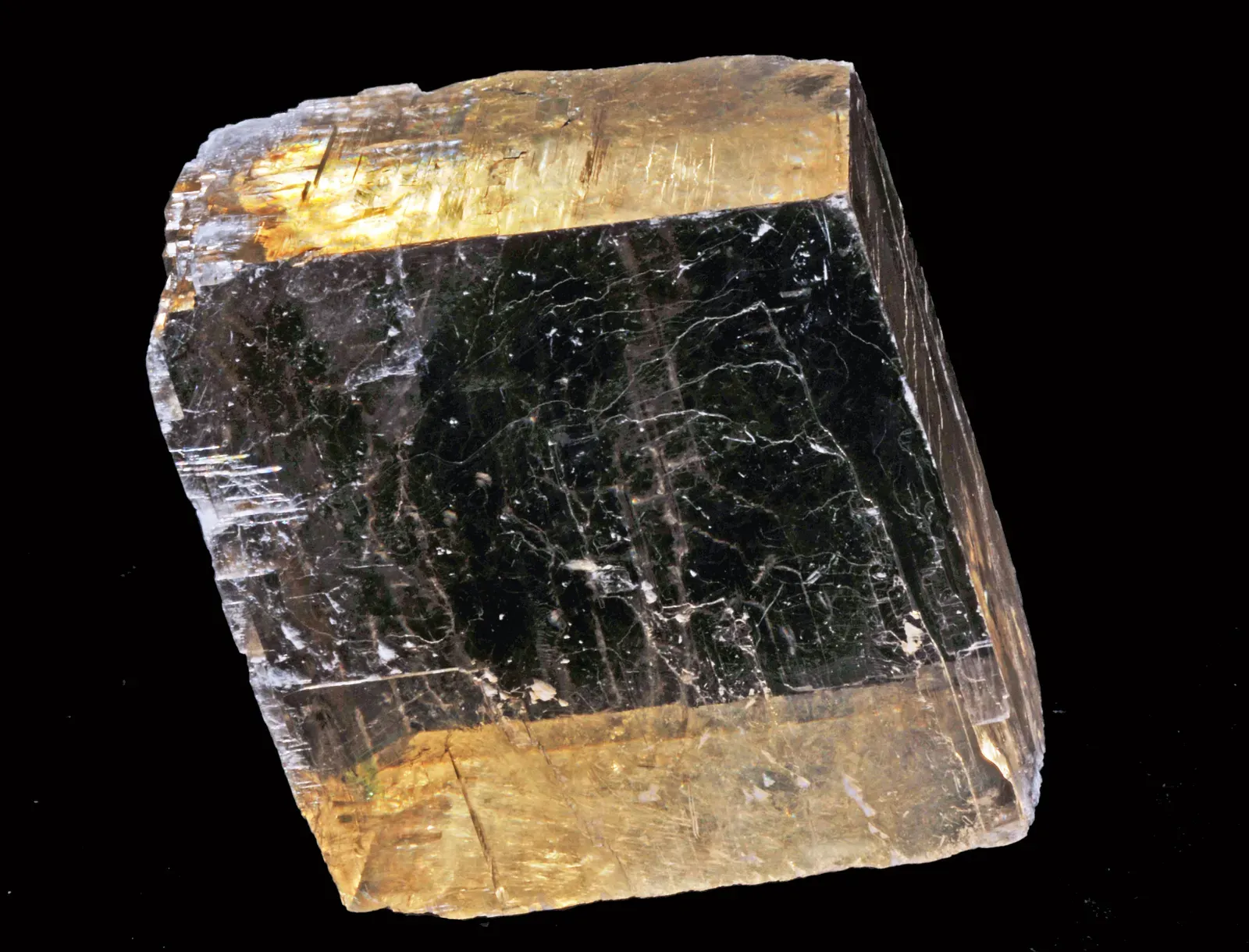
Imagine being in an open boat on a cloudy day in the North Atlantic, no GPS, no modern compass, and still knowing where the Sun is with surprising accuracy. There is evidence that Viking sailors may have used so-called sunstones: crystals that exploit the polarization of light to locate the Sun’s position even when it’s hidden. The idea sounds almost like fantasy, yet physical experiments with certain crystals show it could work.
Modern navigational tools are far more precise, but what we haven’t fully replicated is the original, everyday seafaring practice of using such stones under real conditions, trip after trip, across rough waters. Researchers can demonstrate the principle in controlled conditions and short tests, but reliably sailing long distances with only these tools, in the way Vikings might have, is something no modern crew regularly does. The knowledge wasn’t laid out in textbooks; it was embedded in experience, instinct, and tradition that have largely vanished.
Greek Fire: The Lost Weapon of the Seas

Medieval accounts describe a terrifying Byzantine weapon that could burn on water, stick to ships, and be launched in jets from siphons. Known as Greek fire, it helped the Byzantine Empire survive sieges and naval battles that might otherwise have overwhelmed it. This substance was so secret that even allied states apparently never received the full formula or method of deployment.
Chemists today can come up with various flammable mixes, some resembling primitive napalm, and they can speculate about ingredients like petroleum, resin, and sulfur. Yet no one has definitively recreated both the material and the reliable delivery system that would match historical descriptions and tactical impact. The missing piece isn’t just chemistry; it’s the combination of mixture, storage, pressurization, and application that made Greek fire such a feared and closely guarded technology. In a sense, it vanished not because it was impossible, but because its fragile chain of human knowledge snapped.
The Indus Valley’s Hyper-Organized Urban Planning
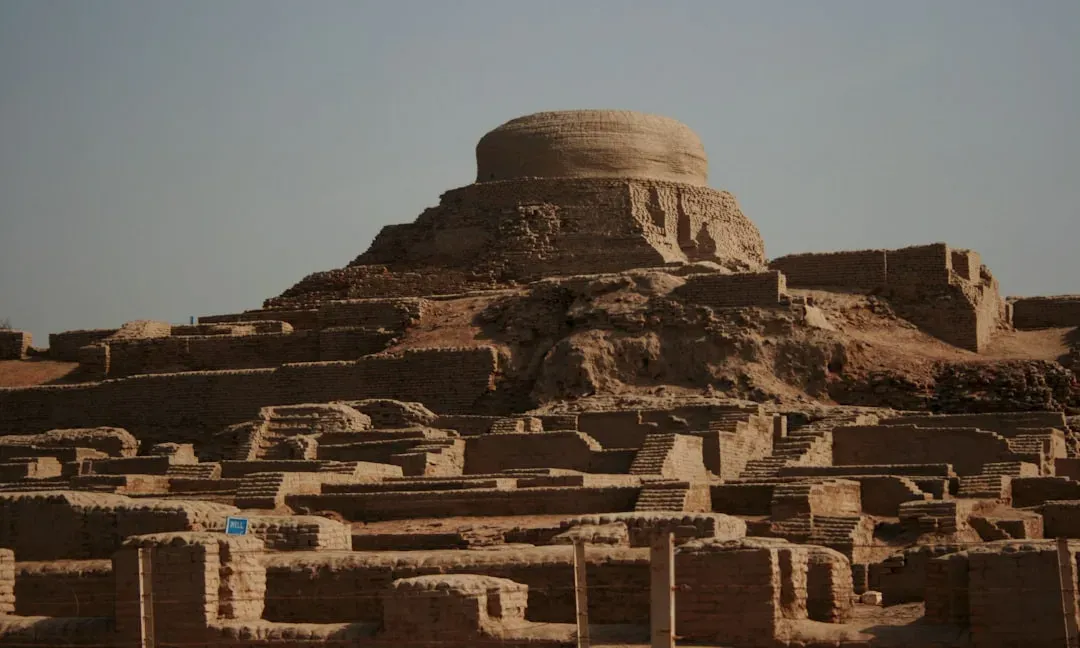
The ancient Indus Valley cities, like Mohenjo-daro and Harappa, were laid out with a level of planning that feels eerily modern. Streets followed clear grids, drainage systems ran beneath them, and many houses had access to surprisingly sophisticated sanitation. This wasn’t just one showpiece neighborhood; entire cities seem to have been structured with a consistent civic logic.
Urban planners today can certainly draw straighter maps and bigger sewer systems, but what we can’t replicate is how an entire civilization adopted such standardized, decentralized order without obvious grand monuments or easily decoded written records explaining how. Their planning seems to have been baked into everyday life rather than imposed by one visible ruler or a single central plan. We still don’t fully understand how they coordinated materials, labor, and design across sites separated by long distances, using tools and communication methods far more limited than ours.
Egyptian Blue and Other Long-Lost Pigments
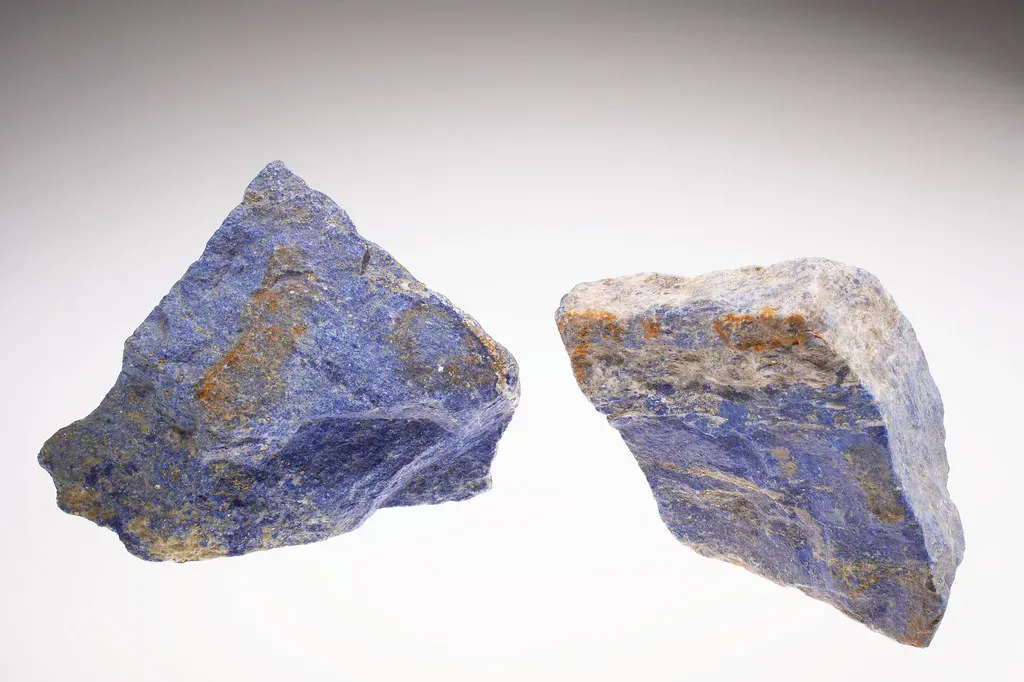
Look closely at surviving fragments of Egyptian art, and you’ll see a particular luminous blue that doesn’t quite behave like modern paints. Known as Egyptian blue, this pigment was one of the earliest synthetic coloring materials, created by heating specific ingredients to high temperatures. It has unusual properties: under certain light, it can emit infrared radiation, a feature that only recently caught scientists’ attention in a new way.
Researchers have recreated something very close to Egyptian blue in the lab, but mass-producing it exactly as the ancients did, at the same economic and practical scale, is another challenge. The broader story is that many ancient pigments and binding techniques – across Egypt, Mesoamerica, and elsewhere – have subtle properties and long-term stability that we struggle to fully match with modern commercial formulas. Our paints are designed for speed, cost, and standardization, while theirs often balanced durability, symbolism, and locally sourced materials in ways that we’re still trying to reverse-engineer.
The Acoustic Perfection of Ancient Theaters
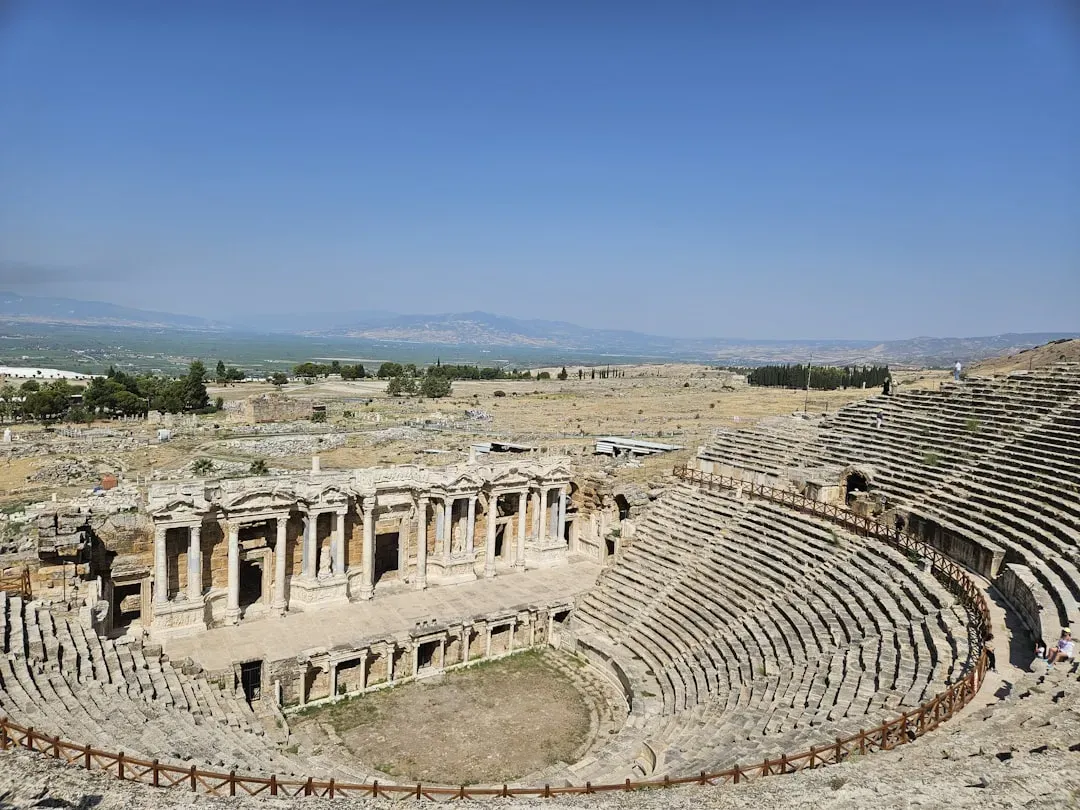
In several ancient Greek and Roman theaters, a person can speak in a normal voice on stage and be heard clearly by someone far up in the seats without microphones. The geometry of the seating, the materials used, and the architectural details combine to channel and clarify sound with surprising effectiveness. It can feel like the building itself is leaning in to help the performers.
Acoustic engineers can simulate these spaces with complex software, and we can design modern concert halls with great sound. But reproducing the same natural, unamplified clarity of some of these open-air theaters, while also dealing with weather, crowd noise, and practical construction limits, is more complicated than just copying their shape. Many of the original design decisions were likely discovered through trial, error, and a deep cultural focus on oratory and performance rather than through formulas. When we build new venues, we bring different priorities, and that subtle, almost effortless acoustic magic is difficult to summon on demand in quite the same way.
Conclusion: The Knowledge We Lost Along the Way
When you line these examples up, a pattern quietly appears: it’s not that ancient people secretly had smartphones; it’s that they invested generations of patient, hands-on knowledge into narrow crafts we no longer practice in the same way. Our tools today are faster and broader, but often less intimate. Somewhere between the invention of power tools and the rise of mass production, a lot of fine-grained, embodied know-how simply evaporated.
Maybe that’s the most astonishing part: the hardest thing to replicate isn’t the stone, the metal, or the pigment, but the culture that refused to rush, the masters who learned with their hands, and the apprentices who watched every move. These lost technologies are reminders that progress isn’t a straight line; it zigzags, forgets, and rediscovered things in loops. Looking at them now, it’s hard not to wonder which “ordinary” skills of our time will one day baffle the future in the same way.