
Some animals don’t just survive in the wild; they rewrite the rulebook of what life can do. From insects that farm like humans to birds that literally play with fire, the natural world is full of creatures whose behavior feels less like a textbook and more like a plot twist. Once you start looking closely, it becomes very hard to say that humans are the only “clever” ones.
What surprised me most, when I first began reading about animal behavior, was how often our big human inventions – farming, medicine, architecture, even tools – quietly appeared in nature first. The ten animals below are not just cute or impressive; they challenge the way we think about intelligence, culture, and what it means to be “just an animal.” Let’s dive in and see how many of these you would have ever guessed.
1. Tardigrades: The Almost Unkillable Microscopic Bears
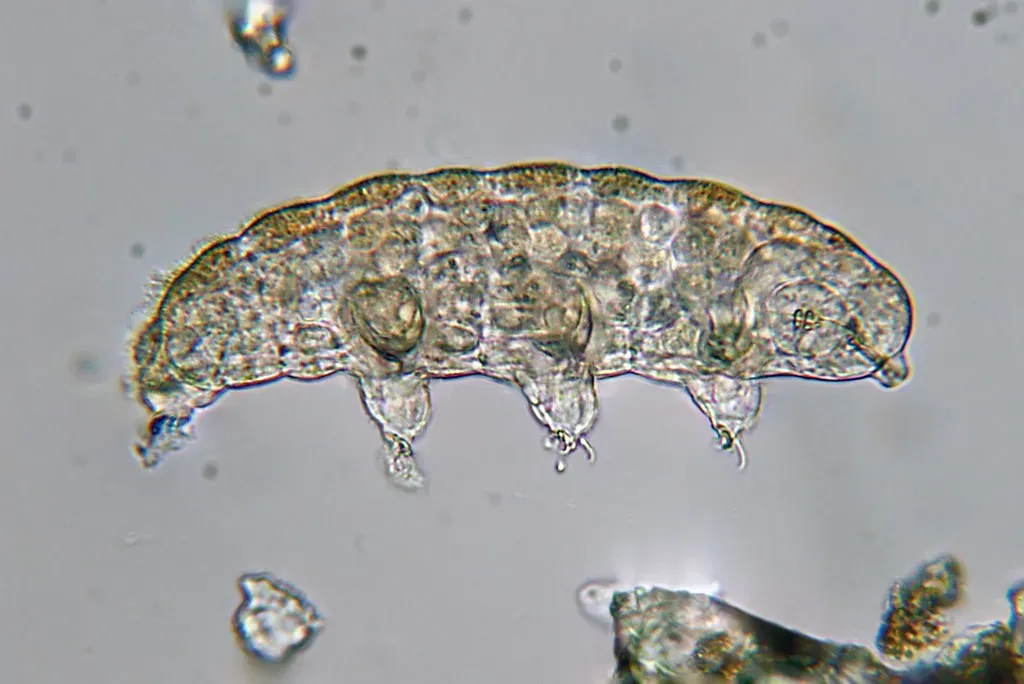
Tardigrades, often called water bears, are tiny eight-legged animals that look like something from a science-fiction sketchbook, yet they live in moss, soil, and even on roof gutters. Their headline trick is stunning: when conditions turn deadly – extreme heat, cold, radiation, or dehydration – they can curl into a dry, glassy ball called a tun and essentially pause life. In this state, their metabolism drops to almost nothing, allowing them to ride out situations that would obliterate nearly every other organism.
Scientists have revived tardigrades after they were dried out for years, exposed to radiation in space, or chilled to temperatures far below freezing. They do this by producing special molecules that help stabilize their cells, like packing fragile glass in cushioning material before a rough shipment. While they are not truly indestructible and can absolutely die, their behavior of flipping into “survival mode” on demand is about as close to a biological superpower as it gets. It quietly raises a wild question: if a tiny “water bear” can hit pause on life, how flexible is life itself?
2. Archerfish: Sharpshooters That Hunt with Water Bullets
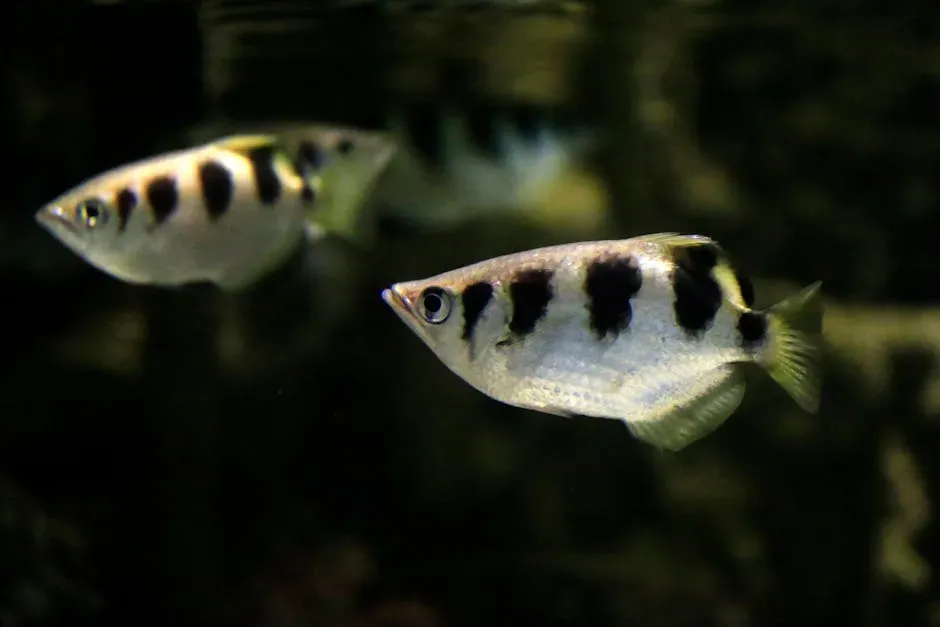
Imagine trying to knock a sandwich off a table by spitting from across the room – and hitting it dead center on the first try. Archerfish pull off a version of that stunt dozens of times a day. These small tropical fish, found mostly in mangroves and estuaries in Asia and Australia, hunt insects and small animals above the water by shooting narrow jets of water from their mouths. They angle their bodies just right and account for how light bends at the water’s surface to nail targets sitting on leaves or branches.
What makes their behavior so amazing is that young archerfish actually improve their aim over time, suggesting a kind of practice and learning. In experiments, they adjust their shots when the distance or size of the target changes, something that feels eerily like a gamer “getting used” to a new setting. Instead of chasing food, they manipulate the environment so food falls to them – a clever reversal of the predator–prey chase we’re used to seeing. Watching one hit a tiny insect with a perfect water bullet feels like watching nature play darts on expert mode.
3. Ant “Farmers”: Insects That Grow Their Own Food
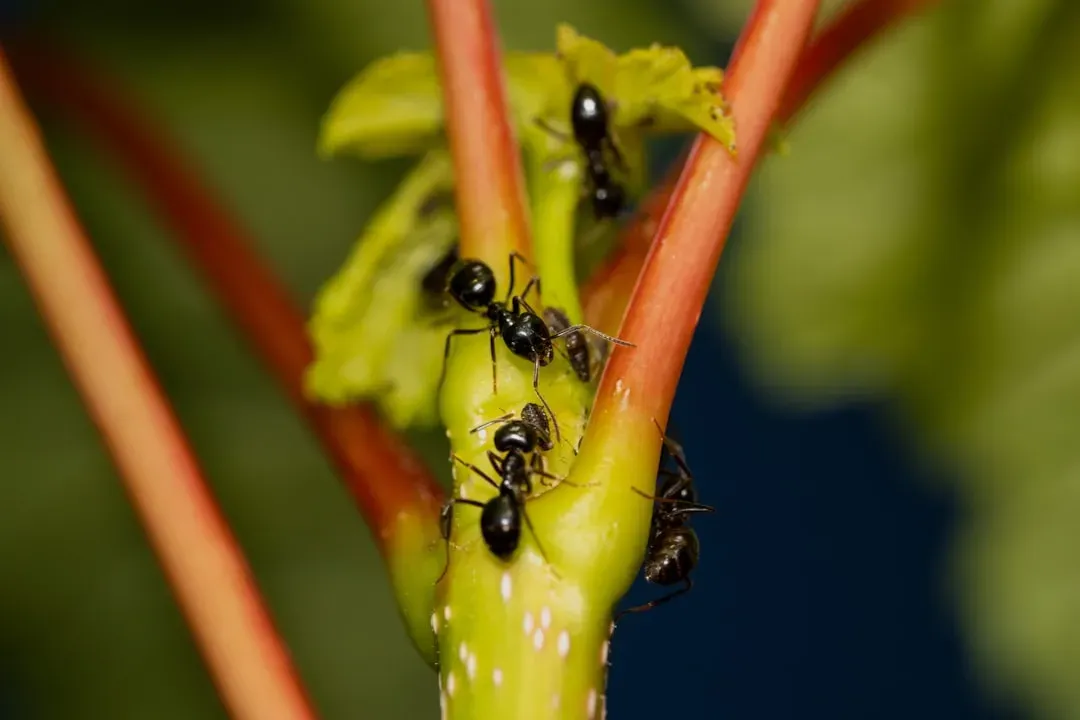
Long before humans imagined tractors or greenhouses, some ant species were already running underground farms. Leafcutter ants in Central and South America march in long lines, carrying bits of leaves that they don’t actually eat. Instead, they carefully chop and clean these leaves and store them in special chambers, where the plant material becomes a garden bed for fungus. The ants “weed” their fungal crops, remove contaminants, and even seem to share different tasks like workers in a highly organized factory.
What blows my mind is that these ants also use a kind of natural antibiotic to protect their farms, growing bacteria on their bodies that help suppress harmful fungi. This three-way partnership – ant, cultivated fungus, and defensive bacteria – is a sophisticated form of agriculture and medicine all rolled into one small insect colony. When you realize that humans only started farming relatively recently in evolutionary terms, but ants have been fungus-farming for far longer, our proud claims to be the first great farmers suddenly feel much smaller.
4. Dolphins: Masters of Tools and Teaching
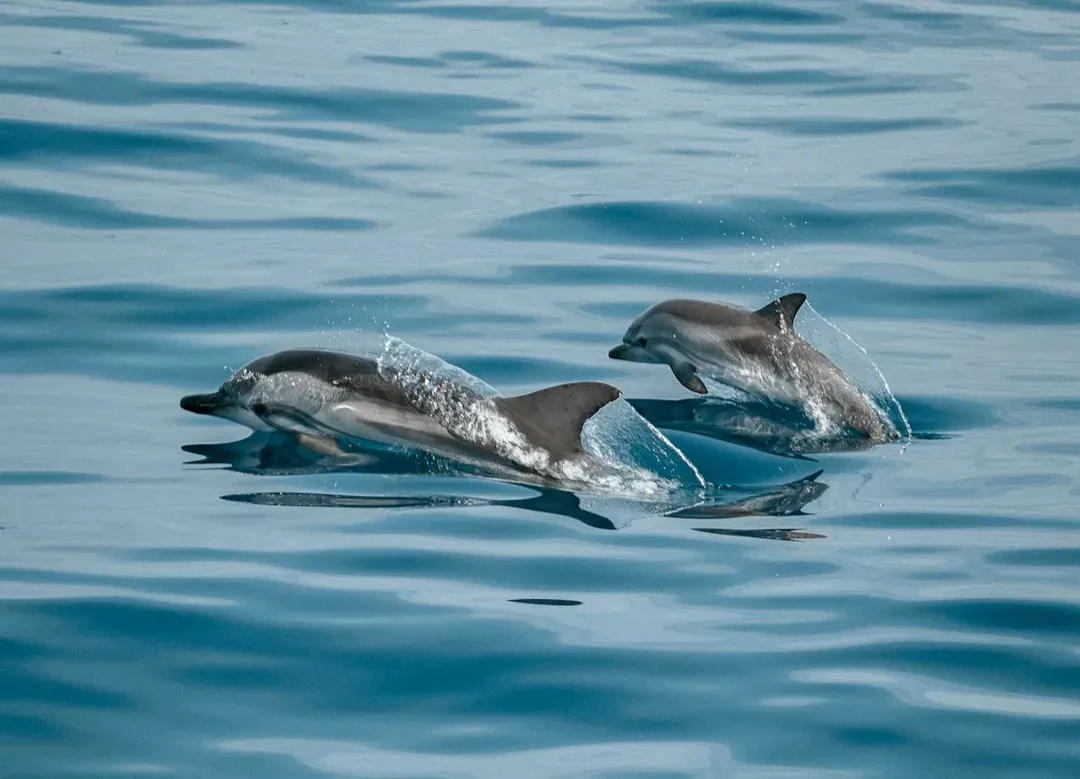
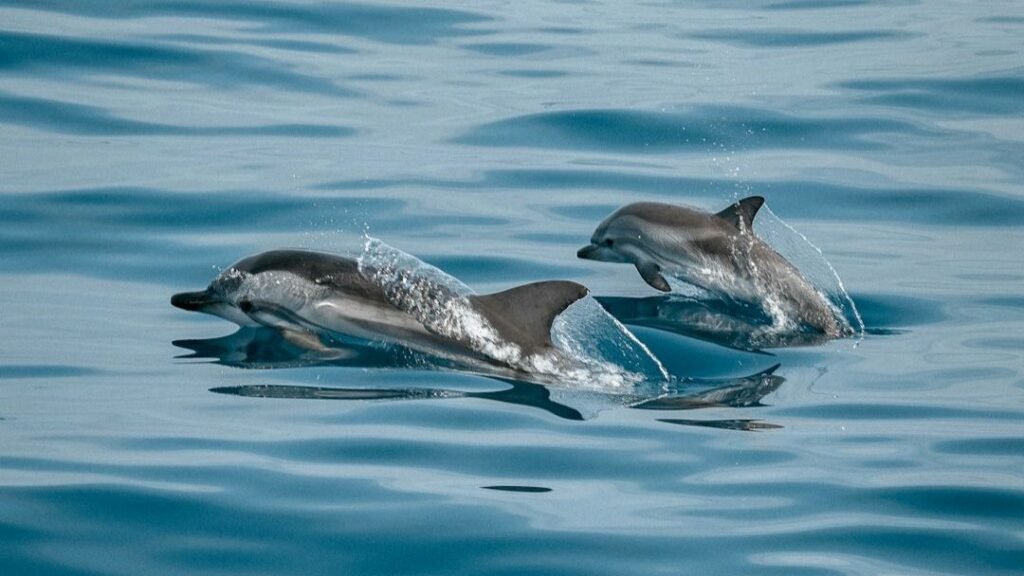
Dolphins have long had a reputation for being clever, but their behavior goes beyond party tricks in aquariums. In certain coastal areas, such as parts of Western Australia, wild bottlenose dolphins have been observed picking up marine sponges with their snouts and using them like protective gloves while searching for food along rough, rocky seafloors. This helps shield their sensitive skin from sharp objects as they nose around for hidden fish and invertebrates.
Even more fascinating is that this “sponging” behavior is not random; it spreads within family lines, especially from mothers to calves. Young dolphins watch, follow, and then imitate, learning the technique over time like a child learning to ride a bike. Researchers consider this a form of cultural transmission, where knowledge is passed socially rather than through genes alone. It is hard not to see at least a faint mirror of our own tool traditions, grandparents teaching grandkids, except the teachers are sleek gray animals cutting through coastal waves.
5. Lyrebirds: Nature’s Most Unsettling Mimics
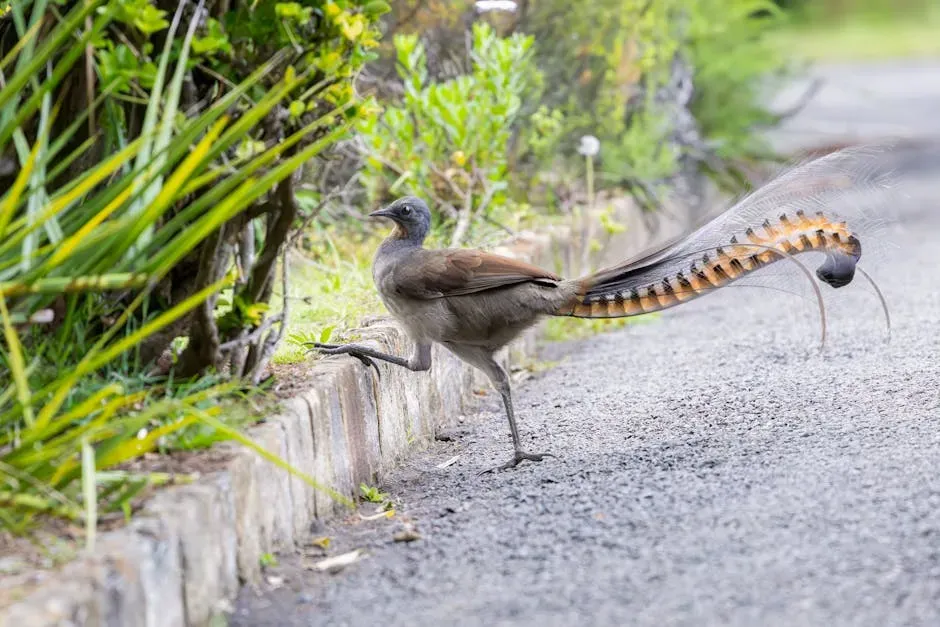
Australian lyrebirds might be the closest thing nature has to a voice recorder in feathers. These ground-dwelling birds have a startling ability to mimic sounds from their environment: other birds’ calls, camera shutters, car alarms, and even the mechanical whine of chainsaws. In the wild, males weave these sounds into elaborate songs during courtship displays, fanning out their ornate tail feathers in a performance that feels more like theater than simple mating behavior.
What makes this behavior so striking is not just the accuracy of the mimicry but its purpose. Each male lyrebird seems to build a personal “playlist” of sounds, and the more complex and impressive the performance, the better his chances of attracting a mate. That means industrial noises and human-made sounds sometimes get folded into their natural songs, turning parts of their forests into strange audio collages. It is as if the birds are involuntarily documenting the human footprint around them, re-broadcasting our presence in the middle of ancient landscapes.
6. Pistol Shrimps: Tiny Gunslingers with Sonic Weapons
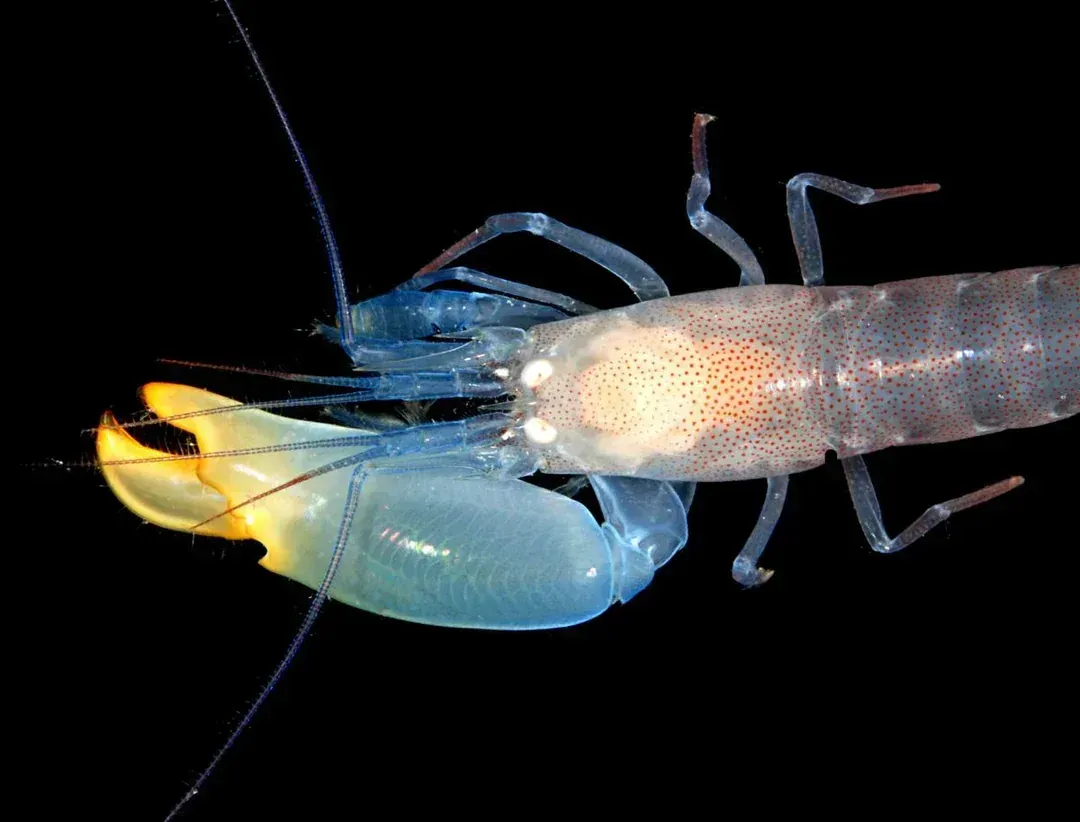
Pistol shrimps, also known as snapping shrimps, look fairly unremarkable until you notice the single oversized claw that seems almost cartoonishly large. That claw is the centerpiece of one of the most extreme hunting tricks in the ocean. When the shrimp snaps it shut at high speed, it creates a sudden, collapsing bubble in the water, a process that briefly produces a shockwave strong enough to stun or kill small prey nearby. That snap can get so intense that it even produces a tiny flash of light and a short burst of heat for a split second.
These shrimp often live in complex burrows and sometimes form partnerships with fish, such as gobies, where the fish act as sentries while the shrimp maintains the shared home. The pistol shrimp’s sonic weapon turns a seemingly delicate little crustacean into a serious contender in the underwater arms race. It also quietly reminds us that power in nature is not always obvious at first glance; sometimes it is packed into a small package that rewrites the physics of what a “claw” can do.
7. Bowerbirds: Architects of Art and Illusion
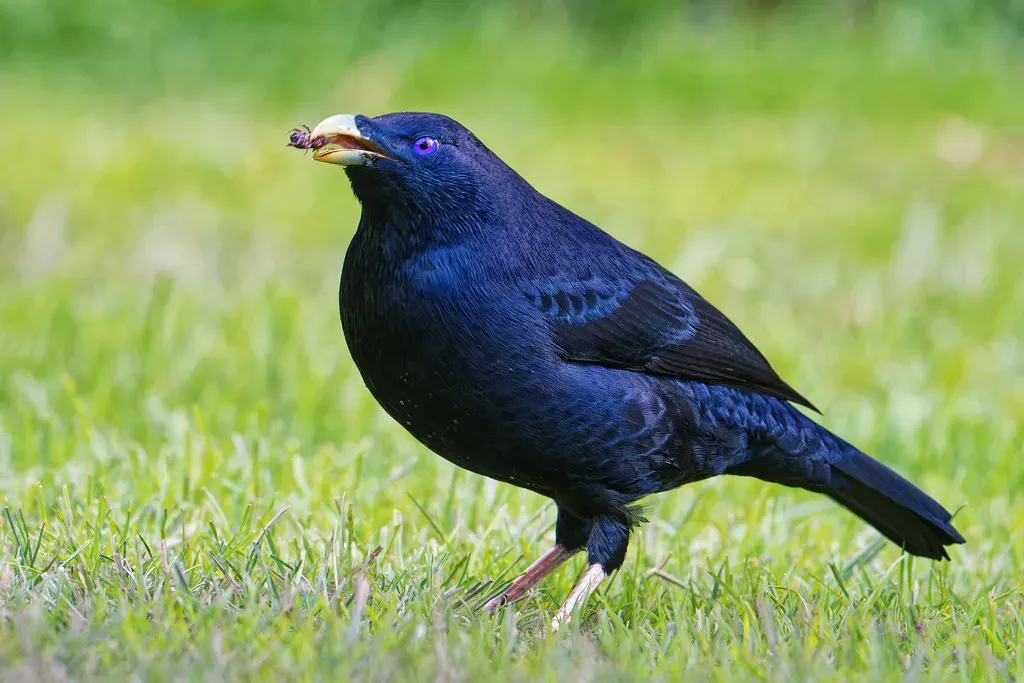
Male bowerbirds from Australia and New Guinea take interior design more seriously than many humans. To attract females, they build elaborate structures on the forest floor called bowers – not nests, but display arenas. Using twigs, leaves, flowers, berries, shells, and even colorful human-made items like bottle caps, they arrange these objects with meticulous care, sometimes favoring a particular color theme such as blue or yellow across an entire display.
Some species go even further and create visual illusions, placing smaller objects farther away and larger ones closer to produce a forced perspective that makes the bower appear grander than it really is. Females carefully inspect these structures, and males that fail to meet the high aesthetic standard are often ignored. There is something disarmingly familiar in these rituals: a whole courtship system built around taste, craftsmanship, and style. In a way, it makes human debates over home décor and design trends feel like part of a much older, wider story.
8. Cleaner Wrasses: Tiny Fish That Run Underwater “Clinics”
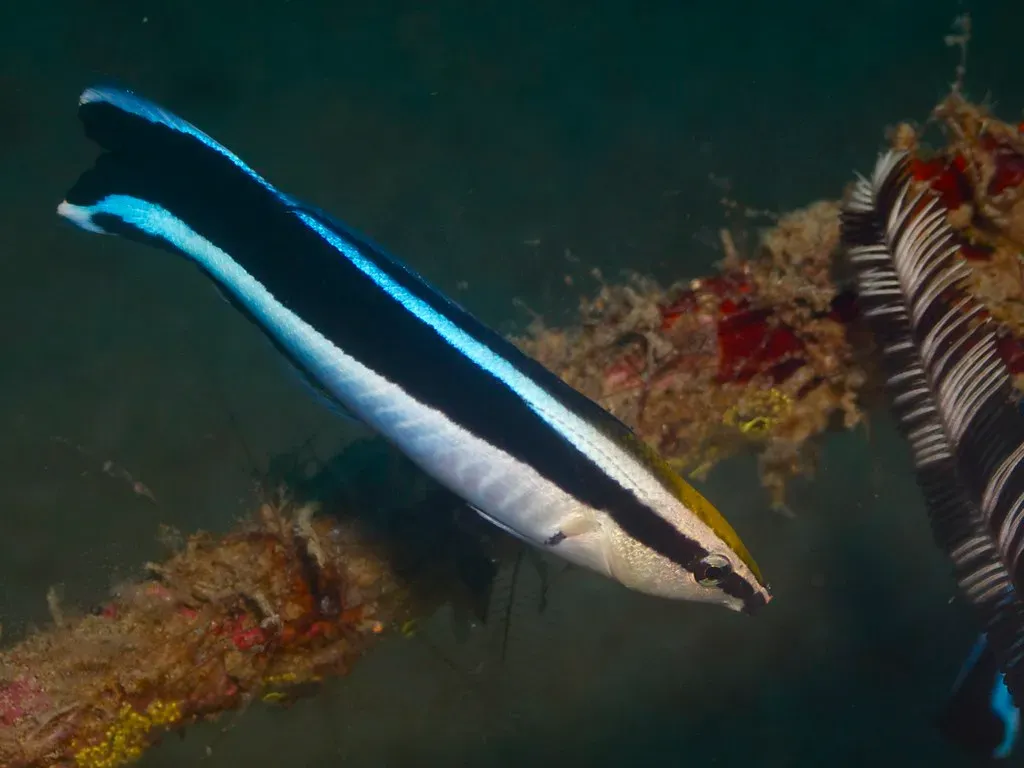
In coral reefs, cleaner wrasses behave like mobile service stations for bigger fish. These small, brightly colored fish set up cleaning “stations” where larger fish swim in, slow down, and allow the cleaners to nibble away dead skin, parasites, and bits of mucus. The big fish get a health check and grooming session; the wrasses get a steady food supply. It is one of the clearest mutual benefit relationships in the ocean and depends entirely on behavior and trust.
What is especially fascinating is that cleaner wrasses seem to recognize individual client fish and sometimes adjust their behavior based on who is watching. They have been shown, in some experiments, to perform impressively in tasks linked to self-recognition and social awareness, though scientists debate exactly what this means. When a predator calmly opens its mouth and lets a tiny fish wander around inside to do a cleaning job, it turns the usual rules of “eat or be eaten” upside down. It is less a mindless instinct and more a fragile, negotiated truce that benefits both sides.
9. Firehawks: Birds That Weaponize Wildfire
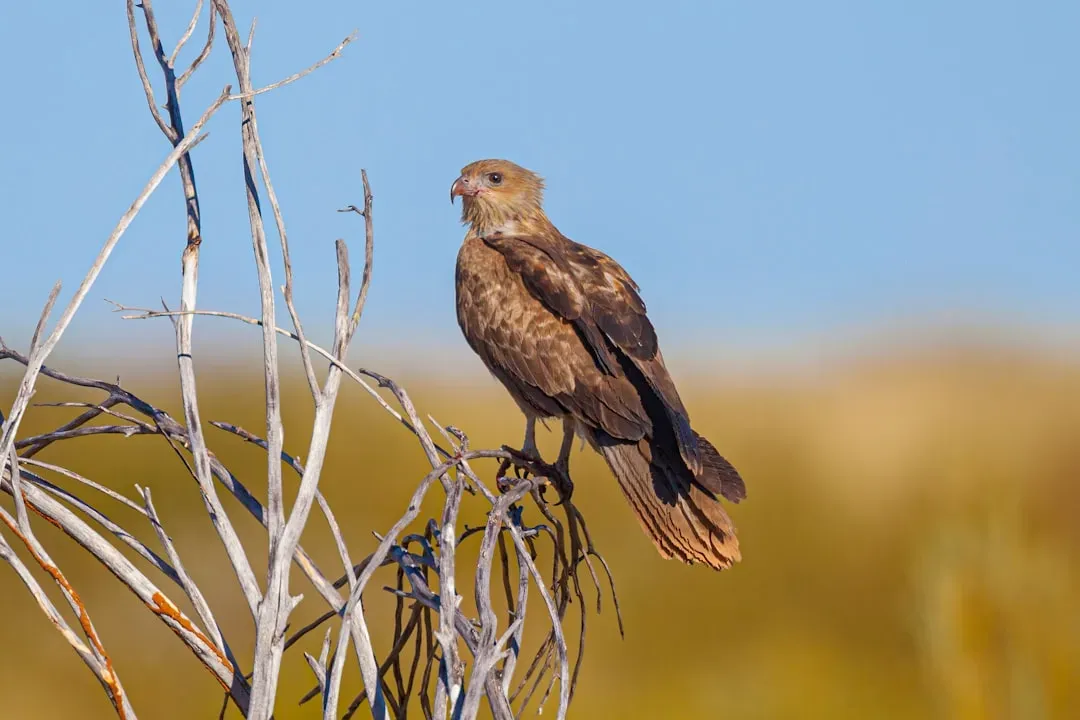
In parts of northern Australia, several raptor species – often called firehawks by local communities – have been observed doing something that feels almost unbelievable at first hearing. These birds pick up smoldering sticks or burning debris from active fires and carry them to unburned grass, dropping them to start secondary fires. As new flames spread, small animals flee, and the birds swoop in to catch the panicked prey more easily.
This behavior is still being studied and documented, but fire-spreading in birds has been reported by Indigenous Australians for a long time and supported by growing scientific observations. If confirmed and fully understood, it would mean these raptors are not just following fire but actively using it as a hunting tool, a behavior once thought unique to humans. The idea that a bird might deliberately spread fire sounds almost mythic, yet it fits a clear logic: harness a powerful environmental force to flush out dinner. It is one more nudge against the belief that only our species can “use” nature in strategic ways.
10. Octopuses: Shape-Shifting Escape Artists with Problem-Solving Minds
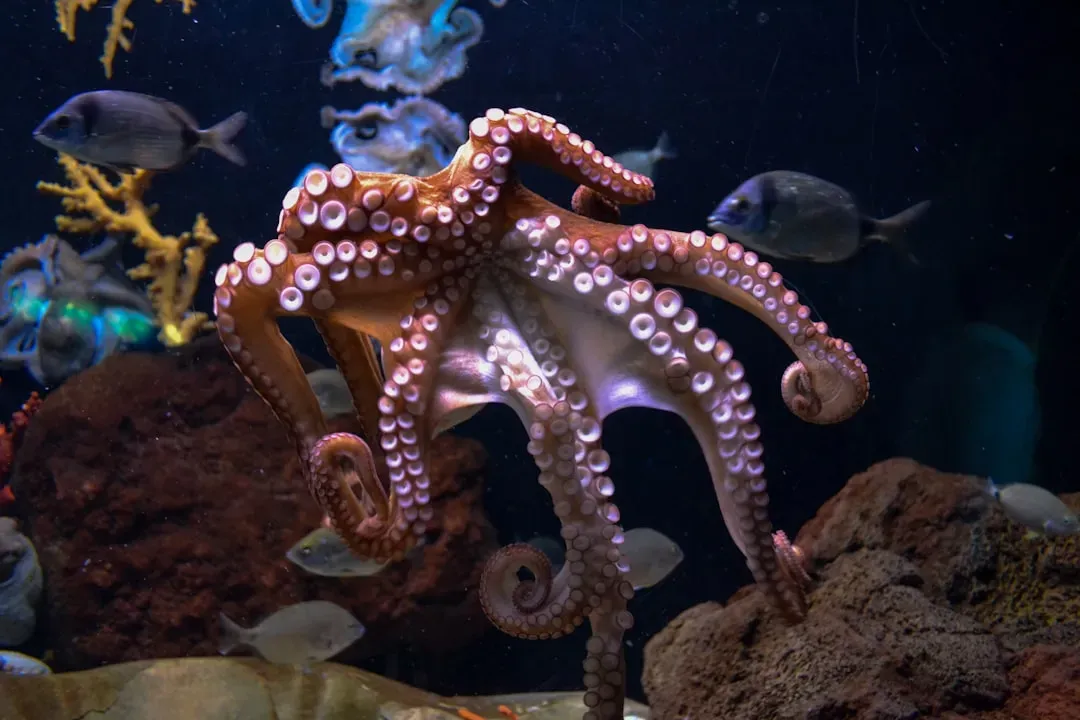
Octopuses already look alien, with their eight arms, shifting colors, and boneless bodies, but their behavior is what really unsettles our sense of human uniqueness. In aquariums and labs, they have been seen unscrewing jar lids, escaping through tiny gaps, and manipulating objects with an eerie kind of precision. In the wild, some octopus species collect coconut shells or other hard objects and use them as portable shelters, carrying them around and assembling them when needed like custom armor.
They can change color and skin texture in an instant to match rocks, corals, or sand, a camouflage system controlled directly by their nervous system. Individual octopuses often develop recognizable “personalities” – some bold and curious, others shy and easily stressed – which is unusual for animals that live such short lives. When you watch an octopus inspect a new object, curling its arms around it and exploring every angle, it feels less like watching a simple reflex and more like meeting a different kind of thinking. It leaves you with the strange sense that intelligence might take many shapes, and ours is only one of them.
Conclusion: Rethinking What It Means to Be “Just an Animal”
From water bears hitting pause on life to birds that stage art shows or possibly spread fire, these animals stretch the boundaries of what we expect from nonhuman life. None of them are mythical, and yet their behaviors often sound like tall tales until you see the footage or read the research. They farm, they teach, they decorate, they negotiate, they engineer, and sometimes they even upset the simple predator–prey script we were taught in school. For me, learning about them felt a bit like having the lights turned up in a room I thought I already knew by heart.
There is a quiet humility that comes from realizing that evolution has been experimenting for billions of years, and our clever tricks are just one tiny branch on a huge, tangled tree. The more closely we look, the more we find minds and strategies that are utterly different from ours yet perfectly tuned to their worlds. Maybe the question is not how “smart” these animals are compared to humans, but how much of their strange brilliance we are finally ready to notice. After reading about them, which behavior changed your view of animals the most?