
You’ve probably seen superhero movies where characters display impossible abilities. They fly, they heal instantly, they survive unimaginable conditions. Let’s be real, we tend to think of these as pure fantasy. Something humans dreamed up for entertainment.
Here’s the thing though. Nature has beaten Hollywood to the punch, and it’s been doing so for millions of years. The animal kingdom is home to creatures with abilities so extreme, so fundamentally bizarre, that they challenge everything we thought we understood about what’s biologically possible. These aren’t mutations from comic books or lab experiments gone wrong. They’re real organisms, living among us right now, performing feats that would make even the most creative screenwriter pause and say, “Wait, that can’t be real.”
So let’s dive in. Prepare to have your understanding of biology stretched, twisted, and maybe even shattered. These creatures aren’t just remarkable, they’re proof that reality can be stranger than fiction.
Tardigrades: The Microscopic Indestructible Wanderers
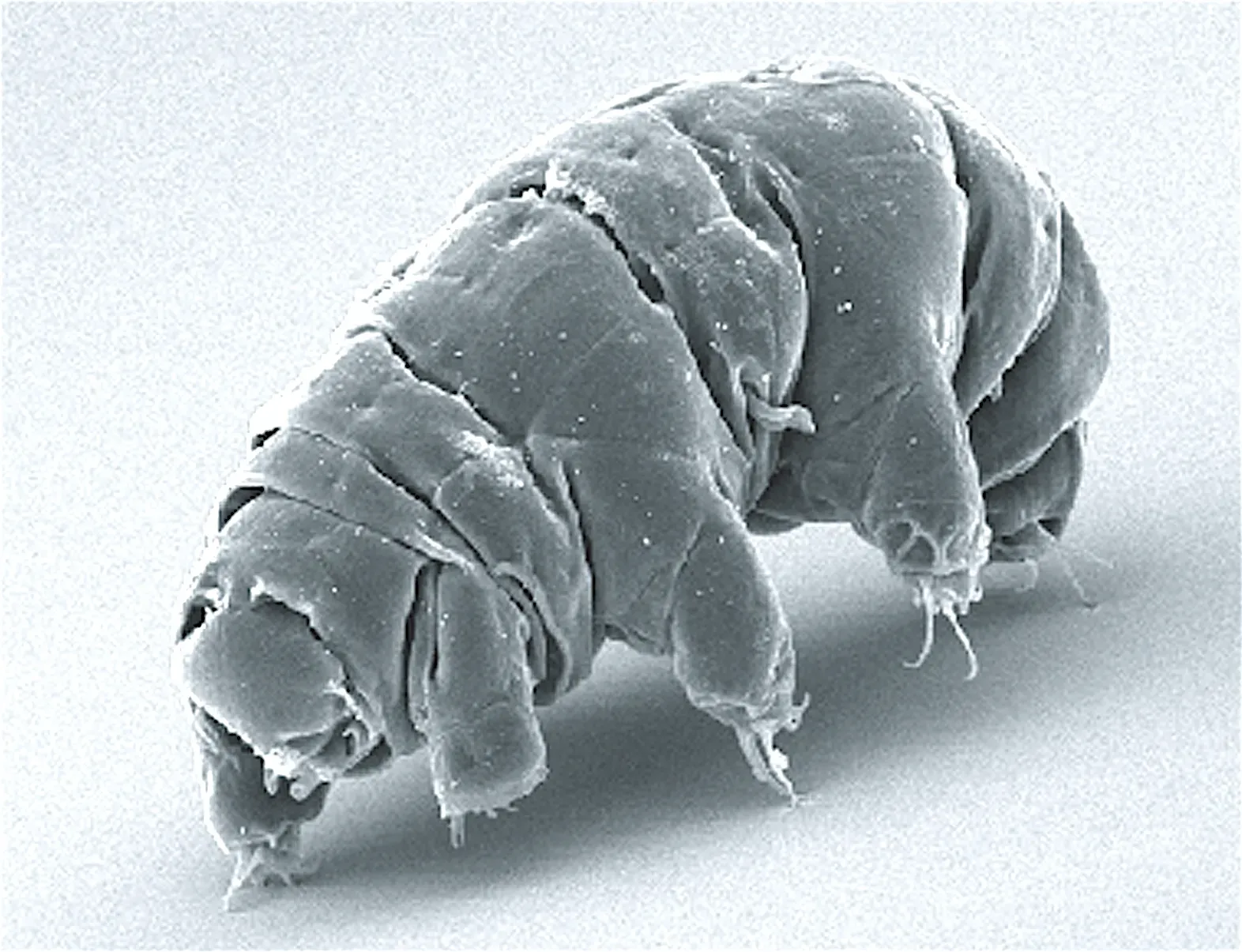
Imagine a creature so small it’s barely visible to the naked eye, yet so resilient it can survive in mountaintops, the deep sea, tropical rainforests, and the Antarctic. Tardigrades, commonly known as water bears, may be among the most resilient organisms on the planet thanks to their unparalleled ability to survive extreme conditions, with various species being resistant to drought, high doses of radiation, low oxygen environments, and both high and low temperatures and pressures.
They have been known to survive for nearly 30 years without food or water, endure temperatures from -200°C to 151°C, and tolerate pressures more than six times greater than those found in the deepest parts of the ocean, while also surviving radiation levels up to 1,000 times higher than the lethal dose for humans. In 2007, dehydrated tardigrades were taken on the FOTON-M3 mission and exposed to vacuum and solar ultraviolet for 10 days, and back on Earth, more than 68% of the subjects protected from ultraviolet were reanimated by rehydration. That’s not a typo. These tiny beings survived actual outer space.
The secret lies in something called cryptobiosis. Tardigrades can survive almost complete desiccation by entering a dormant state called anhydrobiosis, which allows them to reversibly halt their metabolism. Honestly, it’s hard to say for sure how they manage all this, but scientists believe special proteins protect their cells during these extreme states.
Mantis Shrimp: The Underwater Heavyweight Champions
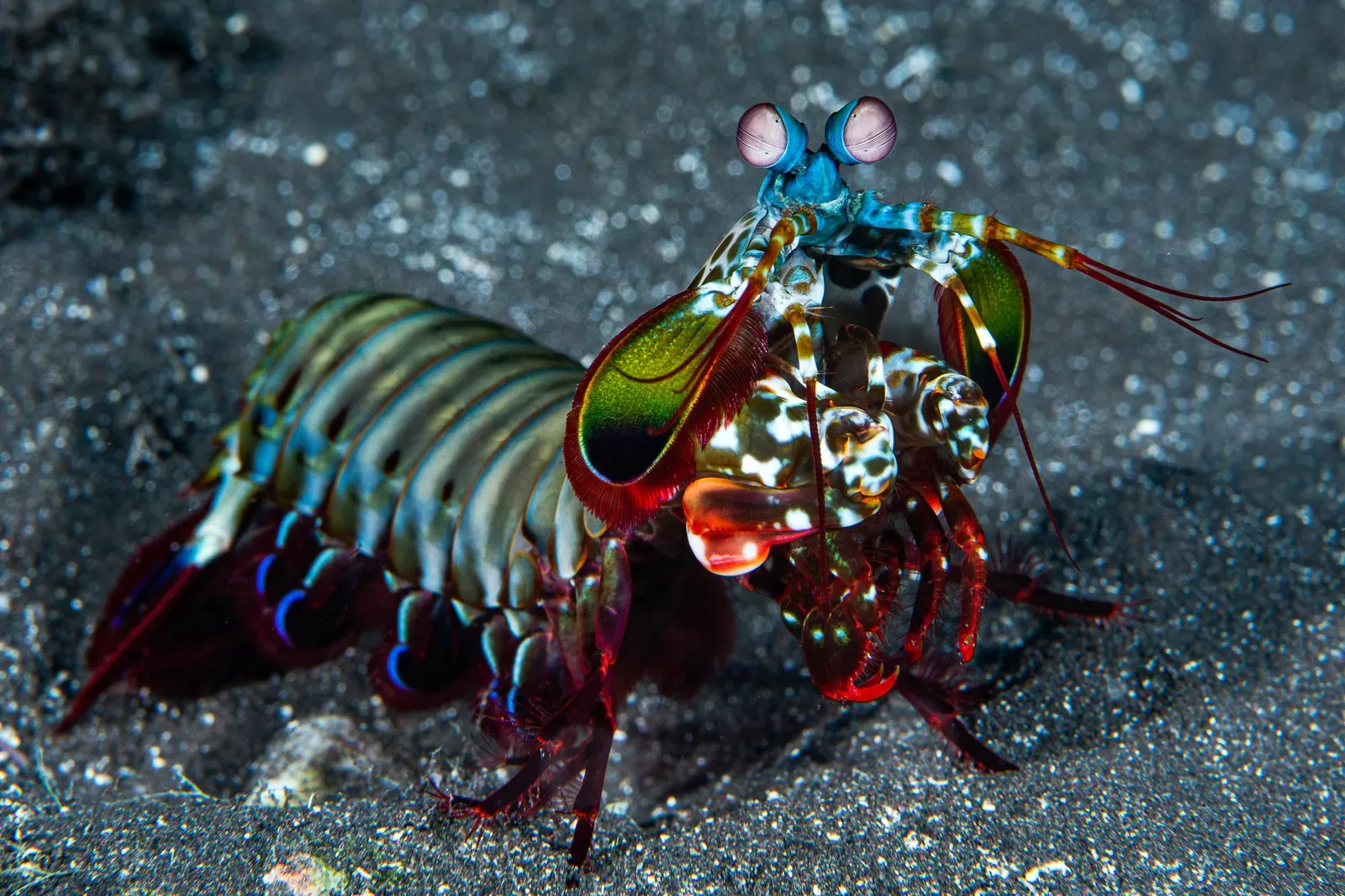
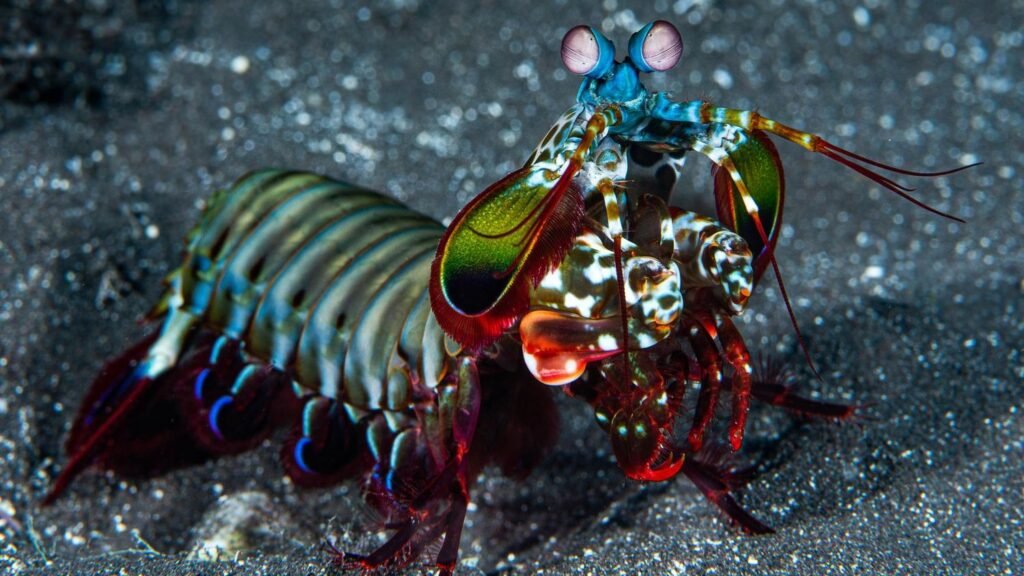
You wouldn’t expect something called a shrimp to be on a list of nature’s most dangerous predators. Think again. The peacock mantis shrimp can whip out its appendages at speeds of 23 m/sec, which is 50 times faster than the blink of an eye, or about the same as the trajectory of a .22 calibre bullet, and with a force some 100 times that of its weight.
Here’s where it gets crazy. When a mantis shrimp releases its dactyl club, the water between the object and the club vaporises, creating cavitation bubbles that collapse with explosive energy, producing heat, boiling water and even flashes of light. The prey gets hit twice: once by the club itself, and again by the shockwave from the collapsing bubble. The force is so immense that mantis shrimps have been known to crack, and sometimes even shatter, the glass walls of aquarium tanks.
Their eyes are equally bonkers. Compared with the four types of photoreceptor cell that humans possess in their eyes, the eyes of a mantis shrimp have between 12 and 16 types of photoreceptor cells. Each eye possesses trinocular vision, and therefore depth perception, for objects near its mid-plane. They see colors we can’t even imagine.
Axolotls: The Masters of Perfect Regeneration
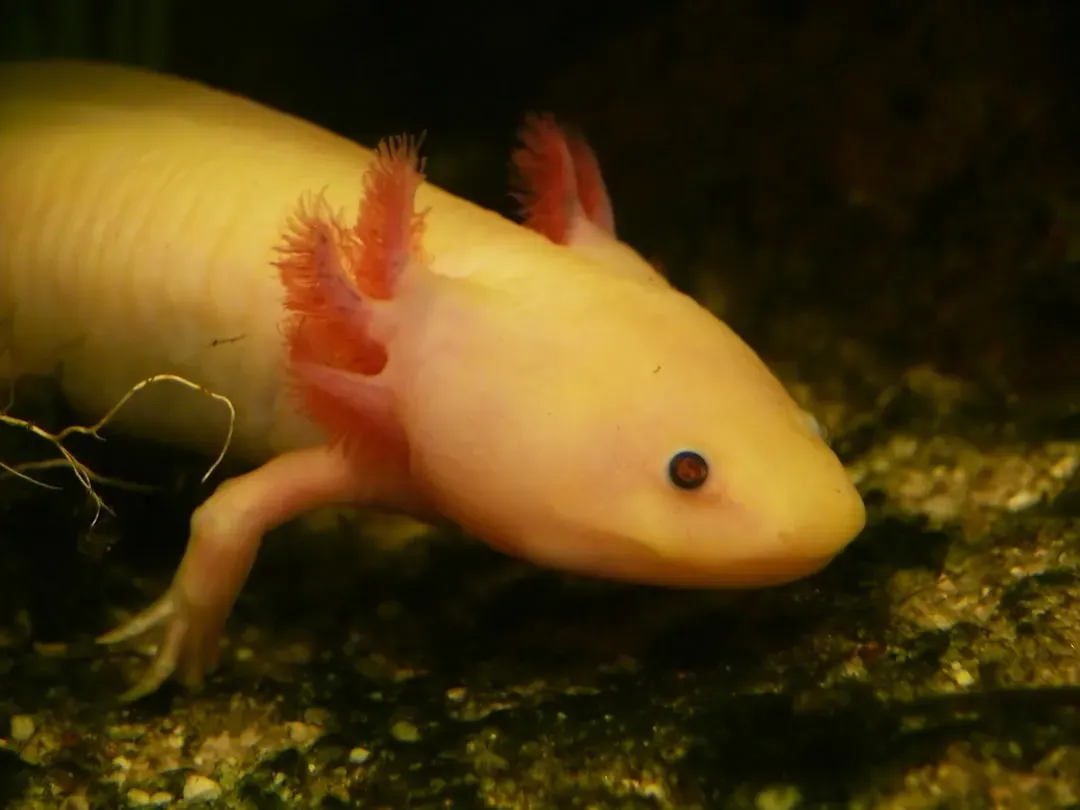
Axolotls are famous for their remarkable regenerative abilities that allow them to regrow entire limbs and even organs. But wait, this isn’t like a lizard regrowing a simplified tail. This salamander can regrow entire limbs, spinal cords, and even parts of its brain, and unlike most animals that heal by forming scar tissue, the axolotl regenerates flawlessly, restoring full function and form.
Researchers discovered the animals have a gradient of retinoic acid signaling, with axolotls having more retinoic acid in their shoulders and less of the enzyme CYP26B1 that breaks down the molecule, and less retinoic acid in their hands, with the retinoic acid acting as a cue to the regenerative cells called fibroblasts. It’s like the cells have a GPS telling them exactly what body part they need to rebuild. By adding extra retinoic acid in an axolotl’s hand, the salamander grew a duplicated limb instead of just a hand.
Humans have retinoic acid and fibroblasts too, but unlike the axolotl’s body where signals are getting sent between all these biological players, the cells in the human body are just not listening in the same way, with our fibroblasts laying down collagen and making scars, while axolotl fibroblasts listen to retinoic acid and grow a new skeleton.
Turritopsis Dohrnii: The Jellyfish That Cheats Death
Let me introduce you to biological immortality. Turritopsis dohrnii, also known as the immortal jellyfish, is one of the few known cases of animals capable of completely reverting to a sexually immature, colonial stage after having reached sexual maturity as a solitary individual. Read that again. This jellyfish can literally age backwards.
When an immortal jellyfish grows old or damaged, the species can evade death by reverting to a baby polyp stage, doing so by reabsorbing its tentacles and coming to rest as a blob of undifferentiated cells somewhere on the seafloor. Over the next 24-36 hours, this blob develops into a new polyp, and after maturing, medusae bud off. Studies have shown that colonies of immortal jellyfish kept in the lab can regress into a polyp stage and begin life again up to 10 times in two years.
Compared to its relative species, researchers found the immortal jellyfish has double the amount of genes that repair and protect DNA, allowing it to produce more restorative proteins, and also found differences in several other genes, including those associated with replication and stem cell population. Theoretically, this process can go on indefinitely, effectively rendering the jellyfish biologically immortal, although in practice most are likely to succumb to predation or disease in the medusa stage without reverting to the polyp form.
Naked Mole Rats: Cancer-Proof Underground Survivors
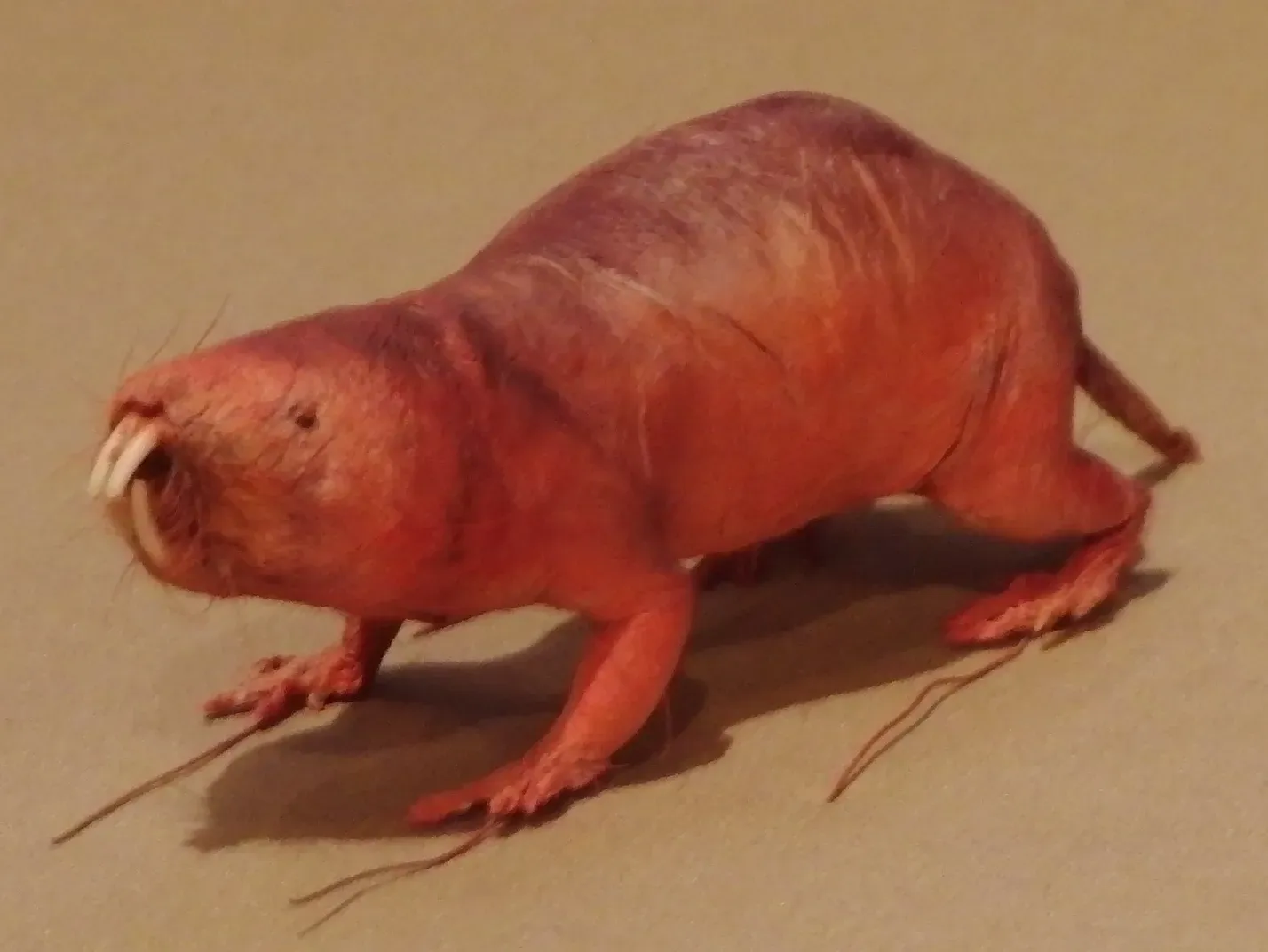
The naked mole rat’s superpower is its ability to survive without oxygen, a trait unheard of in mammals, with this wrinkled rodent able to endure up to 18 minutes without any oxygen by switching its metabolism from glucose to fructose-driven glycolysis, allowing vital organs like the brain and heart to function even when air runs out.
Here’s the really incredible part. Naked mole rats live for over 30 years, roughly ten times longer than similar-sized rodents, and show an extraordinary resistance to cancer, with scientists attributing this to their tissues being rich in high-molecular-mass hyaluronan, a sugar-like molecule that prevents uncontrolled cell growth.
Researchers have discovered that mole rats have a peculiarly heavy form of the substance hyaluronon between tissues that seems to impede the creation of tumors, and that mole rats seem to build proteins spectacularly well, both factors that could play into why their lifespan is around 30 years, nine times longer than mice. They basically don’t age like other mammals do. They don’t get cancer. They survive without oxygen. I know it sounds crazy, but these wrinkled little creatures might hold secrets to human longevity.
Peregrine Falcons: Nature’s Living Missiles
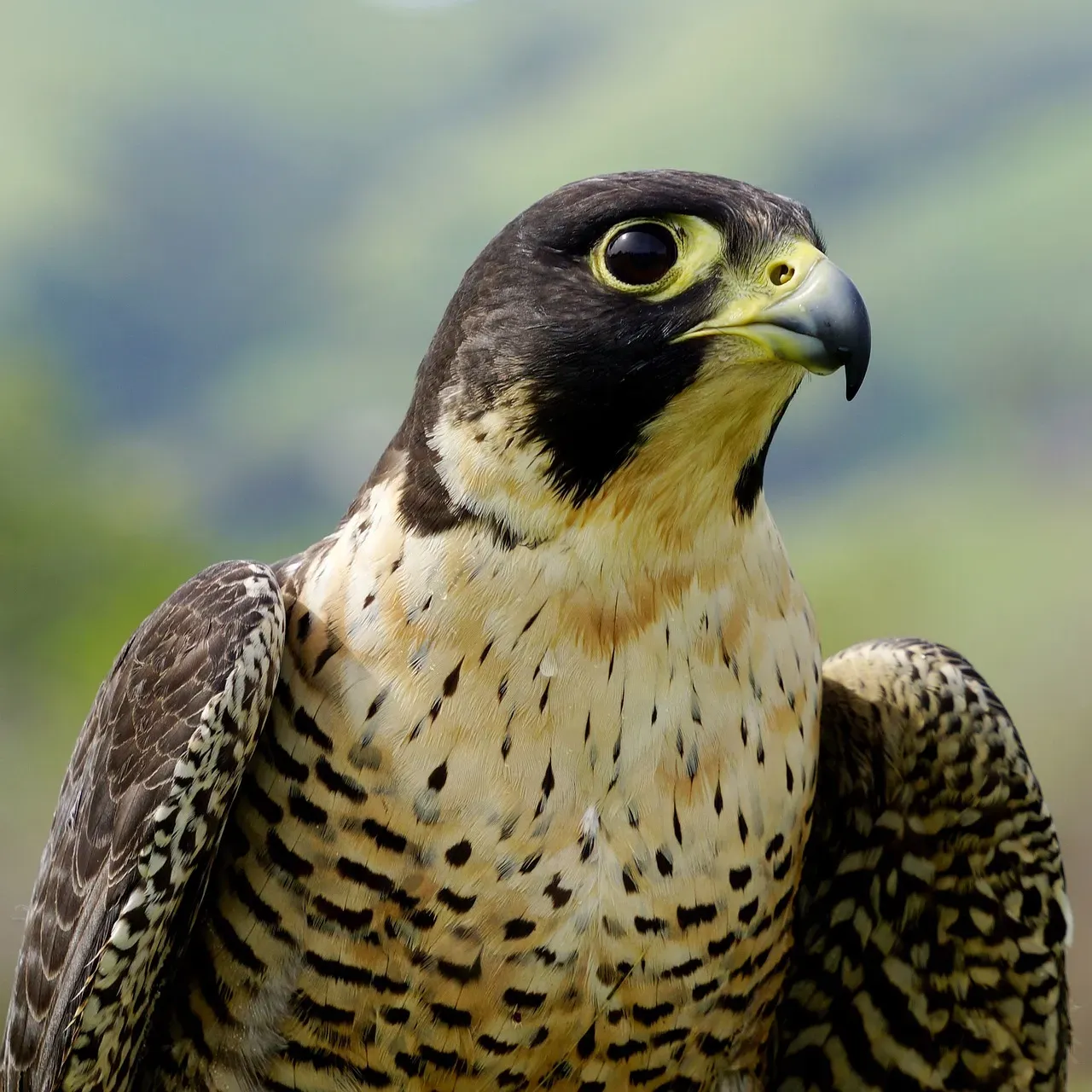
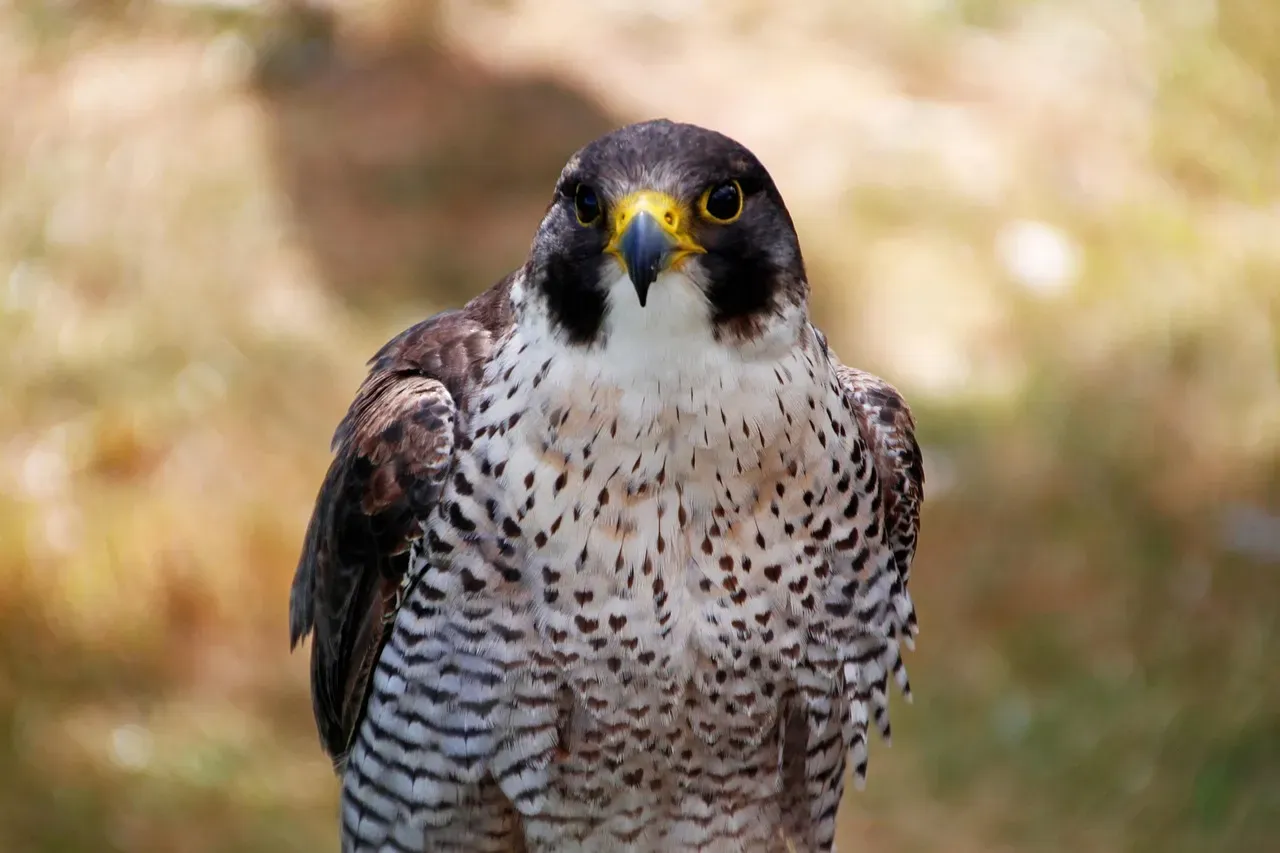
Peregrine falcons have been clocked at 242 mph, making the black and gray birds the fastest members of the animal kingdom. To put that in perspective, that’s faster than most sports cars can travel on a highway. Peregrine falcons are the speed demons of the animal kingdom, and during their hunting stoop they can reach speeds over 240 mph, making them the fastest creature on Earth, while they possess a specialized respiratory system that enables them to breathe at these high velocities, as well as keen eyesight to spot prey from great heights.
Diving toward prey, peregrines tuck their wings into their bodies, creating an aerodynamic teardrop shape perfect for quickly striking unassuming birds and small mammals. The force of impact at those speeds is enough to kill prey instantly. Their bodies have adapted in ways that allow them to function at velocities that would cause other animals to black out or suffer catastrophic injuries.
The precision required for these dives is mind-boggling. Imagine dropping from the sky at over 200 miles per hour, adjusting your trajectory mid-flight, and hitting a moving target the size of a sparrow. These birds do it routinely.
Wood Frogs: Frozen Solid and Still Alive
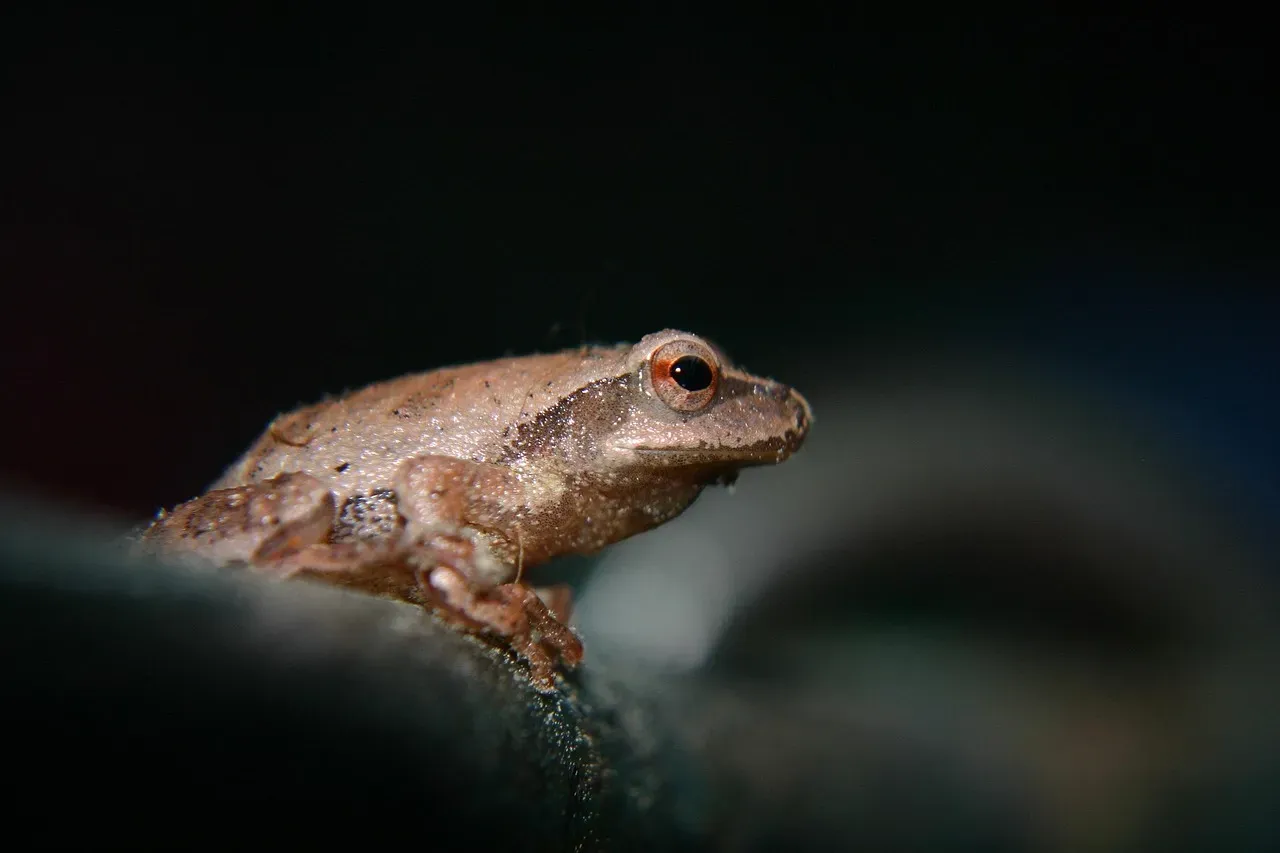
Every winter, the wood frog freezes solid with its heart stopping beating and its blood crystallizing, yet come spring, it thaws out and hops away unharmed. Let that sink in. This frog literally dies by every conventional measure, then comes back to life months later.
This feat is made possible by special sugars in its cells that act like antifreeze, preventing lethal ice damage, and the wood frog’s ability to endure total suspension of life is one of nature’s most profound demonstrations of survival through stillness. Most animals would suffer irreversible cell damage from ice crystal formation. These frogs? They’ve turned freezing into a survival strategy.
Scientists are fascinated by the biochemical mechanisms involved. The glucose concentration in their bodies can increase by roughly 100 times during freezing, essentially turning their cells into a syrupy state that resists ice formation in critical areas. When spring arrives and temperatures rise, the frogs thaw from the inside out and resume normal metabolic function as if nothing happened.
Electric Eels: Living Batteries of Doom
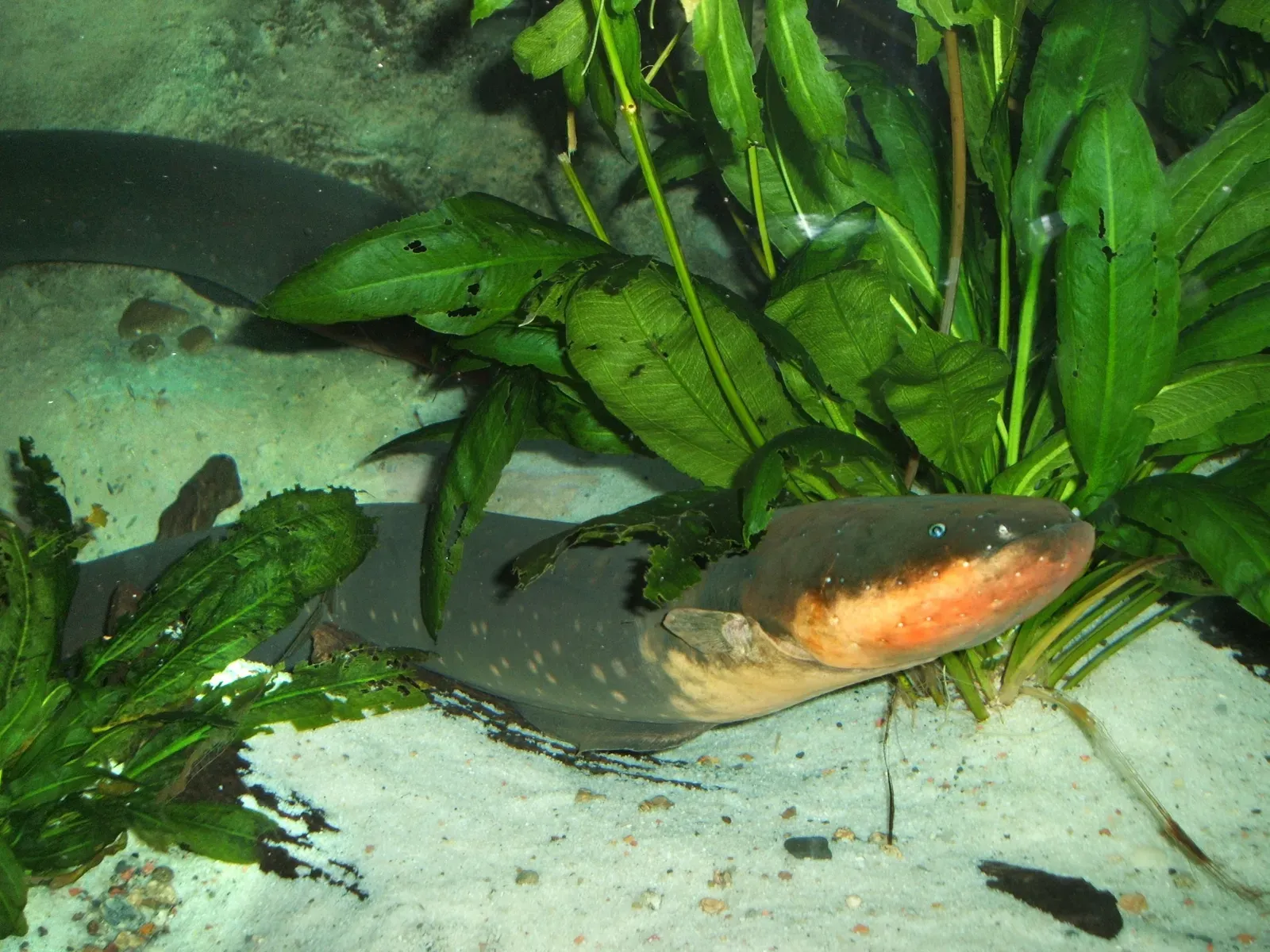
Electric eels have the literally stunning ability to deliver electric shocks of up to 860 volts, which is enough to stun or even kill a large animal such as a caiman. Capable of generating shocks up to 600 volts, the electric eel uses its biological batteries called electrocytes to stun prey, deter predators, and navigate murky waters.
The eel’s body contains thousands of specialized cells called electrocytes stacked in series, functioning like biological batteries. When triggered, these cells discharge simultaneously, creating a powerful electric pulse that can paralyze prey, ward off predators, or help the eel navigate through murky water where vision is useless.
This scary animal superpower contributed to the invention of batteries in 1800. Scientists studying how electric eels generate and control electricity have drawn inspiration for everything from medical devices to sustainable energy storage. Nature figured out biological electricity millions of years before humans discovered how to harness it.
Three-Toed Sloths: Infection-Proof Healing Machines
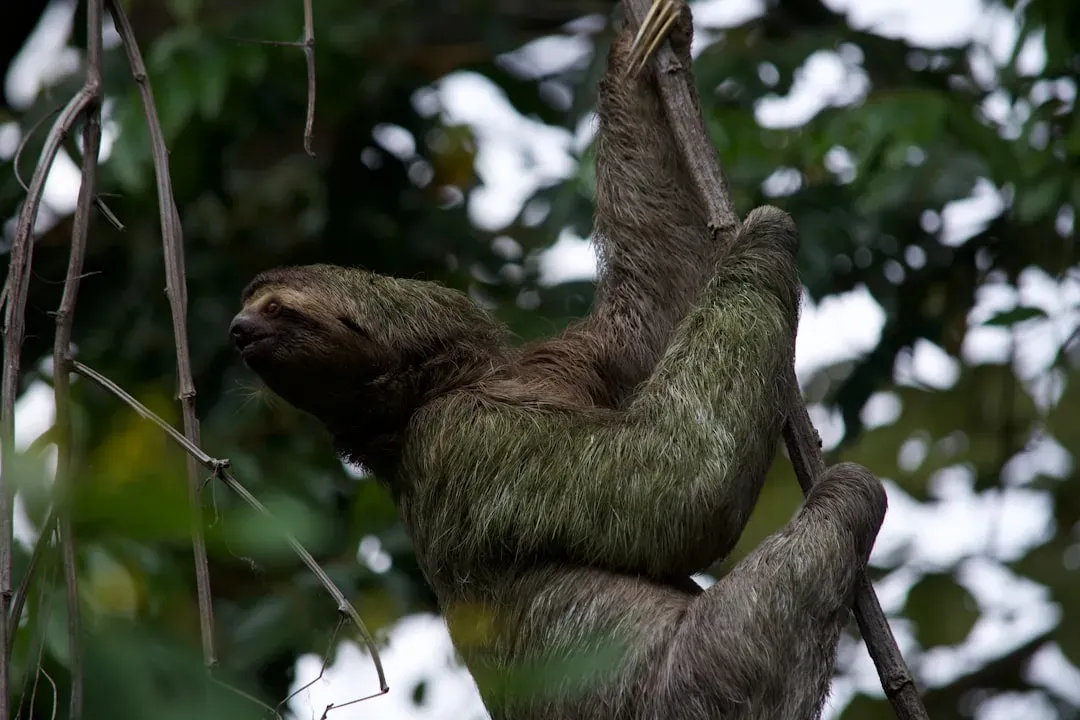
Three-toed sloths may not move quickly, but their speedy recovery from wounds that would kill other animals have made them the focus of scientific research, with some experts believing that the scores of beneficial bacteria that live in a sloth’s fur help sloths heal unusually quickly and without infection.
Sloths move so slowly that algae grows on their fur. That sounds like a disadvantage until you realize their fur hosts an entire ecosystem of beneficial microorganisms that act like a living antibiotic shield. When a sloth gets injured, these bacteria appear to prevent infections and accelerate healing in ways that puzzle researchers.
Their slow metabolism and low body temperature create an environment that’s hostile to many pathogens but friendly to beneficial microbes. It’s a biological partnership that’s taken millions of years to evolve. Meanwhile, we’re still trying to develop synthetic antibiotics that can keep up with resistant bacteria.
Reindeer: Seeing the Invisible Spectrum
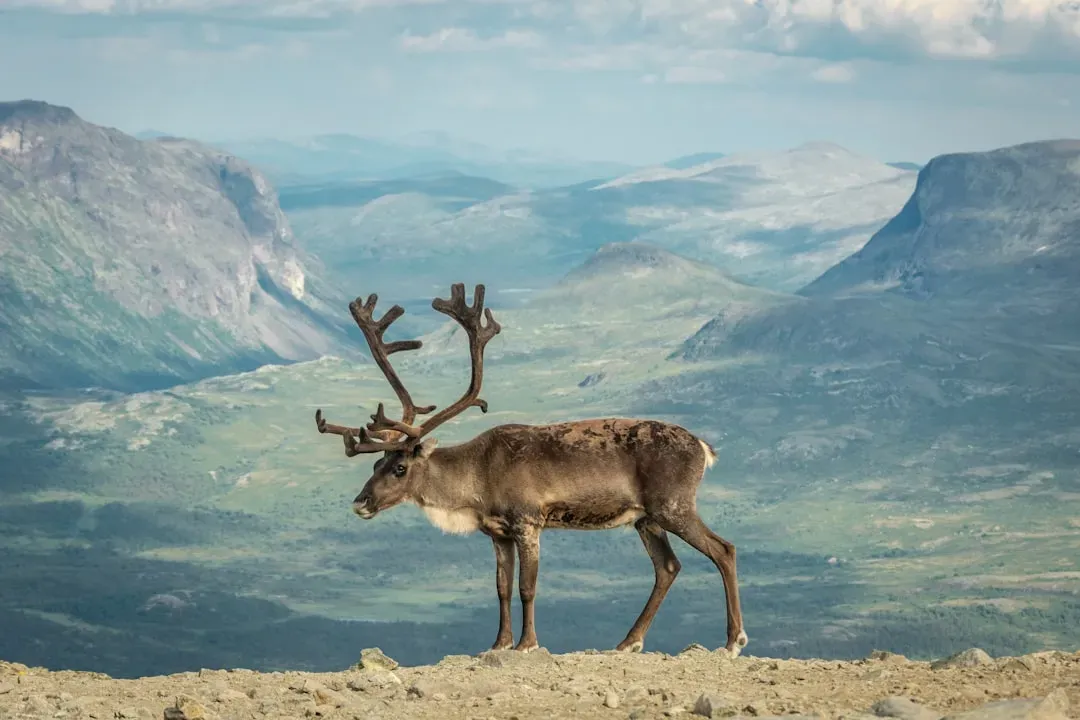
Reindeers’ unique ability to see UV light allows them to better forage for food and avoid predators in the harsh Arctic landscape, with their primary winter food source, lichens, and the fur of their main predator, the wolf, both absorbing UV light, so they stand out against the UV-reflecting snow.
But it gets stranger. During the sunless Arctic winter when it stays in near-total darkness for months, the same layer in reindeer eyes turns deep blue, scattering light within the eye to capture every available photon, and this shift increases light sensitivity by up to 1,000-fold. Their eyes physically change color between seasons to adapt to dramatically different light conditions.
Scientists discovered that the transformation is caused by subtle pressure changes inside the eye from long-term pupil dilation, which rearranges the spacing of collagen fibers, making it a striking case of seasonal adaptation as if the animal physically swaps lenses. Most animals are stuck with one set of visual capabilities. Reindeer? They customize their vision depending on whether it’s summer or winter.
So What Does It All Mean?
These animals aren’t just biological curiosities. They’re living proof that the boundaries of what’s possible in biology are far wider than we ever imagined. Each of these creatures has evolved solutions to problems that we’re still trying to solve with technology and medicine.
Tardigrades might teach us how to preserve organs for transplant. Axolotls could unlock regenerative medicine that allows humans to regrow damaged tissue. The immortal jellyfish might hold clues to preventing age-related diseases. Naked mole rats could reveal why cancer develops and how to stop it.
Nature has been running experiments for billions of years, and the results are all around us. These ten animals represent just a fraction of the biological superpowers waiting to be discovered and understood. The more we study them, the more we realize how much we still don’t know about life itself. Did you expect that these creatures could challenge everything we thought was biologically impossible?