
Some animals move through the world using senses that feel almost supernatural to us. While humans rely mostly on sight and hearing, there are creatures out there detecting electricity, feeling Earth’s magnetic field, and even “seeing” heat in total darkness. Once you know what they can do, our own senses suddenly seem pretty basic.
What surprised me the most when I first dug into this topic wasn’t just how strange these senses are, but how precisely tuned they are for survival. These animals aren’t just party tricks of evolution; they’re like living scientific instruments, built to read signals we don’t even notice. Let’s step into their world for a moment and see what reality looks like when your body can sense the invisible.
1. Platypus: The Duck-Billed Electric Sensor
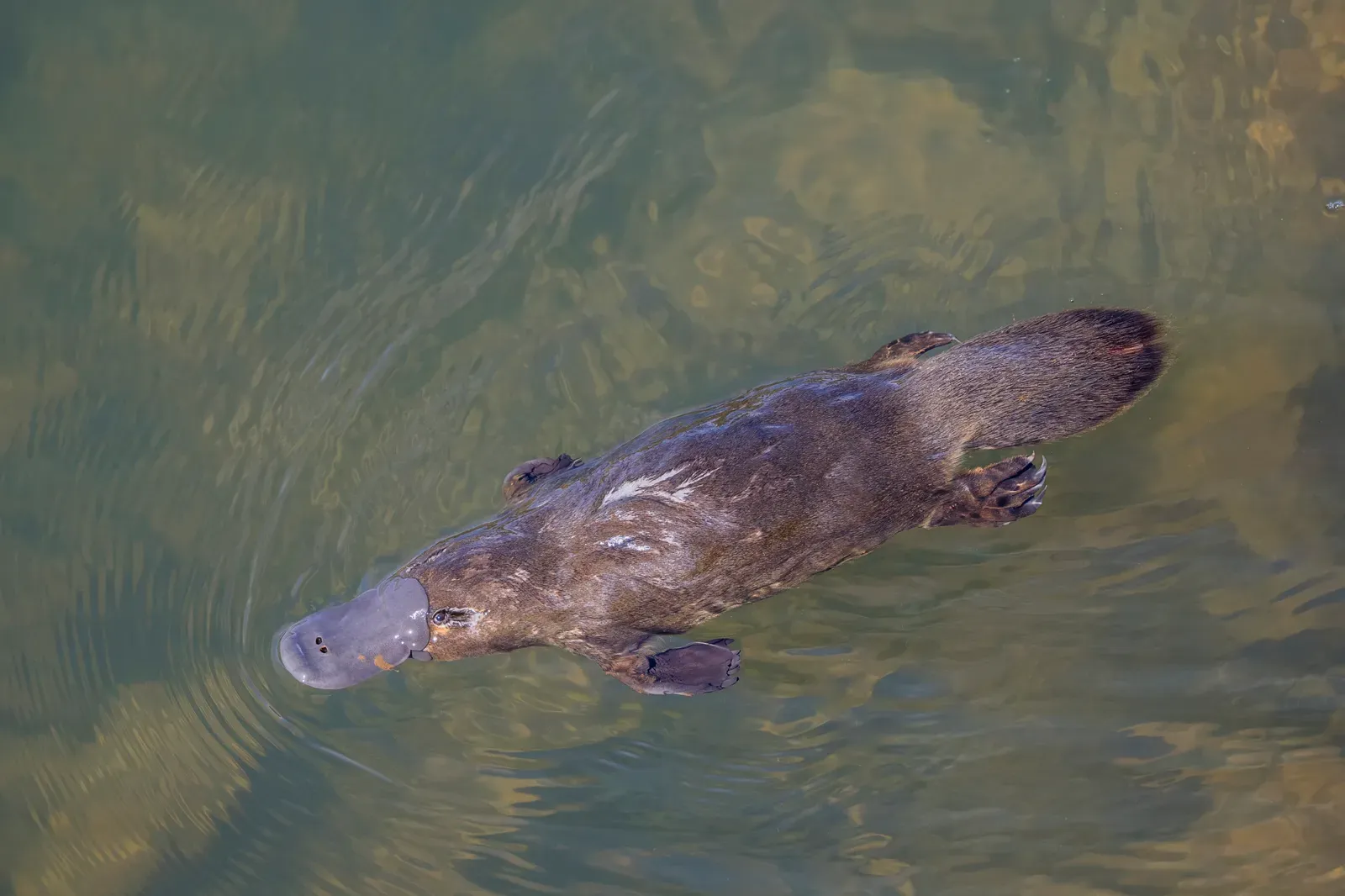
If you saw a platypus for the first time, you might think nature accidentally hit “shuffle” on a bunch of spare animal parts. But behind that odd bill is one of the most advanced sensing systems on the planet. The platypus hunts underwater with its eyes, ears, and nostrils completely closed, relying almost entirely on electroreception to find prey.
Its soft bill is packed with thousands of electroreceptors and mechanoreceptors that can detect tiny electrical signals from the muscles and nerves of shrimp, worms, and insect larvae hiding in the mud. Scientists have found that the platypus can actually combine touch and electrical information into a kind of three-dimensional “map” of where its prey is moving. Imagine being able to walk into a dark room, close your eyes and ears, and still know exactly where everyone is just by feeling their bioelectric fields. That’s everyday life for a platypus.
2. Star-Nosed Mole: The Fastest Touch in the Animal Kingdom
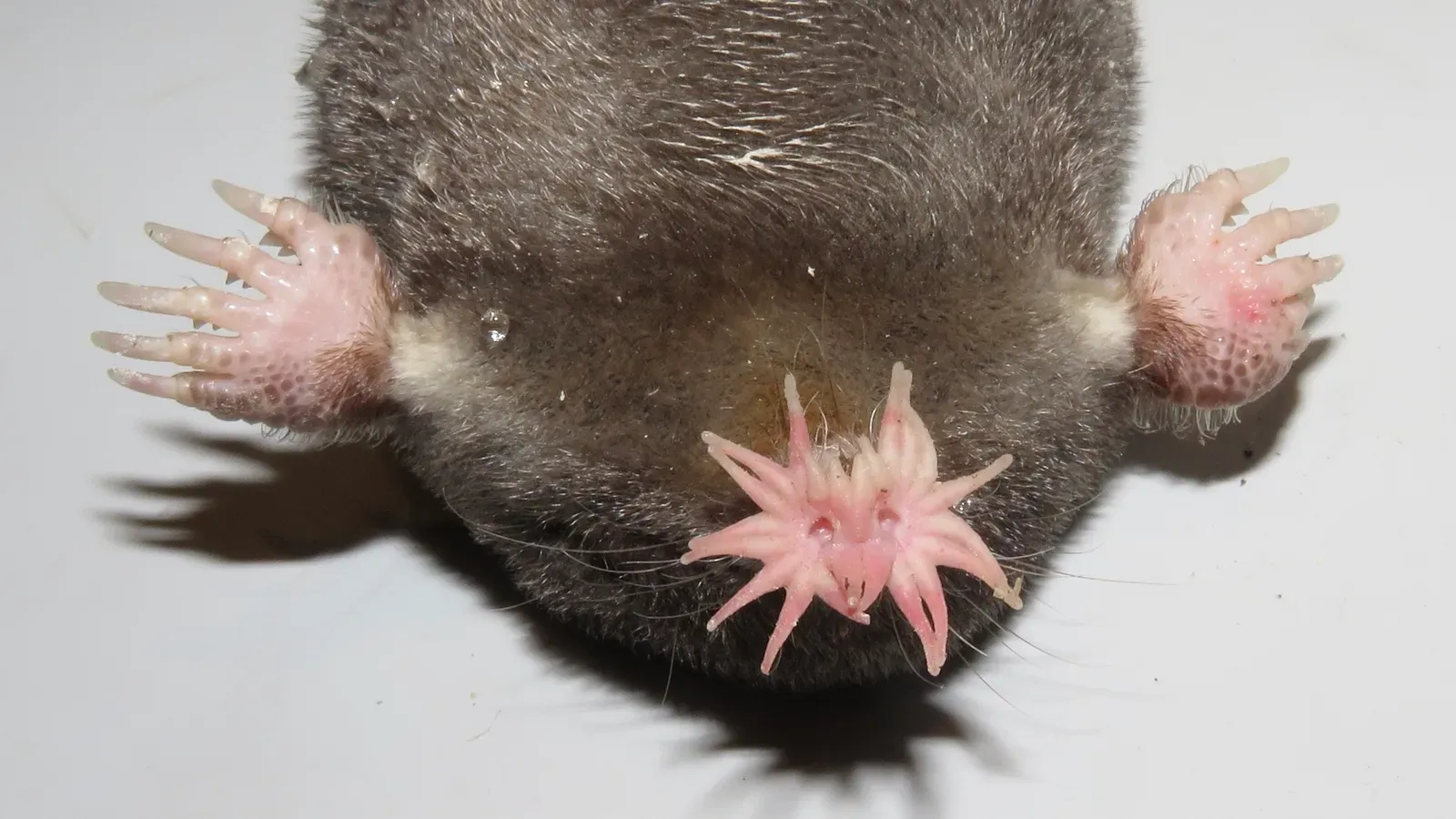
The star-nosed mole looks like it ran face-first into a sea anemone, but that strange, tentacled “star” on its snout is a touch organ so sensitive it almost defies belief. Each of the twenty-two fleshy rays is covered with thousands of microscopic sensory domes, giving the mole an insanely detailed picture of its surroundings by touch alone. It lives in dark, muddy tunnels where sight is basically useless, so touch became its superpower.
Researchers have recorded star-nosed moles identifying and deciding whether to eat food in a fraction of a second, far faster than we can even snap our fingers. Its sense of touch is so refined that it rivals or even surpasses our vision in speed and detail, just translated through the skin instead of the eyes. To the mole, that messy patch of mud is as information-rich as a high-definition screen is to us. It’s like living with ultra-fast braille that covers your entire nose.
3. Mantis Shrimp: The Color Vision Champion
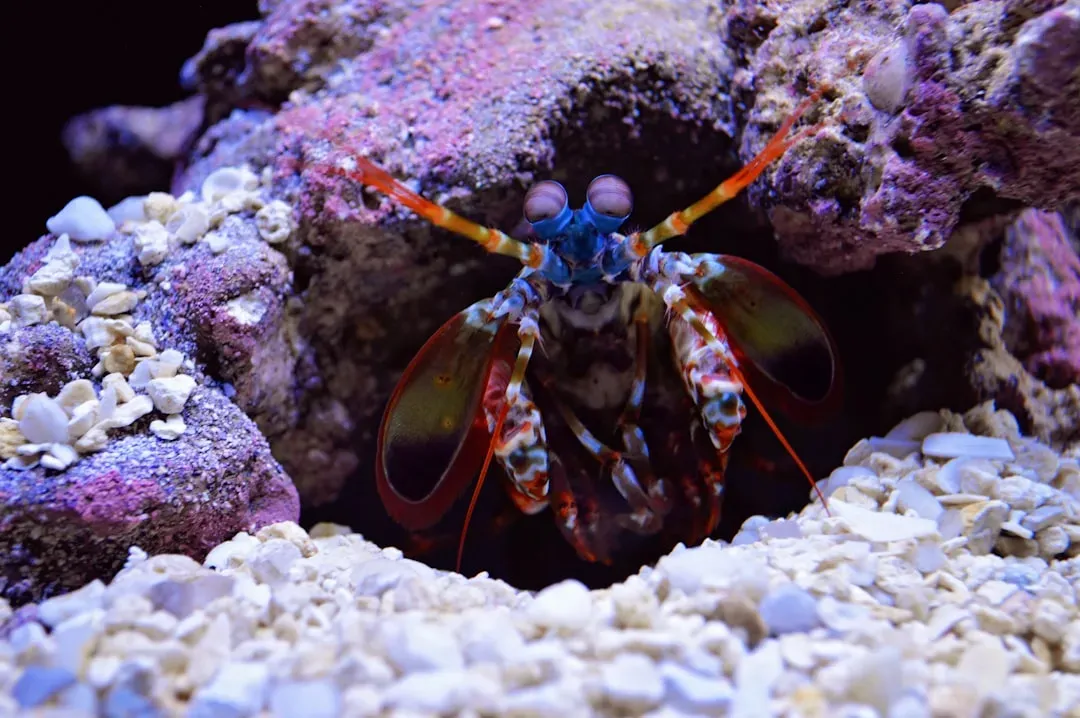
Mantis shrimp are small marine crustaceans that look like someone turned the saturation slider all the way up. Their eyes are even more dramatic than their bright bodies. While humans usually have three kinds of color receptors, mantis shrimp have more than a dozen types, giving them access to a color world we can’t fully imagine, including ultraviolet light.
On top of that, each eye can move independently and has regions that can detect polarized light, meaning they can see patterns and contrasts invisible to us even with fancy sunglasses. Scientists think this helps them communicate with each other, spot prey hiding in plain sight, and navigate complex reef environments. If human vision is like watching a good HD movie, mantis shrimp are walking around with a multi-channel, polarization-sensitive, ultraviolet-enabled cinema built into their heads.
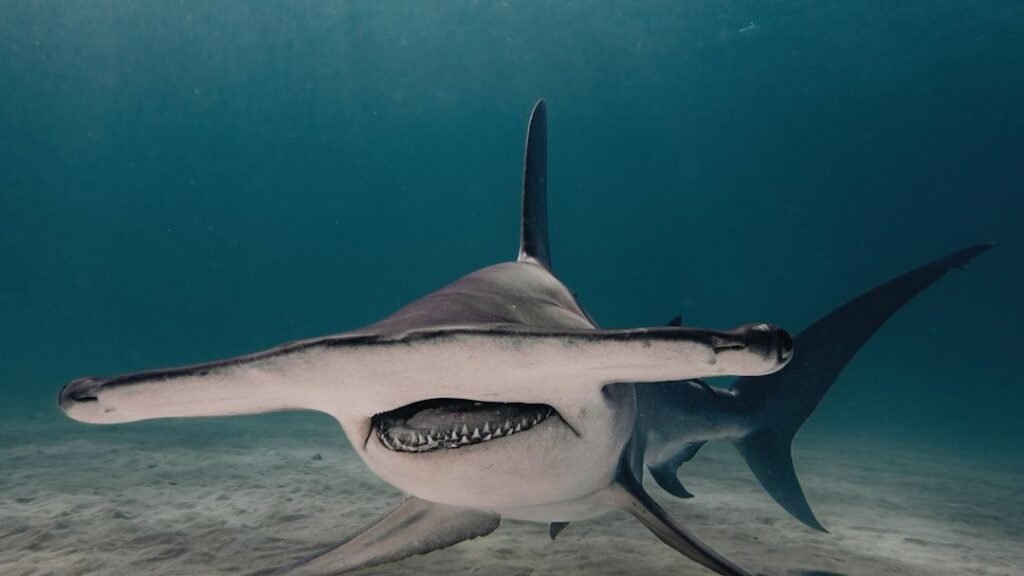
4. Hammerhead Shark: Electric Field Navigator
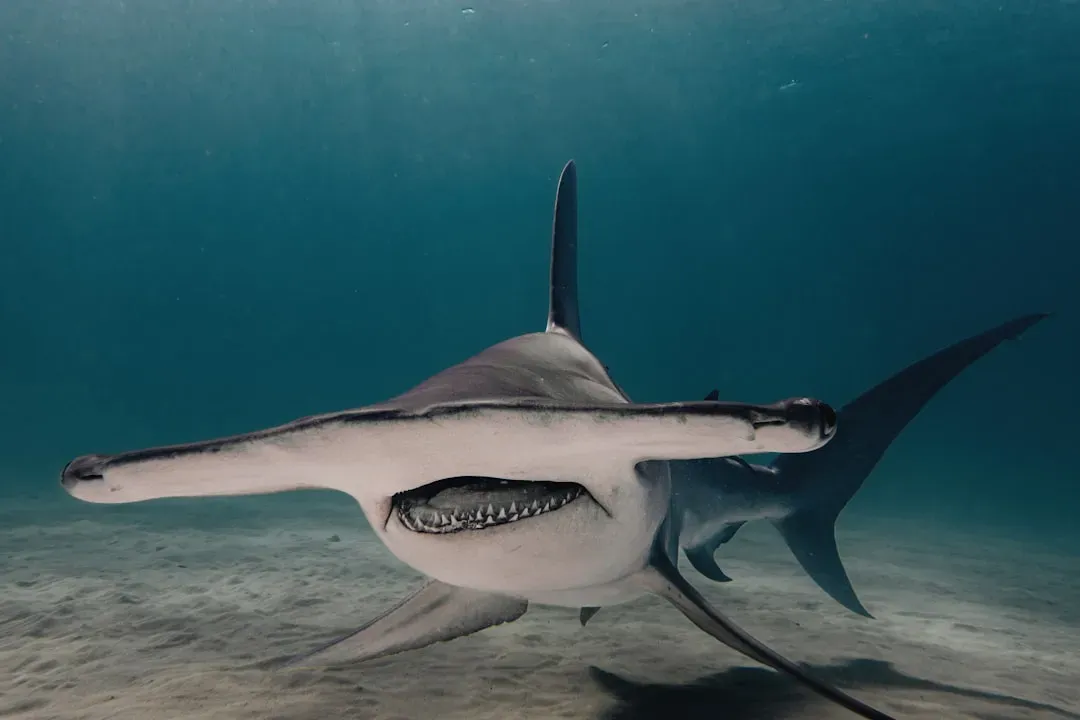
The hammerhead shark’s bizarre, wide head looks like a design mistake until you realize it’s basically a massive sensory antenna. Embedded in the flattened “hammer” are thousands of tiny gel-filled pores called ampullae of Lorenzini. These organs let the shark detect incredibly weak electric fields generated by other animals’ muscles and nerves.
This means a hammerhead can sense prey buried under sand or swimming in murky water where visibility is awful. Some evidence also suggests they might use this electric sensitivity, along with other senses, to help navigate Earth’s magnetic field during migrations. While we get lost without GPS, a hammerhead can likely feel its way through the ocean guided by signals our bodies don’t even register. It’s like giving a predator a built-in, invisible radar system.
5. Pit Vipers: Heat Vision in the Dark
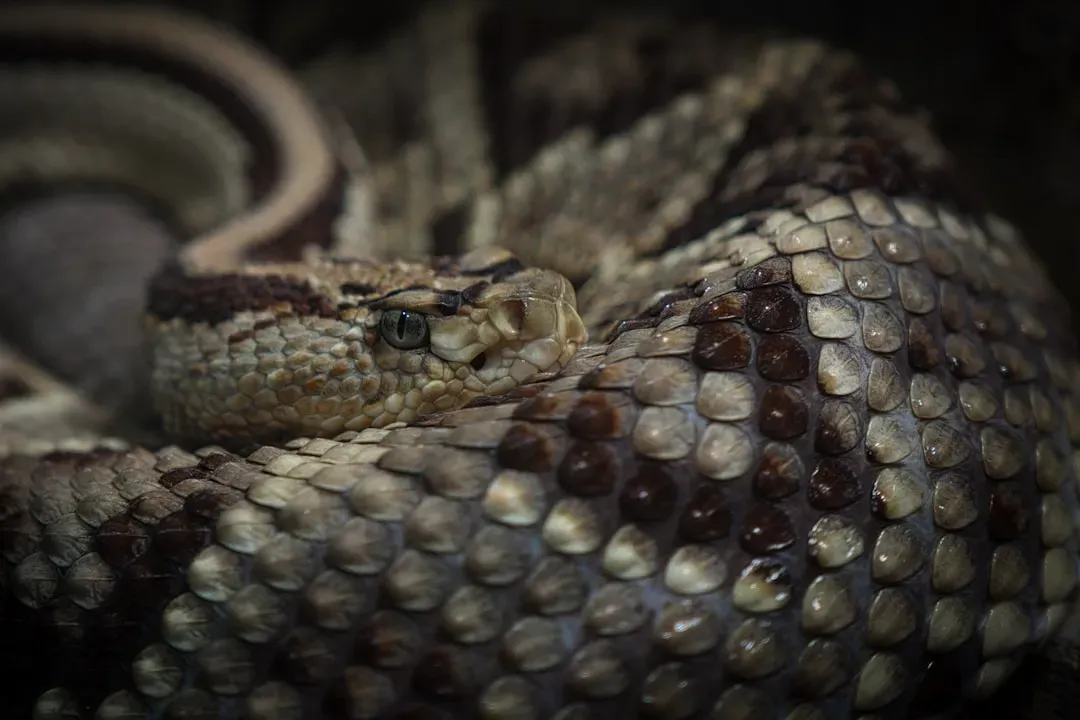
Rattlesnakes and other pit vipers have a secret weapon on their faces: small, pit-like openings between the eyes and nostrils that work as heat detectors. These organs pick up infrared radiation, allowing the snakes to detect warm-blooded prey, even in complete darkness. To them, a mouse in the night glows like a lantern in an empty field.
Researchers studying these snakes have found that the brain actually combines visual and infrared information into a fused “image,” almost like a built-in night-vision system. This lets them strike with impressive accuracy even without relying much on regular sight. When people say snakes are cold, it’s a bit funny, because pit vipers are literally tuned to the warmth of living bodies. They track life through heat the way we track objects through light.
6. Catfish: Living Taste Buds with Fins
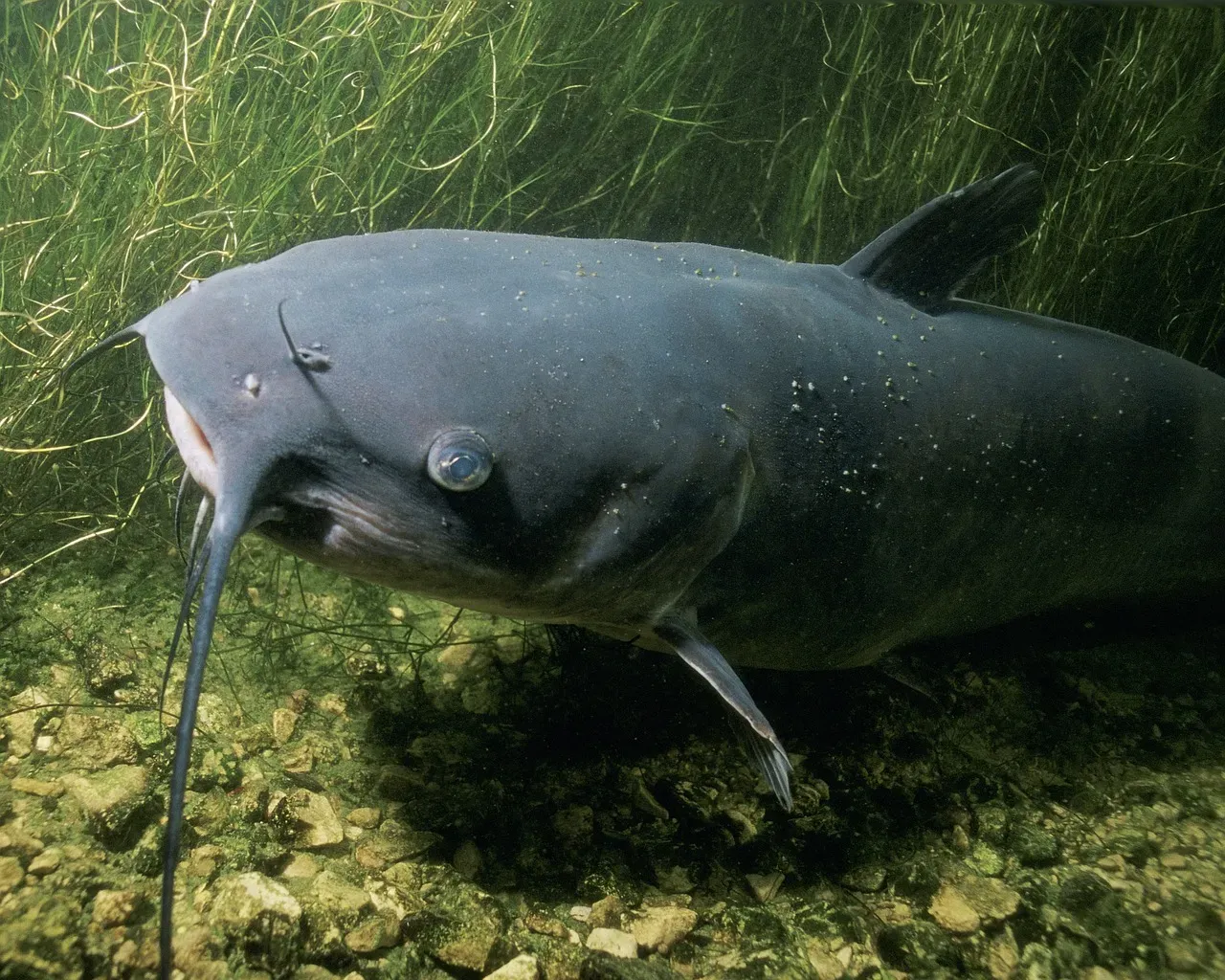
Catfish are sometimes described as swimming tongues, and that’s not far off. Their skin, fins, and especially their whisker-like barbels are covered in taste receptors. While we limit taste mostly to our mouths, catfish can basically taste their environment as they move through it, picking up chemical traces of food in muddy or dark waters.
This extraordinary sense of taste and chemical detection lets catfish thrive in places where vision is poor and smells are muddled. They can follow faint flavor trails in the water to find decaying matter, insects, or other prey that other fish might miss. It’s like walking through a city and being able to locate every restaurant based not just on smell but on a detailed taste-map hanging in the air around you. For a catfish, the water is full of flavors painting a picture of what’s nearby.
7. Oilbird: Echoes in the Cave
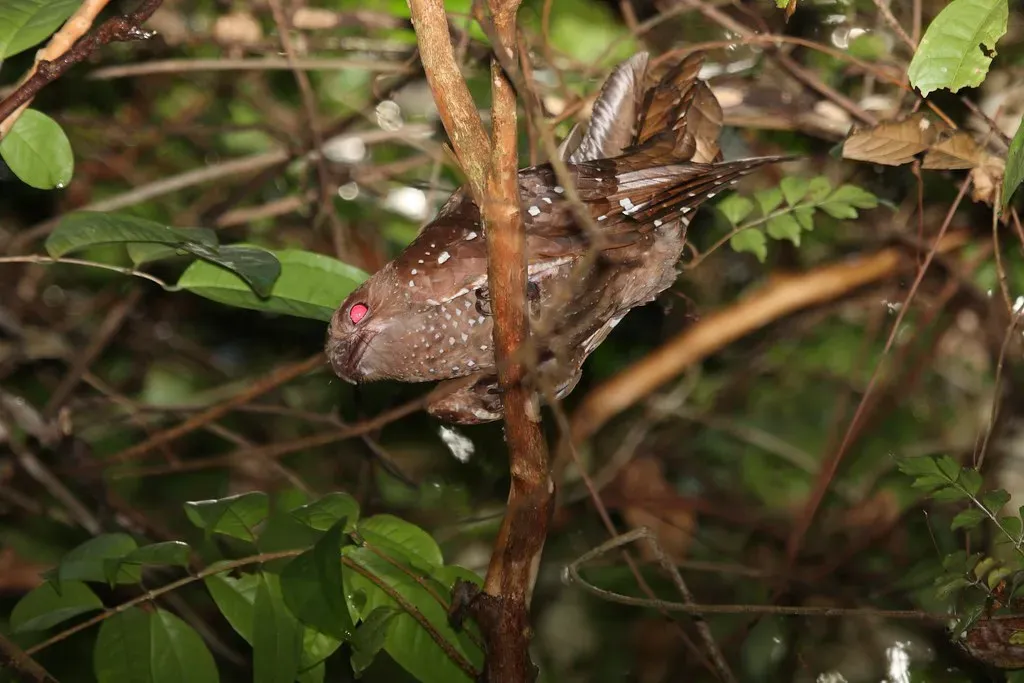
Oilbirds live in South American caves and spend their lives in darkness that would make most birds completely helpless. Instead of relying mainly on sight, they use echolocation, a skill more commonly associated with bats and dolphins. They emit rapid clicks and listen for the echoes to navigate through tight cave passages without crashing into rock walls or each other.
What’s interesting is that they also have relatively good low-light vision, so they blend information from their eyes and their echoes. This combination helps them fly out at night to feed on fruit and then return safely to their nesting sites in the dark. It’s as if they carry a flashlight and a sonar device in their heads at the same time, switching smoothly between both depending on what the environment demands.
8. Elephant: Vibration Detectives of the Savanna
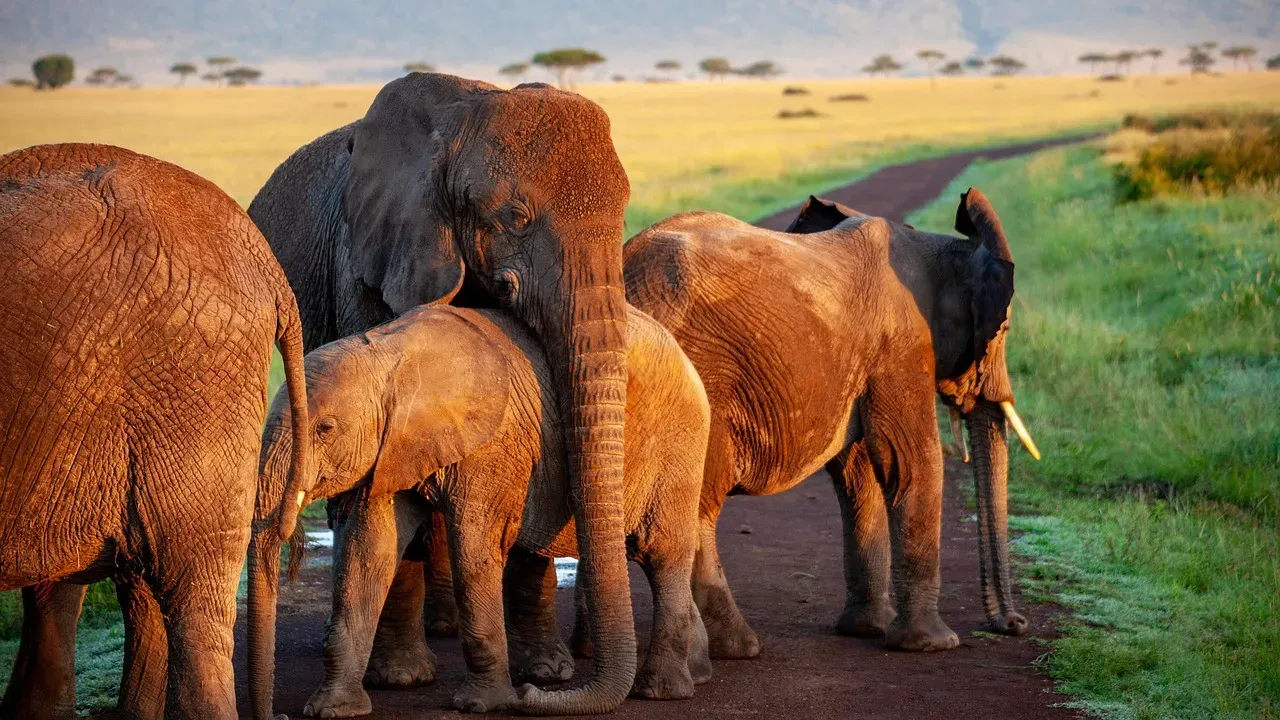
Elephants are famous for their size and memory, but what often goes unnoticed is how deeply they are tuned in to vibrations. They can detect low-frequency sounds and seismic signals that travel through the ground over long distances. Their massive feet and sensitive trunks help them pick up these subtle tremors and rumbles.
Studies suggest that elephants can sense the distant footsteps of other elephants, or even the vibrations from thunder, and respond accordingly. This helps them communicate across vast savannas where dense vegetation or terrain might block normal sound. Compared to us, who mostly notice only strong vibrations like a truck driving by, elephants are like living seismographs, quietly reading the hidden messages in the earth beneath them.
9. Honeybee: Polarized Light Navigators

To us, daylight usually just looks like, well, light. To honeybees, the sky is full of hidden patterns. They can detect polarized light, which is light waves oriented in specific directions, even when the sun is behind clouds. This ability gives them a kind of built-in compass, helping them navigate long distances between the hive and flower patches.
Bees also see ultraviolet patterns on flowers that are invisible to humans, acting like landing signs pointing to nectar. Combined, these sensory tricks let them travel surprising distances and still return to their hive with impressive accuracy. While we’d get hopelessly turned around in a featureless field, a bee reads the sky and flower signals like a carefully marked map that only it can see.
10. Tarsier: Night Vision with Supersized Eyes
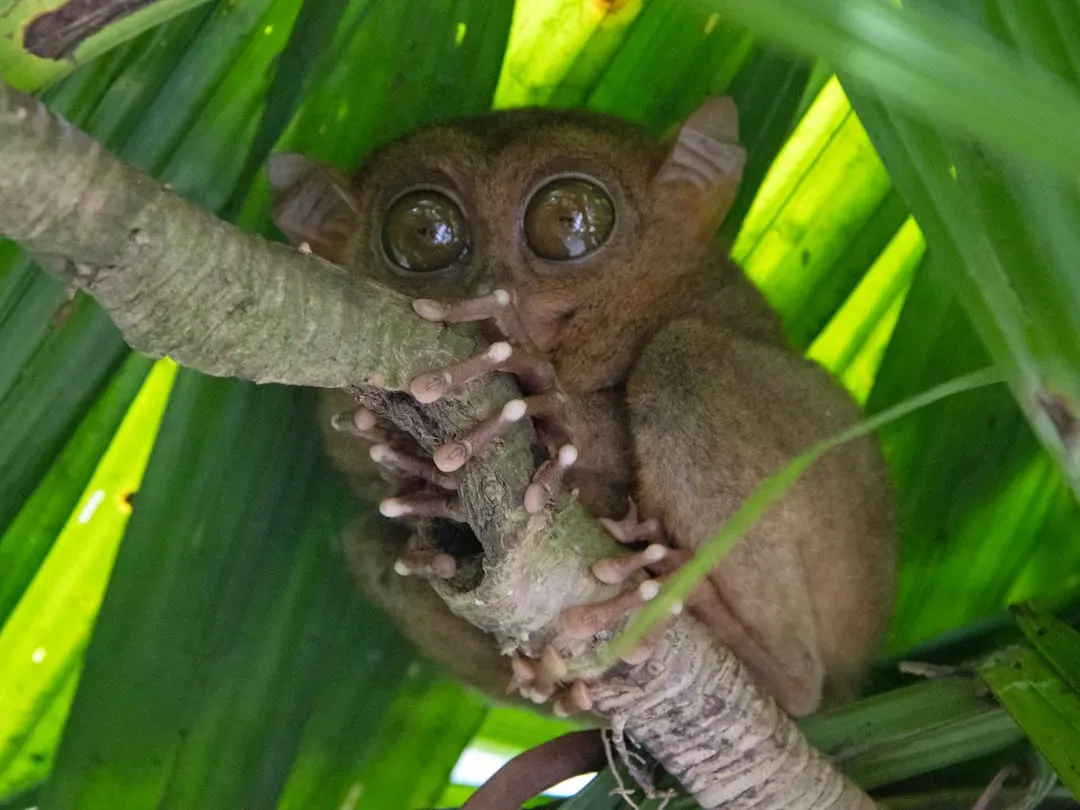
Tarsiers are tiny primates with eyes so large they look almost comical at first glance. Each eye is comparable in size to their brain, giving them exceptional light-gathering ability in the dark forests of Southeast Asia where they hunt at night. They can spot insects and small animals in conditions that would leave us nearly blind.
What makes them even more striking is how still their eyes are; instead of moving the eyeballs much, they rotate their entire head, almost like a tiny, fuzzy owl. Their extreme night vision is part of a highly tuned predatory toolkit, along with acute hearing for tracking faint sounds. If humans had eyes scaled like a tarsier’s, they’d be the size of oranges in our faces, and the world after sunset would look completely different to us.
Spending time with these animals, even just through research and imagination, is a reminder that our human view of reality is only one slice of what’s actually out there. Electric fields, polarized light, ground vibrations, infrared heat, ultrafine textures, and echoes in total darkness are all part of the same world we live in, but most of it slips past our awareness. These creatures aren’t magical; they’re just tuned into channels we don’t hear.
For me, the most humbling part is realizing that what feels “normal” is just what our senses allow us to notice. To a hammerhead or a mantis shrimp or a star-nosed mole, our experience would probably seem strangely limited. It makes you wonder what else we’re missing in the spaces between the signals we can detect. Which of these hidden senses would you choose to have for a single day?