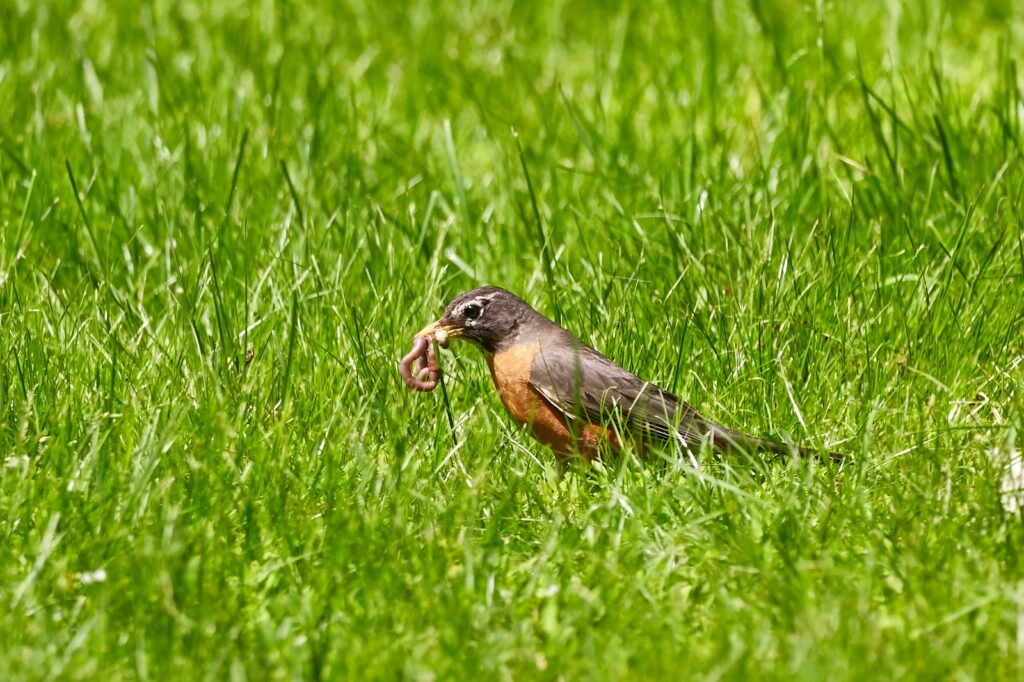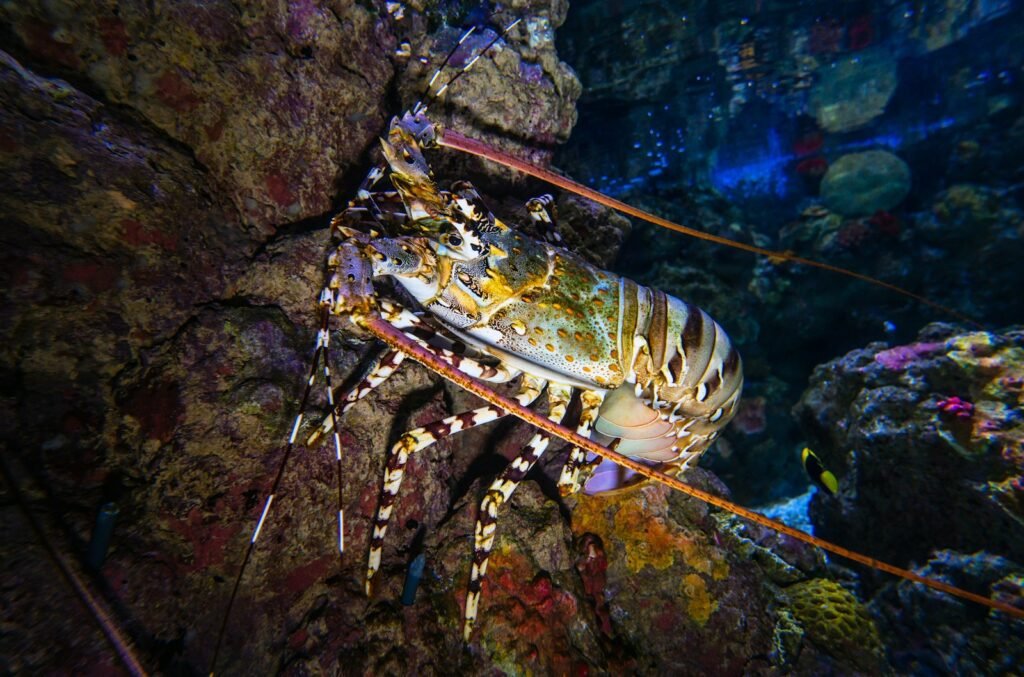

Stand in a forest, on a beach, or in your own backyard, and you’re surrounded by sounds, smells and signals you’ll never notice – but other animals read them as clearly as a neon sign. Their senses pull back a curtain on ultraviolet patterns, magnetic fields, infrasound rumbles and faint electrical whispers that, to us, simply do not exist. This article steps into that hidden layer of reality, following ten species whose sensory worlds are astonishingly different from our own. Each one has evolved a way of perceiving that rewrites what “normal” even means for a living brain. Along the way, you may find yourself rethinking which creatures are truly “simple,” and which might be experiencing a far richer universe than we ever imagined.
Mantis Shrimp: Color Vision That Leaves Humans in the Dark
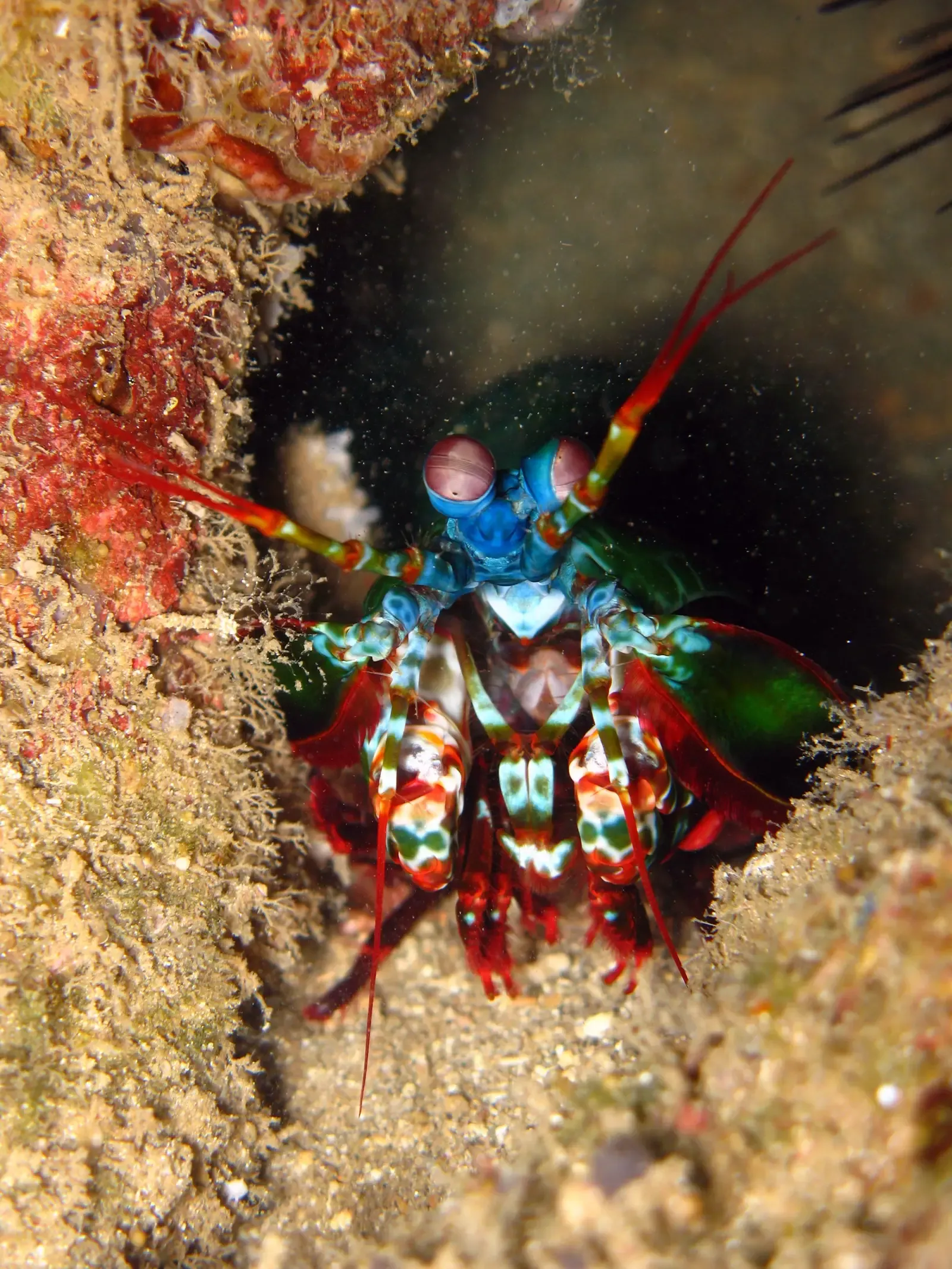
Some mantis shrimp see colors that are literally indescribable in human language, because our brains have never had to deal with them. While humans rely on three kinds of color-sensitive cells in the eye, many mantis shrimp species pack a dozen or more, including receptors for ultraviolet light and polarized light. Instead of slowly comparing signals the way our brains do, their eyes seem wired for speed, rapidly tagging different wavelengths almost like scanning barcodes in water. Researchers studying these crustaceans have found that they can detect subtle polarization patterns bouncing off shellfish and prey that look completely plain to us.
That ability is not just a visual party trick; it is part of a finely tuned hunting and communication system. Polarized reflections can betray the presence of otherwise camouflaged animals on the seafloor, giving mantis shrimp a powerful edge. They also appear to use polarized patterns on their own bodies to send signals to rivals and potential mates without broadcasting to every predator around. When you watch a mantis shrimp in an aquarium, it looks like just another bright, slightly grumpy crustacean. In its own sensory world, though, it is navigating a layered, coded landscape of invisible light and secret messages.
Platypus: Electroreception in a Muddy Underwater World
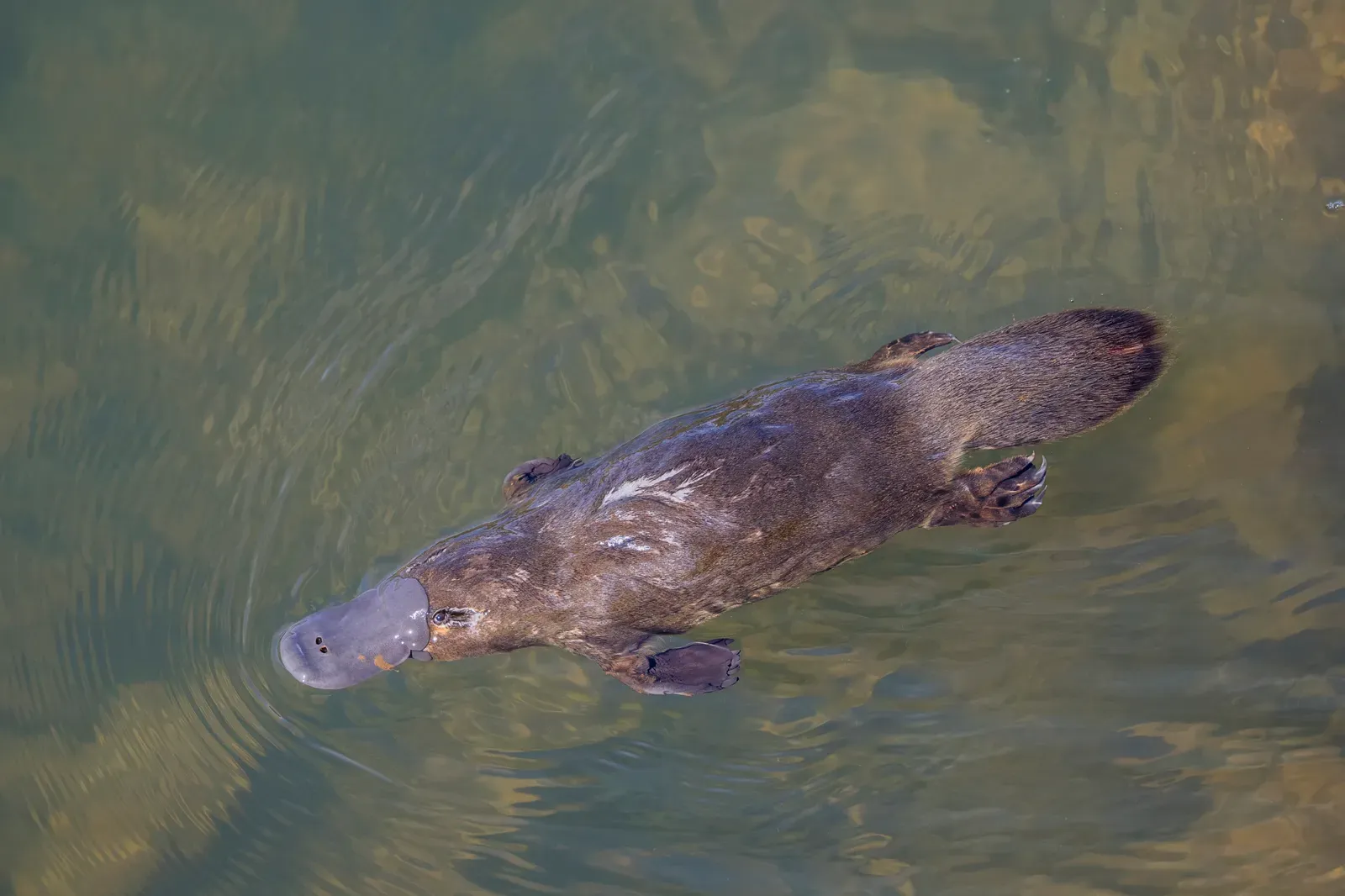
The platypus hunts with its eyes, ears and nostrils shut, gliding through murky Australian streams that would blind most predators. Instead of sight, it leans on an array of electroreceptors packed into the soft skin of its duck-like bill. Every time a shrimp twitches, a small fish flexes, or a worm contracts, tiny electrical fields ripple through the water, and the platypus can feel them. The animal essentially “touches” movement at a distance, building a mental map of hidden prey from patterns of weak electricity.
Scientists have shown that a platypus can distinguish between living and non-living objects in darkness purely by reading these electric signatures. It also combines that information with pressure-sensitive receptors in the bill, which can track water flow and small disturbances. In muddy creeks where vision is almost useless, this dual-sense system gives the platypus an uncanny advantage over animals that evolved around eyesight alone. To us, the water looks still and opaque; to a platypus, it is buzzing with electric outlines of everything that moves.
Pit Vipers: Heat Vision That Turns Night Into a Thermal Map
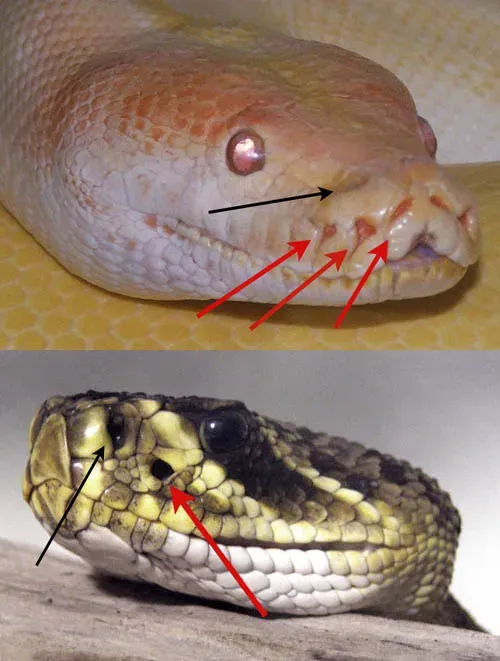
Rattlesnakes and other pit vipers are famous for their venom, but what really sets them apart is the way they see warmth. Between eye and nostril sits a small depression on each side of the head, lined with an ultra-sensitive membrane that detects infrared radiation – the same kind of energy used in thermal cameras. This allows the snake to sense the body heat of a mouse or bird from a short distance, even in complete darkness. The information seems to be blended with normal visual signals in the brain, producing a combined picture of shape and temperature.
Experiments where one sense or the other is blocked show that pit vipers can strike accurately using only their thermal input. The pits are so sensitive they can detect temperature differences of just a fraction of a degree, enough to pick out a warm-blooded animal against a cool background. For a nocturnal hunter that often lies in ambush, that matters: the snake can remain motionless and hidden while still tracking the invisible warmth of its target. When we walk through the desert at night, we see shadows and starlight; to a pit viper, every passing mammal glows like a beacon.
Dogs: Smell as a Detailed Map of Time and Place
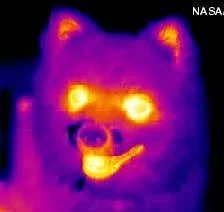
Sharing a couch with a dog, it’s easy to forget that you live with a different kind of sensory specialist. A dog’s nose holds hundreds of millions of scent receptors, many times more than a typical human’s, but the raw numbers tell only part of the story. The nasal passages split airflow into separate streams, one optimized for breathing and the other for odor detection, giving scent molecules more time to interact with receptors. The brain’s olfactory regions are also proportionally huge, turning faint chemical traces into rich, layered information.
Working dogs trained for tracking, medical detection, or search and rescue rely on this ability to separate and follow individual scent trails in crowded environments. They can distinguish the smell of one person from thousands, or pick up volatile compounds associated with conditions like diabetes or certain cancers at levels far below what lab instruments routinely detect. To us, a sidewalk might smell generically urban; to a dog, it is an archive of who passed by, how recently, and maybe even in what mood. Where humans mainly look backward in time through photographs, dogs do it through the lingering chemistry of the air.
Elephants: Listening to Vibrations That Travel Through the Ground
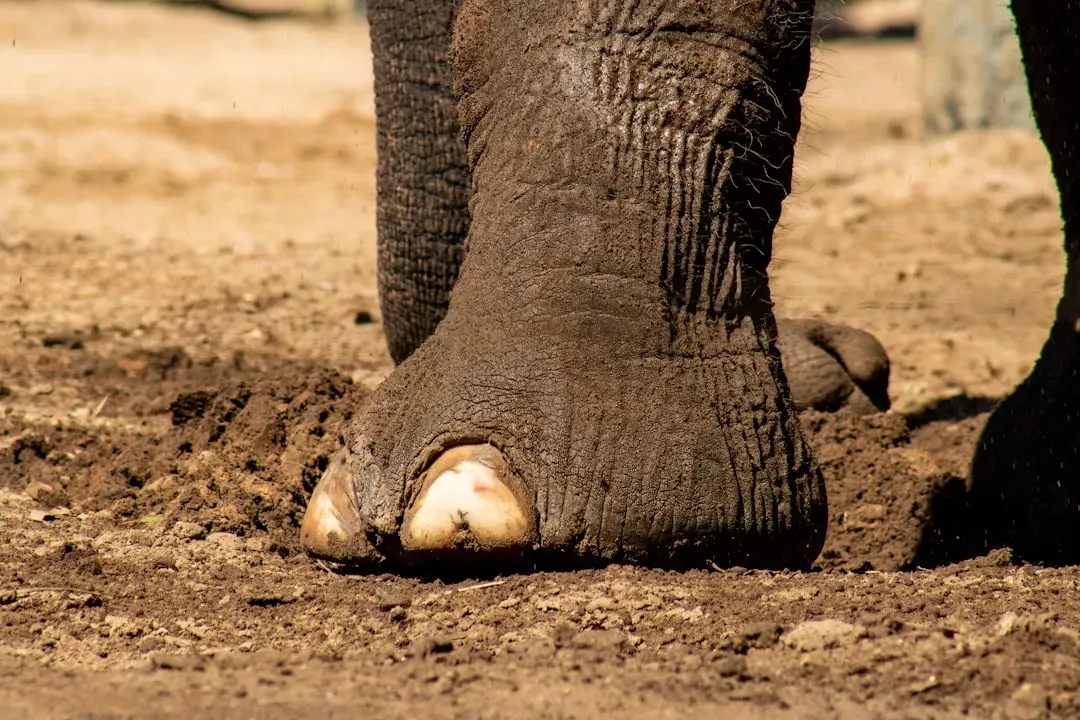
Elephants are often described as having excellent hearing, but much of what they “hear” never reaches the air at all. They communicate over long distances using low-frequency rumbles, some of which fall below the range of human hearing and travel efficiently through soil and rock. Sensitive structures in their feet and legs, along with specialized pathways in the ear, allow them to pick up these seismic signals. Individuals respond to distant calls that may have started miles away, long before a human listener would notice anything out of the ordinary.
Researchers have recorded elephants freezing, orienting and even beginning to move in response to ground-borne vibrations linked to alarm calls or mating signals. This ability likely helps family groups coordinate movements across vast savanna landscapes and may alert them to threats such as approaching vehicles or distant disturbances. In dry seasons, when sound carries differently and resources are scattered, being able to read the ground becomes a lifeline. Stand beside an elephant and you might feel only a faint tremor when it calls; for another elephant far away, that tremor is a clear instruction or warning.
Bats: Building 3D Worlds From Echoes Alone
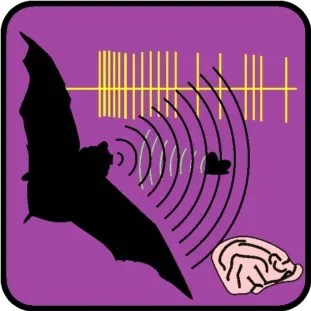
Bats that hunt insects at night operate in a sensory domain that humans can barely imagine keeping up with. They emit rapid pulses of high-frequency sound, far above human hearing, and analyze the returning echoes in a fraction of a second. From those echoes, they extract information about distance, size, texture and speed, effectively “seeing” with sound. Many species dynamically change the pitch, rate and intensity of their calls as they close in on prey, sharpening their spatial resolution the way a camera refocuses on a moving subject.
Laboratory experiments and field recordings show that some bats can detect objects as thin as human hair using echolocation. They also process sound streams from both ears with extreme precision, allowing them to tell whether a moth has shifted by just a few centimeters. In cluttered environments like forests, this matters enormously: each leaf, branch and flying insect produces its own acoustic signature. To our ears, a bat’s territory at night is nearly silent; to the bat, it is a constantly updating three-dimensional map made entirely of echoes.
Bees: Ultraviolet Patterns and Polarized Skies as Navigation Tools
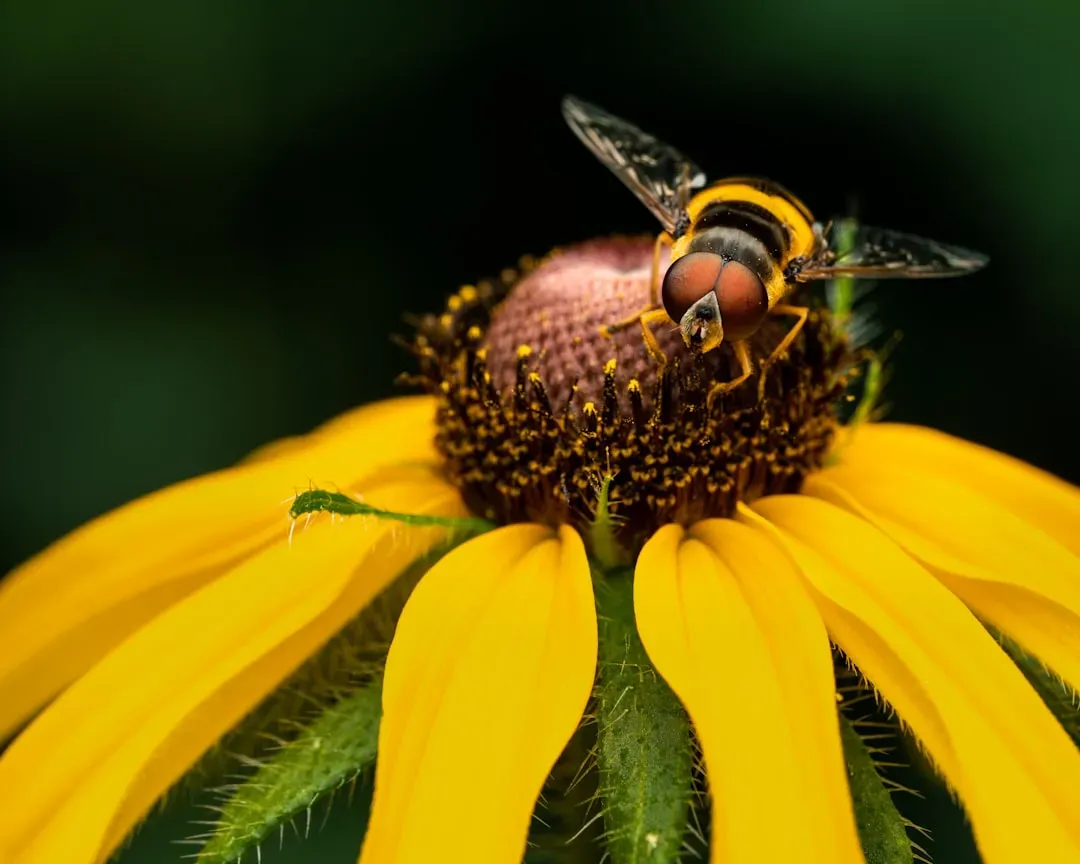
Bees do not see the world in the same colors we do, and their differences are not just aesthetic – they are practical. Their compound eyes are sensitive to ultraviolet light, which many flowers use to paint patterns on petals that we can’t see. Those patterns act as visual landing guides, pointing pollinators toward nectar and pollen. When you look at a daisy, you might see a uniform disk of white; a bee sees rings and bull’s-eye shapes glowing in ultraviolet, efficiently steering it to the center.
Bees also use the polarization pattern of the sky as a built-in compass, even when the sun is hidden behind clouds or obstacles. Specialized regions of the eye respond to the orientation of polarized light, allowing for remarkably accurate navigation during foraging trips. Inside the hive, bees translate this directional information into their famous waggle dances, encoding both distance and direction relative to the sun. The dance looks simple to us, but it represents a transfer of celestial and terrestrial cues into a shared coordinate system. In practical terms, they are reading a hidden map written in the sky’s light and sharing it with the entire colony.
Homing Pigeons and Sea Turtles: Reading the Planet’s Magnetic Field
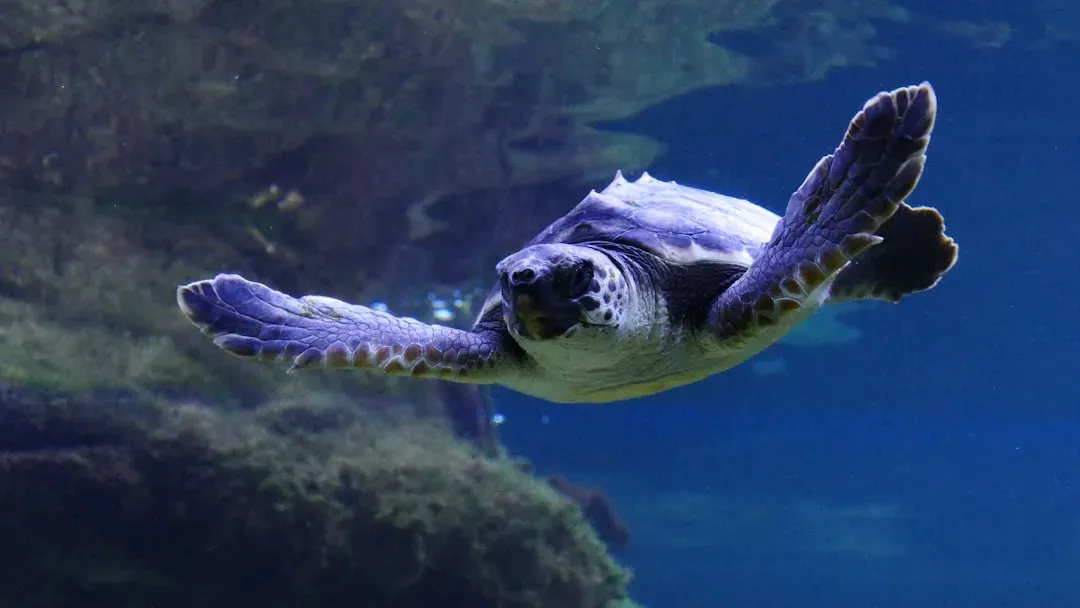
Some animals are born with the ability to sense something humans discovered with scientific instruments: Earth’s magnetic field. Homing pigeons raised and released far from home often find their way back with unnerving reliability, even when visual landmarks are unfamiliar. Sea turtles hatch on a beach, disappear into the ocean for years, and later return to the same coastline as adults to breed. Evidence from behavioral experiments and neurobiological studies suggests that both groups carry an internal “magnetic map” that encodes latitude, and sometimes aspects of longitude, from subtle differences in the field.
In pigeons, small particles of iron-rich material and magnetically sensitive molecules in the eye are among the leading candidates for this sense, tying geomagnetic input into the nervous system. Sea turtles respond predictably in lab setups when the magnetic field around them is artificially altered to mimic conditions from different places in the ocean. For them, the invisible lines of magnetism are like faint tracks on a highway system, guiding broad-scale movements across thousands of miles. Where we pull out a compass or a GPS app, these animals simply feel their way along gradients of an otherwise unseen planetary force.
Sharks: Detecting the Weakest Electrical Whispers of Life
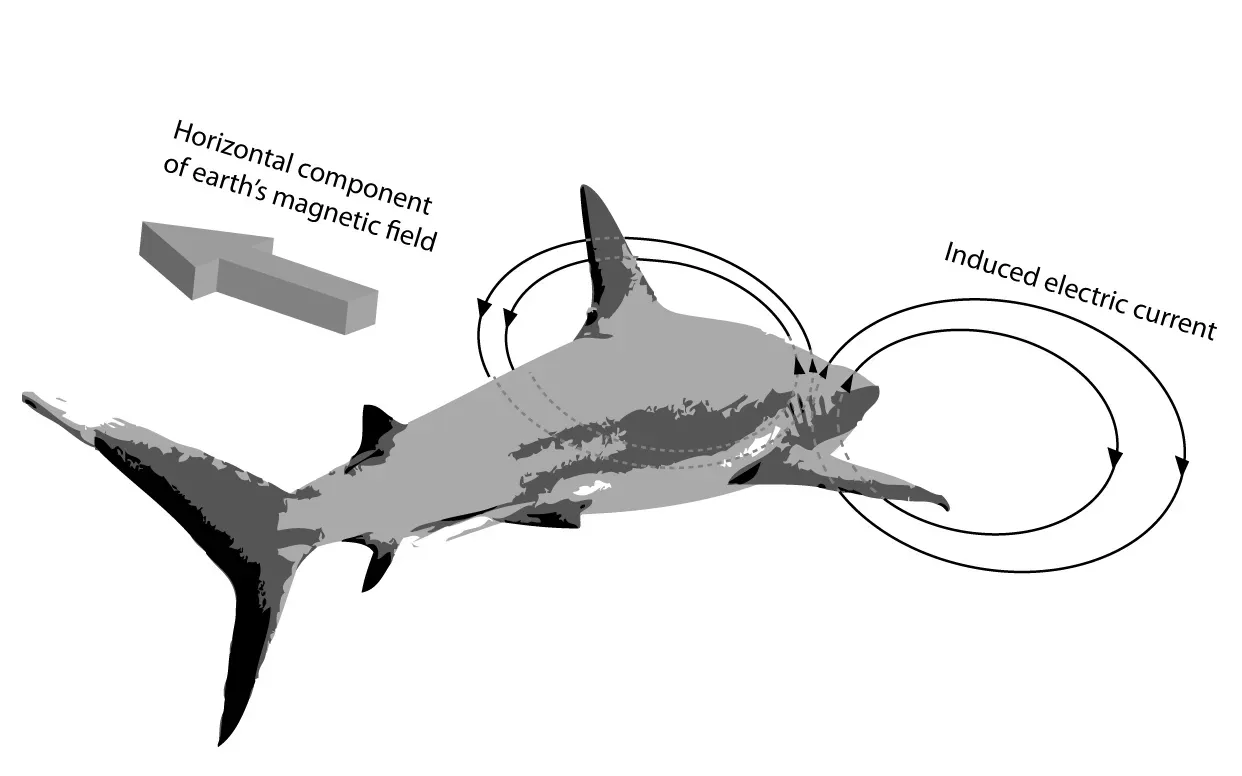
Sharks patrol oceans that can be noisy with waves and murky with silt, but they have an extra sense that cuts through all that confusion. Around their snouts, special jelly-filled canals called the ampullae of Lorenzini open to the water, connecting to cells that respond to minuscule voltage differences. Every living muscle and nerve generates tiny electric fields when active, and sharks can pick these up even when other senses fail. Experiments have shown some species reacting to artificial electrical fields far weaker than what ordinary sensors in a lab would easily detect.
This sense allows sharks to locate buried fish in sand, orient along Earth’s magnetic field by detecting induction currents, and possibly distinguish between different kinds of prey. In close quarters, when vision and smell might be confusing or obscured, electrical sensing becomes a final targeting system. To a human diver, the sea floor might look uniform and quiet when a fish has hidden itself under a thin layer of sediment. To a shark, that buried animal glows electrically against the background, exposing itself with each heartbeat and muscle twitch.
Silk Moths: Smelling a Single Molecule on the Wind
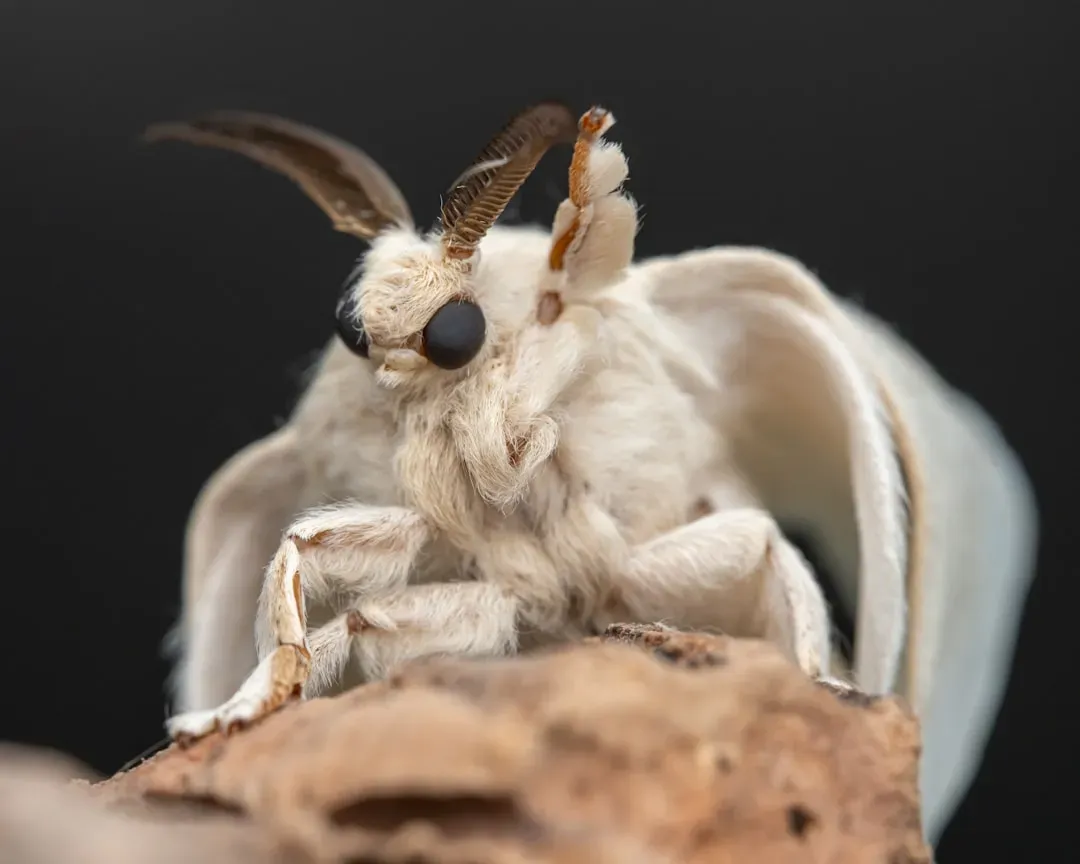
Chemical communication in insects can reach levels of sensitivity that border on unbelievable from a human perspective. Male silk moths, for example, can detect incredibly low concentrations of pheromones released by females, sometimes over distances of hundreds of meters outdoors. Their feathery antennae massively increase surface area, packed with receptor proteins tuned to specific pheromone molecules. When even a handful of those molecules bind, they trigger neural signals that guide the moth upwind toward the source.
In wind tunnel experiments, male moths zigzag persistently toward a pheromone source, adjusting course as the odor plume breaks and reforms. This behavior shows how their nervous system is wired not just to sense a chemical, but to interpret its structure in turbulent air. Unlike our broader, less specific sense of smell, the moth’s is more like a dedicated channel locked onto a single station. In the mosaic of scent-filled air that surrounds us all, silk moths home in on just one molecule that, for them, carries the entire meaning of reproduction and survival.
Why These Hidden Senses Matter for Science and How We See Ourselves
For a long time, human senses were the default template for thinking about perception, and animals were largely ranked on how closely they matched us. The species in this list make that approach look narrow, showing that evolution has produced dozens of ways to extract useful information from the same physical world. Tools like high-speed cameras, brain imaging and genetic analysis now let researchers connect specific receptors and neural circuits to particular sensory feats in a way that was impossible a few decades ago. As a result, animal senses have shifted from curiosities in nature books to active frontiers in neuroscience, behavior and even engineering.
These discoveries also challenge simple ideas about intelligence. A mantis shrimp or silk moth might not solve puzzles the way a primate does, but they run extremely specialized, efficient computations on signals we barely perceive. Engineers designing new sensors, robots and communication systems increasingly borrow from this diversity, mimicking bat echolocation, shark electroreception or bee vision for technical applications. Culturally, there is another shift: recognizing that our human window onto reality is just one slice of a much broader sensory spectrum. That realization undercuts the old assumption that animals are living in a simpler world and replaces it with a more humbling view – we are all surrounded by layers of meaning that other species read fluently and we hardly notice.
Seeing With New Eyes: How Readers Can Explore the Hidden Sensory World

Once you know these senses exist, it is hard to walk outside without wondering what you are missing. Watching a dog sniff, a bee land on a flower, or a bird navigate on a cloudy day becomes less like casual observation and more like glimpsing the surface of an alien language. One practical step is to pay attention to behavior rather than just appearance: how an animal moves, pauses, or orients often hints at the invisible signals it is using. Field guides, museum exhibits and open-access research articles can deepen that curiosity with concrete details about receptors, brain areas and evolutionary history.
There are also ways to approximate other sensory worlds using tools humans can perceive. Ultraviolet photography can reveal the patterns bees see on common garden flowers, and simple infrared cameras show the heat contrasts that guide pit vipers or other nocturnal hunters. Supporting conservation efforts for species like sharks, elephants, sea turtles and bees helps protect not just charismatic animals, but entire sensory worlds that will vanish if those species do. In everyday life, choosing to slow down and really watch how nonhuman neighbors interact with their environment can be a powerful act of scientific literacy. The next time you step outside, what unseen signals do you think are flickering all around you?
Suhail Ahmed is a passionate digital professional and nature enthusiast with over 8 years of experience in content strategy, SEO, web development, and digital operations. Alongside his freelance journey, Suhail actively contributes to nature and wildlife platforms like Discover Wildlife, where he channels his curiosity for the planet into engaging, educational storytelling.
With a strong background in managing digital ecosystems — from ecommerce stores and WordPress websites to social media and automation — Suhail merges technical precision with creative insight. His content reflects a rare balance: SEO-friendly yet deeply human, data-informed yet emotionally resonant.
Driven by a love for discovery and storytelling, Suhail believes in using digital platforms to amplify causes that matter — especially those protecting Earth’s biodiversity and inspiring sustainable living. Whether he’s managing online projects or crafting wildlife content, his goal remains the same: to inform, inspire, and leave a positive digital footprint.