
Nature has crafted some of the most incredible weapons imaginable, and certain animals have mastered the art of launching projectiles with deadly precision. These remarkable creatures don’t hesitate when danger approaches or prey presents itself – they fire first and sort out the details later. From microscopic hunters to massive marine predators, the animal kingdom is filled with sharpshooters that would make any military sniper jealous. Their biological artillery ranges from high-pressure water jets to explosive chemical cocktails, each evolved over millions of years to ensure survival in the harsh realities of the wild.
The Archerfish: Nature’s Precision Marksman
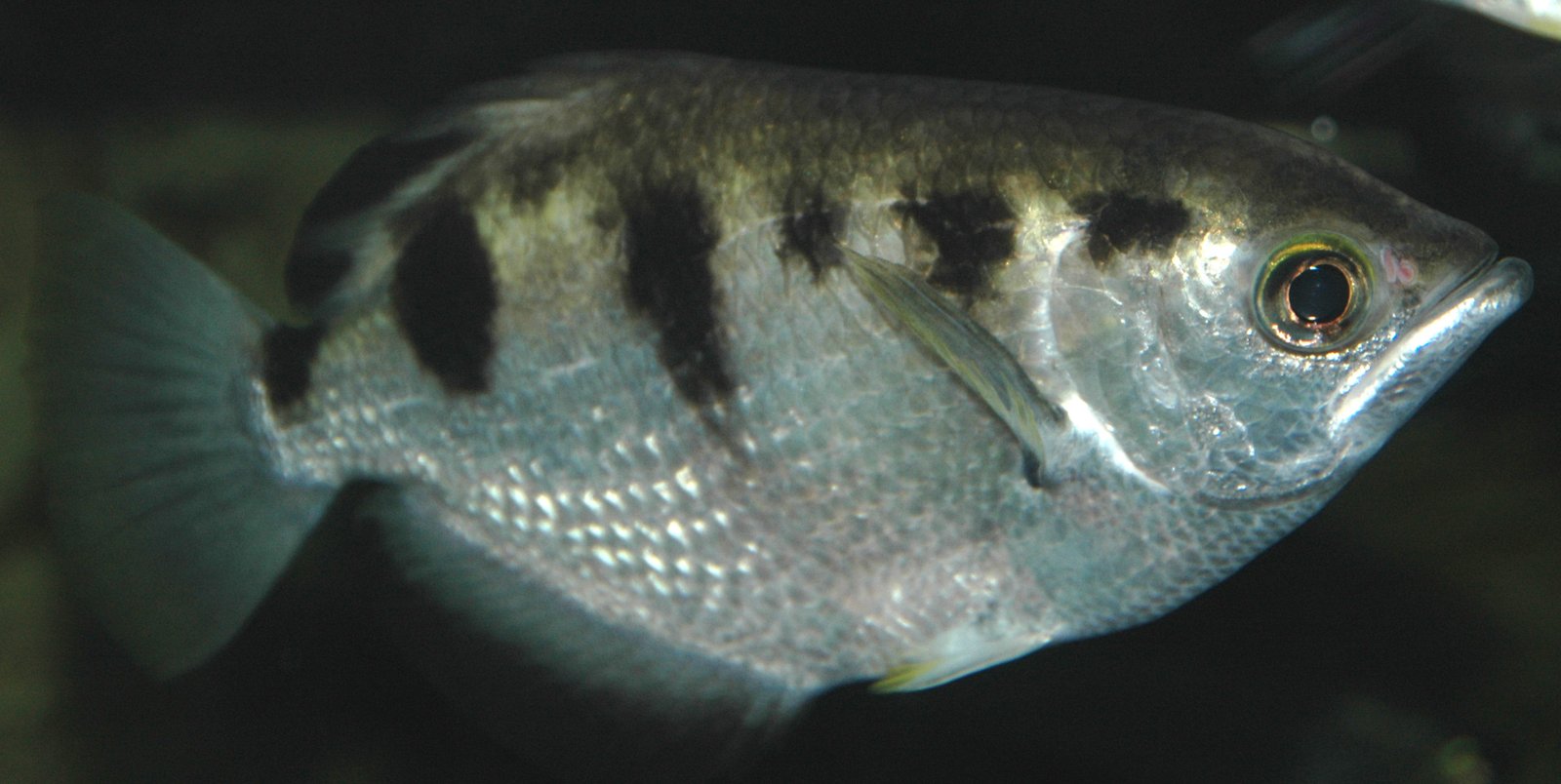
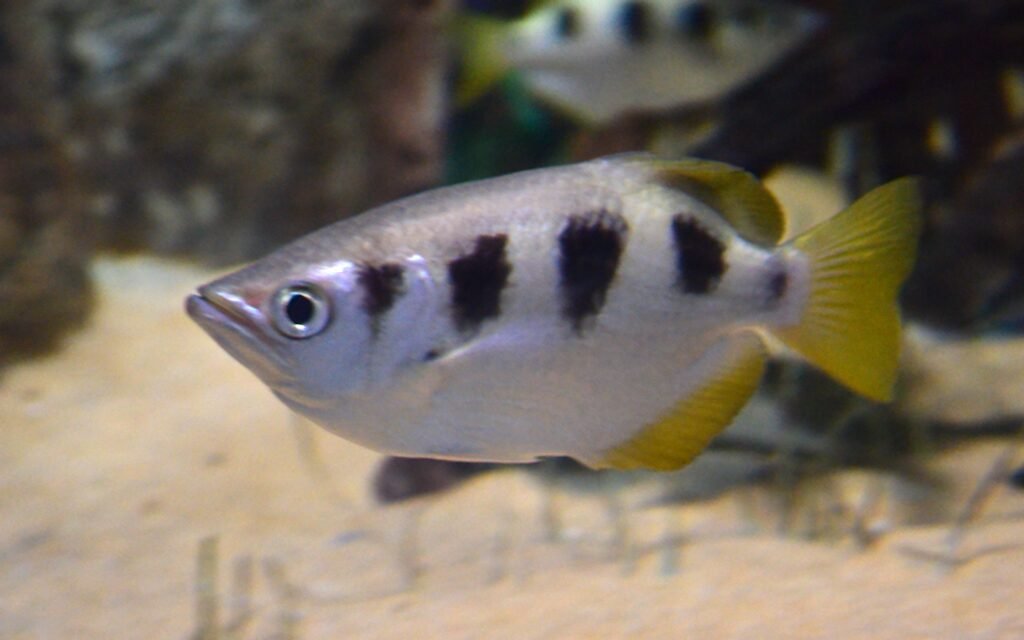
The archerfish stands as one of nature’s most impressive snipers, capable of knocking insects off branches with remarkable accuracy using high-pressure water jets. These incredible hunters can hit targets up to six feet away, adjusting their aim to account for light refraction at the water’s surface. What makes them truly extraordinary is their ability to calculate the precise angle and force needed to compensate for the physics of shooting from underwater to above the surface.
Young archerfish actually practice their shooting skills, much like human children learning to throw a ball. They start with close targets and gradually work their way up to longer distances, developing the muscle memory and visual coordination necessary for successful hunting. The fish can even predict where falling prey will land, positioning themselves strategically to catch their stunned victims.
Spitting Cobras: Venomous Liquid Bullets
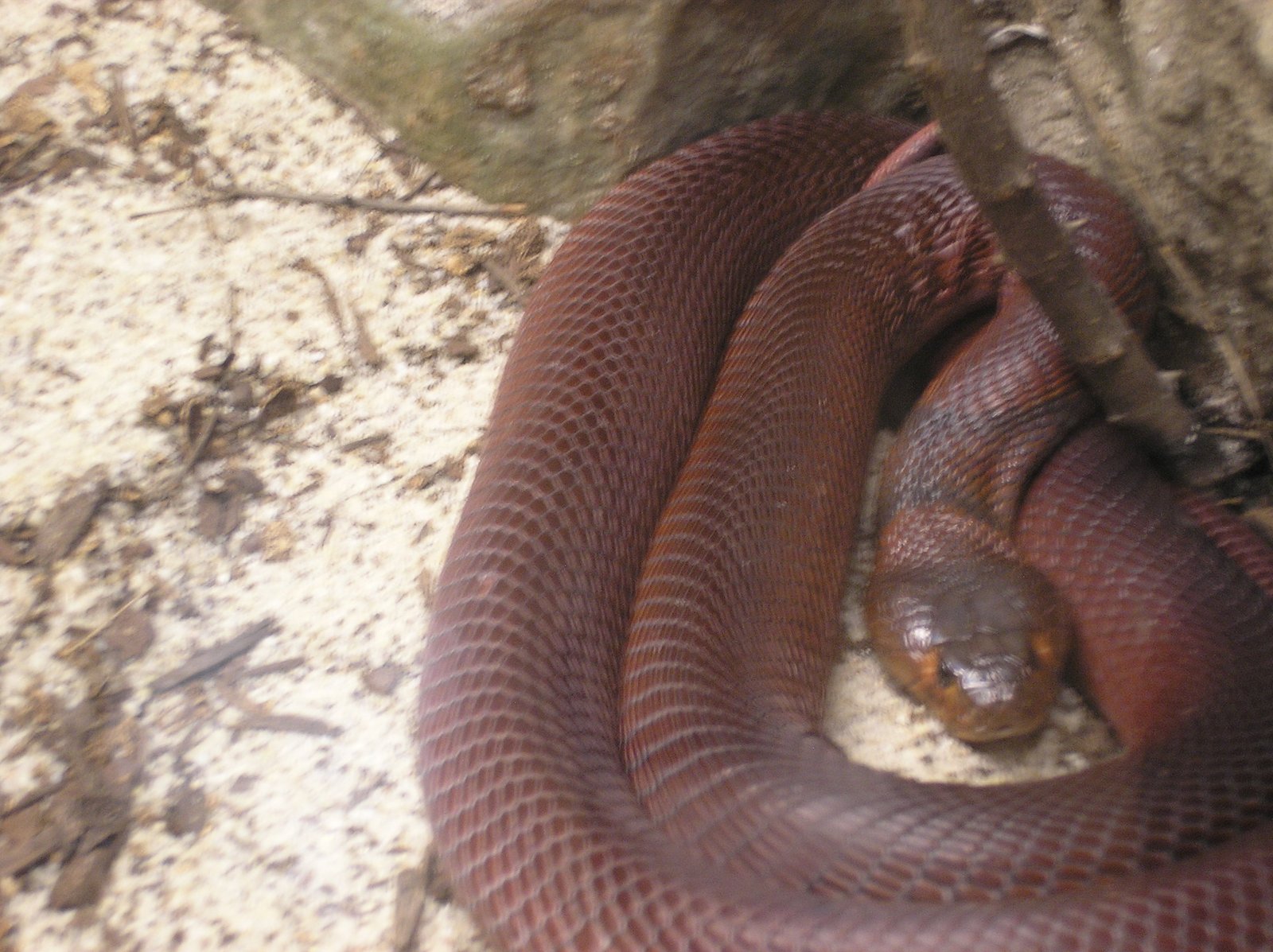
Spitting cobras have evolved one of the most terrifying defensive mechanisms in the animal kingdom – the ability to spray venom with pinpoint accuracy directly into an attacker’s eyes. These serpents can accurately hit targets up to eight feet away, using specialized fangs that work like tiny venom cannons. The venom causes immediate blindness and excruciating pain, giving the cobra precious seconds to escape or prepare for a follow-up strike.
The precision of a spitting cobra’s aim is truly remarkable, as they can adjust their head position mid-spray to track moving targets. Their venom delivery system is so efficient that they can fire multiple shots in quick succession without running out of ammunition. This deadly accuracy has made them one of Africa and Asia’s most feared and respected predators.
The Bombardier Beetle: Living Chemical Warfare
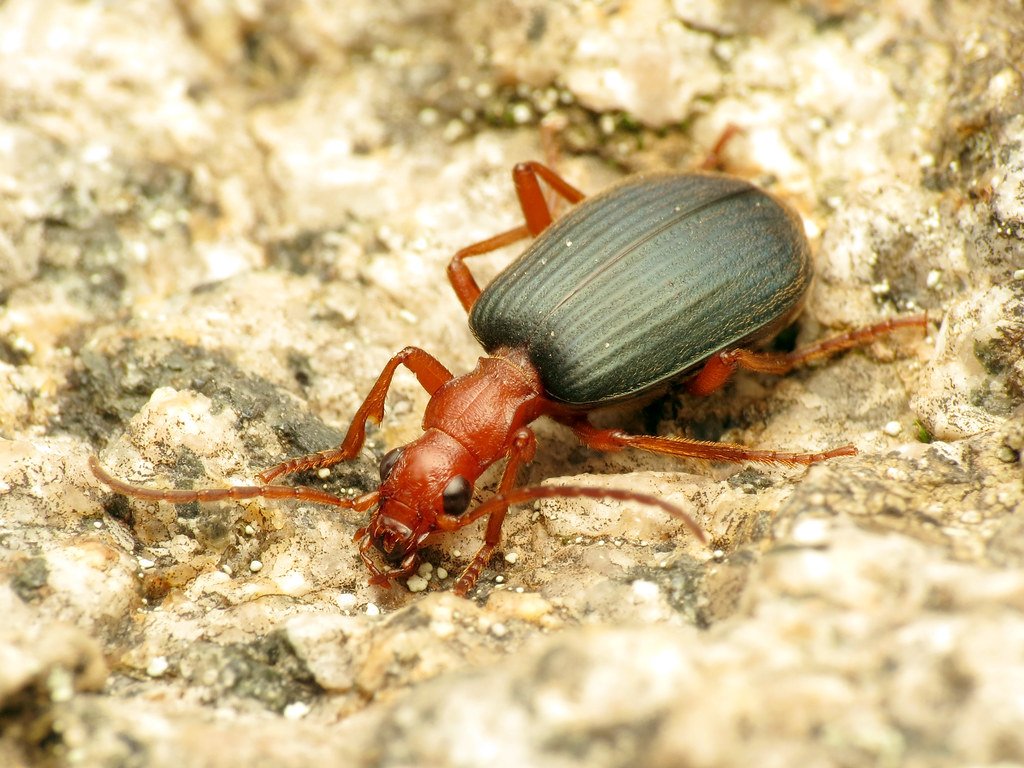
The bombardier beetle carries what amounts to a miniature chemical weapons factory in its abdomen, capable of firing boiling hot defensive sprays at attackers. When threatened, this remarkable insect mixes two chemicals in a specialized reaction chamber, creating an explosive mixture that reaches temperatures of up to 212 degrees Fahrenheit. The resulting spray can be aimed with surprising precision, thanks to the beetle’s ability to rotate its abdomen like a turret.
What makes the bombardier beetle truly fascinating is its ability to control the intensity and duration of its chemical blasts. The insect can fire up to 20 consecutive shots, each one potentially deterring predators ranging from ants to birds. This biological flamethrower has inspired military researchers studying new defensive technologies, proving that nature’s solutions often surpass human engineering.
Pistol Shrimp: The Ocean’s Sonic Boom Generator
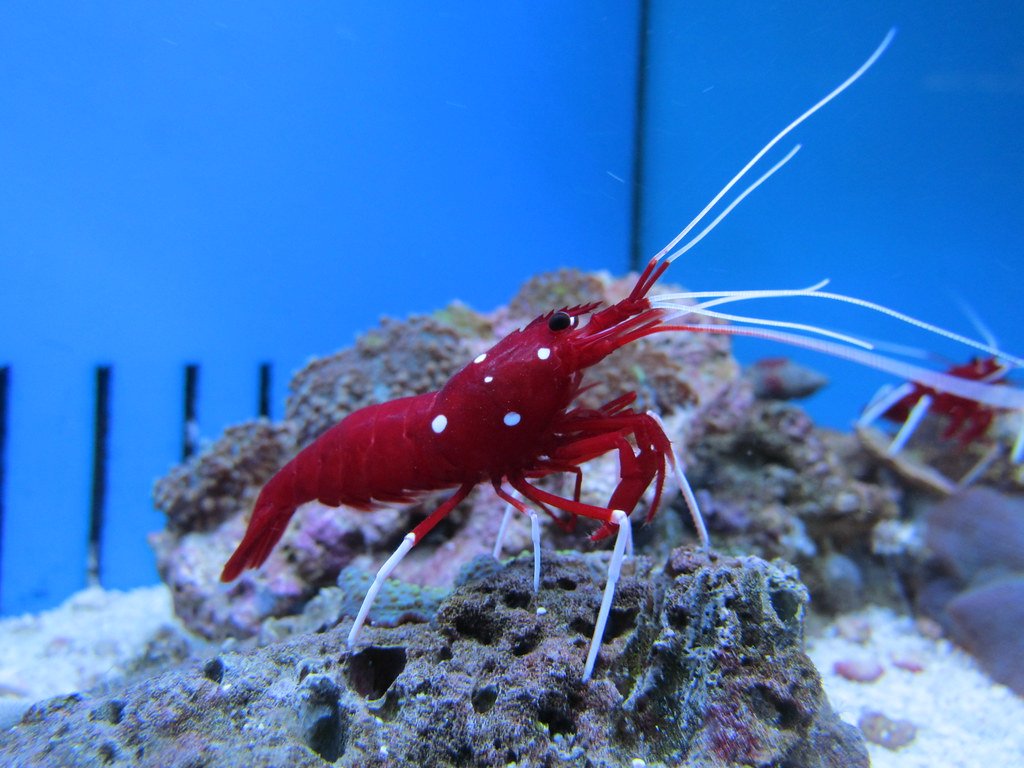
The pistol shrimp possesses one of the most devastating weapons in the ocean – a specialized claw that can generate cavitation bubbles reaching temperatures nearly as hot as the sun’s surface. When this tiny crustacean snaps its oversized claw shut, it creates a high-speed water jet that forms a bubble traveling at over 60 miles per hour. The bubble’s collapse produces a shockwave so powerful it can stun or kill small fish instantly.
The sound produced by a pistol shrimp’s claw snap is so loud it can interfere with submarine sonar systems, earning it the nickname “the loudest animal in the ocean.” These remarkable hunters can fire their water bullets with such frequency that they’ve been known to shatter aquarium glass. Their weapon is so effective that they’ve inspired research into new underwater propulsion systems and sonic weapons.
Electric Eels: High-Voltage Biological Tasers
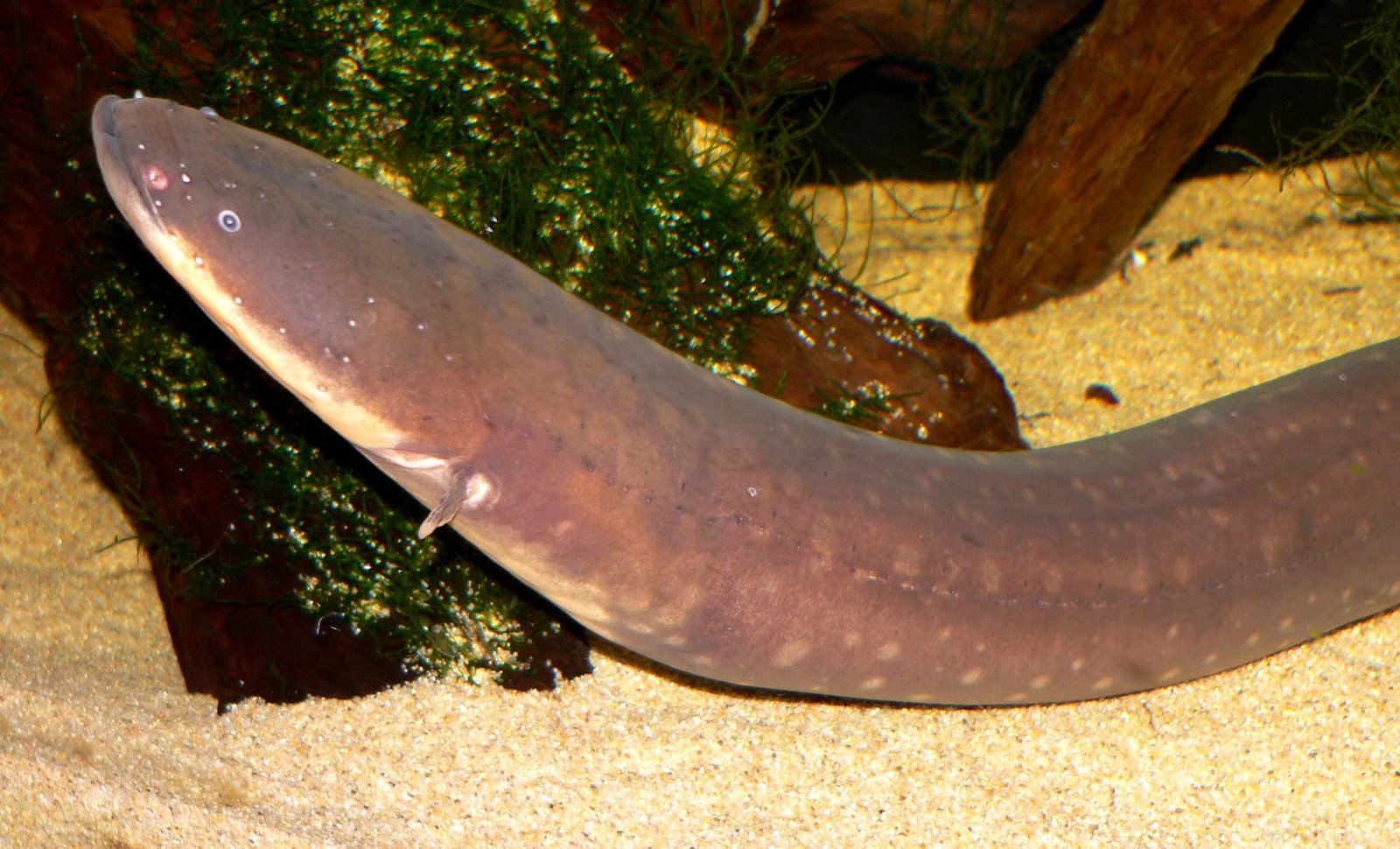
Electric eels are living power plants capable of generating electrical discharges of up to 600 volts – enough to stun a horse or power a small television set. These remarkable fish use three different electrical organs to create their devastating attacks, with the main electrical organ containing thousands of specialized cells called electrocytes. When hunting or defending themselves, electric eels can fire repeated electrical pulses that paralyze prey or deter predators.
The precision with which electric eels can control their electrical output is truly impressive, as they can adjust the voltage and frequency of their discharges based on the size and distance of their targets. They use lower-voltage pulses for navigation and hunting, similar to biological sonar, before unleashing their full electrical arsenal. This biological battery has fascinated scientists studying bio-electricity and has led to innovations in battery technology and medical devices.
Cone Snails: Silent Assassins of the Sea
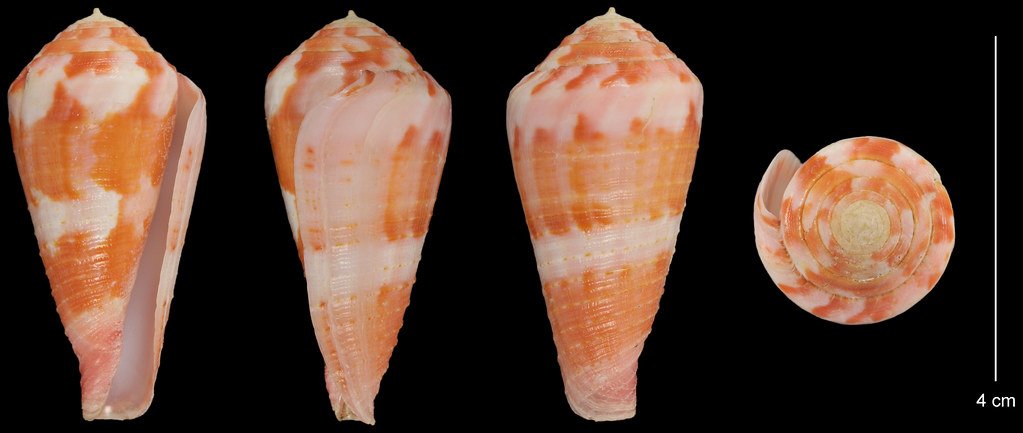
Cone snails may look like harmless seashells, but they’re actually some of the ocean’s most efficient killers, armed with harpoon-like teeth that inject potent neurotoxins into their prey. These marine predators can fire their venomous darts faster than the human eye can follow, delivering toxins so powerful that some species can kill adult humans within minutes. Their hunting strategy is brutally effective – they bury themselves in sand and wait for unsuspecting prey to wander within striking distance.
The venom of cone snails is so complex and potent that medical researchers are studying it for potential pain management applications. Each species has evolved unique toxin combinations, making them living chemical laboratories with hundreds of different compounds. Their projectile system is so efficient that they rarely miss their targets, earning them the reputation as the ocean’s most patient and deadly snipers.
Skunks: Masters of Chemical Deterrence

Skunks have perfected the art of chemical warfare, capable of spraying their infamous musk with remarkable accuracy up to 15 feet away. Their twin anal glands can produce different spray patterns – from a fine mist for close encounters to a concentrated stream for long-distance targets. The sulfur-containing compounds in their spray are so potent that they can cause temporary blindness and nausea in attackers, giving the skunk ample time to escape.
What makes skunks truly remarkable is their restraint – they typically give multiple warning signals before deploying their chemical arsenal, including stomping, tail raising, and mock charges. This behavior demonstrates a sophisticated understanding of resource conservation, as they need time to replenish their spray supply. Their reputation alone is often enough to deter most predators, making them one of nature’s most successful bluffers.
Chameleons: Ballistic Tongue Specialists

Chameleons possess one of the most extraordinary projectile weapons in the animal kingdom – a tongue that can extend up to twice their body length and strike prey in just 0.07 seconds. This biological harpoon operates like a spring-loaded mechanism, with specialized muscles that can accelerate the tongue at forces exceeding 2,500 times the acceleration of gravity. The tongue’s sticky tip ensures that once it makes contact with prey, escape is virtually impossible.
The accuracy of a chameleon’s tongue strike is enhanced by their remarkable eyes, which can move independently to track multiple targets simultaneously. They can calculate distance, wind conditions, and prey movement patterns before launching their lightning-fast attack. This combination of precision targeting and explosive power makes chameleons among the most efficient hunters relative to their size in the entire animal kingdom.
Spitting Spiders: Eight-Legged Sharpshooters
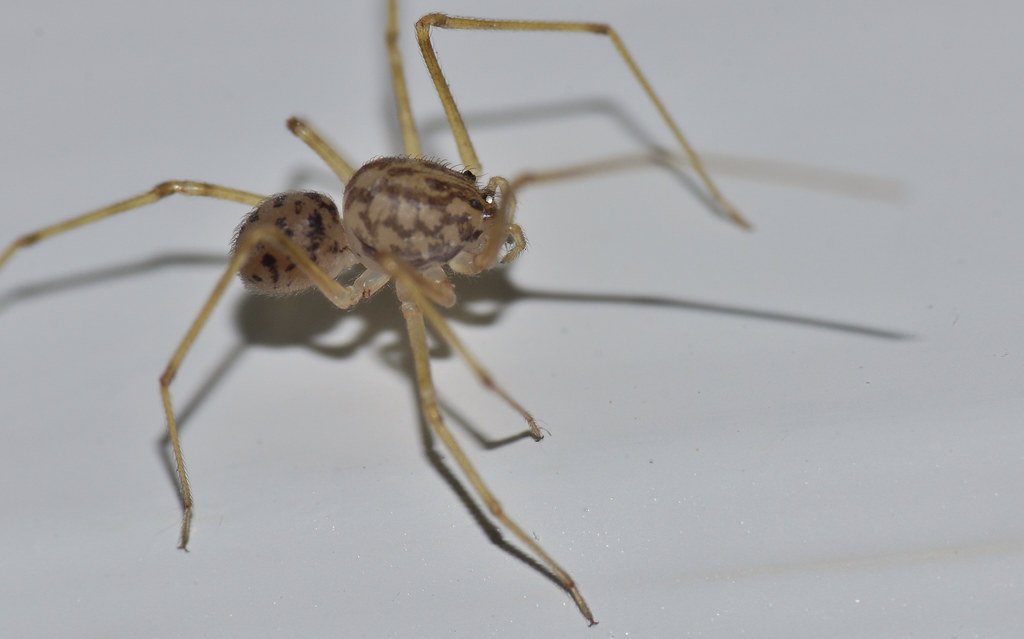
Spitting spiders have evolved a unique hunting strategy that combines web-spinning silk with venomous glue to create biological projectiles that immobilize prey instantly. These tiny arachnids can accurately spray their silk-venom mixture up to 20 times their body length, creating a zigzag pattern that effectively pins down their victims. The mixture hardens upon contact, making escape impossible while the venom takes effect.
The precision of spitting spiders is remarkable considering their poor eyesight – they rely primarily on vibration detection and chemical cues to aim their shots. Their silk-venom combination is so effective that they can subdue prey much larger than themselves, including other spiders and small insects. This hunting method is so unique that spitting spiders have inspired biomimetic research into new adhesive and capture technologies.
Octopuses: Jet-Powered Projectile Masters

Octopuses are equipped with a remarkable propulsion system that allows them to fire themselves through the water like living torpedoes while simultaneously launching defensive ink clouds. Their siphon system can generate powerful water jets that propel them at speeds up to 25 miles per hour, making them incredibly effective escape artists. When threatened, they can simultaneously eject dark ink clouds that serve as both visual screens and chemical deterrents.
The intelligence behind an octopus’s projectile abilities is what truly sets them apart from other marine animals. They can calculate trajectory, distance, and timing with remarkable precision, often using rocks or shells as projectiles to defend their territory or hunt prey. Their eight arms can work independently to gather ammunition while their central brain coordinates the overall strategy, making them perhaps the most sophisticated projectile users in the ocean.
Horned Lizards: Blood-Shooting Defense Specialists
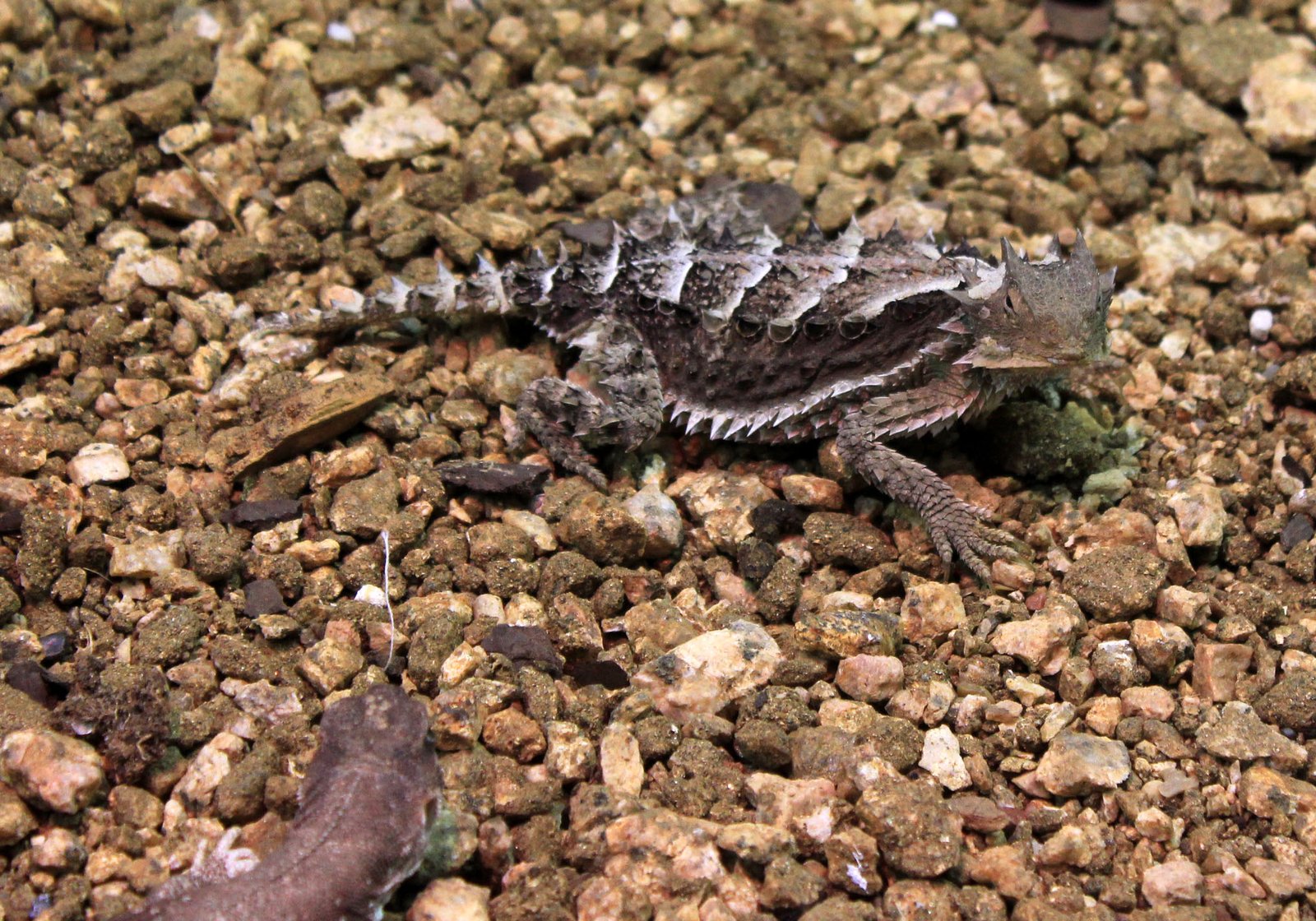
Horned lizards have developed one of the most shocking defensive mechanisms in the reptile world – the ability to shoot streams of blood from their eyes up to five feet away. This bizarre behavior occurs when the lizard increases blood pressure around its eyes, causing small blood vessels to rupture and spray blood at attacking predators. The blood contains chemicals that taste particularly foul to dogs, coyotes, and other mammalian predators.
This dramatic defense mechanism is typically used as a last resort when other defensive strategies like camouflage and intimidation displays have failed. The blood-shooting behavior is so startling that it often provides the lizard with crucial seconds to escape while the confused predator tries to understand what just happened. Research has shown that this unique adaptation is particularly effective against mammalian predators but less useful against birds and reptilian hunters.
Velvet Worms: Ancient Slime Cannons

Velvet worms are living fossils that have maintained their primitive body plan for over 500 million years, but they’ve perfected a sophisticated projectile hunting system using sticky slime. These remarkable creatures can accurately shoot streams of glue-like secretion up to several inches away, instantly entangling prey in an inescapable web. The slime hardens within seconds, creating a biological superglue that immobilizes victims while the velvet worm approaches for the kill.
The precision of velvet worms’ slime shooting is enhanced by their ability to wave their head from side to side while firing, creating a net-like pattern that maximizes their chances of hitting fast-moving prey. Their slime cannons are so effective that they can capture prey much larger than themselves, including spiders, insects, and other small invertebrates. This ancient hunting strategy has remained virtually unchanged for millions of years, proving its remarkable effectiveness.
Mantis Shrimp: The Ocean’s Most Powerful Punchers
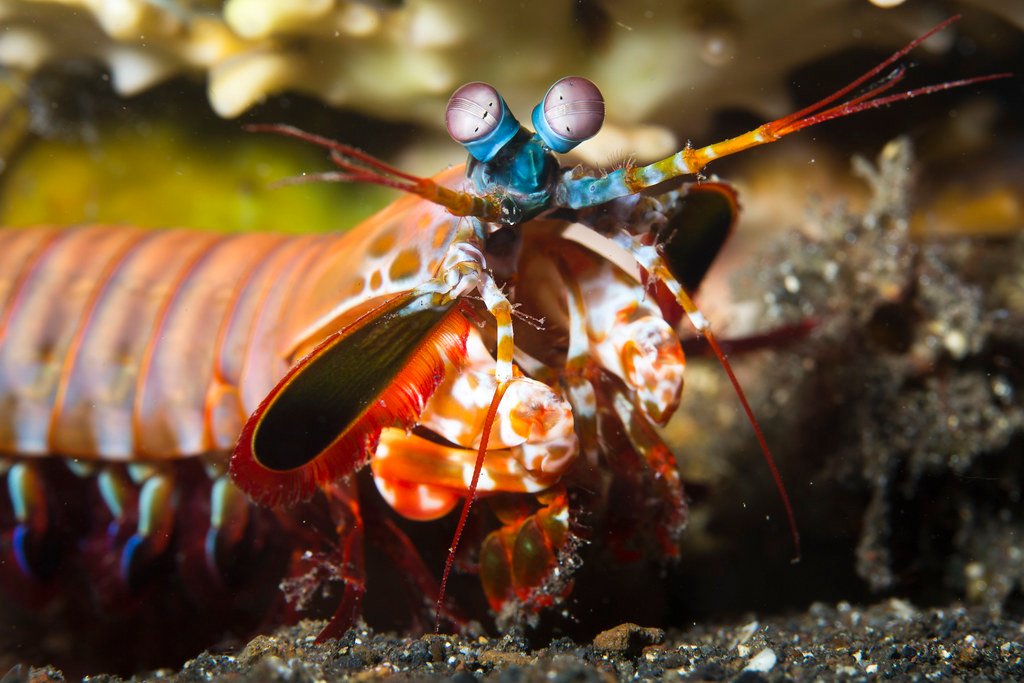
Mantis shrimp possess the most powerful punch in the animal kingdom, capable of accelerating their club-like appendages at the speed of a bullet and generating forces equivalent to a .22 caliber rifle. These marine predators can strike with such incredible speed that they create cavitation bubbles similar to those produced by pistol shrimp, but on a much larger scale. The impact of their punch can shatter crab shells, break aquarium glass, and even cause painful injuries to humans.
The visual system of mantis shrimp is equally impressive, featuring 16 different types of color receptors compared to humans’ three, allowing them to see polarized light and detect the subtlest movements of potential prey. Their eyes can move independently and track multiple targets simultaneously, making them incredibly effective hunters. This combination of superior vision and devastating striking power makes mantis shrimp among the most feared predators in shallow tropical waters.
Porcupines: Walking Pin Cushions with Projectile Potential
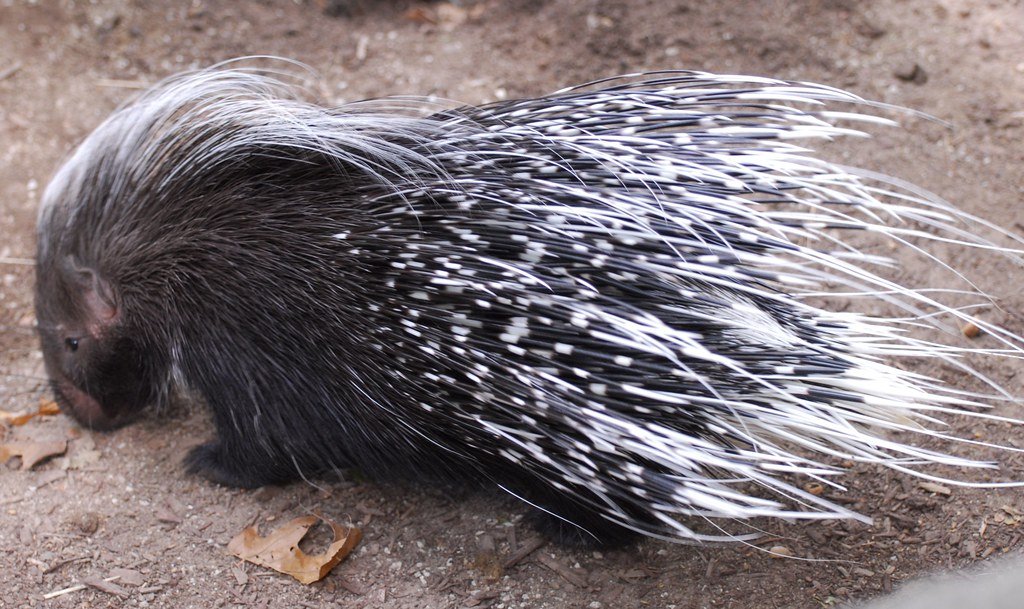
While porcupines cannot actually shoot their quills as commonly believed, they can effectively launch them during defensive encounters through rapid tail movements and muscle contractions. When threatened, porcupines can quickly turn their back to predators and lash out with their quill-covered tail, embedding hundreds of barbed spines into attackers’ flesh. The quills are designed with backward-facing barbs that make removal extremely difficult and painful.
The defensive strategy of porcupines is so effective that most predators learn to avoid them after a single painful encounter. Their quills are not only sharp but also carry bacteria that can cause infections in wounds, making them even more effective as deterrents. New World porcupines have evolved particularly long quills that can penetrate deeply into predator tissue, while Old World porcupines have developed shorter, more numerous quills that create a formidable defensive barrier.
Conclusion: Nature’s Arsenal of Biological Weapons

The remarkable diversity of projectile weapons in the animal kingdom demonstrates nature’s incredible ingenuity in developing solutions for survival challenges. From the precision water jets of archerfish to the chemical explosions of bombardier beetles, these biological weapons systems represent millions of years of evolutionary refinement. Each species has developed unique adaptations perfectly suited to their environment, prey, and predators, creating a fascinating array of natural technologies that continue to inspire human innovation.
These extraordinary creatures remind us that the natural world is filled with solutions to complex problems, often surpassing human engineering in elegance and efficiency. Their projectile abilities serve as both offensive and defensive mechanisms, highlighting the constant evolutionary arms race between predators and prey. As we continue to study these remarkable animals, we gain valuable insights into biomimetics, materials science, and the fundamental principles of physics and chemistry that govern life on Earth.
The next time you witness these incredible animals in action, remember that you’re observing millions of years of evolutionary perfection in motion. What other secrets might nature be hiding in its vast arsenal of biological weapons?