
Satellites sweep the skies and supercomputers hum, yet out on the water, on the savanna, and above our neighborhoods, animals are already reacting to the storm that hasn’t shown up on your phone. This is the quiet forecast: a hive’s sudden hush, a flock’s abrupt U-turn, a shark’s descent that reads like a barometer with fins. For scientists, these behaviors are not just folklore; they are measurable, repeatable, and often early. The mystery is how far ahead and how precisely these senses work – and whether we can responsibly learn from them without taming the wildness that makes them possible. That tension is where the next breakthroughs will happen.
African Elephants
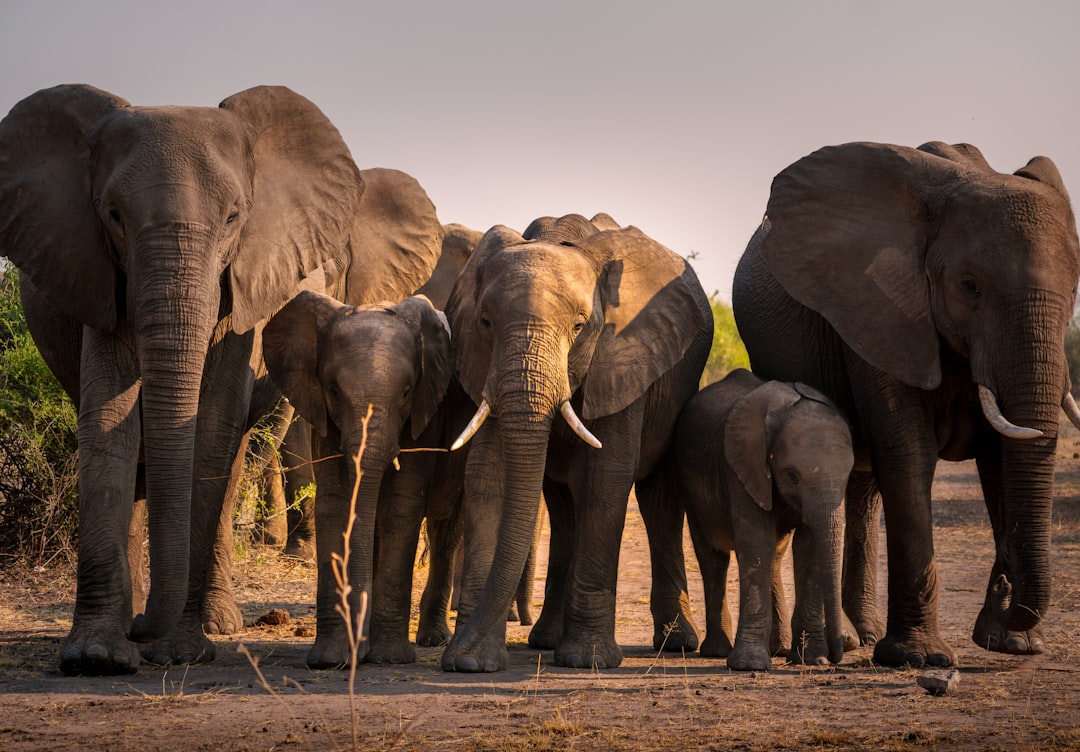
On the edges of parched landscapes, collared elephants have been documented turning toward rainfall long before the first cloud tower crosses the horizon. Their secret weapon is infrasound – ultra-low rumbles and storm-generated waves that roll across continents faster than the weather itself. When those frequencies arrive, family groups stretch their pace and align their routes like travelers chasing a train.
Biologists tracking herd movements have tied these long, purposeful treks to distant thunderhead formation and shifting pressure fields. Those steps are more than instinct; they are spatial forecasts, written in footprints.
Coastal Sharks
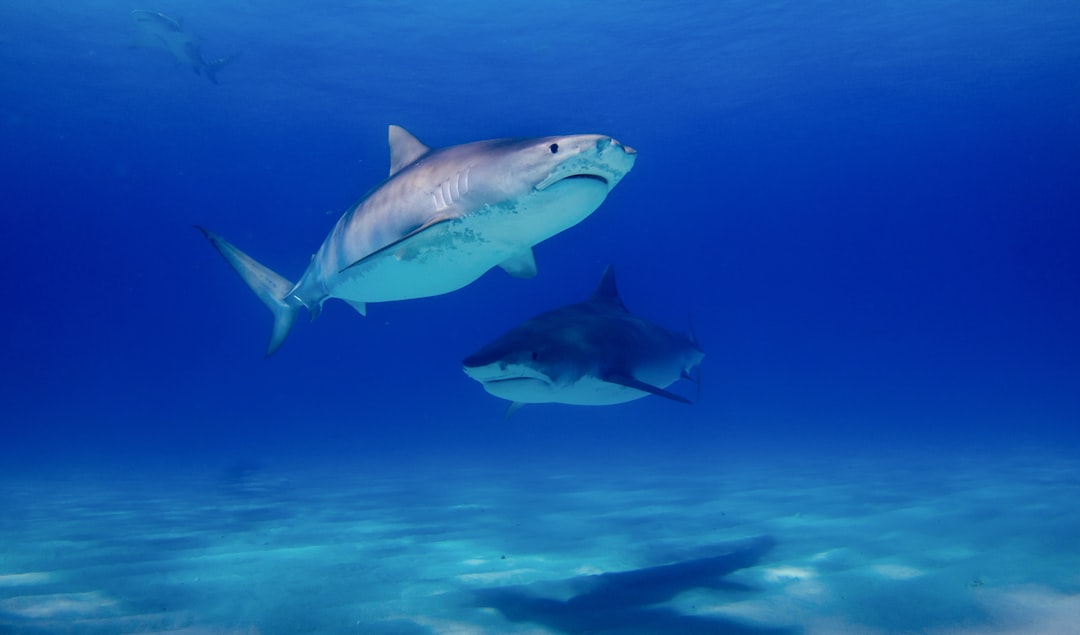
Ask a coastal shark about pressure and it will answer by diving. As hurricanes organize offshore, pressure sinks and the ocean telegraphs the news through a gradient sharks feel in their bodies, particularly in species with sensitive swim bladders or lateral lines. Acoustic tags have recorded synchronized drops to deeper, safer layers hours before storm bands make landfall.
Field logs from multiple basins tell the same story: descent, reduced cruising, then a cautious return after the eye passes. In a sleek, silent way, these fish turn barometric squiggles into survival decisions.
Golden-winged Warblers
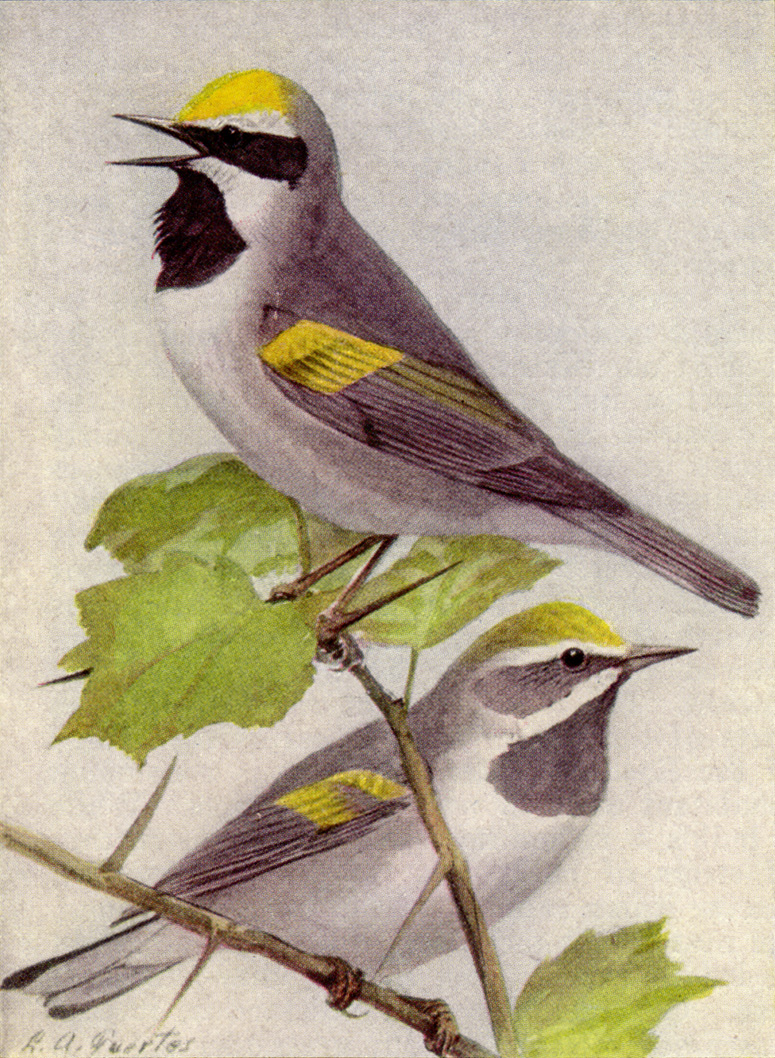
One spring in the Appalachians, tiny warblers outfitted with tags made a sudden, mass departure from breeding territories and flew hundreds of miles away. The storms that followed were severe, yet the birds were already out of danger, as if they had read the atmosphere’s future script. Researchers studying their tracks pointed to infrasound and pressure cues that traveled ahead of the outbreak.
That evacuation was not panic; it was a calculated rerouting that balanced energy costs against risk. For a bird that weighs less than a stack of paperclips, that’s a remarkably precise forecast.
Honeybees
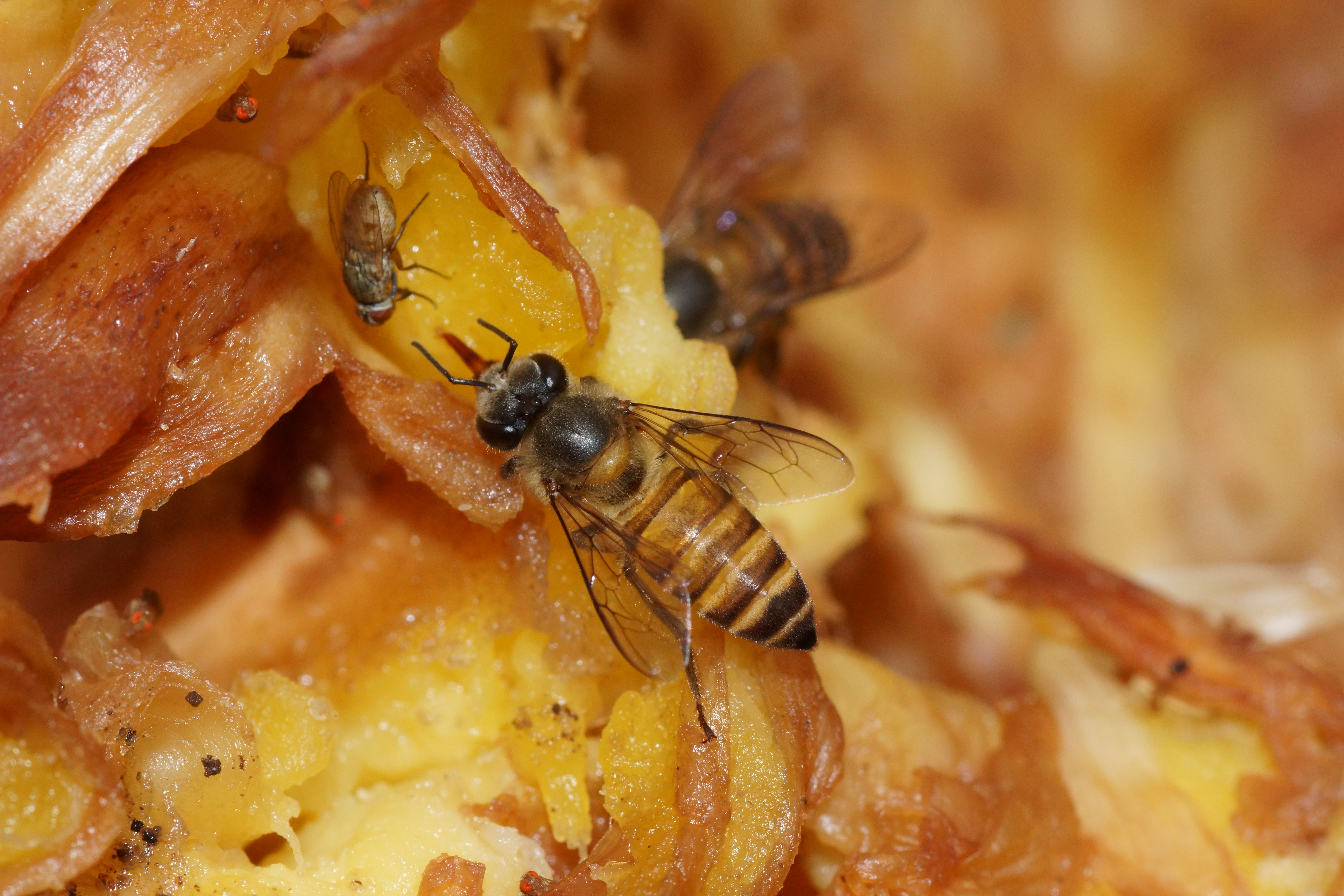
Bees don’t hold umbrellas; they change schedules. As pressure dips, foraging shrinks to a narrow window, ventilation shifts at the hive entrance, and fencers – those gatekeeping workers – behave like air traffic controllers waving off flights. Sensitive mechanoreceptors on legs and antennae give them a feel for the coming turbulence.
Beekeepers notice the pattern: a sudden midday lull, a thicker, resin-scented seal along the seams, and a hum that moves down-scale. What looks like rest is actually storm readiness running on microbarometers and collective memory.
Orb-weaving Spiders
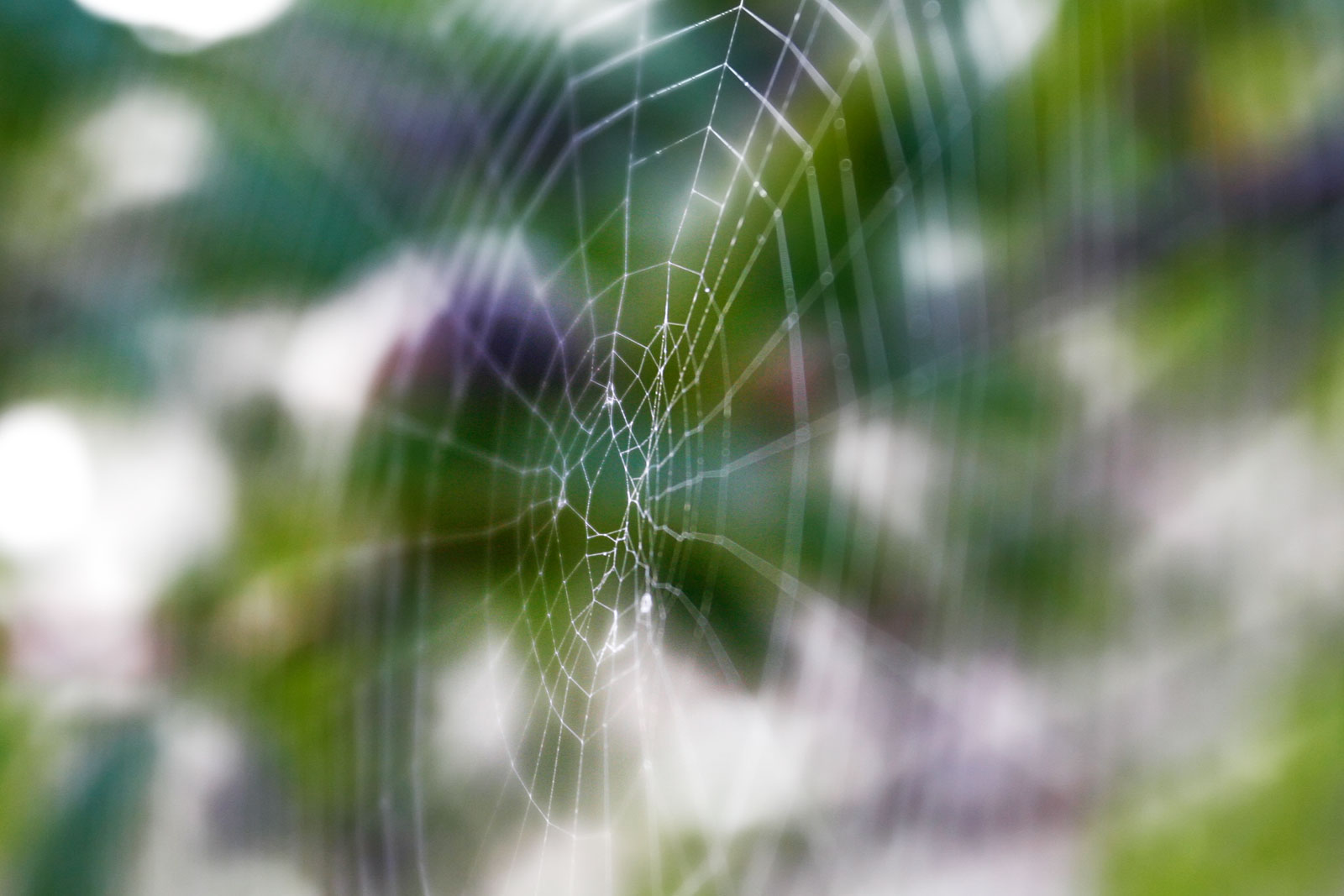
In fair weather, a dew-jeweled web is a trophy; when a squall is coming, it’s a liability. Orb-weavers dismantle, recycle silk, and retreat to anchor points as humidity spikes and pressure edges lower. The timing can be uncanny, with web teardown starting well before the first gust reaches the hedgerow.
Researchers have linked these rapid shifts to hygrosensitive hairs and fine-tuned mechanosensation that reads wind shear. It’s a minimalist forecast: fewer threads, fewer losses.
Tree Frogs
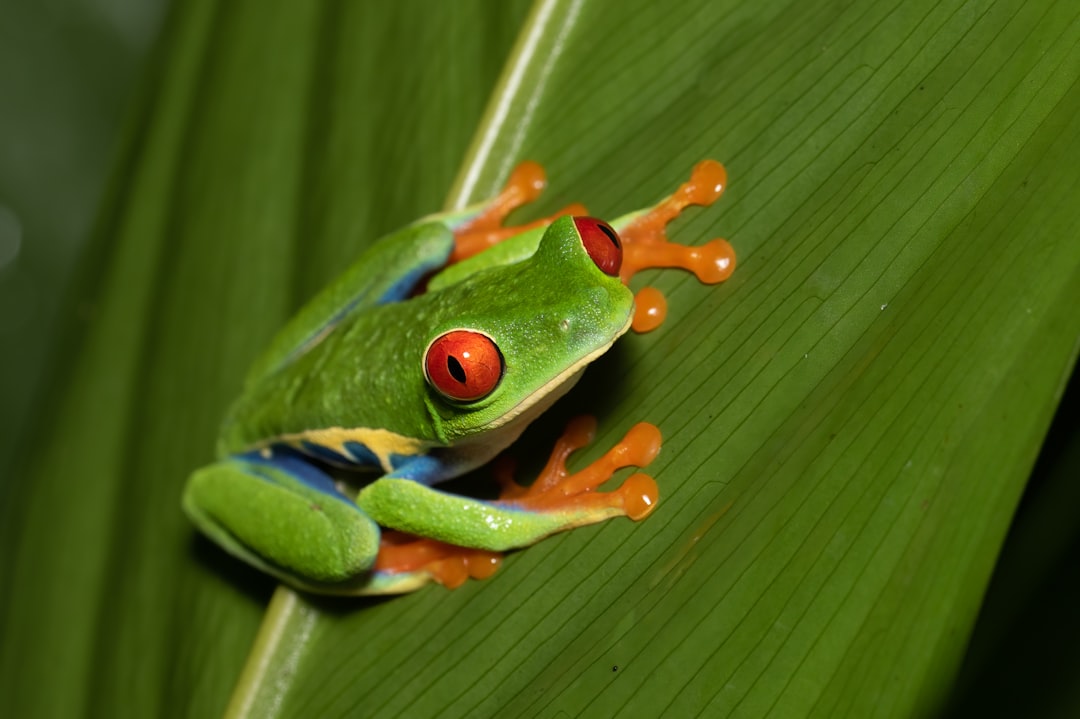
Listen closely on a heavy evening and the chorus tells you what the radar will confirm later. Tree frogs boost calling effort when pressure falls and moisture rises, flipping breeding behavior into an atmospheric barometer. Their permeable skin and inner ear structures make them exquisitely responsive to small changes that precede storms.
In ponds and roadside ditches alike, that swell of sound is a timetable for rain-driven opportunity. The frogs aren’t just singing; they’re scheduling.
Swallows and Swifts
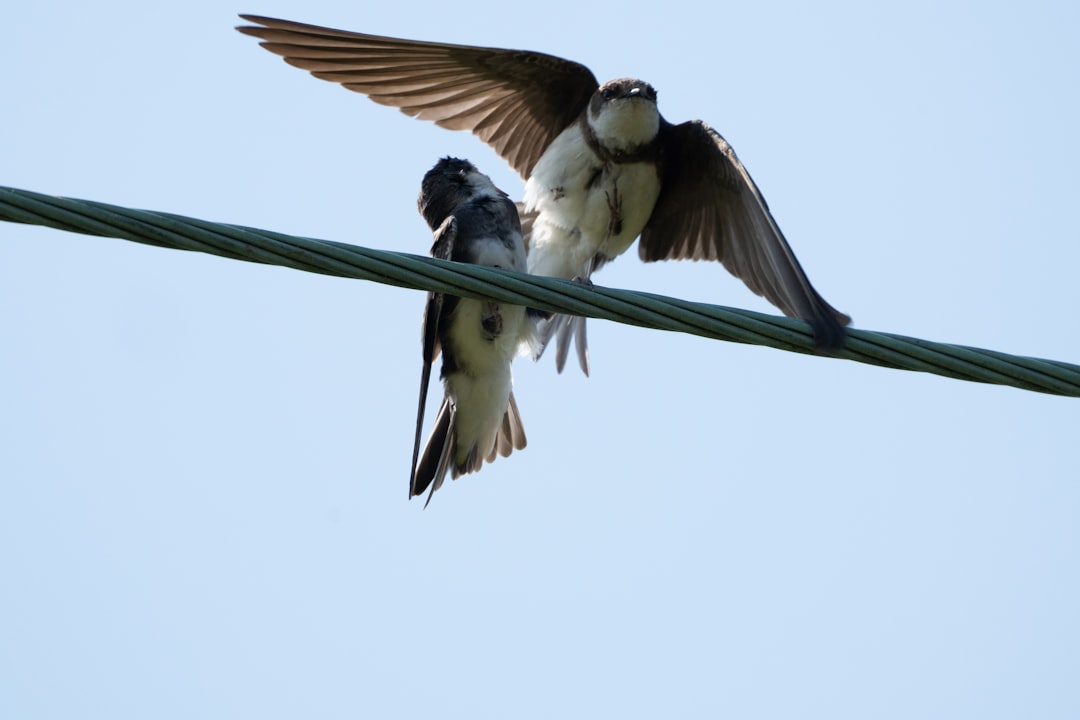
Insects ride the atmosphere’s elevators, and aerial insectivores follow. Before storms, falling pressure and altered turbulence push prey lower, drawing swallows and swifts into swooping, close-to-ground loops that farmers have trusted as a sign for generations. Modern radar and insect sampling back the observation with data-rich traces of biomass sinking as weather degrades.
I’ve stood on a midwestern road and watched the sky lower with the birds, a living isobar. Their flight plan doubles as a nowcast written in wings.
Ants
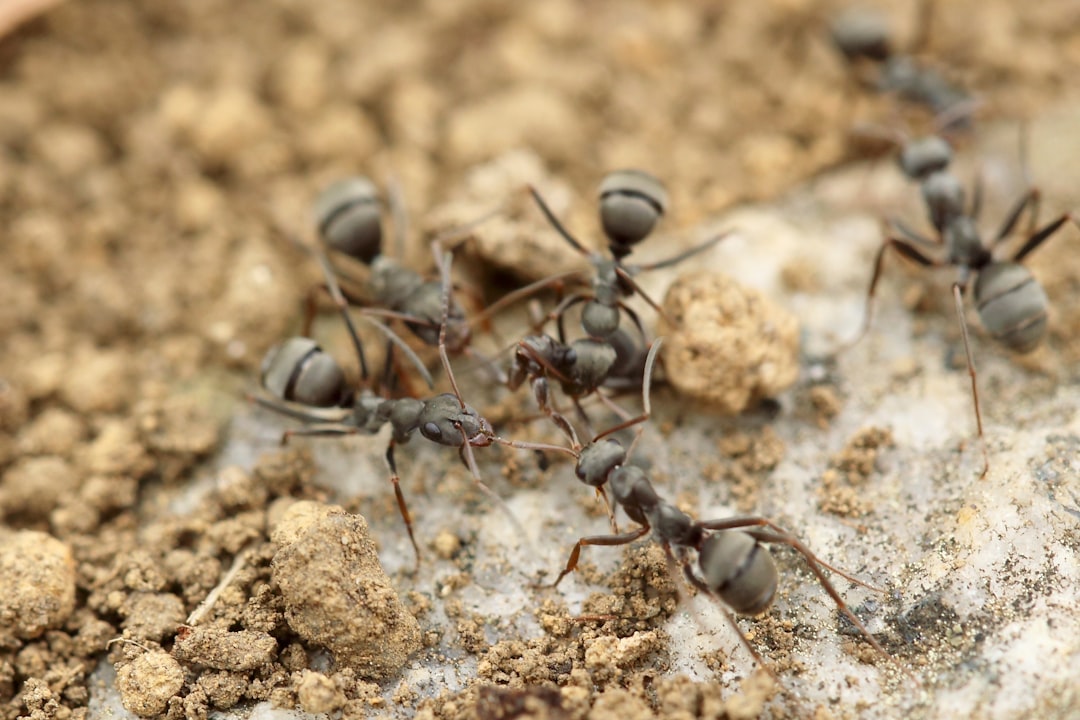
Some ants are master engineers, and bad weather is their building inspector. As humidity climbs and pressure dips, workers accelerate mound repairs, seal side tunnels, and ferry brood deeper into insulated chambers. Lab tests simulating pressure drops have triggered similar flurries, suggesting the response is specific and anticipatory.
On sidewalks and savannas, that sudden, purposeful bustle is the insect version of boarding up windows. It is not panic – just a practiced, collective calculation.
Bats
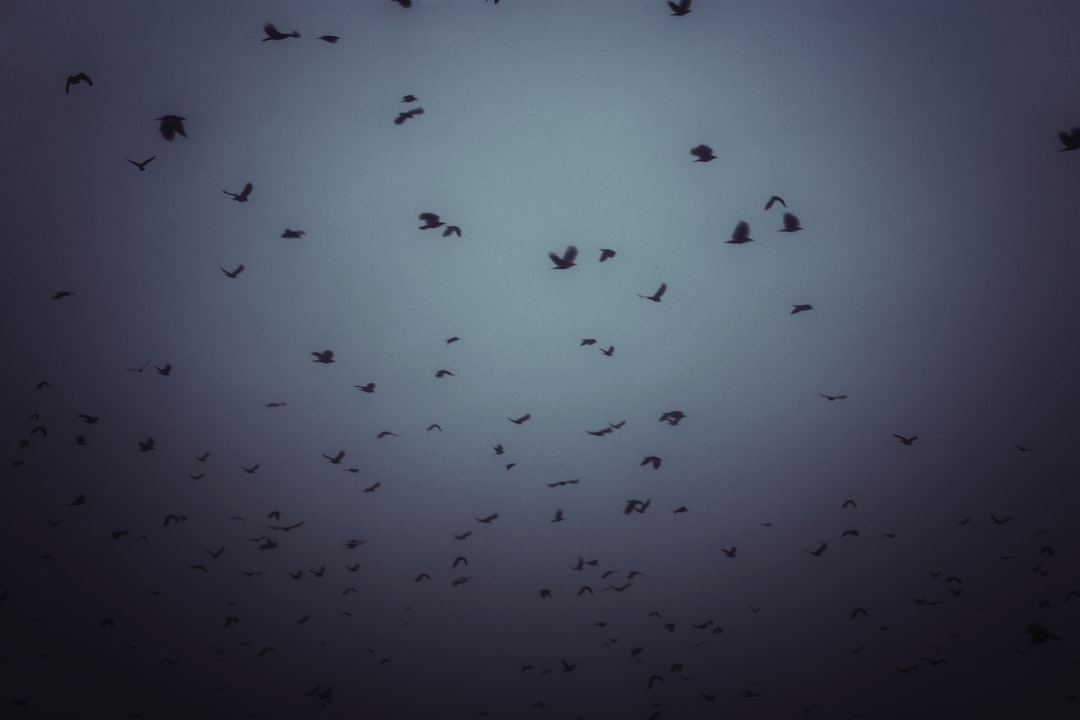
When barometric pressure falters, many bat species delay or curtail emergence, as if weighing the odds that a foraging trip becomes a wind-battered gamble. Acoustic monitors show quieter corridors on those nights, with activity rebounding after the front passes. Membranes in their middle ear and delicate wing skin register the small shifts that precede weather swings.
The result is a dynamic schedule that saves energy and injuries in rough air. Darkness might be their element, but the atmosphere is their calendar.
Frigatebirds
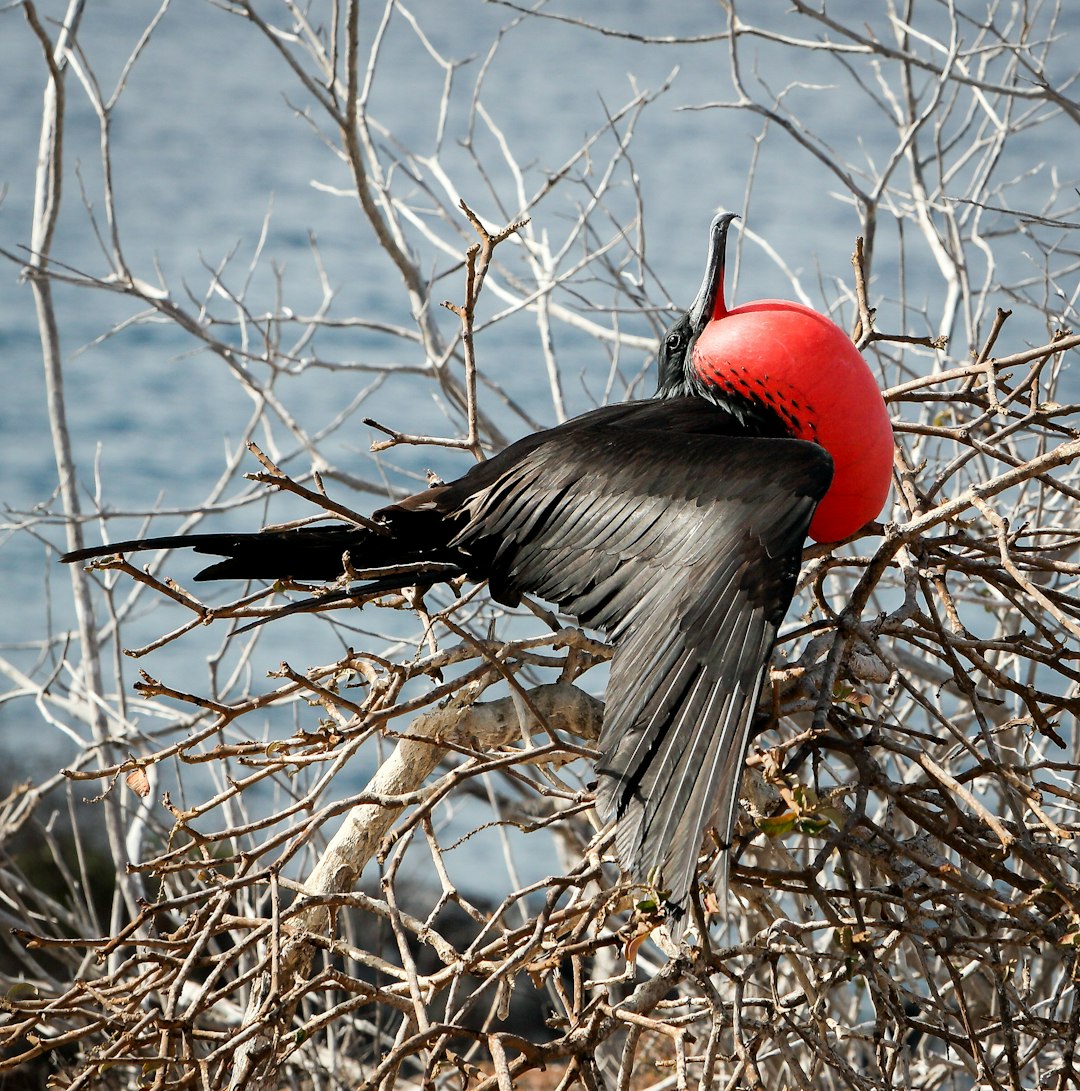
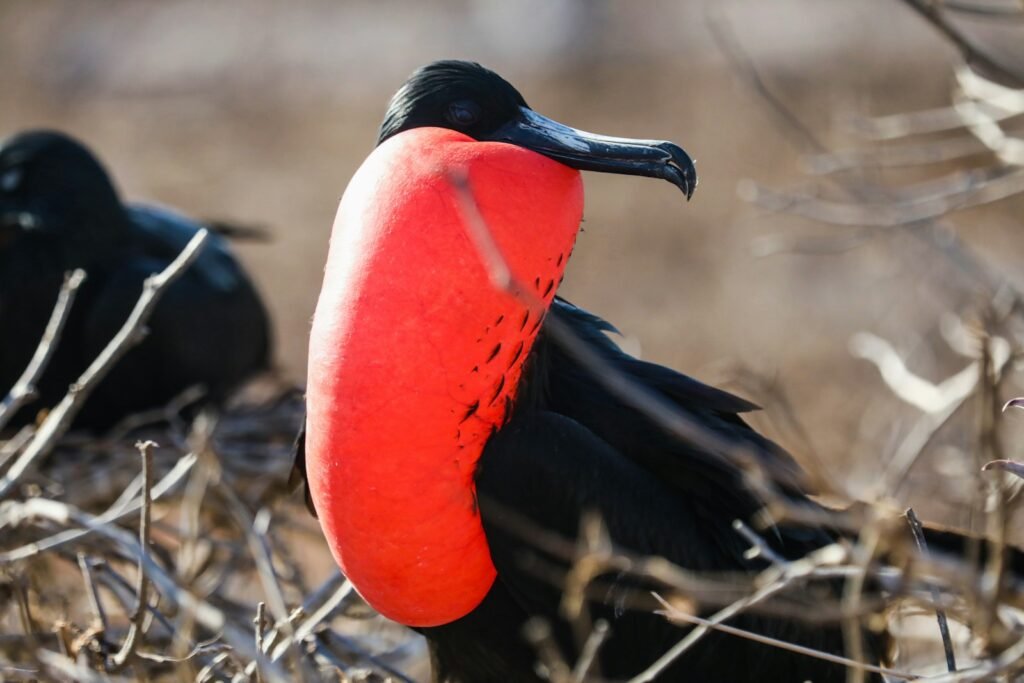
Far offshore, frigatebirds surf pressure gradients at altitudes that punch into the heart of tropical systems. Tagged individuals have been tracked skirting spiraling walls and even circling near the eyes of storms, repositioning days ahead of land impacts. Unlike seabirds that must land to rest, frigatebirds can remain aloft for astonishing stretches, turning weather maps into three-dimensional highways.
They are less foretellers than interpreters, reading the storm’s evolving architecture and moving into safe corridors before the violence arrives below. In their flight is a moving forecast that satellites later confirm.
What ties these animals together is not magic but sensitivity – ears that hear below human hearing, skin that feels the atmosphere’s tiniest shrug, and traditions of behavior tested against hard weather over countless generations. In a world leaning on models and machines, their signals are an unmodeled dataset hiding in plain sight. Imagine forecasts that respectfully integrate these biological early warnings without exploiting the creatures that provide them. The challenge is ethical and technical: listen closely without drowning out the chorus. If the wild can teach us to see a little further down the road, why wouldn’t we learn?
Suhail Ahmed is a passionate digital professional and nature enthusiast with over 8 years of experience in content strategy, SEO, web development, and digital operations. Alongside his freelance journey, Suhail actively contributes to nature and wildlife platforms like Discover Wildlife, where he channels his curiosity for the planet into engaging, educational storytelling.
With a strong background in managing digital ecosystems — from ecommerce stores and WordPress websites to social media and automation — Suhail merges technical precision with creative insight. His content reflects a rare balance: SEO-friendly yet deeply human, data-informed yet emotionally resonant.
Driven by a love for discovery and storytelling, Suhail believes in using digital platforms to amplify causes that matter — especially those protecting Earth’s biodiversity and inspiring sustainable living. Whether he’s managing online projects or crafting wildlife content, his goal remains the same: to inform, inspire, and leave a positive digital footprint.