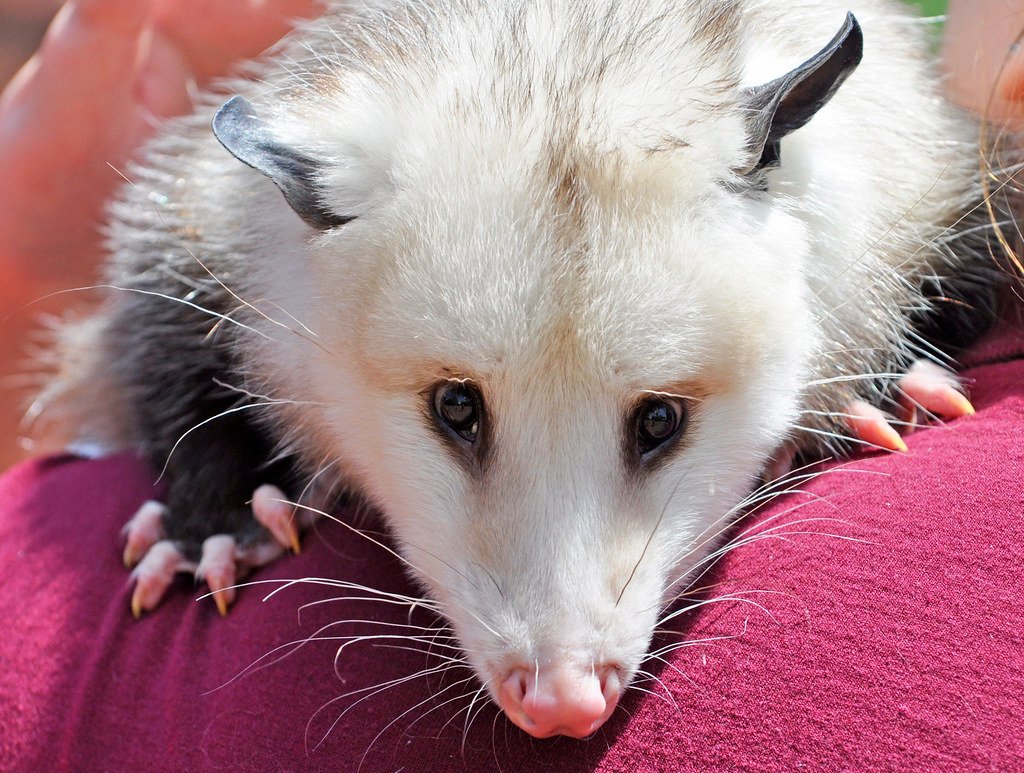

The animal kingdom is full of fascinating survival strategies, but few are as intriguing as the art of playing dead. This behavior, known as “thanatosis,” is a cunning trick that some animals use to avoid predators. By mimicking the appearance and sometimes the smell of a dead creature, these animals can fool predators into losing interest, thus escaping danger. Let’s explore ten remarkable creatures that have perfected this life-saving act.
Opossums: The Classic Actors
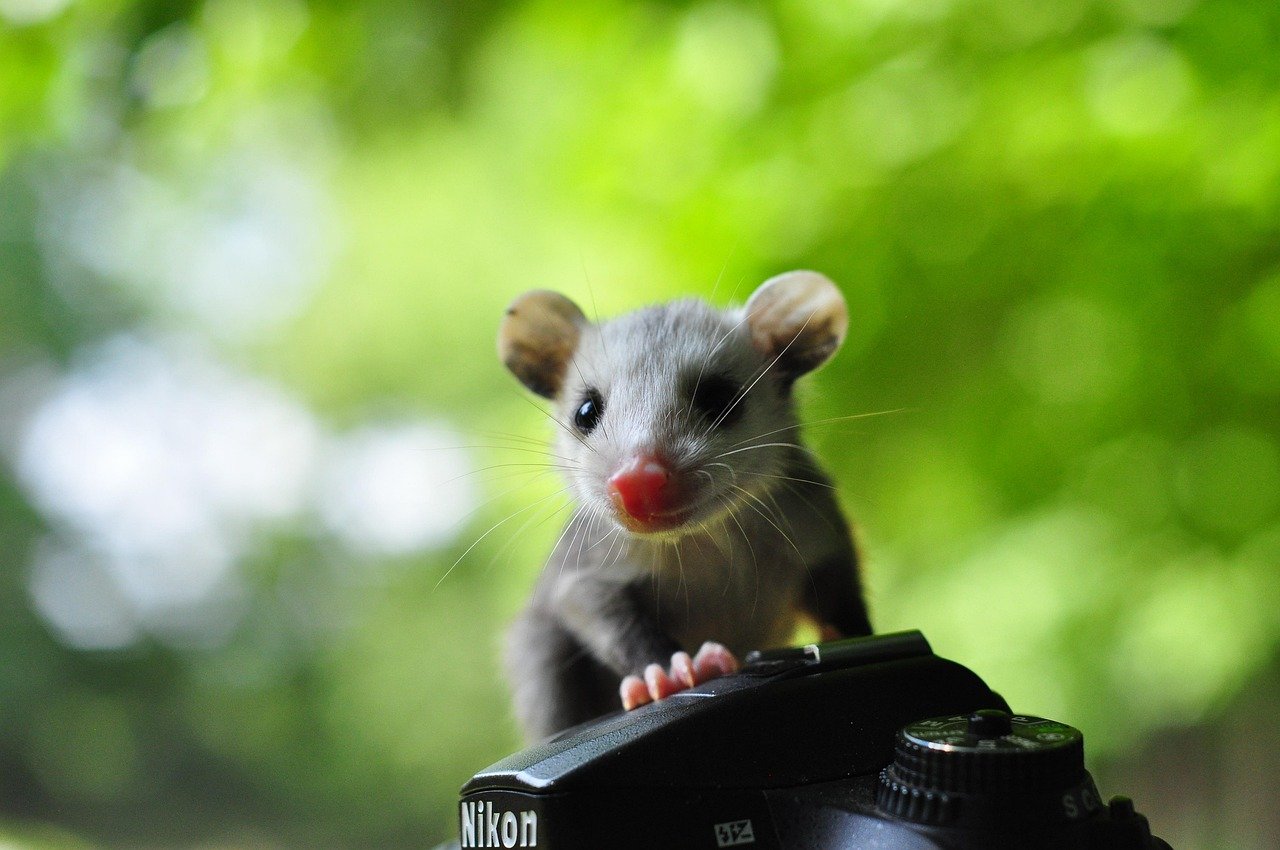
Opossums are perhaps the most famous practitioners of playing dead. When threatened, these marsupials exhibit a dramatic display by falling over, releasing a foul-smelling liquid, and appearing lifeless. This act can last up to several hours, convincing predators that they are not worth eating. Interestingly, this behavior is involuntary, akin to fainting in humans. The opossum’s ability to convincingly play dead has made it a subject of fascination and admiration in the study of animal behavior.
Eastern Hognose Snakes: The Reptilian Performers
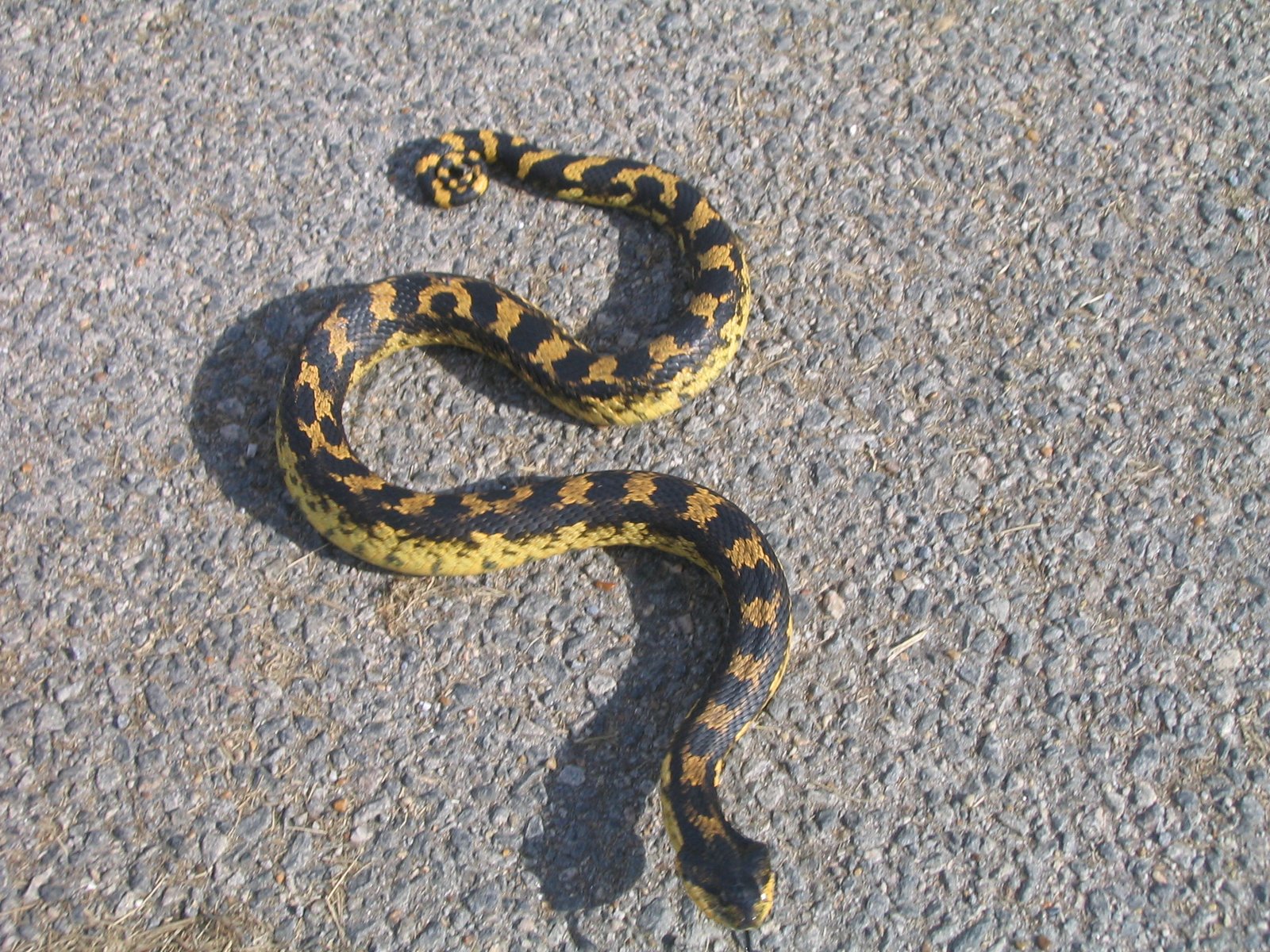
The Eastern Hognose Snake is a master of deception, employing a series of theatrical tactics to ward off threats. Initially, it will hiss, spread its neck like a cobra, and pretend to strike. If these tactics fail, it resorts to flipping onto its back, mouth agape, and tongue hanging out, as if it has succumbed to death. This dramatic display often deters predators, giving the snake a chance to escape. The Eastern Hognose Snake’s ability to convincingly play dead showcases the complex behaviors that have evolved in the natural world.
Feigning Death: The Strategy of the European Grass Snake
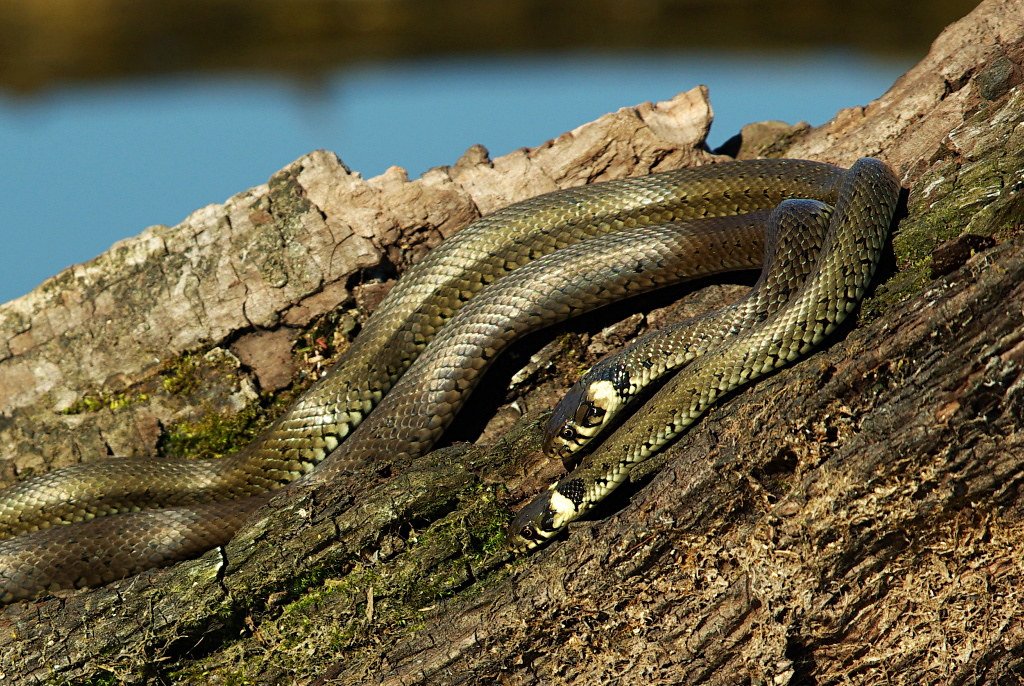
The European Grass Snake takes the art of playing dead to new heights. When threatened, it will roll onto its back, open its mouth, and even exude a foul-smelling liquid to mimic the scent of decay. This elaborate act is designed to make predators think twice before considering it as prey. The grass snake’s performance is so convincing that even experienced predators are often deceived. This behavior highlights the snake’s adaptability and the effectiveness of thanatosis as a survival strategy.
Death-Feigning Beetles: Small but Mighty
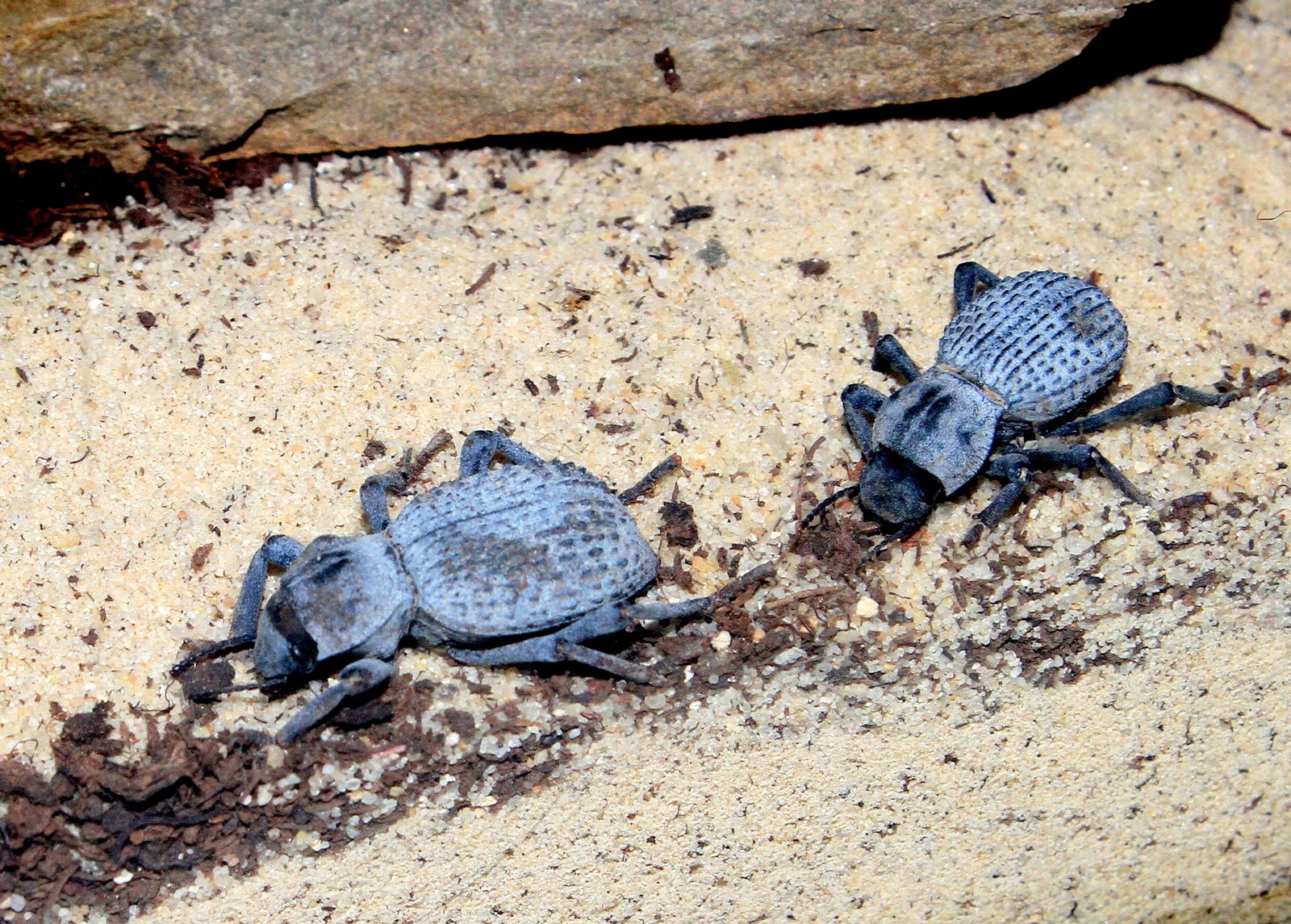
Some species of beetles, like the death-feigning beetle, have honed the skill of playing dead to perfection. When disturbed, these beetles will freeze, tuck in their legs, and remain motionless for extended periods. By doing so, they avoid attracting the attention of predators who prefer active prey. The beetle’s ability to remain still and lifeless demonstrates the power of thanatosis even among the smallest creatures. This behavior is a testament to the diverse survival strategies found in the insect world.
Eastern Fence Lizards: Masters of Illusion
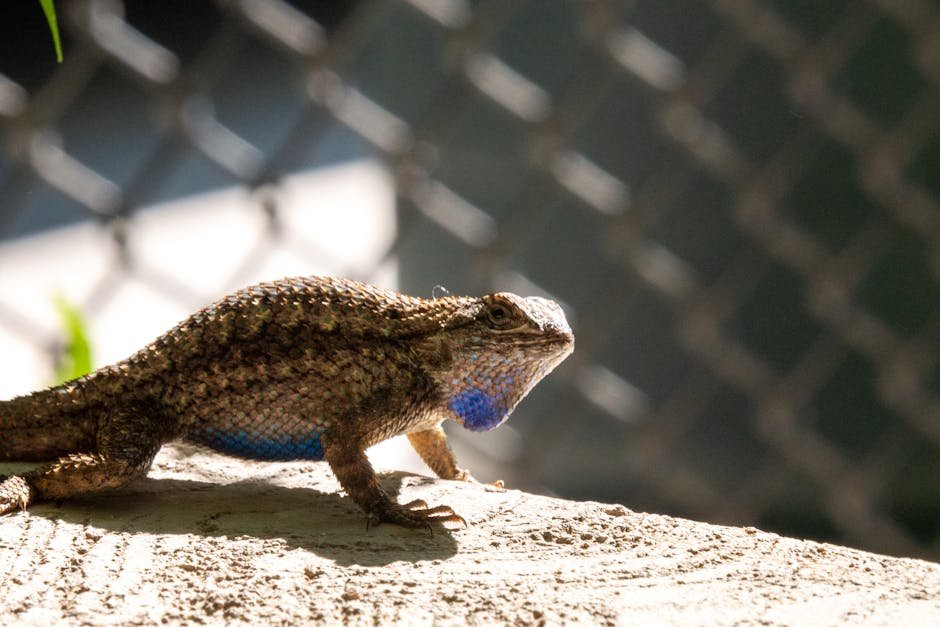
The Eastern Fence Lizard employs a unique form of thanatosis that involves both physical and chemical deception. When threatened, it will lie motionless and emit a musky odor that mimics the scent of a decaying animal. This dual strategy confuses predators, making them believe the lizard is already dead and unappetizing. The Eastern Fence Lizard’s combination of visual and olfactory cues exemplifies the complexity of playing dead as a survival tactic.
Virginia Opossum: Nature’s Dramatic Performer
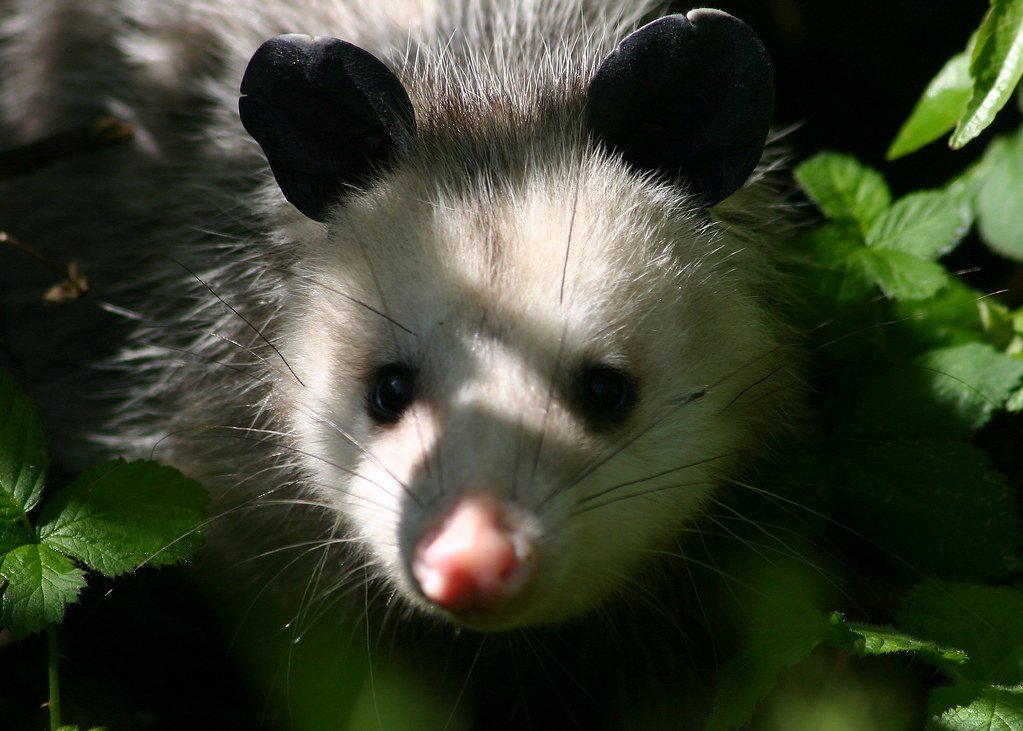
The Virginia Opossum is renowned for its dramatic flair when playing dead. When faced with danger, it collapses, drools, and even emits a death-like odor to enhance its act. This performance can be so convincing that predators often lose interest, allowing the opossum to escape unharmed. The opossum’s ability to convincingly feign death underscores the effectiveness of this behavior in the animal kingdom. It serves as a reminder of the diverse strategies animals use to survive.
Brazilian Black Tarantula: The Arachnid Artiste
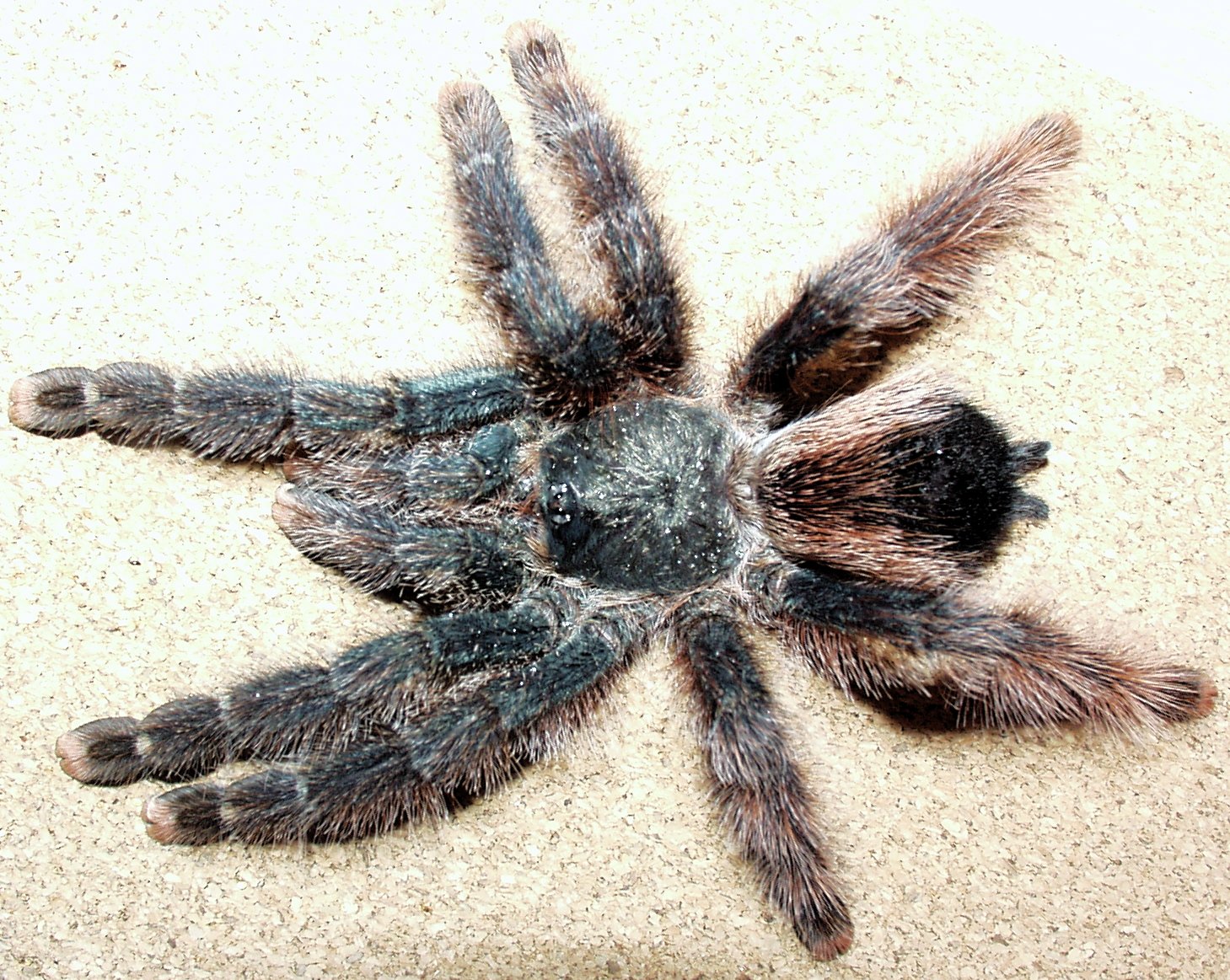
The Brazilian Black Tarantula is a surprising addition to the list of animals that play dead. When threatened, this spider will curl its legs inward and remain motionless, mimicking the appearance of a lifeless creature. By doing so, it avoids attracting the attention of predators who might otherwise see it as a threat or a meal. The tarantula’s ability to convincingly play dead highlights the wide range of species that have adopted this behavior as a means of survival.
Red-Sided Garter Snakes: The Slithering Thespians
Red-sided Garter Snakes exhibit a fascinating form of thanatosis when threatened. These snakes will go limp, tongue lolling, and even release a foul-smelling secretion to enhance the illusion of death. This behavior is particularly effective against predators that rely on movement to detect prey. The Red-sided Garter Snake’s convincing performance showcases the diverse adaptations that animals have developed to survive in a world full of threats.
Japanese Quail: Avian Actors
Japanese Quail are known for their ability to play dead when faced with danger. When a predator is near, these birds will lie flat on the ground, wings splayed, and remain motionless. This behavior, combined with their camouflaged plumage, makes them difficult to detect. The Japanese Quail’s ability to convincingly feign death highlights the effectiveness of this strategy in the avian world. It serves as a reminder of the diverse survival tactics employed by birds.
American Toad: Amphibian Deceivers
The American Toad is a master of subtle deception when it comes to playing dead. When threatened, it will puff up its body, close its eyes, and remain still, mimicking the appearance of a lifeless object. This behavior confuses predators that rely on movement to identify prey. The American Toad’s ability to convincingly play dead demonstrates the effectiveness of thanatosis as a survival strategy in the amphibian world. It highlights the adaptability and resourcefulness of these creatures.
In conclusion, the art of playing dead is a fascinating and effective survival strategy employed by a diverse array of animals. From opossums to beetles, each species has developed its own unique approach to deceive predators and stay alive. This behavior highlights the creativity and adaptability of the animal kingdom, offering a glimpse into the complex world of survival tactics.