
Every now and then, nature drops something on the table that makes even seasoned scientists stop, rub their eyes, and mutter: “Wait… how?” Some animals carry traits that seem to bend the rules we think we understand about evolution – staying unchanged for hundreds of millions of years, surviving lethal diseases that should wipe them out, or pulling off biological tricks that look more like science fiction than science.
Of course, researchers do have working theories for most of these mysteries, but the full stories are far from complete. That strange gap between what we expect and what these creatures actually do is where the magic happens. Let’s walk through ten animals whose existence feels like a glitch in the evolutionary Matrix – and see why they continue to bother, fascinate, and inspire the people trying to figure them out.
The Immortal Jellyfish That Rewinds Its Own Life
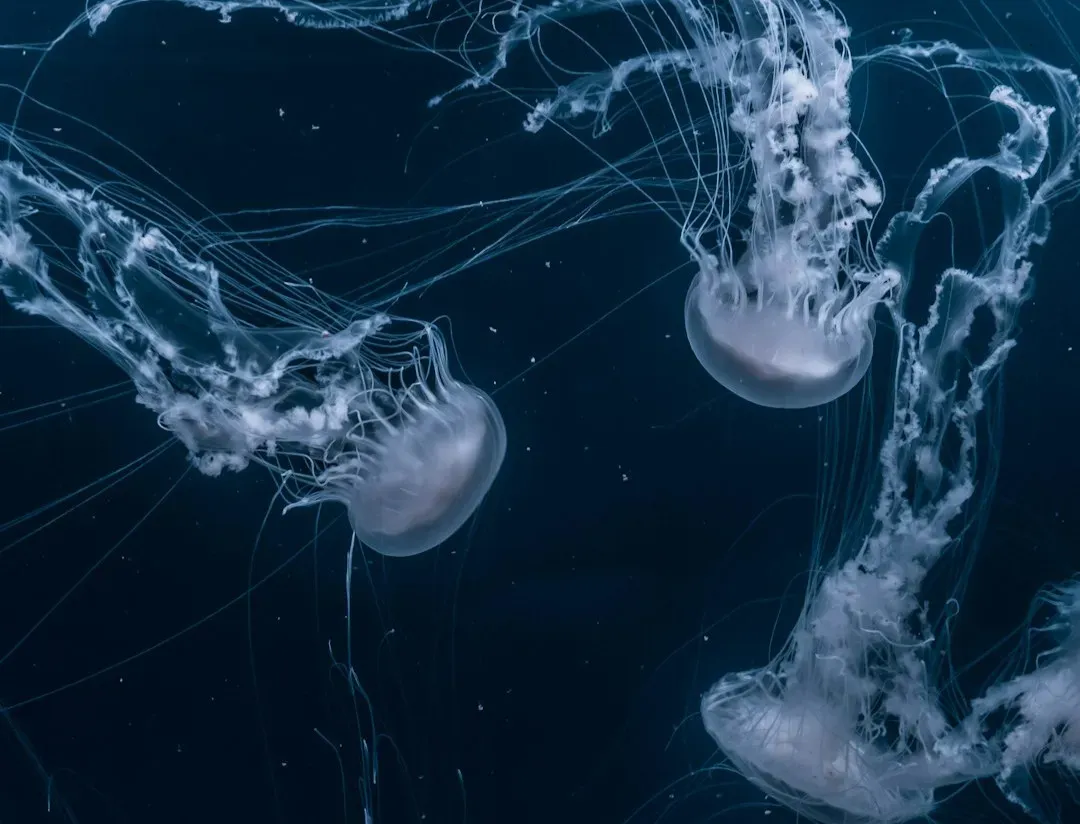
Imagine if, instead of dying, you could hit a reset button and turn back into a baby version of yourself, start your life again, and just keep doing that over and over. That’s basically what the tiny jellyfish Turritopsis dohrnii can do: when it’s stressed or injured, it can revert its mature body back into a juvenile polyp stage and grow up all over again. Instead of following the normal straight line of birth, aging, and death, it loops that line into a circle.
Biologists have identified some of the cellular and genetic tricks behind this reversal, especially in how the jellyfish’s cells switch identities and reprogram themselves. But nobody fully understands how such a complex reset evolved or why it isn’t more common in other animals. It raises uncomfortable questions about why aging is so universal for most life, and yet seemingly optional for this strange little blob in the sea. In a world obsessed with anti-aging creams and life extension, this jellyfish quietly lives out the kind of biological fantasy humans can only daydream about.
Tardigrades: The Nearly Unkillable Microscopic “Bears”
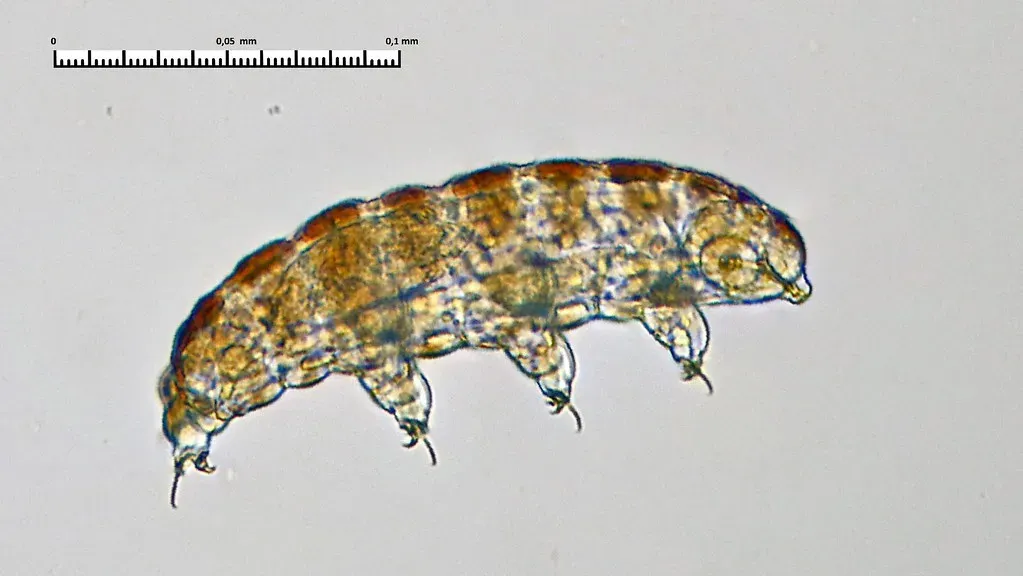
Tardigrades, or “water bears,” look like chubby, eight-legged gummy worms under a microscope, but they behave like something out of a survival video game with all the cheats turned on. They can endure extremes of temperature, pressure, radiation, and dehydration that would kill almost any other animal, yet these tiny creatures are real and crawling around in moss, soil, and puddles all over the planet. They do this by entering a kind of suspended animation called a tun state, drying out almost completely and slowing their metabolism to barely measurable levels.
Researchers have discovered special proteins and DNA-protecting strategies that seem to help them ride out these extreme conditions, and even unique genes not found in most other animals. Still, the biggest question is how evolution got them there in the first place. Why did such a ridiculous level of resilience develop in such a small creature, and what kind of ancient pressures sculpted them into these microscopic tanks? The more we learn about their biology, the more they look like a living insurance policy written by nature against almost any catastrophe.
The Axolotl That Refuses to Grow Up
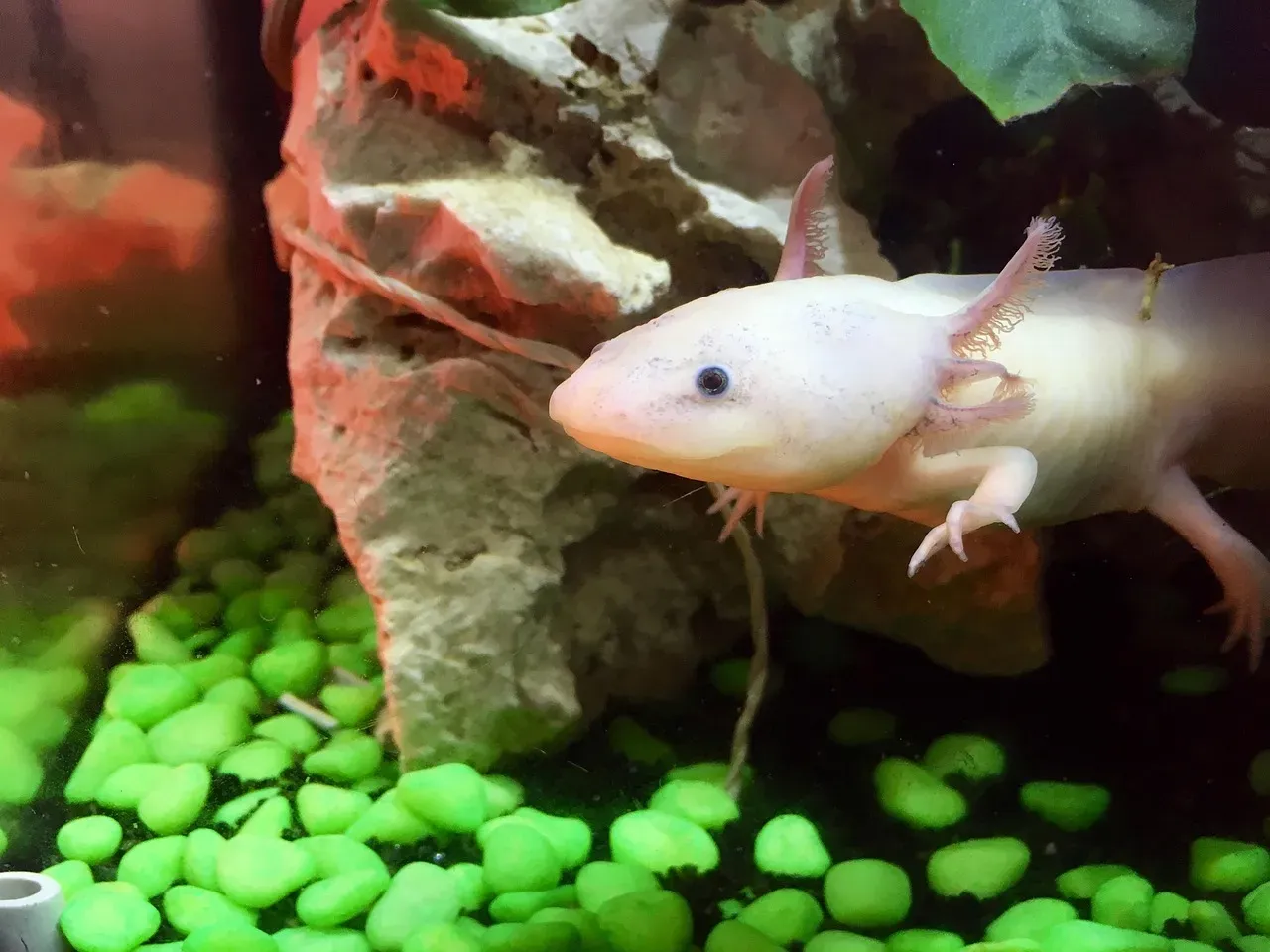
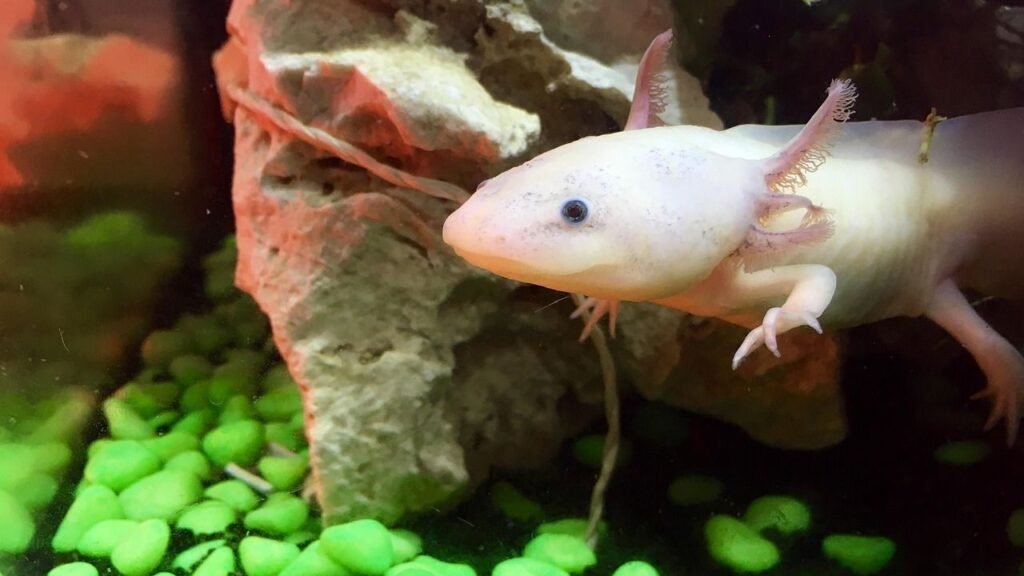
The axolotl is the Peter Pan of amphibians, a salamander that reaches sexual maturity while still stuck in what looks like its larval, teenage phase. Unlike most salamanders, it keeps its feathery external gills, lives permanently in water, and never fully “graduates” to the standard adult land-dwelling body. This quirk, called neoteny, makes it both adorably weird and scientifically captivating, because it shows that “growing up” isn’t as fixed a rule as we like to think.
On top of that, axolotls have a jaw-dropping ability to regenerate: they can regrow entire limbs, parts of their spinal cord, their tail, and even sections of their brain without scarring. Scientists can point to certain genes and pathways involved in this process, but they still don’t fully understand why axolotls are so much better at it than most other vertebrates. Evolutionarily, it’s not obvious how such extreme regeneration and permanent juvenility fit into a simple survival story. The axolotl stands there, gills fluttering, as a living reminder that our usual storyline about development and repair might only be one version of what life can do.
Platypus: A Mammal That Reads Like a Bad Joke
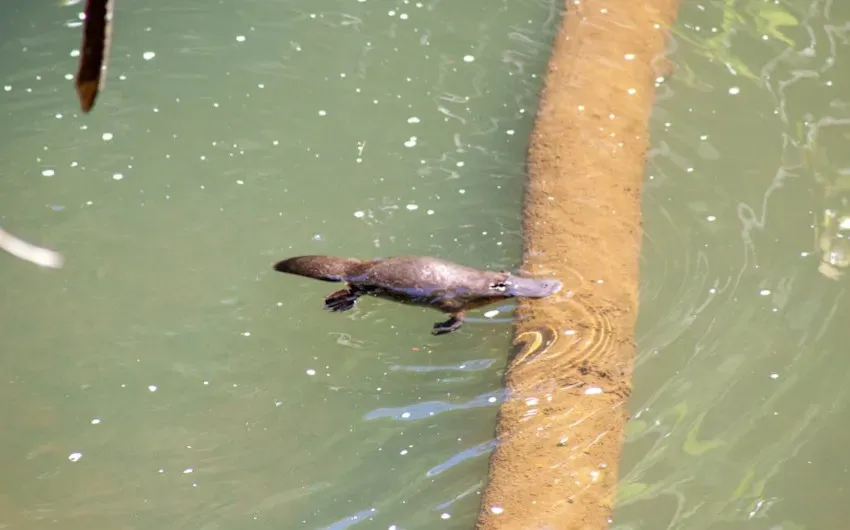
If someone tried to design an animal just to troll biology students, they’d probably come up with the platypus. It’s a mammal that lays eggs, has a duck-like bill, a beaver tail, dense fur, and webbed feet, and the males carry venomous spurs on their hind legs. On top of that, it uses electroreception – sensing weak electric fields – through its bill to hunt underwater, a sense usually associated with certain fish, not mammals. It’s like evolution shuffled a deck of animal traits and just dealt them all to the same species.
Genetic studies have shown that the platypus really is a branch of early mammals, not some bizarre hybrid, and that its genes are a mosaic of reptile-like and mammal-like features. But knowing that on paper doesn’t make the bigger story less puzzling. Why did this specific package of traits survive while so many other mammal lineages disappeared? How did egg-laying, venom, and electroreception hang on in a world where most mammals went in completely different directions? The platypus sits at the crossroads of evolutionary history and still feels like a question mark with fur.
Naked Mole-Rats: Cancer-Resistant, Pain-Resistant, and Practically Ageless
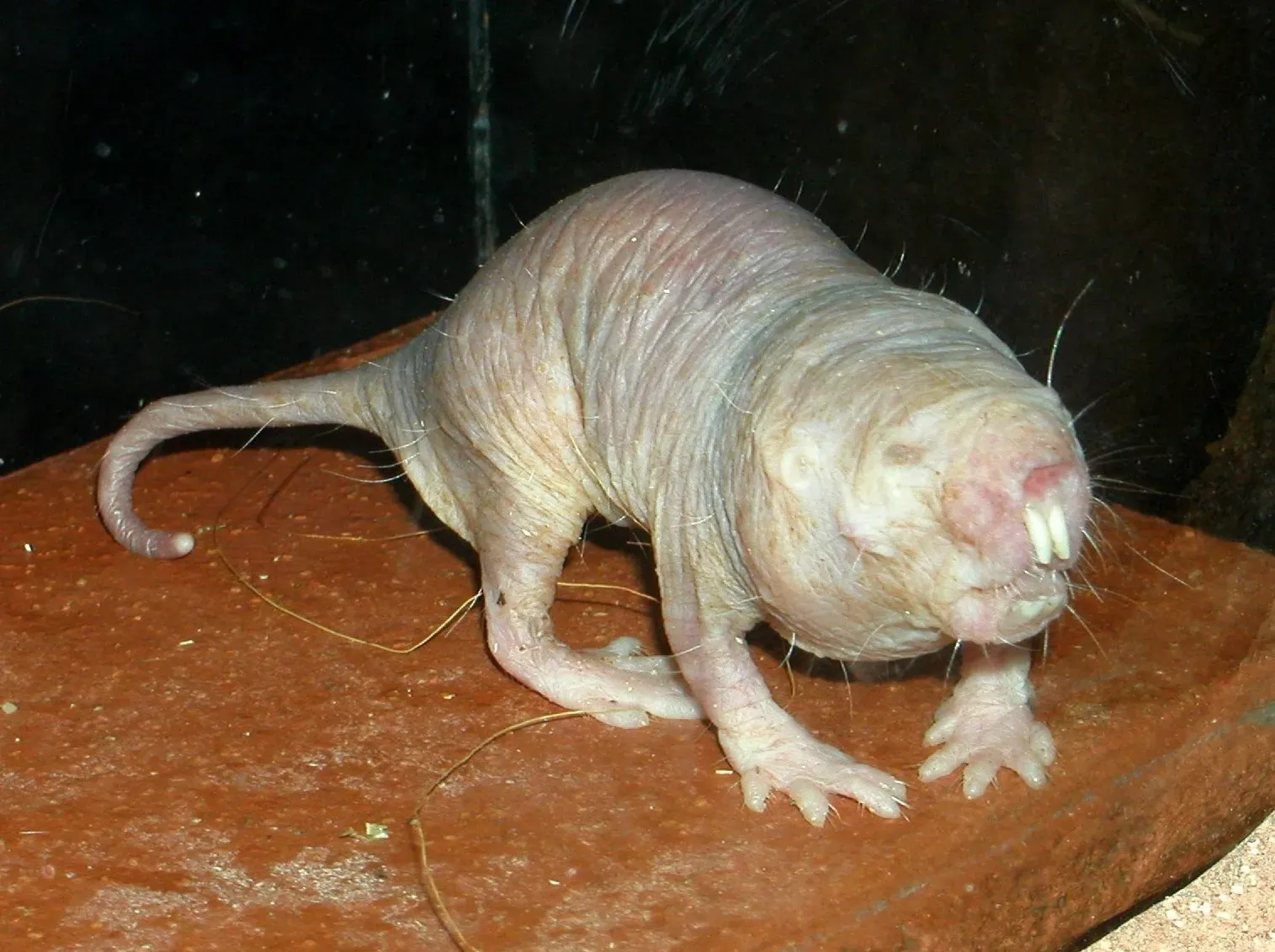
Naked mole-rats look like wrinkled pink sausages with teeth, and at first glance, they don’t seem like anything to envy. Then you learn that they live far longer than similar-sized rodents, show remarkably low rates of cancer, and barely seem to age physically for much of their lives. They also tolerate low oxygen environments in their underground tunnels, switch to a plant-like metabolism in emergencies, and feel less pain from certain irritants than other mammals do. It’s like their biology has quietly opted out of several limits we thought were non-negotiable.
Researchers have found unusually stable proteins, special sugars between their cells, and some unique tweaks in their genes that seem to contribute to this resilience. Still, none of that fully explains how one small rodent species ended up with such a buffet of superpowers while its close relatives did not. Their highly cooperative, almost insect-like social structure only adds to the puzzle, because complex social living usually brings different risks and stresses. Naked mole-rats make us question what really sets the boundaries on lifespan, disease, and even the basic rules for how mammals are supposed to live.
Coelacanths: The “Living Fossils” That Came Back From Extinction
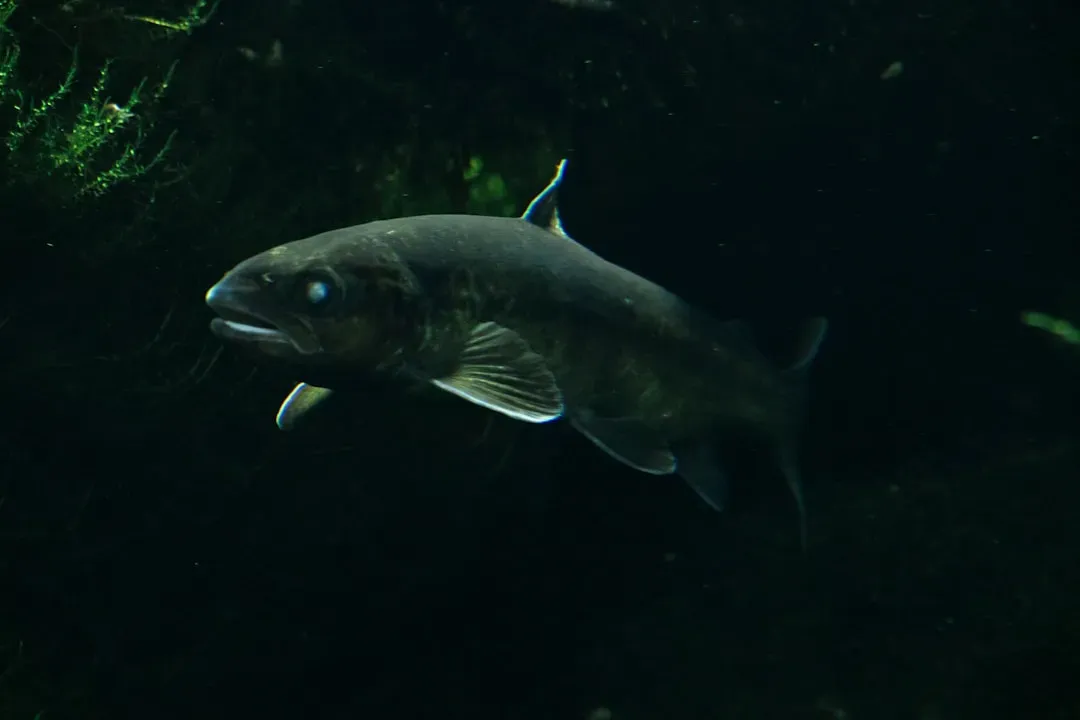
For a long time, coelacanths were known only from fossils, ancient lobe-finned fish believed to have vanished with the dinosaurs. Then a living one turned up in a fish market in the twentieth century, and the world had to swallow the embarrassing fact that an entire order of “extinct” animals had just been quietly minding its business in deep waters. They have fleshy, limb-like fins and a body plan that looks eerily similar to specimens from hundreds of millions of years ago, which led to them being called living fossils.
The strange part is not just that they survived, but that they seem to have changed so little over such vast stretches of time. Evolution usually favors change when environments shift, yet the coelacanth appears to have stayed in its lane, as if the deep sea granted it an evolutionary time-out. Genetic work shows that they do evolve, just more slowly than many familiar animals, and that their apparent “unchanged” look is a bit of an illusion. Still, their survival feels like a loophole in the usual story of extinction and replacement, and it reminds us that the fossil record is full of blind spots we don’t even know we have.
Peacock Mantises That See a World We Can’t Imagine
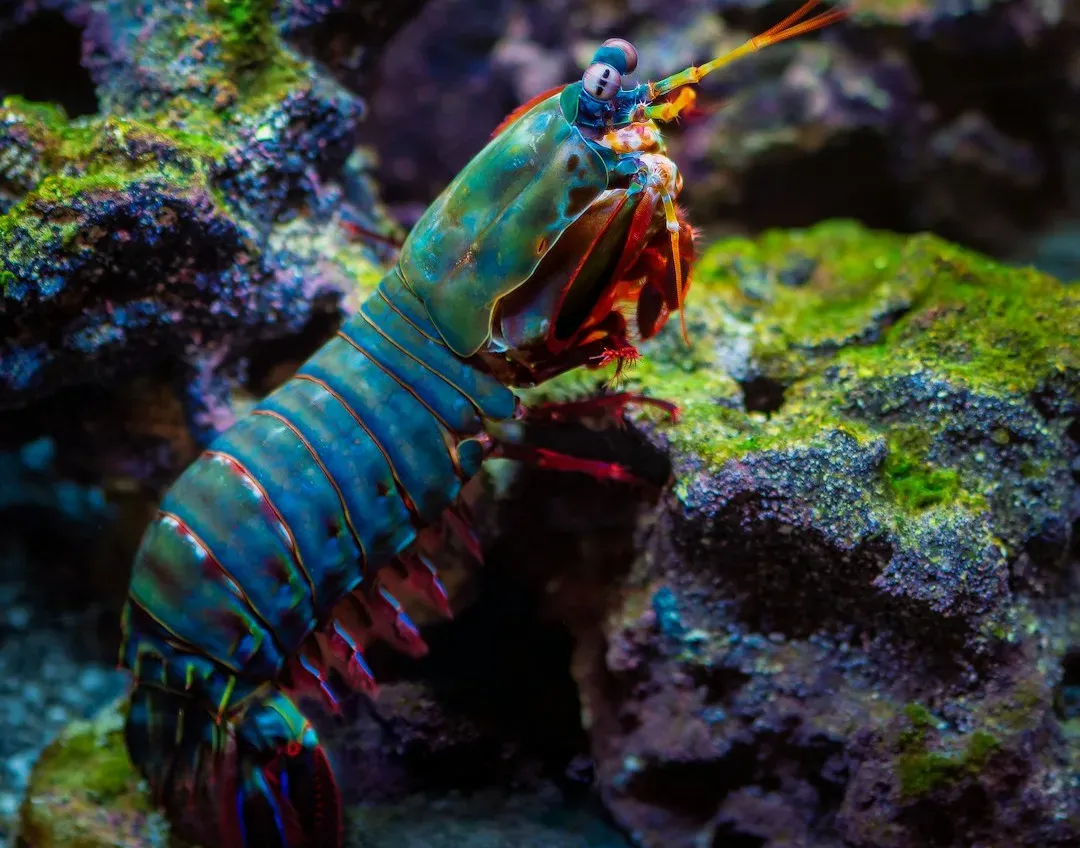
The peacock mantis shrimp looks like a psychedelic tank: bright colors, heavily armored, and equipped with one of the fastest punches in the animal kingdom. But its eyes are what really scramble the brain. While humans have three types of color receptors, these crustaceans carry many more, along with specialized structures that let them detect polarized light and subtle visual signals we simply can’t perceive. To them, the world is painted with layers of information that are completely invisible to us.
Researchers have learned that their eyes scan scenes differently and might trade raw sensitivity for speed and pattern recognition, but the full logic of this over-the-top visual system is still debated. Why did this particular combination of sensory upgrades evolve in a shrimp living on coral reefs, and not in larger, more “advanced” animals? Their bizarre eyesight raises big questions about what “reality” even means when each species experiences a slightly different version of it. The mantis shrimp appears to have hacked visual evolution in a direction that we’re still struggling to understand.
Cockroaches: Evolution’s Ultimate Survivors
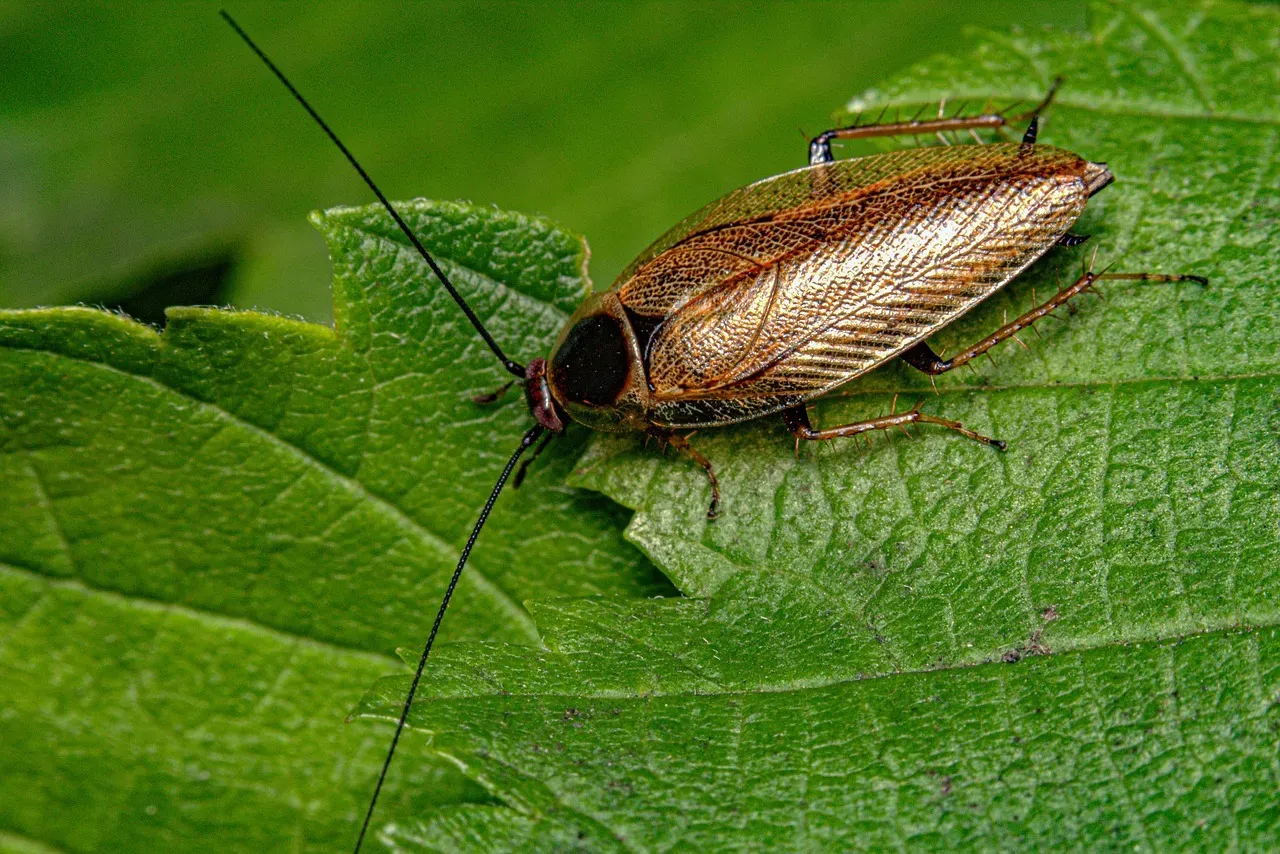
Cockroaches have become a symbol of stubborn survival for a reason. They’ve been around since long before the dinosaurs, and their basic body plan has changed surprisingly little across vast geological ages. They can tolerate high levels of radiation compared to humans, thrive on wildly different diets, and adapt quickly to new environments, including our homes and cities. While other lineages rise and fall, roaches just keep shuffling on.
Scientists have mapped large genomes in some cockroach species, revealing batteries of genes that help them detoxify poisons, process varied foods, and rapidly adjust to stress. Even so, it’s hard to wrap our heads around how a creature so simple-looking has managed to navigate multiple mass extinctions and still be doing annoyingly well in the twenty-first century. Their success story isn’t flashy, but it quietly undermines the idea that evolution always pushes toward complexity or refinement. Sometimes, rugged, flexible “good enough” designs just refuse to lose.
Octopuses With Brains in Their Arms
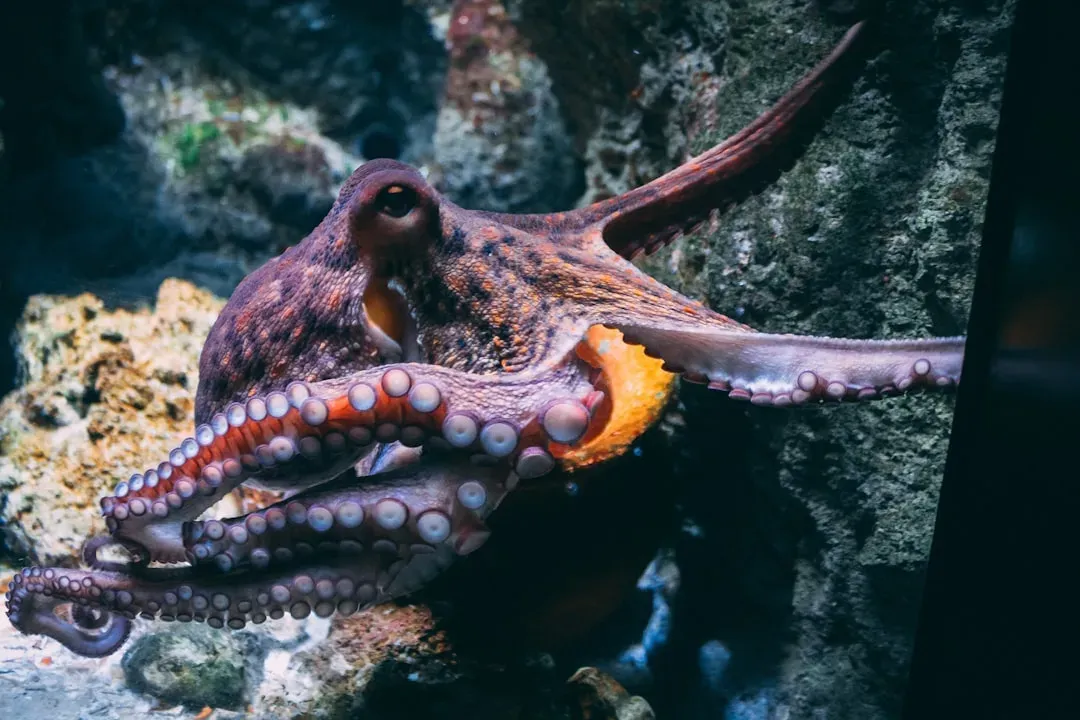
Octopuses already feel alien: soft-bodied, highly intelligent, able to squeeze through tiny gaps, change color, and solve puzzles. What really bends the mind, though, is that their nervous system is spread out in a way that makes our brain-centered view look almost provincial. A huge portion of their neurons live in their arms, which can carry out complex movements and even semi-independent reactions without direct orders from the central brain. It’s as if each arm is a semi-autonomous teammate rather than a simple limb.
Studies suggest that octopus intelligence evolved along a path very different from that of vertebrates, raising deep questions about what consciousness and problem-solving look like in non-human forms. How did such a sophisticated, distributed system develop in a creature with no skeleton and a relatively short lifespan? We don’t yet have a neat answer, and that’s exactly what makes them so gripping to neuroscientists and philosophers alike. Watching an octopus explore its environment feels like peeking at a completely different version of what a clever animal can be.
Bdelloid Rotifers: Tiny Animals That Ditched Sex for Millions of Years
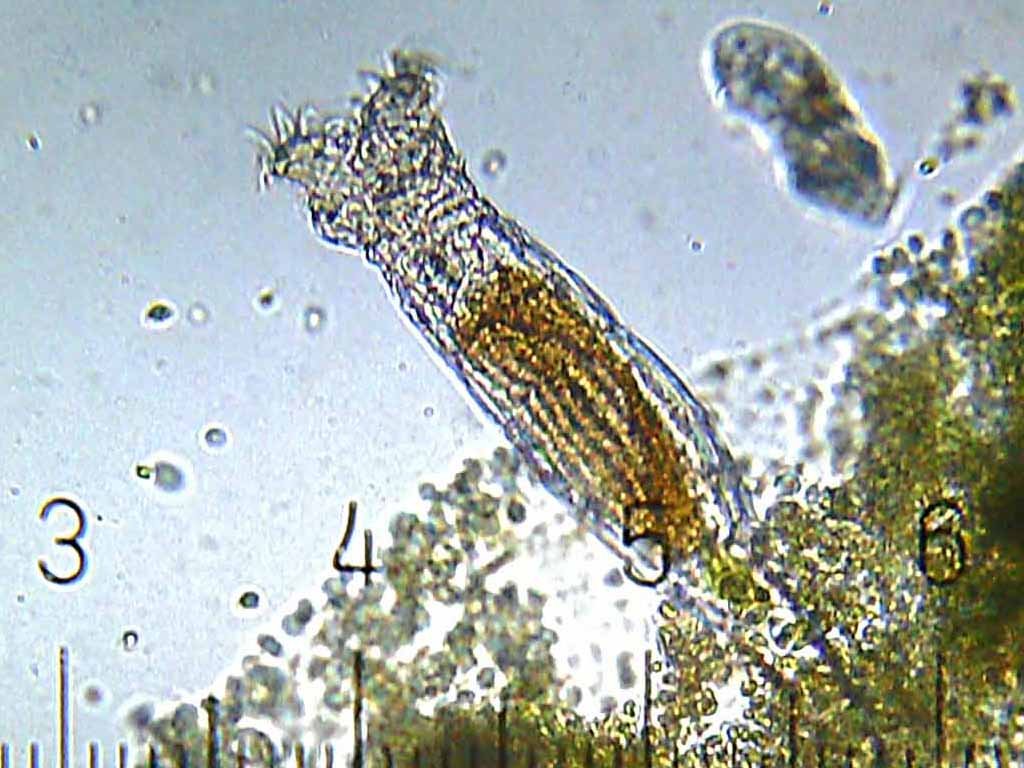
Most biologists will tell you that sexual reproduction is crucial for long-term evolutionary success, because it shuffles genes and helps species adapt to changing threats. Then bdelloid rotifers stroll in, microscopic freshwater animals that appear to have gone without sex for tens of millions of years, reproducing only through females that clone themselves. Despite this apparent evolutionary gamble, they’re diverse, widespread, and clearly not fading away.
These rotifers seem to have patched the usual disadvantages of asexuality by picking up foreign DNA from bacteria, fungi, and plants, and by surviving dry spells that shatter and then repair their DNA in creative ways. Even with these clues, it’s still not entirely clear how they’ve avoided the genetic dead ends that theory predicts for long-term asexual lineages. Their unusual lifestyle forces scientists to rethink the blanket idea that sex is always the long-term winning strategy. Sometimes, these tiny, overlooked creatures are the ones rewriting the rules we thought were universal.
These ten animals are not evidence that evolution is wrong; if anything, they show that evolution is more flexible, chaotic, and surprising than the tidy diagrams in school textbooks suggest. Each one carries a trait or a bundle of abilities that doesn’t slot neatly into our favorites stories about how life is “supposed” to change over time. They highlight gaps in our understanding: why some lineages barely age, why others stop growing up, why certain body plans freeze in time while others explode with novelty.
What makes them so fascinating is not just what they can do, but how they quietly insist that our current explanations are still drafts, not final versions. As we probe their genomes, their cells, and their strange behaviors, we’re really asking a bigger question about how open-ended life on Earth truly is. If a jellyfish can reset its age, a rodent can shrug off cancer, and a shrimp can see colors we can’t even imagine, what else is hiding in plain sight that we haven’t noticed yet?