
In an age of satellites, seismic arrays, and supercomputers, it’s still often a barefoot farmer or a village elder who first notices that the animals are acting strangely just hours before disaster strikes. Dogs refuse to enter certain rooms, toads vanish from ponds, deep-sea fish surface like ghostly omens along coastlines. For decades, these stories were brushed off as folklore, the kind of thing you hear after a catastrophe when people are searching for patterns in the chaos. Yet researchers are now asking a harder question: what if at least some of those patterns are real? And if they are, could the animals around us become partners in an early-warning system that saves lives when the ground shakes, the sea rises, or the sky turns deadly?
The Hidden Clues: Dogs and Their Mysterious Sense for Earthquakes

Ask anyone who’s lived through a major earthquake, and you’ll hear the same eerie story again and again: the dogs knew first. Hours, sometimes days before a quake, owners report pets pacing, whining without obvious cause, refusing to eat, or bolting from otherwise familiar homes. These stories are so widespread that some seismologists once dismissed them as collective memory bias, the brain’s tendency to remember only the hits and forget the misses. But a growing body of case reports from China, Japan, Italy, and the United States suggest something more systematic might be happening. The uncomfortable truth for science is that we still don’t know exactly what dogs are picking up on.
One theory is that dogs detect high-frequency vibrations or ultra-low rumblings that occur before main quake events and that most human ears cannot register. Another possibility is that they sense changes in groundwater chemistry or even tiny electric field shifts produced when rocks deep underground fracture, releasing charged particles. In several monitored kennels in seismically active regions, researchers have documented spikes in restlessness and vocalization just hours before measurable tremors. This doesn’t mean every nervous dog is announcing an impending disaster, but it does hint at a biological sensor that outperforms some of our machines in specific circumstances. The challenge now is turning scattered anecdotes and small studies into reliable, real-time data streams that can be tested and trusted.
From the Depths: Catfish, Deep-Sea Fish, and Underwater Unrest
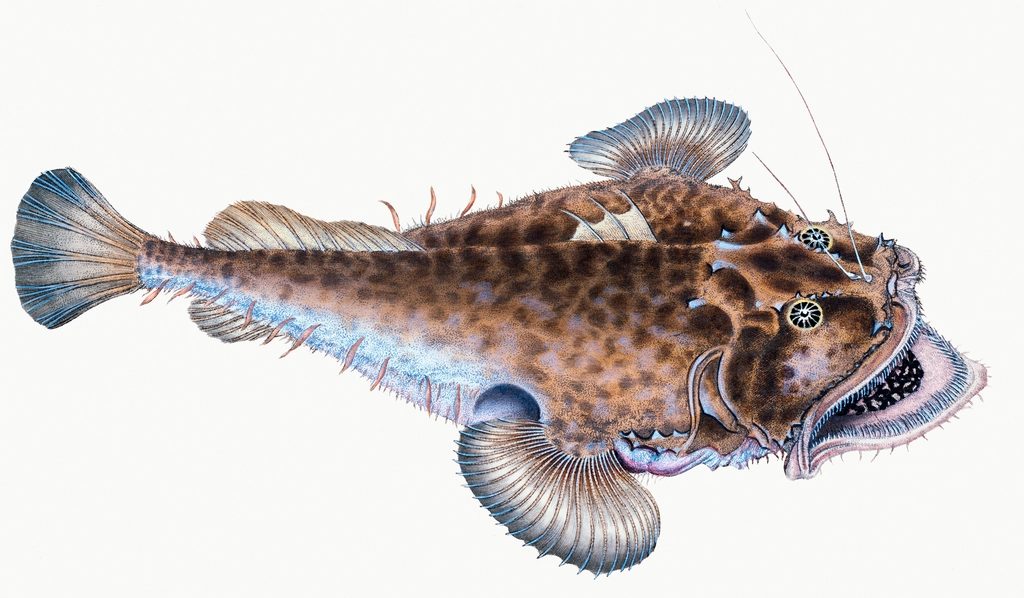
When deep-sea creatures suddenly show up in shallow waters or along shorelines, coastal communities tend to get nervous, and not entirely without reason. Giant oarfish drifting near the surface, deep-dwelling catfish thrashing near riverbeds, or strange schooling patterns in fish farms have all been linked anecdotally to undersea earthquakes and tsunamis. In Japan, these appearances are woven into local lore: unusual fish behavior can precede major offshore quakes by days. For marine biologists, these incidents are tricky to interpret because the ocean is a turbulent place and many forces, from temperature changes to pollution, can disrupt marine life.
Still, there is a plausible physical link between seismic activity and fish behavior. Underwater earthquakes can generate shock waves, subtle pressure changes, and low-frequency sounds that propagate over enormous distances. Fish possess sensitive lateral line systems that detect tiny water movements and vibrations, far below what humans can perceive. In some monitored aquaculture facilities, researchers have noticed abnormal thrashing and schooling patterns hours before seismic events, suggesting fish may react to early micro-tremors or changes in seafloor stress. Turning this into a tool means deploying sensors, cameras, and acoustic monitors in fish farms and deep-ocean habitats, effectively enlisting aquatic life as densely distributed biosensors for a restless planet.
Quiet Vanishings: Toads, Frogs, and Electrostatic Storms Beneath Our Feet
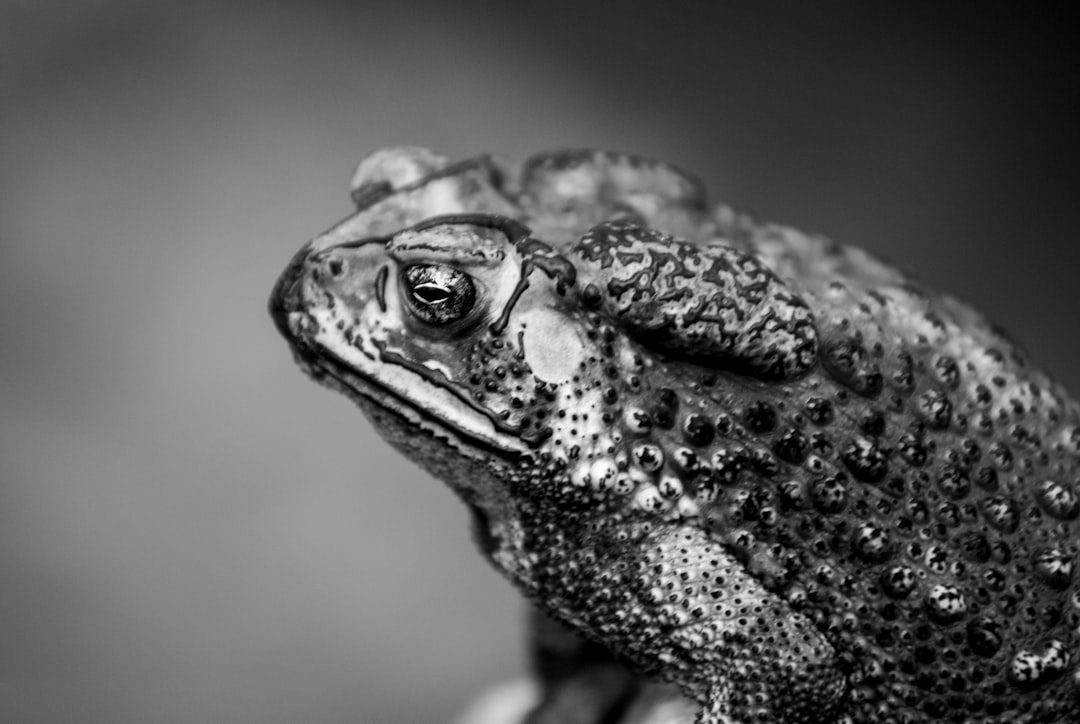
One of the most striking modern examples of animals “predicting” disaster came from a small breeding pond of common toads in Italy in 2009. Right before a magnitude 6-plus earthquake hit the region, researchers studying the toads noticed that nearly every individual suddenly abandoned the pond several days before the main shock. The timing was so precise and the behavior so unusual that it forced scientists to reconsider long-held skepticism. Amphibians are already known to be exquisitely sensitive to environmental changes, from air ionization to water chemistry, thanks to their permeable skin and reliance on moist habitats.
One leading hypothesis is that in the days before an earthquake, stressed rocks release electrically charged particles that alter the air’s ion balance and trigger subtle changes in water chemistry. Toads might sense these shifts as a kind of invisible storm, prompting them to flee what they perceive as a dangerous site. Studies using lab-based rock-crushing experiments have shown that this kind of electrostatic disturbance is real and can be strong enough to affect living cells. While this field of research is still young and controversial, it points to a broader idea: amphibians could be living readouts of otherwise invisible geophysical stress. If frogs and toads start vanishing from breeding sites in seismically active regions without any obvious cause, that may now trigger not just ecological concern, but geophysical curiosity.
The High Ground: Birds, Barometric Shifts, and Approaching Storms
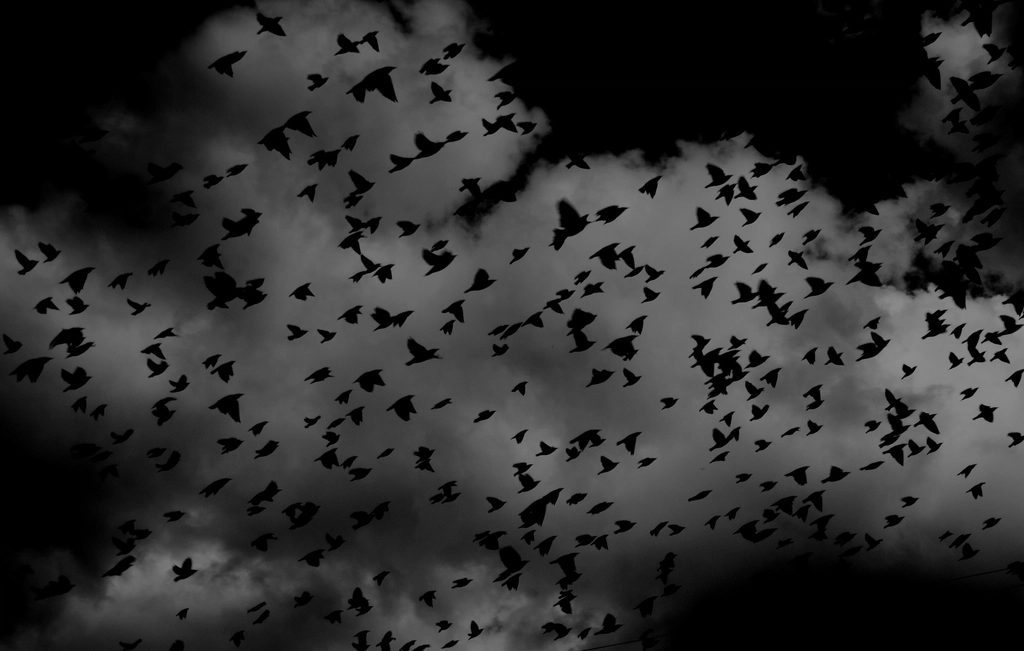
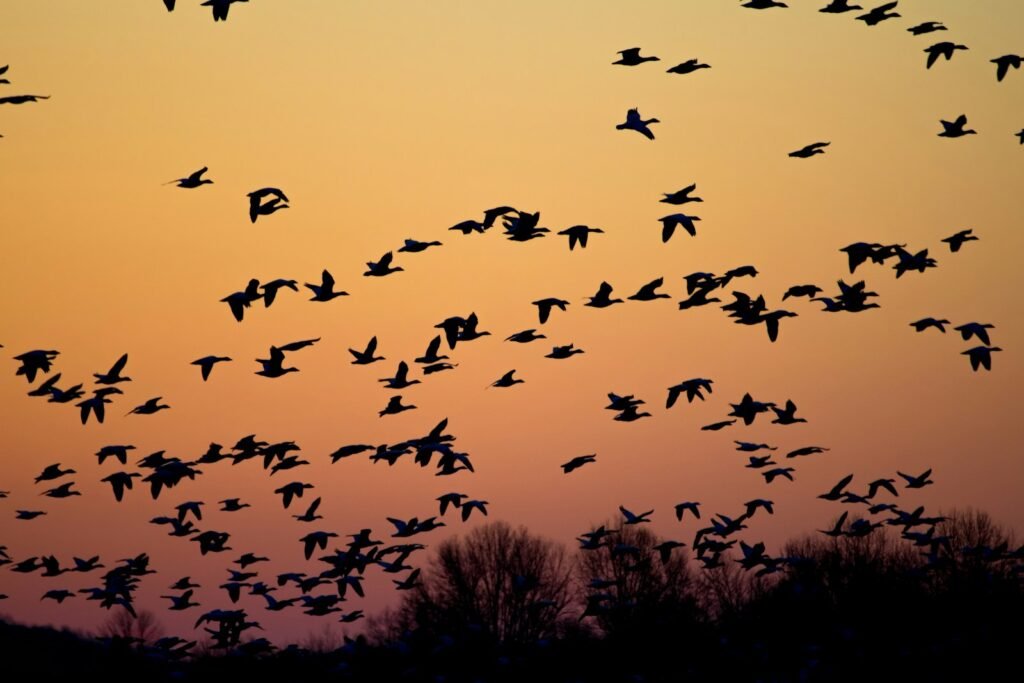
Birds have been humanity’s airborne barometers for centuries, long before meteorologists could pull up radar loops on a screen. Farmers and sailors have noticed sudden changes in flight paths, frantic flocking behavior, or unusual silence from normally noisy colonies hours before violent storms make landfall. In some cases, GPS-tagged birds have been recorded suddenly veering away from a migratory route to skirt the path of an approaching hurricane days in advance. While this behavior looks uncannily prescient from the ground, birds are almost certainly reacting to real physical signals rather than any kind of mysterious foresight.
Most birds can detect tiny changes in barometric pressure, wind speed, and humidity that precede major weather events. Some species even have specialized structures that function a bit like built-in altimeters and compasses, letting them sense pressure gradients and geomagnetic disruptions. When a powerful cyclone is brewing over the ocean, these cues can become pronounced, triggering birds to alter course to avoid the worst of the storm. Studies of tagged shorebirds and raptors have shown them taking massive detours that correlate closely with the later storm tracks mapped by satellites. This means that large-scale bird movement data, if collected in real time, could potentially supplement meteorological forecasts in vulnerable coastal regions.
Shaking Before the Shake: Cows, Sheep, and Farmyard Alarm Systems
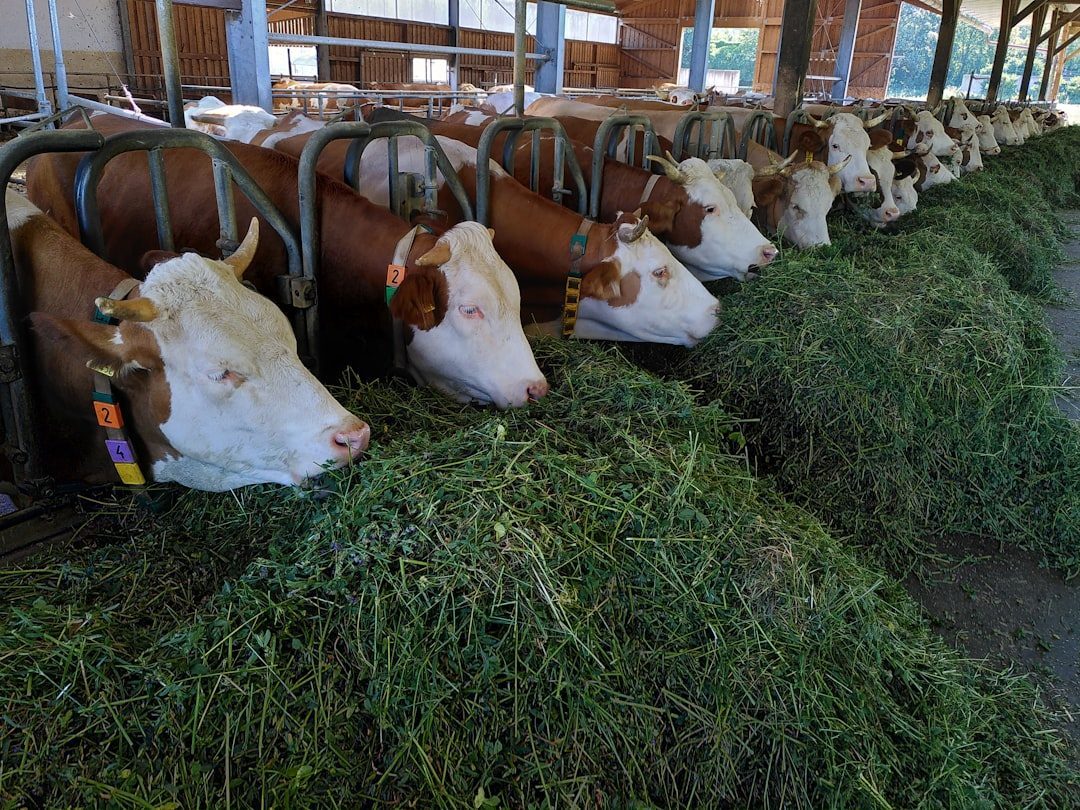
It might sound like the setup to a rural joke, but in several recent studies, cows, sheep, and even dogs on European farms appeared to change their behavior hours before local earthquakes. In one project, researchers fitted animals near an active fault zone with accelerometer collars and video monitoring, then compared their movements to seismic records. They found that in the hours before some quakes, the farm animals became significantly more restless, clustering nervously or pacing without clear external triggers like predators or storms. Interestingly, the changes were strongest when the animals were in close quarters, as if collective agitation was amplifying the signal.
Farm animals are constantly in contact with the ground, often in barns or pastures that subtly amplify vibrations and shifts. That makes them ideal candidates for sensing tiny pre-seismic tremors or changes in local electric fields that humans barely notice. If this phenomenon holds up under larger-scale testing, entire herds could function as living sensor arrays that flag unusual environmental patterns. Imagine a network where sudden spikes in cow activity in one region are automatically cross-checked with ground sensors and seismic stations. It’s a strange but compelling fusion of traditional pastoral life and high-tech monitoring, and it raises a question: how many early warnings have we missed simply because we never thought to systematically watch the barn?
From Ancient Tools to Modern Science: Elephants, Infrasound, and Tsunami Foresight
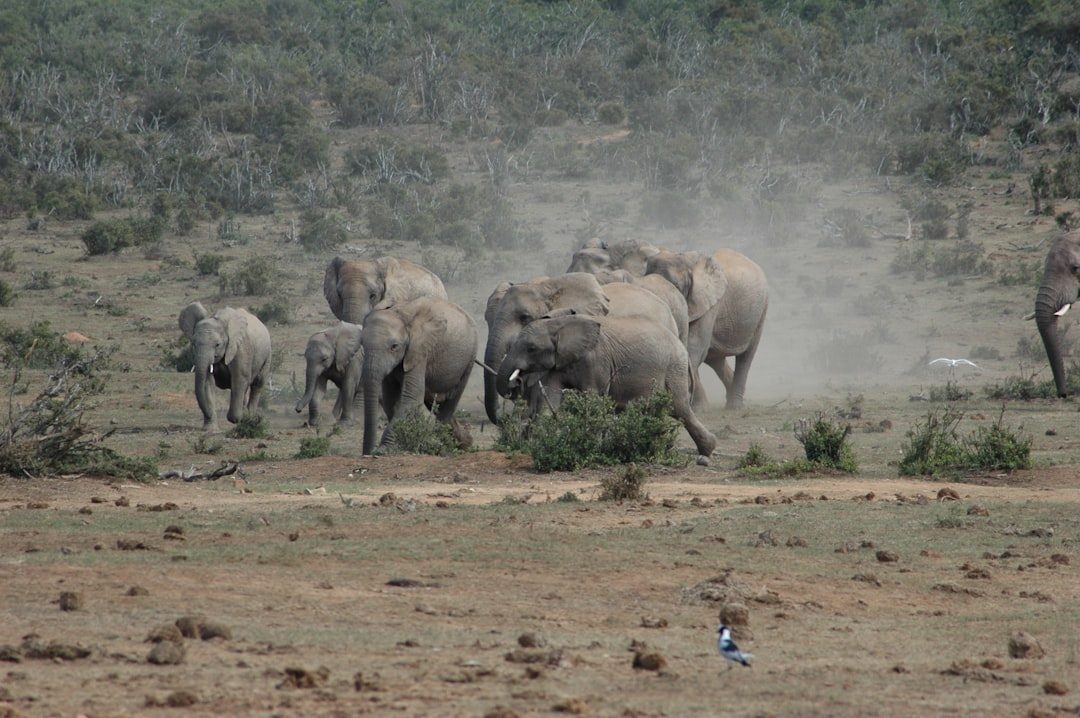
Stories from coastal villages in South and Southeast Asia after the 2004 Indian Ocean tsunami all carried a haunting thread: elephants and other large animals fled inland before the waves arrived. Mahouts described their elephants pulling away from the coast, trumpeting anxiously, sometimes dragging their handlers along rugged terrain to higher ground. In wildlife reserves, some herds were later found far from their usual feeding sites, having moved hours before the tsunami hit. At the time, these accounts sounded almost mythical, but they line up with what biologists know about the extraordinary sensory world of elephants.
Elephants can hear infrasound – very low-frequency rumbles – that travels over vast distances, generated by distant storms, crashing waves, and yes, undersea earthquakes. They also communicate with each other using ground-borne vibrations transmitted through their feet and trunks, making them sensitive to subtle seismic signals. When an undersea quake triggers a tsunami, both low-frequency sounds and ground vibrations may precede the visible wave by many minutes or even hours. That gives a large, mobile animal like an elephant enough time to react and move to safety, even if humans nearby have no idea what is coming. As scientists place more GPS collars and acoustic monitors on these giants, they are starting to consider whether elephant movement data could contribute to tsunami early-warning strategies in remote, low-tech regions.
Global Perspectives: Ants, Bees, and Insects as Micro-Disaster Monitors
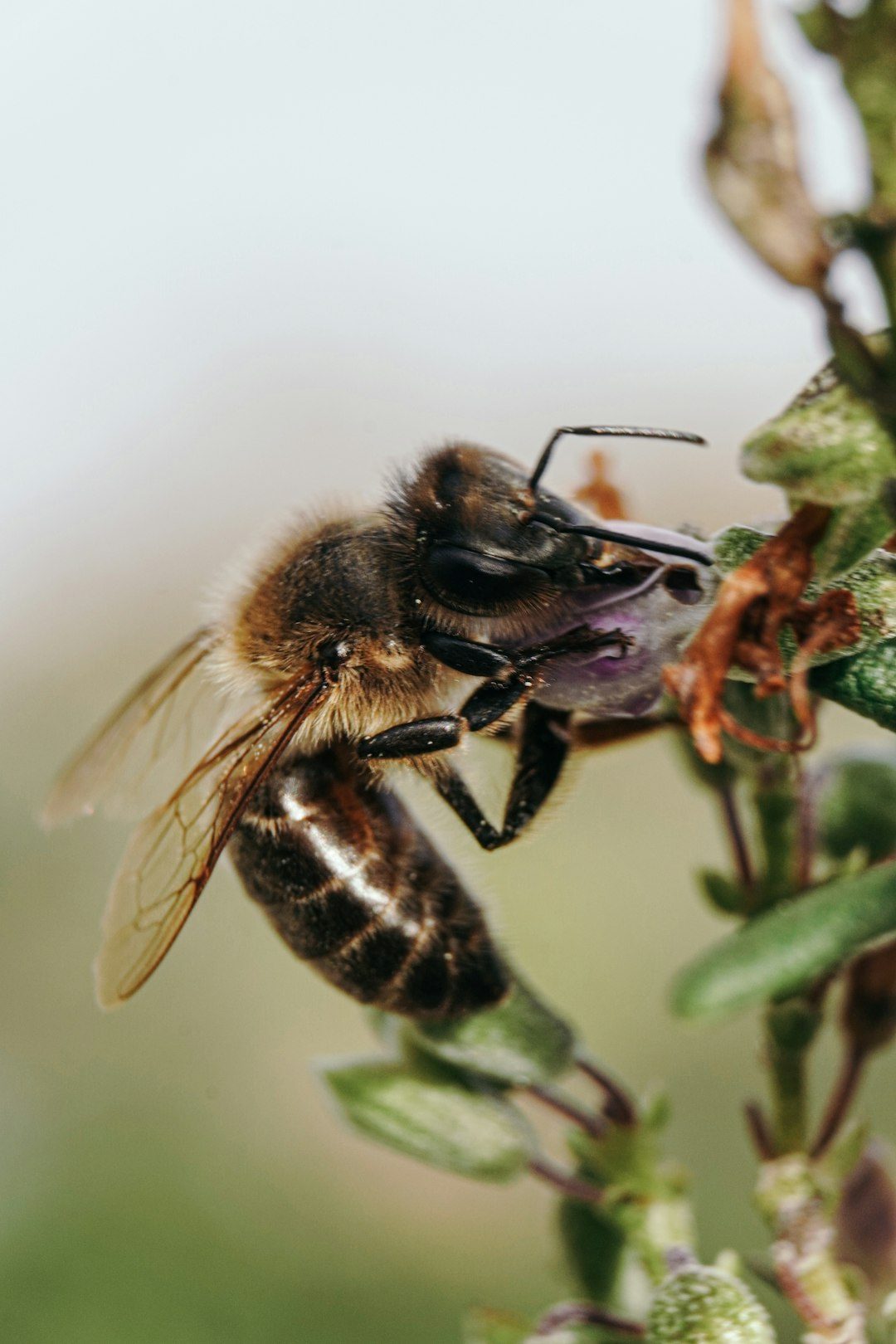
Some of the most intriguing natural-disaster sentinels are so small we rarely give them a second look. Ants, for example, have been observed changing their nest-building behavior along fault lines, apparently adjusting their structures or retreating into deeper chambers before seismic events. Beekeepers in several countries have reported that their hives erupt into frantic, disorganized flight just ahead of violent storms or quakes, only to settle after the danger passes. These stories might once have been folded into local superstition, but low-cost sensors and hive monitors are finally allowing scientists to test them systematically.
Insects live and die by tiny changes in humidity, pressure, and ground conditions, so evolution has tuned their sensory systems to a level of precision humans rarely match. Automated cameras and vibration sensors at ant nests have recorded shifts in activity patterns that correlate with small earthquakes, suggesting insects respond not just to weather but to geophysical cues. In modern hives, digital counters already track bee traffic in and out for agricultural productivity. It isn’t a big leap to imagine this data being cross-referenced with weather and seismic databases to look for predictive anomalies. Insects may never become headline-grabbing disaster forecasters, but they represent a vast, underexamined network of tiny, tireless monitors scattered across almost every ecosystem on Earth.
Why It Matters: Animals vs. Instruments in the Race Against Time
At this point, it might be tempting to ask: if animals are so good at detecting disasters, why rely on satellites and seismic stations at all? The honest answer is that animal behavior is messy, variable, and difficult to standardize, while instruments give us clean, numeric data. A restless dog could signal an impending quake – or just a passing thunderstorm, a stranger outside, or a bad dream. Scientific instruments, in contrast, can be calibrated, reproduced, and audited in ways that satisfy policymakers and engineers. Yet, dismissing animals entirely would be like throwing away millions of highly evolved sensors because they do not fit neatly into our spreadsheets.
The real promise lies in combining both worlds. Animal-based signals can act as an extra early-warning layer, especially in regions where technology is sparse or maintenance of complex systems is unreliable. When changes in animal behavior line up with subtle instrumental readings – slight seismic noise, small pressure drops, unusual electromagnetic signals – the combined evidence becomes harder to ignore. In many rural communities, especially across Asia, Africa, and Latin America, animals are already the first alert that something is wrong. Integrating that lived knowledge with scientific platforms is less about replacing technology and more about finally listening to what the non-human world has been telling us all along.
The Future Landscape: Turning Wild Instincts into Data
Looking ahead, the most exciting developments are not about teaching animals anything new, but about finally learning how to listen at scale. Wearable sensors on farm animals, GPS tags on migratory species, automated cameras at watering holes, and smart collars on elephants and wolves are already generating vast streams of movement and behavior data. With advances in artificial intelligence, researchers can sift through those streams to spot subtle patterns: a cluster of restless cows, a sudden migration kink, an abrupt silence in acoustic recordings from a frog chorus. When those patterns are mapped against seismic logs, weather forecasts, and ocean data, surprising correlations sometimes emerge.
There are real challenges, from the ethics of tagging wildlife to the risk of overfitting random noise into seemingly meaningful patterns. Climate change is also altering baseline animal behavior, making it harder to distinguish disaster signals from broader ecological stress. Still, global pilot projects are exploring how “bio-warnings” can feed into public alert systems, especially in coastal villages, mountain communities, and remote islands. Imagine a future disaster dashboard where readings from satellites and ground sensors are displayed alongside heat maps of abnormal animal movement. The idea sounds almost science fiction, yet the basic ingredients already exist; what is missing is the collective will to treat other species as partners in planetary monitoring instead of just scenery.
What You Can Do: Paying Attention, Protecting Habitats, Supporting Science

For most of us, the idea of using animal behavior to predict disasters can feel abstract, like something for specialized researchers and high-tech conservation teams. But ordinary observation still counts, and it always has. Paying attention to sudden, unexplained changes in local wildlife behavior – birds falling silent, ponds abruptly empty of frogs, pets acting in unison – is a small but real contribution to a broader awareness of environmental shifts. Community science apps and reporting platforms increasingly allow people to log odd sightings or behavior changes that can later be cross-checked against environmental data.
Protecting habitats is another indirect but powerful way to keep these natural warning systems functioning. When wetlands are drained, forests cleared, and coastlines hardened, we not only lose biodiversity but also the dense networks of animals that might otherwise alert us when something is wrong. Supporting organizations that track wildlife with minimal harm, maintain long-term ecological studies, or merge biological data with disaster forecasting can amplify your individual concern into real-world impact. In the end, staying curious about the animals around you – really watching them, not just glancing past – might someday be more than a way to feel connected to nature. It could also be one of the quietest, oldest, and most accessible forms of early warning we have.
Suhail Ahmed is a passionate digital professional and nature enthusiast with over 8 years of experience in content strategy, SEO, web development, and digital operations. Alongside his freelance journey, Suhail actively contributes to nature and wildlife platforms like Discover Wildlife, where he channels his curiosity for the planet into engaging, educational storytelling.
With a strong background in managing digital ecosystems — from ecommerce stores and WordPress websites to social media and automation — Suhail merges technical precision with creative insight. His content reflects a rare balance: SEO-friendly yet deeply human, data-informed yet emotionally resonant.
Driven by a love for discovery and storytelling, Suhail believes in using digital platforms to amplify causes that matter — especially those protecting Earth’s biodiversity and inspiring sustainable living. Whether he’s managing online projects or crafting wildlife content, his goal remains the same: to inform, inspire, and leave a positive digital footprint.