
Most of us take it for granted that head and life are a package deal. Lose one, lose the other. But the natural world has a darkly fascinating way of bending rules we think are non‑negotiable. Some animals can stagger on for minutes, hours, or even months after losing their heads, thanks to strange biology, unusual nervous systems, or sheer evolutionary stubbornness.
When I first learned about a chicken that survived more than a year without its head, I honestly thought it was a bad internet myth. Then I dug in, and it turns out reality is even stranger than the story. In this article, we’ll walk through ten animals that, in one way or another, can keep going headless for a while. It’s a little creepy, a lot surprising, and it quietly rewrites what we think “being alive” really means.
1. Cockroaches: The Classic Headless Survivors
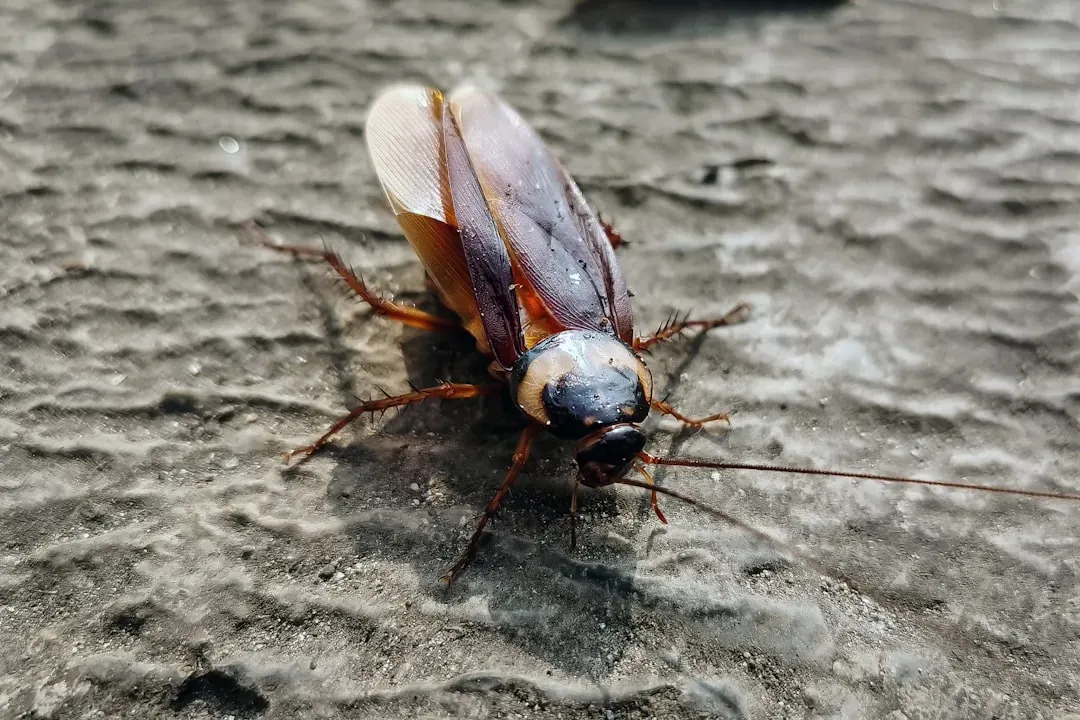
If you’ve ever joked that cockroaches could survive anything, you’re not far off. A cockroach can actually live for days or even a couple of weeks without its head, slowly stumbling around like something out of a tiny horror movie. The main reason is that cockroaches don’t rely on their brains to control every tiny function of their bodies the way we do.
Their nervous system is spread out through little clusters of nerve tissue called ganglia along the body, so many reflexes and basic movements keep going just fine without a brain at the top. They also don’t breathe through a mouth; they breathe through small openings along their sides, so decapitation doesn’t choke them. In the end, they usually die not from the missing head itself, but from dehydration or infection because they can’t drink water or seal the wound.
2. Chickens: The Legend of the Headless Bird
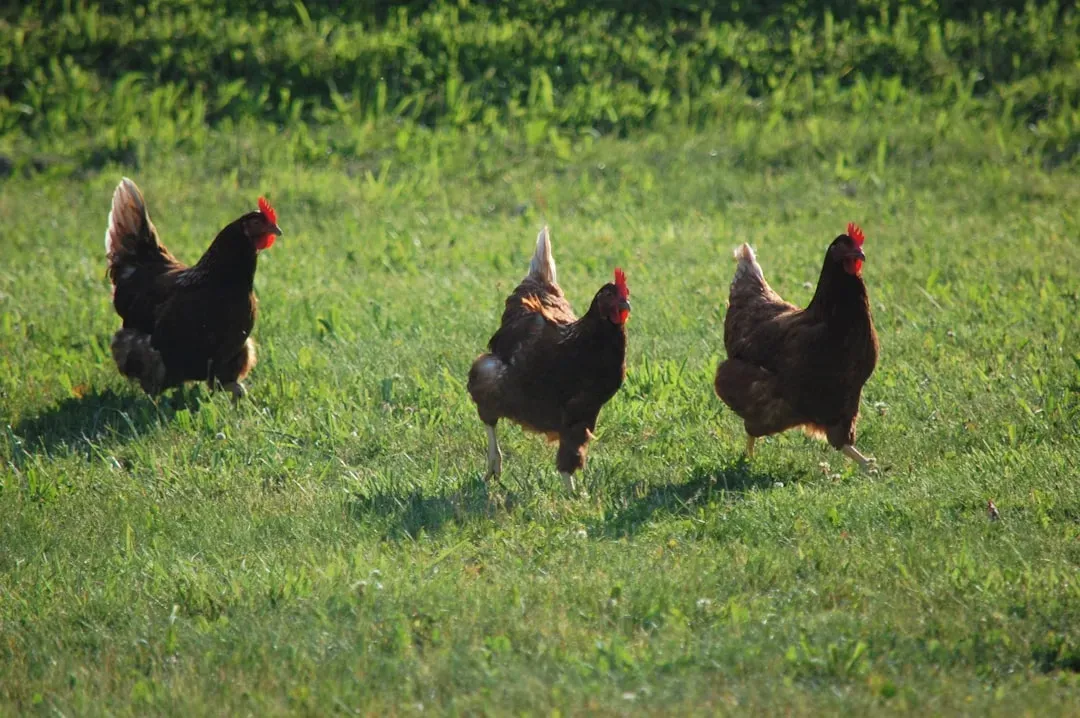
The idea of a headless chicken running around the yard sounds like an exaggeration, but for a short time, it’s absolutely real. After decapitation, chickens can flap, run, and twitch because their spinal cord and nerves keep firing without any conscious control. Those dramatic last movements are essentially automatic reflexes unleashed all at once.
The famous case that really shook people was a bird in the nineteen‑forties that survived for more than a year after a failed beheading left part of its brain stem intact. That bird was an exception, not the rule, but it showed how much control the lower brain and spinal cord still have over breathing and simple movement. Most headless chickens last only seconds or a few minutes, but even that brief moment feels deeply unsettling when you see a body acting as if no one told it the head is gone.
3. Flatworms (Planarians): Regrowing a New Head from Almost Nothing
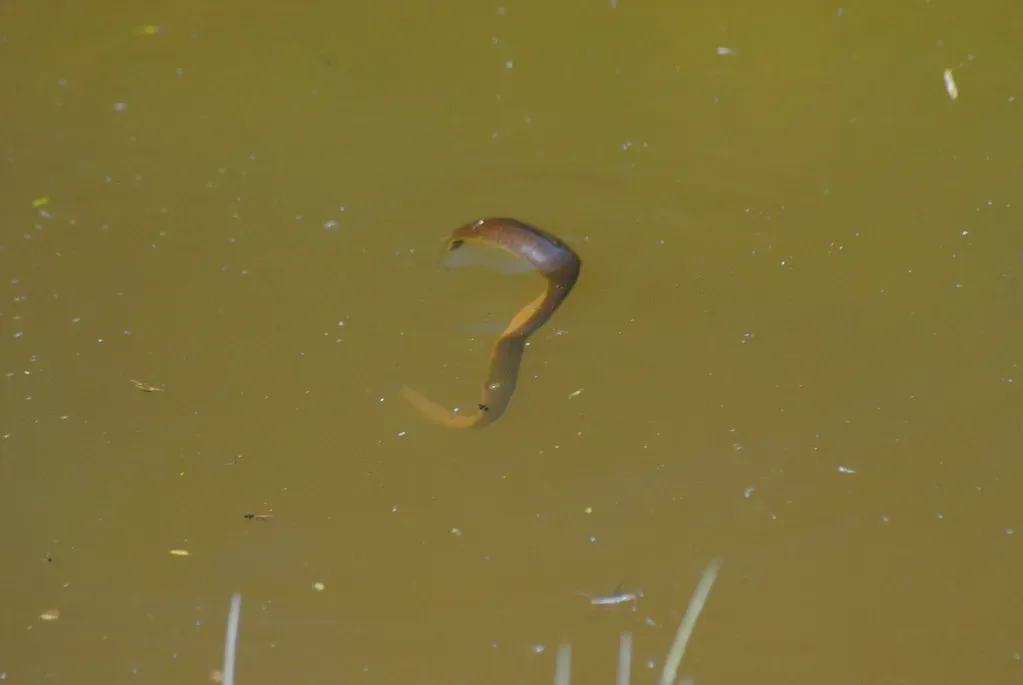
Flatworms, especially planarians, don’t just tolerate losing their heads; they practically shrug and grow a new one. If you slice a planarian into pieces, many of those pieces can regenerate missing parts, including a full head with a new brain and eyespots. It’s like cutting up a strip of living putty that slowly reshapes itself back into a complete animal.
What makes them astonishing is that while regeneration happens, the rest of their body is still alive and functioning without a traditional head. Their tissues are packed with stem‑cell‑like cells that can turn into whatever is needed, from nerve cells to gut. In experiments, some planarians have even regrown heads that retain certain learned behaviors, which makes you rethink where memories might actually live in a body this simple.
4. Sea Stars: Limbs That Crawl Without a Central Head
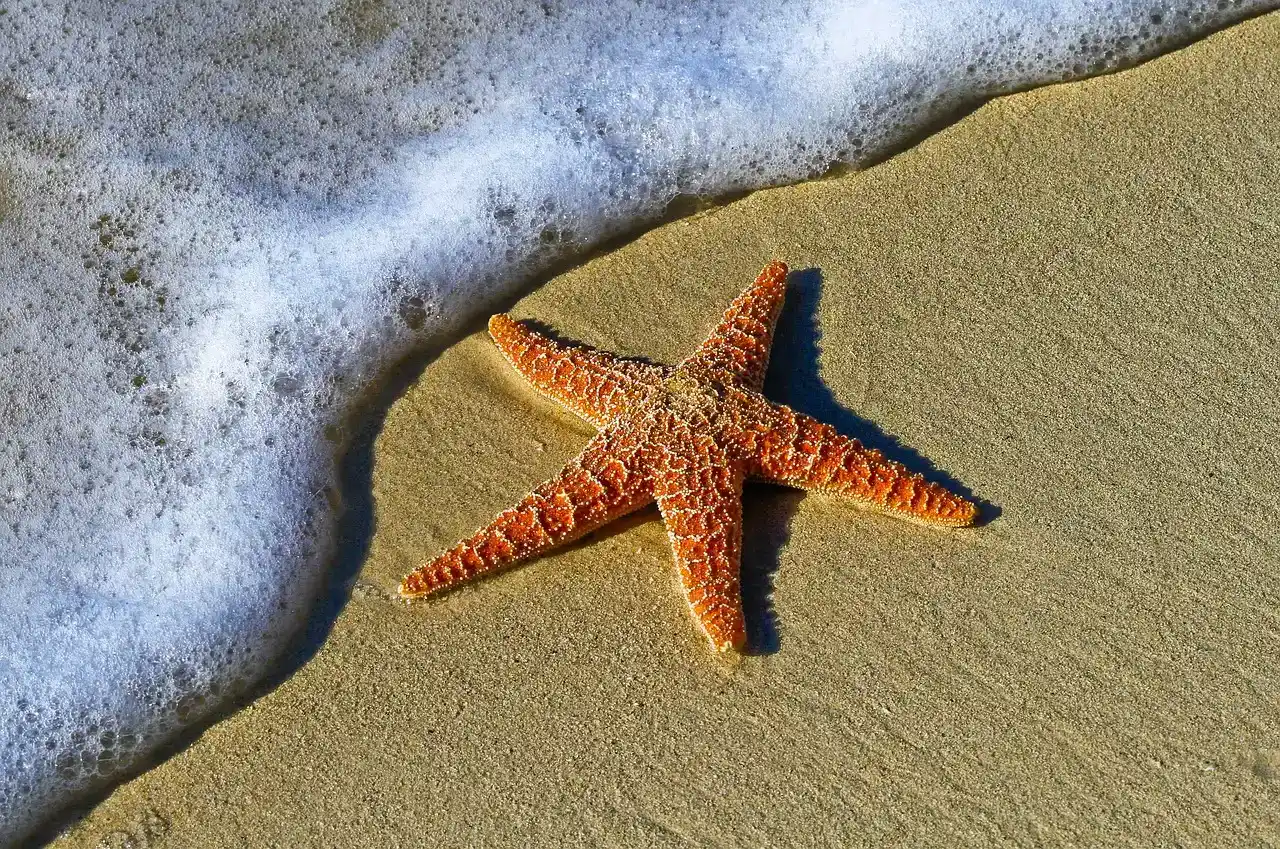
Sea stars, often called starfish, already break our mental map because they don’t really have a single, clear “head” at all. Their nervous system is arranged in a ring with radial cords going down each arm, so each arm has a sort of semi‑independent control. When a sea star loses a big chunk of its body, even down to a single arm with part of the central disc, that piece can sometimes crawl around and eventually regenerate the rest.
That means you can have a “headless” arm inching across the sea floor, responding to light and touch, even though it no longer looks like a complete animal. Some species are especially good at this, using regeneration not just for healing but as a way to survive predators that rip off limbs. For a while, those detached parts behave like separate, headless creatures drifting between life and death before they either heal or fade away.
5. Octopuses: Arms That Keep Moving After Separation
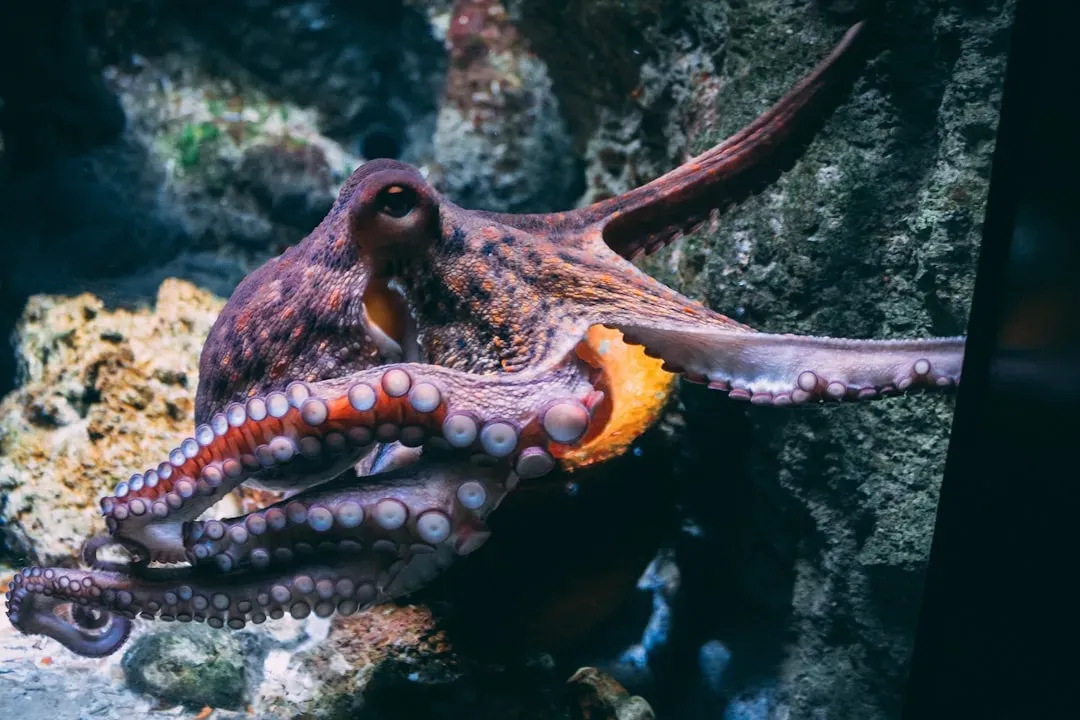
Octopuses are famously smart, but the wild part is how much of that intelligence is offloaded into their arms. Each arm has dense networks of neurons that can coordinate complex movements on their own. When an arm is severed, it can continue to writhe, grasp, and respond to touch for a surprisingly long time, even though the main brain is no longer in charge.
In a sense, the arm becomes a short‑lived, headless robot running on leftover power and built‑in programs. It can still react to chemicals, recoil from pain, and even attempt coordinated actions like trying to pass food toward where the mouth used to be. For the animal, this decentralized design is a survival strategy: if a predator grabs an arm, the octopus can drop it and escape while the wriggling limb distracts the attacker.
6. Praying Mantises: Reflexive Strikes Beyond the Head
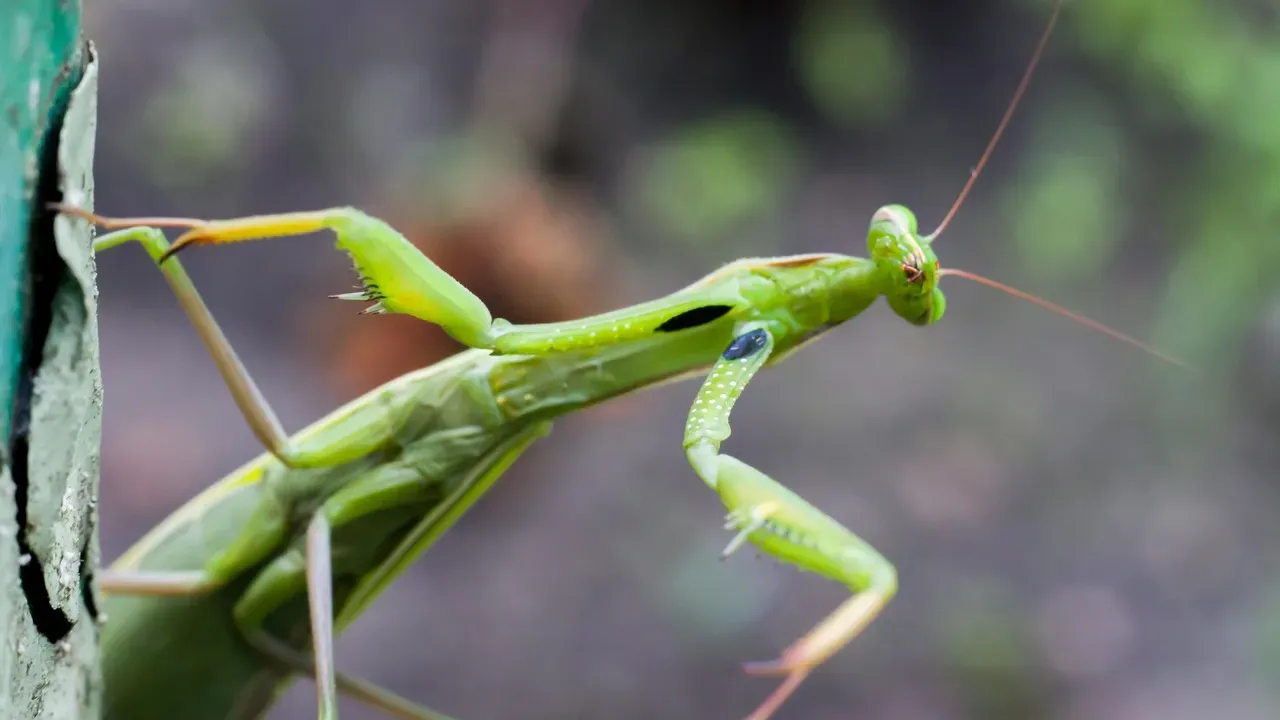
Praying mantises have a reputation for being fierce predators and, in some species, for that brutal mating behavior where the female may consume the male. What’s less known is that certain mantis body parts can still move and strike even after severe injury or decapitation. Their powerful forelegs and motor circuits can function on automatic patterns without conscious control from the head.
In some lab observations, mantis bodies have continued to attempt striking motions after being separated from their heads, driven by built‑in reflex pathways. This kind of movement is not a sign of awareness but of how much is handled by lower nerve centers. It’s unnervingly similar to a machine that keeps finishing its last task even after someone pulls the plug on the main computer.
7. Snakes: Bodies That Strike and Heads That Bite
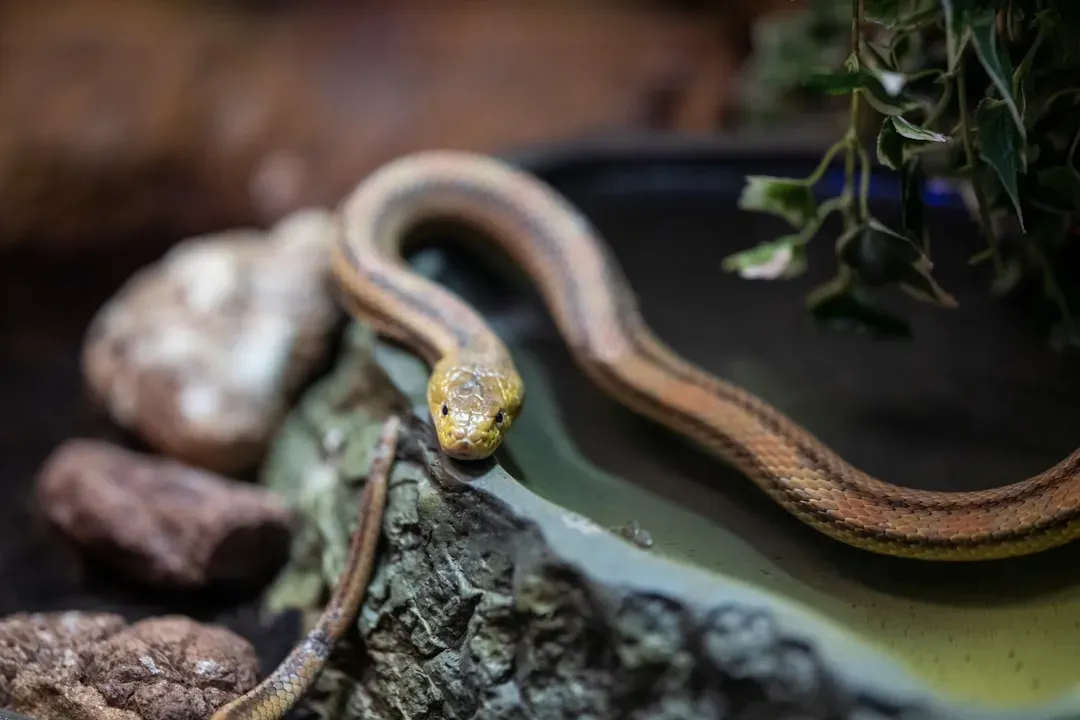
Decapitated snakes are notorious for their lingering danger. The severed head can still open its mouth and deliver a venomous bite for a short time, while the body can coil and thrash with frightening force. This is possible because snake reflexes are hard‑wired and don’t require ongoing conscious thought from the brain once triggered.
Their nervous system can keep firing patterns of muscle activity for minutes, which is why handling a recently killed venomous snake is genuinely risky. A bite from a detached head can still inject venom and cause serious harm, because the venom glands and fangs are entirely intact. It’s one of those situations where “dead” and “harmless” are absolutely not the same thing, at least not right away.
8. Frogs: Limbs and Bodies That React Long After Death
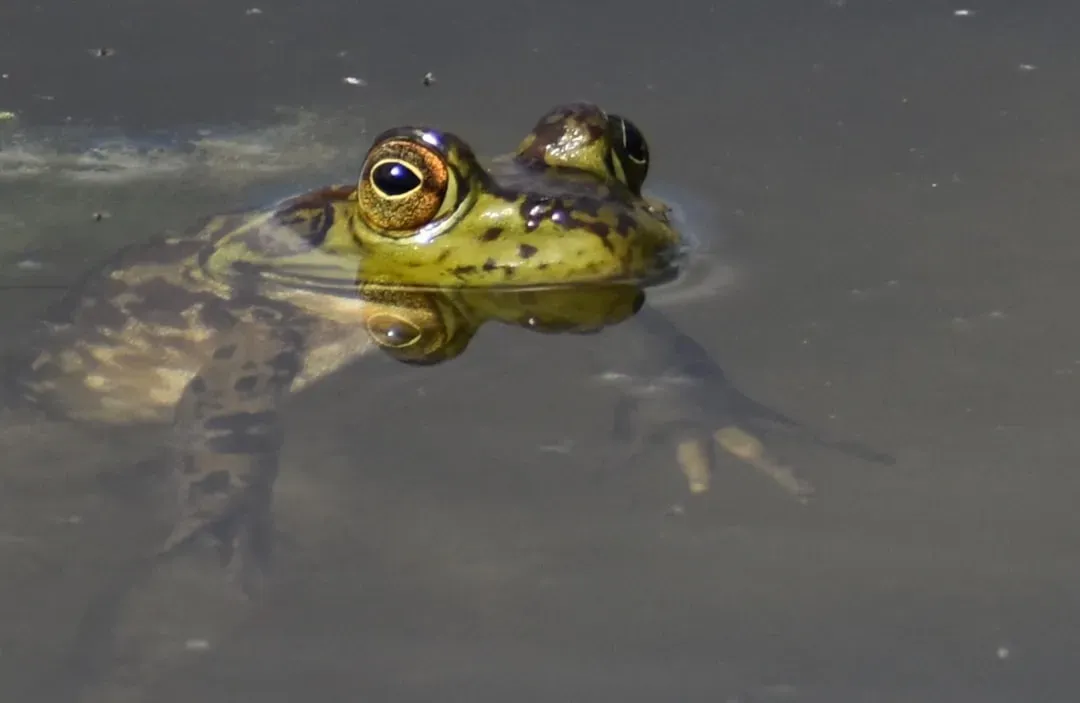
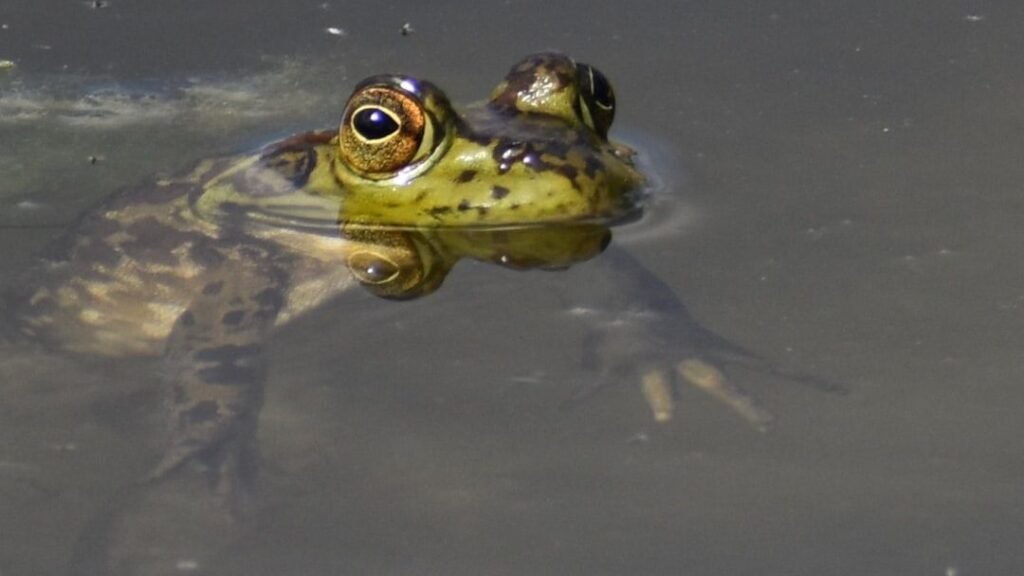
Frogs have played a strange role in the history of science, especially in early studies of electricity and nerves. Their leg muscles can twitch and contract long after the animal has been killed or decapitated, especially if they’re stimulated with a bit of current. That vivid reaction helped scientists realize that nerves carry electrical signals rather than some mysterious life force.
Even without a head, frog bodies and limbs can respond to external stimuli for a while because the muscles and nerves are still intact and chemically active. This is why you might see frog legs jump or contract even in a cooking setting if they are extremely fresh and exposed to salt or electricity. It’s less about lingering “life” and more about the basic machinery of muscles continuing to work until it runs out of energy.
9. Spiders: Bodies That Keep Moving on Autopilot
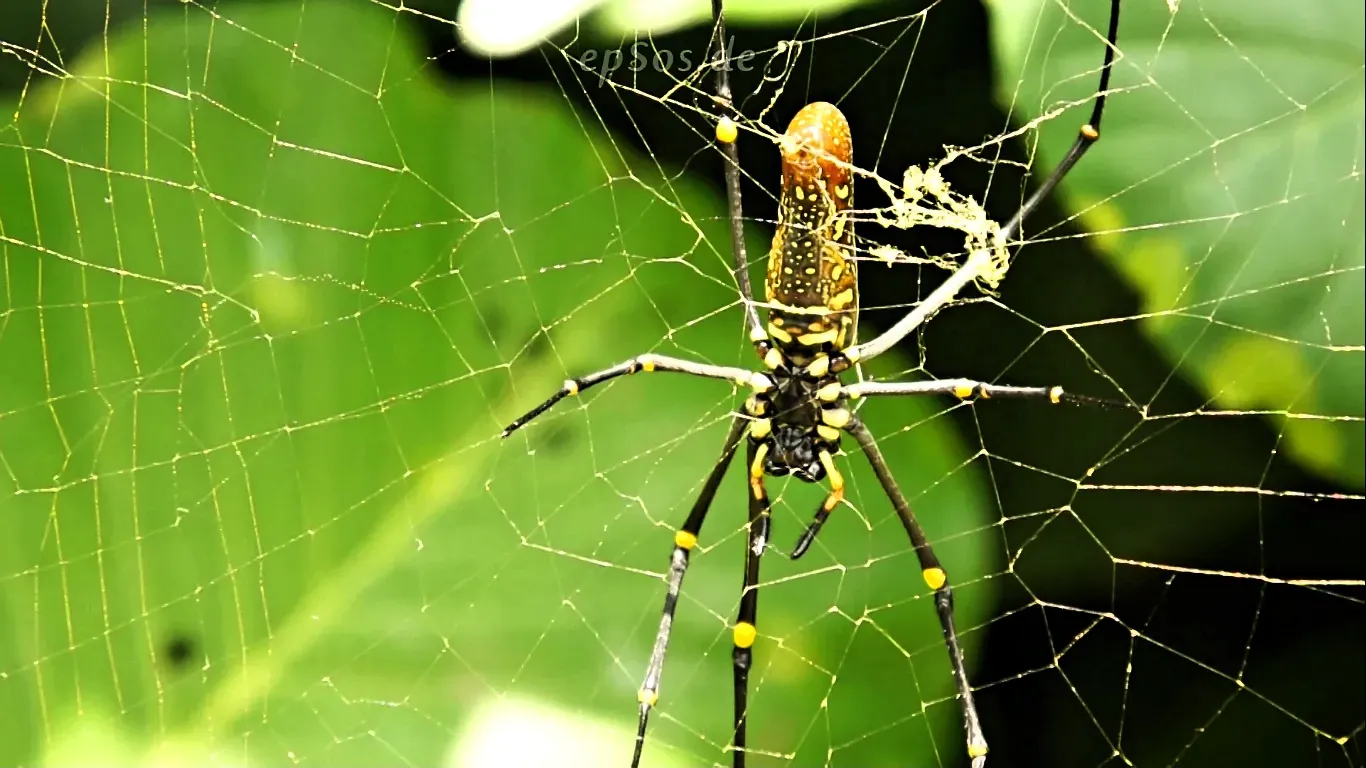
Spiders rely on a combination of hydraulic pressure and muscles to move their legs, and their nervous system is fairly decentralized compared to ours. After serious injury or removal of the head region, spider legs can continue to curl, extend, or twitch for a while. You can sometimes see a dead spider slowly pull its legs inward as the pressure drops and nerves fire off final signals.
In some cases, the body can still respond to touch for a short period, shifting or twitching in ways that look disturbingly deliberate. What’s actually happening is a cascade of dying nerve cells sending out last electrical pulses. To us, it feels like a tiny horror scene, but for the spider, it’s simply the last mechanical moments of a very different kind of body plan shutting down.
10. Sea Cucumbers: Organs and Bodies That Redefine “Headless”
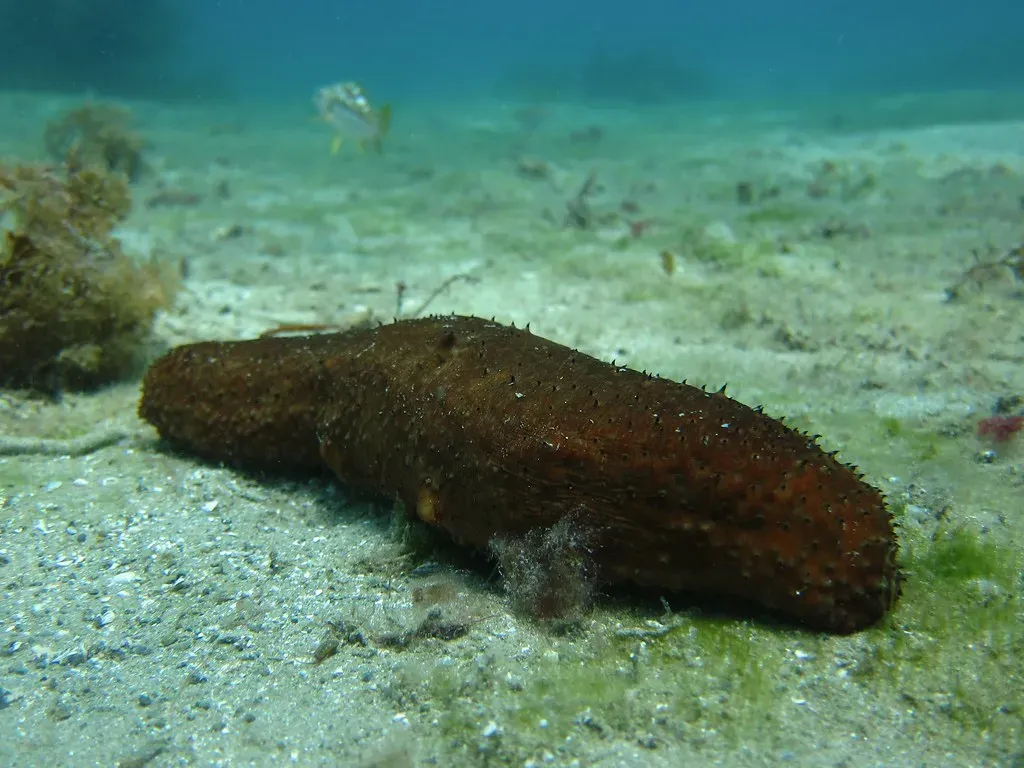
Sea cucumbers are soft, slow marine animals that look like living vacuum cleaners on the sea floor, sucking up particles from the sediment. They do not have a traditional head in the way we imagine, and their nervous system is spread in a ring and along their body. Some species can expel internal organs as a defense and later regenerate them, which already makes the usual head‑body separation feel a bit blurry.
Because of this layout, large parts of a sea cucumber’s body can keep moving and reacting even when badly damaged, and the idea of “headless” is almost meaningless for them. In some cases, a portion of the body can crawl and function for a while after major separation, acting like a slow, confused tube of living tissue. It’s a reminder that our head‑centric view of life is really just one design out of many in the ocean’s very strange toolbox.
The more you look at these animals, the more “losing your head” stops being a clear line between life and death and becomes a messy gray area of fading signals and leftover reflexes. Which of these creatures surprised you the most?