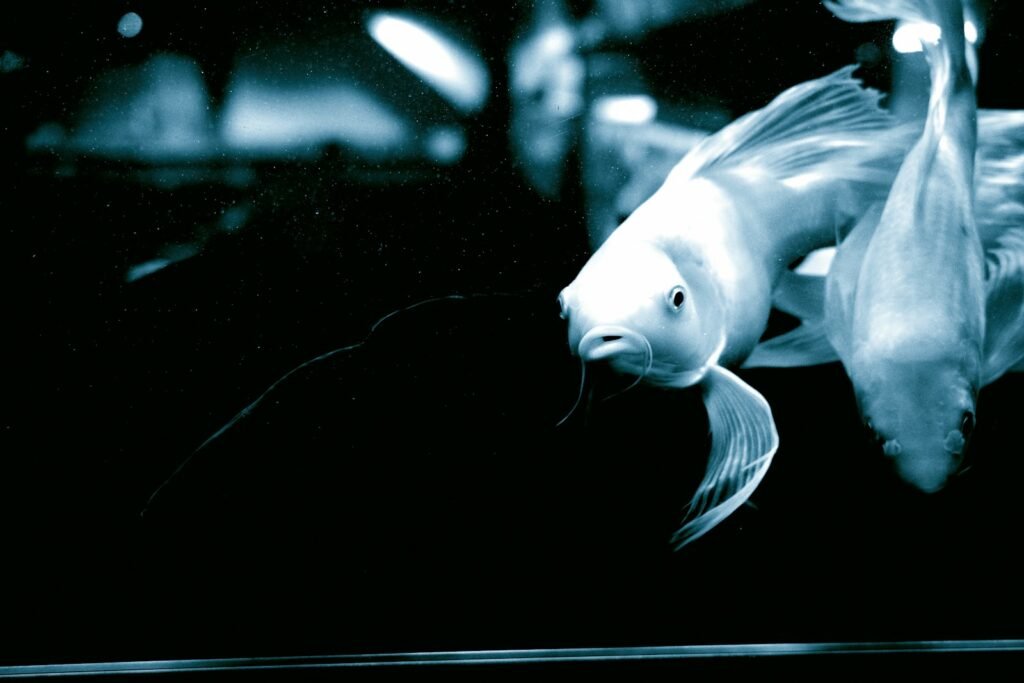

In a world where humans argue over what is fixed and what can change, nature quietly shrugs and rewrites the rules. Scattered across coral reefs, rocky shores, forests, and even backyard ponds are animals that can literally switch from one sex to another, sometimes more than once in a lifetime. For decades, biologists treated these species as curiosities, side notes in textbooks, but recent research is revealing that gender-changing animals are powerful models for understanding evolution, hormones, and even resilience in a rapidly warming world. Behind every transformation is a story of survival: when mates are scarce, environments shift, or hierarchies collapse, these creatures flip the biological script to keep their genes in the game. The deeper scientists look, the clearer it becomes that sex is not always a rigid binary in the wild – but a flexible strategy fine‑tuned by natural selection.
The Clownfish Paradox: When the “Male” Hero Becomes the Matriarch
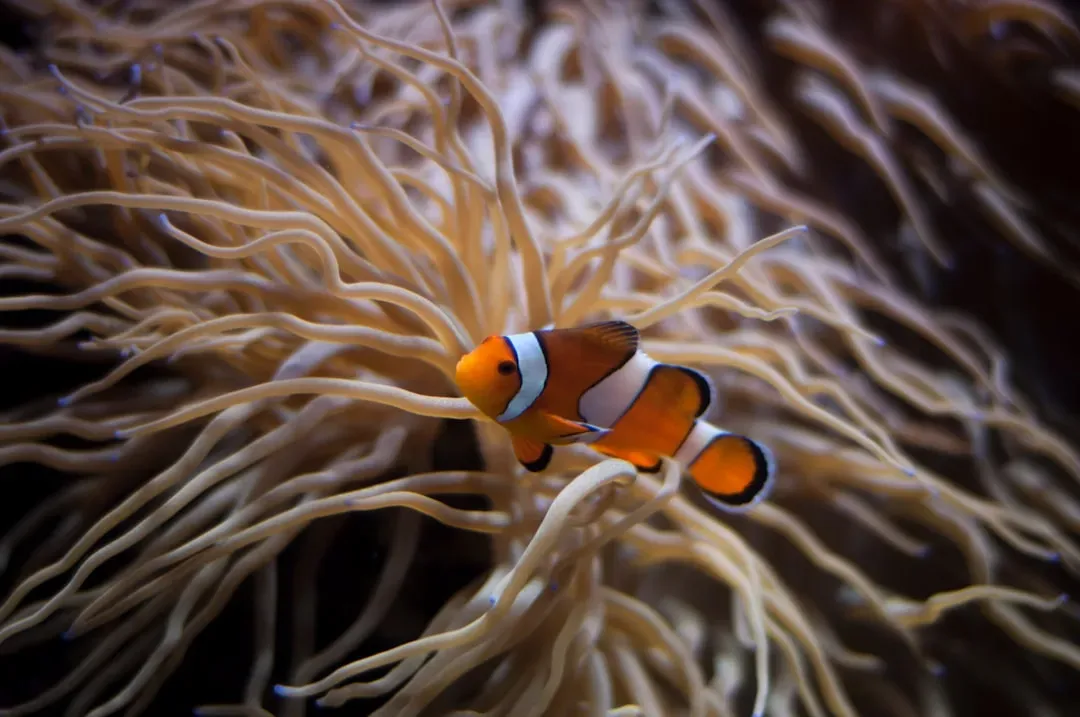
Buried inside an anemone’s tentacles, a clownfish group looks orderly from the outside: one big dominant female, one breeding male, and a few smaller non-breeding males in waiting. But if that top female dies, the entire social structure reshuffles within days as the breeding male begins a dramatic transformation into a fully functional female. His testes regress, ovaries develop, hormone levels flip, and even behavior changes as he becomes the new matriarch, while the next male in line steps up as her partner. Biologists call this protandry, or male‑to‑female sex change, and in clownfish it is strictly controlled by social cues rather than genetics alone.
Researchers have found that just removing the dominant female – without changing food or environment – is enough to trigger molecular switches in the brain that cascade into gonadal restructuring. In a sense, the social ladder is wired directly into their endocrine system: power and position dictate sex. This strategy makes evolutionary sense in dense reef environments where space is limited and competition for nesting sites is fierce. By ensuring there is always exactly one dominant female and one breeding male, the group maximizes reproductive output with minimal conflict. The idea that the beloved orange-and-white reef fish lives with such fluid sex roles adds a wild twist to how we think about “family structure” under the sea.
Wrasses and Reef Lords: Aggressive Males Born from Subtle Females
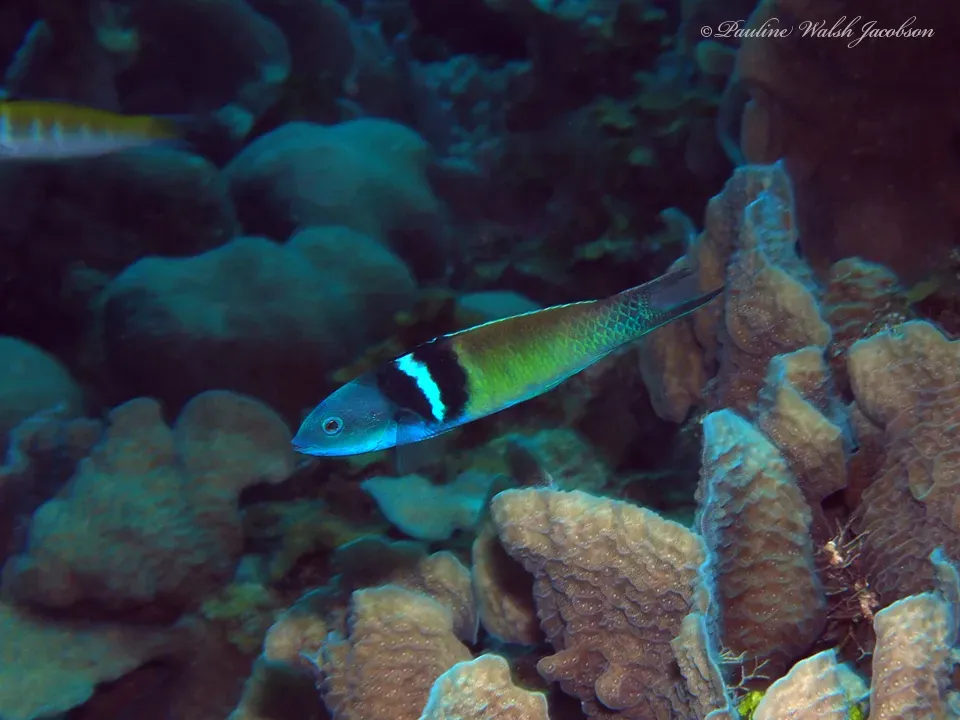
On coral reefs, many wrasse species stage one of the most startling makeovers in the animal kingdom: small, drab females can transform into large, brilliantly colored males that rule territories like underwater emperors. In species such as the bluehead wrasse, a single dominant male oversees a harem of females, defending prime spawning grounds each day. If that male disappears – taken by a predator or a fishing line – the largest female begins changing into a male within hours. Her coloration shifts, her ovaries transform into testes, and her behavior flips from cautious schooling to bold patrolling of the reef.
This process, known as protogyny (female‑to‑male sex change), is driven by rapid changes in brain chemistry and steroid hormones, followed by a slower but profound restructuring of reproductive organs. Researchers have watched females begin performing male courtship behaviors before their gonads are fully converted, suggesting that the brain leads and the body follows. Evolutionarily, it pays for the largest, strongest individuals to take on the male role in species where males must fend off rivals and court multiple females. In an era when reef ecosystems are under stress from warming and pollution, understanding how social and environmental signals trigger these transitions could even help scientists predict how populations will respond when their carefully balanced social structures are disrupted.
Seahorses and Pipefish: When “Mr. Mom” Holds the Power to Switch
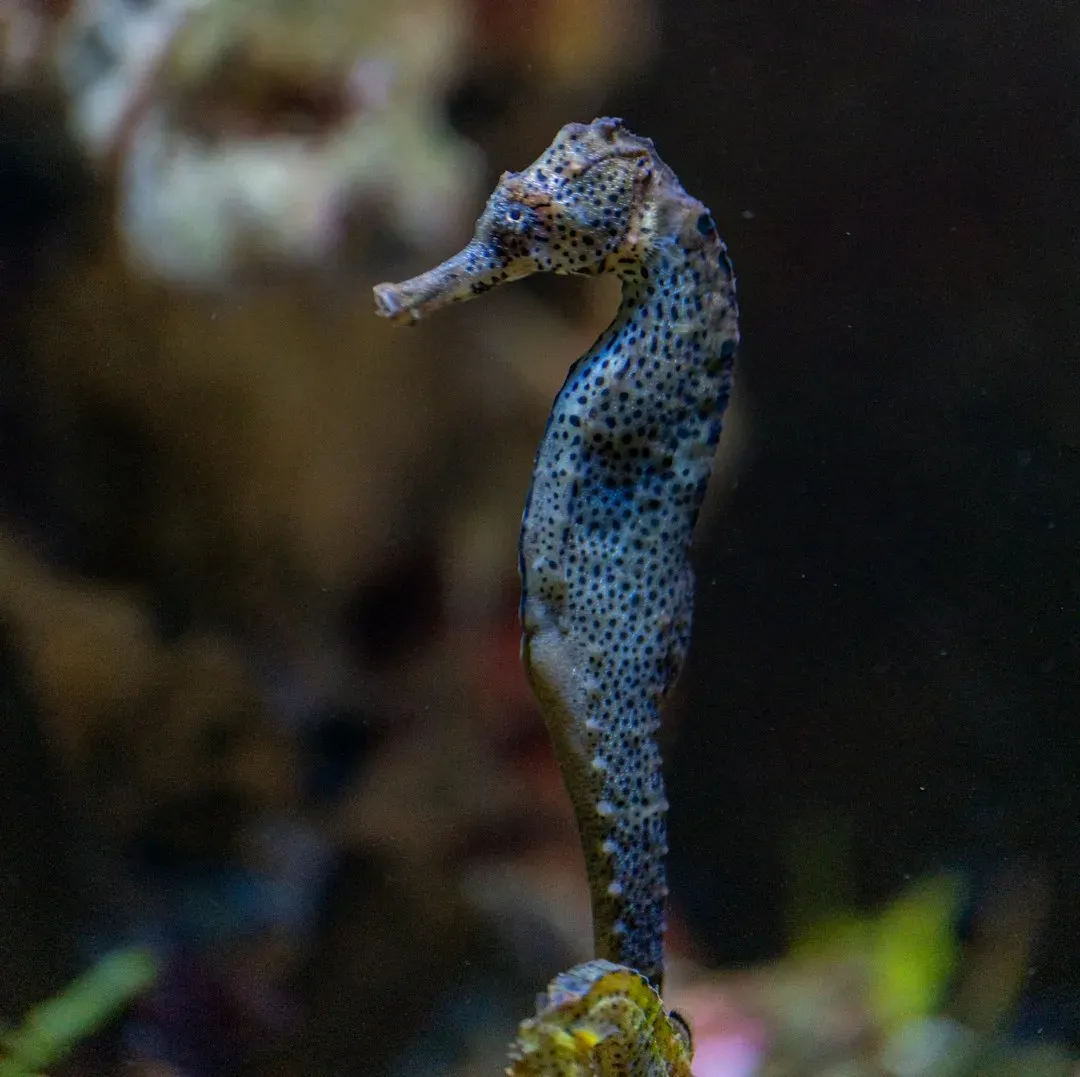
Everyone knows the headline for seahorses: males get pregnant and carry the embryos in a brood pouch while females deposit eggs. But within the broader seahorse and pipefish family, some species add another twist – flexible sex roles and sex change tied closely to mating opportunities. In certain pipefish, for instance, sex roles are already reversed, with females competing for access to choosy, pregnant males. When mate availability skews heavily in one direction, individuals that can shift their reproductive role gain a powerful advantage.
Although full, consistent sex change is not universal across all seahorses and pipefish, research has documented species in this group capable of changing functional sex or at least modulating their reproductive investment in ways that blur the line between male and female roles. In some cases, gonads can be partially bisexual, allowing an individual to lean more heavily into the role that is most rewarding at a given time. This kind of plasticity makes them fascinating models for studying how ecology shapes reproductive systems. For conservationists trying to rebuild seahorse populations threatened by habitat loss and overharvesting, understanding these flexible boundaries could influence how breeding programs and protected areas are designed.
Grouper Dynasties: From Modest Females to Reef Kings
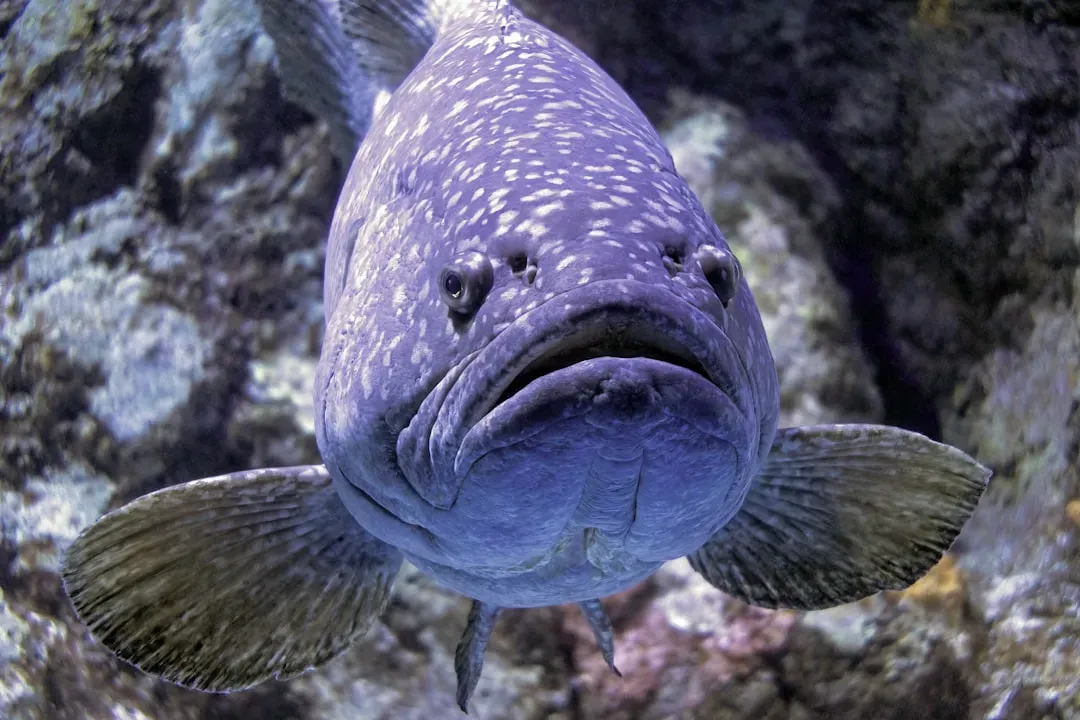
Groupers, some of the largest predators on coral reefs and rocky bottoms, often begin life as females and later become males as they grow bigger and older. In many protogynous grouper species, smaller individuals mature first as egg‑producing females, contributing to the population early. As they reach larger sizes – where size helps control spawning aggregations and defend territories – they switch to sperm‑producing males. This timing allows the same animal to fill two crucial roles across its lifespan, boosting its total reproductive legacy.
Fishery biologists have discovered that this strategy, which once worked brilliantly in wild, undisturbed populations, can turn into a vulnerability under heavy fishing pressure. Humans tend to remove the largest individuals first, which in many grouper species are males that started life as females. When too many big males disappear, the social signals needed to trigger sex change can be disrupted, leaving aggregations skewed toward females with no one to fertilize their eggs. This has pushed scientists to rethink management: size limits and seasonal closures now need to account for not just how many fish are taken, but which sex and at what life stage. For a fish that can reinvent its sex, survival in the Anthropocene still depends heavily on human restraint.
Gobies on the Edge: Rapid, Reversible Shifts in Tidepool Societies
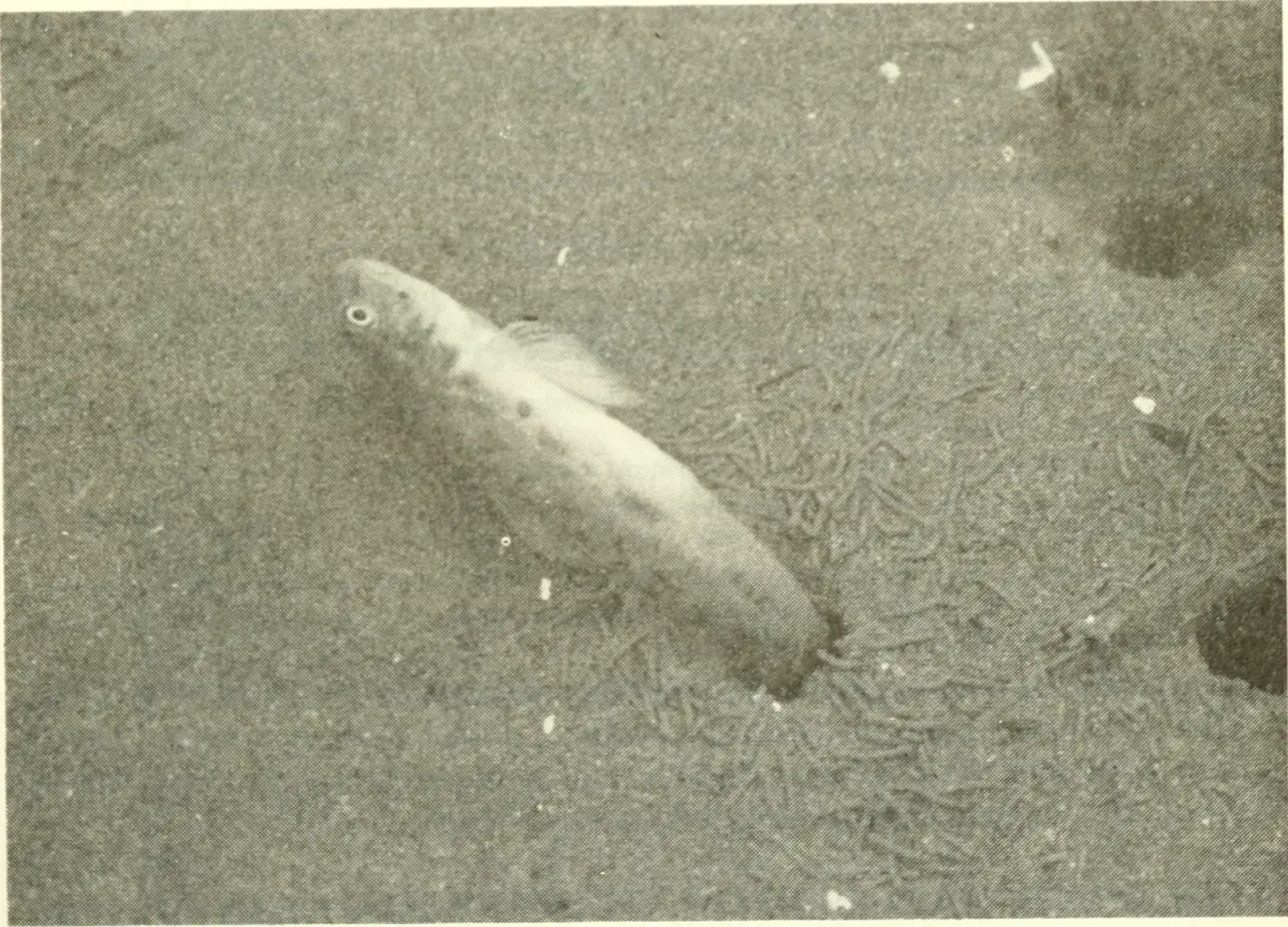
In shallow tidepools and on coral rubble, tiny gobies quietly showcase some of the most extreme sexual flexibility known. Several goby species are bidirectional sex changers, meaning they can switch from female to male and back again depending on social context. If a population ends up with mostly females, some will flip to males; if circumstances later favor being female, they can reverse the process. This shattering of the one‑way rule of sex change has fascinated evolutionary biologists looking for the limits of plasticity.
Experiments have shown that these shifts can happen remarkably fast, with behavioral changes often preceding full anatomical reorganization. Within days, hormone levels reorganize, gonads begin restructuring, and mating behaviors realign with the new role. For a small fish in a harsh, unpredictable environment – where predators, waves, and temperature swings can kill mates at any time – this flexibility is like having a built‑in insurance policy against demographic accidents. It also challenges our tendency to treat sex as a fixed, permanent label in biology. In gobies, sex is more like a job description that can be updated when the ecosystem demands a different workforce.
Snails, Slugs, and Simultaneous Sex: The Power of Being Both at Once
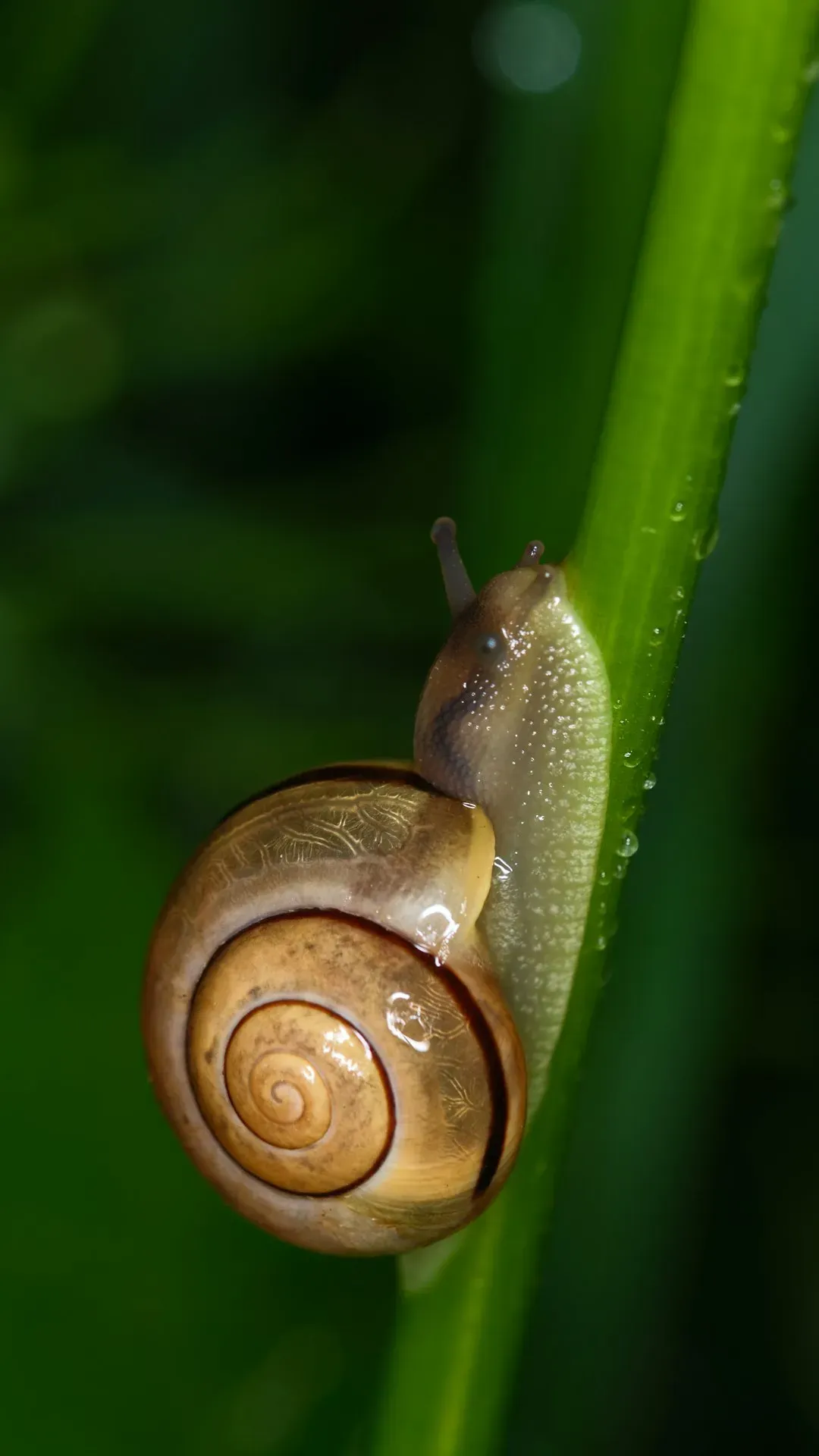
Many land snails and sea slugs play by a very different rulebook: they are simultaneous hermaphrodites, carrying both male and female reproductive organs at the same time. Unlike clownfish or wrasses, they do not need to “switch” in a linear way; instead, they can act as male, female, or both during a single mating encounter. This is especially useful for animals that move slowly and may rarely bump into another member of their species. When two compatible snails or nudibranchs finally meet, there is no need to waste the opportunity arguing over who plays which role.
Some species even engage in elaborate behaviors to negotiate sperm exchange, adjust how much energy to devote to egg versus sperm production, or store sperm for long periods until conditions are right for laying eggs. While they are not changing sex over time in the same way as sequential hermaphrodites, they embody another route nature has taken to break free from rigid binary roles. For ecologists, hermaphroditic snails and slugs provide a testbed for studying how mating systems evolve when almost every encounter can, in theory, produce offspring. For the rest of us, they are a reminder that in nature, efficiency often trumps our tidy human categories.
Why It Matters: Rethinking Sex, Adaptation, and a Changing Planet
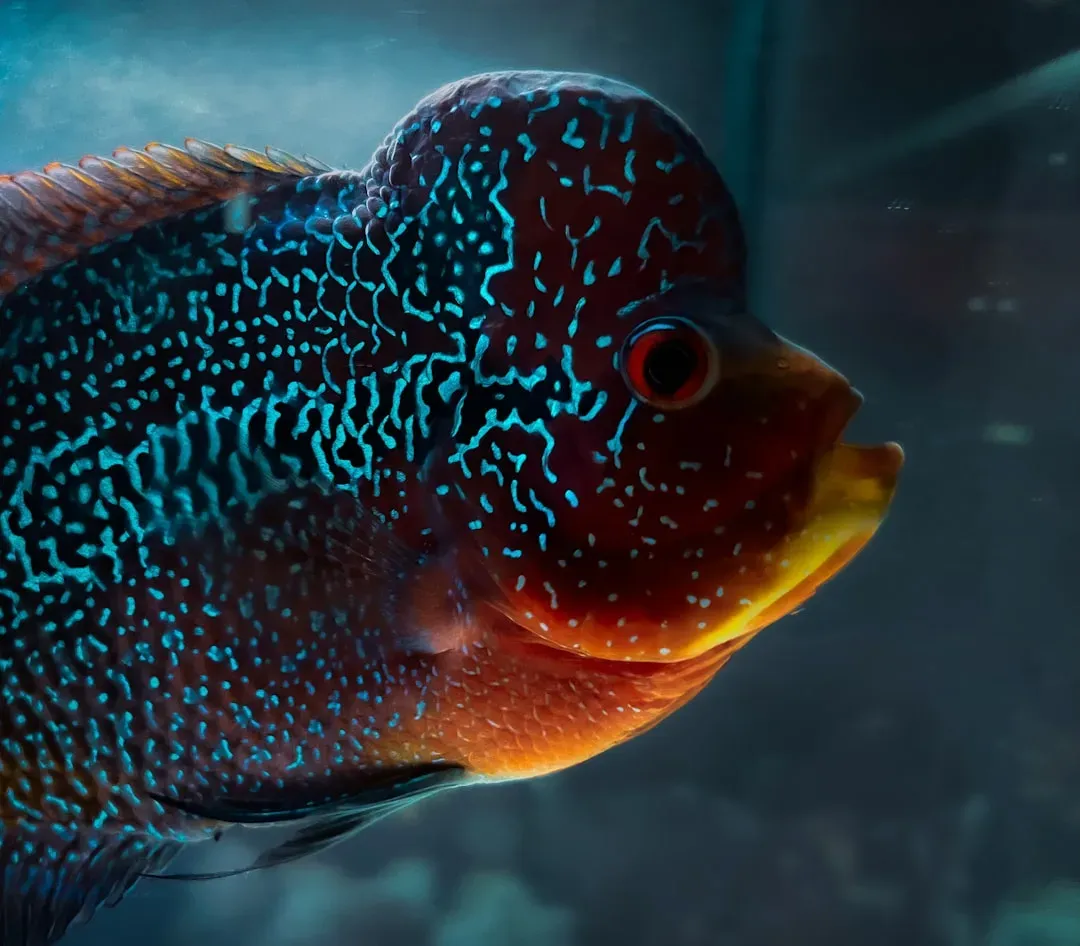
At first glance, animals that change sex might feel like delightful trivia, the kind of oddities you share at a party and then forget. But together, they are reshaping how scientists think about fundamental concepts like sex, gender roles, and adaptation. Rather than treating sex as a static identity, biologists studying these species see it as a flexible strategy shaped by competition, predation, and environment. In many of these animals, hormones and social cues are tightly intertwined, showing that biology is responsive rather than locked in at birth. That idea echoes beyond the reef or tidepool, influencing debates about plasticity and variation across life, humans included.
These species are also frontline indicators of ecological stress. When overfishing removes large males from grouper populations, or coral bleaching disrupts the social groups of clownfish and wrasses, the fine‑tuned balance that makes sex change advantageous can collapse. A few key patterns stand out to researchers studying this:
- Heavily fished sex‑changing species tend to show drops in reproductive success when a single size or sex is disproportionately removed.
- Socially triggered sex change is especially vulnerable to disruptions in group structure or habitat complexity.
- Populations with bidirectional sex change may be more resilient to sudden losses, but only up to a point.
By paying attention to how and when these transformations fail, scientists gain an early warning system for deeper ecological trouble.
The Future Landscape: Genomics, Conservation, and Ethical Questions
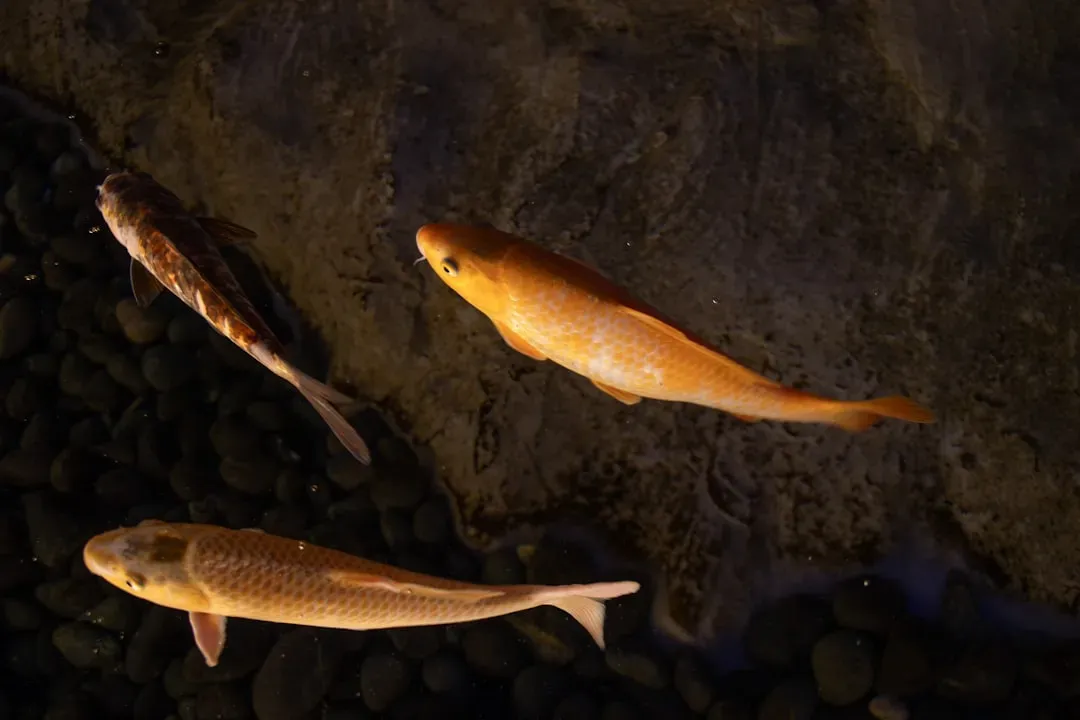
New tools in genomics, hormone analysis, and brain imaging are turning sex‑changing animals into model systems for cutting‑edge research. Scientists are now tracking which genes switch on or off as a female grouper becomes male, or which neural circuits light up in a clownfish brain when the dominant female disappears. These insights could eventually inform aquaculture, helping breeders avoid skewed sex ratios that reduce yields. At the same time, there is growing interest in whether the principles behind flexible sexual development might someday intersect with biomedical research in humans, particularly around fertility and endocrine disorders, even if direct applications remain speculative and ethically complex.
From a conservation perspective, the urgency is clearer. As ocean temperatures rise and habitats degrade, the delicate social networks that underlie many sex‑changing systems are under threat. Future management plans may need to incorporate not just how many animals remain, but how many are capable of playing each reproductive role at key life stages. This could mean:
- Protecting known spawning aggregations of groupers during critical breeding windows.
- Designing marine reserves that maintain intact social hierarchies for wrasses and clownfish.
- Monitoring sex ratios over time as a metric of ecosystem health, not just raw population counts.
The more we understand about how these transformations work, the better equipped we are to protect both the animals and the ecosystems that shape their remarkable lives.
How You Can Engage: From Curiosity to Conservation
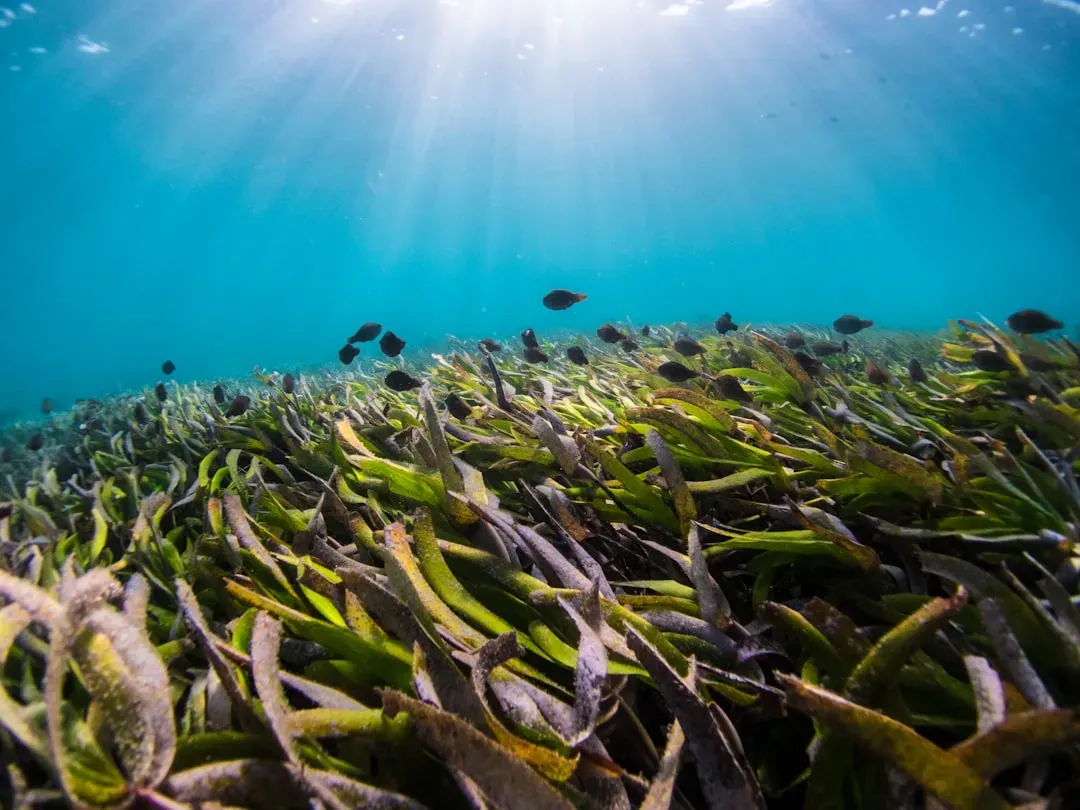
Most of us will never dive with a spawning grouper or watch a goby switch sex in a tidepool, but there are still meaningful ways to care about these hidden stories. One simple step is to stay curious and critical about how nature is portrayed; many films and cartoons smooth over the strange, flexible realities of animal biology. Seeking out science‑based reporting, museum exhibits, or documentaries that highlight real adaptations helps keep public understanding grounded in evidence rather than myth. If you eat seafood, paying attention to sustainability labels and choosing species that are responsibly managed reduces pressure on vulnerable sex‑changing fish like some groupers and wrasses.
Supporting marine protected areas and reef restoration projects, even through small donations or sharing verified information, contributes to habitats where these animals can maintain the complex social systems they need. Citizen science projects – such as reef monitoring dives, tidepool surveys, or community science apps – also offer ways for non‑scientists to document where and how these species live. Ultimately, the most powerful shift might be in mindset: seeing sex‑changing animals not as biological oddities, but as key players in the story of evolution’s creativity. When you look at a reef or a rocky shore with that in mind, the question is no longer whether nature follows our rules, but how many of its own we have yet to discover.
Suhail Ahmed is a passionate digital professional and nature enthusiast with over 8 years of experience in content strategy, SEO, web development, and digital operations. Alongside his freelance journey, Suhail actively contributes to nature and wildlife platforms like Discover Wildlife, where he channels his curiosity for the planet into engaging, educational storytelling.
With a strong background in managing digital ecosystems — from ecommerce stores and WordPress websites to social media and automation — Suhail merges technical precision with creative insight. His content reflects a rare balance: SEO-friendly yet deeply human, data-informed yet emotionally resonant.
Driven by a love for discovery and storytelling, Suhail believes in using digital platforms to amplify causes that matter — especially those protecting Earth’s biodiversity and inspiring sustainable living. Whether he’s managing online projects or crafting wildlife content, his goal remains the same: to inform, inspire, and leave a positive digital footprint.