
For generations, schoolbook history painted ancient people as clever but fundamentally primitive, tinkering with basic tools while waiting for modern science to arrive and do the real work. Over the last few decades, that picture has quietly unraveled. Archaeologists, materials scientists, and engineers keep uncovering devices, materials, and systems that feel unsettlingly modern in their precision and ambition. Each discovery chips away at the myth of linear progress, where the past is always cruder than the present. Instead, we’re left with a more complicated, more human story: brilliant bursts of technology that appeared, flourished, and sometimes vanished, only to be reinvented thousands of years later.
The Hidden Clues: Antikythera’s Clockwork Cosmos
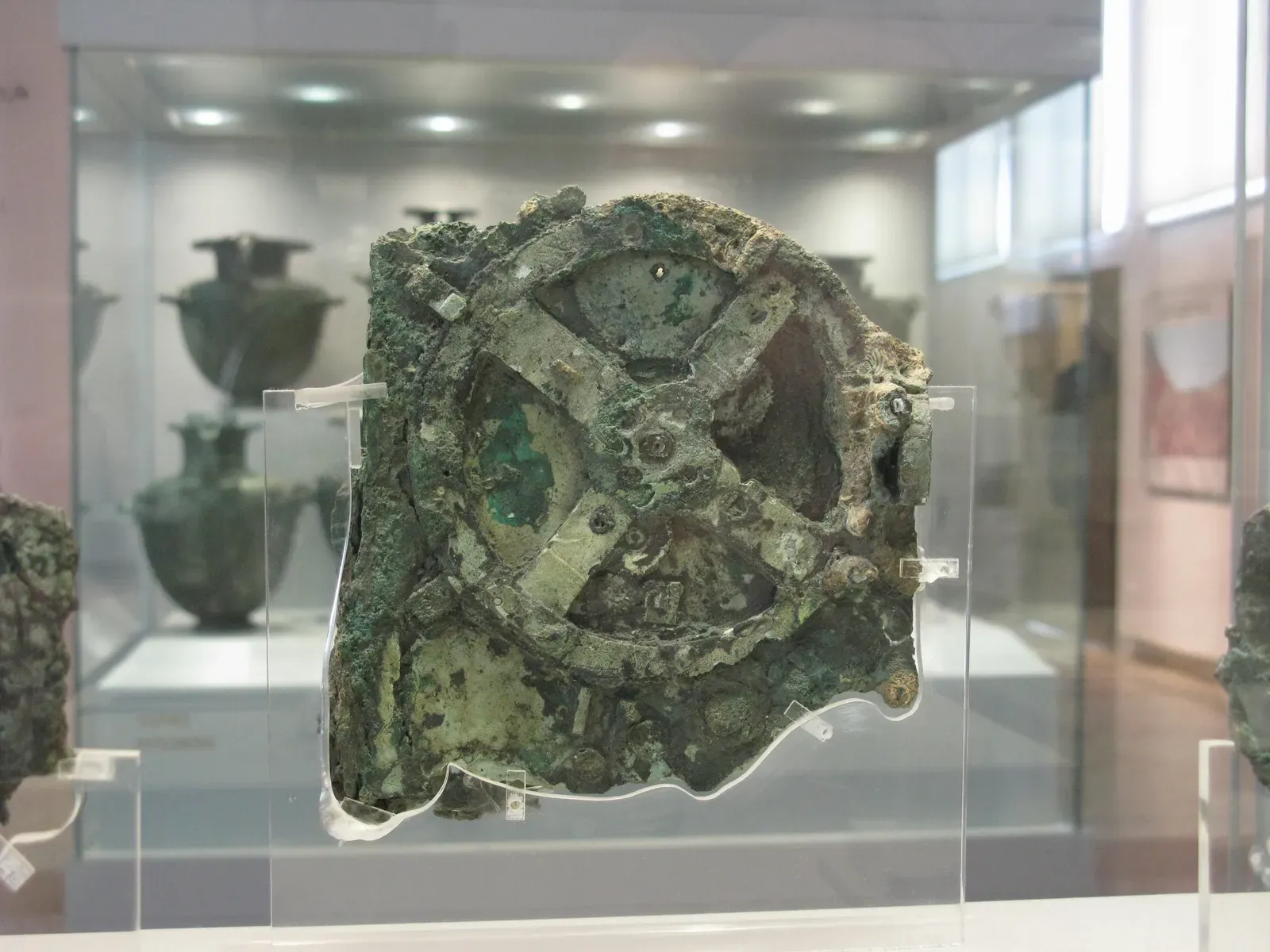
The Antikythera mechanism, fished from a Roman-era shipwreck off a Greek island in the early twentieth century, looked at first like a corroded lump of bronze no more impressive than a handful of ship nails. Inside, X‑ray imaging later revealed a galaxy of gears so fine and tightly meshed that many horologists compared it to a nineteenth-century watch rather than a relic more than two millennia old. This device modeled the motions of the sun, moon, eclipses, and possibly planets, using gear trains with tooth counts carefully tuned to astronomical cycles. Engineers studying its reconstruction have admitted that, if it had turned up with no context, they’d likely have dated its technology to the era of precision lathes and industrial machining. The real shock is not that Greek artisans could build it, but that such a level of mechanical astronomy appears to have been rare, almost experimental, rather than the start of a widespread industry.
What intrigues researchers today is how such knowledge emerged and then effectively disappeared from the archaeological record. You do not arrive at a device like this on the first try; it implies workshops, failed prototypes, and a design culture capable of mathematical abstraction. Yet we have no surviving manuals, no illustrated diagrams, just fragments of inscriptions and reverse-engineered gear trains from a corroded box. The mechanism stands as a taunting clue that the boundary between “ancient” and “modern” is far more porous than we like to admit.
From Desert Glass to Super-Materials: Ancient Egypt’s Surprising Chemistry

Walk into a modern materials lab and you’ll find clean rooms, high‑temperature furnaces, and careful notes about phase transitions and crystal structures. Visit Bronze Age Egypt and you find something that looks, at first glance, like the opposite: sand, charcoal, broken pots, and kilns the size of closets. Yet archaeologists analyzing Egyptian faience, blue pigments, and glassmaking have found an impressively tight control of temperature and composition that rivals early industrial chemistry. Glass beads and inlays were not happy accidents; they were consistently produced in colors and transparencies that required knowing when to hover just below melting and when to push a furnace to its limits.
Then there is the strange case of desert glass, the pale green silica found in the Sahara, sometimes worked into jewelry for pharaohs. Modern analyses suggest this glass was formed by intense heat, most likely from an ancient impact or atmospheric explosion, and yet Egyptian artisans recognized its unusual qualities and turned it into prestige objects instead of treating it as random stone. Across their workshops, residues in crucibles and kilns show that smiths and potters adjusted recipes almost like contemporary materials scientists, remixing minerals to produce shimmering glazes and stable pigments that have survived thousands of years of sunlight. The more closely we look, the less it resembles guesswork and the more it looks like a practical, empirical science of matter.
Precision in Stone: Inca Engineering Without the Wheel
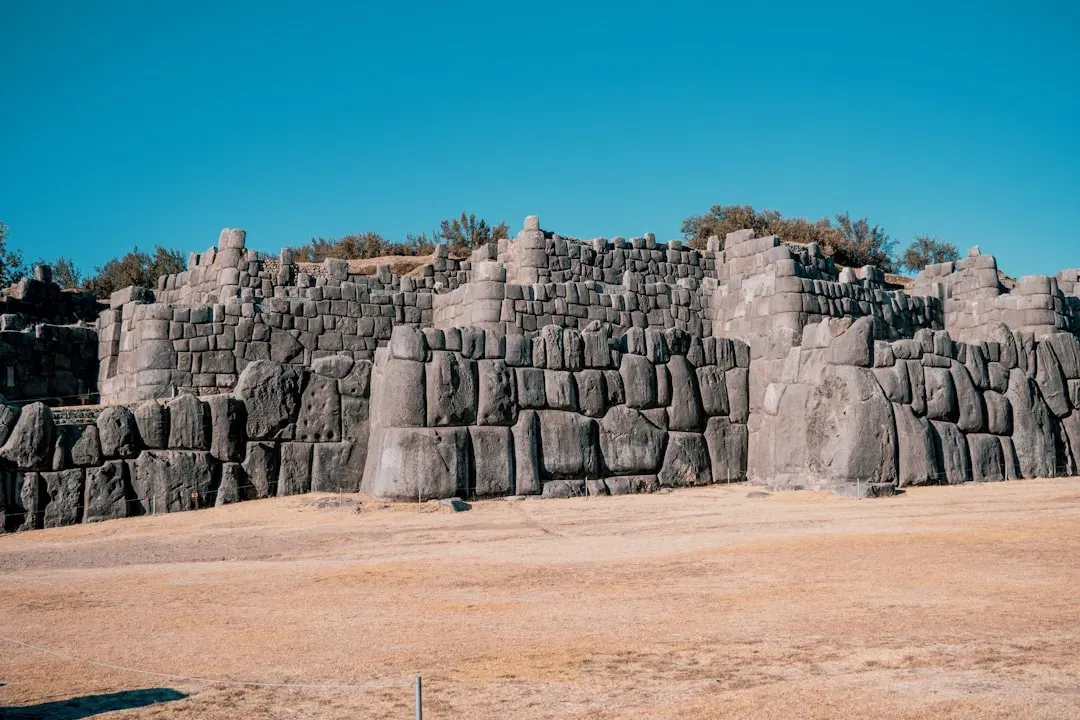
Stand in front of an Inca wall in Cusco or at Sacsayhuamán, and the stones feel almost unreal, like someone rendered them in high‑resolution 3D and snapped them together without a gap. Blocks with many irregular faces lock together so well that modern visitors test the joins with credit cards and fail to slide them in. What puzzles engineers is how masons without iron tools, draft animals, or the wheel managed such repeatable precision at scale. There are no surviving blueprints or measuring devices, only the silent testimony of walls that have shrugged off earthquakes that pulverized nearby colonial buildings.
Current research suggests a combination of techniques: shaping stones in place via abrasion, carefully sequencing which blocks were set first, and understanding how weight and friction distribute through irregular contact surfaces. That is, the Inca were not defying physics but mastering it in a hands‑on way that structural engineers can appreciate today. Their mortar‑less construction behaves like a flexible skeleton, absorbing seismic energy instead of snapping like a rigid frame. In an age when modern cities still struggle with quake‑resistant housing, the lessons from these Andean walls feel uncomfortably relevant.
Water, Power, and Control: Hydraulic Tech From Rome to Angkor
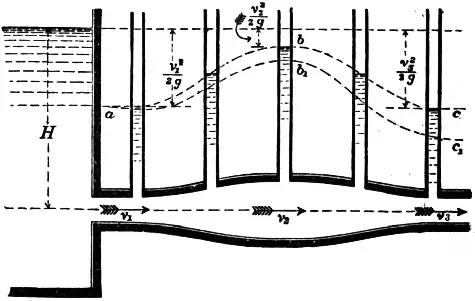
We like to think of smart infrastructure as a modern invention, with its sensors, pumps, and networked valves, but ancient hydraulic systems were their own form of quiet high technology. Roman aqueducts, with their precisely graded channels spanning valleys and cutting through hills, depended on accurate surveying and a nuanced understanding of water pressure that went beyond simple trial and error. In some cities, engineers used inverted siphons and complex branching networks to keep distant neighborhoods supplied with relatively stable flows. This was not just a matter of stacking stones; it was large‑scale fluid management across entire landscapes.
Half a world away, the Khmer Empire centered at Angkor constructed a different yet equally ambitious water system of canals, reservoirs, and embankments. Recent lidar surveys have revealed a vast engineered landscape, reshaping seasonal monsoon flows to support agriculture and urban life. These systems required long‑term planning and a kind of hydrological modeling carried out not with computer simulations but with earthworks and feedback from each rainy season. Modern hydrologists now parse sediment cores and channel profiles to understand how these societies balanced supply, storage, and flood risk. It is hard not to see echoes of today’s debates over dams, irrigation, and climate resilience in the decisions these ancient engineers made.
Ancient Data, Modern Algorithms: The Astronomers of Mesopotamia and Mesoamerica
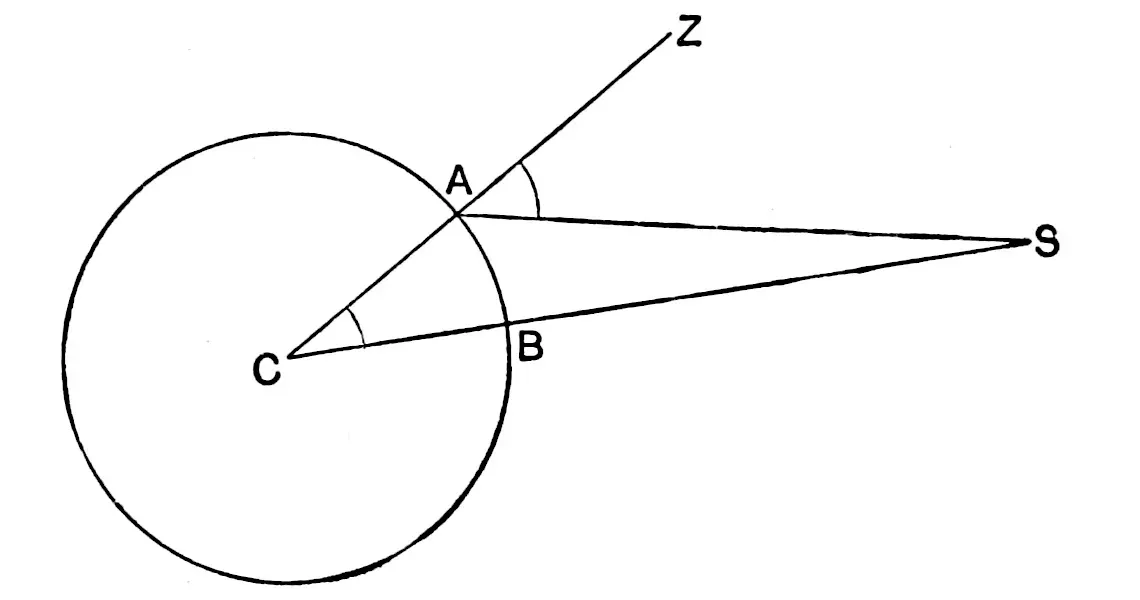
When people imagine ancient sky‑watchers, they often picture loosely sketched constellations and myth‑laden stories, not data tables. Yet clay tablets from Babylon and the cuneiform records of Mesopotamian scholars show systematic tracking of planetary motions over centuries, with predictive schemes that look eerily like primitive versions of modern algorithms. Instead of plotting curves on paper, scribes encoded patterns in stepwise procedures, allowing them to forecast eclipses and planetary positions for years ahead. The sophistication lies in the abstraction: they were not just listing events but compressing regularities into rules.
In Mesoamerica, the Maya developed interlocking calendar cycles that required a deep grasp of astronomical periods, including the tricky apparent motion of Venus. Their codices, where they survive, blend ritual content with what amounts to observational astronomy of high precision. Modern researchers have run statistical checks on some of these tables and found that their predictions beat naive models based on simple averages. In an era before telescopes, this level of accuracy demanded careful instruments, long institutional memory, and a clear sense that nature followed patterns discoverable by human minds. At its core, that is not so different from how data scientists work today, even if the tools have changed from reed stylus to server farm.
Why It Matters: Rethinking the Story of Progress
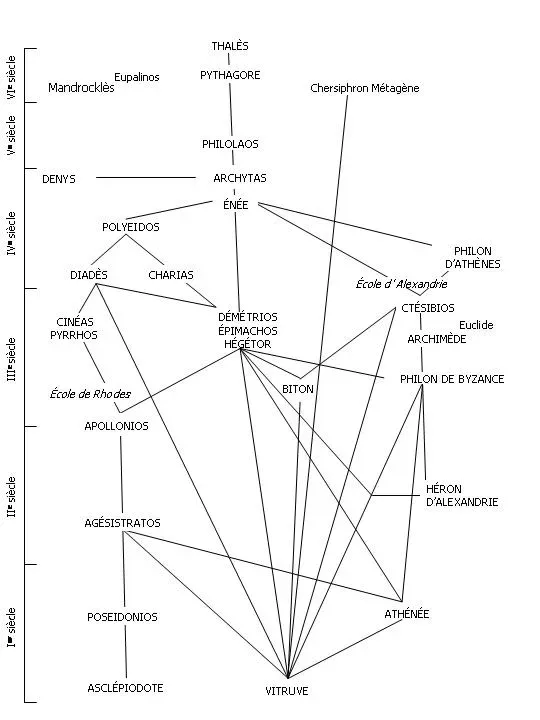
These technologies matter for more than their wow factor or the thrill of a good archaeological mystery. They force us to confront a comforting myth: that human history is a simple upward slope from ignorance to enlightenment. When we encounter a bronze gear train that models eclipses or a city‑wide water system that quietly managed seasonal floods, the line of progress starts to look more like a series of peaks and valleys. Knowledge is created, concentrated, and sometimes lost when political systems collapse, trade shifts, or written traditions are broken. The technologies we celebrate today are not the inevitable culmination of a single path but one branch among many that might have unfolded differently.
There is also a psychological sting. If ancient engineers could do so much with so little, what does it say about our own use of unprecedented resources and computing power? These discoveries remind us that creativity and insight are not monopolies of the present; they are fundamental human capacities. Recognizing that can make us more humble about our own blind spots and more attentive to knowledge at risk of disappearing, whether it sits in underfunded labs or in communities whose expertise rarely shows up in patents. In that sense, studying ancient technology is less about nostalgia and more about sharpening our sense of what is possible – and what is fragile.
From Forgotten Workshops to Cutting-Edge Labs: How Science Is Catching Up
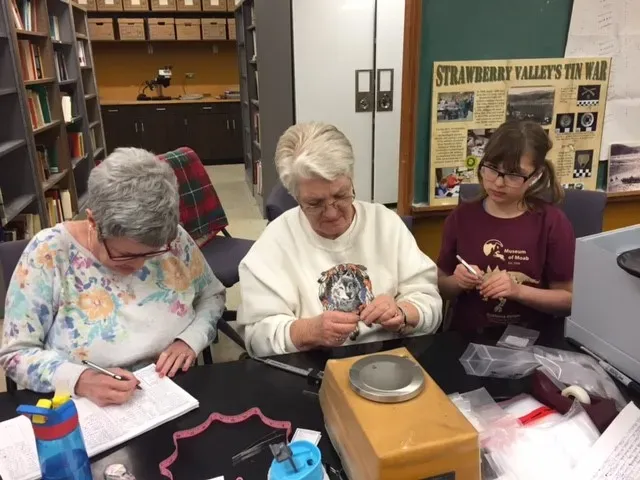
What has changed most dramatically in recent years is not the artifacts themselves but how we study them. High‑resolution CT scans, surface metrology, and materials analysis let researchers peer inside corroded metal, map microscopic tool marks, and reconstruct manufacturing steps from residues invisible to the naked eye. Experiments in replica workshops, where craftspeople try to recreate ancient objects using plausible tools, often reveal just how narrow the engineering tolerances had to be. When a slight deviation causes a water clock to drift wildly or a stone joint to fail under load, you begin to appreciate the quiet precision built into the originals.
These scientific approaches also help overturn stubborn assumptions. For example, what once seemed like decorative excess in some metalwork turns out, under stress testing, to improve flexibility or reduce crack propagation. In other cases, supposedly crude alloys show a surprisingly stable composition across regions, hinting at standardized recipes and quality control. Modern labs are essentially reverse‑engineering lost research programs, reconstructing not only objects but the chains of trial, error, and insight that shaped them. That process blurs the boundary between archaeologist, engineer, and historian in a way that feels very twenty‑first century.
The Future Landscape: Learning Old Tricks for New Problems
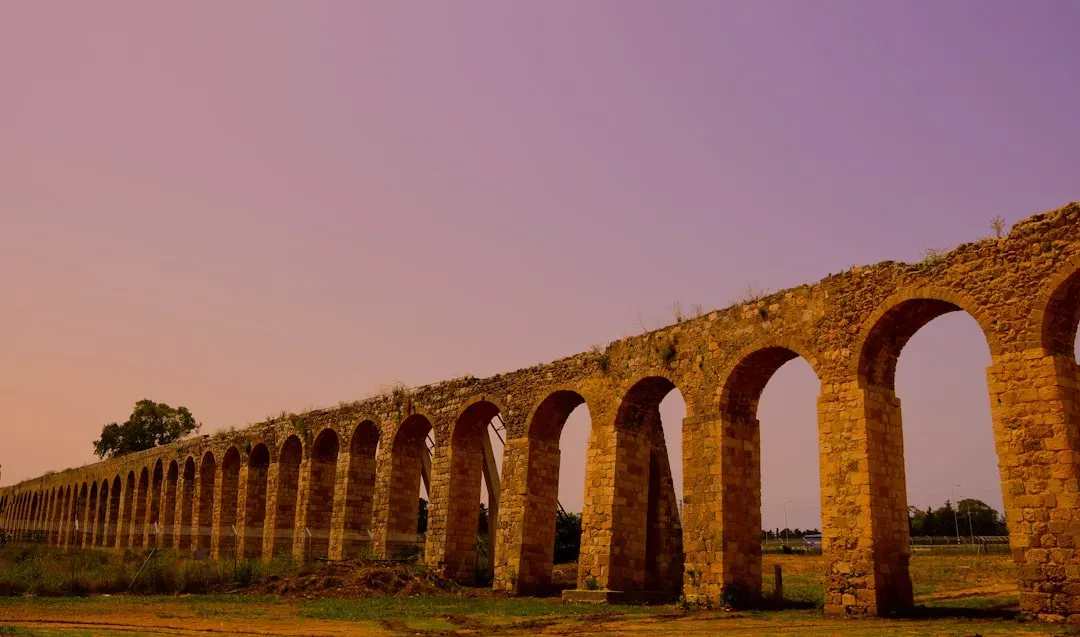
Looking ahead, ancient technologies are increasingly being treated as a design library rather than as mere curiosities. Architects explore Inca‑style interlocking masonry as a template for low‑carbon, quake‑resistant housing in regions that cannot afford steel‑heavy construction. Water managers study Angkor and other hydraulic civilizations to understand how to buffer against increasingly erratic rainfall without relying only on massive concrete dams. Even materials scientists are mining historical recipes for pigments, plasters, and alloys that weather better than some modern equivalents, hoping to adapt them to contemporary sustainability goals.
There are real challenges in this translation. Ancient systems were tuned to specific climates, social structures, and resource constraints, and copying them wholesale would be naive. The opportunity lies in hybrid solutions, where traditional insights about resilience and local adaptation mesh with modern modeling and monitoring tools. As climate pressures mount and infrastructure ages, the idea that the best answers must always be new starts to look more like an assumption than a fact. Reopening the technological archives of the past could help widen the range of futures we can realistically build.
How You Can Engage With the Past’s High Tech
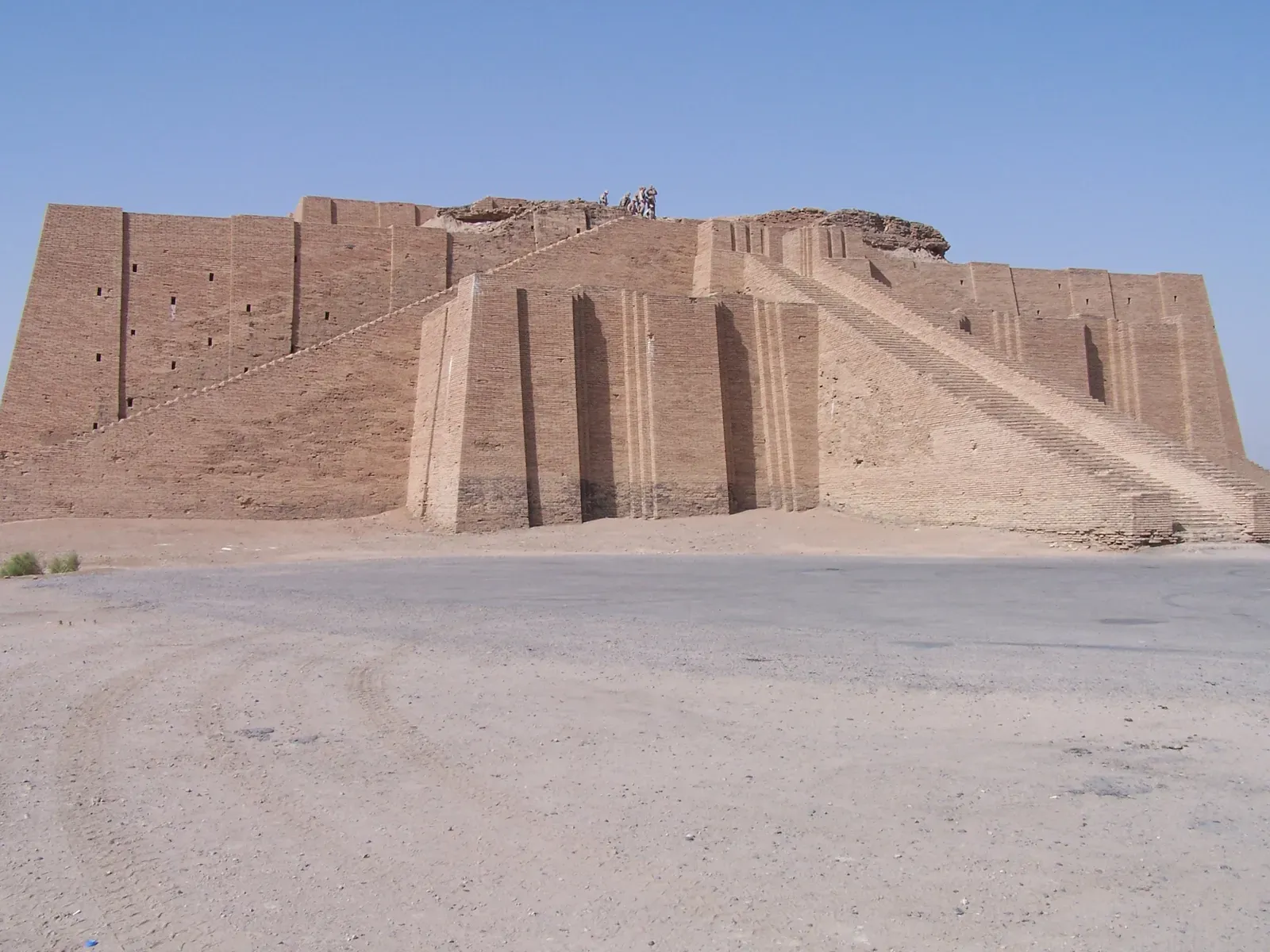
For most of us, the closest we get to these technologies is a museum label or a documentary, but there are surprisingly tangible ways to get involved. Many archaeological and conservation projects now rely on public support, whether through small donations, volunteer programs, or simply showing up and asking good questions when exhibitions tour your city. You can follow research institutes, university digs, and conservation labs that share behind‑the‑scenes looks at how they scan, test, and reconstruct ancient devices. That kind of visibility helps keep funding and attention flowing to work that is easy to overlook next to more obvious modern tech stories.
On a more personal level, paying attention to how old and new technologies intertwine in your own life can be its own quiet education. The next time you turn a gear, watch a dam release water, or glance at an eclipse prediction on your phone, it is worth remembering the long lineage behind those acts. Sharing that perspective with friends, teachers, or kids helps shift the narrative from one of smug superiority over the past to one of continuity and curiosity. In the end, our relationship with ancient technology is really about how we see ourselves: as the inevitable peak of progress, or as the latest link in a chain of problem‑solvers stretching back far beyond written history.
Suhail Ahmed is a passionate digital professional and nature enthusiast with over 8 years of experience in content strategy, SEO, web development, and digital operations. Alongside his freelance journey, Suhail actively contributes to nature and wildlife platforms like Discover Wildlife, where he channels his curiosity for the planet into engaging, educational storytelling.
With a strong background in managing digital ecosystems — from ecommerce stores and WordPress websites to social media and automation — Suhail merges technical precision with creative insight. His content reflects a rare balance: SEO-friendly yet deeply human, data-informed yet emotionally resonant.
Driven by a love for discovery and storytelling, Suhail believes in using digital platforms to amplify causes that matter — especially those protecting Earth’s biodiversity and inspiring sustainable living. Whether he’s managing online projects or crafting wildlife content, his goal remains the same: to inform, inspire, and leave a positive digital footprint.